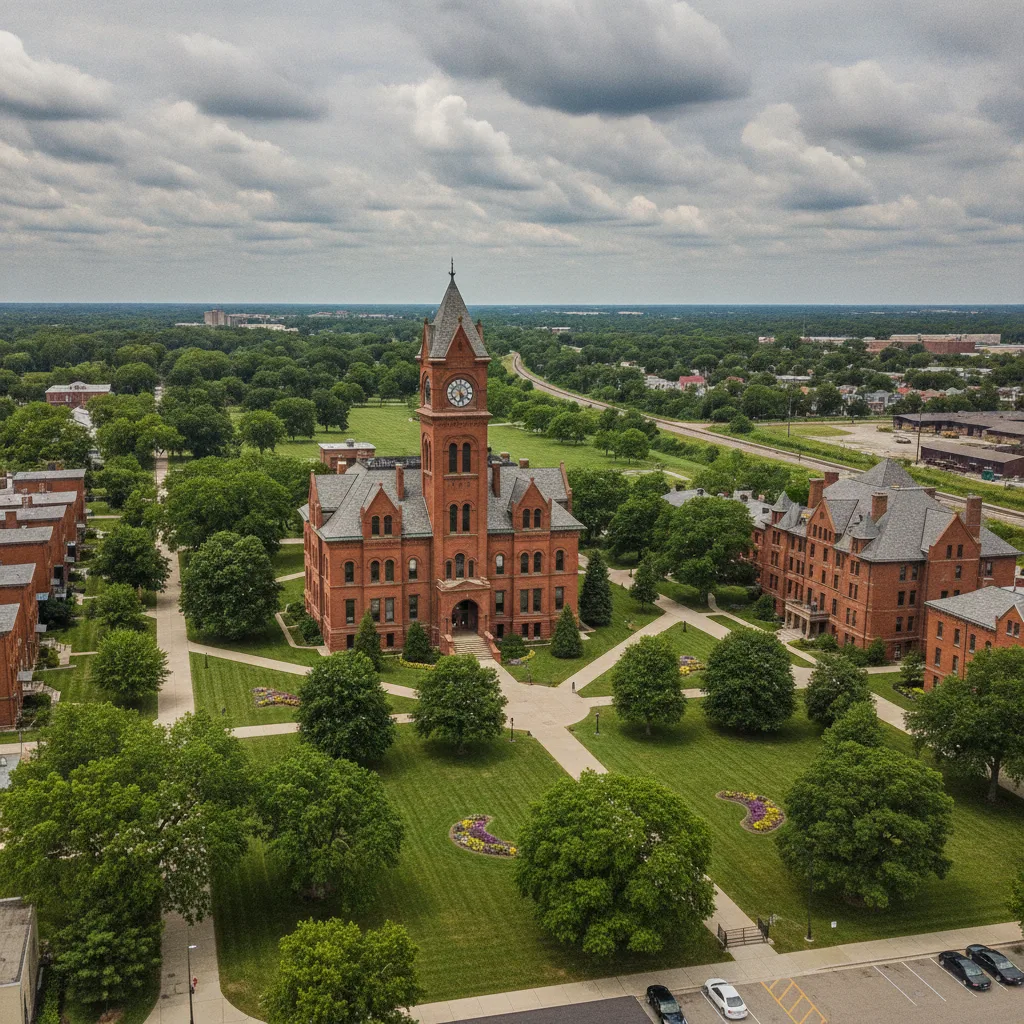
Our Pullman National Monument guide covers practical planning for Pullman National Monument Illinois — best time to visit, getting there, and what to do on the ground.
Pullman National Monument Travel Guide — Illinois
For travelers seeking a profound understanding of American history, the Pullman National Monument Illinois offers an unparalleled journey into the nation's first planned industrial community. This unique site provides a fascinating look into 19th-century urban planning, groundbreaking architecture, and pivotal moments in labor and civil rights history. Our team at Roam States believes that exploring Pullman is not just a visit to a historical park; it’s an immersive experience that reveals the complex interplay between industry, community, and social change that shaped modern America. We've compiled this comprehensive guide to help you plan your visit, ensuring you make the most of your time in this significant Illinois landmark.
Why Visit Pullman National Monument
Pullman National Monument stands as a testament to a visionary, albeit controversial, experiment in urban development. Founded by industrialist George M. Pullman in 1880, this "model town" was designed to house the workers of his Pullman Palace Car Company, renowned for its luxurious railway sleeping cars. What visitors encounter today is a remarkably preserved district that tells a multifaceted story: the architectural innovation of Solon S. Beman, the utopian ideals of a company town, the daily lives of its diverse residents, and the dramatic labor struggles that led to the historic Pullman Strike of 1894 and significantly influenced the American labor movement.
Beyond its historical significance, the monument offers a tangible connection to the past. Walking the tree-lined streets, you'll see the red-brick row houses, the imposing Administration-Clock Tower Building, and the elegant Hotel Florence, all of which were integral to Pullman's ambitious vision. It’s a place where the echoes of industrial progress, social aspiration, and working-class resilience are palpable. We recommend visiting to gain a deeper appreciation for the forces that shaped American industry, urbanism, and the ongoing fight for workers' rights and civil rights.
Who It's Best For
Pullman National Monument appeals to a wide range of visitors. History buffs, especially those interested in industrial history, labor movements, urban planning, and architecture, will find themselves engrossed in the rich narratives preserved here. Educators and students will discover a living classroom, offering tangible examples of economic systems, social structures, and historical events. Families with older children can engage with the exhibits and walking tours, which bring history to life in an accessible way. While younger children might find some of the historical details less captivating, the open spaces and unique architecture can still spark their curiosity.
The monument is also ideal for those seeking a unique cultural experience outside of Chicago's bustling downtown. It offers a quieter, more reflective atmosphere, allowing for a deeper dive into a specific, impactful slice of American heritage. Accessibility features, including wheelchair-friendly exhibits and accessible parking, ensure that the site is welcoming to visitors with varying abilities.
Getting There & Parking
Pullman National Monument is located on Chicago's far South Side, approximately 30 minutes south of Downtown Chicago. Our team finds that visitors have several convenient options for how to get to Pullman National Monument:
- By Car: Driving is a straightforward option. From downtown Chicago, take I-94 (Dan Ryan Expressway) South, which merges into the Bishop Ford Freeway. Exit at 111th Street (Exit 66A). Go west on 111th Street, and you'll find the Visitor Center parking lot entrance on 111th Street, after the third light. For those coming from the north via I-94, continue south on Stony Island after 95th Street, merge onto the Bishop Ford Expressway, and take the 111th Street exit.
- By Public Transportation: Chicago's public transit system offers excellent access.
- Metra Electric Line: This is often the most recommended option for a scenic and efficient journey. Take the Metra Electric Line from Millennium Station (or other downtown stations like Van Buren Street or LaSalle Street) to the 111th Street/Pullman station. From the 111th Street station, walk east on 111th Street towards S. Cottage Grove Avenue. Cross to the park, turn left (north) for one block, and the Visitor Center will be on your right at the corner of 111th and Cottage Grove. The walk is approximately 4-5 minutes (0.2 miles).
- CTA Bus: The CTA Bus #4 (Cottage Grove & 111th Street stop) and Bus #115 (Cottage Grove & 111th Street stop) both provide direct access. You can connect to these bus lines from the CTA Red Line (95th/Dan Ryan Stop) for the #115 bus.
Regarding Pullman National Monument parking, complimentary on-site parking is available at the Visitor Center, located at 610 E. 111th Street, Chicago, IL 60628. The parking lot entrance is on 111th Street. There are also accessible parking spots available. We advise against driving through the historic stone worker's gate entrance.
Top Things to Do
A visit to Pullman National Monument offers a range of enriching activities, allowing you to delve into its unique history and architecture. Our team recommends allocating at least a half-day to fully experience the site.
- Start at the Visitor Center: The Administration-Clock Tower Building Visitor Center is the ideal starting point. Open Wednesday through Sunday from 10:00 AM to 4:00 PM, it features interactive exhibits, artifacts, and an introductory video that provides an overview of the town's history. Park rangers and volunteers are available to answer questions and help craft a personalized itinerary.
- Explore the Historic Pullman Neighborhood: The monument encompasses the entire historic district, bounded by 103rd and 115th Streets, Cottage Grove Avenue, and the Bishop Ford Freeway. Take a self-guided walking tour using the NPS App or a park brochure, available at the Visitor Center. See the iconic red-brick row homes, the Pullman Wheelworks Apartments, and the Greenstone United Methodist Church.
- Visit the Hotel Florence: This stately hotel, named for George Pullman's eldest daughter, was built in 1881 and once housed company representatives. While it closed in 2000, it remains a significant landmark in the district.
- Discover the Pullman Exhibit Hall: Operated by the Friends of Pullman National Historical Park, this hall offers additional exhibits and often hosts special events. Guided tours sometimes depart from here.
- National A. Philip Randolph Pullman Porter Museum: This museum honors the significant contributions of Black railroad workers, known as Pullman Porters, and their pivotal role in the American labor and civil rights movements. It's an essential stop to understand a crucial aspect of Pullman's legacy.
- Attend a Guided Tour: Free, short ranger-guided tours are offered seasonally on a first-come, first-served basis from the NPS Visitor Center, typically at 1:00 PM Wednesday-Sunday. For a more in-depth experience, consider a "First Sunday Walking Tour" offered by the Friends of Pullman National Historical Park from May through October, starting at 1:00 PM from the Pullman Exhibit Hall. These tours cost $20 ($15 for seniors and students) and last about 90 minutes.
- Special Events: Railroad Days 2026: Mark your calendars for Railroad Days on Saturday, July 25, and Sunday, July 26, 2026. This family-friendly event celebrates 100 years of electrified rail and innovation, featuring historic Pullman railcars, a STEAM activity fair, model train exhibits, and guided walking tours focused on the neighborhood, the Roaring Pullman era, and the Pullman Strike. Some activities are free, while historic railcar tours and specific walking tours may require timed entry tickets.
Beyond the monument, there are many things to do in Chicago. Consider exploring Millennium Park & The Bean, visiting The Art Institute of Chicago, or experiencing the vibrant atmosphere of Navy Pier. For those interested in more history, the Abraham Lincoln Presidential Library and Museum is a significant site in Springfield, Illinois.
Best Time to Visit
The best time to visit Pullman National Monument largely depends on your preference for weather and crowd levels. Chicago experiences warm, humid summers and cold, snowy winters.
- Spring (April-May): Pleasant temperatures and blooming foliage make spring an excellent time for walking tours. Crowds are generally moderate.
- Summer (June-August): Summers are warm, with average daily high temperatures above 73 degrees Fahrenheit. This is a popular time for visitors, especially families, and you can enjoy outdoor exploration comfortably. However, it can also be humid. Special events like Railroad Days in July 2026 make summer particularly appealing.
- Fall (September-October): Mild temperatures and beautiful autumn colors create a picturesque setting for exploring the historic district. Crowds begin to thin out, offering a more serene experience. The "First Sunday Walking Tours" extend through October.
- Winter (November-March): Chicago winters are cold and snowy, with average daily temperatures below 43 degrees Fahrenheit from December to March. While the park is open year-round, outdoor exploration can be challenging. However, if you don't mind the snow, the historic buildings can look quite striking against a winter backdrop, and indoor exhibits remain accessible.
Our team suggests that the warmest weather is from early June to late September. If you prefer to avoid the coldest and snowiest periods, plan your visit outside of December to March. For a balance of good weather and fewer crowds, late spring and early fall are often ideal. Visiting on a weekday morning can also provide a more intimate experience with fewer tours happening.
Where to Stay Nearby
While the Pullman neighborhood itself is a historic residential area, dedicated Pullman National Monument lodging options within immediate walking distance are limited. However, you'll find a variety of hotels and accommodations within a short drive or public transit ride, offering convenient access to the monument and other Chicago attractions. When considering Pullman National Monument lodging, our team recommends looking at options both closer to the monument and in downtown Chicago, depending on your itinerary and preferences.
- Closest Options: For the most direct access, Motel 6 - Chicago, IL, and Admiral Motel By Oyo Chicago I-94 are noted as the closest hotels to Pullman National Monument. The Admiral Motel By Oyo Chicago I-94 is also mentioned as having parking available. These options are generally more budget-friendly.
- Mid-Range to Upscale in Chicago: Many visitors choose to stay in downtown Chicago or other well-connected neighborhoods, taking advantage of the city's extensive hotel offerings. Popular choices include:
- Hyatt Regency Chicago: A large, well-regarded hotel with excellent amenities.
- LondonHouse Chicago, Curio Collection by Hilton: Known for its luxurious atmosphere and prime location.
- Sheraton Grand Chicago Riverwalk: Offers great views and easy access to many attractions.
- Congress Plaza Hotel: A historic 3.5-star hotel in the heart of Chicago's shopping district, offering a blend of business convenience and leisure.
- Hampton Inn Chicago Downtown/Magnificent Mile: A reliable option for comfort and convenience near major shopping and dining.
- Unique Stays: For a different experience, consider charming bed & breakfasts in nearby, well-established Chicago neighborhoods.
The price of your stay can vary depending on the time of year, with December to February often being the cheapest months. We suggest booking your Pullman National Monument lodging in advance, especially during peak travel seasons or if you plan to visit during special events like Railroad Days.
Sample 2-Day Itinerary
To fully appreciate Pullman National Monument and its surroundings, we recommend a two-day itinerary, allowing for both in-depth exploration and a taste of broader Chicago attractions. This plan ensures you experience the best of Pullman National Monument Illinois.
Day 1: Immerse Yourself in Pullman's History
- Morning (10:00 AM - 1:00 PM): Visitor Center & Historic Core
- Arrive at Pullman National Monument and park at the Visitor Center on 111th Street.
- Begin your visit at the Administration-Clock Tower Building Visitor Center. Watch the introductory film, explore the exhibits, and pick up a self-guided tour brochure or download the NPS app.
- Take a ranger-guided tour (if available) or embark on a self-guided walk through the immediate historic core, focusing on the Administration-Clock Tower Building, Arcade Park, and the surrounding worker's homes.
- Lunch (1:00 PM - 2:00 PM): Local Eats
- Enjoy lunch at a local eatery in the Pullman neighborhood. Options like Lexington Betty Smoke House offer Chicago-style barbecue.
- Afternoon (2:00 PM - 5:00 PM): Deeper Dive into Pullman
- Visit the Historic Pullman Foundation's Pullman Exhibit Hall for more exhibits and insights.
- Explore the National A. Philip Randolph Pullman Porter Museum to learn about the crucial role of African American railroad workers.
- Walk past the historic Hotel Florence and other significant buildings, appreciating the unique urban planning.
- Evening: Dinner & Relaxation
- Head back to your chosen accommodation. For dinner, explore dining options in nearby neighborhoods or venture into downtown Chicago for a wider selection.
Day 2: Chicago Connections & Broader Illinois Exploration
- Morning (9:00 AM - 12:00 PM): Chicago Highlights
- Take the Metra Electric Line into downtown Chicago from the 111th Street station for a quintessential Chicago experience.
- Explore Millennium Park, home to "The Bean" (Cloud Gate), and stroll along Michigan Avenue.
- Consider a visit to The Art Institute of Chicago or the Field Museum and Shedd Aquarium at Museum Campus.
- Lunch (12:00 PM - 1:00 PM): Downtown Chicago
- Grab lunch at one of the many restaurants in downtown Chicago.
- Afternoon (1:00 PM - 5:00 PM): More Illinois Gems or Return to Pullman
- Option A (More Illinois Exploration): Depending on your interest, you could visit another Illinois destination. Consider the Abraham Lincoln Presidential Library and Museum in Springfield (a longer day trip), or perhaps the architectural marvels of the Frank Lloyd Wright Home and Studio in Oak Park. For nature lovers, Starved Rock State Park offers stunning canyons and waterfalls, though it's a longer drive.
- Option B (Deeper Pullman/South Side): If you want to spend more time near Pullman, explore other parts of the South Side of Chicago. Consider visiting the Museum of Science and Industry in Hyde Park, or simply revisit areas of the Pullman neighborhood you found particularly interesting.
- Evening: Farewell Dinner
- Enjoy a final dinner in Chicago, perhaps exploring a neighborhood like Hyde Park or returning downtown.
For more ideas on planning your trip, including broader US travel, check out our Plan Your US Trip guide and USA Road Trip Planner.
Is It Worth Visiting?
Our team confidently asserts that Pullman National Monument is absolutely worth visiting. It's not just another historical site; it's a profound journey into a pivotal chapter of American history. The monument offers a unique opportunity to witness the physical embodiment of a grand industrial experiment, from its architectural grandeur to its social complexities.
For those questioning "is Pullman National Monument worth visiting," we emphasize its significance in understanding urban planning, industrial innovation, and the birth of the modern labor movement. It’s a place where the stories of ordinary workers, their struggles, and their triumphs are brought to the forefront, offering a human-centric perspective on historical events. The site’s transformation from a company town to a National Park Service unit underscores its enduring relevance.
The accessibility of the site, combined with the dedicated efforts of the National Park Service and local partners, ensures a rich and informative experience for all visitors. Whether you're a history enthusiast, an architecture admirer, or simply looking for a unique Chicago experience, Pullman National Monument delivers a compelling and educational visit that resonates long after you leave. It stands as a vital piece of the American story, making it an essential destination on any Illinois itinerary. For more on Illinois destinations, explore our guide to the Best Places in Illinois.
FAQ
Pullman National Monument with kids
Pullman National Monument can be an engaging visit for kids, especially those interested in history, trains, or unique buildings. Our team finds that the open spaces for walking, the distinctive architecture, and the interactive exhibits at the Visitor Center can capture their attention. The National Park Service offers a Junior Ranger program, which is a fantastic way to engage younger visitors with activities and a badge. During events like Railroad Days (July 25-26, 2026), there are often family-friendly activities, including model train exhibits and hands-on demonstrations. We recommend focusing on the Visitor Center, a short walk around the main historic buildings, and the National A. Philip Randolph Pullman Porter Museum, which highlights an important civil rights story.
best hotels near Pullman National Monument
For the best hotels near Pullman National Monument, travelers have options ranging from budget-friendly motels very close to the site to a wide array of upscale hotels in downtown Chicago. The closest options identified by our team are Motel 6 - Chicago, IL and Admiral Motel By Oyo Chicago I-94. If you prefer to stay in downtown Chicago for more amenities and access to other attractions, popular choices include the Hyatt Regency Chicago, LondonHouse Chicago, Sheraton Grand Chicago Riverwalk, and the Congress Plaza Hotel. These downtown hotels offer excellent public transit connections to Pullman via the Metra Electric Line.
Pullman National Monument tips
To make the most of your visit to Pullman National Monument, our team offers these tips:
- Start at the Visitor Center: Always begin your trip at the Administration-Clock Tower Building Visitor Center for an orientation, maps, and ranger assistance.
- Allow Ample Time: We recommend setting aside at least a half-day to explore the monument and its partner sites.
- Wear Comfortable Shoes: You'll be doing a fair amount of walking to see the historic neighborhood.
- Check for Events: Look at the calendar for special events like Railroad Days (July 25-26, 2026) or First Sunday Walking Tours (May-October) for enhanced experiences.
- Consider Public Transit: The Metra Electric Line offers a convenient and efficient way to reach the monument from downtown Chicago.
- Accessibility: The Visitor Center and factory grounds are wheelchair accessible, and the park offers resources like lightweight wheelchairs and audio/tactile exhibits.
where to stay near Pullman National Monument
When deciding where to stay near Pullman National Monument, your primary choices are either directly adjacent to the monument or in the broader Chicago area. For immediate proximity, the Admiral Motel By Oyo Chicago I-94 offers parking and is very close. For a more comprehensive Chicago experience with a wider range of dining and entertainment, our team suggests staying downtown. Hotels like the Hyatt Regency Chicago or Congress Plaza Hotel provide comfortable bases with easy Metra access to Pullman. The best choice depends on whether you prioritize being right next to the monument or having more options for city exploration.
Pullman National Monument parking
Pullman National Monument parking is available on-site at the Administration-Clock Tower Building Visitor Center, located at 610 E. 111th Street, Chicago, IL 60628. The parking lot entrance is specifically on 111th Street. This parking is complimentary, and accessible parking spots are provided. Our team advises against attempting to drive through the historic worker's gate, as the designated visitor parking is clearly marked on 111th Street.
best time to visit Pullman National Monument
The best time to visit Pullman National Monument for comfortable outdoor exploration is during the spring (April-May) and fall (September-October) when temperatures are mild and the weather is generally pleasant. Summer (June-August) is also a popular choice, especially for families, though it can be warm and humid. If you're particularly interested in special events, Railroad Days in late July 2026 will offer unique experiences. While the park is open year-round, winter (December-March) can be very cold and snowy, which might limit outdoor walking, though indoor exhibits remain accessible. Our team recommends checking the specific event calendar for 2026 when planning your visit.
Pullman National Monument offers a truly unique window into American history, urban planning, and the enduring legacy of labor and civil rights. We hope this guide assists you in planning an insightful and memorable visit to this remarkable Illinois destination. Don't forget to explore other Illinois treasures like Allerton Park & Retreat Center and Anderson Japanese Gardens during your travels.
Last updated: 2026-07-13 by the Roam States team.