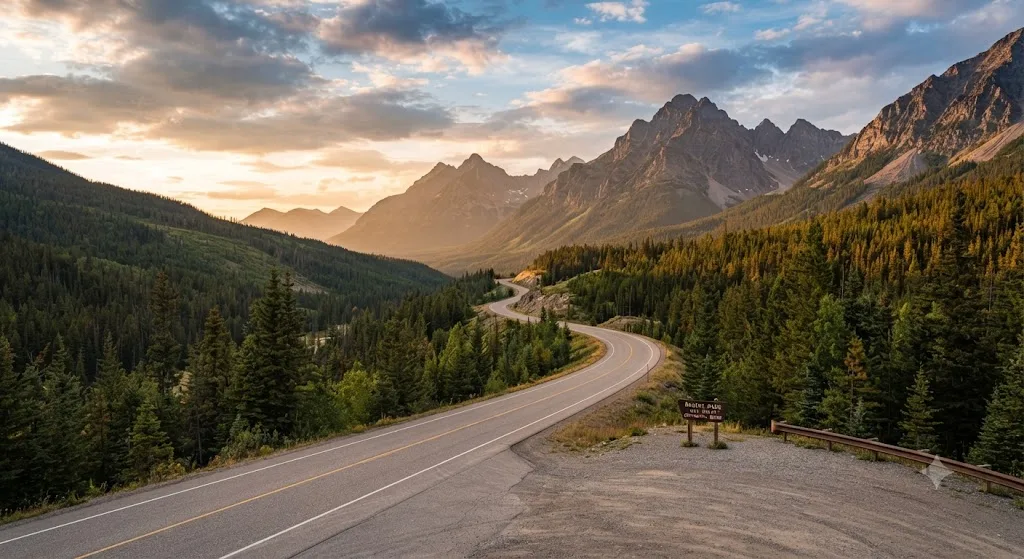
Our Rogers Pass guide covers practical planning for Rogers Pass Montana — best time to visit, getting there, and what to do on the ground. As independent US travel authorities, our team at Roam States is here to cut through the noise and deliver confident, specific advice for your adventure to this iconic Montana destination.
Nestled high in the Rocky Mountains, Rogers Pass Montana is more than just a scenic route; it’s a place steeped in natural beauty and historical significance. At an elevation of 5,610 feet (1,710 m), this mountain pass straddles the Continental Divide, offering travelers breathtaking vistas and a unique connection to Montana’s wild heart. It's famously known as the site where the coldest temperature in the contiguous United States was ever recorded, a staggering -70°F (-57°C) on January 20, 1954. This extreme weather event, which occurred at a weather station near the 4 K's Mine in a natural cold air trap, cemented Rogers Pass's place in meteorological history.
Traversed by Montana Highway 200, Rogers Pass provides a vital link between the cities of Great Falls and Missoula, making it an accessible yet wild destination for those seeking an authentic Montana experience. Whether you’re a history buff, a nature enthusiast, or simply looking for a stunning drive, our team has compiled everything you need to know to plan an unforgettable trip to Rogers Pass.
Why Visit Rogers Pass
The allure of Rogers Pass extends beyond its record-breaking cold. We believe it's a must-visit for its dramatic landscapes, significant role in American history, and abundant wildlife viewing opportunities. The pass offers panoramic views of the surrounding Helena National Forest and the vast, untamed wilderness that defines much of Central Montana.
Driving over Rogers Pass is an experience in itself, with winding roads that reveal sweeping mountain vistas at every turn. It’s a chance to literally cross the Continental Divide, a geographical feature that dictates the flow of water across the continent. For many, the appeal lies in standing at a point where history and nature converge, imagining the early surveyors like A.B. Rogers, who first located this pass in 1887 for the Great Northern Railway.
Beyond the views, Rogers Pass is a critical corridor for migrating raptors, particularly golden eagles, with hundreds observed during spring and fall migrations. This makes it a prime location for birdwatching, offering a unique opportunity to witness these majestic birds in their natural habitat. The surrounding wilderness, part of the immense Bob Marshall Wilderness Complex, is also a vital stronghold for grizzly bears and other iconic Montana wildlife, adding to the sense of wild adventure.
Who It's Best For
Rogers Pass is an ideal destination for a diverse range of travelers, but it particularly shines for those who appreciate natural beauty, outdoor adventure, and a touch of history. Our team finds it especially appealing to:
- Scenic Drivers: If you love a good road trip with stunning mountain scenery, Highway 200 over Rogers Pass is a fantastic choice. The drive itself is a major attraction, offering continuous breathtaking views.
- History Enthusiasts: Those fascinated by the history of the American West, early railway surveying, and meteorological extremes will find the stories of Rogers Pass captivating.
- Hikers and Backpackers: With access to the Continental Divide Trail (CDT) and the vast Helena National Forest, serious hikers and backpackers will find endless opportunities for exploration. The Scapegoat Wilderness, a 10-mile hike north of the pass, is a prime example of the rugged backcountry available.
- Birdwatchers and Wildlife Spotters: The pass is a renowned raptor migration route, especially for golden eagles, making it a hotspot for birdwatching in spring and fall. Keep an eye out for larger wildlife like deer, elk, and even grizzly bears in the surrounding wilderness.
- Families with Older Children: While the pass itself is a drive-through experience, older children who appreciate nature, hiking, and learning about history will enjoy the dramatic scenery and the stories behind the pass.
It's perhaps less suited for those seeking resort-style amenities or extensive developed attractions directly at the pass. Rogers Pass is about the raw, untamed beauty of Montana, offering a more rugged and immersive experience.
Getting There & Parking
Navigating to Rogers Pass Montana is straightforward, as it's directly on Montana Highway 200. This highway connects Missoula to the west with Great Falls to the east, making the pass a central point on this route.
How to Get There
- From Missoula: Take US-12 East, then connect to MT-200 East. The drive is approximately 80-90 miles and takes about 1.5 to 2 hours, depending on conditions.
- From Great Falls: Head west on MT-200. The drive is roughly 60-70 miles and takes about 1.25 to 1.5 hours.
- From Helena: Take US-12 West towards Garrison, then connect to MT-200 West. Alternatively, you can take MT-200 directly west. The distance is approximately 60-70 miles, taking about 1.25 to 1.5 hours.
When planning how to get to Rogers Pass, it's crucial to consider the time of year. While MT-200 is a major highway, mountain passes in Montana can experience rapidly changing weather conditions, especially outside of summer. We strongly recommend checking current road conditions via the Montana Department of Transportation (MDT) website or by calling 511 before you depart, particularly from November through April. Real-time webcam views for Rogers Pass are also available to assess current travel conditions.
Rogers Pass Parking
For Rogers Pass Montana, there are generally no specific fees or formal parking lots like you'd find at a national park entrance. As a mountain pass on a state highway, parking typically consists of roadside pull-offs and designated scenic viewpoints where you can safely stop to admire the scenery, take photos, or access trailheads. We advise looking for established pull-offs, especially near the Continental Divide marker, to ensure safety and avoid obstructing traffic.
It's important to note that information regarding "Winter Parking Permits" and "Overnight Parking Permits" found in some search results pertains to Rogers Pass in Glacier National Park, British Columbia, Canada, which has a distinct backcountry ski touring program and avalanche control system. For Rogers Pass, Montana, such permits are not required for general sightseeing or day-use parking along Highway 200.
During peak seasons or good weather, these pull-offs can fill up, so arriving earlier in the day is always a good strategy to secure a spot and enjoy the tranquility. We have not found any specific 2026 fees or reservation requirements for parking at Rogers Pass, Montana.
Top Things to Do
While Rogers Pass Montana is celebrated for its scenic drive and historic significance, there are several ways to engage with this unique landscape. Our team has identified the top things to do at Rogers Pass and in the surrounding Central Montana region.
Things to Do at Rogers Pass
- Drive the Scenic Highway 200: The primary attraction is the drive itself. Montana Highway 200 offers stunning views as it traverses the Continental Divide. Take your time, pull over at designated viewpoints, and soak in the expansive mountain panoramas. The experience of crossing the divide is a highlight.
- Visit the Continental Divide Marker: Stop at the summit to see the official marker for the Continental Divide. This is a great spot for a photo opportunity and to reflect on the geographical significance of standing on the hydrological backbone of North America.
- Wildlife and Bird Watching: Rogers Pass is a renowned corridor for raptor migration. From mid-September through October, and again in March and April, you can observe hundreds of golden eagles, bald eagles, and other raptors migrating. Bring binoculars and find a safe pull-off to scan the skies and surrounding forests for these magnificent birds. Keep an eye out for deer, elk, and potentially even grizzly bears in the more remote areas.
- Access the Continental Divide Trail (CDT): For hikers, Rogers Pass offers direct access to the CDT. Section 5 of the CDT, stretching 69 miles from Rogers Pass to McDonald Pass (near Helena), offers challenging and rewarding backcountry experiences within the Lewis and Clark-Helena National Forest. Bear spray and knowledge of bear safety protocols are highly recommended for any backcountry excursions.
- Experience the Coldest Spot: While there isn't a dedicated interpretive center directly at the record-setting location, knowing you're standing near the site of the -70°F record on January 20, 1954, adds a unique historical layer to your visit.
Things to Do in Central Montana
Beyond the immediate vicinity of the pass, Central Montana offers a wealth of attractions. If you’re looking for more things to do in Central Montana, consider these options:
- Explore Lincoln: Just east of Rogers Pass, the small town of Lincoln offers a glimpse into rural Montana life and serves as a gateway to the surrounding wilderness.
- Visit Helena: Montana’s capital city, Helena, is about an hour's drive southeast of Rogers Pass. Here, you can explore the Holter Museum of Art, the historic downtown, or visit Tower Rock State Park, a significant landmark noted by Lewis and Clark.
- Discover Great Falls: To the northeast, Great Falls is home to several cultural and historical sites. We recommend the Lewis & Clark National Historic Trail Interpretive Center, which provides fascinating insights into the famous expedition, and the C.M. Russell Museum, showcasing the works of the iconic cowboy artist. First People's Buffalo Jump State Park, a significant archaeological site, is also nearby.
- Montana Dinosaur Trail: For families and paleontology enthusiasts, several towns in Central Montana are part of the Montana Dinosaur Trail. The Montana Dinosaur Center in Bynum and the Old Trail Museum in Choteau offer impressive exhibits and even opportunities to join digs.
- Relax in White Sulphur Springs: For a relaxing break, head south to White Sulphur Springs and enjoy a soak in the Spa Hot Springs.
- Sluice Boxes State Park: Southeast of Great Falls, this rugged park offers hiking along Belt Creek Canyon, a unique experience for adventurous visitors.
Best Time to Visit
The best time to visit Rogers Pass Montana largely depends on what you want to experience, as the pass offers distinct charms throughout the year.
- Summer (June to early September): We consider this the most popular and generally easiest time to visit. The weather is typically mild, roads are clear of snow, and all activities like hiking and scenic driving are fully accessible. Wildflowers often bloom in the alpine meadows, adding vibrant color to the landscape. However, it's also the busiest season, so expect more traffic at popular viewpoints.
- Fall (Mid-September to October): This is a spectacular time for fall foliage, with aspens and cottonwoods turning brilliant shades of gold. Crucially, fall is also prime time for raptor migration, offering excellent birdwatching opportunities as golden eagles soar through the pass. While the weather is generally crisp and clear, be prepared for cooler temperatures and the possibility of early season snow, especially later in October.
- Spring (April to May): Spring brings melting snow, rushing streams, and the reawakening of wildlife. It's another excellent period for raptor migration. However, road conditions can be variable, with late-season snowstorms possible. Some higher elevation trails may still be snow-covered. We recommend checking road conditions frequently during this shoulder season.
- Winter (November to March): Winter transforms Rogers Pass into a snow-covered wonderland, offering a stark beauty that few get to witness. This is when the pass truly lives up to its "coldest temperature" fame. While scenic, winter travel requires extra caution due to heavy snowfall, icy roads, high winds, and potential closures. MT-200 is generally kept open, but conditions can change rapidly. If you venture out in winter, ensure your vehicle is properly equipped, and always check MDT road reports before heading out.
For those interested in raptor migration, our team recommends visiting in mid-September through October for southbound migration, or March through April for northbound.
Where to Stay Nearby
While there isn't direct Rogers Pass lodging, several charming towns and cities within a reasonable driving distance offer a range of accommodations, from rustic cabins to modern hotels. Our team recommends considering these locations when planning where to stay near Rogers Pass:
- Lincoln, Montana: As the closest town to Rogers Pass (east of the pass), Lincoln offers the most convenient base for exploring the immediate area. You'll find a few local motels, cabins, and vacation rentals that provide a comfortable, small-town experience. This is our top recommendation for maximizing time at the pass.
- Helena, Montana: Approximately 60-70 miles southeast of Rogers Pass, the state capital offers a wider selection of hotels, motels, and bed & breakfasts. Helena provides more dining and entertainment options after a day of exploring.
- Missoula, Montana: About 80-90 miles west of Rogers Pass, Missoula is a larger city with extensive lodging choices, from budget-friendly inns to upscale hotels. It's a vibrant college town with a diverse culinary scene and cultural attractions, making it a great hub for a broader Western Montana adventure. Consider staying at options like Gravity Haus Missoula or My Place Hotel - Missoula, MT.
- Great Falls, Montana: Roughly 60-70 miles northeast of Rogers Pass, Great Falls also offers a good range of accommodations. As a larger city, it provides all the amenities you might need, including various hotel chains and local establishments. This is a good option if your itinerary includes exploring the Lewis and Clark sites or the Montana Dinosaur Trail.
- Nearby Wilderness Lodges: For a more immersive experience, consider looking for lodges or cabins within the Helena National Forest or the surrounding Blackfoot Valley. These often provide a more secluded and authentic Montana stay, though amenities might be more limited.
When searching for Rogers Pass lodging, remember to expand your search to these nearby communities to find the best fit for your travel style and budget. Remember that popular times of year, especially summer, can see accommodations fill up quickly, so booking in advance is always a good idea.
Sample 2-Day Itinerary
To help you make the most of your visit to Rogers Pass Montana and the surrounding area, our team has crafted a sample 2-day itinerary. This itinerary balances scenic driving, outdoor activities, and local exploration.
Day 1: Rogers Pass & Continental Divide Exploration
- Morning (8:00 AM - 12:00 PM): Scenic Drive & Pass Exploration
- Start your day early in Lincoln, or from your lodging in Missoula or Great Falls.
- Drive Montana Highway 200, making your way to Rogers Pass. Take your time enjoying the scenic views of the Helena National Forest.
- Stop at the Continental Divide marker at Rogers Pass for photos and to appreciate the unique geographical feature.
- Spend some time at a safe pull-off, scanning the skies for raptors, especially if visiting during migration season (spring or fall). This is one of the key things to do at Rogers Pass.
- Lunch (12:00 PM - 1:00 PM): Picnic or Local Fare
- Enjoy a packed lunch at a scenic overlook on the pass, or head to Lincoln for a casual meal at a local eatery.
- Afternoon (1:00 PM - 5:00 PM): Continental Divide Trail Hike
- From Rogers Pass, embark on a moderate hike along a section of the Continental Divide Trail (CDT). Even a short out-and-back trek offers stunning views and a taste of the vast wilderness. Remember to carry bear spray and practice bear safety.
- Alternatively, explore a shorter trail within the Helena National Forest accessible from the highway.
- Evening (5:00 PM onwards): Relax in Lincoln
- Check into your Rogers Pass lodging in Lincoln.
- Enjoy dinner at a local restaurant in Lincoln, savoring the small-town Montana atmosphere.
Day 2: Central Montana History & Culture
- Morning (8:00 AM - 12:00 PM): Great Falls Exploration
- After breakfast in Lincoln, drive east to Great Falls (approx. 1.25-1.5 hours).
- Immerse yourself in history at the Lewis & Clark National Historic Trail Interpretive Center, learning about their journey through Montana.
- Visit the C.M. Russell Museum to explore the art of the renowned cowboy artist.
- Lunch (12:00 PM - 1:00 PM): Great Falls Dining
- Enjoy lunch at one of Great Falls' diverse restaurants.
- Afternoon (1:00 PM - 5:00 PM): First People's Buffalo Jump or Helena
- Option A (near Great Falls): Head to First People's Buffalo Jump State Park for a powerful historical experience and expansive views of the plains.
- Option B (towards Helena): Drive south to Helena (if you plan to depart from there) and visit the Holter Museum of Art or explore the historic downtown.
- Evening: Departure or Extended Stay
- Depending on your travel plans, you can depart from Great Falls, Helena, or return to Missoula.
This itinerary provides a solid framework, but feel free to adjust it based on your interests. For those with more time, consider extending your trip to Glacier National Park to the north or Yellowstone National Park (North) to the south, both offering world-class natural wonders.
Is It Worth Visiting?
From our perspective as independent US travel authorities, the answer to "is Rogers Pass worth visiting?" is an emphatic yes. Rogers Pass Montana offers a unique blend of spectacular natural beauty, significant historical intrigue, and genuine outdoor adventure that truly embodies the spirit of Big Sky Country.
The sheer drama of the landscape, especially when traversing the Continental Divide, is a powerful draw. The opportunity to drive through an area that holds the record for the coldest temperature in the lower 48 states adds a fascinating layer to the experience. For those who appreciate raw, untamed wilderness and the chance to witness migrating raptors, the pass provides unparalleled opportunities.
While it may not offer the developed tourist infrastructure of some national parks, its value lies in its authenticity and accessibility to genuine Montana wilderness. If you’re a traveler who seeks out scenic drives, historical markers, and opportunities for hiking and wildlife viewing away from the crowds, then Rogers Pass is absolutely worth visiting. It’s a place that invites you to slow down, take a deep breath of mountain air, and connect with the vastness of the American West. Our team believes it's a vital piece of the Montana puzzle that shouldn't be overlooked.
FAQ
Rogers Pass with kids
Visiting Rogers Pass Montana with kids can be a rewarding experience, especially for families who enjoy scenic drives and light outdoor activities. The drive itself along Highway 200 offers stunning views that can keep children engaged. We recommend pointing out the Continental Divide marker and explaining its significance. For younger children, short stops at scenic pull-offs for a stretch and a photo are ideal. Older kids might enjoy a short, easy hike on a well-maintained trail within the Helena National Forest, or trying to spot golden eagles during migration season. Pack plenty of snacks, drinks, and entertainment for the car, as the area is remote with limited services. Combine the visit with other family-friendly attractions in Central Montana, such as the Montana Dinosaur Center in Bynum or the Lewis & Clark Interpretive Center in Great Falls, to create a well-rounded trip.
Best hotels near Rogers Pass
Since there are no hotels directly at Rogers Pass Montana, the best hotels near Rogers Pass are found in the surrounding towns. Our top recommendation for proximity is Lincoln, Montana, which offers local motels and cabin rentals. For a wider selection and more amenities, consider hotels in Helena (approx. 60-70 miles southeast) or Missoula (approx. 80-90 miles west). In Missoula, options like Gravity Haus Missoula or My Place Hotel - Missoula, MT provide comfortable stays. Great Falls (approx. 60-70 miles northeast) also has various hotel chains and local establishments. We advise booking your Rogers Pass lodging in advance, especially during the busy summer months.
Rogers Pass tips
Our team offers these essential Rogers Pass tips for a smooth and enjoyable trip:
- Check Road Conditions: Always check the Montana Department of Transportation (MDT) website or call 511 for current road conditions on Highway 200, especially outside of summer.
- Be Bear Aware: If hiking, carry bear spray and know how to use it. The surrounding wilderness is grizzly bear country.
- Pack Layers: Mountain weather can change rapidly, even in summer. Dress in layers to adapt to varying temperatures.
- Fuel Up: Services are limited on the pass itself. Fill your gas tank and grab any essentials in nearby towns like Lincoln, Missoula, or Great Falls.
- Bring Binoculars: Essential for birdwatching, particularly during raptor migration seasons in spring and fall.
- Don't Confuse with Canadian Rogers Pass: Be aware that Rogers Pass in British Columbia, Canada, has different regulations, including winter permits for backcountry access. Our guide focuses solely on Rogers Pass, Montana.
Where to stay near Rogers Pass
When deciding where to stay near Rogers Pass, we recommend focusing on nearby communities that offer a balance of convenience and amenities. Lincoln, Montana, is the closest option, providing basic accommodations and a local feel. For more extensive choices, including a broader range of hotels, dining, and services, consider the larger cities of Helena, Missoula, or Great Falls. Each offers a different experience, from Missoula's vibrant college town atmosphere to Helena's historical charm and Great Falls' access to various cultural sites. For a more secluded experience, look into cabin rentals or small lodges in the Helena National Forest area.
Rogers Pass parking
For Rogers Pass Montana, parking is generally available at roadside pull-offs and designated scenic viewpoints along Montana Highway 200. There are no formal parking lots with fees or reservations required specifically for the pass itself. We advise using these established areas for safety and to avoid obstructing traffic. During busy periods, especially in summer, these spots can fill up, so arriving earlier in the day is recommended. Always ensure your vehicle is parked completely off the main roadway. We have not identified any specific 2026 parking fees or reservation systems for Rogers Pass, Montana.
Best time to visit Rogers Pass
The best time to visit Rogers Pass Montana depends on your priorities. For clear roads, mild weather, and full accessibility to hiking trails, summer (June to early September) is ideal. If you're keen on witnessing the spectacular raptor migration and enjoying vibrant fall foliage, then fall (mid-September to October) is an excellent choice. Spring (April to May) also offers migration viewing but with more variable road conditions. Winter (November to March) provides a unique, stark beauty but requires careful planning and a vehicle equipped for snow and ice. Our team finds that late spring, summer, and early fall offer the most accessible and enjoyable experiences for most travelers.
We hope this comprehensive guide inspires your journey to Rogers Pass Montana. From its record-breaking cold to its stunning vistas and rich history, this mountain pass offers a truly authentic slice of Big Sky Country. Our team is confident that with careful planning and an adventurous spirit, you'll have an unforgettable experience exploring this unique corner of the American West.
Last updated: 2026-07-07 by the Roam States team.