Our Ruby Lake National Wildlife Refuge guide covers practical planning for Ruby Lake National Wildlife Refuge Nevada — best time to visit, getting there, and what to do on the ground. We're here to cut through the noise and deliver the essential details you need to make your trip to this remote Nevada gem unforgettable.
Expert Verdict: Ruby Lake National Wildlife Refuge Nevada is a truly unique destination, offering unparalleled birdwatching and a serene escape into nature. Its remoteness is both its charm and its challenge, demanding thoughtful planning for a rewarding experience.
Why Visit Ruby Lake National Wildlife Refuge
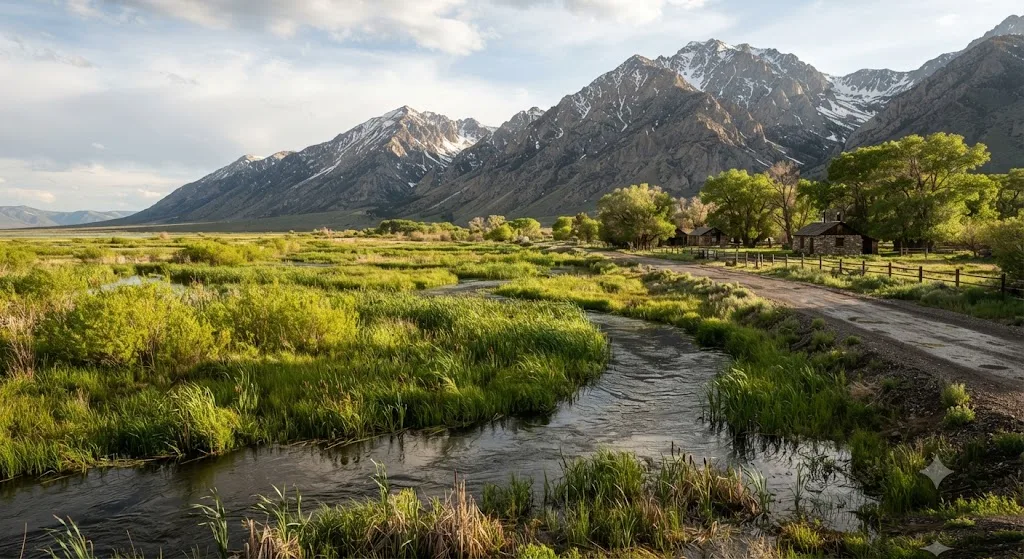
Ruby Lake National Wildlife Refuge Nevada is an extraordinary oasis nestled in the heart of the Great Basin Desert. Established in 1938, this pristine refuge spans over 40,000 acres of spring-fed marshes, wet meadows, and a 12-foot-deep lake, creating a vital habitat for an astonishing diversity of wildlife.
What truly sets Ruby Lake apart is its extensive marshlands, which serve as a critical resting and breeding ground for migratory birds along both the Pacific and Central Flyways. We're talking about over 220 species of birds, including the majestic trumpeter swans, sandhill cranes, and one of the largest breeding concentrations of canvasbacks in the western continental U.S.
For nature lovers and photographers, the refuge offers a rare opportunity to witness these incredible creatures up close in their natural environment. The dramatic backdrop of the rugged Ruby Mountains, often referred to as "Nevada's Alps," adds to the allure, providing stunning vistas that change with the seasons. Beyond birdwatching, the refuge is a haven for fishing, with its waters stocked with trout and largemouth bass, and opportunities for peaceful kayaking or canoeing through its labyrinthine channels.
Who It's Best For
Ruby Lake National Wildlife Refuge is ideal for those seeking solitude and an authentic connection with nature, far from the crowds of more conventional tourist destinations. It's a prime spot for:
- Birdwatchers and Wildlife Enthusiasts: With over 220 bird species, including trumpeter swans and sandhill cranes, the refuge is a top-tier birding destination. Keep an eye out for mule deer, bighorn sheep, and even the occasional mountain goat in the surrounding Ruby Mountains.
- Photographers: The diverse landscapes, abundant wildlife, and dramatic mountain backdrops offer endless opportunities for stunning nature photography.
- Anglers: The lake and its various waterways are popular for fishing, with trout and largemouth bass being common catches.
- Paddlers: Kayaking and canoeing through the marshlands provide a unique perspective of the refuge and its inhabitants.
- Peace Seekers: If you crave quiet, open spaces, and an escape from the hustle and bustle, Ruby Lake delivers. Its remote location ensures a tranquil experience.
This isn't the spot for those looking for extensive amenities, bustling nightlife, or highly developed attractions. It's for those who appreciate the raw, untouched beauty of the high desert and its vibrant ecosystems.
How to Get There & Parking
Getting to Ruby Lake National Wildlife Refuge is part of the adventure, as its remote location means traversing unpaved roads. We always recommend checking current road conditions with the refuge headquarters, especially between November and May, as snowmelt and wet weather can make some routes impassable.
Directions to Ruby Lake National Wildlife Refuge
The refuge is situated at the southern end of Ruby Valley in northeast Nevada, about an hour and a half drive from Elko. There are several routes, but be prepared for gravel roads regardless of your starting point.
- From Elko via Secret Pass (Recommended in Inclement Weather): Travel 17 miles east on Interstate 80 to Exit 321. Turn right onto State Route 767/State Route 229 (Ruby Valley Road*) toward Halleck/Ruby Valley. Follow Ruby Valley Road for 37 miles south until it becomes a well-maintained dirt and gravel road. Continue another 30 miles south to the refuge headquarters.
- From Elko via Harrison Pass (Seasonal, Not Recommended for Large Vehicles): Take State Route 227/Lamoille Highway southeast from Elko to Spring Creek. Turn right onto Route 228 and drive 39 miles south until it turns into a dirt road leading to Harrison Pass. Continue 4.2 miles over Harrison Pass until it dead-ends at Ruby Valley Road*. Turn right and take the well-maintained dirt and gravel road south approximately 8 miles to the refuge headquarters. Harrison Pass is not maintained year-round and may be impassable from October to May, and is not recommended for large trailers or motor homes.
- From Ely via Highway 93: Travel north on Highway 93 about 110 miles. Turn left on State Route 229 and follow it for 14 miles to the intersection with State Route 767/Ruby Valley Road*. Turn left. In two miles, the pavement ends, but continue on the well-maintained dirt and gravel road 30 miles south to the refuge headquarters. This route is longer but often a better choice in inclement weather.
- From Wells: Travel south on Highway 93 for 27 miles. Turn right on State Route 229 and follow it for 14 miles to the intersection with State Route 767/Ruby Valley Road*. Turn left.
*Note: Ruby Valley Road is known by several designations (State Route 767, County Route 3, County Route 788) but for consistency, we refer to the entire section from I-80 to U.S. 50 as Ruby Valley Road. GPS navigation may recognize "Ruby Lake National Wildlife Refuge, NV" or require "Ruby Valley, NV" as a starting point.
Parking at Ruby Lake National Wildlife Refuge
Ample parking is available at the visitor center and various access points throughout the refuge. Off-road vehicles (ORUVs) are prohibited on all refuge roads east of Ruby Valley Road (County Road). No reservations are required for general entry or parking.
Top Things to Do
The primary draw of Ruby Lake National Wildlife Refuge is its immersive natural experience. We encourage visitors to embrace the tranquility and focus on the unique wildlife and landscapes. Here are the top things to do at Ruby Lake National Wildlife Refuge:
- Birdwatching: This is arguably the premier activity. With over 220 species, including the resident trumpeter swans, sandhill cranes, and various ducks, you'll want binoculars and a good field guide. The auto tour route (though parts may be temporarily closed for waterfowl protection) and designated dikes offer excellent viewing opportunities. The best times for birding are during spring migration (March to May) and fall migration (September to November).
- Wildlife Photography: Capture the stunning avian diversity, the dramatic Ruby Mountains, and the serene marsh landscapes. Early mornings and late afternoons offer the best light.
- Fishing: Ruby Lake is a popular fishing destination. The collection ditch and spring ponds are known for large trout, including state record rainbow and tiger trout. The south marsh area, where small boats are allowed, is excellent for bass fishing. Remember to obtain a Nevada State Fishing license before casting a line.
- Kayaking & Canoeing: Navigate the labyrinthine marshlands by canoe or kayak for an intimate wildlife viewing experience. This is a fantastic way to explore areas inaccessible by vehicle. Motorless boats and boats with battery-powered electric motors are permitted in the South Marsh from June 15 - July 31. From August 1 - December 31, boats with motors of 10 hp or less are allowed in the South Marsh.
- Hiking: While extensive, marked hiking trails within the immediate refuge are limited, there are opportunities for walking along the dikes and exploring the Gallagher Fish Hatchery Trail. For more serious hiking, the adjacent Ruby Mountains Wilderness Area offers numerous trails, which we'll detail below.
- Visitor Center: Stop by the refuge headquarters (open Monday-Friday, 7 AM to 4 PM) for maps, information, and exhibits about the refuge's ecology and wildlife.
When enjoying things to do at Ruby Lake National Wildlife Refuge, always remember to practice Leave No Trace principles to preserve this fragile ecosystem.
Ruby Lake National Wildlife Refuge Hiking Trails
While the refuge itself offers limited designated hiking trails, primarily focusing on dikes and interpretive walks, the true hiking paradise lies in the adjacent Ruby Mountains Wilderness Area. We highly recommend exploring these trails for breathtaking alpine scenery. Some popular Ruby Lake National Wildlife Refuge hiking trails and nearby mountain trails include:
- Gallagher Fish Hatchery Trail: An easy, interpretive walk near the refuge headquarters, offering insights into the fish hatchery operations and local wildlife.
- Dike Walks: Many visitors enjoy walking along the various dikes that crisscross the marsh, offering excellent opportunities for birdwatching and photography. Be aware that some sections of the auto tour route (Long Dike Road) may be temporarily closed to vehicles to protect breeding waterfowl.
- Ruby Crest National Recreation Trail: This challenging 38-mile trail in the Ruby Mountains offers dazzling high-country lakes, glacier-carved cirques, and stunning alpine scenery. It's a multi-day backpacking trip for experienced hikers. The southern end of the Ruby Crest Trail begins just north of Harrison Pass.
- Lamoille Lake Trail: A moderate hike in Lamoille Canyon (a short drive from the lake) leading to an alpine lake surrounded by rugged cliffs.
- Angel Lake Trails: Easy to moderate hikes around a sparkling mountain lake, perfect for families, also located in the Ruby Mountains.
When venturing onto the Ruby Lake National Wildlife Refuge hiking trails or those in the Ruby Mountains, always carry plenty of water, be prepared for changing weather conditions, and inform someone of your itinerary, especially for longer or more strenuous hikes.
Best Time to Visit
The best time to visit Ruby Lake National Wildlife Refuge largely depends on your interests, particularly if birdwatching is your priority. Our team recommends these periods:
- Spring (March to May): This is arguably the prime season for birdwatching, with massive numbers of migratory birds arriving. You'll witness a spectacular display of waterfowl, shorebirds, and songbirds. However, be aware that road conditions can still be challenging in early spring due to snowmelt and mud.
- Summer (June to August): While peak migration has passed, summer still offers excellent opportunities for birding, fishing, and kayaking. You'll see resident species, including white pelicans, blue herons, and various ducks. The weather is generally warm, but mosquitoes can be abundant, so pack repellent.
- Fall (September to November): Another fantastic time for birdwatching as migratory birds pass through on their way south. The weather is often crisp and comfortable, with stunning fall colors in the surrounding Ruby Mountains. Fishing and boating remain excellent.
- Winter (December to February): Offers a serene, solitary experience. This is the best time to see trumpeter swans, which are Nevada's only resident population, and other waterfowl. However, many roads, especially Harrison Pass, may be impassable due to snow, requiring careful planning and potentially a 4WD vehicle. The lower loop of South Ruby Campground may remain open but with limited amenities.
For optimal wildlife viewing, we suggest visiting in the early morning when birds are most active.
Where to Stay Nearby
Given the refuge's remote nature, Ruby Lake National Wildlife Refuge lodging options directly adjacent to the refuge are limited. Most visitors opt to stay in nearby towns like Elko or Spring Creek, which offer a wider range of accommodations and services. However, there are a few closer options for those seeking a more immersive experience.
Camping and RV Parks
- South Ruby Campground: This USFS-managed campground is located on the northern end of Ruby Marsh, near the visitor center and Gallagher Fish Hatchery. It offers 33 single sites, one double, and one accessible site, each with a picnic table and fire ring. Vault toilets and drinking water are available from early May to late September. The lower loop may remain open in winter with reduced amenities. Reservations can be made via Recreation.gov up to 6 months in advance.
- Dispersed Camping: Primitive dispersed camping is permitted on adjacent BLM (Bureau of Land Management) and Forest Service lands, particularly west of Ruby Valley Road. However, dispersed camping is *not* permitted within the Ruby Lake National Wildlife Refuge itself. Always follow Leave No Trace principles and check local regulations.
Hotels and Vacation Rentals (Ruby Lake National Wildlife Refuge Lodging)
For more traditional Ruby Lake National Wildlife Refuge lodging, you'll need to venture further out:
- Elko (approx. 60-65 miles north): As the largest nearby town, Elko offers the widest selection of hotels, motels, and amenities. You'll find options ranging from budget-friendly inns to more comfortable hotels.
- Spring Creek (approx. 40-50 miles north): This community closer to the Ruby Mountains also provides some vacation rentals and limited hotel options.
- Lamoille: Home to the Ruby 360 Lodge, which offers nightly lodging, yurt stays, and multi-day activity packages. They are taking reservations for the 2026 summer season.
- Ruby Mountain Cabins: Some private cabins are available for rent in the Ruby Mountains area, offering a secluded experience.
When planning your Ruby Lake National Wildlife Refuge lodging, consider the trade-off between proximity to the refuge and the availability of amenities. We often opt for a combination: a few nights camping for an immersive experience, followed by a comfortable hotel stay in Elko to recharge.
Sample 2-Day Itinerary
To truly experience the magic of Ruby Lake National Wildlife Refuge, we recommend at least two full days. This itinerary balances prime wildlife viewing with exploration of the surrounding area.
Day 1: Birding, Boating, and Refuge Exploration
- Morning (Sunrise - Noon): Arrive at Ruby Lake National Wildlife Refuge early, ideally an hour before sunrise, when wildlife is most active. Head to the northern marsh units and drive the accessible sections of the auto tour route. Spend time at various pull-offs, birdwatching and photographing the diverse waterfowl, including trumpeter swans and sandhill cranes. Visit the Gallagher Fish Hatchery for an easy interpretive walk.
- Afternoon (Noon - 5 PM): Launch a kayak or canoe into the South Marsh (seasonal access applies, check regulations regarding motor use). Paddle through the serene channels, observing birds from a unique water-level perspective. Alternatively, if fishing is your passion, spend the afternoon casting a line in the collection ditch or the spring ponds for trout, or the South Marsh for bass.
- Evening (5 PM - Sunset): Enjoy a picnic dinner at a scenic spot within the refuge. As the sun begins to set, find a vantage point to observe evening wildlife activity and capture the golden hour light over the marsh and Ruby Mountains. The refuge is open until one hour after sunset.
- Night: If camping at South Ruby Campground, enjoy stargazing. If staying in Elko or Spring Creek, head back for dinner and rest.
Day 2: Ruby Mountains Hiking & Scenic Drives
- Morning (Sunrise - Noon): After an early breakfast, depart the refuge and head towards the Ruby Mountains. Drive the stunning Lamoille Canyon Scenic Byway, often called "Nevada's Yosemite." Stop at various viewpoints to admire the glacier-carved peaks, alpine lakes, and wildflowers (especially vibrant in July).
- Late Morning/Afternoon (Noon - 5 PM): Embark on a hike in the Ruby Mountains. Options include the moderate Lamoille Lake Trail or the family-friendly Angel Lake Trails. For more ambitious hikers, consider a section of the Ruby Crest National Recreation Trail. Pack a lunch to enjoy amidst the alpine scenery.
- Late Afternoon (5 PM - Sunset): Drive back towards Elko or your chosen accommodation. Consider a stop at Ruby Valley Hot Springs (south of the refuge) for a primitive soak, but be aware that access roads can be muddy after precipitation and facilities are non-existent.
- Evening: Enjoy dinner in Elko or Spring Creek, reflecting on the diverse beauty of Nevada's high desert and alpine wilderness.
For those interested in extending their trip or exploring more of Nevada, consider visiting other incredible destinations like Great Basin National Park, a few hours south, or even the vibrant Las Vegas Strip and engineering marvel of Hoover Dam further south in the state. Nevada offers a diverse range of experiences, from the remote wilderness of Ruby Lake to the bustling energy of its cities. For more ideas, explore our guide to the Best places in Nevada.