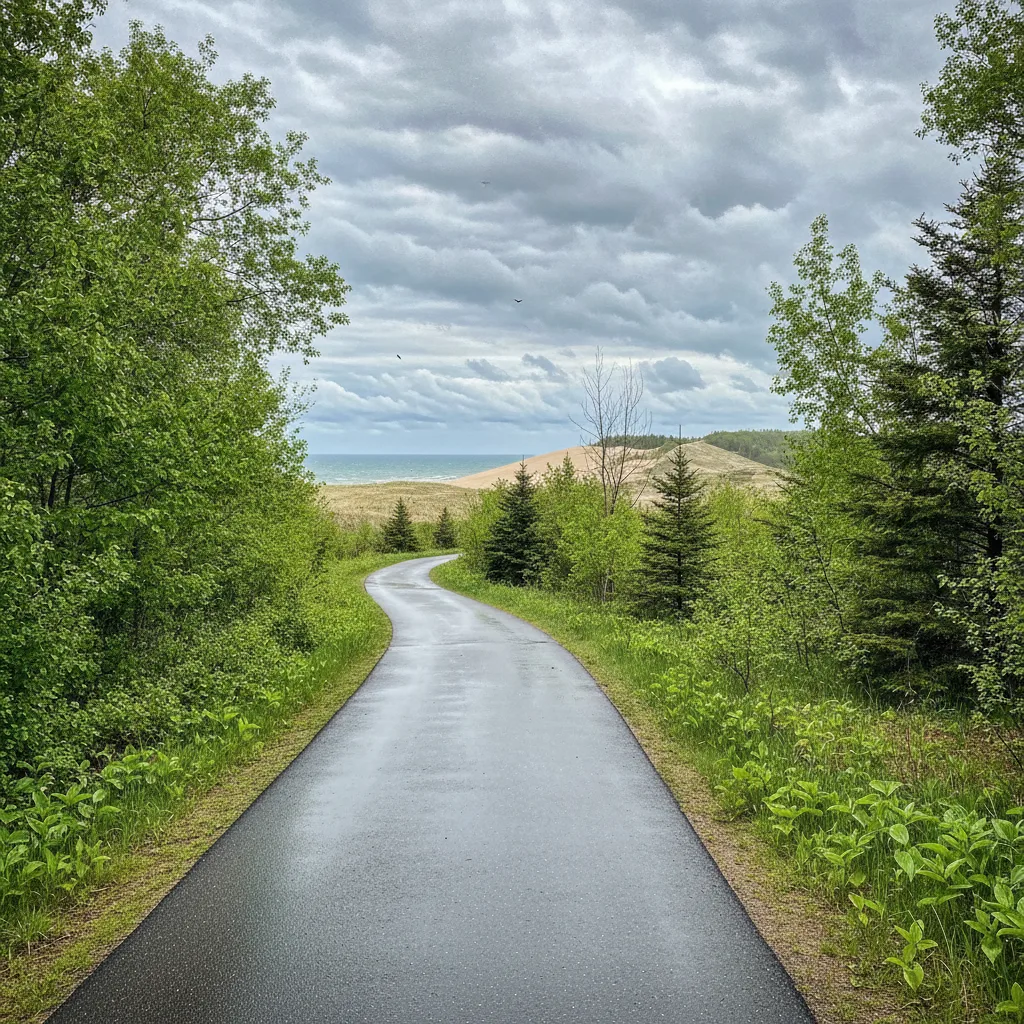
Our Sleeping Bear Heritage Trail guide covers practical planning for Sleeping Bear Heritage Trail Michigan — best time to visit, getting there, and what to do on the ground.
Why Visit Sleeping Bear Heritage Trail
We’ve explored countless trails across the United States, and our team confidently places the Sleeping Bear Heritage Trail among Michigan’s most rewarding experiences. This paved, multi-use pathway is more than just a trail; it's an accessible gateway to the iconic Sleeping Bear Dunes National Lakeshore, offering a unique blend of natural beauty, historical insights, and charming small-town access. Whether you're a seasoned cyclist, a casual walker, or pushing a stroller, this trail provides an unparalleled opportunity to immerse yourself in one of America's most beautiful places. The trail's design, with its mostly paved surface and gentle grades in many sections, makes it welcoming for nearly all abilities, a feature we deeply appreciate.
Imagine gliding through lush forests, past historic farmsteads, and alongside the stunning blue waters of Lake Michigan, all without the worry of vehicle traffic. The Sleeping Bear Heritage Trail Michigan connects you directly to major attractions like the Dune Climb and Glen Haven Historic Village, allowing for seamless exploration. It’s a chance to truly slow down and absorb the breathtaking scenery, from towering dunes to serene inland lakes. We believe it offers a more intimate and active way to experience the National Lakeshore compared to simply driving through. Plus, the commitment to accessibility, including programs offering track chairs and e-assist bikes, ensures that more people can enjoy this natural wonder.
Who It's Best For
The Sleeping Bear Heritage Trail is remarkably versatile, making it ideal for a wide range of visitors. We recommend it highly for families with young children, as the paved and mostly flat sections, particularly between the Dune Climb and Glen Haven, offer a safe and enjoyable environment for biking and walking.
Cyclists of all levels will find routes to love, from leisurely rides through Glen Arbor to more challenging climbs near Pierce Stocking Scenic Drive. Runners and walkers will appreciate the smooth surface and varied scenery, providing ample opportunities for exercise amidst stunning backdrops. For those seeking a quieter experience, the trail's extensive length allows for solitude, especially during shoulder seasons. We also want to emphasize its excellent accessibility for visitors with mobility challenges. The trail is designed for wheelchairs and strollers, and the Friends of Sleeping Bear Dunes organization offers free track chairs and wheelchair e-assist bicycles (reservations open April 24, 2026), making more rugged sections of the park accessible.
Winter enthusiasts aren't left out either; groomed sections of the trail are perfect for cross-country skiing, offering a serene way to experience the snow-covered landscape. Ultimately, if you appreciate outdoor activity, scenic beauty, and a well-maintained, non-motorized path, the Sleeping Bear Heritage Trail is for you.
Getting There & Parking
The Sleeping Bear Heritage Trail Michigan is nestled within the Sleeping Bear Dunes National Lakeshore, making access straightforward from nearby towns. The primary gateway towns are Empire and Glen Arbor. To use the trail, you'll need a Sleeping Bear Dunes National Lakeshore entrance pass. As of 2026, a private vehicle pass costs $25 and is valid for 1-7 days, covering all occupants of your vehicle. These passes can be purchased at the Philip A. Hart Visitor Center in Empire, the Dune Climb, Pierce Stocking Scenic Drive, and The Homestead.
Parking for the Sleeping Bear Heritage Trail is readily available at numerous designated trailheads spread along its length. Key parking areas include: Bar Lake Road, Pierce Stocking Scenic Drive/Shauger Hill, the popular Dune Climb, Glen Haven Historic Village, Alligator Hill Trailhead, Crystal River Launch, Bay View Trailhead on Thoreson Road, and Port Oneida Road. We recommend consulting a detailed trail map (like those found on SBHTmap.org) to choose the best starting point for your planned adventure. Some sections, particularly those near popular attractions like the Dune Climb, can fill up quickly during peak season, so arriving earlier in the day is always a good strategy.
Top Things to Do
When it comes to things to do at Sleeping Bear Heritage Trail, the options are as diverse as the landscape itself. Our team suggests a variety of activities to fully experience this exceptional pathway:
- Biking the Trail: This is arguably the most popular activity. Rent a bike in Glen Arbor or Empire, or bring your own, and pedal through the varied terrain. The trail offers everything from flat, easy stretches perfect for families to more challenging hills for experienced riders. Don't miss the section through the Port Oneida Rural Historic District, where the paved trail temporarily gives way to packed crushed stone, offering a unique historical immersion.
- Hiking and Walking: While the trail is designed for multi-use, many sections are perfect for a scenic walk or run. The segment between Glen Arbor and the Dune Climb is particularly beautiful and relatively flat. For dedicated hiking, branch off onto one of the many interconnected hiking trails within the National Lakeshore (more on this below).
- Visit the Dune Climb: The trail passes directly by the iconic Dune Climb. We highly recommend taking a break from your ride or walk to tackle the massive sand dune. The views of Glen Lake from the top are absolutely spectacular and well worth the effort.
- Explore Glen Haven Historic Village: Just off the trail, this preserved 19th-century logging village offers a fascinating glimpse into the past. Explore the general store, blacksmith shop, and maritime museum.
- Picnic with a View: Pack a lunch and stop at one of the many scenic overlooks or picnic areas along the trail. The views of Lake Michigan and the surrounding dunes are truly unforgettable.
- Winter Sports: In the colder months, the Sleeping Bear Heritage Trail transforms into a groomed cross-country ski and snowshoe path. It’s a peaceful way to experience the winter wonderland.
- Enjoy the Beaches: The trail provides access to several stunning Lake Michigan beaches. Take a refreshing dip or simply relax on the sand.
Truly, the things to do at Sleeping Bear Heritage Trail cater to every outdoor enthusiast.
Best Time to Visit
The Sleeping Bear Heritage Trail offers unique experiences throughout the year, but our team has a few recommendations based on what you're hoping to achieve.
Summer (June-August): This is peak season, and for good reason. The weather is warm, perfect for biking, walking, swimming in Lake Michigan, and exploring all the attractions. All services, including bike rentals and visitor centers, are fully operational. However, expect larger crowds, especially at popular spots like the Dune Climb and Glen Haven. We advise arriving early in the day to secure parking and enjoy a quieter experience. Temperatures can range from the upper 70s to 90s Fahrenheit during the day.
Fall (September-October): Our personal favorite time to visit. The crowds thin out, the air is crisp, and the autumn foliage transforms the landscape into a breathtaking tapestry of reds, oranges, and golds. It’s ideal for long bike rides and hikes, with comfortable temperatures. Remember that some services might begin to scale back towards the end of October.
Spring (April-May): A beautiful time as the park awakens. Wildflowers begin to bloom, and wildlife is more active. The trail is less crowded than in summer, offering peaceful rides and walks. Be prepared for variable weather, including cooler temperatures and potential rain.
Winter (December-March): For the adventurous, winter offers a serene and quiet experience. The trail is groomed for cross-country skiing and snowshoeing in many sections, providing a unique way to see the dunes covered in snow. However, pets are not allowed on the Sleeping Bear Heritage Trail from December 1 through March 31. Also, some sections close to M-22 may have sand and salt from snowplows.
Where to Stay Nearby
Finding the right Sleeping Bear Heritage Trail lodging is key to a comfortable and convenient visit. The area surrounding the trail offers a variety of options, from rustic campgrounds to charming hotels in nearby towns.
Camping: For those who love to be immersed in nature, several campgrounds are available within Sleeping Bear Dunes National Lakeshore. D.H. Day Campground, located directly along the trail, offers 81 rustic, wooded campsites within walking distance of Lake Michigan. Reservations are highly recommended from May 1 through October 15 and can be made up to six months in advance. Another excellent option is Platte River Campground, a year-round facility located about 17 miles south of D.H. Day, which offers hot showers (a welcome amenity after a long day on the trail!). For a more secluded experience, consider backcountry camping on North or South Manitou Islands (boat access only) or at White Pine Backcountry Campground. Private options like Agritourism at Jackson Station also offer rustic tent sites near the Lakeshore.
Hotels and Resorts: The charming towns of Glen Arbor and Empire, both directly connected to the trail, offer a range of hotels, motels, and vacation rentals. These towns provide easy access to dining, shops, and other amenities. While we don't endorse specific properties, searching for accommodations in "Glen Arbor, MI" or "Empire, MI" will yield numerous results. For a broader selection, nearby Traverse City (about an hour's drive east) offers more extensive Sleeping Bear Heritage Trail lodging options, including larger hotels and resorts, though it requires a longer commute to the trailheads.
No matter your preference, we advise booking your Sleeping Bear Heritage Trail lodging well in advance, especially for summer and fall visits, as this region is incredibly popular.
Sample 2-Day Itinerary
To help you maximize your visit, our team has crafted a sample 2-day itinerary focusing on the Sleeping Bear Heritage Trail Michigan and surrounding attractions:
Day 1: Dune Climbs & Historic Charm
- Morning (9:00 AM - 1:00 PM): Start your day at the Dune Climb. Purchase your National Lakeshore pass if you haven't already. Tackle the climb for incredible panoramic views of Glen Lake and Lake Michigan. After descending, rent bikes (or grab yours from the car) at the Dune Climb trailhead.
- Lunch (1:00 PM - 2:00 PM): Enjoy a picnic lunch at the Dune Climb area or head to nearby Glen Haven Historic Village.
- Afternoon (2:00 PM - 5:00 PM): Cycle north on the Sleeping Bear Heritage Trail to Glen Haven Historic Village. Explore the Maritime Museum, blacksmith shop, and general store, stepping back in time. Continue your ride through the village and along the trail towards Glen Arbor, enjoying the peaceful wooded sections.
- Evening (5:00 PM onwards): Arrive in Glen Arbor. Check into your lodging. Enjoy dinner at one of Glen Arbor's local restaurants, then take a leisurely stroll through the town.
Day 2: Scenic Drives & Coastal Beauty
- Morning (9:00 AM - 12:00 PM): Drive the Pierce Stocking Scenic Drive. This 7.4-mile loop offers numerous overlooks with breathtaking views of the dunes, Lake Michigan, and Glen Lake. Don't miss the famous Lake Michigan Overlook and Cottonwood Trail. You can access the Heritage Trail from this drive as well.
- Lunch (12:00 PM - 1:00 PM): Head south to Empire. Grab a casual lunch in this charming village.
- Afternoon (1:00 PM - 4:00 PM): Explore the Empire area. Hike the Empire Bluff Trail (1.5-mile round trip) for stunning views from a high bluff overlooking Lake Michigan. Alternatively, cycle the southern section of the Sleeping Bear Heritage Trail, starting from a trailhead near Empire and heading north towards Pierce Stocking Scenic Drive.
- Late Afternoon/Evening (4:00 PM onwards): Relax at Empire Beach, known for its picturesque public beach and spectacular sunsets over Lake Michigan. Consider visiting the Philip A. Hart Visitor Center in Empire for additional information about the Lakeshore.
Last updated: 2026-07-06 by the Roam States team.