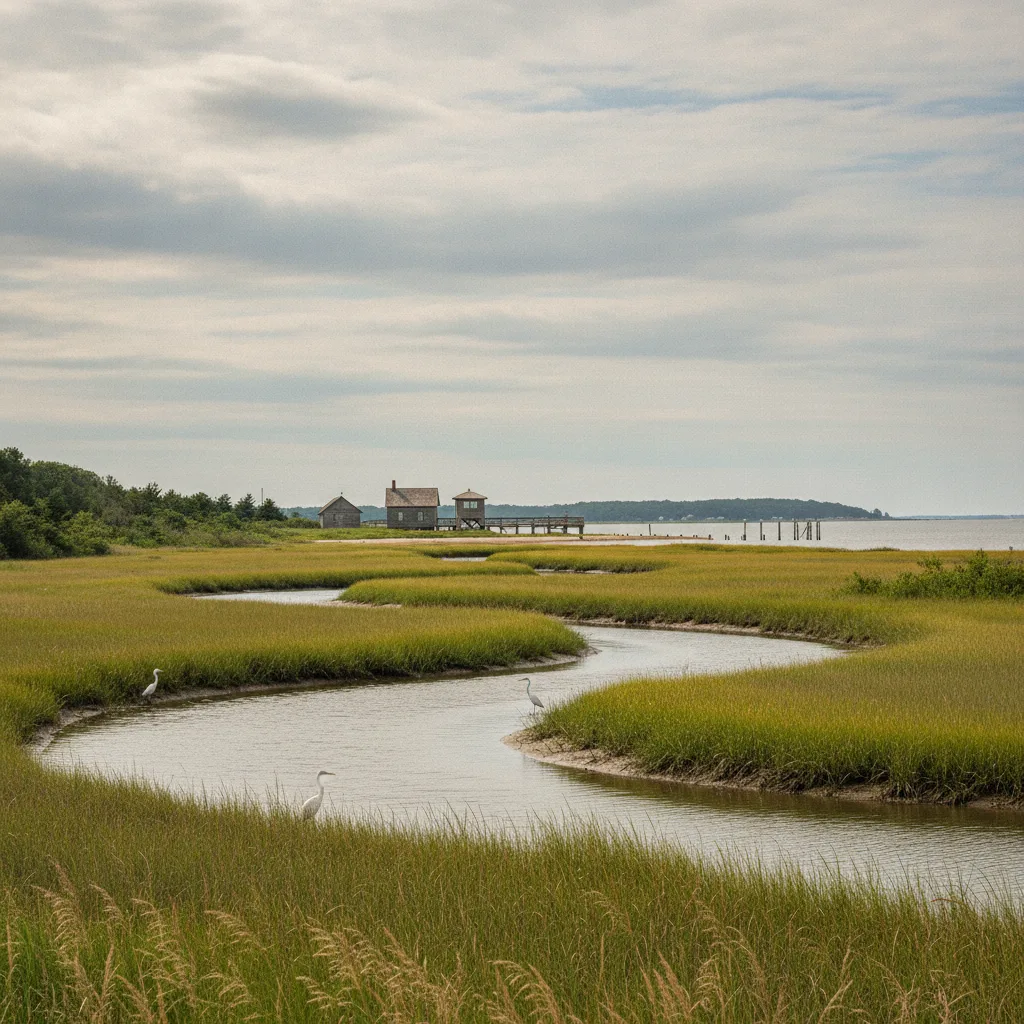
Our St. Jones Reserve guide covers practical planning for St. Jones Reserve Delaware — best time to visit, getting there, and what to do on the ground.
As the independent US travel authority at Roam States, our team has explored countless natural havens across the country. We can confidently say that the St. Jones Reserve Delaware stands out as a tranquil and ecologically vital destination, offering a genuine escape into the heart of Delaware’s coastal wetlands. Part of the larger Delaware National Estuarine Research Reserve (DNERR), this protected area safeguards crucial tidal marshes and provides an unparalleled opportunity to connect with nature, observe diverse wildlife, and deepen your understanding of estuarine ecosystems. We’ve compiled this comprehensive guide to help you plan your visit to this remarkable corner of the First State.
Why Visit St. Jones Reserve
The St. Jones Reserve offers a unique blend of accessibility and pristine natural beauty, making it a compelling destination for nature enthusiasts and those seeking a peaceful retreat. We are consistently impressed by how well this reserve balances environmental protection with public access, providing a vital outdoor classroom and a sanctuary for both wildlife and visitors. It’s a place where the intricate dance between land and sea is on full display, offering a tangible connection to the delicate balance of coastal ecosystems.
One of the primary draws is its role as a critical component of the Delaware National Estuarine Research Reserve, which protects thousands of acres of estuarine habitat along the St. Jones River and the Delaware Bay. This designation means the reserve is a living laboratory, dedicated to long-term research, water-quality monitoring, education, and coastal stewardship. For visitors, this translates into well-maintained facilities and interpretive exhibits that illuminate the importance of these wetlands. The St. Jones Center for Estuarine Studies, for instance, features hands-on activities and displays, including fish tanks, that are designed to engage all ages in learning about estuaries.
Beyond its educational offerings, the St. Jones Reserve Delaware is a haven for biodiversity. Its expansive salt marshes, tidal creeks, and forested uplands provide essential habitat for a wide array of species. Birdwatchers, in particular, will find this area incredibly rewarding, especially during the spring and fall migrations when the Atlantic Flyway brings countless species through the region. The reserve is also known for its significant horseshoe crab spawning areas each spring, which in turn support vast populations of migratory shorebirds. Simply put, a visit here offers a chance to witness nature thriving in a protected environment, far from the hustle and bustle of everyday life.
Who It's Best For
Our team believes the St. Jones Reserve is an ideal destination for a diverse range of visitors, particularly those with an appreciation for nature, quiet contemplation, and educational experiences. If you fall into any of the following categories, you’ll likely find the St. Jones Reserve Delaware to be a perfect fit for your travel plans:
- **Birdwatchers and Wildlife Enthusiasts:** Given its location along the Atlantic Flyway and its diverse habitats, the reserve is a prime spot for birdwatching. You can expect to see a variety of raptors, songbirds, shorebirds, and waterfowl. During specific seasons, it’s a critical stopover for migratory birds and a major spawning ground for horseshoe crabs, attracting unique avian visitors.
- **Families with Young Children:** The St. Jones Center for Estuarine Studies offers interactive, hands-on exhibits that are a hit with kids. The boardwalk trails are safe and accessible, making it easy for even young children to explore the marsh environment. Educational programs are frequently offered, tailored to engage younger audiences.
- **Hikers and Walkers Seeking Easy Trails:** The reserve features a well-maintained, mostly boardwalk trail system that is generally rated as easy. It’s perfect for a leisurely stroll, a quiet nature walk, or a light jog, offering scenic views without strenuous climbs.
- **Environmental Educators and Researchers:** As a National Estuarine Research Reserve, St. Jones is a hub for scientific study and environmental education. The visitor center provides resources, and the reserve often hosts symposia and programs focused on coastal science and stewardship.
- **Photographers:** The scenic views of the estuary, the diverse wildlife, and the changing light over the marsh provide ample opportunities for stunning nature photography.
- **Those Seeking Peace and Quiet:** The St. Jones Reserve offers a remarkably peaceful atmosphere, ideal for quiet reflection, unwinding, and reconnecting with the natural world.
While the reserve isn't designed for high-adrenaline activities or extensive wilderness backpacking, its focus on accessible nature, education, and wildlife viewing makes it a rewarding visit for those who appreciate the subtle beauty of coastal ecosystems.
Getting There & Parking
Understanding how to get to St. Jones Reserve and where to park is crucial for a smooth visit. Our team has found that while the reserve feels wonderfully remote, it's actually quite accessible by car, making it an easy addition to any Delaware itinerary.
How to Get There
The St. Jones Reserve is conveniently located south of Dover in Kent County, Delaware, specifically on the north shore of the St. Jones River, off Kitts Hummock Road. It's also situated along the scenic Delaware Bayshore Byway.
For those traveling by car, which is the primary and most recommended mode of transport as there are no direct public transportation options, here are the directions:
- **From North or South:** Take Delaware Route 1/113 to Exit 91. This exit is just south of the Dover Air Force Base.
- **Turn onto Route 9:** Head towards Kitts Hummock/Little Creek.
- **Turn right onto Kitts Hummock Road:** Follow this road until you see the St. Jones Reserve entrance on your right, past the John Dickinson Mansion.
- **Follow the Lane:** Once you turn into the entrance, continue for approximately one mile to reach the St. Jones Reserve Center.
The reserve is approximately six miles southeast of Dover, making it a short drive from the state capital.
Parking at St. Jones Reserve
Yes, ample parking is available directly at the St. Jones Center for Estuarine Studies, which serves as the main access point for the trails and exhibits. Our team confirms that parking at the St. Jones Reserve is free of charge. You won't need to worry about meters or parking passes for the reserve itself, though it's always wise to check for any temporary signage upon arrival. The parking area is well-marked and provides easy access to the visitor center and trailheads.
While the St. Jones Reserve does not charge an entrance fee, it's worth noting that if you plan to visit adjacent state wildlife areas, such as portions of the Ted Harvey Conservation Area that are part of the larger reserve system, a conservation access pass might be required for parking. However, for direct access to the St. Jones Reserve and its visitor center and primary trails, parking is complimentary.
Top Things to Do
The St. Jones Reserve Delaware offers a range of activities that allow visitors to fully immerse themselves in its unique estuarine environment. Our team has explored the reserve extensively and can highlight the best ways to experience this natural gem. When considering things to do at St. Jones Reserve, think nature, education, and peaceful exploration.
Explore the St. Jones Reserve Hiking Trails
The primary attraction for many visitors are the St. Jones Reserve hiking trails. The reserve features a well-maintained nature trail, approximately two miles in length, which is part of the broader St. Jones Greenway. A highlight of these St. Jones Reserve hiking trails is a quarter-mile boardwalk that extends over the salt marsh, offering intimate views of the wetland ecosystem. This boardwalk section is particularly popular, providing an accessible way to experience the marsh without disturbing its delicate environment. The trail system also connects the reserve with the adjacent Ted Harvey Wildlife Management Area, potentially offering extended walking opportunities.
The trails are generally considered easy, making them suitable for all ages and fitness levels. We recommend wearing comfortable footwear, even for the boardwalk sections, and bringing insect repellent, especially during warmer months, as the marsh environment can attract mosquitoes and biting flies. The scenic views of the estuary from these trails are truly captivating, providing excellent opportunities for photography and quiet contemplation.
Birdwatching and Wildlife Viewing
Thanks to its strategic location along the Atlantic Flyway, the St. Jones Reserve is a premier destination for birdwatching. Our team has witnessed an incredible diversity of avian life here, from various waterfowl and shorebirds to raptors and songbirds. During the spring and fall migrations, the reserve becomes a bustling hub for countless species passing through. Keep an eye out for bald eagles and snowy owls during the winter months.
Beyond birds, the reserve is a critical habitat for the annual horseshoe crab spawning event in the spring, which in turn attracts huge numbers of migratory shorebirds that feed on their eggs. This natural spectacle is a testament to the ecological importance of the St. Jones Reserve Delaware. Bring binoculars and a field guide to enhance your wildlife viewing experience.
Visit the St. Jones Center for Estuarine Studies
The St. Jones Center for Estuarine Studies serves as the educational heart of the reserve. This visitor center is open weekdays from 8:00 a.m. to 4:00 p.m. (or 4:30 p.m.) and is free to enter. Inside, you'll find a variety of hands-on interactive activities and exhibits, including fascinating fish tanks that showcase local aquatic life. These exhibits are designed to educate visitors of all ages about the wonders of estuaries and the importance of coastal conservation. The center also features restoration demonstration areas, providing insight into ongoing efforts to protect and restore these vital habitats.
Participate in Educational Programs and Events
The Delaware National Estuarine Research Reserve actively hosts a variety of free public programs and events throughout the year at the St. Jones Reserve. These programs cover a wide range of topics, from tie-dye art classes with an estuarine theme to story time events like "Books by the Bay," and even boat trips on the St. Jones River. In September 2026, the reserve will host its annual Research and Stewardship Symposium, offering presentations and insights into estuarine science. We highly recommend checking the DNERR's official website for a current calendar of events, as registration is often required for these popular offerings.
Kayaking and Paddling
For those who wish to experience the estuary from the water, kayaking and paddling offer a unique perspective. The twisting tidal creeks of the St. Jones River provide an excellent environment for a paddle. While the reserve itself doesn't offer rentals, you can rent a single kayak from a nearby St. Jones Marina and paddle at mid-tide for easy access to the waterways. This allows for a tranquil exploration of the marsh, offering close-up views of aquatic life and birds that might be harder to spot from the trails. Remember to bring polarized sunglasses for clearer water views.
Best Time to Visit
Choosing the best time to visit the St. Jones Reserve Delaware largely depends on your interests, as each season offers its own unique appeal. Our team has found that while the reserve is accessible year-round, certain periods truly shine for specific activities.
- **Spring (March to May):** This is arguably one of the most exciting times to visit, especially for birdwatchers. Spring migration brings a spectacular array of shorebirds to the Delaware Bay, many of which rely on the massive horseshoe crab spawning event for sustenance. The marsh begins to green, and the air is filled with the sounds of returning birds. Temperatures are generally mild and pleasant for hiking, though we still advise bringing insect repellent as the weather warms.
- **Summer (June to August):** Summer offers lush green landscapes and warm weather, perfect for leisurely strolls along the boardwalk and exploring the visitor center's indoor exhibits. Educational programs for families are often more frequent during the summer months. However, this is also when mosquitoes and biting flies are most active, so liberal use of bug spray is essential. Early mornings or late afternoons are ideal to avoid the midday heat and the most intense insect activity.
- **Fall (September to November):** Another prime season for birdwatching, as countless species migrate south along the Atlantic Flyway. The marsh grasses turn golden, creating stunning photographic opportunities. The weather is typically crisp and comfortable for hiking. The Delaware National Estuarine Research Reserve also hosts its annual Blackbird Creek Fall Festival (at its other site) in October, and the St. Jones Reserve participates in the Research and Stewardship Symposium in September 2026, offering unique educational opportunities.
- **Winter (December to February):** While colder, winter offers a stark beauty and unique wildlife viewing opportunities at the St. Jones Reserve. With fewer leaves on the trees, visibility for spotting birds can improve. Keep an eye out for wintering waterfowl, and you might even spot snowy owls or bald eagles feeding on the water. The trails remain open from dawn to dusk, but the visitor center is closed on weekends and holidays. Dress warmly and be aware of potential closures during hunting seasons, which are typically posted.
Overall, for optimal birdwatching and comfortable hiking conditions, we lean towards spring and fall. However, the St. Jones Reserve offers something to appreciate in every season, provided you prepare appropriately for the weather and potential insects.
Where to Stay Nearby
While the St. Jones Reserve itself does not offer overnight accommodations, there are plenty of comfortable and convenient options for St. Jones Reserve lodging in the nearby city of Dover, Delaware. Our team recommends staying in Dover for its proximity to the reserve and its array of other attractions and amenities. You won't find boutique hotels directly on the marsh, but Dover provides a solid base for exploring the region.
Dover, being the state capital, offers a range of hotel choices to suit different budgets and preferences. You'll find familiar national chains, which provide reliable comfort and amenities. When considering St. Jones Reserve lodging, look for hotels that are easily accessible from Route 1/113, as this will streamline your commute to the reserve.
Beyond Dover, you could consider staying further afield in some of Delaware's popular beach towns, though this would significantly increase your driving time to the reserve. For instance, Rehoboth Beach, a vibrant coastal destination, offers numerous hotels and vacation rentals, but it's about an hour's drive from St. Jones Reserve. If your trip is focused primarily on the reserve and the Dover area, staying in Dover is the most practical choice.
Here are some general types of St. Jones Reserve lodging you can expect in Dover:
- **Chain Hotels:** Many well-known hotel brands have properties in Dover, offering standard rooms, complimentary breakfast, and sometimes pools or fitness centers. These are often a reliable and comfortable choice for travelers.
- **Budget-Friendly Motels:** For those looking to economize, several motels offer clean, basic accommodations at a lower price point.
- **B&Bs (Limited):** While less common than chain hotels, you might find a few bed and breakfast options in or around Dover, offering a more personalized and charming experience.
We always advise booking your accommodations in advance, especially if you're traveling during peak seasons or when major events are happening in the Dover area (such as NASCAR races at the Dover Motor Speedway). Checking reviews and location relative to Kitts Hummock Road will help you select the best option for your visit to the St. Jones Reserve Delaware.
Sample 2-Day Itinerary
To help you make the most of your visit to the St. Jones Reserve Delaware and the surrounding area, our team has crafted a sample 2-day itinerary. This plan balances time in nature with opportunities to explore the rich history and culture of Dover, ensuring a well-rounded and engaging trip.
Day 1: Immersion in Nature at St. Jones Reserve
-
**Morning (9:00 AM - 12:00 PM): Explore the St. Jones Reserve**
- Start your day at the St. Jones Center for Estuarine Studies. Spend an hour or so exploring the interactive exhibits and fish tanks to gain an understanding of the estuary's ecology.
- Lace up your walking shoes and hit the St. Jones Reserve hiking trails. Enjoy a leisurely walk along the two-mile nature trail, including the scenic quarter-mile boardwalk over the salt marsh. Keep an eye out for birds and other wildlife. Remember your bug spray!
-
**Lunch (12:00 PM - 1:00 PM): Picnic at the Reserve or Local Eatery**
- Pack a picnic to enjoy at one of the reserve's picnic tables, immersing yourself further in the peaceful surroundings.
- Alternatively, head back towards Dover for a casual lunch at a local cafe or diner.
-
**Afternoon (1:00 PM - 4:00 PM): Birdwatching or Paddling**
- **Option A (Birdwatching Focus):** Drive a short distance to the nearby Bombay Hook National Wildlife Refuge (approximately 20 minutes northeast of Dover). This renowned refuge offers extensive birdwatching opportunities, especially during migration, though it does require a small entrance fee.
- **Option B (Paddling Adventure):** If you're keen to get on the water, rent a kayak from a local outfitter near the St. Jones River (e.g., St. Jones Marina, if available) and explore the twisting tidal creeks. Paddle at mid-tide for the best experience.
-
**Evening: Dinner in Dover**
- Enjoy dinner at one of Dover's diverse restaurants, from casual fare to more upscale options.
Day 2: History and Culture in Dover
-
**Morning (9:00 AM - 12:00 PM): First State History**
- Begin your day at the First State Heritage Park in downtown Dover. This park links several historic sites, including the Old State House (built in 1792), where you can delve into Delaware's colonial past.
- Visit the John Dickinson Plantation, the preserved 18th-century home of one of America's Founding Fathers, offering a glimpse into early American life with costumed interpreters.
-
**Lunch (12:00 PM - 1:00 PM): Downtown Dover**
- Grab lunch at a cafe in downtown Dover, perhaps enjoying a picnic on The Green.
-
**Afternoon (1:00 PM - 4:00 PM): Museums or Air Mobility Command**
- **Option A (Museum Exploration):** Explore the Biggs Museum of American Art, housed in a restored du Pont mansion with a collection spanning various American art forms. Or, visit the Johnson Victrola Museum to learn about the origins of the recording industry.
- **Option B (Aviation History):** Head to the Air Mobility Command Museum at Dover Air Force Base. This free museum features over 50 historic transport aircraft, and you can even climb into some cockpits.
-
**Late Afternoon/Evening: Leisure or Entertainment**
- Depending on your interests, you could enjoy some tax-free shopping in downtown Dover, or if you're feeling lucky, visit Bally's Dover Casino Resort for entertainment and dining.
This itinerary provides a solid framework, but feel free to adjust it based on your specific interests and the time of year you visit. Whether your focus is purely on the natural wonders of the St. Jones Reserve Delaware or a broader exploration of Kent County, this plan offers a rich and rewarding experience.
Frequently Asked Questions About St. Jones Reserve Delaware
St. Jones Reserve camping
Our research indicates that there is no camping directly at the St. Jones Reserve. The reserve is primarily a day-use facility focused on environmental education, research, and passive recreation like hiking and birdwatching. While some state wildlife areas within the broader Delaware National Estuarine Research Reserve system might have different rules, the St. Jones Reserve itself does not offer campsites. If you're looking for camping opportunities in Delaware, we recommend exploring the state's excellent state parks, such as Cape Henlopen State Park, which offer a range of camping options from tent sites to cabins. You can find more information on camping in Delaware through our Best places in Delaware guide.
things to do in Dover
Dover, Delaware, offers a surprising array of attractions beyond the St. Jones Reserve. Our team recommends exploring its rich history at the First State Heritage Park, which includes sites like the Old State House and the John Dickinson Plantation. Aviation enthusiasts will enjoy the free Air Mobility Command Museum at Dover Air Force Base, featuring numerous historic aircraft. For art lovers, the Biggs Museum of American Art is a must-visit. Other popular things to do in Dover include visiting Silver Lake Park for outdoor recreation, experiencing the excitement of the Dover Motor Speedway, or exploring the shops and restaurants downtown.
St. Jones Reserve with kids
Absolutely, the St. Jones Reserve is a fantastic destination for families with kids! Our team has found it to be very kid-friendly. The St. Jones Center for Estuarine Studies features engaging, hands-on interactive exhibits and fish tanks that captivate young minds and teach them about the estuary. The nature trails are easy to navigate, and the quarter-mile boardwalk over the salt marsh is safe and accessible for children of all ages, including those in strollers. The reserve also frequently offers free educational programs specifically designed for children and families, such as "Books by the Bay" and "Tying in the Estuary." It's a wonderful place for kids to learn about nature, observe wildlife, and enjoy the outdoors in a safe and stimulating environment.
best hotels near St. Jones Reserve
The best hotels near St. Jones Reserve are primarily located in Dover, Delaware, which is just a short drive away. While we don't endorse specific brands, our team suggests looking for well-regarded chain hotels in Dover that offer convenient access to Route 1/113, the main route to the reserve. These hotels typically provide comfortable accommodations, standard amenities like Wi-Fi and breakfast, and a good base for exploring both the reserve and other Dover attractions. For a broader selection and potentially more unique lodging experiences, you might consider coastal towns like Rehoboth Beach & Boardwalk, though this would mean a longer commute to the reserve.
St. Jones Reserve tips
To ensure a smooth and enjoyable visit to the St. Jones Reserve Delaware, our team offers these practical tips:
- **Bug Spray is Essential:** Especially during warmer months (spring through fall), mosquitoes and biting flies can be prevalent in marsh environments. Apply insect repellent generously.
- **Wear Comfortable Footwear:** The trails are generally easy, but comfortable walking shoes are recommended, even for the boardwalk sections.
- **Check Visitor Center Hours:** The St. Jones Center for Estuarine Studies is open weekdays from 8:00 a.m. to 4:00 p.m. (or 4:30 p.m.) and is closed on weekends and holidays. Restrooms are only available when the visitor center is open.
- **Grounds are Always Open:** The trails and grounds are accessible from dawn to dusk, seven days a week, free of charge.
- **Bring Binoculars:** For optimal birdwatching and wildlife viewing, binoculars will greatly enhance your experience.
- **Look for Programs:** Check the Delaware National Estuarine Research Reserve website for a calendar of free public programs and events, many of which require pre-registration.
- **Be Aware of Hunting Seasons:** Posted signs may indicate area closures during specific hunting seasons, so it's wise to check before you go, especially in the broader Ted Harvey Wildlife Management Area.
where to stay near St. Jones Reserve
For convenience and a good balance of amenities, our team recommends staying in Dover when visiting the St. Jones Reserve Delaware. Dover offers a variety of hotels, from budget-friendly options to more upscale chain accommodations, all within a reasonable driving distance of the reserve. You can find numerous options along Route 13 and near the Dover Mall area. For travelers seeking a coastal experience, towns like Rehoboth Beach, Lewes, or Dewey Beach are popular choices, but they are further away, requiring a drive of about an hour or more to reach the reserve. If your itinerary includes other Delaware coastal attractions like Cape Henlopen State Park, then staying at the beach might make sense for a multi-day trip, but for direct access to the St. Jones Reserve, Dover is your best bet.
The St. Jones Reserve Delaware offers a truly enriching experience for anyone looking to connect with nature, learn about vital estuarine ecosystems, and enjoy the peaceful beauty of Delaware's coastal wetlands. Our team encourages you to plan your visit, explore its trails, and discover the unique charm of this protected natural area. Whether you're a seasoned birder, a family seeking educational fun, or simply someone craving a tranquil escape, the St. Jones Reserve provides a memorable journey into the heart of the First State's environmental heritage.
Last updated: 2026-07-05 by the Roam States team.