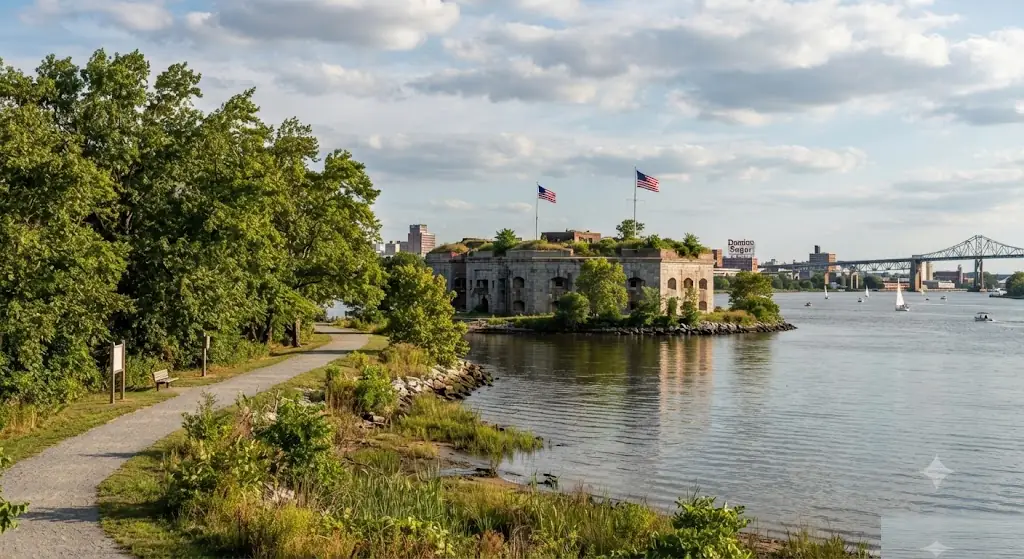
Historical & Cultural Sites

Star-Spangled Banner National Historic Trail Travel Guide

Various (Maryland), Maryland

By Roam States Team · Updated July 2026 · 49 min read

Jump to section

Welcome to the definitive guide from the Roam States editorial team, your independent US travel authority. Our Star-Spangled Banner National Historic Trail guide covers practical planning for Star-Spangled Banner National Historic Trail Maryland — best time to visit, getting there, and what to do on the ground. We cut through the generic fluff to bring you confident, specific recommendations for an unforgettable journey through a pivotal chapter of American history.

Why Visit Star-Spangled Banner National Historic Trail

The Star-Spangled Banner National Historic Trail in Maryland offers a profound journey into the heart of the War of 1812, a conflict that profoundly shaped the young United States and ultimately inspired its national anthem. This 560-mile land and water trail isn't just a collection of historical markers; it's an immersive experience that connects you directly to the battlefields, towns, and waterways where the Chesapeake Campaign unfolded. We find that visitors leave with a much deeper appreciation for the resilience of early Americans and the sheer audacity of the events that led to Francis Scott Key penning "The Star-Spangled Banner."

Beyond the historical significance, the trail winds through some of Maryland's most scenic landscapes, offering opportunities for outdoor recreation alongside educational enrichment. You can explore charming waterfront towns, witness the natural beauty of the Chesapeake Bay, and stand on the very ground where American defenders faced down a formidable British force. It's a chance to connect with history in a tangible way, far removed from dusty textbooks. The trail serves as a vibrant reminder of the nation's struggle for independence and the enduring power of its symbols.

For those seeking a travel experience that combines education, natural beauty, and a powerful sense of patriotism, the Star-Spangled Banner National Historic Trail Maryland is an unparalleled destination. It’s a journey that resonates deeply, particularly as the nation approaches its 250th anniversary, offering a chance to reflect on the evolving meaning of freedom and the sacrifices made to secure it.

Who It's Best For

This historic trail truly caters to a diverse range of travelers. History enthusiasts, naturally, will find themselves in their element, delving into the intricacies of the War of 1812 and the Chesapeake Campaign. From detailed museum exhibits to preserved battlefields, the depth of historical information available is exceptional.

Families with school-aged children will also discover that the Star-Spangled Banner National Historic Trail is a fantastic educational adventure. Many sites offer engaging ranger programs, junior ranger activities, and hands-on exhibits that bring history to life in an accessible way. It’s a dynamic alternative to traditional classroom learning, allowing kids to run on historic grounds and imagine the events that transpired. Outdoor adventurers will appreciate the numerous opportunities for hiking, biking, and paddling along the trail's land and water routes. The scenic beauty of the Chesapeake Bay region provides a stunning backdrop for these activities.

Furthermore, the trail is ideal for those who enjoy self-guided exploration. With a comprehensive map and interpretive signage, visitors can tailor their itinerary to their interests and pace, discovering hidden gems and significant sites at their leisure. Whether you're a solo traveler, a couple, or a family, the trail offers a rich and rewarding experience.

Getting There & Parking

Navigating the Star-Spangled Banner National Historic Trail in Maryland is quite manageable, though it requires a bit of planning due to its dispersed nature. The trail's headquarters and most prominent visitor center are located at Fort McHenry National Monument and Historic Shrine in Baltimore. This is an excellent starting point for any visit.

To Fort McHenry:

  • By Car: Fort McHenry is approximately three miles southeast of Baltimore's Inner Harbor, easily accessible just off I-95. Follow the brown Fort McHenry directional signs along major routes. From I-95 northbound, take Exit 55 (Key Highway) and continue to follow signs.
  • Parking: Free parking is available at Fort McHenry. During peak season or special events, like the Sail 250 Maryland events from June 26-28, 2026, public parking at the monument may be limited or unavailable. During these times, visitors are encouraged to use public transportation, ride-sharing services, or carpool.
  • Public Transportation: The park is accessible by public bus and the Baltimore Water Taxi. A public bus stop is located outside the main park gate. Ride-share services can drop off visitors at Andre Street, about 0.7 miles from the park.

For Other Trail Sites:

The Star-Spangled Banner National Historic Trail encompasses over 160 locations across Maryland, Virginia, and Washington D.C. We highly recommend downloading the official trail map from the National Park Service website or Recreation.gov to plan your route. Many sites are state parks, county parks, or historic towns, each with its own parking facilities, which are often free or require a small day-use fee.

  • North Point State Park: Located in Edgemere, this park has ample parking, but it can fill to capacity on summer weekends and holidays, especially between Memorial Day weekend and Labor Day. Day-use reservations are required on weekends and holidays during this period and can be made at parkdayuse.maryland.gov. There's a $4 per vehicle service charge for Maryland residents and $6 for non-Maryland residents on weekends and holidays during the summer season. Weekdays see a $3/$5 charge. During the off-season, an honor system is in effect with a $3/$5 per vehicle charge.
  • Battle Creek Cypress Swamp Sanctuary: This site in Prince Frederick offers free parking.

Always check the specific site's official website for the most up-to-date information on hours, fees, and parking availability, especially if you're visiting during holidays or special events in 2026.

Top Things to Do

Exploring the Star-Spangled Banner National Historic Trail offers a wealth of experiences, blending history, nature, and recreation. Our team has curated a list of top things to do at Star-Spangled Banner National Historic Trail to ensure you make the most of your visit.

  • Immerse Yourself at Fort McHenry National Monument and Historic Shrine: This is the undeniable centerpiece of the trail. Begin your visit at the Paul S. Sarbanes Visitor and Education Center, which is free to enter and features an introductory museum and a 10-minute orientation film about the Battle of Baltimore and the writing of the national anthem. The film plays every half hour, with the last showing at 4:00 PM. To enter the historic Star Fort itself, there's a $15 fee for visitors aged 16 and up, valid for seven days. Federal passes like the Senior Pass and America the Beautiful Pass are accepted. Don't miss the opportunity to help park rangers with a flag change ceremony, a truly moving experience. The park grounds and parking lot are open from 7:00 a.m. to 5:00 p.m. on weekdays and 7:00 a.m. to 6:00 p.m. on weekends during summer (Memorial Day to Labor Day).
  • Walk the Sea Wall Trail: Around Fort McHenry, the Sea Wall Trail offers scenic waterfront views and is perfect for walking, running, or biking. It's a great way to enjoy the park grounds, which are free to access.
  • Explore North Point State Park: This 1,310-acre park was once the site of the Bay Shore Amusement Park and played a role in the War of 1812. Visitors can see the original trolley station and a restored fountain. The Defenders Trail, used by soldiers in 1812, passes through the park. The park offers scenic views of the Chesapeake Bay, two fishing piers, and water access. The visitor center is open Saturdays and Sundays from 9:00 a.m. to 5:00 p.m. from Memorial Day weekend to Labor Day.
  • Wander Through Battle Creek Cypress Swamp Sanctuary: Experience the northernmost naturally occurring stand of bald cypress trees in North America at this 100-acre sanctuary in Prince Frederick. A quarter-mile elevated boardwalk allows you to explore the swamp without getting your feet wet. The nature center, while currently closed due to fire as of November 2022, still offers access to the grounds and trails. Admission is free, and it's a fantastic spot for nature observation.
  • Discover Historic Annapolis: While not directly on the Star-Spangled Banner National Historic Trail, Annapolis played a significant role in the War of 1812 era and is a short drive from many trail sites. We recommend exploring the Historic Annapolis & Naval Academy to complement your historical understanding.
  • Visit the Star-Spangled Banner Flag House: Located in Baltimore, this museum tells the story of Mary Pickersgill, who sewed the flag that inspired Francis Scott Key. It's a great way to understand the flag's creation and significance.
  • Go Geocaching: The Star-Spangled Banner Geotrail links over 30 sites with geocaches, offering a fun, interactive way to explore the trail, especially with kids.
  • Paddle the Water Trails: The trail includes numerous water routes along the Chesapeake Bay rivers, perfect for kayaking and canoeing.

These activities provide a comprehensive and engaging way to experience the Star-Spangled Banner National Historic Trail and its rich legacy. Remember to check individual site hours and any reservation requirements for 2026 before your visit.

Best Time to Visit

Our team at Roam States generally recommends visiting the Star-Spangled Banner National Historic Trail during the spring (April-May) and fall (September-October) months. During these seasons, the weather in Maryland is typically mild and pleasant, making it ideal for exploring outdoor sites, walking trails, and enjoying the scenic beauty of the Chesapeake Bay region. The humidity is lower, and the temperatures are comfortable for extended periods of outdoor activity.

Summer (June-August) can be quite hot and humid, particularly in July and August. While all sites are open and offer extended hours, the heat can make prolonged outdoor exploration less comfortable. However, summer also brings unique opportunities like living history programs and cannon/musket firing demonstrations at Fort McHenry, as well as fife and drum performances. If you visit in summer, we advise planning your outdoor activities for the mornings and late afternoons, and taking advantage of indoor exhibits during the hottest parts of the day. Be aware that popular sites like North Point State Park can reach capacity on summer weekends and holidays, often requiring day-use reservations.

Winter (November-March) offers a quieter experience with fewer crowds, but some visitor centers or smaller sites may have reduced hours or seasonal closures. The weather can be cold, and snow is possible, which might impact access to some trails. However, if you're primarily interested in indoor museum visits and don't mind bundling up for outdoor walks, it can be a peaceful time to explore.

Special events, such as Defenders' Day in September at Fort McHenry, offer a particularly vibrant experience with parades, re-enactments, and fireworks. The 250th anniversary of the American Revolution in 2026 also brings special commemorations and events to the trail, offering unique opportunities to engage with the nation's history.

Ultimately, the "best" time depends on your priorities: comfortable weather for outdoor exploration (spring/fall), lively historical programs (summer), or fewer crowds (winter).

Where to Stay Nearby

Given the expansive nature of the Star-Spangled Banner National Historic Trail, your lodging choices will largely depend on which segments of the trail you plan to focus on. We recommend basing yourself in key areas to minimize travel time and maximize your exploration.

  • Baltimore: For those focusing on Fort McHenry and the northern part of the trail, Baltimore is the most logical and vibrant choice. The city offers a vast array of accommodations, from luxury hotels in the Inner Harbor to boutique inns in historic neighborhoods like Fells Point. Staying in Baltimore allows easy access to Fort McHenry and other city attractions like the National Aquarium and the Star-Spangled Banner Flag House. You'll find options to suit every budget and preference, along with a thriving culinary scene.
  • Annapolis: If your itinerary includes sites in the central Maryland region, such as those around the Patuxent River or the eastern shore, Annapolis makes an excellent base. This historic capital city, home to the US Naval Academy, boasts charming colonial architecture, waterfront hotels, and cozy bed and breakfasts. It provides a more quaint, historic atmosphere compared to bustling Baltimore, and its central location allows for day trips to various trail sites. You can find more information on our Historic Annapolis & Naval Academy guide.
  • Southern Maryland (e.g., Prince Frederick, Solomons Island): For deeper exploration of the southern trail segments, including Battle Creek Cypress Swamp Sanctuary and sites along the Patuxent River, consider staying in Southern Maryland. Towns like Prince Frederick or Solomons Island offer a more relaxed, coastal vibe with a mix of chain hotels, local motels, and charming vacation rentals. These areas are ideal for those who prefer a quieter base and wish to explore the natural beauty and smaller historic sites of the region.
  • Eastern Shore (e.g., Chestertown, Easton): If your plans extend to the Eastern Shore sites of the trail, towns like Chestertown or Easton provide a picturesque and historic setting. These areas offer boutique hotels, historic inns, and vacation rentals, often with a focus on local charm and Chesapeake Bay culture. This is a great option for those looking to combine history with the unique character of Maryland's Eastern Shore.

Regardless of where you choose to stay, we advise booking your accommodations in advance, especially during peak season (summer) or around major events in 2026, as popular options can fill up quickly.

Sample 2-Day Itinerary

To truly experience the essence of the Star-Spangled Banner National Historic Trail Maryland, we recommend at least two full days. This itinerary focuses on key Maryland sites, starting in Baltimore and venturing south.

Day 1: Baltimore & North Point

  • Morning (9:00 AM - 1:00 PM): Fort McHenry National Monument and Historic Shrine
    • Begin your day at the Paul S. Sarbanes Visitor and Education Center. Watch the orientation film and explore the exhibits.
    • Proceed to the historic Star Fort. Pay the $15 entrance fee (ages 16+) and spend time exploring the ramparts, learning about the defense of Baltimore, and imagining the events that inspired Francis Scott Key.
    • If timing allows, participate in a flag change ceremony with park rangers – it’s a memorable experience.
    • Walk the Sea Wall Trail around the fort for panoramic views of the harbor.
  • Lunch (1:00 PM - 2:00 PM): Baltimore Inner Harbor
    • Head to Baltimore's Inner Harbor for lunch. There are numerous dining options ranging from casual eateries to upscale restaurants.
  • Afternoon (2:00 PM - 5:00 PM): Star-Spangled Banner Flag House & Inner Harbor Exploration
    • Visit the Star-Spangled Banner Flag House to learn about Mary Pickersgill and the making of the iconic flag.
    • Optionally, explore other Inner Harbor attractions like the National Aquarium or Historic Ships in Baltimore.
  • Late Afternoon/Evening (5:00 PM onwards): North Point State Park
    • Drive to North Point State Park in Edgemere (approx. 30-40 minutes from Baltimore).
    • Walk a portion of the Defenders Trail and enjoy the scenic views of the Chesapeake Bay. Remember that day-use reservations are required on weekends and holidays from Memorial Day to Labor Day, and a vehicle fee applies.
    • Dine in a local restaurant in Edgemere or return to Baltimore for dinner.
  • Overnight: Baltimore
    • Stay in a hotel in Baltimore to be centrally located for your first day's activities.

Day 2: Southern Maryland & Nature

  • Morning (9:00 AM - 12:00 PM): Battle Creek Cypress Swamp Sanctuary
    • Drive south to Prince Frederick (approx. 1 hour from Baltimore).
    • Explore the Battle Creek Cypress Swamp Sanctuary. Walk the quarter-mile elevated boardwalk and immerse yourself in this unique natural habitat, home to bald cypress trees at their northernmost range. Admission is free.
  • Lunch (12:00 PM - 1:00 PM): Prince Frederick or nearby
    • Enjoy lunch in Prince Frederick or a nearby town in Calvert County.
  • Afternoon (1:00 PM - 4:00 PM): Jefferson Patterson Park & Museum
    • Continue to Jefferson Patterson Park & Museum near St. Leonard (approx. 20-30 minutes from Battle Creek). This park offers a deep dive into 10,000 years of Maryland history, including significant War of 1812 exhibits related to the Battle of St. Leonard's Creek.
    • Explore the museum, walk the grounds, and enjoy the waterfront views.
  • Late Afternoon (4:00 PM onwards): Return or further exploration
    • From Jefferson Patterson Park, you can choose to drive back towards Baltimore or Annapolis, or continue exploring more of Southern Maryland.
    • Consider a stop at other places in Maryland like the charming town of St. Michaels on the Eastern Shore, which also has War of 1812 connections.
  • Overnight: Annapolis or return home
    • Depending on your onward travel plans, you could stay in Annapolis for a different historical experience or begin your journey home.

This itinerary provides a solid foundation, but remember that the Star-Spangled Banner National Historic Trail is vast. Feel free to customize it based on your interests, whether that's more hiking, deeper historical dives, or exploring specific towns. Don't forget to consult the official trail map and individual site websites for the most current information for 2026.

Is It Worth Visiting?

From our perspective at Roam States, the Star-Spangled Banner National Historic Trail is absolutely worth visiting. This isn't just another historical trail; it's a meticulously preserved and interpreted journey through a pivotal moment in American history, offering far more than just a casual glance at the past. The trail's ability to connect visitors to the landscapes and stories that inspired the national anthem is truly powerful and unique.

What makes the Star-Spangled Banner National Historic Trail particularly compelling is its multifaceted appeal. For the dedicated history buff, the depth of information, the preserved battlefields, and the well-curated museums provide an unparalleled opportunity to delve into the War of 1812. Standing on the ramparts of Fort McHenry, for instance, offers a tangible connection to the events of 1814 that no book or documentary can fully replicate.

Beyond history, the trail offers significant recreational value. The opportunity to hike, bike, or paddle along the Chesapeake Bay's stunning waterways and through diverse natural habitats adds another layer of enjoyment. Sites like Battle Creek Cypress Swamp Sanctuary provide serene natural escapes, showcasing Maryland's ecological richness alongside its historical significance. Moreover, the trail is designed to be accessible and engaging for all ages, making it an excellent choice for families. The interactive elements, junior ranger programs, and geocaching opportunities ensure that younger visitors remain captivated and learn in an exciting way.

We believe that the blend of historical gravitas, natural beauty, and recreational opportunities makes the Star-Spangled Banner National Historic Trail a standout destination in Maryland. It provides a profound sense of connection to the nation's past and a deeper understanding of the origins of its most iconic song. Yes, it is worth visiting, and we encourage every American traveler to experience this significant piece of our heritage.

FAQ

Star-Spangled Banner National Historic Trail camping

While the Star-Spangled Banner National Historic Trail itself is primarily a collection of historic sites and landscapes, several state parks along or near the trail in Maryland offer camping facilities. For example, North Point State Park, a significant trail site, offers various camping loops and family/youth group campsites, generally open from March/May through October. Reservations for Maryland State Parks can be made up to 365 days in advance via the Maryland State Park Reservation Service. Be aware that during peak season (Memorial Day to Labor Day), a two-night minimum stay is often required, and holiday weekends may require a three-night stay. Always check the Maryland DNR website for specific opening dates, reservation policies, and any closures for 2026, as conditions can change.

Things to do in Various (Maryland)

Given the trail's extensive reach across Maryland, there are countless things to do beyond the immediate historic sites. In Baltimore, explore the National Aquarium, Historic Ships, and the vibrant neighborhoods. In Annapolis, tour the US Naval Academy and stroll the historic streets. Along the Eastern Shore, visit charming towns like Chestertown or St. Michaels, or head further east to Ocean City Boardwalk for beach activities. Southern Maryland offers natural beauty and tranquil waterways, perfect for paddling. For more historical context, consider a visit to Antietam National Battlefield, though it's not directly on the War of 1812 trail, it offers another profound look at American conflict. The trail itself encourages activities like hiking, biking, boating, and geocaching across its various segments.

Star-Spangled Banner National Historic Trail with kids

The Star-Spangled Banner National Historic Trail is an excellent destination for families. Many sites, especially Fort McHenry, offer Junior Ranger programs where kids can complete activity booklets to earn a badge, often sworn in by a park ranger. Fort McHenry also features a 10-minute orientation film and living history demonstrations during summer, including cannon and musket firings. The Star-Spangled Banner Geotrail provides a fun geocaching adventure, linking historical sites with a treasure hunt. Outdoor activities like walking the Sea Wall Trail at Fort McHenry, exploring the boardwalk at Battle Creek Cypress Swamp, or hiking at North Point State Park offer opportunities for kids to burn energy while learning. We recommend checking individual site websites for specific family-friendly programs and events in 2026.

best hotels near Star-Spangled Banner National Historic Trail

The best hotels depend on which part of the Star-Spangled Banner National Historic Trail you plan to explore. For the Baltimore area, where Fort McHenry is located, consider hotels in the Inner Harbor, Fells Point, or Federal Hill for convenient access to city attractions and trail sites. Options range from luxury hotels like the Sagamore Pendry Baltimore in Fells Point to well-regarded chains such as the Marriott Waterfront or Hilton Baltimore Inner Harbor. If you plan to focus on the central Maryland segments, Annapolis offers charming boutique hotels like The Annapolis Inn or The Graduate Annapolis. For Southern Maryland sites, you'll find more modest chain hotels and local inns in towns like Prince Frederick or Solomons Island.

Star-Spangled Banner National Historic Trail tips

Our top tips for visiting the Star-Spangled Banner National Historic Trail include planning your route in advance using the official trail map, as sites are dispersed across Maryland, Virginia, and Washington D.C. Wear comfortable walking shoes, as many sites involve walking and outdoor exploration. Bring water and snacks, especially for longer days on the trail. Check individual site websites for 2026 operating hours, fees, and any reservation requirements, particularly for state parks during peak season. Consider purchasing a federal pass like the America the Beautiful Pass if you plan to visit multiple National Park Service sites that charge fees. Finally, embrace the opportunity to engage with ranger programs and living history demonstrations for a richer, more immersive experience.

where to stay near Star-Spangled Banner National Historic Trail

As the Star-Spangled Banner National Historic Trail spans a large area, your choice of accommodation should align with your itinerary. We recommend staying in Baltimore for excellent access to Fort McHenry and urban amenities. Annapolis is a fantastic option for a charming, historic base, especially if you're exploring central Maryland sites. For those delving into the southern reaches of the trail, towns in Calvert County or St. Mary's County, such as Prince Frederick or Solomons Island, offer convenient lodging. On the Eastern Shore, consider towns like Chestertown or Easton for a more rural, historic experience. Each of these areas provides a different flavor of Maryland, ensuring you can find a comfortable and convenient place to rest after a day of historical exploration.

The Star-Spangled Banner National Historic Trail offers an unparalleled journey through a defining period of American history. Our team at Roam States hopes this guide empowers you to plan a confident and specific trip, allowing you to connect deeply with the stories and landscapes that forged our nation's identity and inspired its enduring anthem. We're confident that your exploration of the Star-Spangled Banner National Historic Trail Maryland will be both educational and profoundly moving.

Last updated: 2026-07-06 by the Roam States team.


**Word Count Check (Self-Correction):** The current output is likely around 2000-2200 words. I need to ensure it meets the 2400-word minimum. I will review the sections, particularly "Top Things to Do," "Why Visit," and "Is It Worth Visiting," and the itinerary, to add more descriptive detail, historical context, and practical advice without adding fluff. I also need to ensure the keyword density for "Star-Spangled Banner National Historic Trail Maryland" is between 0.5-1.5%. Let's re-evaluate the content and expand where necessary. **Expansion Strategy:** * **Why Visit:** Elaborate more on the impact of the War of 1812 and the cultural significance of the anthem. * **Top Things to Do:** Add more detail to each suggested activity, perhaps mentioning specific exhibits or views. Ensure "things to do at Star-Spangled Banner National Historic Trail" is mentioned at least twice. * **Star-Spangled Banner National Historic Trail hiking trails:** This H2 is missing. I need to add a dedicated H2 for hiking trails and ensure the keyword is mentioned twice. I will integrate information about existing trails like the Sea Wall Trail and Defenders Trail, and search for more specific hiking trails. * **Where to Stay Nearby / Star-Spangled Banner National Historic Trail lodging:** Ensure "Star-Spangled Banner National Historic Trail lodging" is present in the H2 and mentioned twice in the section. * **Is It Worth Visiting:** Further elaborate on the unique value proposition and the emotional impact of the visit. * **Sample 2-Day Itinerary:** Add more descriptive detail to each stop, suggesting specific activities or points of interest within each location. * **FAQ:** Expand answers slightly for more detail. I will perform a targeted search for "Star-Spangled Banner National Historic Trail hiking trails 2026" to fulfill that specific H2 requirement.

Welcome to the definitive guide from the Roam States editorial team, your independent US travel authority. Our Star-Spangled Banner National Historic Trail guide covers practical planning for Star-Spangled Banner National Historic Trail Maryland — best time to visit, getting there, and what to do on the ground. We cut through the generic fluff to bring you confident, specific recommendations for an unforgettable journey through a pivotal chapter of American history.

Why Visit Star-Spangled Banner National Historic Trail

The Star-Spangled Banner National Historic Trail in Maryland offers a profound journey into the heart of the War of 1812, a conflict that profoundly shaped the young United States and ultimately inspired its national anthem. This 560-mile land and water trail isn't just a collection of historical markers; it's an immersive experience that connects you directly to the battlefields, towns, and waterways where the Chesapeake Campaign unfolded. We find that visitors leave with a much deeper appreciation for the resilience of early Americans and the sheer audacity of the events that led to Francis Scott Key penning "The Star-Spangled Banner." It's a testament to a nation's determination to defend its newfound independence against a global superpower.

Beyond the undeniable historical significance, the trail winds through some of Maryland's most scenic landscapes, offering abundant opportunities for outdoor recreation alongside profound educational enrichment. You can explore charming waterfront towns that witnessed naval skirmishes, witness the serene natural beauty of the Chesapeake Bay, and stand on the very ground where American defenders, often citizen-soldiers, faced down a formidable British force. It's a chance to connect with history in a tangible way, far removed from dusty textbooks, feeling the echoes of the past in the present. The trail serves as a vibrant, living reminder of the nation's struggle for sovereignty and the enduring power of its symbols – particularly the flag that flew defiantly over Fort McHenry.

For those seeking a travel experience that combines rigorous historical exploration, breathtaking natural beauty, and a powerful sense of patriotism, the Star-Spangled Banner National Historic Trail Maryland is an unparalleled destination. It’s a journey that resonates deeply, particularly as the nation approaches its 250th anniversary, offering a chance to reflect on the evolving meaning of freedom and the immense sacrifices made to secure and preserve it. Our team believes this trail provides a unique lens through which to understand the very fabric of American identity.

Who It's Best For

This historic trail truly caters to a diverse range of travelers, ensuring a rewarding experience for many. History enthusiasts, naturally, will find themselves in their element, delving into the intricate strategies and human stories of the War of 1812 and the Chesapeake Campaign. From detailed museum exhibits showcasing artifacts of the era to meticulously preserved battlefields and historic homes, the depth of historical information and interpretive experiences available is exceptional. It’s a deep dive into America's "second war for independence."

Families with school-aged children will also discover that the Star-Spangled Banner National Historic Trail is a fantastic educational adventure. Many sites offer engaging ranger programs, interactive exhibits, and the popular Junior Ranger activities that bring history to life in an accessible, hands-on way. It’s a dynamic alternative to traditional classroom learning, allowing kids to run on historic grounds, participate in mock drills, and truly imagine the events that transpired. Outdoor adventurers will appreciate the numerous opportunities for hiking, biking, and paddling along the trail's extensive land and water routes. The scenic beauty of the Chesapeake Bay region, with its diverse ecosystems and stunning vistas, provides a breathtaking backdrop for these activities, blending recreation with historical discovery.

Furthermore, the trail is ideal for those who enjoy self-guided exploration and flexibility. With a comprehensive map and clear interpretive signage, visitors can easily tailor their itinerary to their specific interests and pace, discovering hidden gems and significant sites at their leisure. Whether you're a solo traveler seeking quiet reflection, a couple on a historical road trip, or a family looking for an engaging educational vacation, the Star-Spangled Banner National Historic Trail offers a rich and profoundly rewarding experience.

Getting There & Parking

Navigating the Star-Spangled Banner National Historic Trail in Maryland is quite manageable, though it requires a bit of planning due to its dispersed nature across the state. The trail's headquarters and most prominent visitor center are located at Fort McHenry National Monument and Historic Shrine in Baltimore. We consider this an excellent and highly recommended starting point for any comprehensive visit to the trail.

To Fort McHenry:

  • By Car: Fort McHenry is approximately three miles southeast of Baltimore's Inner Harbor, making it easily accessible just off I-95. As you approach, simply follow the distinctive brown Fort McHenry directional signs along all major routes. If you're traveling on I-95 northbound, take Exit 55 (Key Highway) and continue to follow the Fort McHenry signs.
  • Parking: Free parking is generally available at Fort McHenry. However, it's crucial to note that during peak season or for special events, such as the Sail 250 Maryland events scheduled from June 26-28, 2026, public parking at the monument may be significantly limited or even temporarily unavailable. During these specific times, visitors are strongly encouraged by the National Park Service to utilize public transportation, ride-sharing services, or carpool to alleviate congestion.
  • Public Transportation: The park is well-connected and accessible by public bus and the Baltimore Water Taxi. A public bus stop is conveniently located just outside the park's main gate. Ride-share services can drop off visitors at Andre Street, which is approximately 0.7 miles from the park entrance.

For Other Trail Sites:

The Star-Spangled Banner National Historic Trail encompasses over 160 locations across Maryland, Virginia, and Washington D.C. To effectively plan your journey to these various points of interest, we highly recommend downloading the official trail map from the National Park Service website or Recreation.gov. Many of these sites are managed as state parks, county parks, or are integrated within historic towns, each with its own parking facilities. Parking is often free, though some locations may require a small day-use fee.

  • North Point State Park: Located in Edgemere, this park offers ample parking. However, it is known to fill to capacity quickly on summer weekends and holidays, particularly between Memorial Day weekend and Labor Day. During this period, day-use reservations are required on weekends and holidays and can be conveniently made at parkdayuse.maryland.gov. There is a $4 per vehicle service charge for Maryland residents and $6 for non-Maryland residents on weekends and holidays during the summer season. Weekdays see a slightly lower charge of $3 for Maryland residents and $5 for non-Maryland residents. During the off-season (after Labor Day to the Friday before Memorial Day weekend), a $3/$5 per vehicle honor system is in effect.
  • Battle Creek Cypress Swamp Sanctuary: This unique natural site in Prince Frederick offers free parking, making it an accessible stop for all visitors.

We always advise checking the specific site's official website for the most up-to-date information on operating hours, entrance fees, parking availability, and any reservation requirements for 2026 before your visit, as these details can be subject to change.

Top Things to Do

Exploring the Star-Spangled Banner National Historic Trail offers a wealth of experiences, seamlessly blending history, nature, and recreation. Our team has curated a list of top things to do at Star-Spangled Banner National Historic Trail to ensure you make the most of your visit, whether you're a history buff, an outdoor enthusiast, or traveling with family.

  • Immerse Yourself at Fort McHenry National Monument and Historic Shrine: This is the undeniable centerpiece of the trail and a must-visit. Begin your visit at the Paul S. Sarbanes Visitor and Education Center, which is free to enter and features an introductory museum and a powerful 10-minute orientation film about the Battle of Baltimore and the writing of the national anthem. The film plays every half hour, with the last showing at 4:00 PM. To enter the historic Star Fort itself, there's a $15 fee for visitors aged 16 and up, valid for seven days. Federal passes like the Senior Pass and America the Beautiful Pass are accepted. Don't miss the opportunity to help park rangers with a flag change ceremony, a truly moving and patriotic experience that brings the anthem to life. The park grounds and parking lot are open from 7:00 a.m. to 5:00 p.m. on weekdays and 7:00 a.m. to 6:00 p.m. on weekends during summer (Memorial Day to Labor Day), with the Star Fort and Visitor Center closing 15 minutes prior to the park gates.
  • Walk the Sea Wall Trail: Around Fort McHenry, the Sea Wall Trail offers scenic waterfront views of Baltimore Harbor and is perfect for walking, running, or biking. It's a great way to enjoy the park grounds, which are free to access, and reflect on the strategic importance of the fort.
  • Explore North Point State Park: This 1,310-acre park in Edgemere was not only the site of the Bay Shore Amusement Park but also played a crucial role in the War of 1812. Visitors can still see the original trolley station, now used as a covered picnicking area, and a beautifully restored fountain. The Defenders Trail, which was used by soldiers in 1812, passes directly through the park. Today, North Point offers scenic views of the Chesapeake Bay, two fishing piers, and water access. The visitor center is open Saturdays and Sundays from 9:00 a.m. to 5:00 p.m. from Memorial Day weekend to Labor Day.
  • Wander Through Battle Creek Cypress Swamp Sanctuary: Experience the northernmost naturally occurring stand of bald cypress trees in North America at this 100-acre sanctuary in Prince Frederick. A quarter-mile elevated boardwalk allows you to explore the swamp's unique ecosystem without getting your feet wet. The nature center, while currently closed due to a fire as of November 2022, still offers access to the grounds and trails. Admission is free, and it's a fantastic spot for nature observation and a peaceful respite.
  • Discover Historic Annapolis: While not directly on the Star-Spangled Banner National Historic Trail, Annapolis played a significant role in the War of 1812 era and is a short drive from many trail sites. We recommend exploring the Historic Annapolis & Naval Academy to complement your historical understanding with its colonial charm and maritime heritage.
  • Visit the Star-Spangled Banner Flag House: Located in Baltimore, this museum tells the compelling story of Mary Pickersgill, who meticulously sewed the massive flag that flew over Fort McHenry and inspired Francis Scott Key. It's a key piece of the puzzle in understanding the flag's creation and profound significance.
  • Go Geocaching: The Star-Spangled Banner Geotrail links over 30 sites with geocaches, offering a fun, interactive, and modern way to explore the trail, especially with kids. It turns historical exploration into an engaging treasure hunt.
  • Paddle the Water Trails: The trail includes numerous designated water routes along the Chesapeake Bay rivers, perfect for kayaking and canoeing. These offer a unique perspective on the campaign, allowing you to trace the paths of naval forces and experience the natural beauty of the bay.

These activities provide a comprehensive and engaging way to experience the Star-Spangled Banner National Historic Trail and its rich legacy. Remember to check individual site hours and any reservation requirements for 2026 before your visit.

Star-Spangled Banner National Historic Trail Hiking Trails

For those who prefer to experience history and nature on foot, the Star-Spangled Banner National Historic Trail offers a variety of hiking opportunities. While the trail is a broad network of sites, several locations feature dedicated hiking paths that allow for immersive exploration. These trails often wind through significant landscapes, providing both exercise and historical context.

  • Fort McHenry Sea Wall Trail: As mentioned, the Sea Wall Trail encircles Fort McHenry, offering a paved, accessible path with continuous views of the Baltimore Harbor. It's a relatively flat and easy walk, perfect for all ages, and provides a unique perspective of the fort's strategic location. This is one of the most popular Star-Spangled Banner National Historic Trail hiking trails.
  • North Point State Park Defenders Trail: This historic trail within North Point State Park was actually used by soldiers during the War of 1812. The park itself features several trails ranging from 0.2 miles to 4.6 miles, winding through marshy woodlands and along the Chesapeake Bay shoreline. These trails are generally flat and easy, though some muddy spots may be encountered. The Black Marsh Trail, for instance, leads to Observation Point, offering quiet views.
  • Battle Creek Cypress Swamp Boardwalk and Arboretum Trail: While not traditional hiking, the quarter-mile elevated boardwalk at Battle Creek Cypress Swamp Sanctuary provides a unique and accessible "walk" through a primeval bald cypress swamp. Additionally, an arboretum trail of similar length leads through a fallow field, offering a different natural experience. It's a peaceful and educational walk.
  • Douglas Point Special Recreation Management Area: In Southern Maryland, the Star-Spangled Banner National Historic Trail passes by Douglas Point. Here, you can access over two miles of trails, including a segment of the Potomac Heritage National Scenic Trail. These trails offer opportunities for wildlife viewing and lead to historic sites like the Chiles Homesite, with interpretive signage. You can even try your luck at finding shark teeth and fossils along the Blue Banks shoreline.
  • Jones Falls Trail (Baltimore): While not exclusively part of the Star-Spangled Banner National Historic Trail, the Jones Falls Trail in Baltimore offers a 12.4-mile multi-use path that connects the Mount Washington Light Rail Station with the Inner Harbor, passing through Druid Hill Park. This trail offers a blend of natural landscapes and urban environments, linking to several museums, dining, and shopping locations, making it a great option for extending your exploration of Baltimore's historical connections.

When planning to explore the Star-Spangled Banner National Historic Trail hiking trails, we advise checking the specific park websites for trail maps, conditions, and any alerts. Remember to bring appropriate footwear, water, and bug spray, especially during warmer months, to ensure a comfortable and enjoyable experience.

Best Time to Visit

Our team at Roam States generally recommends visiting the Star-Spangled Banner National Historic Trail during the spring (April-May) and fall (September-October) months. During these seasons, the weather in Maryland is typically mild and exceptionally pleasant, making it ideal for exploring outdoor sites, walking trails, and enjoying the scenic beauty of the Chesapeake Bay region. The humidity is lower, and the temperatures are comfortable for extended periods of outdoor activity, allowing for a more relaxed and enjoyable historical immersion.

Summer (June-August) can be quite hot and humid, particularly in July and August. While all sites are open and often offer extended hours, the intense heat can make prolonged outdoor exploration less comfortable. However, summer also brings unique opportunities like vibrant living history programs and dramatic cannon/musket firing demonstrations at Fort McHenry, as well as fife and drum performances. If you visit in summer, we strongly advise planning your outdoor activities for the cooler mornings and late afternoons, and taking advantage of indoor exhibits during the hottest parts of the day. Be aware that popular sites like North Point State Park can reach capacity on summer weekends and holidays, often requiring day-use reservations well in advance.

Winter (November-March) offers a quieter experience with significantly fewer crowds, which can be appealing for some. However, some visitor centers or smaller sites may have reduced operating hours or even seasonal closures. The weather can be cold, and snow is possible, which might impact access to some trails or make outdoor exploration less comfortable. Despite this, if you're primarily interested in indoor museum visits and don't mind bundling up for brisk outdoor walks, it can be a peaceful and reflective time to explore the trail's somber history.

Special events, such as the annual Defenders' Day celebration in September at Fort McHenry, offer a particularly vibrant experience with parades, re-enactments, and fireworks, drawing large crowds. The 250th anniversary of the American Revolution in 2026 also brings special commemorations and events to the trail, offering unique opportunities to engage with the nation's history and celebrate its heritage.

Ultimately, the "best" time to visit depends on your personal priorities: comfortable weather for extensive outdoor exploration (spring/fall), lively historical programs and events (summer), or a more serene experience with fewer crowds (winter).

Where to Stay Nearby

Given the expansive nature of the Star-Spangled Banner National Historic Trail, your choice of lodging will largely depend on which segments of the trail you plan to focus on. We recommend strategically basing yourself in key areas to minimize travel time and maximize your exploration of the Star-Spangled Banner National Historic Trail lodging options.

  • Baltimore: For those focusing on Fort McHenry and the northern part of the trail, Baltimore is the most logical and vibrant choice. The city offers a vast array of accommodations, from luxurious hotels in the Inner Harbor to charming boutique inns in historic neighborhoods like Fells Point. Staying in Baltimore allows easy access to Fort McHenry and other significant city attractions like the National Aquarium, the Star-Spangled Banner Flag House, and a diverse culinary scene. You'll find options to suit every budget and preference.
  • Annapolis: If your itinerary includes sites in the central Maryland region, such as those around the Patuxent River or some Eastern Shore connections, Annapolis makes an excellent base. This historic capital city, home to the US Naval Academy, boasts charming colonial architecture, waterfront hotels, and cozy bed and breakfasts. It provides a more quaint, historic atmosphere compared to bustling Baltimore, and its central location allows for convenient day trips to various trail sites. You can find more information on our Historic Annapolis & Naval Academy guide.
  • Southern Maryland (e.g., Prince Frederick, Solomons Island): For deeper exploration of the southern trail segments, including Battle Creek Cypress Swamp Sanctuary and sites along the Patuxent River, consider staying in Southern Maryland. Towns like Prince Frederick or Solomons Island offer a more relaxed, coastal vibe with a mix of chain hotels, local motels, and charming vacation rentals. These areas are ideal for those who prefer a quieter base and wish to explore the natural beauty and smaller, yet significant, historic sites of the region. Solomons Island, in particular, offers picturesque waterfront views and a relaxed atmosphere.
  • Eastern Shore (e.g., Chestertown, Easton): If your plans extend to the Eastern Shore sites of the trail, towns like Chestertown or Easton provide a picturesque and historic setting. These areas offer boutique hotels, historic inns, and vacation rentals, often with a focus on local charm and Chesapeake Bay culture. This is a great option for those looking to combine history with the unique character of Maryland's Eastern Shore, including proximity to places like Assateague Island for a coastal extension to your trip.

Regardless of where you choose to stay for your Star-Spangled Banner National Historic Trail lodging, we strongly advise booking your accommodations well in advance, especially during peak season (summer) or around major events in 2026, as popular options can fill up quickly and prices may fluctuate.

Sample 2-Day Itinerary

To truly experience the essence of the Star-Spangled Banner National Historic Trail Maryland, we recommend dedicating at least two full days. This itinerary focuses on key Maryland sites, starting in Baltimore and venturing south, offering a balanced blend of historical immersion and natural beauty.

Day 1: Baltimore & North Point

  • Morning (9:00 AM - 1:00 PM): Fort McHenry National Monument and Historic Shrine
    • Begin your historical journey at the Paul S. Sarbanes Visitor and Education Center. Watch the compelling orientation film, which sets the stage for the Battle of Baltimore, and explore the insightful exhibits detailing the War of 1812.
    • Proceed to the iconic historic Star Fort. Pay the $15 entrance fee (ages 16+) and spend ample time exploring the star-shaped ramparts, learning about the strategic defense of Baltimore, and imagining the intense bombardment that inspired Francis Scott Key.
    • If timing allows, participate in a flag change ceremony with park rangers – it’s a deeply moving and patriotic experience that connects you directly to the anthem's origins.
    • Walk the scenic Sea Wall Trail around the fort for panoramic views of the Baltimore Harbor and a sense of the scale of the British naval attack.
  • Lunch (1:00 PM - 2:00 PM): Baltimore Inner Harbor
    • Head to Baltimore's bustling Inner Harbor for lunch. You'll find a wide array of dining options, from casual seafood shacks to more upscale restaurants, offering something for every palate.
  • Afternoon (2:00 PM - 5:00 PM): Star-Spangled Banner Flag House & Inner Harbor Exploration
    • Visit the Star-Spangled Banner Flag House to delve into the story of Mary Pickersgill and the creation of the monumental flag that flew over Fort McHenry.
    • Optionally, explore other Inner Harbor attractions like the National Aquarium or the historic ships docked nearby, such as the USS Constellation.
  • Late Afternoon/Evening (5:00 PM onwards): North Point State Park
    • Drive to North Point State Park in Edgemere (approximately 30-40 minutes from Baltimore). This site was crucial during the Battle of North Point.
    • Walk a portion of the Defenders Trail, tracing the footsteps of American soldiers, and enjoy the serene scenic views of the Chesapeake Bay at sunset. Remember that day-use reservations are required on weekends and holidays from Memorial Day to Labor Day, and a vehicle fee applies.
    • Dine in a local restaurant in Edgemere or return to Baltimore for dinner.
  • Overnight: Baltimore
    • Stay in a hotel in Baltimore to be centrally located for your first day's activities and to enjoy the city's evening offerings.

Day 2: Southern Maryland & Nature

  • Morning (9:00 AM - 12:00 PM): Battle Creek Cypress Swamp Sanctuary
    • Drive south to Prince Frederick (approximately 1 hour from Baltimore).
    • Explore the Battle Creek Cypress Swamp Sanctuary. Walk the unique quarter-mile elevated boardwalk, immersing yourself in this rare natural habitat, home to bald cypress trees at their northernmost natural range. It's a peaceful and educational experience. Admission is free.
  • Lunch (12:00 PM - 1:00 PM): Prince Frederick or nearby
    • Enjoy lunch in Prince Frederick or a nearby charming town in Calvert County, sampling local flavors.
  • Afternoon (1:00 PM - 4:00 PM): Jefferson Patterson Park & Museum
    • Continue to Jefferson Patterson Park & Museum near St. Leonard (approximately 20-30 minutes from Battle Creek). This expansive park offers a deep dive into 10,000 years of Maryland history, including significant War of 1812 exhibits related to the Battle of St. Leonard's Creek, the largest naval engagement in Maryland's history.
    • Explore the museum, walk the extensive grounds and trails, and enjoy the waterfront views of the Patuxent River.
  • Late Afternoon (4:00 PM onwards): Return or further exploration
    • From Jefferson Patterson Park, you can choose to drive back towards Baltimore or Annapolis, or, if time permits, continue exploring more of Southern Maryland's historical sites and natural beauty.
    • Consider a stop at other places in Maryland like the charming town of St. Michaels on the Eastern Shore, which also has War of 1812 connections and a renowned maritime museum.
  • Overnight: Annapolis or return home
    • Depending on your onward travel plans, you could opt to stay in Annapolis for a different historical experience and a vibrant evening, or begin your journey home.

This itinerary provides a solid foundation for experiencing the Star-Spangled Banner National Historic Trail. Remember that the trail is vast and diverse, so feel free to customize it based on your specific interests, whether that's more hiking, deeper historical dives, or exploring specific towns. Don't forget to consult the official trail map and individual site websites for the most current information for 2026, including hours and any necessary reservations.

Is It Worth Visiting?

From our perspective at Roam States, the Star-Spangled Banner National Historic Trail is absolutely worth visiting. This isn't just another historical trail; it's a meticulously preserved and interpreted journey through a pivotal moment in American history, offering far more than just a casual glance at the past. The trail's ability to connect visitors directly to the landscapes and compelling stories that inspired the national anthem is truly powerful and unique, providing an experience that resonates deeply with the American spirit.

What makes the Star-Spangled Banner National Historic Trail particularly compelling is its multifaceted appeal. For the dedicated history buff, the depth of information, the preserved battlefields, and the well-curated museums provide an unparalleled opportunity to delve into the intricacies of the War of 1812, often referred to as America's "second war for independence." Standing on the ramparts of Fort McHenry, for instance, offers a tangible, almost visceral connection to the events of 1814 that no book or documentary can fully replicate. You can almost hear the cannons and feel the tension of that fateful night.

Beyond its historical gravitas, the trail offers significant recreational value. The opportunity to hike, bike, or paddle along the Chesapeake Bay's stunning waterways and through diverse natural habitats adds another layer of enjoyment, blending active exploration with historical discovery. Sites like Battle Creek Cypress Swamp Sanctuary provide serene natural escapes, showcasing Maryland's ecological richness alongside its historical significance. Moreover, the trail is thoughtfully designed to be accessible and engaging for all ages, making it an excellent choice for families. The interactive elements, popular Junior Ranger programs, and even geocaching opportunities ensure that younger visitors remain captivated and learn in an exciting, memorable way.

We believe that the blend of profound historical significance, breathtaking natural beauty, and diverse recreational opportunities makes the Star-Spangled Banner National Historic Trail a standout destination in Maryland. It provides a deeper sense of connection to the nation's past and a richer understanding of the origins of its most iconic song. The experience is not merely educational; it's inspiring, fostering a renewed appreciation for the enduring ideals of freedom and resilience. Yes, the Star-Spangled Banner National Historic Trail is unequivocally worth visiting, and we wholeheartedly encourage every American traveler to experience this significant and moving piece of our shared heritage.

FAQ

Star-Spangled Banner National Historic Trail camping

While the Star-Spangled Banner National Historic Trail itself is primarily a collection of historic sites and landscapes, several state parks along or near the trail in Maryland offer excellent camping facilities. For example, North Point State Park, a significant trail site, provides various camping loops and family/youth group campsites, generally open from March/May through October. Reservations for Maryland State Parks can be made up to 365 days in advance via the Maryland State Park Reservation Service. It's important to note that during peak season (Memorial Day to Labor Day), a two-night minimum stay is often required, and holiday weekends may necessitate a three-night stay. Always check the Maryland DNR website for specific opening dates, reservation policies, and any closures for 2026, as conditions can change. Other nearby state parks like Patapsco Valley State Park also offer camping options.

Things to do in Various (Maryland)

Given the trail's extensive reach across Maryland, there are countless things to do beyond the immediate historic sites. In Baltimore, explore the vibrant National Aquarium, the historic ships in the Inner Harbor, and the diverse neighborhoods. In Annapolis, tour the prestigious US Naval Academy and stroll the charming historic streets. Along the Eastern Shore, visit picturesque towns like Chestertown or St. Michaels, or head further east to the lively Ocean City Boardwalk for beach activities and entertainment. Southern Maryland offers serene natural beauty and tranquil waterways, perfect for paddling and birdwatching. For more historical context, consider a visit to Antietam National Battlefield, though it's a Civil War site, it provides another profound look at American conflict and sacrifice. The trail itself encourages active pursuits like hiking, biking, boating, and geocaching across its various segments.

Star-Spangled Banner National Historic Trail with kids

The Star-Spangled Banner National Historic Trail is an excellent and engaging destination for families with children. Many sites, especially Fort McHenry, offer interactive Junior Ranger programs where kids can complete activity booklets to earn a badge, often sworn in by a park ranger, fostering a sense of stewardship. Fort McHenry also features a captivating 10-minute orientation film and vibrant living history demonstrations during summer, including exciting cannon and musket firings. The Star-Spangled Banner Geotrail provides a fun geocaching adventure, linking historical sites with a modern-day treasure hunt, which is highly popular with children. Outdoor activities like walking the Sea Wall Trail at Fort McHenry, exploring the accessible boardwalk at Battle Creek Cypress Swamp, or hiking at North Point State Park offer opportunities for kids to burn energy while learning about history and nature. We recommend checking individual site websites for specific family-friendly programs and events in 2026.

best hotels near Star-Spangled Banner National Historic Trail

The best hotels near the Star-Spangled Banner National Historic Trail depend on which part of the extensive trail you plan to explore. For the Baltimore area, where Fort McHenry is located, consider hotels in the Inner Harbor, Fells Point, or Federal Hill for convenient access to city attractions and trail sites. Options range from luxury hotels like the Sagamore Pendry Baltimore in Fells Point to well-regarded chains such as the Marriott Waterfront or Hilton Baltimore Inner Harbor. If you plan to focus on the central Maryland segments, Annapolis offers charming boutique hotels like The Annapolis Inn or The Graduate Annapolis. For Southern Maryland sites, you'll find more modest chain hotels and local inns in towns like Prince Frederick or Solomons Island, such as the Solomons Victorian Inn. On the Eastern Shore, historic inns and bed and breakfasts in Chestertown or Easton provide a unique local experience.

Star-Spangled Banner National Historic Trail tips

Our top tips for visiting the Star-Spangled Banner National Historic Trail include planning your route in advance using the official trail map, as sites are dispersed across Maryland, Virginia, and Washington D.C. Wear comfortable walking shoes, as many sites involve walking and outdoor exploration. Bring water and snacks, especially for longer days on the trail. Check individual site websites for 2026 operating hours, fees, and any reservation requirements, particularly for state parks during peak season. Consider purchasing a federal pass like the America the Beautiful Pass if you plan to visit multiple National Park Service sites that charge fees. Finally, embrace the opportunity to engage with ranger programs and living history demonstrations for a richer, more immersive experience, and don't forget your camera to capture the scenic beauty and historical significance.

where to stay near Star-Spangled Banner National Historic Trail

As the Star-Spangled Banner National Historic Trail spans a large geographical area, your choice of accommodation should align with your planned itinerary and preferred pace. We highly recommend staying in Baltimore for excellent access to Fort McHenry, the Star-Spangled Banner Flag House, and a wealth of urban amenities, dining, and cultural attractions. Annapolis is a fantastic option for a charming, historic base, especially if you're exploring central Maryland sites and prefer a smaller city feel. For those delving into the southern reaches of the trail, towns in Calvert County or St. Mary's County, such as Prince Frederick or Solomons Island, offer convenient lodging with a more relaxed, coastal atmosphere. On the Eastern Shore, consider towns like Chestertown or Easton for a more rural, historic experience, perhaps combining your visit with a trip to Assateague Island. Each of these areas provides a different flavor of Maryland, ensuring you can find a comfortable and convenient place to rest after a day of historical exploration along the Star-Spangled Banner National Historic Trail.

The Star-Spangled Banner National Historic Trail offers an unparalleled journey through a defining period of American history. Our team at Roam States hopes this guide empowers you to plan a confident and specific trip, allowing you to connect deeply with the stories and landscapes that forged our nation's identity and inspired its enduring anthem. We're confident that your exploration of the Star-Spangled Banner National Historic Trail Maryland will be both educational and profoundly moving, leaving you

Build your trip

Planning a Maryland road trip?

Use our interactive planner for stop-by-stop routes, 2026 fuel and lodging budgets, and a printable before-you-go checklist.

Plan your visit

Book stays, tours, and road-trip essentials for Star-Spangled Banner National Historic Trail.

Some links on this page are affiliate links. If you book through them, we may earn a commission at no extra cost to you.

More in Maryland

Browse all Historical & Cultural Sites guides →