Our The Wallowas (Eagle Cap Wilderness) guide covers practical planning for The Wallowas (Eagle Cap Wilderness) Oregon — best time to visit, getting there, and what to do on the ground.
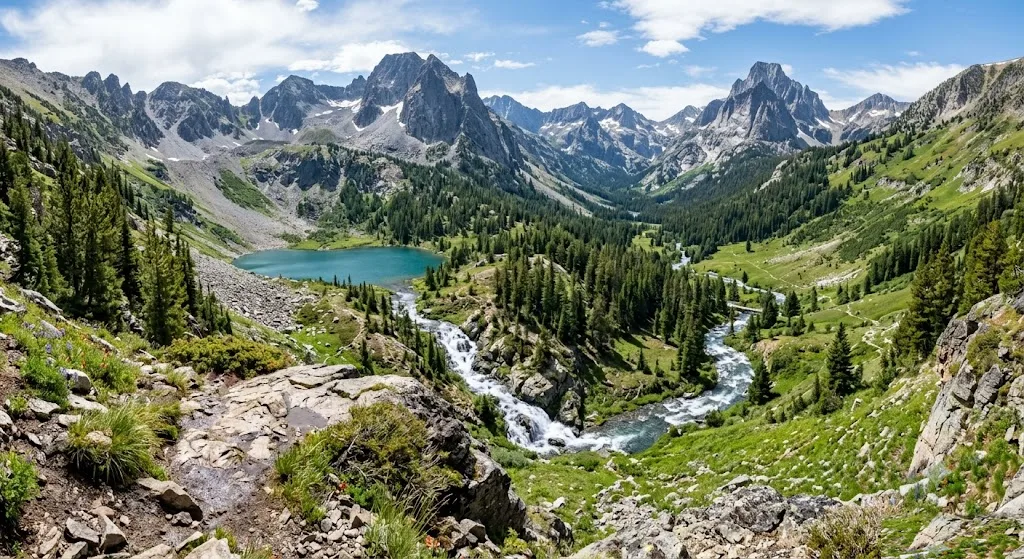
Often called the 'Alps of Oregon,' The Wallowas (Eagle Cap Wilderness) Oregon is a majestic expanse of rugged peaks, pristine alpine lakes, and an extensive network of hiking trails that beckon adventurers from across the globe. We, the Roam States editorial team, consider this wilderness a crown jewel of the Pacific Northwest, offering unparalleled opportunities for exploration and solitude. Spanning nearly 360,000 acres within the Wallowa-Whitman National Forest, the Eagle Cap Wilderness is characterized by its dramatic U-shaped glaciated valleys, bare granite ridges, and a wealth of high-elevation meadows, making it a truly unique destination for those seeking an authentic wilderness experience.
Why Visit The Wallowas (Eagle Cap Wilderness)
The allure of The Wallowas (Eagle Cap Wilderness) lies in its raw, untamed beauty and the profound sense of escape it offers. This is a place where nature operates on its own terms, inviting visitors to shed the complexities of modern life and reconnect with the wild. We are drawn to the sheer scale of the landscape, from the towering summits like Sacajawea Peak (9,838 feet) to the tranquil depths of its numerous alpine lakes.
Beyond the breathtaking scenery, the Eagle Cap Wilderness provides a sanctuary for a diverse array of wildlife, including bears, cougars, deer, elk, and various raptors. For those passionate about photography, backpacking, or simply finding a quiet corner of the world, this region delivers. The extensive trail system, totaling approximately 535 miles, ensures that even during peak season, opportunities for solitude are abundant, especially if you venture beyond the popular Lakes Basin Management Area. The Wallowas (Eagle Cap Wilderness) offers a genuine wilderness adventure, challenging and rewarding in equal measure.
Who It's Best For
The Wallowas (Eagle Cap Wilderness) is ideal for experienced backpackers and hikers seeking multi-day treks through challenging terrain. Its extensive network of trails and high-altitude passes demand good physical fitness and preparedness for variable weather conditions. Day hikers can also find rewarding experiences, particularly around Wallowa Lake and its accessible trailheads, though many of the iconic alpine destinations require significant effort. Families with older children who are accustomed to longer hikes and primitive camping will appreciate the opportunity for a true wilderness immersion. Horseback riders and those interested in guided pack trips will also find excellent opportunities here.
Conversely, this destination may not be suitable for casual tourists seeking paved paths and abundant amenities within the wilderness itself. While the surrounding towns offer comforts, the wilderness is intentionally rugged. Visitors should be prepared for self-sufficiency, adherence to Leave No Trace principles, and an understanding that emergency services may be distant. For those who embrace these challenges, the rewards of the Eagle Cap Wilderness are immeasurable.
Is It Worth Visiting?
Absolutely, The Wallowas (Eagle Cap Wilderness) is unequivocally worth visiting for anyone seeking a profound connection with nature and a truly spectacular mountain experience. The region lives up to its "Alps of Oregon" moniker with its dramatic granite peaks, crystal-clear alpine lakes, and sweeping meadows. We find that the sheer beauty and the sense of untamed wilderness here are unlike almost anywhere else in the contiguous United States. The extensive trail system allows for everything from challenging multi-day backpacking trips to more accessible day hikes, ensuring that a wide range of outdoor enthusiasts can find their ideal adventure.
The opportunity for solitude, especially outside of the busiest areas and peak season, is a significant draw. While some popular spots like the Lakes Basin can see higher traffic, the vastness of the Eagle Cap Wilderness means that quiet corners are always discoverable. For those who appreciate rugged landscapes, diverse ecosystems, and the chance to truly disconnect, the answer to "is The Wallowas (Eagle Cap Wilderness) worth visiting" is a resounding yes. It's a destination that leaves a lasting impression, fostering a deep appreciation for Oregon's wild beauty.
How to Get There
Reaching The Wallowas (Eagle Cap Wilderness) typically involves driving, as public transportation options directly into the wilderness are limited. The wilderness area is located in northeastern Oregon, approximately five miles southwest of Enterprise and Joseph, 25 miles east of La Grande, and 20 miles north of Halfway.
Driving Directions
Most visitors will approach the area via Interstate 84. From I-84, take exit 261 towards Elgin and Wallowa Lake on OR-82 East. Continue on OR-82 East through various towns until you reach Enterprise or Joseph, which serve as primary gateways to the wilderness. To reach specific trailheads, such as the Two Pan Trailhead (a common starting point for many Eagle Cap Wilderness adventures), you'll turn onto Lostine River Road (County Road 1910) in Lostine. This road is paved for about 12.2 miles, then becomes a rougher, one-lane gravel road for another 6.1 miles until you reach the trailhead at its end. The Wallowa Lake Trailhead, another popular access point, is located at the south end of Wallowa Lake.
Parking
Parking is available at various trailheads around the Eagle Cap Wilderness. Some trailheads, such as Two Pan, require a Northwest Forest Pass for parking. This pass costs $5 for a daily pass or $30 for an annual pass, and can be purchased on-site or in advance. The America the Beautiful Pass is also accepted. Parking at the Wallowa Lake Trailhead is currently free. We recommend checking with the Wallowa Mountains Visitor Center for the most up-to-date information on parking requirements and potential closures before your visit, especially for how to get to The Wallowas (Eagle Cap Wilderness) during peak season.
Public Transportation
For those considering public transportation, the most viable option for how to get to The Wallowas (Eagle Cap Wilderness) is to take a bus to La Grande, Oregon, the nearest major city. From La Grande, you can arrange for a taxi or rideshare service to towns like Lostine, Joseph, or Enterprise. However, these services can be limited and may not operate daily, so checking schedules in advance is crucial. A typical fare from La Grande to Lostine can range from $20 to $40. From these towns, you would then need to arrange further transportation to specific trailheads, as direct public transport into the wilderness is not available.
Top Things to Do
The Wallowas (Eagle Cap Wilderness) offers a wealth of activities for outdoor enthusiasts, making it a prime destination for those seeking adventure in Oregon's rugged high country. Our team has identified the following as the top things to do at The Wallowas (Eagle Cap Wilderness):
Hiking and Backpacking
With over 535 miles of trails, hiking and backpacking are undoubtedly the primary things to do at The Wallowas (Eagle Cap Wilderness). From challenging multi-day treks to scenic day hikes, there's a route for nearly every skill level. Popular destinations include the stunning Lakes Basin, which features Mirror Lake, Ice Lake, and Glacier Lake, all nestled beneath towering granite peaks. Remember that a free self-issued Wilderness Visitor Permit is required for all groups entering the Eagle Cap Wilderness, available at trailheads.
Wallowa Lake Tramway
For a less strenuous but equally spectacular experience, we highly recommend a ride on the Wallowa Lake Tramway. This alpine-like gondola ascends 3,700 feet to the summit of Mount Howard (8,150 feet in elevation) in just under 15 minutes, offering breathtaking panoramic views of the Wallowa Valley, Wallowa Lake, and the surrounding communities of Joseph, Enterprise, and Lostine. The tram operates seasonally, typically from May through September, with specific hours varying by month. In June, it's open daily from 10 AM to 3:30 PM, and in July and August, from 9 AM to 3:30 PM. Adult day passes are approximately $50, with discounts for seniors, military, students, and youth. At the summit, you can enjoy marked interpretive trails and dine at the Summit Grill, "the Northwest's highest restaurant".
Camping and Fishing
Camping opportunities abound, both within the wilderness (primitive backcountry camping) and in developed campgrounds just outside its borders. Wallowa Lake State Park, located at the base of the mountains, offers a range of camping styles, including RV, tent, and group sites, along with rustic yurts. Reservations for Wallowa Lake State Park can be made on the Reserve America website and are highly recommended, especially for July and August. Fishing is a popular activity in the many alpine lakes and rivers, with opportunities for trout and other species. Remember to check local regulations and obtain a valid Oregon fishing license.
Exploring Joseph and Enterprise
The charming towns of Joseph and Enterprise serve as excellent base camps for exploring the Wallowas. Joseph, often referred to as "Little Switzerland," is known for its vibrant arts scene, bronze foundries, and quaint main street with unique shops and restaurants. Enterprise also offers local amenities and a gateway to the wilderness. Visitors can explore the Wallowa County Museum, enjoy local eateries like The Dog Spot or The Gold Room in Joseph, or simply soak in the small-town atmosphere surrounded by stunning mountain vistas. The annual Wallowa Mountain Cruise Car Show, held in Joseph on June 20th, 2026, is a popular community event featuring classic cars and hot rods.
Horseback Riding and Pack Trips
For a different perspective of the wilderness, consider horseback riding or arranging a guided pack trip. Several outfitters in the area offer services ranging from guided big game hunts to mule-supported gear transportation for backpackers, allowing you to explore more remote sections of the Eagle Cap Wilderness.
The Wallowas (Eagle Cap Wilderness) hiking trails
The Wallowas (Eagle Cap Wilderness) boasts an extensive and diverse network of hiking trails, offering everything from challenging multi-day backpacking expeditions to scenic day hikes. With approximately 535 miles of trails, adventurers have ample opportunities to explore the region's dramatic landscapes. When planning your trip, it's crucial to obtain a free self-issued Wilderness Visitor Permit at the trailhead before entering the wilderness.
Popular Trails and Destinations
- Ice Lake Trail: This is a highly popular and challenging trail, often described as having a black diamond difficulty. The 4-mile (one-way) trail gains approximately 2,350 feet in elevation, featuring 31 switchbacks and a narrow, rocky, and exposed path. It leads to the stunning Ice Lake, a popular camping spot and a gateway to the Matterhorn summit.
- Eagle Cap Summit Trail: For those aiming for the highest points, the hike to Eagle Cap summit (9,544 feet) is a rewarding, albeit difficult, endeavor. A common route from the Wallowa Lake Trailhead via the West Fork Wallowa Trail is a 30.4-mile round trip with 7,250 feet of elevation gain, typically recommended as an overnight trip. The summit offers unmatched 360-degree views.
- Lakes Basin Management Area: This is the most popular area within the Eagle Cap Wilderness, home to numerous picturesque lakes such as Mirror Lake, Moccasin Lake, Glacier Lake, and Horseshoe Lake. Trails like the East Fork Lostine Trail provide access to this area, with the 14.8-mile round-trip to Mirror Lake gaining 2,020 feet of elevation and considered a difficult day hike. Many of the Wallowas (Eagle Cap Wilderness) hiking trails in this area offer excellent backcountry camping opportunities.
- Lostine River Trails: Starting from the Two Pan Trailhead, the East Fork Lostine River Trail climbs steeply before leveling off into beautiful meadows with views of Eagle Cap. This area offers access to several lakes and is a good starting point for multi-day trips.
- Hurricane Creek Trail: Another major trailhead providing access to the wilderness and its many lakes and peaks.
Trail Conditions and Safety
Trails in the Eagle Cap Wilderness are typically snow-free from mid-July through September at higher elevations, while lower elevation trails may be accessible from late June through November. Winter months bring heavy snowfall, blocking many trails until early July. We advise checking with the Wallowa Mountains Visitor Center for current trail conditions and accessibility before your trip. Always be prepared for sudden weather changes, including late-afternoon thunderstorms, even in summer. Carry an ax and shovel for unexpected trail damage or downed trees.
Group sizes are limited to 12 people on trails and 6 people in the Lakes Basin Management Area for camping. Campfires are prohibited within 100 feet of any lake and within a quarter-mile of specific lakes in the Lakes Basin, including Mirror, Ice, and Glacier Lakes. These regulations are in place to protect the fragile alpine environment. Following Leave No Trace principles is paramount to preserving the beauty of The Wallowas (Eagle Cap Wilderness) hiking trails for future generations.
Best Time to Visit
The optimal time to visit The Wallowas (Eagle Cap Wilderness) largely depends on your desired activities and tolerance for snow and crowds.
Summer (July to early September)
For most visitors, especially those planning extensive hiking and backpacking, late July through early September is the prime season. High-elevation trails are typically snow-free from mid-July through September. Daytime temperatures in the valleys around Wallowa Lake average 70-85°F, with nights cooling to the 40s-50s, making for pleasant hiking conditions. This period also sees alpine wildflowers in bloom. However, this is also the most popular time, particularly the Lakes Basin Management Area, which can be quite crowded on summer weekends and holidays. If you seek solitude, consider visiting on weekdays or exploring less-traveled trails.
Fall (September to October)
Early fall, from mid-September to October, offers a quieter experience with crisp air, fewer crowds, and stunning larch tree foliage turning golden. Lower elevation trails remain accessible through November. While the risk of early snow increases, many consider this a magical time to visit for the vibrant colors and increased chances of solitude. Be prepared for cooler temperatures and potential for early season snow at higher elevations.
Spring (May to June)
Spring in the Wallowas is characterized by melting snow and rising river levels. Many trails, especially at higher elevations, remain snow-blocked through June and early July. While lower elevation areas begin to green up, and some trails become accessible by late June, it's generally not the best time for extensive wilderness exploration unless you are prepared for snow travel and potential high-water crossings.
Winter (November to April)
The Wallowas transform into a snowy wonderland in winter, with temperatures dropping significantly and many areas only accessible by ski or snowshoe. While offering a serene and beautiful experience for winter sports enthusiasts, it requires specialized gear and expertise. Wallowa Lake State Park offers year-round camping, with some services limited and water shut off to individual sites from October to mid-May.
We consistently recommend checking current conditions and forecasts with the Wallowa-Whitman National Forest or the Wallowa Mountains Visitor Center before any trip, regardless of the season.
The Wallowas (Eagle Cap Wilderness) lodging
Finding comfortable and convenient The Wallowas (Eagle Cap Wilderness) lodging is essential for a rewarding trip, whether you're seeking a rustic cabin or a full-service hotel. While direct lodging within the wilderness is limited to primitive camping, the surrounding towns of Joseph and Enterprise, as well as the immediate vicinity of Wallowa Lake, offer a variety of excellent options.
Wallowa Lake Village
The community at the south end of Wallowa Lake is reminiscent of a Swiss alpine village and provides the closest developed The Wallowas (Eagle Cap Wilderness) lodging to many trailheads. Here, you'll find:
- Wallowa Lake Lodge: An almost 100-year-old lodge offering historic charm and proximity to the lake and tramway.
- Eagle Cap Chalets: Highly-rated for their comfortable rooms and helpful staff, these chalets are a popular choice. They offer a great base for exploring the lake, tram, and surrounding area.
- Trouthaven Cabins: A family-owned resort with ten adorable cabins right on Wallowa Lake, offering a traditional resort experience since the 1950s.
- Vacation Rentals: Numerous private cabins and homes are available for rent around Wallowa Lake, many offering amenities like private docks and stunning lake views.
Joseph, Oregon
Just a mile north of Wallowa Lake, Joseph is a vibrant town known for its art galleries, bronze foundries, and charming main street. It offers a range of The Wallowas (Eagle Cap Wilderness) lodging options:
- The Jennings Hotel: A unique historic building with renovated rooms, often found on Airbnb. It's praised for its location and distinctive style.
- Kokanee Inn: A cute bed and breakfast located on the edge of town.
- Mt. Joseph Lodge: A log lodge offering various unit sizes.
- East Street Cottages: Conveniently located within walking distance to shops and restaurants, yet slightly removed from the main street bustle.
Enterprise, Oregon
A short drive from Joseph, Enterprise provides additional lodging choices, often with a slightly more local feel. Options here include motels and smaller inns. Both Joseph and Enterprise offer a variety of dining options, from casual cafes to fine dining, ensuring you have plenty of choices after a day of exploring.
Camping and Glamping
For those who prefer a more immersive outdoor experience, Wallowa Lake State Park offers developed campsites for tents and RVs, along with rustic yurts that can be reserved up to six months in advance. Additionally, private campgrounds and glamping sites like Lemmie Camp near Joseph provide unique accommodations with mountain views and easy access to town amenities. Remember, for primitive camping within the Eagle Cap Wilderness, you'll need a self-issued permit, and specific regulations regarding campfires and distance from lakes apply.
Sample 2-Day Itinerary
This itinerary focuses on a mix of accessible attractions and a taste of the wilderness, ideal for first-time visitors to The Wallowas (Eagle Cap Wilderness) Oregon.
Day 1: Wallowa Lake & Joseph Exploration
- Morning (8:00 AM - 12:00 PM): Wallowa Lake Tramway Adventure. Start your day with a scenic ride on the Wallowa Lake Tramway. Ascend to the summit of Mount Howard for stunning panoramic views of the Wallowa Valley and Eagle Cap Wilderness. Enjoy a leisurely walk on the interpretive trails at the top. The tram opens at 9 AM in July and August, and 10 AM in June and September. Adult tickets are around $50.
- Lunch (12:00 PM - 1:30 PM): Summit Grill or Lakeside Dining. Grab lunch at the Summit Grill at the top of Mount Howard for "the Northwest's highest restaurant" experience, or head back down to Wallowa Lake Village for a meal by the water.
- Afternoon (1:30 PM - 5:00 PM): Wallowa Lake Activities & Joseph Town. Spend time at Wallowa Lake State Park, enjoying the beach, fishing, or renting a kayak or paddleboat from the Wallowa Lake Marina. Afterward, drive a mile north to Joseph and explore its charming Main Street, browsing bronze foundries and art galleries.
- Evening (5:00 PM onwards): Dinner & Relaxation. Enjoy dinner at one of Joseph's acclaimed restaurants, such as The Gold Room for pizza or The Dog Spot for unique international dishes. Consider staying at one of the many excellent The Wallowas (Eagle Cap Wilderness) lodging options in Joseph or Wallowa Lake Village.
Day 2: Wilderness Immersion (Day Hike)
- Morning (7:00 AM - 8:00 AM): Fuel Up & Prepare. Enjoy an early breakfast at your lodging or a local cafe in Joseph or Enterprise. Pack a day bag with plenty of water, snacks, layers, and a map. Remember to pick up your free self-issued Wilderness Visitor Permit at the trailhead.
- Late Morning (8:00 AM - 4:00 PM): Eagle Cap Wilderness Day Hike. Choose a suitable day hike based on your fitness level and desired challenge. We recommend the East Fork Lostine Trail for a scenic introduction to the wilderness. This trail, leading towards the Lakes Basin, offers stunning views and a moderate challenge, with a 14.8-mile round trip to Mirror Lake gaining 2,020 feet of elevation. Alternatively, the Hurricane Creek Trailhead offers access to other beautiful areas.
- Late Afternoon (4:00 PM - 6:00 PM): Return & Refresh. Head back to your lodging for a well-deserved rest and clean-up after your wilderness excursion.
- Evening (6:00 PM onwards): Farewell Dinner & Reflection. Enjoy a final dinner in Joseph or Enterprise, perhaps trying a different local spot. Reflect on the stunning natural beauty and adventures experienced in The Wallowas (Eagle Cap Wilderness).
For those with more time, we highly recommend extending your trip to include an overnight backpacking adventure into the heart of the Eagle Cap Wilderness, or exploring other parts of Oregon, such as the Crater Lake National Park or the Columbia River Gorge. Don't forget to check out the cultural offerings in Ashland, the dramatic coastline near Bandon Beach, or the iconic Cannon Beach & Haystack Rock.
FAQ
The Wallowas (Eagle Cap Wilderness) camping
The Wallowas (Eagle Cap Wilderness) offers both primitive backcountry camping within the wilderness and developed campgrounds just outside its boundaries. For primitive camping, a free self-issued Wilderness Visitor Permit is required, available at all trailheads. Regulations prohibit camping within 100 feet of any lake or posted wetlands, and campfires are banned within a quarter-mile of specific lakes in the popular Lakes Basin Management Area, including Mirror, Ice, and Glacier Lakes. Developed camping can be found at Wallowa Lake State Park, which offers RV, tent, and group sites, as well as rustic yurts. Reservations for Wallowa Lake State Park are highly recommended, especially during the peak summer months of July and August, and can be made through Reserve America. Private campgrounds and glamping options are also available near Joseph and Enterprise.
things to do in Northeastern Oregon
Beyond The Wallowas (Eagle Cap Wilderness), Northeastern Oregon offers a rich tapestry of activities. We recommend exploring the charming towns of Joseph and Enterprise, known for their arts, bronze foundries, and local eateries. Take a scenic ride on the Wallowa Lake Tramway for panoramic views of the Wallowa Valley. Experience the unique Eagle Cap Excursion Train, which travels a roadless stretch of track between Elgin and Minam, offering stunning river scenery. The Hells Canyon National Recreation Area, the deepest river-carved gorge in North America, provides opportunities for hiking, horseback riding, and boating. Winter visitors can enjoy skiing, snowboarding, and snowshoeing at Ferguson Ridge Ski Area.
The Wallowas (Eagle Cap Wilderness) with kids
Visiting The Wallowas (Eagle Cap Wilderness) with kids can be a fantastic adventure, provided you plan according to their age and experience. For younger children, we recommend focusing on the more accessible areas around Wallowa Lake State Park, where they can enjoy swimming, fishing, and short, easy walks. The Wallowa Lake Tramway is a thrilling experience for all ages, offering stunning views without strenuous hiking. In Joseph, kids might enjoy exploring the unique shops or visiting the Joseph City Park. For older, more experienced children, day hikes into the lower sections of the wilderness, such as portions of the East Fork Lostine Trail or Hurricane Creek Trail, can be rewarding. Always ensure you have appropriate gear, plenty of water and snacks, and are aware of group size limits and campfire restrictions within the wilderness.
best hotels near The Wallowas (Eagle Cap Wilderness)
The best hotels near The Wallowas (Eagle Cap Wilderness) are primarily found in the towns of Joseph and Enterprise, and particularly around Wallowa Lake Village. Highly-rated options include the Eagle Cap Chalets, praised for their comfortable accommodations and helpful staff, located near Wallowa Lake. The historic Wallowa Lake Lodge offers classic charm right by the lake. In Joseph, The Jennings Hotel provides a unique, renovated experience, often available via Airbnb. Other notable choices include the Kokanee Inn and Mt. Joseph Lodge in Joseph, and various vacation rentals and cabins around Wallowa Lake. For those seeking developed camping with amenities, Wallowa Lake State Park offers RV, tent, and yurt accommodations.
The Wallowas (Eagle Cap Wilderness) tips
Our top tips for visiting The Wallowas (Eagle Cap Wilderness) include: always obtain a free self-issued Wilderness Visitor Permit at the trailhead before entering the wilderness. Plan your trip for late July through early September for the best snow-free hiking conditions at higher elevations, but be prepared for crowds in popular areas like the Lakes Basin. Pack layers, as mountain weather can change rapidly, and carry an ax and shovel for potential trail obstructions. Be aware of and adhere to all wilderness regulations, especially those concerning campfires (prohibited within 100 feet of lakes and ¼ mile of specific Lakes Basin lakes) and group size limits (12 on trails, 6 in Lakes Basin for camping). Consider visiting on weekdays or after Labor Day for more solitude. Finally, check current trail conditions and fire restrictions with the Wallowa-Whitman National Forest before your trip.
where to stay near The Wallowas (Eagle Cap Wilderness)
When considering where to stay near The Wallowas (Eagle Cap Wilderness), your primary options are the communities of Wallowa Lake Village, Joseph, and Enterprise. Wallowa Lake Village, situated at the base of the mountains, offers the closest proximity to many trailheads and attractions like the Wallowa Lake Tramway, with lodging options such as Wallowa Lake Lodge and Eagle Cap Chalets. The charming town of Joseph, just a mile north, features a variety of hotels, B&Bs, and vacation rentals, including The Jennings Hotel and Kokanee Inn. Enterprise, a slightly larger town, provides additional lodging choices and services. For campers, Wallowa Lake State Park offers developed sites and yurts, with reservations recommended.
Conclusion
The Wallowas (Eagle Cap Wilderness) Oregon stands as a testament to the raw, untamed beauty of the American West. Our team at Roam States confidently recommends this destination for those seeking a profound and challenging wilderness experience. From the soaring granite peaks and pristine alpine lakes to the extensive network of trails, it offers an escape into nature that few places can match. Whether you embark on a strenuous multi-day backpacking trip or enjoy the panoramic views from the Wallowa Lake Tramway, the "Alps of Oregon" promise an unforgettable adventure. Remember to plan meticulously, respect the wilderness regulations, and embrace the solitude that this magnificent landscape affords. Your journey into the Eagle Cap Wilderness will undoubtedly leave you with lasting memories and a deep appreciation for Oregon's wild heart.
Last updated: 2026-07-13 by the Roam States team.