We aim to provide the most comprehensive and authoritative travel information for this vital historical site, ensuring our readers are fully prepared for their visit.
Tuskegee Airmen NHS Travel Guide — Alabama
As the independent US travel authority, our team at Visit America is dedicated to bringing you the most accurate and insightful guides to the nation's most significant destinations. Our focus today is on the Tuskegee Airmen National Historic Site (NHS) in Tuskegee, Alabama, a place where American history was forged through extraordinary courage and determination. The Tuskegee Airmen NHS Alabama stands as a powerful testament to the pioneering African American military aviators who overcame racial discrimination to serve their country with distinction during World War II. We believe a visit here is not just a trip, but an immersive educational experience that resonates deeply with the spirit of American resilience and progress.
Why Visit Tuskegee Airmen NHS
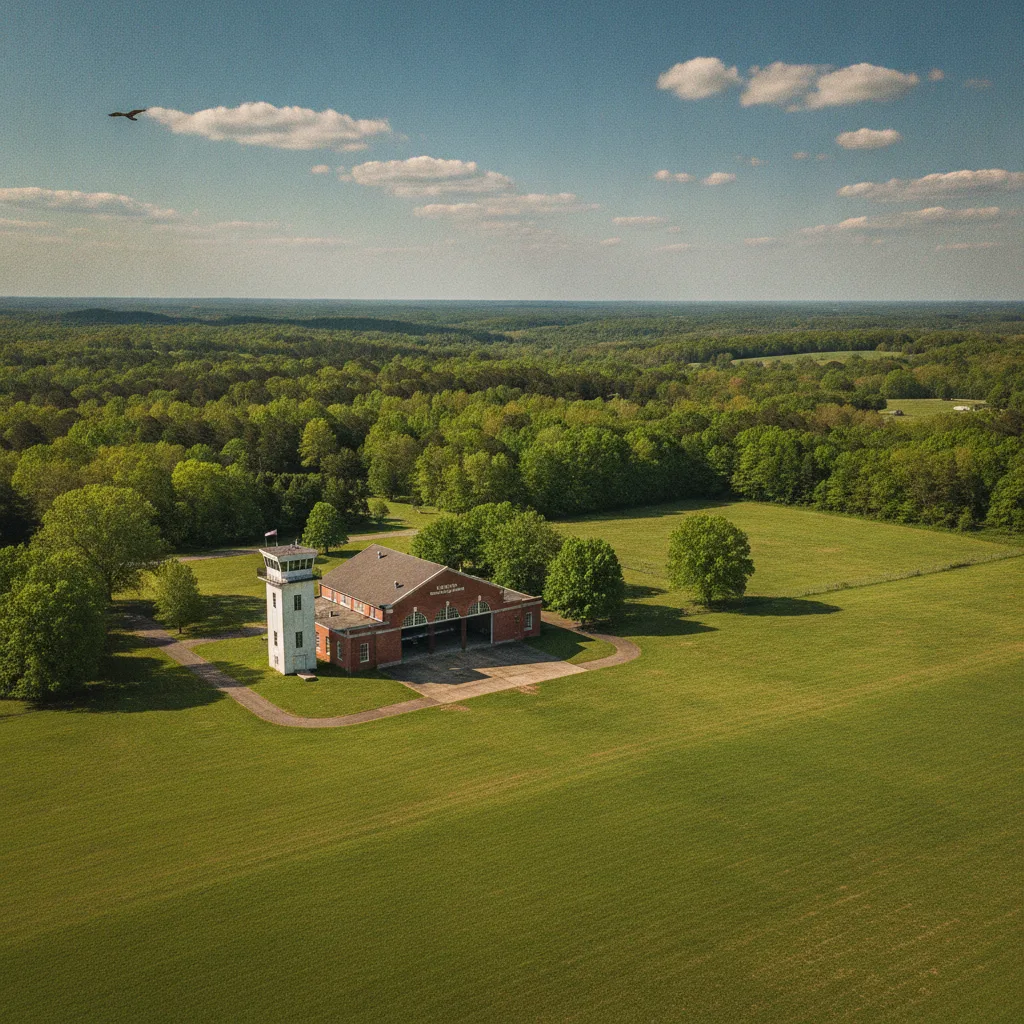
Visiting the Tuskegee Airmen National Historic Site offers an unparalleled opportunity to connect with a pivotal chapter in American history. We're not talking about a dusty museum; this is where the legendary "Red Tails" trained, lived, and defied expectations. The site preserves Moton Field, the primary flight training base, and Hangar 1 and Hangar 2, which now house exhibits and historical aircraft. Our team finds the stories of these trailblazing aviators incredibly inspiring, showcasing their unwavering commitment to excellence in the face of systemic prejudice. It’s a place that fosters reflection on civil rights, military history, and the enduring human spirit. Beyond the historical significance, the site itself is beautifully maintained, offering a respectful and engaging environment for visitors of all ages. You'll gain a deeper understanding of the sacrifices made and the barriers broken, leaving with a profound appreciation for the Tuskegee Airmen's legacy.
Who It's Best For
The Tuskegee Airmen National Historic Site is a destination that truly caters to a diverse audience. We highly recommend it for history buffs, especially those interested in World War II, aviation, and the Civil Rights Movement. Families with school-aged children will find it an incredibly valuable educational experience, offering tangible connections to textbook lessons. Educators looking for impactful field trip locations will discover a wealth of resources and interpretive programs. Anyone with an interest in stories of perseverance, overcoming adversity, and the pursuit of equality will find their visit deeply moving and inspiring. While the site is primarily historical, the narratives are universal, making it a compelling stop for international visitors seeking to understand American culture and its complex past. It's also an excellent destination for solo travelers seeking quiet contemplation and a rich learning experience.
Getting There & Parking
Reaching the Tuskegee Airmen National Historic Site is straightforward, though a car is essential for independent travel in this part of Alabama. The site is located at 1616 Chappie James Ave, Tuskegee, AL 36083. From major cities, the drive is manageable: it's approximately 40 miles east of Montgomery, Alabama, and about 140 miles south of Birmingham. If you're flying in, Montgomery Regional Airport (MGM) is the closest commercial airport. From there, you'll need to rent a car for the roughly 45-minute drive to Tuskegee. We always advise checking local road conditions, but generally, the routes are well-maintained.
When it comes to parking at Tuskegee Airmen NHS, our research indicates ample free parking is available directly at the site's visitor center and museum facilities. This includes designated spaces for buses and RVs, making it convenient for all types of travelers. There are no reported fees for parking as of 2026. We always recommend arriving a bit early, especially during peak season or for special events, to secure the best spots, though overcrowding is rarely an issue here. The parking lots are well-marked and provide easy access to the main attractions, including Hangar 1 and Hangar 2. Accessibility parking is also available.
Top Things to Do
When planning your visit, you'll find there are many things to do at Tuskegee Airmen NHS that bring the history to life. Our team recommends allocating at least half a day, if not a full day, to fully immerse yourself in the experience. The primary attractions are centered around Moton Field, the historic training ground.
- Explore Hangar 1 (Visitor Center and Museum): This is your starting point. Hangar 1 houses the visitor center, where you can pick up maps, speak with park rangers, and get an overview of the site. The museum exhibits here are incredibly detailed, featuring artifacts, photographs, and interactive displays that tell the story of the Tuskegee Airmen from their initial training to their combat missions. You'll learn about the challenges they faced and the triumphs they achieved.
- Discover Hangar 2 (Aircraft & Exhibit Space): Just a short walk from Hangar 1, Hangar 2 is where you'll find restored aircraft that would have been used by the Tuskegee Airmen, such as the PT-17 Stearman biplane and the AT-6 Texan advanced trainer. These planes offer a tangible connection to the pilots' training experience. The exhibits here further elaborate on their service and impact. Seeing these aircraft up close is one of the most compelling things to do at Tuskegee Airmen NHS.
- Walk the Historic Tarmac and Grounds: Take a stroll around Moton Field. Imagine the sights and sounds of young pilots training, the roar of engines, and the camaraderie that developed among these brave men. Interpretive signs along the way provide additional historical context about the facilities and the daily life at the base.
- Watch the Park Film: The visitor center typically screens a documentary film that provides an excellent overview of the Tuskegee Airmen's story. We always find these films to be a powerful and emotional way to understand the human element behind the history.
- Participate in Ranger Programs: If available, joining a ranger-led talk or tour can significantly enhance your visit. Park rangers are incredibly knowledgeable and can offer insights and personal anecdotes that bring the history to life in a unique way. Check the official NPS website for schedules during your visit.
Beyond the immediate site, there are also things to do in Tuskegee itself that complement your visit. Consider exploring other significant historical landmarks in the area, such as the Tuskegee University campus, home to the George Washington Carver Museum and the Oaks, Booker T. Washington's historic home. The town of Tuskegee itself holds deep historical roots in the Civil Rights movement and African American history, making it a rich destination for further exploration.
Best Time to Visit
Our team has found that the best time to visit Tuskegee Airmen NHS largely depends on your preference for weather and crowd levels. Generally, the spring (March to May) and fall (September to November) offer the most pleasant conditions. During these seasons, temperatures are mild, making it comfortable to explore the outdoor elements of Moton Field. The lush Alabama landscape is also particularly beautiful during these times.
Summer months (June to August) can be quite hot and humid in Alabama, with temperatures often soaring into the 90s Fahrenheit. If you visit during this period, we recommend planning your outdoor activities for the early morning or late afternoon and taking advantage of the air-conditioned indoor exhibits during the hottest parts of the day. Winter (December to February) is typically mild, with cooler temperatures and fewer crowds, which can be ideal for a more contemplative visit. However, some outdoor facilities might have reduced hours, so it's always wise to check the official National Park Service website for the Tuskegee Airmen NHS for the most up-to-date operating hours and any potential closures before your trip. The site is generally open year-round, but specific building hours can vary.
Where to Stay Nearby
Finding suitable Tuskegee Airmen NHS lodging is an important part of planning your trip. While Tuskegee itself is a smaller town, there are several options available, and nearby cities offer a wider range of accommodations. Our team recommends considering your budget and desired amenities when selecting your Tuskegee Airmen NHS lodging.
- Tuskegee: For proximity to the site, staying directly in Tuskegee is the most convenient option. You'll find a few local hotels and motels, which offer basic, comfortable accommodations. These are often independently run and provide a good value for visitors primarily focused on the historic site and Tuskegee University.
- Auburn/Opelika: Approximately 20-30 miles north of Tuskegee, the twin cities of Auburn and Opelika offer a much broader selection of hotels, from budget-friendly chains to more upscale options. Auburn, being a college town (home to Auburn University), has a vibrant dining scene and more amenities. This is a great choice if you prefer more dining and entertainment options after your day of historical exploration.
- Montgomery: About 40 miles west, Montgomery, the state capital, provides the widest array of lodging choices, including major hotel chains, boutique hotels, and extended-stay options. Staying in Montgomery allows you to combine your visit to the Tuskegee Airmen NHS with other significant historical sites in the capital city, such as the Civil Rights Memorial, the Rosa Parks Museum, and the Dexter Avenue King Memorial Baptist Church.
When searching for Tuskegee Airmen NHS lodging, we suggest booking in advance, especially if your visit coincides with university events in Auburn or Montgomery, as rooms can fill up quickly. Regardless of where you choose to stay, you'll find that the drives to and from the Tuskegee Airmen National Historic Site are scenic and manageable.
Sample 2-Day Itinerary
To help you make the most of your visit, our team has crafted a sample 2-day itinerary focusing on the Tuskegee Airmen NHS and the surrounding historical riches of the area. This plan balances immersive historical exploration with opportunities to experience more of Alabama's unique heritage.
Day 1: Immerse in Tuskegee Airmen History
- Morning (9:00 AM - 1:00 PM): Arrive at the Tuskegee Airmen National Historic Site. Begin your visit at Hangar 1, the Visitor Center and Museum. Watch the park film to gain an initial understanding of the Airmen's story. Spend ample time exploring the exhibits, artifacts, and interactive displays. Engage with park rangers if a program is scheduled.
- Lunch (1:00 PM - 2:00 PM): Enjoy a packed lunch at the picnic areas available at the site, or head into the town of Tuskegee for a casual meal at a local eatery.
- Afternoon (2:00 PM - 5:00 PM): Proceed to Hangar 2 to see the restored training aircraft and further exhibits. Take a walk along the historic tarmac of Moton Field, imagining the training flights of the past. Reflect on the significance of the site and the courage of the Airmen.
- Evening: Check into your chosen lodging in Tuskegee, Auburn/Opelika, or Montgomery. Enjoy dinner at a local restaurant. If staying in Auburn, explore the university town atmosphere.
Day 2: Explore Tuskegee's Broader Legacy & Beyond
- Morning (9:00 AM - 12:00 PM): Dedicate your morning to Tuskegee University. Visit the George Washington Carver Museum, which highlights the life and scientific contributions of the renowned agricultural scientist. Next, tour The Oaks, the historic home of Booker T. Washington, the university's founder. These sites provide crucial context to the educational and social environment from which the Tuskegee Airmen emerged.
- Lunch (12:00 PM - 1:00 PM): Have lunch in Tuskegee or begin your drive to your next destination.
- Afternoon (1:00 PM - 5:00 PM): Depending on your interests, you have a few options:
- Option A (Civil Rights History): Drive to Montgomery (approx. 40 miles) to explore its significant Civil Rights sites, such as the Civil Rights Memorial, the Rosa Parks Museum, or the Dexter Avenue King Memorial Baptist Church. Consider a visit to the Birmingham Civil Rights Institute if you're heading north, though that's a longer drive.
- Option B (Space & Innovation): If you're heading north towards Huntsville, consider a visit to the U.S. Space & Rocket Center, a truly world-class museum celebrating America's space exploration achievements.
- Option C (Natural Beauty): For those seeking outdoor adventure, consider heading east towards the Talladega National Forest or the Little River Canyon Preserve, Alabama, or even Cheaha State Park, Alabama for stunning vistas and hiking.
- Evening: Enjoy dinner and reflect on the rich history and diverse attractions you've experienced in Alabama. For more ideas on what to explore in the state, consult our guide to Best places in Alabama, or consider a trip south to the beautiful Gulf Shores & Orange Beach, Alabama.
Frequently Asked Questions
Tuskegee Airmen NHS with kids
Visiting Tuskegee Airmen NHS with kids is an excellent educational opportunity. Our team finds that the site's exhibits, especially those with historical aircraft in Hangar 2, are engaging for children. The stories of courage and perseverance resonate well. We recommend preparing younger children by discussing who the Tuskegee Airmen were beforehand. The outdoor areas provide space for kids to move around, and the park film offers a good visual introduction. Ranger programs, if available, are often tailored to be accessible for all ages. There are no specific playgrounds, but the historical significance makes it a valuable family outing.
Best hotels near Tuskegee Airmen NHS
The best hotels near Tuskegee Airmen NHS depend on your preferences. For direct proximity, local motels in Tuskegee offer convenient, no-frills stays. If you're looking for more options, including major hotel chains, a wider selection of amenities, and diverse dining, we recommend staying in Auburn or Opelika, about 20-30 miles away. Cities like Montgomery (40 miles) also provide numerous hotel choices, from budget to upscale, and allow you to combine your visit with other historical attractions. Always check reviews and book in advance, especially during peak seasons or university events.
Tuskegee Airmen NHS tips
Our top Tuskegee Airmen NHS tips include: wear comfortable shoes, as you'll be walking between hangars and possibly along the tarmac. Bring water, especially during warmer months. Allocate at least 3-4 hours for a thorough visit. Check the official National Park Service website for current operating hours and any special events before you go. Consider visiting during the spring or fall for the most pleasant weather. Don't hesitate to engage with the park rangers – their knowledge enriches the experience immensely. Finally, combine your visit with other historical sites in Tuskegee or nearby Montgomery for a comprehensive trip.
Where to stay near Tuskegee Airmen NHS
When considering where to stay near Tuskegee Airmen NHS, you have a few primary options. The most immediate choice is within Tuskegee itself, offering basic accommodations close to the site. For a broader range of hotels, restaurants, and amenities, we suggest looking at Auburn or Opelika, which are about a 20-30 minute drive. If you prefer a larger city experience with extensive lodging options and additional historical attractions, Montgomery is approximately 40 miles away and offers numerous hotels to suit various budgets and preferences.
Tuskegee Airmen NHS parking
Tuskegee Airmen NHS parking is readily available and free of charge. Our team confirms that there are ample parking spaces for cars, buses, and RVs directly at the visitor center (Hangar 1) and near the museum facilities. There are no reported parking fees as of 2026. The parking areas are well-marked and provide easy access to all parts of the historic site, ensuring a hassle-free arrival for visitors.
Best time to visit Tuskegee Airmen NHS
The best time to visit Tuskegee Airmen NHS is during the spring (March to May) or fall (September to November). These seasons offer mild temperatures and comfortable conditions for exploring both the indoor exhibits and the outdoor historic airfield. Summers can be very hot and humid, while winters are generally mild but might see reduced hours for some outdoor facilities. Always verify the current operating hours on the official NPS website before your trip to ensure the best experience.
Our team at Visit America confidently asserts that a trip to the Tuskegee Airmen National Historic Site is a profoundly enriching experience. It's more than just a historical stop; it's a journey into the heart of American perseverance and the fight for equality. The stories told here are vital, inspiring, and beautifully preserved, making it a must-visit destination for anyone seeking to understand the depth of our nation's history. We encourage all travelers to make this powerful site a cornerstone of their Alabama itinerary.
Last updated: 2026-07-05 by the Visit America team.