Umpqua National Forest Travel Guide — Oregon
Our Umpqua National Forest guide covers practical planning for Umpqua National Forest Oregon — best time to visit, getting there, and what to do on the ground. This vast, nearly million-acre expanse on the western slopes of the Cascade Mountains offers an unparalleled escape for those seeking genuine outdoor adventure. We've meticulously explored its diverse ecosystems, from thundering waterfalls and serene hot springs to dense old-growth forests, to bring you the most confident and specific recommendations for your journey.
Why Visit Umpqua National Forest
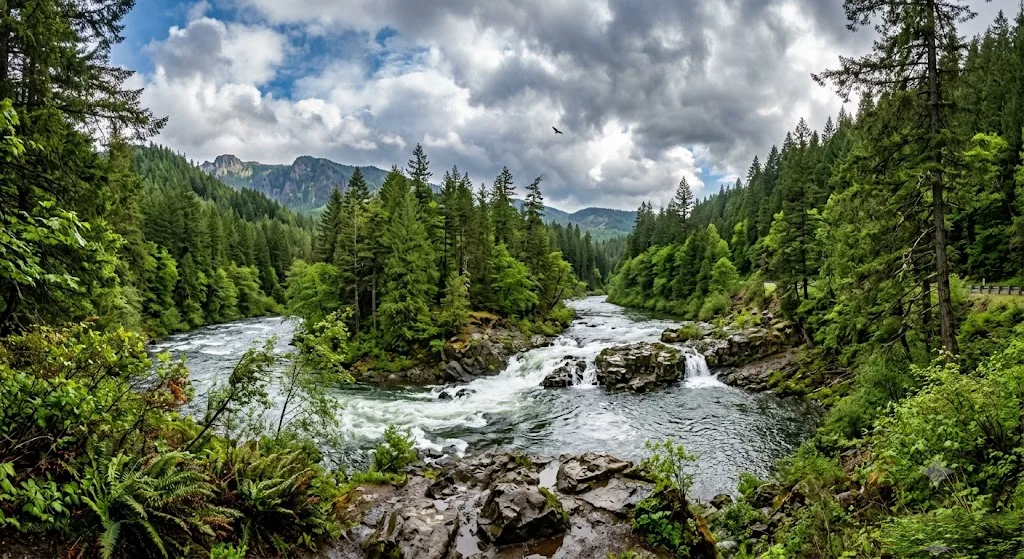
For us, Umpqua National Forest Oregon represents the quintessential Pacific Northwest wilderness experience, free from the overwhelming crowds often found in more heavily trafficked areas. It's a place where the North Umpqua River, a designated Wild and Scenic River, carves through deep canyons, creating a spectacular backdrop for nearly every adventure. The forest is a mosaic of landscapes, shaped by ancient volcanic activity and glaciation, resulting in rugged mountains, sparkling rivers, and an abundance of waterfalls that truly earn the region its Native American name, "Umpqua," meaning "dancing waters."
Beyond its stunning natural beauty, the Umpqua National Forest offers a wealth of recreational opportunities. Whether you're an avid hiker, a keen angler, a whitewater enthusiast, or simply someone looking to reconnect with nature, this forest delivers. We've found that the solitude and sheer diversity of activities here are unmatched, making it a prime destination for those who value authentic outdoor exploration.
Who It's Best For
The Umpqua National Forest caters to a wide array of outdoor enthusiasts, but we believe it particularly shines for a few specific types of travelers:
- Hikers of All Levels: With over 500 miles of trails, from easy riverside strolls to challenging mountain ascents, hikers will find endless opportunities. Waterfall chasers, in particular, will be in paradise.
- Anglers: The North Umpqua River is world-renowned for its fishing, especially its summer steelhead run. We've seen firsthand the dedication of fly rodders drawn to its pristine waters.
- Nature Photographers: The dramatic landscapes, columnar basalt formations, and numerous waterfalls provide endless photographic inspiration. Toketee Falls, with its two-tiered plunge over basalt columns, is a prime example.
- Campers and RV Enthusiasts: With over 40 developed campgrounds and ample dispersed camping opportunities, there are options for every style of overnight stay.
- Adventure Seekers: Whitewater rafting and kayaking on the North Umpqua offer thrilling experiences, particularly from May through early July. Mountain biking is also a popular pursuit on many trails.
- Families: Many campgrounds offer amenities, and numerous easy trails lead to waterfalls or swimming holes, making it a great destination for introducing children to the outdoors.
If you're looking for a destination where you can truly immerse yourself in raw, untamed nature without feeling like you're part of a theme park queue, the Umpqua National Forest is for you.
How to Get There & Parking
Understanding how to get to Umpqua National Forest is crucial for planning your visit, as its vastness means multiple access points. The forest spans nearly a million acres across Douglas, Lane, and Jackson Counties in Southern Oregon. The most common gateway is Roseburg, Oregon, located just west of the forest.
From Roseburg, we recommend taking Oregon Route 138 East, also known as the North Umpqua Highway. This scenic byway runs through the heart of the forest, paralleling the North Umpqua River and providing access to many of the forest's key attractions, including numerous waterfalls and trailheads.
For those approaching from the east or connecting from Crater Lake National Park, Highway 138 also provides direct access. The forest is generally within a two-hour drive north from Medford, Oregon.
Parking: Parking is available at most trailheads and recreation sites throughout the Umpqua National Forest. However, many of these sites require a day-use fee. We strongly advise carrying a Northwest Forest Pass or an Interagency America the Beautiful Pass, which waives these fees. If you don't have a pass, be aware that many Forest Service recreation sites, including trailheads and boat ramps, transitioned to cashless fee collection in 2026. You'll need to download the Recreation.gov app and use its Scan & Pay feature or display a valid pass.
For popular spots like Umpqua Hot Springs, a $5 per vehicle per day fee applies if you don't have a pass, and the trailhead and surrounding area are day-use only, open from sunrise to sunset. The road to Umpqua Hot Springs (Forest Road 3401) typically closes in winter months due to snow, but as of March 20, 2026, the winter closure was rescinded, making it accessible. However, even in warmer months, the gravel road to the hot springs parking lot can be riddled with potholes, so drive slowly and cautiously. A high-clearance vehicle is beneficial, especially in winter when ice and snow can be present.
When considering how to get to Umpqua National Forest and where to park, always check the official Umpqua National Forest website for current conditions, alerts, and any specific closures, especially during wildfire season or winter.
Top Things to Do
When it comes to things to do at Umpqua National Forest, the options are as varied as the landscape itself. Our team has explored many of its gems, and we can confidently say there's something for every type of outdoor enthusiast.
Umpqua National Forest Hiking Trails
The Umpqua National Forest boasts over 500 miles of Umpqua National Forest hiking trails, exploring dense old-growth forests, volcanic peaks, and, most notably, numerous waterfalls. Here are some of our top recommendations:
- North Umpqua Trail: This signature 79-mile multi-day trail follows the North Umpqua River, offering sections suitable for hiking, mountain biking, and even horseback riding. It's broken into 11 segments, with varying difficulty. We particularly enjoyed the Hot Springs Segment for an easy hike, and the Mott Segment, which provides the only drinking water source on the trail. Due to past wildfires, some sections have been damaged, so check for updates before you go.
- Umpqua Hot Springs Trail: A must-do, this popular half-mile out-and-back trail leads to naturally tiered, travertine-ringed soaking pools with temperatures up to 108 degrees Fahrenheit. The trailhead is near Toketee, and while the hike is short, the road to the trailhead can be rough. Remember, it's day-use only (sunrise to sunset) and requires a $5 fee or a valid pass.
- Toketee Falls Trail: This iconic waterfall plunges approximately 120 feet over hexagonal basalt columns, a truly stunning sight. The trail is short (under a mile round trip) but involves about 200 wooden stairs, winding through old-growth Douglas-fir and red cedar to a fantastic viewing platform.
- Watson Falls Trail: Tumbling nearly 300 feet, Watson Falls is the third-highest waterfall in Oregon. The short trail has a steep incline but rewards with breathtaking views, especially after heavy rains.
- Fall Creek Falls Trail: An easy 0.6-mile (1.0 km) hike through lush woodland, leading directly to the captivating Fall Creek Falls. It's a quick 20-minute escape into nature.
- Lemolo Falls Trail: An easy 1.7-mile (2.8 km) path offering views of the North Umpqua River and leading to the impressive 102-foot Lemolo Falls, considered one of Oregon's most impressive.
- Mount Thielsen Summit Trail: For experienced hikers, this difficult 9.0-mile (14.5 km) trail involves a significant climb of over 1,000 meters, offering expansive views of the Cascades, Mount Shasta, and Diamond Lake.
- Moon Falls Trail: A secluded 0.6-mile (0.9 km) trail through dense forest to a 125-foot horsetail ribbon waterfall, often enjoyed in solitude.
Fishing and Boating
The North Umpqua River is a world-class destination for fly-fishing, particularly for summer-run steelhead. We recommend checking the Oregon Department of Fish and Wildlife website for species, seasons, and licensing requirements. Diamond Lake is also excellent for rainbow trout. For boating, Diamond Lake and Lemolo Lake offer opportunities for kayaking, swimming, and other water sports. Whitewater rafting on the North Umpqua is popular from May to early July, with options ranging from placid Class I to roaring Class IV rapids.
Camping and Cabin Rentals
With 43 campgrounds, Umpqua National Forest camping is plentiful. Developed campgrounds offer amenities like picnic tables, fire grates, and vault or flush toilets, though potable water is not always available, and electric hookups are rare. Popular campgrounds like Diamond Lake and Toketee Lake Campground fill quickly, so reservations through Recreation.gov are highly recommended, especially during summer. Dispersed camping is also permitted in many areas, but campers must adhere to Leave No Trace principles and check for fire restrictions. For a unique experience, consider renting a historic cabin or fire lookout tower, such as Pickett Butte Lookout, which offers stunning views.
Scenic Drives
The Rogue-Umpqua Scenic Byway, a 172-mile drive, traverses the forest along the North Umpqua and Upper Rogue Wild and Scenic Rivers, offering spectacular views and access to many attractions. Highway 138, the North Umpqua Highway, is a National Scenic Byway itself, leading to Diamond Lake and Crater Lake National Park.
Best Time to Visit
Determining the best time to visit Umpqua National Forest depends largely on the activities you plan to pursue, as the forest offers distinct experiences throughout the year.
- Summer (June-August): This is the most popular time to visit. We find the warm weather, abundant wildflowers, and snow-free trails ideal for hiking, fishing, and camping. Rafting on the North Umpqua River is at its peak from May through early July. However, popular campgrounds, especially around Diamond Lake, book up quickly, so reservations are essential. Be aware that fire danger can be high in summer, and Stage 1 Public Use Restrictions, prohibiting campfires outside of designated fire rings, may be in effect.
- Fall (September-November): Autumn brings crisp afternoons and cooler nights, with fewer crowds. The fall foliage can be beautiful, and it's an excellent time for hiking and enjoying the hot springs without the summer rush. The North Umpqua River also sees a healthy fall Chinook run.
- Spring (April-May): Snow lingers in higher elevations through late spring, but temperatures begin to warm, and wildflowers emerge. This is a great time to visit Umpqua Hot Springs, enjoying the warm water amidst the lingering chill. Many waterfalls will be gushing with snowmelt, making for spectacular views.
- Winter (December-March): Deep snow transforms much of the forest, making it accessible primarily to skiers, snowshoers, and snowmobilers. The Diamond Lake Ranger District is a hub for winter activities, including the Three Lakes Sno-Park for downhill skiing. While some roads, like the one to Umpqua Hot Springs, may close due to snow, the springs themselves are still accessible via a longer hike or snowshoe. If you're equipped for winter conditions, you'll often have the trails to yourself.
No matter when you plan your trip, we always recommend checking the Umpqua National Forest website for current conditions, alerts, and any closures before you depart.
Where to Stay Nearby
Finding the right Umpqua National Forest lodging can significantly enhance your experience. While camping within the forest is a popular choice, several excellent options exist both inside and just outside its boundaries, catering to different preferences and budgets.
Within the Forest:
- Campgrounds: As mentioned, the Umpqua National Forest offers 43 developed campgrounds. Popular choices include Diamond Lake Campground, Toketee Lake Campground, and Susan Creek Campground, which often provide amenities like picnic tables, fire grates, and vault toilets. Reservations for many sites can be made up to six months in advance via Recreation.gov, and we highly recommend doing so, especially for summer visits.
- Cabin and Lookout Rentals: For a unique Umpqua National Forest lodging experience, consider renting a historic cabin or fire lookout tower. These offer rustic charm and incredible solitude. Pickett Butte Lookout, for example, provides stunning vistas and can be reserved between October 1st and July 15th.
- Umpqua's Last Resort: Located deep within the Umpqua National Forest along the North Umpqua River, this privately owned resort offers RV sites with full hookups, glamping tents, camper cabins, and even a tiny home. It's a fantastic base for exploring the North Umpqua Trail and Umpqua Hot Springs.
Near the Forest:
The closest major town offering a wider range of accommodations is Roseburg, approximately 15-40 miles west of various forest entrances. Here, you'll find numerous hotels, motels, and inns:
- Hotels in Roseburg: Options like Super 8 by Wyndham Roseburg, Riverfront Inn Roseburg, Comfort Inn Roseburg, Hampton Inn & Suites Roseburg, and Holiday Inn Express And Suites Roseburg North by IHG offer comfortable stays at various price points. Many are budget-friendly and cater to both business travelers and families.
- Steamboat Inn: Situated directly on the North Umpqua Highway, the Steamboat Inn is a classic river lodge known for its personalized hospitality and exceptional cuisine. It offers river view cabins, secluded cottages, and suites, making it an excellent choice for anglers and those seeking a more upscale, rustic experience in the heart of the Umpqua National Forest.
- Union Creek Resort: Located closer to the eastern side of the forest and Crater Lake National Park, Union Creek Resort offers cabins and lodge rooms, providing a charming base for exploring that section of the Umpqua.
- Vacation Rentals: Websites like Travelocity and Expedia list numerous vacation rentals, from cabins and lodges to apartments, near Umpqua National Forest. These can be ideal for families or groups seeking more space and amenities like hot tubs.
When selecting your Umpqua National Forest lodging, consider your primary areas of interest within the forest and book well in advance, especially during peak season, to secure your preferred spot.
Sample 2-Day Itinerary
To truly experience the essence of the Umpqua National Forest, we recommend at least a two-day immersion. This itinerary balances iconic sights with opportunities for deeper exploration.
Day 1: Waterfalls and Hot Springs Immersion
- Morning (8:00 AM - 12:00 PM): Toketee Falls & Watson Falls
Start your day early with a visit to two of the forest's most spectacular waterfalls. Begin at Toketee Falls, an iconic two-tiered waterfall plunging over hexagonal basalt columns. The 0.4-mile trail involves stairs but leads to a stunning viewing platform. Afterward, head to nearby Watson Falls, the third-highest in Oregon, with a short but steep trail offering incredible views of its nearly 300-foot cascade.
- Lunch (12:00 PM - 1:00 PM): Picnic by the River
Pack a lunch and enjoy it at one of the scenic day-use areas along the North Umpqua River, such as Susan Creek Day-Use Area.
- Afternoon (1:00 PM - 5:00 PM): Umpqua Hot Springs Soak
Dedicate your afternoon to the rejuvenating Umpqua Hot Springs. The half-mile trail leads to tiered, natural soaking pools. Remember, it's day-use only (sunrise to sunset), and a $5 fee or valid pass is required. The road to the trailhead can be bumpy, so drive carefully.
- Evening: Dinner & Camping/Lodging
If camping, head to Toketee Lake Campground, the closest overnight campground to the hot springs. Alternatively, check into the historic Steamboat Inn for a more luxurious experience with river views and fine dining.
Day 2: Hiking, Fishing, or Scenic Drives
- Morning (8:00 AM - 12:00 PM): North Umpqua Trail Exploration or Fishing
Choose your adventure:
- Hiking: Tackle a segment of the North Umpqua Trail. The Mott Segment is relatively easy and offers river views, while the Marsters Segment features old-growth Douglas-fir groves. Check current trail conditions for any wildfire impacts.
- Fishing: If you're an angler, dedicate the morning to fly-fishing for steelhead on the North Umpqua River. Consider hiring a local guide for the best experience.
- Lunch (12:00 PM - 1:00 PM): Local Eatery or Packed Lunch
Grab a bite at a local spot if you're near a small community like Glide, or enjoy another packed lunch amidst nature.
- Afternoon (1:00 PM - 5:00 PM): Rogue-Umpqua Scenic Byway & Additional Waterfalls
Drive a portion of the Rogue-Umpqua Scenic Byway, soaking in the diverse landscapes. Stop at other accessible waterfalls like Fall Creek Falls or Lemolo Falls for shorter hikes and beautiful views. You might also consider a visit to nearby Crater Lake National Park, which is often considered an "Emerald-Jewel Gateway" to the Umpqua region.
- Evening: Departure or Extended Stay
Head back towards Roseburg for your departure, or extend your stay to explore more of the forest's hidden gems, perhaps venturing towards Diamond Lake for more activities. For those heading north, consider exploring the Columbia River Gorge or Silver Falls State Park on your way. You can also find more travel inspiration on our Best places in Oregon guide.
Is It Worth Visiting?
Without a doubt, our team believes the Umpqua National Forest is worth visiting for any traveler seeking an authentic and diverse outdoor experience in Oregon. It stands apart from more commercialized destinations, offering a genuine connection with nature that is increasingly rare. Is Umpqua National Forest worth visiting? Absolutely. Its myriad waterfalls, from the iconic Toketee to the serene Moon Falls, are a testament to its "dancing waters" namesake and are a major draw. The opportunity to soak in natural hot springs, hike hundreds of miles of trails, and fish in a world-class river like the North Umpqua provides a depth of experience that few other places can match.
We find that the Umpqua National Forest offers a compelling blend of accessibility and wildness. While popular spots like the hot springs and major waterfalls can see visitors, the sheer size of the forest means solitude is always within reach for those willing to venture a bit further. The range of activities, from challenging mountain climbs to gentle riverside strolls, ensures that every visitor can tailor an adventure to their liking. Is Umpqua National Forest worth visiting for families? Yes, with numerous easy trails and campgrounds, it's an excellent place to introduce children to the wonders of the natural world.
The forest's commitment to conservation, its rich biodiversity, and the stunning geology shaped by ancient volcanic events create a truly unique and inspiring landscape. For those planning their US trip, we wholeheartedly recommend including the Umpqua National Forest for an unforgettable Oregon adventure.
Last updated: 2026-07-08 by the Roam States team.