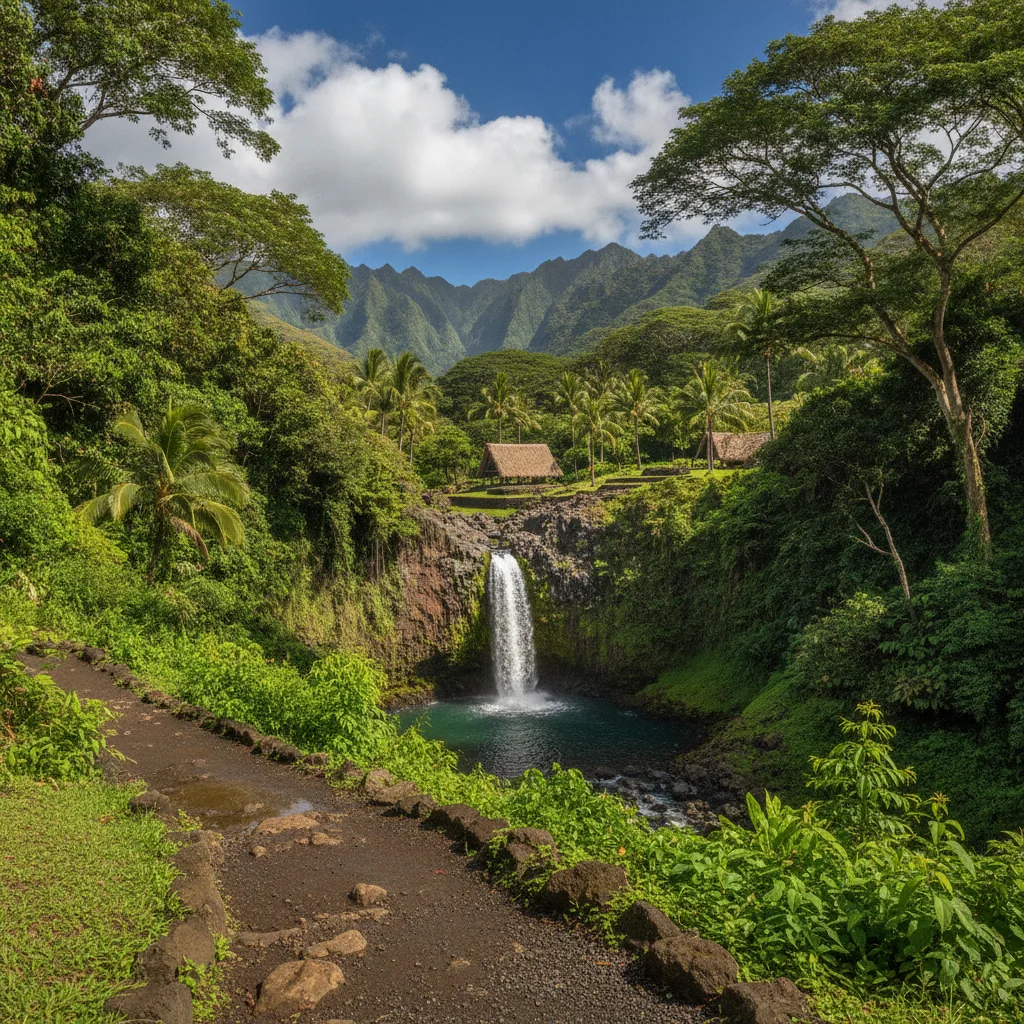
Our Waimea Valley guide covers practical planning for Waimea Valley Hawaii — best time to visit, getting there, and what to do on the ground. We’re here to help you navigate this iconic North Shore gem, ensuring you make the most of your visit to a place where ancient Hawaiian culture thrives amidst breathtaking natural beauty.
Why Visit Waimea Valley
Waimea Valley Hawaii is more than just a picturesque spot; it's a living, breathing testament to Hawaiian history and a vibrant botanical sanctuary. Our team considers it a must-visit for anyone seeking a deeper connection with Oahu's natural and cultural heritage. Here, you can immerse yourselves in a lush tropical paradise, explore significant archaeological sites, and even take a refreshing dip beneath a majestic waterfall. Unlike many other attractions, Waimea Valley offers a unique blend of easy accessibility and profound cultural immersion, making it a standout destination on the North Shore.
The valley itself spans 1,875 acres, a sacred land division known as an ahupuaʻa, which has been continuously inhabited for over 1,000 years. It was historically a place for learning, healing, and spiritual practice for Native Hawaiians, and today, it continues to be managed by the Native Hawaiian nonprofit Hiʻipaka LLC, dedicated to cultural perpetuation and environmental conservation. Walking through the valley, you'll encounter over 5,000 types of tropical and subtropical plants, including many native and endangered species, within 60 beautifully curated themed gardens. The journey culminates at the 45-foot Waimea Falls, also known as Waihi Falls, where swimming is permitted when conditions are safe and lifeguards are on duty.
Who It's Best For
Waimea Valley is an exceptionally versatile destination, appealing to a wide range of travelers. We confidently recommend it for:
- Families with Children: The paved, flat, and stroller-friendly path to the waterfall makes it accessible for all ages, even toddlers. Life jackets are provided and required for swimming at the falls, ensuring a safe and enjoyable experience for kids. Cultural demonstrations and ancient Hawaiian games also offer engaging educational opportunities.
- Nature Enthusiasts and Botanists: With over 5,000 species of plants, including native Hawaiian and globally endangered varieties, the botanical gardens are a highlight. The themed gardens offer a chance to see unique flora from around the world.
- Culture and History Buffs: The valley is a significant archaeological site with reconstructed traditional Hawaiian dwellings (hale), stone shrines, and taro fields (loʻi kalo). Cultural practitioners often demonstrate traditional arts like lei-making and weaving, providing a deep dive into Hawaiian traditions.
- Hikers of All Levels: The main trail to Waimea Falls is an easy 0.75-mile (1.5 miles round trip) paved walk, suitable for all fitness levels. For those seeking a bit more, several side trails offer diverse botanical views.
- Couples and Solo Travelers: The tranquil setting and beautiful scenery make it a perfect spot for a romantic stroll or a peaceful solo exploration. The Moonwalks, offered from May through October near the full moon, provide a unique and stunning evening experience.
How to Get There & Parking
Understanding how to get to Waimea Valley and where to park is crucial for a smooth visit. Waimea Valley is located on Oahu's North Shore, near the town of Haleiwa, approximately 35 miles from Waikiki. The drive from Waikiki typically takes about an hour, depending on traffic.
How to Get There
The most common way to get to Waimea Valley is by car. From Waikiki, take the H-2 North to Kamehameha Highway (Highway 83). The valley entrance is directly across from Waimea Bay Beach Park. We recommend starting your journey early, especially on weekends and holidays, to avoid traffic and secure parking.
For those who prefer not to drive, some guided tours offer round-trip transportation from Waikiki, often including admission and cultural context. Public transportation options are limited, so a rental car or a guided tour is generally the most practical way to get to Waimea Valley.
Parking
Waimea Valley offers on-site parking. For non-kamaʻāina (non-Hawaii residents), parking is paid: $2 for one hour or a flat rate of $5 for up to four hours. Parking is free after 5 PM and for Hawaii residents. It's important to note that parking in the Waimea Valley lots is strictly for valley guests only; beach parking is not permitted, and violators will be towed. Arriving before 10 AM is advisable to beat the crowds and ensure a spot, as the main lot can fill up by late morning.
Top Things to Do
There are so many things to do at Waimea Valley that you could easily spend a full day exploring its wonders. Our team suggests prioritizing these experiences to truly capture the essence of this sacred place:
- Hike to Waimea Falls and Swim: The main attraction is the easy, paved 0.75-mile (one-way) walk through the botanical gardens to Waimea Falls. Swimming is permitted in the waterfall pool when conditions are safe, and lifeguards are on duty. Life jackets are mandatory and provided free of charge. We always recommend calling (808) 638-7766 at 9 AM on the day of your visit to confirm swimming status, as it can change due to weather and water conditions. Changing rooms and showers are available near the falls.
- Explore the Botanical Gardens: Don't rush past the incredible diversity of plants. The valley boasts over 5,000 species, arranged in 60 themed gardens. Take your time to read the informative signs identifying plants and learning about their significance. This is one of the most enriching things to do at Waimea Valley for nature lovers.
- Engage with Hawaiian Culture: Waimea Valley is a living cultural preserve. You can visit traditional Hawaiian hale (dwellings), stone shrines, and loʻi kalo (taro fields). Look for cultural demonstrations, such as hula performances (often at 11 AM and 1 PM in the Upper Meadow), ancient Hawaiian games (Nā Pāʻani Kahiko), and traditional crafts. The Kaʻapuni o Waimea self-guided cultural journey allows you to visit cultural sites and earn a complimentary Cultural Ambassador pin.
- Attend Special Events: Waimea Valley hosts a variety of events throughout the year. In 2026, these include monthly Summer Concert Series (June, July, August), ʻUala Workshops (e.g., July 18, 2026), and Moonwalks (e.g., August 23, September 26, October 25, 2026). There are also weekly plant sales every Saturday from 8 AM to 12 PM.
- Take a Guided Tour: For a deeper understanding, consider booking one of the Kipahele Tour Series, offering expert commentary on either cultural history or botanical aspects. Botanical tours are typically on Tuesdays and Wednesdays at 10 AM, and cultural tours on Wednesdays and Saturdays at 1 PM.
- Visit the Toa Luau: Located within Waimea Valley, the Toa Luau offers an authentic Polynesian cultural experience with traditional food, hula, fire dancing, and cultural demonstrations.
The entire paved path to the waterfall is about 1.5 miles round trip, and we suggest allowing 2 to 3 hours to fully explore the gardens, cultural sites, and enjoy a swim. Shuttle transportation is available for $10 one-way from Hale Hoʻike to the waterfall turnaround area, starting at 9:45 AM.
Best Time to Visit
Choosing the right time to visit Waimea Valley can significantly enhance your experience. Our team has found that while the valley is beautiful year-round, certain times offer distinct advantages.
- Seasonally: Waimea Valley is open all year. The summer months (May 27 - September 2) generally bring drier conditions, which are more reliably suitable for waterfall swimming. However, the botanical gardens and cultural sites are worth visiting in any season.
- Daily Timing: We highly recommend arriving early, ideally before 10 AM, to avoid crowds and secure parking, especially on weekends and holidays. Weekday mornings are generally less busy. Late afternoons, after 3 PM, can also see fewer crowds as families and tour buses depart, offering pleasant golden hour light.
- Special Events: If you're interested in specific events like the Summer Concert Series, Moonwalks, or the weekly Plant Sale (Saturdays from 8 AM to 12 PM), plan your visit accordingly.
Keep in mind that Waimea Valley's operating hours vary slightly by season. From January, February, October, and November, it's open daily except Mondays and Thanksgiving Day, from 9 AM to 4 PM. During Spring Break (March 1 - May 26), it's open daily from 9 AM to 4 PM. Summer hours (May 27 - September 2) are 9 AM to 5 PM daily. In December, it's open daily from 9 AM to 4 PM, except Christmas Day, and closes at 3 PM on Thanksgiving Eve, Christmas Eve, and New Year's Eve. Always check the official website for the most current hours before your visit.
Where to Stay Nearby
When planning your trip to Waimea Valley, finding suitable Waimea Valley lodging is key to maximizing your North Shore experience. While there aren't hotels directly within the valley, several excellent options are available in nearby towns, offering a range of styles and amenities.
- Turtle Bay Resort Area (Kahuku): Approximately 5.7 to 6 miles from Waimea Valley, this area offers luxurious accommodations. The Ritz-Carlton O'ahu, Turtle Bay, a 4-star resort, is a top choice for those seeking beachfront access and golf. Other options include Ocean Villas at Turtle Bay and Kuilima Estates Resort. This is ideal for travelers looking for upscale Waimea Valley lodging with resort amenities.
- Haleiwa Town: Just a short drive from Waimea Valley, Haleiwa is a charming surf town with a more laid-back vibe. While fewer large hotels exist, you'll find a variety of vacation rentals, guesthouses, and smaller inns. Look for options that offer proximity to Haleiwa's shops, restaurants, and beaches. Some vacation rentals in Pupukea and Haleiwa offer excellent options for Waimea Valley lodging.
- Laie: Home to the Polynesian Cultural Center, Laie is another town with accommodation options, including the Courtyard by Marriott Oahu North Shore, about 8.2 miles from Waimea Valley.
- Vacation Rentals: For a more local experience or for families and groups, vacation rentals through platforms like Airbnb are abundant in areas like Pupukea, Haleiwa, and Kahuku, offering diverse choices from condos to spacious homes. Many are highly rated for location and cleanliness, providing amenities like kitchens and multiple bedrooms.
We recommend booking your Waimea Valley lodging in advance, especially during peak seasons, as the North Shore can be a popular destination. Consider what type of experience you're looking for – luxury resort, charming local stay, or a spacious rental – and choose accordingly.
Sample 2-Day Itinerary
To truly savor the North Shore and the magic of Waimea Valley Hawaii, we've crafted a sample 2-day itinerary designed to blend nature, culture, and relaxation.
Day 1: Waimea Valley Immersion & North Shore Exploration
- Morning (9:00 AM - 1:00 PM): Waimea Valley Deep Dive
- Arrive early at Waimea Valley to secure parking and beat the crowds.
- Embark on the easy, paved walk to Waimea Falls, taking your time to explore the 60 themed botanical gardens along the way.
- Check the swimming status and enjoy a refreshing dip in the waterfall pool, utilizing the provided life jackets.
- Participate in a cultural demonstration, such as hula or ancient Hawaiian games, or take a self-guided cultural tour to earn your ambassador pin.
- Lunch (1:00 PM - 2:00 PM): Local Flavors
- Grab lunch at the Waimea Valley's snack bar or head to one of the famous food trucks nearby on Kamehameha Highway for garlic shrimp or poke bowls.
- Afternoon (2:00 PM - 5:00 PM): Waimea Bay & Historic Haleiwa
- Cross the street to Waimea Bay Beach Park, known for its massive winter swells and calm summer waters perfect for swimming and cliff jumping.
- Continue to historic Haleiwa Town. Browse the local surf shops, art galleries, and boutiques housed in charming plantation-style buildings.
- Evening (5:00 PM onwards): Sunset & Dinner
- Enjoy a North Shore sunset from Haleiwa Beach Park or a scenic spot along the coastline.
- Dine at one of Haleiwa's popular restaurants, like Haleiwa Joe's for ocean views and fresh seafood.
Day 2: North Shore Adventure & Cultural Exploration
- Morning (8:00 AM - 12:00 PM): Ocean Activities or Scenic Drives
- Depending on your preference, consider surf lessons at a beginner-friendly spot near Haleiwa Beach Park, or go snorkeling at Shark's Cove during summer months.
- Alternatively, take a scenic drive further along the North Shore, perhaps visiting famous surf breaks like Banzai Pipeline (seasonal) or Laniakea Beach for turtle watching.
- Lunch (12:00 PM - 1:00 PM): Iconic Treats
- Indulge in a famous Matsumoto Shave Ice in Haleiwa or an acai bowl from Haleiwa Bowls.
- Afternoon (1:00 PM - 5:00 PM): Cultural Depth or Natural Wonders
- Visit the Polynesian Cultural Center for an immersive experience into Polynesian island nations, featuring cultural villages, demonstrations, and an evening show.
- For more natural beauty, consider a drive to Hawaii Volcanoes National Park on the Big Island, though this would require an inter-island flight and a separate itinerary. For Oahu, consider a hike to Pu'u O Mahuka Heiau, one of Oahu's largest ancient Hawaiian temples, offering stunning views of Waimea Bay.
- Evening (5:00 PM onwards): Luau Experience
- Enjoy an authentic luau experience at the Toa Luau within Waimea Valley or another reputable luau on the North Shore.
Last updated: 2026-07-06 by the Roam States team.