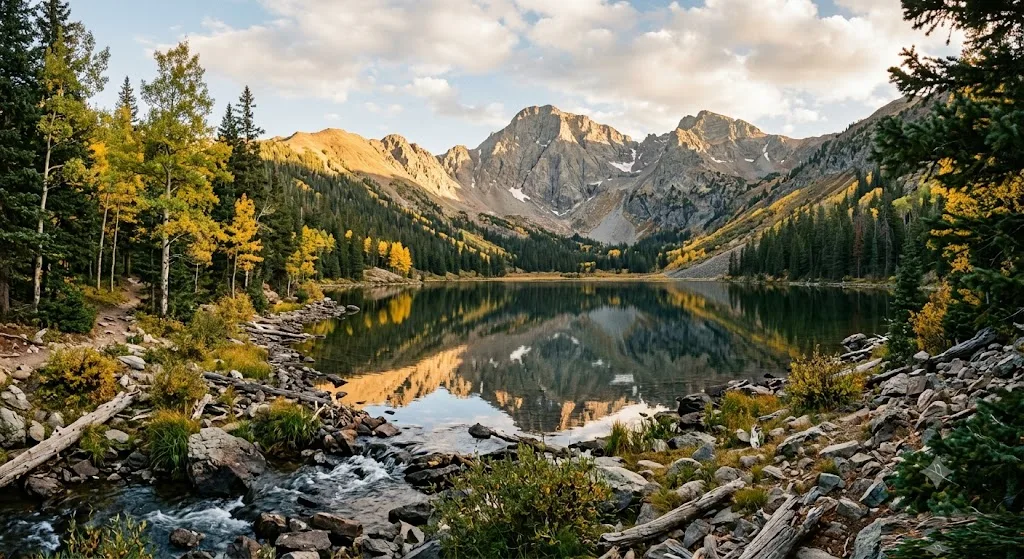
Our Wheeler Peak Wilderness guide covers practical planning for Wheeler Peak Wilderness New Mexico — best time to visit, getting there, and what to do on the ground.
As the Roam States editorial team, we’ve explored the far reaches of the American landscape, and few places capture the raw, untamed spirit of the mountains quite like the Wheeler Peak Wilderness New Mexico. This isn't your average scenic overlook; it's a high-altitude crucible designed for those who seek genuine challenge and profound natural beauty. Home to the highest point in New Mexico, Wheeler Peak itself, this wilderness area offers an unparalleled alpine experience, characterized by strenuous hiking trails, dramatic elevation gains, and panoramic vistas that stretch for hundreds of miles on a clear day. We've compiled this guide to equip you with the essential knowledge for a safe and unforgettable adventure into this majestic corner of the Carson National Forest.
Why Visit Wheeler Peak Wilderness
For us, the allure of Wheeler Peak Wilderness lies in its extraordinary blend of accessibility and untamed grandeur. It's a place where you can truly escape, leaving behind the noise of civilization for the crisp, thin air of the Sangre de Cristo Mountains. At 13,161 feet, Wheeler Peak stands as New Mexico's undisputed rooftop, offering views that are simply breathtaking. Beyond the bragging rights of summiting a state highpoint, visitors are drawn to the rare alpine tundra, the chance to spot bighorn sheep and golden eagles, and the profound sense of solitude that permeates the expansive wilderness. It's a destination that demands respect and preparation, but the rewards—sweeping panoramas, pristine alpine lakes, and a deep connection with nature—are immeasurable.
Who It's Best For
The Wheeler Peak Wilderness is unequivocally best suited for experienced adventurers. This is not a casual stroll in the park. We recommend it for:
- Seasoned Hikers and Backpackers: The trails here are challenging, often steep, rocky, and exposed, with significant elevation gains. A good level of fitness and prior experience with high-altitude hiking is essential.
- Those Seeking Solitude: While popular trails like Williams Lake can see crowds, especially on weekends, the vastness of the wilderness allows for genuine solitude on less-traveled routes or once you ascend above the tree line.
- Nature Photographers: The dramatic landscapes, alpine flora, and potential for wildlife sightings (elk, mule deer, bighorn sheep) provide endless opportunities for stunning photography.
- Peak Baggers: For those aiming to tick off state highpoints, Wheeler Peak offers a rewarding, non-technical climb to the summit.
Conversely, this wilderness area is generally not recommended for very young children, individuals with limited hiking experience, or those unprepared for rapid weather changes and the demands of high altitude.
Getting There & Parking
Accessing the Wheeler Peak Wilderness primarily involves driving to the Taos Ski Valley, which abuts the northern boundary of the wilderness area. This is how to get to Wheeler Peak Wilderness for most adventurers.
From Taos, drive north on NM-150 for approximately 19 miles until you reach Taos Ski Valley. Continue following signs towards the Williams Lake Trailhead parking area. The road is generally well-maintained, though winter conditions may require an all-wheel or four-wheel drive vehicle.
Primary Trailheads:
- Williams Lake Trailhead: This is the most popular access point for the summit of Wheeler Peak. The parking lot is located about 2 miles up the valley from the main ski resort base area, near the Kachina chairlift and the Bavarian Lodge. From the upper-level parking lot (Coyote), take Twining Road approximately 2 miles and follow signs to the trailhead. Parking outside of designated spaces or along the road is prohibited.
- Bull-of-the-Woods Trailhead: Another option, often used for a longer, less steep, and more scenic route to Wheeler Peak, starts near Twining Campground. This route is typically less crowded than the Williams Lake approach.
- Middle Fork Lake Trailhead (via USFS Forest Road 58): Located near Red River, this trailhead offers access to the eastern side of the wilderness. The 1-mile road leading to the trailhead can be rough and is recommended for high-clearance vehicles. Parking is available at the junction of NM-578 and USFS Forest Road 58 for vehicles that cannot navigate the rougher section.
As of our latest information for 2026, there are no fees or permits required for parking or hiking in the Wheeler Peak Wilderness, though standard wilderness regulations apply. However, we always advise checking with the Carson National Forest for any last-minute updates on closures or regulations before your trip. The Carson National Forest temporarily closes the Wheeler Peak and Williams Lake area each summer for about a week for local community, traditional purposes. While 2026 dates are yet to be determined, this closure has historically occurred in mid- to late August.
Top Things to Do
The Wheeler Peak Wilderness is a playground for those who love high-alpine environments. Our team finds the primary draw to be the challenging and rewarding outdoor pursuits. Here are the top things to do at Wheeler Peak Wilderness:
- Summiting Wheeler Peak: The ultimate goal for many, reaching New Mexico's highest point (13,161 feet) offers unparalleled 360-degree views of the Sangre de Cristo Mountains. The most popular route is via the Williams Lake Trail, which connects to the Wheeler Peak Summit Trail (#67). The hike is strenuous, with significant elevation gain, but no technical climbing gear is needed.
- Hiking to Alpine Lakes: Beyond the summit, the wilderness is dotted with pristine alpine lakes. Williams Lake, an easy 1.9-mile hike from its trailhead, is a popular destination itself, offering stunning views even if you don't continue to the peak. Horseshoe Lake and Lost Lake are other beautiful options accessible via longer, more challenging trails. Camping and campfires are generally not permitted directly along lakeshores to protect water quality and soil.
- Backpacking: For a deeper immersion, backpacking allows you to explore more remote sections of the wilderness. There are many established campsites, and no permits are required for backcountry camping within the Carson National Forest/Wheeler Peak Wilderness. Remember to practice Leave No Trace principles diligently.
- Wildlife Viewing: Keep an eye out for diverse wildlife. Bighorn sheep are abundant in the high-elevation tundra, and you might also spot elk, mule deer, marmots, pikas, and various bird species, including golden eagles.
- Photography: From dramatic mountainscapes and alpine flora to wildlife and starry night skies, the photographic opportunities are endless. The changing light at dawn and dusk can be particularly magical.
When planning your activities, remember that the high altitude and unpredictable weather demand careful preparation. These things to do at Wheeler Peak Wilderness are best enjoyed with proper gear and an awareness of your physical limits.
Wheeler Peak Wilderness hiking trails
The Wheeler Peak Wilderness hiking trails are the heart of any visit here. They range from moderately strenuous to highly challenging, each offering unique perspectives of this stunning alpine environment. We always emphasize starting early, especially in summer, to avoid afternoon thunderstorms which are common and can be dangerous above the tree line.
- Williams Lake Trail (#62) to Wheeler Peak Summit Trail (#67): This is the most popular route to the summit. The Williams Lake Trail is about 2 miles one-way to the lake, starting at 10,200 feet and reaching 11,100 feet. It's considered easy to intermediate. From the junction near Williams Lake, the Wheeler Peak Summit Trail (#67) ascends steeply for another 2.2 miles, gaining 1,910 feet to the 13,161-foot summit. The total round trip from the Williams Lake Trailhead is approximately 8-8.6 miles with about 3,000 feet of elevation gain. This is a strenuous climb, especially the final push through scree fields and switchbacks above the tree line.
- Bull-of-the-Woods Trail (#90): This longer, less steep route to Wheeler Peak offers a different perspective. Starting near Twining Campground, it traverses about 2.25 miles to Bull-of-the-Woods Pasture before ascending towards the summit. The full loop via Bull-of-the-Woods and Williams Lake Trail can be around 14 miles with 4,400 feet of elevation gain, making it a difficult, all-day endeavor.
- Lost Lake Trail (#91): This challenging 10.5-mile trail gains 2,176 feet to a high-alpine lake. It can also be part of a longer loop, connecting to other trails in the wilderness.
- Middle Fork Trail: This route, accessible from near Red River, offers waterfalls and leads to Middle Fork Lake and eventually Horseshoe Lake. The full loop to Wheeler Peak via this approach can be around 17 miles with over 4,000 feet of elevation gain, often recommended as a 2-3 day backpacking trip.
Regardless of which Wheeler Peak Wilderness hiking trails you choose, be prepared for rocky terrain, potential snow at higher elevations even in summer, and rapidly changing weather conditions. Proper footwear, layers, plenty of water, and an early start are non-negotiable.
Best Time to Visit
The best time to visit Wheeler Peak Wilderness is from late June to early October, when the trails are generally snow-free and the weather is most favorable for hiking.
- Summer (July-September): This is peak season. The weather is typically warm and sunny, making it ideal for summit attempts and exploring the high country. However, be aware that afternoon thunderstorms are common, especially in July and August, bringing risks of lightning and high winds. Starting your hike at dawn is highly recommended to be off the exposed ridges by early afternoon.
- Fall (Late September-October): This season offers cooler temperatures, fewer crowds, and the stunning display of aspen leaves turning golden. Snow can begin to fall at higher elevations in October, so be prepared for colder conditions.
- Winter (November-May): The wilderness transforms into a snowy wonderland, popular for cross-country skiing and snowshoeing. However, winter travel requires significant experience, avalanche awareness, and proper gear, as avalanche hazards are common. Many roads and trail access points may be closed or require specialized vehicles.
Always check the local weather forecast and trail conditions with the Carson National Forest before heading out, regardless of the season.
Where to Stay Nearby
While the Wheeler Peak Wilderness is a remote area, several excellent lodging options are available in the nearby communities, catering to various preferences and budgets. When considering Wheeler Peak Wilderness lodging, you'll primarily look at Taos Ski Valley and the town of Taos.
-
Taos Ski Valley:
This is the closest option, offering direct access to many trailheads. It's a charming alpine village with a range of accommodations, from luxury resorts to cozy suites. The elevation here is higher (around 9,200 feet), which can aid in acclimatization before a big hike.
- The Blake at Taos Ski Valley: A premier, slopeside hotel offering sophisticated rooms, suites, and penthouses. It's known for its amenities and direct access to mountain activities.
- Alpine Village Suites: A family-owned lodge offering suites and mountain homes, many with kitchenettes, and pet-friendly options. It's steps from the lifts and surrounded by hiking trails.
- Edelweiss Lodge and Spa: Provides luxury vacation rentals and a full-service spa, dining, and other amenities, perfect for unwinding after a day on the trails.
- Snakedance Condominiums: Offers condominium-style lodging, ideal for groups or longer stays.
-
Taos:
Located about 19 miles from Taos Ski Valley, the historic town of Taos offers a wider variety of lodging, dining, and cultural experiences. It's a great base if you prefer more amenities and cultural immersion, though you'll have a longer drive to the trailheads. Taos is at a lower elevation (around 6,969 feet), which can be beneficial for acclimatization.
- El Monte Sagrado Living Resort & Spa: A luxurious resort known for its unique architecture and spa services.
- The Historic Taos Inn: A historic landmark offering a charming stay in the heart of Taos.
- El Pueblo Lodge: A highly-rated option known for its excellent service.
- Taos Valley Lodge / Taos Motor Lodge / Super 8 by Wyndham Taos / Hampton Inn Taos: More budget-friendly options available in Taos.
-
Red River:
About 15 minutes from the Middle Fork Lake Trailhead, Red River is another mountain town with lodging options, particularly if you plan to access the wilderness from the eastern side.
- Best Western Rivers Edge: A well-rated, budget-friendly option in Red River.
When planning your Wheeler Peak Wilderness lodging, consider your priorities: proximity to trails, desire for amenities, and budget. Many properties offer pet-friendly accommodations, but it's always best to verify directly with the hotel.
Sample 2-Day Itinerary
To truly experience the Wheeler Peak Wilderness, we recommend dedicating at least two days. This allows for proper acclimatization and a full day for a summit attempt or extensive hiking.
Day 1: Arrival & Acclimatization in Taos Ski Valley
- Morning/Afternoon: Arrive at Taos Ski Valley. Check into your chosen Wheeler Peak Wilderness lodging, such as The Blake or Alpine Village Suites. Spend the afternoon taking it easy to begin acclimatizing to the elevation (around 9,200 feet).
- Late Afternoon: Take a leisurely stroll on one of the lower, easier trails around Taos Ski Valley, such as a guided nature walk along the JR Ramming Trail (check local schedules for 2026 events). Alternatively, enjoy a scenic chairlift ride for incredible views without the strenuous effort.
- Evening: Enjoy dinner at one of the restaurants in Taos Ski Valley. Stay hydrated and get an early night's rest in preparation for tomorrow's adventure.
Day 2: Wheeler Peak Summit Attempt or Alpine Lake Exploration
- Early Morning (Sunrise or Before): Start your day well before dawn. Drive to the Williams Lake Trailhead. Ensure you have plenty of water, high-energy snacks, layers of clothing, sunscreen, and proper hiking boots.
- Morning: Begin your ascent on the Williams Lake Trail (#62). The initial section passes through a beautiful forest before reaching the junction for the Wheeler Peak Summit Trail (#67). You can take a short detour to Williams Lake itself for stunning views before tackling the summit trail.
- Late Morning/Early Afternoon: Continue on the Wheeler Peak Summit Trail. This section is steep and exposed, traversing boulder fields and switchbacks above the tree line. Pace yourself, take frequent breaks, and watch for symptoms of altitude sickness. Reach the summit of Wheeler Peak for unparalleled panoramic views. Spend some time soaking it in, but be mindful of rapidly changing weather.
- Afternoon: Begin your descent, aiming to be below the tree line by early afternoon to avoid potential thunderstorms. The descent can be tough on the knees, so hiking poles are highly recommended.
- Late Afternoon/Evening: Return to your lodging. Celebrate your achievement with a hearty meal and well-deserved rest. If time permits and you're not too exhausted, consider a visit to the nearby town of Taos for its cultural offerings or a relaxing soak in a hot tub at your accommodation.
Is It Worth Visiting?
From our perspective as independent US travel authorities, the question "is Wheeler Peak Wilderness worth visiting?" is an emphatic yes—but with a significant caveat. This is a destination for a specific type of traveler. If you are an experienced hiker, a dedicated backpacker, or someone who yearns for the challenge and solitude of high-alpine environments, then Wheeler Peak Wilderness will exceed your expectations. The opportunity to stand atop New Mexico's highest point, surrounded by breathtaking panoramas and rare alpine tundra, is a truly profound experience.
However, if your idea of a mountain getaway involves gentle strolls, easily accessible viewpoints, or a casual picnic, then the answer to "is Wheeler Peak Wilderness worth visiting?" might be different. The trails are strenuous, the weather can be unpredictable, and the altitude is a serious consideration. For those prepared for its demands, the reward is an unforgettable encounter with one of the Southwest's most magnificent and wild landscapes. We believe the raw beauty and the sense of accomplishment make it an absolutely worthwhile journey for the right adventurer.
FAQ
Wheeler Peak Wilderness camping
Wheeler Peak Wilderness offers opportunities for backcountry camping, and fortunately, no permits are generally required for dispersed camping within the Carson National Forest/Wheeler Peak Wilderness. However, strict Leave No Trace principles must be followed, including packing out all trash and properly managing human waste. It's crucial to select a campsite at least 300 feet from streams, springs, or lakes to protect water quality and sensitive ecosystems. Campfires are often restricted or prohibited in certain areas, particularly near lakeshores, so always check current fire restrictions before your trip. Established campsites can be found, especially along popular routes like the Middle Fork Trail.
things to do in Taos Ski Valley
Taos Ski Valley offers a vibrant array of activities beyond just skiing, especially during the summer and fall months. Our team recommends exploring the scenic chairlift rides for stunning mountain views. Hiking is a major draw, with numerous trails, including access to the Wheeler Peak Wilderness. Mountain biking, including lift-served downhill trails, is also popular. Other things to do in Taos Ski Valley include horseback riding, llama trekking, fishing in the Rio Hondo, disc golf, and rock climbing via ferrata experiences. The village also hosts various events and offers dining and shopping options.
Wheeler Peak Wilderness with kids
Visiting Wheeler Peak Wilderness with kids requires careful consideration due to the high altitude and strenuous nature of many trails. While the summit trails are generally too challenging for young children, easier, shorter hikes to destinations like Williams Lake (2 miles one-way) can be an option for older, experienced children who are well-acclimatized and physically fit. We strongly advise against attempting the full summit with young children. For families, spending time in Taos Ski Valley or the town of Taos might offer more suitable activities, such as scenic chairlift rides, gentle nature walks, or exploring cultural sites. Always prioritize acclimatization, hydration, and an awareness of altitude sickness symptoms when bringing children to high elevations.
best hotels near Wheeler Peak Wilderness
The best hotels near Wheeler Peak Wilderness are primarily found in Taos Ski Valley for closest proximity, or in the town of Taos for a wider range of amenities and cultural experiences. In Taos Ski Valley, top choices include The Blake at Taos Ski Valley for luxury and slopeside access, Alpine Village Suites for family-owned charm and pet-friendly options, and Edelweiss Lodge and Spa for a full-service experience. In Taos, highly-rated options include El Monte Sagrado Living Resort & Spa for luxury, The Historic Taos Inn for a historic stay, and El Pueblo Lodge for excellent service. For budget-conscious travelers, options like Taos Valley Lodge or Best Western Rivers Edge in Red River also offer good value.
Wheeler Peak Wilderness tips
Our top Wheeler Peak Wilderness tips for a successful and safe trip include: 1) **Acclimatize:** Spend a day or two at a moderate elevation (like Taos or Taos Ski Valley) before attempting the summit to prevent altitude sickness. 2) **Start Early:** Begin hikes at dawn to avoid afternoon thunderstorms, which are common in summer. 3) **Hydrate & Fuel:** Drink plenty of water and carry high-energy snacks. 4) **Dress in Layers:** Weather changes rapidly; be prepared for all conditions, even in summer. 5) **Proper Gear:** Wear sturdy hiking boots and consider hiking poles, especially for descents. 6) **Leave No Trace:** Pack out everything you pack in, and stay on marked trails. 7) **Check Conditions:** Always verify current weather, trail conditions, and any closures with the Carson National Forest before you go.
where to stay near Wheeler Peak Wilderness
When deciding where to stay near Wheeler Peak Wilderness, your primary choices are the Taos Ski Valley and the town of Taos. Taos Ski Valley offers the closest accommodations, with options like The Blake, Alpine Village Suites, and Edelweiss Lodge and Spa, providing immediate access to trailheads and a high-alpine atmosphere. This proximity is ideal for early morning starts or multi-day excursions into the wilderness. Alternatively, the historic town of Taos, about 19 miles away, provides a broader selection of hotels, restaurants, and cultural attractions, such as El Monte Sagrado or The Historic Taos Inn. Red River, located further east, is another option if you plan to explore the eastern trailheads of the wilderness.
The Wheeler Peak Wilderness is a destination that truly embodies the wild heart of New Mexico. From the challenging ascent to the state's highest peak to the serene beauty of its alpine lakes and the chance encounters with unique wildlife, every aspect of this wilderness area speaks to the adventurous spirit. Our team at Roam States urges you to prepare thoroughly, respect the delicate alpine environment, and embrace the profound experience that awaits. It's a journey that will test your limits and reward you with memories that last a lifetime.
Last updated: 2026-07-08 by the Roam States team.