Our Wilderness Gateway Trail guide covers practical planning for Wilderness Gateway Trail Montana — best time to visit, getting there, and what to do on the ground. We’ve compiled essential 2026 facts on hours, fees, closures, parking, and reservations to ensure your trip into this rugged landscape is as smooth as possible.
Why Visit Wilderness Gateway Trail
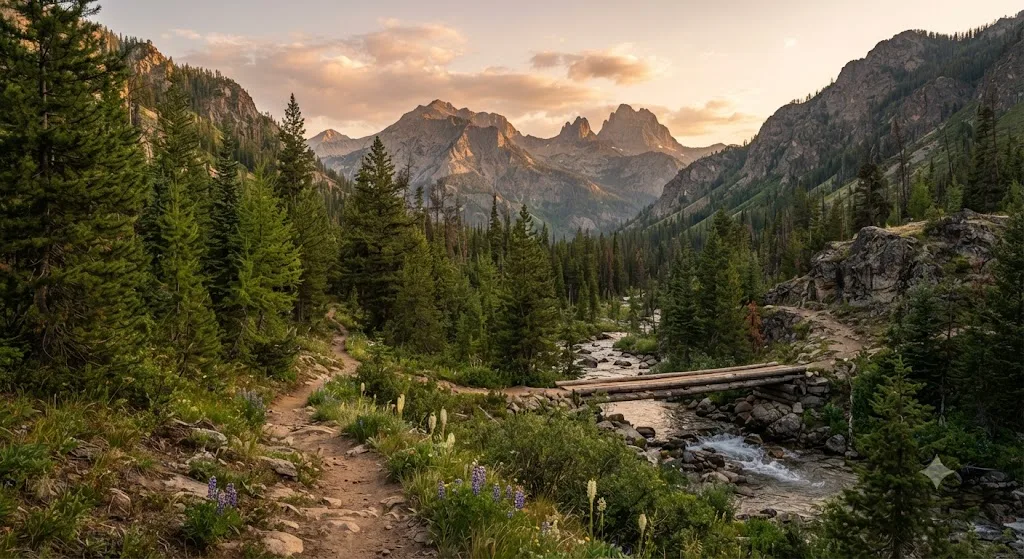
For those who seek true immersion in the wild, the Wilderness Gateway Trail Montana offers an unparalleled experience. This isn't a manicured path for casual strolls; it's a challenging, rewarding journey into the heart of the Selway-Bitterroot Wilderness, one of the largest wilderness areas in the lower 48 United States. We recommend it for its raw beauty, the profound solitude it offers, and the opportunity to test your backcountry skills against some of Montana's most rugged terrain. It serves as a vital access point to a vast, untamed landscape characterized by towering peaks, dense forests, and pristine rivers.
Our team understands that the appeal of the Wilderness Gateway Trail lies in its authenticity. Here, you'll find lightly maintained trails, swift river crossings, and the potential for rapidly shifting weather, all contributing to an adventure that truly enriches the spirit. It's a place where preparation is paramount, and the rewards—stunning vistas, abundant wildlife, and a deep sense of accomplishment—are extraordinary.
Who It's Best For
The Wilderness Gateway Trail is unequivocally best for experienced backpackers and seasoned outdoor enthusiasts. This is not a destination for beginners or those seeking a leisurely nature walk. The trails are often steep and challenging, requiring good physical fitness, sure-footedness, and alpine experience. Hikers should be prepared for rugged terrain, potential blowdowns, and the necessity of self-sufficiency. We strongly advise against bringing young children, as the environment is demanding and lacks many amenities. Instead, this trail appeals to those who are comfortable navigating remote wilderness, carrying all necessary supplies, and adhering strictly to Leave No Trace principles. If you thrive on challenging yourself in a truly wild setting, then the Wilderness Gateway Trail offers an unforgettable adventure.
Getting There & Parking
Accessing the Wilderness Gateway Trail primarily involves reaching the Wilderness Gateway Campground, which serves as a key trailhead. This campground is located off U.S. Highway 12 at milepost 122.5, approximately 100 miles west of Missoula, Montana, and 120 miles east of Lewiston, Idaho. The drive along Highway 12, also known as the Lewis and Clark Highway, is scenic, winding through evergreen trees and past large rock outcroppings in a narrow river canyon.
For parking, the Wilderness Gateway Campground offers large trailhead parking specifically for access into the Selway-Bitterroot Wilderness. The campground roads and parking surfaces are paved. While no specific parking fees for the trailhead itself were found in our 2026 research, it's always wise to check with the Lolo National Forest Supervisor's Office for the most current information regarding any potential day-use fees or parking regulations. You can reach the Lolo National Forest Supervisor's Office at 406-329-3750. There is no cell phone service within the campground, so ensure you have all necessary information downloaded or printed before you arrive.
Top Things to Do
The Wilderness Gateway Trail Montana is a launching point for deep wilderness exploration, offering a range of activities centered around its rugged environment. Here are the top things to do at Wilderness Gateway Trail:
- Backpacking and Multi-Day Hiking: The primary draw is the extensive network of challenging trails leading into the Selway-Bitterroot Wilderness. We recommend planning multi-day trips to truly experience the solitude and grandeur of this area. Trails like the 15-mile Lochsa Peak Trail and the 27-mile Boulder Creek Trail depart directly from the Wilderness Gateway Campground. These trails are known for their consistent climbs and often steep sections, requiring significant endurance.
- Horseback Riding: Many trails within the Selway-Bitterroot Wilderness are open to horseback riding, offering a traditional way to explore the vast backcountry. The Wilderness Gateway Campground even has designated equestrian sites in Loop D, complete with hitching rails, watering, and feeding stations. Stock users must bring certified weed-free feed.
- Wildlife Viewing: The steep canyon country surrounding the trail is home to diverse wildlife, including elk, deer, moose, bear, cougar, and mountain goats, along with a variety of birds. Early mornings and late evenings are often the best times for spotting animals. Remember to maintain a safe distance and never feed wildlife.
- Fishing: The nearby Wild and Scenic Lochsa River is renowned for destination fly fishing, offering opportunities to catch cutthroat trout, rainbow trout, chinook salmon, and steelhead.
- Visiting the Lochsa Historical Ranger Station: Located just one mile southwest of the Wilderness Gateway Campground, this living history visitor center provides insight into the area's natural and cultural heritage.
- Whitewater Rafting: While not directly on the Wilderness Gateway Trail itself, the Lochsa River offers world-famous whitewater rafting opportunities. No permit is required to float the Lochsa, but technical expertise is essential due to the continuous whitewater. For the Selway River, a permit is required between May 15 and July 31.
These things to do at Wilderness Gateway Trail provide a comprehensive wilderness experience for those prepared for its challenges.
Best Time to Visit
The best time to visit the Wilderness Gateway Trail Montana is generally from late May to September, aligning with Montana's summer season when the weather is mild, and most roads and trails are accessible. Specifically, June through August offers long, warm days and ideal conditions for hiking and exploring the wilderness. However, this is also peak tourist season, meaning higher crowds.
For those seeking to avoid the busiest periods while still enjoying favorable weather, early June or early September are excellent choices. Fall (September to October) brings cooler temperatures, fewer crowds, and stunning fall foliage, making it a highly recommended time for hiking and wildlife viewing. The Wilderness Gateway Campground itself is typically open from mid-May through September 30. It's important to note that snow can persist on higher peaks well into summer, and weather conditions can change rapidly in the mountains, so always check current conditions before heading out.
Where to Stay Nearby
Given the remote nature of the Wilderness Gateway Trail Montana, lodging options directly adjacent to the trail are limited. The most direct and immersive option is camping within the Wilderness Gateway Campground itself, which offers tent, RV, and equestrian sites. Reservations for some sites can be made via Recreation.gov, while others are available on a first-come, first-served basis. Note that utility hookups are not available, and potable water is not consistently on-site; campers should bring their own water supply.
For those seeking more traditional accommodations, the nearest towns offering lodging would be Missoula, Montana, about 100 miles east, or towns further west in Idaho. In Missoula, you'll find a wider range of hotels, motels, and other services. Within the broader region, particularly in the Lolo National Forest area, you might find cabin rentals or other campgrounds. For example, the Wilderness Gateway Inn in Seeley Lake, Montana, offers hotel-style accommodations about 0.5 miles south of downtown Seeley Lake. It's important to plan ahead, especially during peak season, as accommodations can fill up quickly. We also recommend exploring options in nearby communities like Lolo, which offers a variety of amenities and is a gateway to the Lolo National Forest.
For a broader Montana experience, consider extending your trip to other notable destinations. Missoula, as mentioned, is a vibrant city with diverse lodging and dining. Further afield, you could explore Glacier National Park to the north or the Beartooth Highway in the south-central part of the state. For a different kind of mountain experience, Big Sky Resort offers extensive lodging and activities.
Sample 2-Day Itinerary
This itinerary is designed for experienced backpackers ready to tackle the challenging terrain and embrace the solitude of the Wilderness Gateway Trail Montana.
Day 1: Arrival, Acclimatization, and Initial Exploration
- Morning (Arrival & Setup): Arrive at Wilderness Gateway Campground (milepost 122.5 on US Highway 12). If you have reservations, check in; otherwise, secure a first-come, first-served campsite. Set up your camp, ensuring all food is stored in bear-resistant containers.
- Late Morning (Lochsa Historical Ranger Station): After setting up, take a short drive (1 mile southwest) to the Lochsa Historical Ranger Station. This living history center offers valuable insights into the area's history and ecology, providing context for your wilderness adventure.
- Afternoon (Short Hike & Preparation): Embark on a shorter, acclimatization hike from the campground. The 1-mile birding trail or the half-mile Downriver Trail to a scenic river overlook are good options to stretch your legs and get a feel for the elevation. Spend the late afternoon meticulously preparing your gear and food for your overnight backcountry trip into the Selway-Bitterroot Wilderness. Double-check your maps, navigation tools, water filtration, and emergency supplies.
- Evening (Campfire & Stargazing): Enjoy a wilderness dinner at your campsite. If fire restrictions allow, a small campfire can be a perfect end to the day. The remote location offers incredible stargazing opportunities.
Day 2: Deep Wilderness Immersion & Departure
- Early Morning (Backcountry Departure): After an early breakfast, pack up your camp (or secure it if you plan to return to the same site) and head to the Wilderness Gateway Trailhead. Begin your challenging ascent into the Selway-Bitterroot Wilderness. We recommend choosing a segment of a longer trail, such as the Lochsa Peak Trail or Boulder Creek Trail, for an out-and-back day hike. These trails are steep and demand good physical condition. Aim for a turnaround point that allows you to return to the trailhead with ample daylight.
- Mid-Day (Summit Views & Solitude): As you gain elevation, you'll be rewarded with stunning, expansive views of the surrounding wilderness. Take time to soak in the solitude and appreciate the untouched landscape. This is where the true essence of the Wilderness Gateway Trail lies.
- Afternoon (Return & Pack Up): Descend back to the trailhead. Allow plenty of time for this, as steep descents can be taxing. Upon returning, pack up any remaining gear from your campsite.
- Late Afternoon/Evening (Departure): Depart from Wilderness Gateway, carrying with you the memories of a challenging and deeply rewarding wilderness experience. Consider a stop in Missoula for a well-deserved meal and a comfortable bed.
Wilderness Gateway Trail camping
Camping is the most direct way to experience the Wilderness Gateway Trail. The Wilderness Gateway Campground, located at milepost 122.5 on Highway 12, offers 91 sites for tents, RVs, and equestrian use. Loop D is specifically designated for stock camping, providing hitching rails and watering stations. While some sites can be reserved via Recreation.gov, others are available on a first-come, first-served basis. It's crucial to note that utility hookups are not available, and campers should bring their own potable water supply, as it's not consistently on-site. The campground is typically open from mid-May through September 30. Backcountry camping within the Selway-Bitterroot Wilderness is also permitted, following Leave No Trace principles and group size limits (typically 20 people and 20 stock).
things to do in Lolo National Forest
The Lolo National Forest, a vast 2-million-acre expanse in western Montana, offers a diverse range of activities beyond just the Wilderness Gateway Trail. We recommend exploring its many facets, which include over 2,400 miles of trails for hiking, mountain biking, and horseback riding. Popular attractions include the Trailhead - Lolo National Forest, Rattlesnake Trail, and Kim Williams Trail. Visitors can also enjoy fishing in its numerous lakes and rivers, wildlife viewing, and visiting historic sites. For a unique experience, consider renting a cabin or a lookout within the forest. During winter, the forest transforms into a playground for snowmobiling, cross-country skiing, and snowshoeing. Always check for current alerts and fire danger status with the Lolo National Forest Supervisor's Office (406-329-3750) before your visit.
Wilderness Gateway Trail with kids
Our team advises caution when considering the Wilderness Gateway Trail with kids. This trail system is primarily designed for experienced backpackers and offers challenging hikes into a rugged wilderness area. The trails are often steep, lightly maintained, and can involve swift river crossings, making them less suitable for young children or families seeking easy walks. While the Wilderness Gateway Campground itself offers facilities like flush toilets and drinking water (though potable water is not always available on-site), the wilderness trails themselves lack amenities and present significant physical demands. For families with children, we would recommend exploring other, more accessible trails within the broader Lolo National Forest that are explicitly rated as easy or moderate, such as those near Missoula.
best hotels near Wilderness Gateway Trail
Given the Wilderness Gateway Trail's remote location, there are no major hotels directly at the trailhead. The primary lodging option is the Wilderness Gateway Campground itself, which accommodates tents, RVs, and equestrian camping. For those seeking traditional hotel accommodations, the Wilderness Gateway Inn in Seeley Lake, Montana, is a notable option, located about 0.5 miles south of downtown Seeley Lake. It offers queen-size beds, air conditioning, cable TV, and phones. Other hotel options would require driving further to larger towns like Missoula, approximately 100 miles east of the campground. In Missoula, you'll find a wider selection of hotels and amenities. We recommend checking popular booking sites for hotels in Missoula or Seeley Lake, keeping in mind that advance reservations are advisable, especially during peak travel seasons. For a unique Montana experience, consider exploring cabin rentals within the Lolo National Forest.
Wilderness Gateway Trail tips
To make the most of your trip to the Wilderness Gateway Trail Montana, our team offers these essential tips:
- Be Prepared for True Wilderness: This is a rugged area. Expect lightly maintained trails, potential for blowdowns, and challenging terrain.
- Navigation is Key: Carry detailed maps and a compass, and know how to use them. GPS devices are also recommended, but don't rely solely on electronics.
- Check Conditions: Always contact the Lolo National Forest Supervisor's Office (406-329-3750) or the local ranger district for the latest updates on road and trail conditions, fire restrictions, and closures before your trip.
- Leave No Trace: Practice all seven Leave No Trace principles to minimize your impact on this pristine environment. Pack out everything you pack in.
- Water Management: Potable water is not always available at the Wilderness Gateway Campground, and certainly not on the wilderness trails. Carry sufficient water or a reliable water filter/purifier.
- Bear Safety: This is bear country. Carry bear spray, know how to use it, and store all food and scented items in bear-resistant containers or hung properly.
- Weather Fluctuations: Mountain weather can change rapidly. Be prepared for sun, wind, rain, and even snow, regardless of the season. Layered clothing is essential.
- No Cell Service: There is no cell phone service at the Wilderness Gateway Campground or within much of the wilderness. Plan accordingly for communication and emergencies.
- Permits for Selway River Floats: If you plan to float the Selway River, a permit is required between May 15 and July 31.
where to stay near Wilderness Gateway Trail
As an independent US travel authority, we emphasize that the most convenient "stay" near the Wilderness Gateway Trail is at the Wilderness Gateway Campground itself, which provides direct access to the Selway-Bitterroot Wilderness. It offers various sites for tent and RV camping, including dedicated equestrian loops. For those preferring indoor lodging, the Wilderness Gateway Inn in Seeley Lake, Montana, is the closest hotel-style option, located approximately 0.5 miles south of downtown Seeley Lake. Further options for hotels, motels, and other amenities can be found in Missoula, which is about a two-hour drive east. Additionally, the Lolo National Forest offers a selection of rental cabins and other campgrounds for a more rustic experience. We recommend booking any accommodations well in advance, especially during the popular summer months.
The Wilderness Gateway Trail Montana is not for the faint of heart, but for those prepared to embrace its challenges, it promises an unforgettable journey into one of America's most pristine wilderness areas. Our team firmly believes that the effort required is richly rewarded with unparalleled natural beauty and profound solitude. Plan meticulously, respect the wild, and you'll discover a truly transformative experience.
Last updated: 2026-07-12 by the Roam States team.