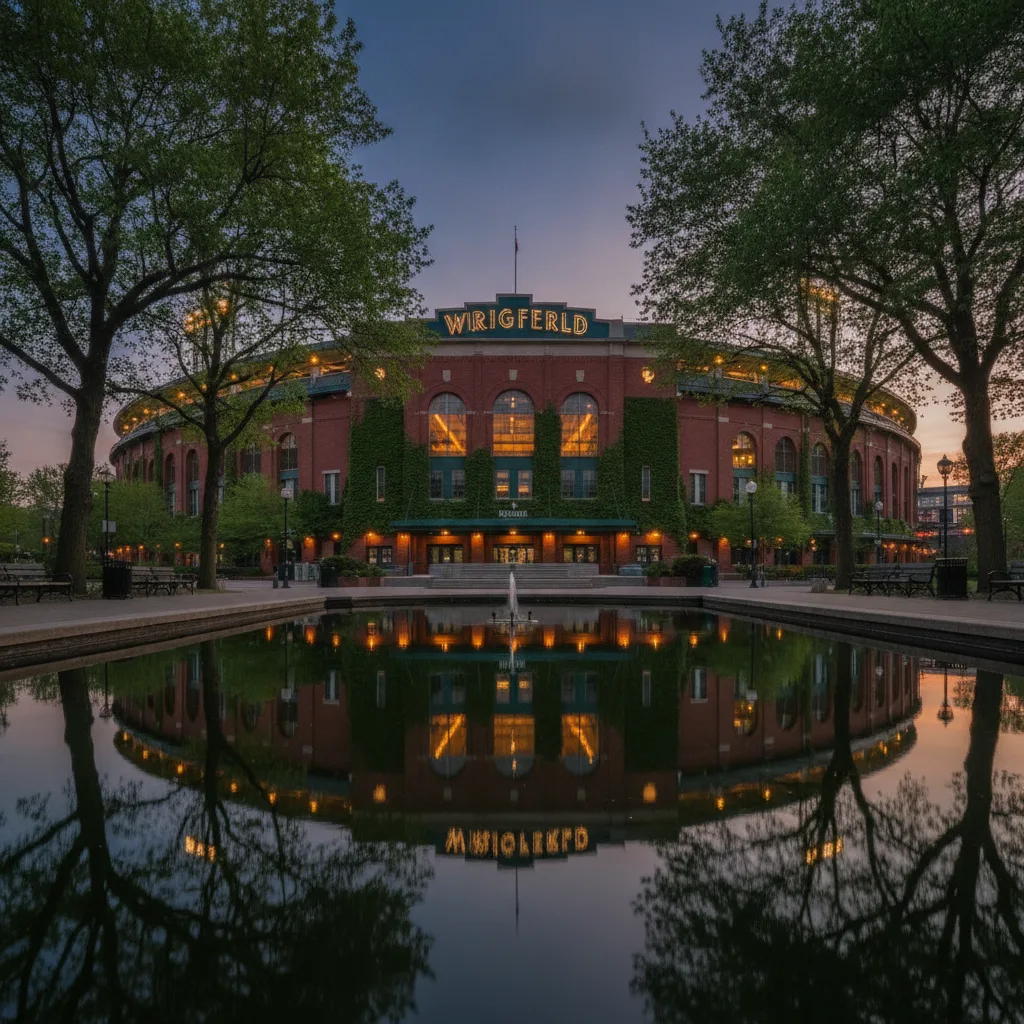
Wrigley Field Travel Guide — Illinois
As the Visit America editorial team, we've meticulously crafted this guide to help you navigate one of America's most cherished ballparks. When planning a trip to Chicago, a visit to Wrigley Field Illinois is an absolute must for any sports enthusiast, history buff, or traveler seeking an authentic slice of Americana. This iconic stadium, nestled in the heart of the vibrant Wrigleyville neighborhood, offers far more than just baseball; it's a living museum, a community hub, and a testament to enduring sporting tradition.
Why Visit Wrigley Field
There's a palpable magic to Wrigley Field that transcends the game itself. For over a century, this historic ballpark has stood as a bastion of baseball, witnessing countless unforgettable moments and hosting generations of passionate fans. It’s more than just a place to watch the Chicago Cubs; it’s an immersive experience that transports you back to a bygone era of baseball, while simultaneously offering the modern amenities expected of a premier sports venue. The ivy-covered outfield walls, the hand-operated scoreboard, and the intimate atmosphere all contribute to its unique charm. We believe visiting Wrigley Field isn't just about catching a game; it's about soaking in the history, feeling the collective energy of the crowd, and experiencing a piece of American cultural heritage firsthand. It’s a pilgrimage for many, a bucket-list item for others, and a guaranteed good time for all who step through its iconic gates.
Who It's Best For
Wrigley Field truly offers something for everyone, making it a versatile destination for a wide array of travelers. It's unequivocally best for:
- Baseball Purists: Those who appreciate the history and tradition of America's pastime will find themselves right at home. The classic ballpark feel, from the architecture to the game-day rituals, is unparalleled.
- Sports Fans: Beyond baseball, the electric atmosphere during any event, be it a concert or a special viewing party, is infectious. Even if you're not a Cubs fan, the energy of the crowd is something to behold.
- Families with Older Children: While younger kids can certainly enjoy a game, the historical aspects and longer attention spans required for a full game might be better suited for older children and teenagers. The excitement of a live sporting event is a fantastic family memory.
- History Buffs: With over a hundred years of stories embedded in its walls, Wrigley Field is a treasure trove for those interested in American history and sports lore. A stadium tour offers deep insights into its past.
- Couples & Friends: The surrounding Wrigleyville neighborhood buzzes with pre- and post-game activities, making it an excellent spot for a fun outing with friends or a unique date night.
- First-Time Visitors to Chicago: As one of the city's most recognizable landmarks, it provides an iconic Chicago experience that complements visits to other major attractions like Millennium Park & The Bean and The Art Institute of Chicago.
Our team finds that while the energy is infectious, very young children might struggle with the duration of a baseball game. However, the overall atmosphere and the surrounding area offer plenty to keep everyone engaged.
Getting There & Parking
Navigating to Wrigley Field is straightforward, thanks to Chicago's excellent public transportation system. When considering how to get to Wrigley Field, we strongly recommend utilizing the CTA, especially on game days, to avoid traffic and high parking costs.
Public Transportation (CTA)
The most efficient way to reach Wrigley Field is via the Chicago Transit Authority (CTA) train. The Red Line offers direct access to the ballpark, with the Addison station located just steps from the stadium entrance. Trains run frequently, making it a convenient option from downtown and other neighborhoods. From the Loop, you can expect a ride of approximately 20-30 minutes. Several CTA bus routes also serve the area, including the #152 Addison and #22 Clark buses. We advise checking the CTA website for the most current schedules and service alerts, especially on game days when express services might be available.
Driving & Parking
If driving is your preferred method, be prepared for heavy traffic and limited, expensive parking options, particularly during games or major events. Parking near Wrigley Field in 2026 remains a challenge. The Cubs offer several remote parking lots with shuttle service to the ballpark. For instance, the remote lot at 3900 N. Rockwell Street typically offers free parking with a complimentary shuttle to and from the ballpark, starting approximately 2.5 hours before game time and running up to one hour after the game concludes. However, availability can be limited. There are also numerous private lots and garages in the surrounding Wrigleyville neighborhood, but prices can soar on game days, often ranging from $40 to $80 or more. We've found that booking parking in advance through services like SpotHero or ParkWhiz can sometimes secure better rates and guarantee a spot, though these are still often premium prices. For those wondering how to get to Wrigley Field without the stress, public transport is truly the superior choice.
Top Things to Do
Wrigley Field is a destination in itself, offering a wealth of experiences beyond just watching a baseball game. Here are the top things to do at Wrigley Field and in the surrounding area, ensuring your visit is packed with excitement and exploration.
Catch a Cubs Game
The quintessential Wrigley Field experience is, of course, attending a Chicago Cubs baseball game. The atmosphere is electric, especially during a day game under the summer sun. Sing "Take Me Out to the Ball Game" during the 7th inning stretch, cheer alongside passionate fans, and soak in the history of this iconic venue. Tickets for 2026 games can be purchased directly through the Cubs' official website or authorized ticket vendors. We recommend buying tickets well in advance, especially for weekend games or matchups against rival teams, as they tend to sell out quickly.
Take a Wrigley Field Tour
For those who want to delve deeper into the ballpark's rich history, a guided tour is an absolute must. These tours offer exclusive access to areas normally off-limits to the public, including the press box, the dugouts, and even the field itself (conditions permitting). You'll learn fascinating stories about the Cubs' past, the stadium's unique features like the hand-operated scoreboard, and hear anecdotes from knowledgeable guides. As of 2026, tours typically run daily on non-game days and mornings on game days. Tour prices are approximately $30-40 for adults, with discounts for seniors and children. Reservations are highly recommended and can be made online through the official Wrigley Field website. This is one of the best things to do at Wrigley Field for history buffs.
Explore Wrigleyville
The neighborhood surrounding Wrigley Field, known as Wrigleyville, is a vibrant hub of activity, especially on game days. Clark Street and Addison Street are lined with sports bars, restaurants, and souvenir shops. We love grabbing a pre-game hot dog from a street vendor or enjoying a craft beer at one of the many establishments that spill out onto the sidewalks. The energy here is infectious, making it a fantastic place to people-watch and immerse yourself in the local culture. It's a key part of the "things to do at Wrigley Field" experience.
Visit the Cubs Team Store
No visit to Wrigley Field is complete without picking up some official merchandise. The Cubs Team Store, located adjacent to the ballpark, offers a vast selection of jerseys, hats, apparel, and souvenirs. It's the perfect place to find a memento of your trip or gear up to support the home team.
Enjoy Rooftop Views
A unique aspect of Wrigley Field is the collection of privately owned rooftop clubs across the street from the ballpark. These establishments offer a different perspective of the game, complete with food and drink packages. While not officially affiliated with the Cubs, they provide a memorable and often luxurious way to experience a game. Prices vary widely based on the game and amenities, so research and book well in advance.
Things to Do in Chicago Beyond Wrigley Field
While Wrigley Field Illinois is a highlight, Chicago offers an incredible array of attractions. Our team highly recommends exploring the city's diverse offerings. After you've experienced the charm of Wrigleyville, venture downtown to discover more things to do in Chicago. Take a stroll through Millennium Park & The Bean for iconic photo opportunities and stunning architecture. Immerse yourself in world-class art at The Art Institute of Chicago. For panoramic city views, ascend to the top of Willis Tower or 360 Chicago. Explore the vibrant neighborhoods, indulge in deep-dish pizza, or take an architectural boat tour along the Chicago River. For those looking to extend their Illinois adventure, consider a trip to other best places in Illinois, such as Starved Rock State Park for stunning natural beauty or the Abraham Lincoln Presidential Library and Museum for a deep dive into history. These additional activities ensure your trip to Chicago is comprehensive and unforgettable.
Best Time to Visit
The best time to visit Wrigley Field largely depends on your primary goal. If you're coming for a baseball game, the MLB season runs from early April through late September, with potential playoff games in October. Summer months (June, July, August) offer the warmest weather and the classic "baseball weather" experience, but also bring larger crowds and higher prices for tickets and accommodations. Spring (April, May) and Fall (September) can offer pleasant temperatures and slightly smaller crowds, though you might encounter cooler weather, especially in early spring or late fall. For those hoping to catch a specific matchup or a historic rivalry game, checking the official Chicago Cubs 2026 schedule as soon as it's released is paramount. If attending a game isn't your main priority and you simply want to take a stadium tour and explore Wrigleyville, visiting during the offseason (November to March) can be a good option. Tours are still available, and the neighborhood is less crowded, though many of the bars and restaurants still maintain a lively atmosphere.
Where to Stay Nearby
Staying near Wrigley Field puts you right in the heart of the action, especially on game days. The Wrigleyville neighborhood offers a variety of accommodation options, from boutique hotels to well-known chains. Here are a few recommendations:
- Hotel Zachary, Chicago, a Tribute Portfolio Hotel: Located directly across from Wrigley Field, this upscale hotel offers modern amenities, stylish rooms, and unparalleled access to the ballpark. It's perfect for those seeking convenience and a touch of luxury.
- Majestic Hotel: A charming, historic hotel a short walk from Wrigley Field, offering a more classic Chicago experience with comfortable rooms and excellent service.
- City Suites Hotel Chicago: Another great option within walking distance, known for its spacious rooms and value, often a favorite for families or those planning a longer stay.
- The Willows Hotel: A highly-rated boutique hotel in the nearby Lincoln Park neighborhood, offering a quieter retreat while still being an easy walk or short public transport ride to Wrigley Field.
For those on a tighter budget or looking for more extensive options, consider staying in the nearby Lakeview or Lincoln Park neighborhoods. These areas are well-connected by public transportation to Wrigley Field and offer a broader range of hotels, guesthouses, and Airbnb rentals. Booking well in advance, especially during peak season or for major game weekends, is always advisable.
Sample 2-Day Itinerary
To help you make the most of your visit to Wrigley Field and Chicago, our team has crafted a sample 2-day itinerary:
Day 1: Immerse Yourself in Wrigleyville
- Morning (9:00 AM - 12:00 PM): Start your day with a comprehensive Wrigley Field Tour. This will give you an in-depth look at the stadium's history and iconic features. Remember to book your tour in advance online.
- Lunch (12:00 PM - 1:30 PM): Grab a classic Chicago-style hot dog or a deep-dish pizza slice at a local eatery in Wrigleyville, such as Big Star or Dimo's Pizza.
- Afternoon (1:30 PM - 4:00 PM): Explore the vibrant Wrigleyville neighborhood. Browse the Cubs Team Store for souvenirs and soak in the atmosphere. If it's a game day, you'll feel the excitement building.
- Evening (4:00 PM onwards): If there's a game, head into Wrigley Field early to catch batting practice and explore the concourse. Enjoy the game! If no game, consider dinner at a lively Wrigleyville sports bar like Murphy's Bleachers or The Cubby Bear, or catch a live music show in the area.
Day 2: Downtown Chicago Exploration
- Morning (9:00 AM - 12:00 PM): Take the CTA Red Line downtown. Begin your exploration at Millennium Park & The Bean, where you can marvel at Cloud Gate and the stunning architecture.
- Lunch (12:00 PM - 1:30 PM): Enjoy lunch in the Loop or near Michigan Avenue. Many options range from casual cafes to upscale dining.
- Afternoon (1:30 PM - 5:00 PM): Immerse yourself in art and culture at The Art Institute of Chicago, one of the oldest and largest art museums in the United States. Alternatively, for breathtaking views, head to the Skydeck at Willis Tower or 360 Chicago at the former John Hancock Center.
- Evening (5:00 PM onwards): Enjoy a delicious deep-dish pizza dinner at a classic Chicago establishment like Lou Malnati's or Giordano's. Consider an architectural boat tour on the Chicago River for a unique perspective of the city's famous skyline, especially beautiful at dusk.
Is It Worth Visiting?
Absolutely, yes. Our team unequivocally believes that Wrigley Field is worth visiting. It's not merely a baseball stadium; it's a cultural landmark, a historical monument, and a vibrant community hub. The experience of stepping into a ballpark with over a century of history, seeing the iconic ivy walls, and hearing the roar of the crowd is truly unparalleled. Even if you're not a die-hard baseball fan, the atmosphere, the architecture, and the sheer sense of tradition make it a compelling destination. For those wondering "is Wrigley Field worth visiting" for reasons beyond baseball, the answer is still a resounding yes. The stadium tours offer a fascinating glimpse behind the scenes, and the surrounding Wrigleyville neighborhood provides an energetic backdrop with plenty of dining and entertainment options. It stands as a testament to enduring American spirit and sporting legacy.
Visiting With Kids
Bringing the family to Wrigley Field can create lifelong memories, and we've found that visiting Wrigley Field with kids is a fantastic experience with a little planning. While a full nine-inning game might test the patience of very young children, there are many ways to make it enjoyable for all ages.
- Ballpark Amenities: Wrigley Field offers family restrooms and changing stations. Consider seats in the lower level for easier access to concessions and restrooms.
- Junior Cubs Club: Check if the Cubs offer any junior fan clubs or special promotions for kids in 2026, which often include perks like exclusive access or giveaways.
- First Game Certificates: Many ballparks, including Wrigley Field, offer "First Game" certificates for children, a wonderful keepsake. Inquire at guest services.
- Food Options: Beyond traditional ballpark fare, Wrigley Field provides a variety of kid-friendly food options.
- Pre-Game Fun: Arrive early to soak in the pre-game atmosphere in Wrigleyville. Many street performers and vendors add to the excitement.
- Pace Yourself: Don't feel obligated to stay for the entire game. If younger children are getting restless, a few innings can be just as memorable. Explore the concourse or take a walk around the stadium.
For parents thinking about visiting Wrigley Field with kids, we recommend bringing snacks, small toys or activities, and ensuring they have comfortable shoes for walking. Sunscreen and hats are also essential for day games. The energy of the crowd and the spectacle of the game are often enough to captivate children, making it a truly special outing.
FAQ
Wrigley Field tips
Our top Wrigley Field tips include taking the CTA Red Line to avoid parking hassles, arriving early to soak in the Wrigleyville atmosphere, and booking stadium tours and game tickets well in advance. Consider a day game for the classic experience. Also, be aware of the bag policy: as of 2026, only small bags (16 x 16 x 8 inches or smaller) are typically allowed, and larger bags or backpacks are generally prohibited. Always check the official Cubs website for the most current security policies before your visit.
Wrigley Field parking
Wrigley Field parking is notoriously challenging and expensive, especially on game days. We highly recommend using public transportation. If you must drive, consider utilizing the free remote lot at 3900 N. Rockwell Street, which offers a complimentary shuttle service to the ballpark. Otherwise, expect to pay upwards of $40-80 for private lots and garages in the vicinity. Booking parking in advance through apps like SpotHero can sometimes secure a better rate or guarantee a spot, but it's still a premium.
best time to visit Wrigley Field
The best time to visit Wrigley Field for a game is during the MLB season (April-September), with summer months (June-August) offering the most classic "baseball weather" but also the largest crowds. Spring and fall offer pleasant temperatures and slightly fewer crowds. If you're primarily interested in a stadium tour and exploring the neighborhood without game-day crowds, the offseason (November-March) is a good option.
Wrigley Field hours and fees
Wrigley Field's operating hours vary significantly. For games, gates typically open 90 minutes before the scheduled first pitch. Guided stadium tours are generally offered daily on non-game days and mornings on game days, with specific times varying seasonally. As of 2026, tour fees are approximately $30-40 for adults, with discounts for seniors and children. Game ticket prices fluctuate based on opponent, date, and seating location. Always check the official Chicago Cubs website for the most up-to-date schedule, hours, and pricing for both games and tours.
Wrigley Field itinerary
A solid Wrigley Field itinerary should include a morning stadium tour to delve into its history, followed by lunch in the vibrant Wrigleyville neighborhood. If it's a game day, immerse yourself in the pre-game atmosphere before heading into the ballpark for a Cubs game. On a non-game day, explore the surrounding bars and restaurants, or take the CTA downtown to visit other Chicago attractions like Millennium Park or The Art Institute of Chicago. Our sample 2-day itinerary provides a comprehensive plan.
Wrigley Field travel guide
This comprehensive Wrigley Field travel guide from the Visit America editorial team provides all the essential information for planning your trip. We cover why to visit, who it's best for, how to get there (emphasizing public transport), top things to do (including games and tours), the best time to visit, where to stay nearby, and a sample 2-day itinerary. We also address key questions regarding tips, parking, hours, and fees, ensuring you have a confident and specific plan for your visit to this iconic Illinois landmark.
Our team finds that a visit to Wrigley Field is an experience that resonates long after you've left. It's a genuine slice of American history and culture, offering an authentic and unforgettable travel memory.
Last updated: 2026-07-05 by the Visit America team.