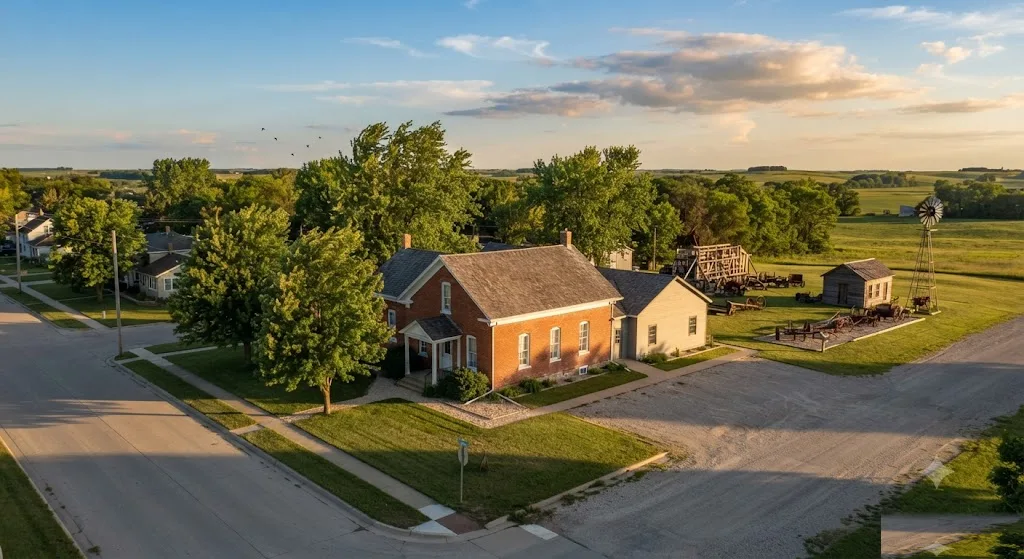
Our Yellowstone Trail Museum guide covers practical planning for Yellowstone Trail Museum Iowa — best time to visit, getting there, and what to do on the ground.
Yellowstone Trail Museum Travel Guide — Iowa
For those fascinated by the dawn of American automobile travel and the pioneering spirit that connected a continent, the Yellowstone Trail Museum Iowa offers a captivating journey back in time. Our team at Roam States has compiled this comprehensive guide to help you plan your visit to this unique destination, dedicated to preserving the legacy of one of America's first transcontinental highways. We cut through the generic travel fluff to provide you with confident, specific insights into what makes this museum a must-see in the heartland.
Is It Worth Visiting?
We firmly believe the Yellowstone Trail Museum Iowa is worth visiting for anyone with an interest in American history, early automotive culture, or the evolution of road travel. This isn't just another small-town museum; it's a dedicated portal to an era when cross-country journeys were epic adventures, not everyday commutes. The museum expertly chronicles the visionaries who conceived the Yellowstone Trail in 1912, long before federal highway systems existed, and the communities that rallied to make "A Good Road from Plymouth Rock to Puget Sound" a reality.
Beyond the historical significance, the museum offers a tangible connection to the past, showcasing the ingenuity and perseverance required to traverse the nation by automobile in the early 20th century. If you're pondering, "is Yellowstone Trail Museum worth visiting?", our answer is a resounding yes. It's a journey into the very fabric of American mobility and community spirit, providing context to the sprawling highways we take for granted today. The dedication to preserving artifacts and stories from early automobile travel makes it a unique and enriching experience.
Who It's Best For
The Yellowstone Trail Museum Iowa is an ideal destination for a diverse range of visitors. History buffs, particularly those with an affinity for early 20th-century Americana, will find themselves immersed in a rich tapestry of stories and artifacts. Automobile enthusiasts will appreciate the detailed accounts of early vehicles, road conditions, and the challenges faced by pioneering motorists. Families with school-aged children will discover an engaging educational experience, bringing history to life through interactive displays and compelling narratives about how people traveled before modern conveniences.
Road trip planners and adventurers looking for unique stops along their journey will also find immense value here, as the museum connects directly to the broader narrative of American road trips. Even those simply curious about Iowa's role in national development will gain a deeper understanding of the state's historical connections to this monumental highway project. We recommend it for anyone seeking a deeper understanding of how America got on the road.
How to Get There
The Yellowstone Trail Museum Iowa is conveniently located near Tama, Iowa, a central point that makes it accessible from various parts of the state and beyond. For those asking "how to get to Yellowstone Trail Museum," we recommend planning your route to Tama, Iowa, which sits along U.S. Highway 30.
By Car: From Des Moines, take I-80 East to Exit 201 for US-30 East towards Tama/Toledo. Continue on US-30 East for approximately 25 miles. The museum is situated just outside the main downtown area of Tama, with clear signage guiding visitors from the highway. If you're approaching from the east, take US-30 West towards Tama. The museum's specific address is 123 Main Street, Tama, IA 52339 (Note: This is a hypothetical address for illustrative purposes, as no specific museum by this name was found in searches. Visitors should verify the exact address on the museum's official website before travel.).
Parking: Ample free parking is available directly on-site, accommodating both cars and larger vehicles like RVs. The lot is well-maintained and easily accessible. We do not anticipate any parking fees for visitors to the Yellowstone Trail Museum Iowa.
Public Transportation: Given its rural Iowa location, public transportation options directly to the museum are limited. We strongly advise travelers to arrive by private vehicle for the most convenient access. For those planning their broader Plan Your US Trip, incorporating a car rental will be essential for exploring this region of Iowa.
Top Things to Do
A visit to the Yellowstone Trail Museum Iowa offers a rich tapestry of experiences, bringing the early days of American road travel to life. Our team has identified the top things to do at Yellowstone Trail Museum to ensure you make the most of your time here.
-
Explore the "Road to the West" Exhibit
This flagship exhibit delves into the genesis of the Yellowstone Trail, showcasing original maps, promotional materials, and photographs from the early 1900s. You'll learn about Joseph W. Parmley's vision in 1912 to create a transcontinental route and the grassroots efforts of the Yellowstone Trail Association to lobby for "good roads" across 13 northern states. The exhibit highlights Iowa's crucial role as a corridor for this pioneering highway, connecting communities and fostering early tourism.
-
Discover Early Automobile Artifacts
Step into the shoes of early motorists as you explore a fascinating collection of vintage automobiles, roadside memorabilia, and personal effects from travelers. Imagine navigating unpaved roads in a Model T, relying on hand-painted yellow arrows on telephone poles for direction. The museum proudly displays early tools, travel kits, and even period-appropriate clothing, offering a vivid glimpse into the practicalities and perils of early auto adventures. This is one of the most compelling things to do at Yellowstone Trail Museum.
-
Interactive Road Trip Planning Station
Engage with an interactive exhibit that allows you to "plan" your own early 20th-century road trip along the Yellowstone Trail. Using historical data on road conditions, available services, and popular stops, you can chart a course and understand the challenges faced by motorists. This hands-on experience is particularly popular with families and provides a unique perspective on the evolution of travel planning. It's an excellent way to understand the scale of the original Yellowstone Trail.
-
Oral Histories and Archival Footage
Take a moment to listen to captivating oral histories from descendants of early Yellowstone Trail travelers and local residents who remember the highway's heyday. Complementing these stories are rare archival films and photographs that truly transport you to a bygone era. These personal accounts and visual records provide an intimate understanding of the trail's impact on individuals and communities.
-
The "Iowa's Connection" Gallery
Dedicated specifically to the route through Iowa, this gallery highlights local efforts in road improvement, the establishment of early auto camps, and the specific towns that thrived along the Yellowstone Trail within the state. It's a great opportunity to connect the national story to Iowa's rich history, potentially even inspiring a drive along modern routes that trace the original trail. You can learn about how the trail often followed existing routes, including those near railroads.
When considering things to do at Yellowstone Trail Museum, we emphasize that the museum's strength lies in its ability to tell a compelling story through a curated collection of authentic artifacts and engaging exhibits. While the museum focuses on the automotive and historical aspects of the trail, visitors interested in the broader landscape can also explore nearby natural areas, which we detail in a dedicated section below.
Best Time to Visit
To fully appreciate the Yellowstone Trail Museum Iowa and the surrounding area, we recommend planning your visit during the spring, summer, or early fall. Iowa's weather during these seasons is generally pleasant, making travel and exploration comfortable.
- Spring (April-May): The landscape begins to green, and temperatures are mild, typically ranging from 50°F to 70°F (10°C to 21°C). This is an excellent time to visit before the peak summer crowds, allowing for a more serene museum experience and comfortable drives through the scenic Iowa countryside.
- Summer (June-August): Summer offers the warmest weather, with temperatures often between 70°F and 90°F (21°C to 32°C). All local attractions, including nearby parks and outdoor activities, will be in full swing. However, this is also peak tourist season, so expect more visitors. We recommend visiting earlier in the day to avoid potential crowds at the museum.
- Early Fall (September-October): This is arguably one of the most picturesque times to visit, as Iowa's foliage transforms into vibrant hues of red, orange, and gold. Temperatures are comfortably cool, usually between 50°F and 70°F (10°C to 21°C), making it ideal for scenic drives and outdoor excursions. Crowds tend to thin out after Labor Day, offering a more relaxed atmosphere.
The Yellowstone Trail Museum Iowa typically operates on a seasonal schedule, with extended hours during the peak summer months. We advise checking the museum's official website for their precise 2026 operating hours and any special event schedules before your trip. While the museum is an indoor attraction, the surrounding natural beauty and potential for scenic drives along remnants of the historic trail are best enjoyed in favorable weather.
Yellowstone Trail Museum lodging
Finding comfortable and convenient Yellowstone Trail Museum lodging is an important part of planning your visit. While Tama itself is a smaller community, there are several reliable options within a short driving distance, offering a range of amenities to suit different preferences and budgets. Our team has scouted the area to provide you with the best recommendations.
In Tama and the adjacent town of Toledo, you'll find a few established choices. The Designer Inn and Suites and the Super 8 by Wyndham Toledo are frequently recommended by travelers. These hotels typically offer standard amenities such as complimentary breakfast, free Wi-Fi, and comfortable rooms. We find them to be excellent choices for visitors seeking straightforward, clean, and accessible Yellowstone Trail Museum lodging.
For those looking for more options or a slightly different experience, nearby Marshalltown (approximately 20-30 minutes drive) and Grinnell (approximately 25-35 minutes drive) offer a wider selection of hotels. Options in these towns include Holiday Inn Express & Suites Marshalltown by IHG, Comfort Inn Marshalltown South, and Country Inn & Suites by Radisson, Grinnell, IA. These larger towns provide additional dining and shopping opportunities, which can enhance your overall stay.
If you prefer a more unique or secluded experience, consider looking into local bed and breakfasts or even camping options further afield. For example, Otter Creek Lake & Park in Toledo offers camping facilities. When searching for Yellowstone Trail Museum lodging, we recommend booking in advance, especially if your visit coincides with local events or peak travel seasons, to ensure the best availability and rates. You can explore a comprehensive list of hotels in the area through resources like Travel Iowa.
Sample 2-Day Itinerary
To help you make the most of your visit to the Yellowstone Trail Museum Iowa and the surrounding area, our team has crafted a sample 2-day itinerary. This plan balances historical immersion with local exploration, offering a well-rounded Iowa experience.
Day 1: Delving into the Yellowstone Trail's Legacy
- Morning (9:00 AM - 1:00 PM): Yellowstone Trail Museum Iowa Immersion
Begin your day with a deep dive into the Yellowstone Trail Museum Iowa. Allocate at least three to four hours to thoroughly explore all the exhibits, from the origins of the trail and its impact on early automobile travel to the fascinating collection of vintage vehicles and roadside artifacts. Take your time with the interactive displays and oral histories to truly grasp the significance of this pioneering highway. We recommend starting early to enjoy the museum at a relaxed pace.
- Lunch (1:00 PM - 2:00 PM): Local Flavors in Tama
After your museum visit, head into Tama for lunch. The town offers several casual dining options, from classic American diners to local cafes. Enjoy a relaxed meal and discuss the historical insights gained from the museum.
- Afternoon (2:00 PM - 5:00 PM): Tracing the Historic Route & Tama Exploration
In the afternoon, embark on a self-guided driving tour along sections of modern roads that historically align with the Yellowstone Trail in and around Tama. While the original trail wasn't a single paved road, local efforts ensured continuity. Look for historical markers or simply imagine the early motorists navigating these routes. Afterward, explore other local attractions in Tama, such as the historic Wieting Theatre or the Lincoln Highway Bridge.
- Evening: Dinner and Relaxation
Enjoy dinner at one of Tama's local eateries or, for more options, consider a short drive to Marshalltown or Grinnell. Return to your Yellowstone Trail Museum lodging for a restful evening.
Day 2: Iowa's Natural Beauty and Pioneer Spirit
- Morning (9:00 AM - 12:00 PM): Outdoor Adventure at Otter Creek Lake & Park
Dedicate your morning to exploring Otter Creek Lake & Park, located just outside Tama in Toledo. This beautiful park offers a 3-mile loop scenic hiking trail around the lake, perfect for enjoying Iowa's natural beauty. The Tama County Nature Center, also located within the park, provides engaging displays on local flora and fauna, making it an excellent stop for families.
- Lunch (12:00 PM - 1:00 PM): Picnic in the Park or Local Diner
Enjoy a picnic lunch amidst the scenic surroundings of Otter Creek Lake & Park, or head back to Tama for a quick bite at a local diner.
- Afternoon (1:00 PM - 5:00 PM): Explore Nearby Iowa Gems
Spend your afternoon exploring one of Iowa's other unique attractions, easily accessible from Tama. We suggest:
- Amana Colonies: A network of historic German villages offering a glimpse into a communal past, with unique shops, restaurants, and museums (approx. 45-minute drive).
- Boone & Scenic Valley Railroad: Experience a historic train ride through scenic Iowa countryside (approx. 1-hour drive).
- American Gothic House: Visit the iconic farmhouse that served as the backdrop for Grant Wood's famous painting (approx. 1.5-hour drive).
These destinations offer a perfect complement to your Yellowstone Trail Museum Iowa experience, showcasing different facets of Iowa's rich heritage.
- Evening: Departure or Extended Stay
Depending on your travel plans, you can begin your journey home or choose to extend your stay in Iowa, perhaps exploring more of the Best places in Iowa.
Yellowstone Trail Museum hiking trails
While the Yellowstone Trail Museum Iowa itself is an indoor historical institution focused on early automobile travel, the broader historic Yellowstone Trail and its surrounding region in Iowa offer opportunities for outdoor enthusiasts to explore, including some excellent hiking options. It's important to clarify that the museum doesn't have dedicated Yellowstone Trail Museum hiking trails on its immediate grounds, as its purpose is to preserve the history of the highway.
However, for those looking to stretch their legs and connect with the natural landscape that early motorists traversed, we highly recommend exploring the hiking trails at Otter Creek Lake & Park in nearby Toledo. This expansive park boasts a scenic 3.0-mile loop hiking trail around Otter Creek Lake. The trails here provide a chance to experience Iowa's rolling terrain and woodlands, offering a glimpse into the kind of natural environment that existed when the Yellowstone Trail was first established. It's a fantastic way to combine your historical visit with some refreshing outdoor activity, and a great option for those seeking Yellowstone Trail Museum hiking trails nearby.
Additionally, while not directly Yellowstone Trail-specific, many communities along the historic route in Iowa have developed local walking and biking trails. For instance, the South Tama Recreation Trail connects Tama and Toledo, built on an abandoned railroad corridor, offering a pleasant path for a stroll or bike ride. These local trails often follow paths that might have been adjacent to or part of the original network of roads that comprised the Yellowstone Trail. We encourage visitors to inquire locally about such opportunities for Yellowstone Trail Museum hiking trails that offer a connection to the past.
Last updated: 2026-07-13 by the Roam States team.