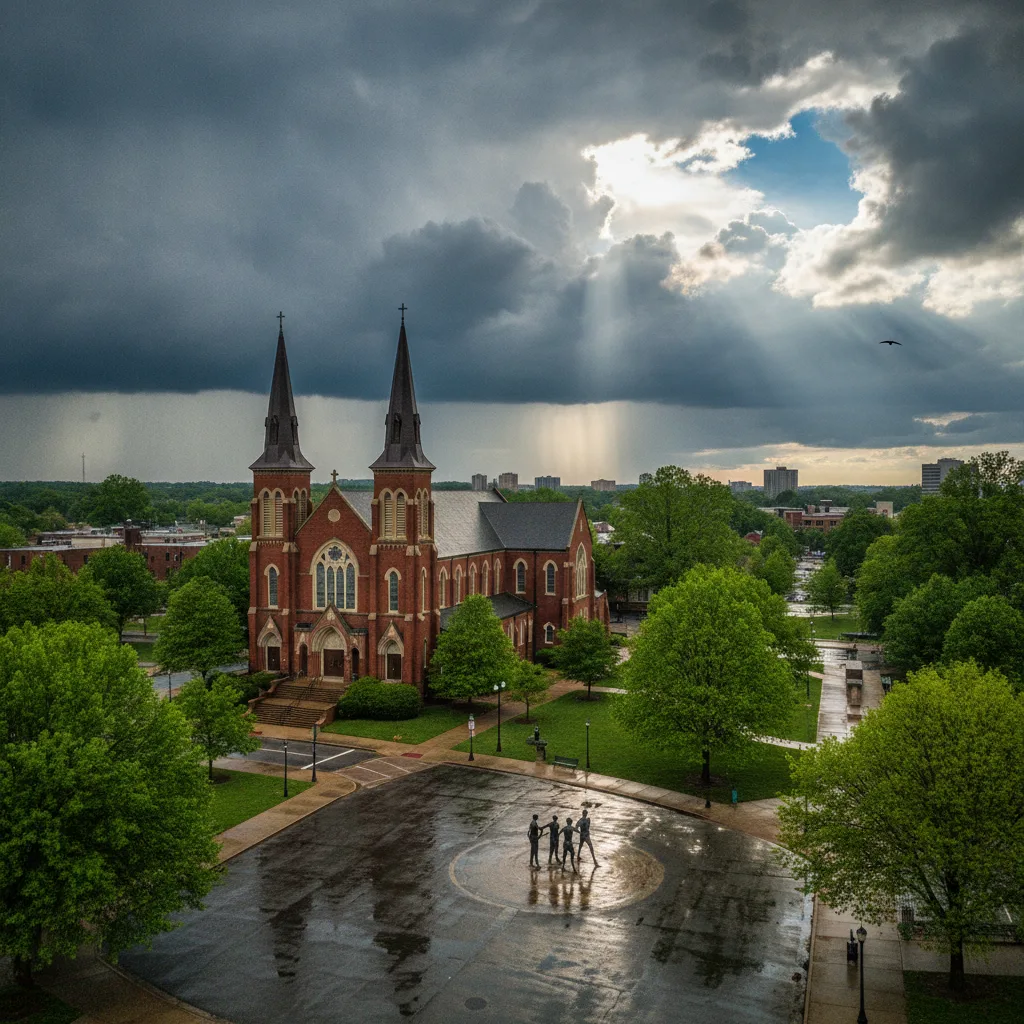
We believe that some destinations transcend mere sightseeing, offering profound opportunities for reflection and understanding. The 16th Street Baptist Church in Alabama is unequivocally one such place. Our team has meticulously explored its history and present-day significance to bring you this definitive guide, ensuring your visit is both informative and deeply moving.
Why Visit 16th Street Baptist Church
The 16th Street Baptist Church stands as a monumental landmark in the annals of American history, a site of both immense tragedy and unwavering resilience. For anyone seeking to understand the profound struggles and triumphs of the Civil Rights Movement, a visit here is not merely recommended, but essential. It was here, on September 15, 1963, that a horrific act of domestic terrorism claimed the lives of four young girls—Addie Mae Collins, Denise McNair, Carole Robertson, and Cynthia Wesley—forever etching the church's name into the national consciousness as a symbol of the fight against racial injustice. This tragic event, which galvanized the movement, underscored the brutal realities of segregation and spurred greater national support for civil rights legislation.
Beyond the somber remembrance, the church itself is a testament to the enduring spirit of its congregation and the broader community. Its architecture, a stately brick edifice, belies the raw emotion contained within its walls. Visiting allows you to step into a space where pivotal meetings, impassioned sermons, and strategic planning sessions took place, shaping the course of history. You'll gain a tangible connection to the individuals who risked everything for equality, walking the same floors as Dr. Martin Luther King Jr., Fred Shuttlesworth, and countless unsung heroes. Our team finds that experiencing this site firsthand provides a depth of understanding that no textbook or documentary can fully convey, offering a powerful and often emotional journey into a pivotal era of American history. It's a place where the past isn't just remembered; it resonates, prompting introspection and inspiring continued advocacy for justice and equality.
Who It's Best For
The 16th Street Baptist Church is best suited for visitors with a keen interest in American history, particularly the Civil Rights Movement. Educators, students, and history buffs will find the experience invaluable, offering a visceral connection to the events that unfolded here. It's also a powerful destination for those seeking to understand the ongoing struggle for social justice and racial equality. The solemnity and historical weight of the church make it particularly impactful for adults and older teenagers who can appreciate the gravity of its past. While younger children are welcome, the sensitive nature of the events discussed may require parental guidance and preparation. Our team believes that anyone with an open mind and a desire to learn about a critical period of American history will find a visit to the 16th Street Baptist Church profoundly rewarding.
Moreover, individuals traveling through the South on a historical or cultural tour will find this church to be a cornerstone of their journey. It serves as a vital complement to other Civil Rights sites across the region, offering a deeper, more personal insight into the movement's Birmingham chapter. For those who appreciate architectural history, the church's Romanesque Revival style, designed by Wallace Rayfield, an influential African American architect, also offers points of interest. Ultimately, if you seek a travel experience that educates, moves, and inspires, this destination is for you.
Getting There & Parking
The 16th Street Baptist Church is centrally located in downtown Birmingham, Alabama, at 1530 6th Avenue North, Birmingham, AL 35203. This prime location places it within the Birmingham Civil Rights District, making it easily accessible for visitors exploring the city's historical sites.
How to Get There
If you're flying into Birmingham, you'll arrive at Birmingham-Shuttlesworth International Airport (BHM). The airport is approximately 5 miles from downtown Birmingham, and travel time typically ranges from 10 to 20 minutes depending on traffic conditions. For transportation from BHM, you have several options: taxis, rideshares like Uber and Lyft, and airport shuttle services. Taxis from BHM to the church typically cost between $15-$19 and take about 9 minutes. MAX Transit also offers an affordable on-demand airport ride service to and from BHM, with a convenient starting point at MAX Transit Birmingham Central Station.
Once in downtown Birmingham, getting to the 16th Street Baptist Church is straightforward. The church is within walking distance of many downtown hotels and attractions. If you prefer public transportation, Birmingham's MAX Transit offers several bus lines that stop near the church, including routes 25, 280, 3, 45, and 6. The nearest bus station is "16th St And 6th Ave N," just a 2-minute walk away. Our team recommends checking the MAX Transit website or a transit app like Moovit for the most up-to-date schedules and routes for how to get to 16th Street Baptist Church.
Parking
For those driving, parking near the 16th Street Baptist Church is available, though it's often in paid lots or garages. Metered street parking is available throughout downtown Birmingham, generally operating from 8 AM to 6 PM on weekdays and free on weekends. For longer visits or if you prefer off-street parking, numerous parking garages and lots are available within walking distance. SpotHero lists several options, such as a lot at 1601 4th Ave N (a 4-minute walk) for around $7.49, or a lot at 1701 3rd Ave N (an 8-minute walk) for approximately $3.99. The Birmingham Parking Authority also provides information on parking for attractions in the downtown area, including the 16th Street Baptist Church. We advise checking parking apps like SpotHero or Parking.com in advance for current rates and availability, especially during peak tourist seasons or special events, to secure convenient 16th Street Baptist Church parking.
Top Things to Do
Visiting the 16th Street Baptist Church is a profoundly moving experience, offering a direct connection to a pivotal moment in American history. Our team recommends dedicating ample time to fully absorb its significance and explore the surrounding Civil Rights District.
Top Things to Do at 16th Street Baptist Church
- Take a Guided Tour: The most impactful way to experience the church is through a guided tour. Knowledgeable guides share the history of the congregation, its role as a hub for Civil Rights meetings, and the tragic events of September 15, 1963. Tours are typically 60 minutes long and are available Tuesday through Saturday, with the last tour starting at 3:00 PM. Tickets are $10 for adults and $5 for students 18 and under. It's highly recommended to contact the church directly or visit their website for current tour availability and to make reservations, especially for groups, as schedules can change due to church events and activities.
- Reflect in the Sanctuary: Even outside of a formal tour, spending quiet time in the sanctuary allows for personal reflection on the sacrifices made and the enduring legacy of the Civil Rights Movement. Observe the stained-glass windows, including the "Welsh Window" depicting a Black Christ, a gift from the people of Wales after the bombing.
- Explore the Exterior and Memorials: The church's exterior, with its Romanesque Revival architecture, tells its own story. Pay attention to the details and the memorials dedicated to the four young girls who lost their lives.
Top Things to Do in Birmingham
The 16th Street Baptist Church is a cornerstone of the Birmingham Civil Rights District, but the area offers a wealth of other significant sites that deepen your understanding of this era and the city's broader history. Our team suggests combining your visit to the church with these nearby attractions:
- Birmingham Civil Rights Institute: Located directly across the street from the church, the Birmingham Civil Rights Institute is an essential companion to your visit. This modern museum provides a comprehensive overview of the Civil Rights Movement in Birmingham and its national impact. You can explore exhibits that recreate a segregated city in the 1950s, see a replica of a Freedom Riders bus, and even the actual jail cell door from behind which Dr. Martin Luther King Jr. penned his famous "Letter From Birmingham Jail." The institute is open Tuesday through Saturday from 10:00 AM to 5:00 PM, with adult tickets typically costing $15.
- Kelly Ingram Park: Adjacent to the church and the Civil Rights Institute, Kelly Ingram Park is a "Place of Revolution and Reconciliation." This public park features powerful sculptures depicting the struggles of the Civil Rights Movement, including scenes of police dogs and fire hoses turned on peaceful demonstrators. It's a free, open space accessible year-round, typically from 8:00 AM to 8:00 PM. Walking through the park provides a somber yet inspiring context to the events of the 1960s.
- A.G. Gaston Motel: Part of the Birmingham Civil Rights National Monument, this historic motel served as the headquarters for the Birmingham campaign in 1963, hosting leaders like Dr. Martin Luther King Jr. While access may vary, it's a significant site to observe from the exterior.
- Vulcan Park and Museum: For a different perspective on Birmingham, head to Vulcan Park and Museum. Home to Vulcan, the world's largest cast-iron statue, this site offers panoramic views of the city from its observation tower. The museum also features interactive exhibits on Birmingham's industrial history. Daily admission rates are $8 for adults, $6 for seniors (65+) and military, and $4 for children ages 5-12. The park grounds are free until 5 PM, after which admission is required for entry.
- Birmingham Museum of Art: If you have time for more cultural exploration, the Birmingham Museum of Art boasts a permanent collection of over 20,000 objects, spanning ancient to modern times. General admission is free every day. The museum is typically closed on Mondays, open Tuesday 1-5 PM, Wednesday-Friday 10 AM-5 PM, Saturday 10 AM-5 PM, and Sunday 12-5 PM.
- McWane Science Center: A great option for families, the McWane Science Center offers hands-on exhibits, an aquarium, and an IMAX Dome Theater, sparking wonder and curiosity in visitors of all ages. It's open Monday-Friday 9 AM-5 PM, Saturday 10 AM-5 PM, and Sunday 12 PM-5 PM.
Best Time to Visit
The best time to visit the 16th Street Baptist Church and Birmingham generally is during the spring (March to May) and fall (October to November) months. During these periods, the weather is most pleasant, with mild temperatures and lower humidity, making it ideal for exploring the outdoor sites of the Civil Rights District and enjoying the city's parks. Average high temperatures in spring range from the 70s to low 80s Fahrenheit, while fall offers similar comfortable conditions.
Summers in Birmingham (June to August) can be hot and humid, with average temperatures in the 90s Fahrenheit in July and August. While the church and indoor attractions are air-conditioned, extended outdoor exploration might be less comfortable. Winters (December to February) are relatively mild, with average lows around 34°F and highs in the low to mid-50s, but rainfall can be higher, particularly in February.
The 16th Street Baptist Church offers guided tours Tuesday through Saturday. Specifically, tours are available Tuesday-Friday from 10 AM to 2 PM, and on Saturday by appointment. The last tour typically starts at 3:00 PM. The church is closed for general visiting on Sundays and Mondays, as it holds traditional Sunday services and other internal events. Our team recommends checking the church's official website or contacting them directly for the most up-to-date tour schedules and any potential closures, especially around holidays. Visiting on a weekday morning or early afternoon often allows for a more reflective experience with fewer crowds.
Where to Stay Nearby
For visitors seeking convenient and comfortable 16th Street Baptist Church lodging, the downtown Birmingham area offers a range of excellent options, many within walking distance or a short drive of the Civil Rights District. Our team has identified several hotels that cater to different preferences and budgets:
- Elyton Hotel, Autograph Collection by Marriott: This stylish 4-star hotel is a top recommendation, located just a 14-minute walk (0.97 kilometers) from the 16th Street Baptist Church. It offers a luxurious experience with amenities like a rooftop terrace restaurant, a 24-hour fitness center, and concierge services. Reviews consistently highlight its excellent service and prime location.
- Redmont Hotel Birmingham, Curio Collection by Hilton: As Birmingham's longest-running hotel, the Redmont offers historic charm combined with modern amenities. It's located in downtown Birmingham, providing easy access to the Civil Rights District. Its rooftop bar is noted for having the best view in the state.
- Hampton Inn & Suites Birmingham-Downtown-Tutwiler: A reliable choice for comfort and convenience, this 3.5-star hotel is close to the church and offers complimentary breakfast. Many travelers praise its excellent location and friendly staff.
- Home2 Suites by Hilton Birmingham Downtown: This modern 3-star hotel is an excellent option for those seeking spacious accommodations, especially families or visitors planning longer stays. It features an outdoor pool and complimentary breakfast and is an 18-minute walk from the church.
- Fairfield Inn & Suites by Marriott Birmingham Downtown: Another solid 3-star option, this hotel is praised for its clean and comfortable rooms and proximity to the Civil Rights District. It's roughly 0.80 kilometers from the church, making it a good choice for families.
- The Kelly Birmingham, Tapestry Collection By Hilton: This boutique hotel, located at 2027 1st Ave N, offers a unique and stylish stay in downtown Birmingham.
- John Hand Club Hotel: For a more exclusive experience, the John Hand Club Hotel offers six suites in a historic 1912 skyscraper, known for its posh and refined atmosphere. It's about a 19-minute walk from the church.
When considering 16th Street Baptist Church lodging, we recommend booking in advance, especially during peak travel seasons or if your visit coincides with major events in Birmingham, to ensure the best availability and rates.
Sample 2-Day Itinerary
Our team has crafted a sample 2-day itinerary to help you make the most of your visit to the 16th Street Baptist Church and the broader Birmingham Civil Rights District, along with other key city attractions. This plan balances historical immersion with opportunities to explore the vibrant culture of Birmingham.
Day 1: Deep Dive into Civil Rights History
- Morning (9:00 AM - 12:00 PM): 16th Street Baptist Church. Begin your day with a guided tour of the 16th Street Baptist Church. Allow at least an hour for the tour and additional time for personal reflection in the sanctuary. Remember to check their website for current tour schedules and make reservations in advance.
- Lunch (12:00 PM - 1:00 PM): Local Eatery. Grab a quick and reflective lunch at a cafe or restaurant near the Civil Rights District.
- Early Afternoon (1:00 PM - 4:00 PM): Birmingham Civil Rights Institute. Cross the street to the Birmingham Civil Rights Institute. Dedicate a solid 2-3 hours to explore its powerful exhibits, which provide crucial context to the events at the church.
- Late Afternoon (4:00 PM - 5:30 PM): Kelly Ingram Park. Spend time walking through Kelly Ingram Park, reflecting on the sculptures and memorials that depict the struggles and triumphs of the movement. The park is an open public space, offering a poignant outdoor experience.
- Evening: Dinner and Reflection. Enjoy dinner at one of downtown Birmingham's many restaurants. Consider a quiet evening to process the day's profound experiences.
Day 2: Birmingham's History & Culture
- Morning (9:30 AM - 12:30 PM): Vulcan Park and Museum. Start your day with a visit to Vulcan Park and Museum. Ascend the observation tower for panoramic views of Birmingham and explore the museum's exhibits on the city's industrial heritage. Allow 2-3 hours.
- Lunch (12:30 PM - 1:30 PM): Midtown or Southside. Have lunch in the Midtown or Five Points South area, offering diverse culinary options.
- Early Afternoon (1:30 PM - 4:00 PM): Choose Your Adventure.
- Option A (Art & Culture): Birmingham Museum of Art. Explore the extensive collections at the Birmingham Museum of Art (free admission).
- Option B (Family Fun): McWane Science Center. If traveling with children, head to the McWane Science Center for interactive exhibits and an IMAX film.
- Late Afternoon (4:00 PM - 5:30 PM): Historical Walk or Shopping. Depending on your interest, take a stroll through the historic 4th Avenue Business District, once a thriving Black business corridor, or explore some of Birmingham's unique shops.
- Evening: Entertainment. Catch a show at the historic Alabama Theatre or Lyric Fine Arts Theatre, or enjoy live music at a local venue.
This itinerary provides a robust experience of Birmingham, from its solemn Civil Rights landmarks to its vibrant cultural offerings. For those with more time, consider extending your trip to explore more of Alabama's rich offerings, such as the beautiful Gulf Shores & Orange Beach or the U.S. Space & Rocket Center in Huntsville. You can find more ideas for your trip to the state on our Best places in Alabama guide, and general planning tips on our Plan Your US Trip page.
Last updated: 2026-07-05 by the Visit America team.