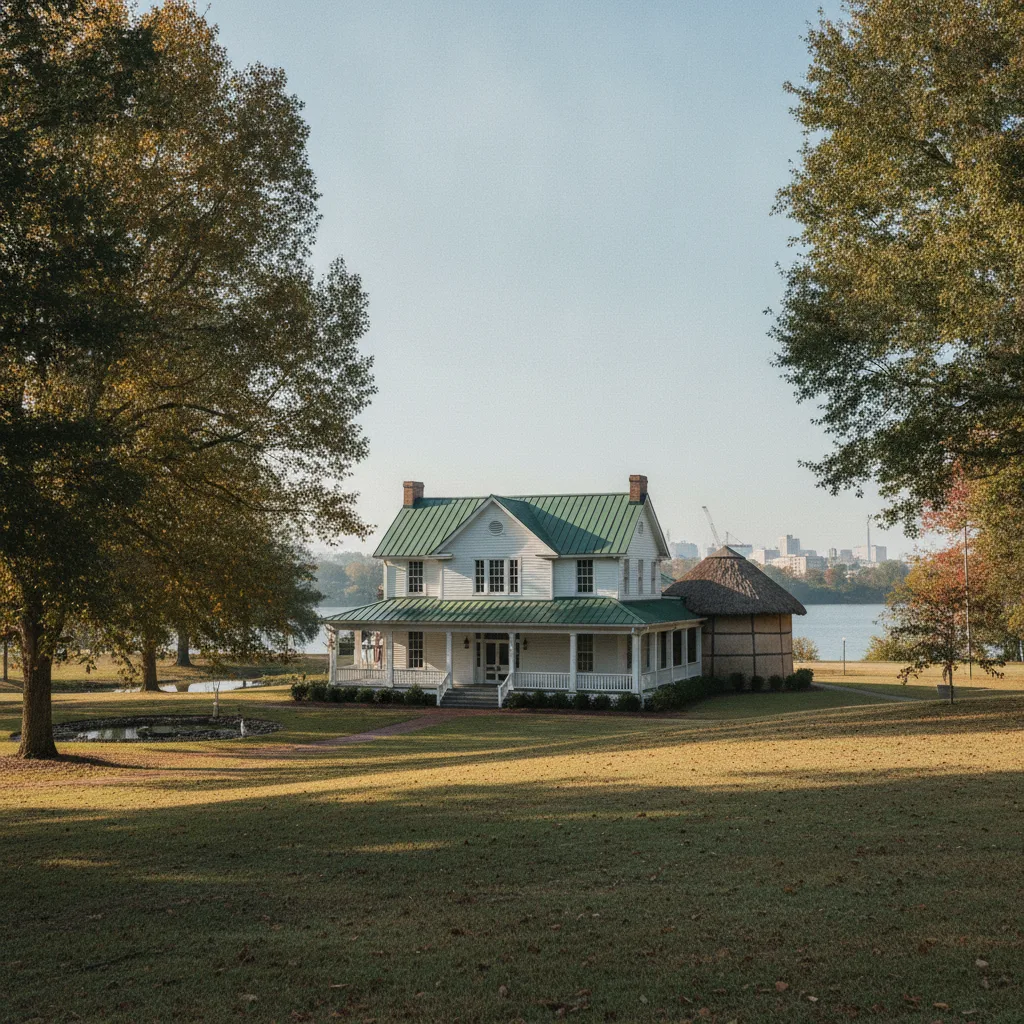
Africatown Heritage House Travel Guide — Alabama
Located in Mobile, the Africatown Heritage House tells the profound story of the community founded by the last known group of Africans brought to the United States on the slave ship Clotilda, and is still inhabited by their descendants. It’s a place where history isn't just learned; it's felt, a testament to resilience, community, and the enduring human spirit.
Why Visit Africatown Heritage House
Visiting the Africatown Heritage House in Alabama offers a unique and deeply moving opportunity to connect with a pivotal, yet often overlooked, chapter of American history. This isn't just another museum; it's a living monument to the strength and perseverance of a community forged in the crucible of unimaginable hardship. We believe it's an essential pilgrimage for anyone seeking a deeper understanding of the transatlantic slave trade's lasting impact and the extraordinary legacy of those who survived it.
The core of the experience lies in "Clotilda: The Exhibition," a meticulously curated display that chronicles the journey of 110 remarkable individuals from their West African homes, through the horrors of enslavement aboard the illegal slave ship Clotilda, to their eventual freedom and the establishment of Africatown. The exhibition delves into their individual stories, highlighting their perseverance and the vibrant community they built. You’ll find interpretive text panels, documents, and even pieces of the sunken schooner Clotilda, recovered in 2019, on display. These artifacts provide tangible links to the past, making the history incredibly real and immediate. The exhibition itself spans approximately 2,500 square feet, offering a rich, multi-sensory experience that immerses visitors in a chronological narrative from West African origins to the founding and development of Africatown, and finally, looking towards its future.
Beyond the historical narrative, the Africatown Heritage House stands as a symbol of community empowerment and cultural preservation. It was developed in conjunction with the local and descendant communities, ensuring that the stories told are authentic and resonant. The building itself, painted in the Mobile County Training School's blue, symbolizes the strength and perseverance of the descendants. Outside, a memorial garden provides a space for quiet reflection, featuring a sculpture called "The Memory Keeper," a collaboration between ceramics artist Charles Smith and metal sculptor Frank Ledbetter. This space, along with a bioswale (rain garden), also serves as an outdoor lab for students, emphasizing the community's commitment to education and environmental stewardship.
For us, the Visit America editorial team, the Africatown Heritage House represents a powerful example of how communities can reclaim their narratives and honor their ancestors. It’s a testament to the enduring human spirit and a vital educational resource that encourages reflection, understanding, and a commitment to justice. It's a place that stays with you long after you leave, prompting deeper thought about history, identity, and the ongoing journey toward equality.
Who It's Best For
The Africatown Heritage House offers a profound experience that resonates with a diverse range of visitors. We recommend it particularly for:
- History Enthusiasts: Those with a keen interest in American history, particularly the transatlantic slave trade, the Civil War era, and the Reconstruction period, will find an unparalleled depth of information and personal stories. The direct connection to the last known slave ship, the Clotilda, and its survivors makes this a singular historical site.
- Educators and Students (4th grade and up): The exhibition is an invaluable educational resource, aligning with Alabama course of study content standards. School groups, particularly those from Mobile County, can even receive free admission, and guided tours are available for students in 4th grade and up, with hands-on activities at the adjacent Robert Hope Community Center.
- Descendants of the Clotilda Survivors: For members of the Africatown community and descendants of the Clotilda, this is a sacred space for connection, remembrance, and celebration of their heritage.
- Social Justice Advocates: Visitors passionate about civil rights, racial justice, and understanding the roots of systemic inequalities will find the narrative of resilience and community building deeply inspiring and informative.
- Families (with older children): While children aged 5 and under receive free admission, and children aged 6-18 have a reduced rate, the subject matter is serious. We advise parents to consider the maturity level of younger children. Minors must be accompanied by an adult at all times, and photography is not allowed inside the exhibition to preserve the solemnity of the experience.
- Travelers Seeking Authentic Cultural Experiences: If you're looking to move beyond typical tourist attractions and engage with a truly significant cultural and historical site, Africatown Heritage House offers an authentic and impactful journey.
In essence, if you appreciate powerful storytelling, historical preservation, and a deep dive into the human experience, the Africatown Heritage House is a destination we confidently recommend.
Getting There & Parking
Understanding "how to get to Africatown Heritage House" and where to park is crucial for a smooth visit. The Africatown Heritage House is located at 2465 Wimbush Street, Mobile, AL 36610. It's situated within the historic Africatown community, a residential area, so we encourage visitors to be mindful of speed limits and pedestrians.
Driving Directions
While GPS can be helpful, the Africatown Heritage House website provides specific directions designed to minimize traffic through residential streets, which we recommend following out of respect for the community.
- From Interstate 65 South: Use the right two lanes to take exit 9 for I-165 S toward Prichard/Downtown Mobile. Continue onto I-165 S. Take exit 2 toward I-10 E/US-90 E/Bay Bridge Rd. Turn left onto Paper Mill Rd., then left onto McKinley St., and finally right onto Winbush (or Wimbush) St. The Africatown Heritage House will be on your immediate right.
- From Interstate 10 West: Take exit 27 for US-90/US-98 toward Government St. Keep right at the fork, following signs for State Docks/Prichard, and merge onto Old Spanish Trail. Continue onto Africatown Blvd/Bay Bridge Rd/Cochrane-Africatown USA Bridge. Turn right onto Paper Mill Rd., then left onto McKinley St., and right onto Winbush (or Wimbush) St. The Africatown Heritage House will be on your immediate right.
Parking
Parking is available near the Africatown Heritage House and the adjacent Robert L. Hope Community Center, and we can confirm that it is free. When visiting, please dispose of trash properly and respect both public and private property; parking on lawns is prohibited. For school groups arriving by bus, students will offload in front of the Heritage House, and buses can then park at the Robert Hope Community Center next door, with the entrance to its parking lot on Edwards Street.
Public Transportation and Ride-Sharing
For those wondering "how to get to Africatown Heritage House" without a personal vehicle, public transportation options exist. The Wave Transit System in Mobile provides bus routes that serve the area. A one-way fare is $1.25, though you may need to walk a short distance from the nearest bus stop to reach the Heritage House. From downtown Mobile, you can take a bus heading north towards Prichard.
Taxi and ride-sharing services like Uber and Lyft are also readily available in Mobile. A ride from downtown Mobile to Africatown typically costs between $15 and $25, depending on demand and traffic. When booking, specify "Africatown Historic District" or the exact address: 2465 Winbush Street.
Top Things to Do
A visit to Africatown Heritage House is just the beginning of exploring this historically rich area. Our team has identified the top "things to do at Africatown Heritage House" and in the surrounding Mobile area to ensure a comprehensive and impactful trip.
At Africatown Heritage House:
- Immerse Yourself in "Clotilda: The Exhibition": This is the primary draw and a mandatory experience. The exhibition tells the compelling story of the 110 Clotilda survivors, their journey from West Africa, enslavement, and the founding of Africatown. You'll find artifacts from the sunken Clotilda, personal narratives, and a step-by-step chronology that brings this vital history to life. Remember, photography is not permitted inside the exhibition to maintain its solemnity.
- Reflect in the Memorial Garden: After experiencing the exhibition, take time for quiet contemplation in the memorial garden. This peaceful outdoor space features "The Memory Keeper" sculpture, offering a moment to process the powerful stories you've encountered.
- Attend a Heritage Lecture or Event: Check the Africatown Heritage House schedule for special events. For example, in 2026, they are hosting a Heritage Lecture Series on July 25th, preceding Culture Fest, with free admission but requiring an RSVP. These events provide deeper insights into the Black experience and the legacy of Africatown.
- Explore the Exterior Architecture: Notice the building's design, particularly its blue lap siding, chosen to honor the enslaved occupants of the Clotilda and symbolize the descendants' strength and perseverance.
Things to Do in the Wider Africatown Community:
The Africatown Heritage House is part of a larger historic district. We strongly recommend taking a self-guided tour to explore other significant sites, using the Africatown Walking Tour Brochure for easy-to-follow maps and descriptions.
- Visit the Africatown Historic Cemetery (Old Plateau Cemetery): This is one of the most significant African American burial sites in the United States, where many Clotilda survivors are laid to rest. It's a powerful place of remembrance.
- See the Bust of Cudjoe Lewis: Cudjoe Lewis was the last known survivor of the Clotilda. His bust is a poignant reminder of the individuals whose stories are central to Africatown's history.
- Explore other Clotilda-related sites: The Africatown experience includes sites like former slave quarters, the Mural of the Clotilda, and Lewis Quarters & Lewis Landing, offering a comprehensive look at the community's origins and development.
- Attend Community Events: Africatown hosts several community events throughout the year. For instance, in July 2026, there's the 2026 Landing Event & Ancestor Festival (LEAF) from July 9-12, honoring the Clotilda Ancestors, and Culture Fest 2026 on July 25th, a free event celebrating African American culture and the legacy of Africatown. The 12th Annual Robert Hope Homemade Kite Event is also a cherished tradition.
Top Things to Do in Mobile:
Mobile, Alabama, is a city rich in history and culture, offering numerous attractions that complement a visit to Africatown. We encourage you to extend your stay and explore some of these other "things to do in Mobile":
- Explore Mobile's Historic Districts: Downtown Mobile boasts stunning architecture and vibrant streets. Consider a walking tour of the Mobile Historic Districts, including the Church Street East Historic District and the Lower Dauphin Street Historic District.
- Visit the History Museum of Mobile: As the managing entity for Africatown Heritage House, the History Museum of Mobile offers broader insights into the city's past, from its colonial origins to its role in various historical events. It's located at 111 South Royal Street, with admission for adults at $14.00.
- Tour Colonial Fort Condé: A partial reconstruction of the original 1723 fort, Fort Condé provides a glimpse into Mobile's French colonial past.
- Experience Mardi Gras Park: Mobile is home to the original Mardi Gras in the United States. Visit Mardi Gras Park to see sculptures honoring the city's carnival traditions.
- Explore the USS Alabama Battleship Memorial Park: Just a short drive from downtown, this park features the USS Alabama battleship, the USS Drum submarine, and a collection of aircraft.
- Stroll through Bellingrath Gardens and Home: A stunning 65-acre estate with beautifully landscaped gardens and a historic home, perfect for a peaceful afternoon.
- Enjoy the Gulf Coast: While not directly in Mobile, the beautiful beaches of Gulf Shores & Orange Beach are a relatively short drive away, offering a relaxing coastal escape after your historical explorations.
Combining your visit to Africatown Heritage House with these Mobile attractions creates a comprehensive and enriching travel experience that highlights Alabama's diverse heritage.
Best Time to Visit
Choosing the "best time to visit Africatown Heritage House" and Mobile can significantly enhance your experience. Our team has considered weather, crowds, and local events to provide our top recommendations.
Weather Considerations
Mobile experiences a humid subtropical climate, characterized by hot, humid summers and mild winters.
- Spring (March to May): We consider spring to be the ideal time to visit. The weather is generally pleasant, with comfortable temperatures ranging from the 60s to 70s Fahrenheit (15-25°C). Humidity is lower than in summer, and blooming flowers add to the city's charm. This is excellent for exploring both indoor and outdoor sites.
- Fall (September to November): Similar to spring, fall offers very agreeable weather. Temperatures are mild, and the oppressive summer humidity begins to recede. This period is also less crowded than the peak spring season, making for a more relaxed visit.
- Winter (December to February): Winters are generally mild, with average temperatures in the 50s and 60s Fahrenheit (10-20°C). While cooler, it's still a good time to visit if you prefer fewer crowds and don't mind bundling up slightly. Be aware of potential occasional cold snaps.
- Summer (June to August): Summers in Mobile are hot and very humid, with daily highs often in the 90s Fahrenheit (30s°C). While the Africatown Heritage House is air-conditioned, extended outdoor exploration can be uncomfortable. If you visit in summer, plan indoor activities during the hottest parts of the day and stay hydrated.
Crowd Levels and Events
Africatown Heritage House and Mobile can experience varying crowd levels, especially around major events.
- Peak Season: Spring, particularly during school breaks and Mardi Gras season (which typically runs from late January to Fat Tuesday in February or early March), sees higher visitor numbers. If you plan to visit during Mardi Gras, expect larger crowds and higher accommodation prices in downtown Mobile.
- Shoulder Seasons (Spring and Fall): These offer a good balance of pleasant weather and moderate crowds. You'll likely find it easier to secure timed entry tickets for the Africatown Heritage House during these periods.
- Off-Peak Season (Winter, excluding holidays): Generally, winter has the fewest tourists, making it a good choice for those seeking a quieter experience.
- Special Events in 2026: Keep an eye on the Africatown Heritage House and Mobile event calendars. For example, in 2026, the Africatown Heritage House is hosting a Heritage Lecture Series and Culture Fest on July 25th, and the Clotilda Descendants Association is organizing the 2026 Landing Event & Ancestor Festival (LEAF) from July 9-12. These events offer unique cultural immersion but may draw larger crowds to Africatown. Mobile also hosts events like the MOB Music Fest and the City of Mobile's 4th of July Celebration.
Our recommendation is to aim for April-May or October-November for the best combination of comfortable weather and manageable crowds. Always check the official Africatown Heritage House website for specific hours, holiday closures (e.g., New Year's Day, Mardi Gras Day, Independence Day, Thanksgiving, Christmas Eve, Christmas Day), and any special event schedules before your visit.
Where to Stay Nearby
When planning your visit, considering "Africatown Heritage House lodging" is important for convenience and comfort. While Africatown itself is a residential community and doesn't have hotels, the wider Mobile area offers a range of accommodations to suit different preferences and budgets. Our team recommends staying in or near downtown Mobile for easy access to other attractions and dining options, with Africatown being a short drive away.
Downtown Mobile
Staying in downtown Mobile puts you in the heart of the city's historic charm, close to restaurants, shops, and other museums. It's approximately a 10-15 minute drive to Africatown Heritage House, depending on traffic.
- The Admiral, a Wyndham Hotel: This historic hotel offers a classic experience with modern amenities, including an onsite restaurant and a resort-style pool. It's a solid choice for those seeking a full-service hotel.
- Renaissance Mobile Riverview Plaza Hotel: Offering excellent views of the Mobile River, this hotel provides upscale accommodations and is conveniently connected to the Mobile Convention Center.
- Battle House Renaissance Mobile Hotel & Spa: A luxurious historic hotel known for its elegant ambiance and amenities, including a spa and multiple dining options.
- Holiday Inn Express Mobile Downtown: A reliable option for travelers looking for comfortable, value-oriented lodging with complimentary breakfast.
North Mobile / I-65 Corridor
If you prefer newer hotels, slightly more budget-friendly options, or are traveling with a car and want easier highway access, the area along I-65 north of downtown offers many choices. This area is typically a 15-20 minute drive to Africatown Heritage House.
- Hampton Inn & Suites Providence Park/Airport: Offers comfortable rooms and suites with amenities like a pull-out sofa, microwave, and refrigerator, making it suitable for families.
- Fairfield Inn & Suites by Marriott Mobile: Known for its consistent quality and comfortable stays.
- Home2 Suites by Hilton I-65 Government Boulevard: An all-suite hotel, great for longer stays or families, offering kitchens in each room.
- Quality Inn & Suites: A more budget-conscious option that still provides essential amenities.
Considerations for Africatown Heritage House Lodging:
- Book in Advance: Especially during peak seasons or major events like Mardi Gras or the 2026 Africatown cultural festivals, we strongly recommend booking your "Africatown Heritage House lodging" well in advance to ensure availability and better rates.
- Transportation: While downtown Mobile is walkable for many attractions, you'll need a car, taxi, or ride-share service to reach Africatown Heritage House from most hotels.
- Family-Friendly Options: Many hotels in Mobile, particularly those along the I-65 corridor, offer suites and amenities like pools that are great for families.
Our team suggests weighing the convenience of being downtown against the potentially newer facilities and slightly lower prices found further north. Regardless of your choice, Mobile provides ample options to make your stay comfortable while exploring the Africatown Heritage House and other Alabama treasures like the U.S. Space & Rocket Center in Huntsville or the Birmingham Civil Rights Institute.
Sample 2-Day Itinerary
To help you make the most of your visit to Africatown Heritage House and the vibrant city of Mobile, we've crafted a sample 2-day itinerary. This plan balances historical immersion with broader cultural exploration, ensuring a memorable trip to Alabama.
Day 1: Deep Dive into Africatown's Legacy
- Morning (9:30 AM - 1:00 PM): Africatown Heritage House Experience
- Start your day early with a visit to the Africatown Heritage House Alabama. We recommend purchasing timed entry tickets online in advance to secure your spot, as capacity is limited.
- Spend at least 2-3 hours immersing yourself in "Clotilda: The Exhibition." Take your time to read the interpretive panels, view the artifacts from the sunken Clotilda, and absorb the powerful stories of the survivors and their descendants.
- After the exhibition, take a moment for quiet reflection in the memorial garden, home to "The Memory Keeper" sculpture.
- Lunch (1:00 PM - 2:00 PM): Local Eatery in Africatown or nearby
- Explore local dining options within or near Africatown. While the immediate area is residential, you can find casual eateries a short drive away.
- Afternoon (2:00 PM - 5:00 PM): Exploring Historic Africatown
- Embark on a self-guided tour of the wider Africatown community. Pick up or download the Africatown Walking Tour Brochure to guide you to significant sites.
- Visit the Africatown Historic Cemetery (Old Plateau Cemetery), the burial place of many Clotilda survivors.
- See the Bust of Cudjoe Lewis, the last known Clotilda survivor, and other historical markers like former slave quarters and the Mural of the Clotilda.
- Consider driving past the Mobile County Training School, a historic institution closely tied to the community.
- Evening (6:00 PM onwards): Dinner in Downtown Mobile
- Head back to downtown Mobile for dinner. The city offers a diverse culinary scene, from fresh Gulf seafood to Southern comfort food.
- After dinner, enjoy a leisurely stroll along Dauphin Street, known for its vibrant nightlife and historic architecture.
Day 2: Mobile's Rich History and Culture
- Morning (9:00 AM - 12:00 PM): History Museum of Mobile & Colonial Fort Condé
- Start your day at the History Museum of Mobile, which provides a comprehensive overview of the city's 300-year history. Admission for adults is $14.00.
- Your admission to the History Museum also includes access to Colonial Fort Condé, a partial reconstruction of Mobile's original French fort from 1723. Explore the fort and learn about Mobile's colonial past.
- Lunch (12:00 PM - 1:00 PM): Downtown Mobile Dining
- Grab lunch at one of the many cafes or restaurants in downtown Mobile, within walking distance of the museum and fort.
- Afternoon (1:00 PM - 5:00 PM): Choose Your Adventure
- Option A (Nature & Gardens): Drive south to Bellingrath Gardens and Home for an afternoon of exploring stunning botanical displays and a historic estate.
- Option B (Military History): Head to the USS Alabama Battleship Memorial Park to tour the WWII battleship USS Alabama, the USS Drum submarine, and view a collection of military aircraft.
- Option C (Historic Districts & Shopping): Spend more time exploring Mobile's charming Mobile Historic Districts, browsing boutiques, and enjoying the atmosphere of Dauphin Street.
- Evening (6:00 PM onwards): Farewell Dinner & Entertainment
- Enjoy a final dinner in Mobile, perhaps trying a restaurant you missed on Day 1.
- Check local listings for live music or other entertainment options to cap off your trip.
This itinerary offers a balanced and enriching experience, allowing you to fully appreciate the significance of Africatown Heritage House while also discovering the broader attractions of Mobile. Remember to check specific operating hours and any reservation requirements for all attractions, especially for the Africatown Heritage House.
Is It Worth Visiting?
As the Visit America editorial team, we unequivocally affirm: yes, "is Africatown Heritage House worth visiting" is a question with a resounding affirmative answer. This isn't just another stop on a travel itinerary; it's an essential educational and emotional journey that offers profound insights into a pivotal, yet often understated, aspect of American history.
What makes Africatown Heritage House so compelling is its unique position as the direct link to the last known transatlantic slave ship, the Clotilda, and the resilient community founded by its survivors. The "Clotilda: The Exhibition" is not merely a collection of facts; it's a meticulously crafted narrative that gives voice to the 110 individuals who endured unimaginable hardship and yet, against all odds, built a thriving community rooted in their African heritage. Seeing actual pieces of the Clotilda, recovered from the Mobile River, provides a tangible connection to this history that few other sites can offer.
Beyond the historical artifacts, the museum's commitment to telling the story in collaboration with the descendant community ensures authenticity and a deeply personal touch. This isn't history from a detached perspective; it's a living history, continuously shaped and preserved by those whose ancestors walked these lands. The focus on individual stories, perseverance, and the establishment of Africatown resonates powerfully, offering lessons in resilience, community building, and the enduring human spirit.
For us, the value extends beyond the historical narrative. A visit here contributes to the ongoing preservation efforts of Africatown and helps ensure that the stories of these remarkable individuals and their descendants are never forgotten. It's a place that challenges visitors to confront difficult truths about America's past while simultaneously celebrating the strength and cultural richness that emerged from adversity. Whether you are a history buff, an educator, a student, or simply a traveler seeking a meaningful and impactful experience, the Africatown Heritage House delivers on all fronts.
In short, if you are seeking a destination that offers more than just sightseeing—a place that educates, inspires, and fosters a deeper understanding of American identity—then "is Africatown Heritage House worth visiting" is a question you can answer with a confident "absolutely." We believe it's one of Alabama's most significant cultural treasures and a must-visit for any thoughtful traveler.
FAQ
Africatown Heritage House with Kids
Visiting Africatown Heritage House with kids can be a powerful educational experience, but it requires some consideration due to the serious nature of the subject matter. We recommend it for children in 4th grade and up, as the exhibition is designed to be suitable for this age group and up, supporting Alabama course of study content standards. Younger children (5 and under) receive free admission, and children aged 6-18 have a reduced rate. Minors must be accompanied by an adult at all times. The museum offers guided school tours and hands-on education activities for 4th-12th grade students at the adjacent Robert Hope Community Center, which can make the experience more engaging for younger visitors. We advise parents to prepare children beforehand by discussing the history of slavery and the Clotilda in an age-appropriate manner. Photography is not allowed inside the exhibition, which helps maintain a respectful atmosphere. Outside, the memorial garden can offer a quiet space for reflection.
Best Hotels Near Africatown Heritage House
While there are no hotels directly within the Africatown community, the "best hotels near Africatown Heritage House" are typically found in downtown Mobile or along the I-65 corridor. For a more historic and walkable experience with access to dining and other attractions, we recommend downtown options like The Admiral, a Wyndham Hotel, or the Renaissance Mobile Riverview Plaza Hotel. These are about a 10-15 minute drive to Africatown Heritage House. For newer facilities, potentially better value, or easier highway access, hotels along I-65 such as the Hampton Inn & Suites Providence Park/Airport or Home2 Suites by Hilton I-65 Government Boulevard are excellent choices, usually a 15-20 minute drive. We always advise booking your Africatown Heritage House lodging in advance, especially during peak travel seasons or major events in Mobile.
Africatown Heritage House Tips
To make your visit to Africatown Heritage House as enriching as possible, our team offers these key tips: 1. Purchase Tickets in Advance: Timed entry tickets are required and capacity is limited, so buy your tickets online ahead of time. 2. Allow Ample Time: Plan for at least 2-3 hours to fully engage with "Clotilda: The Exhibition" and the memorial garden. 3. Respect the Community: The Heritage House is in a residential area; be mindful of speed limits and pedestrians, and avoid parking on lawns. 4. No Photography Inside: To preserve the solemnity of the experience, photography is prohibited within the exhibition space. 5. Explore the Wider Africatown: Don't limit your visit to just the Heritage House; take a self-guided tour of the Africatown Historic Cemetery and other significant sites using the Africatown Walking Tour Brochure. 6. Check for Events: Look for special lectures or cultural festivals happening during your visit, as these can offer deeper engagement.
Where to Stay Near Africatown Heritage House
When considering "where to stay near Africatown Heritage House," your best options will be found in Mobile, Alabama. Downtown Mobile is an excellent choice for its proximity to other attractions, dining, and a vibrant atmosphere. Hotels like The Admiral, a Wyndham Hotel, or the Renaissance Mobile Riverview Plaza Hotel offer quality accommodations. Alternatively, the I-65 corridor north of downtown provides a selection of modern hotels such as the Hampton Inn & Suites Providence Park/Airport or Home2 Suites by Hilton, which can be convenient if you're driving. Both areas are a short drive from Africatown, making for easy access to the Heritage House and the surrounding community.
Africatown Heritage House Parking
We can confirm that "Africatown Heritage House parking" is available directly near the facility and the adjacent Robert L. Hope Community Center, and it is free of charge. Visitors should be aware that the Heritage House is located within a residential community, so it's important to adhere to designated speed limits and be mindful of pedestrians and children. Parking on lawns is prohibited, and visitors are asked to dispose of trash in proper receptacles. For school groups, buses can offload students in front of the Heritage House and then park at the Robert Hope Community Center next door, with the parking lot entrance on Edwards Street.
Best Time to Visit Africatown Heritage House
The "best time to visit Africatown Heritage House" is during the spring (March to May) or fall (September to November) months. During these periods, Mobile experiences pleasant temperatures and lower humidity, making it comfortable for both indoor and outdoor exploration. Spring also brings blooming flowers, adding to the city's charm. While summer (June to August) is hot and humid, and winter (December to February) is milder but cooler, these shoulder seasons offer the most agreeable weather and typically fewer crowds. Always check the official website for current hours (Tuesday-Saturday, 10 AM-5 PM; closed Sunday-Monday) and any holiday closures before planning your trip.
Our team at Visit America firmly believes that the Africatown Heritage House is more than just a destination; it is a profound journey into the heart of American resilience and cultural identity. We encourage every traveler to experience this vital piece of history and witness the enduring legacy of the Clotilda survivors and their descendants. Your visit not only enriches your understanding but also supports the continued preservation of this extraordinary community.
Last updated: 2026-07-05 by the Visit America team.