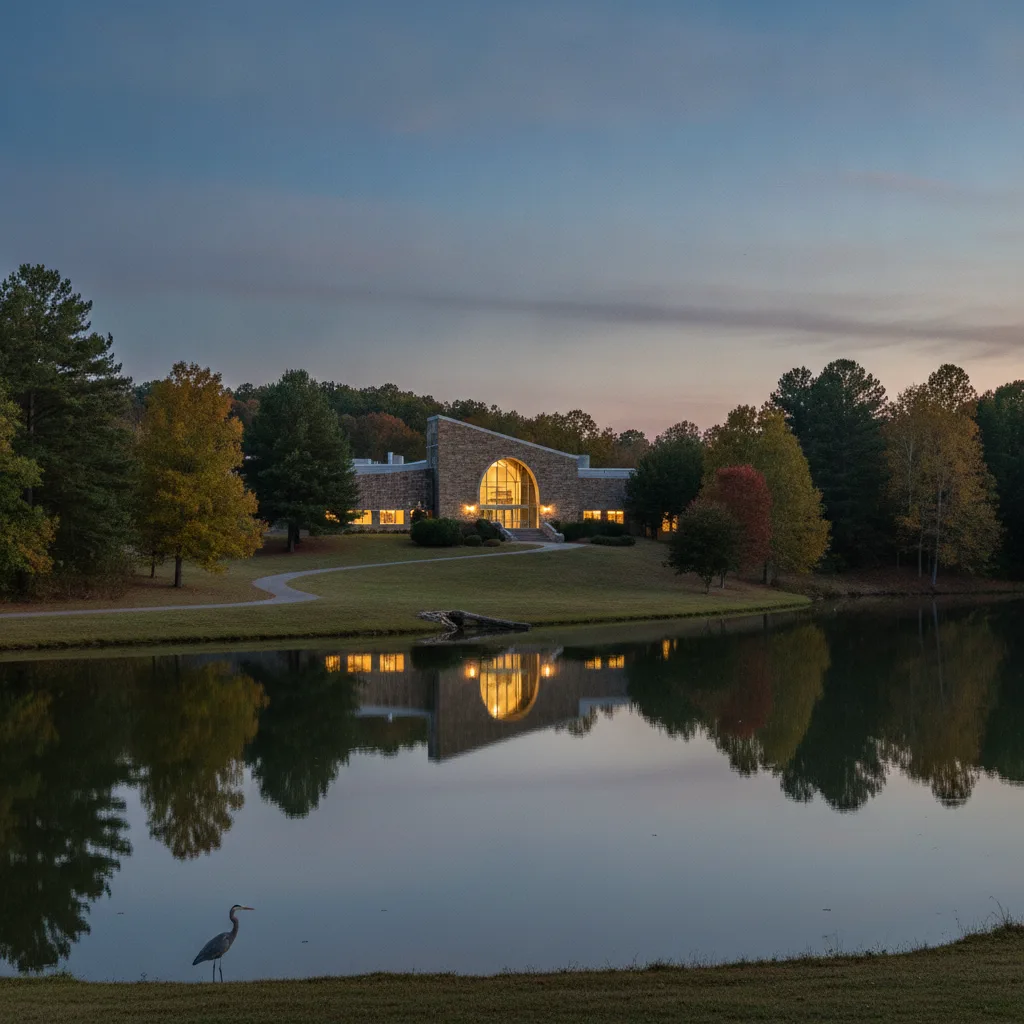
Anniston Museum of Natural History Travel Guide — Alabama
Our team at Roam States is dedicated to uncovering the most enriching travel experiences across the US, and the Anniston Museum of Natural History Alabama stands out as a remarkable destination. Tucked away in the foothills of the Appalachian Mountains, this museum offers an extraordinary journey through natural history, from the prehistoric age to the diverse ecosystems of our modern world. We've compiled this comprehensive guide to help you plan an unforgettable visit, ensuring you make the most of its unique exhibits, educational programs, and the charming surroundings of Anniston.
Why Visit Anniston Museum of Natural History
The Anniston Museum of Natural History is far from a typical small-town museum; it's a treasure trove of over 2,000 natural history items on permanent display, offering deep educational insights into both global natural history and local ecosystems. What truly sets this museum apart is its exceptional collection of more than 1,000 19th-century bird dioramas, a significant portion of which includes specimens of extinct and critically endangered species like the Passenger Pigeon, Ivory-billed Woodpecker, Carolina Parakeet, and Labrador Duck. These meticulously preserved displays offer a rare glimpse into the past, showcasing birds in their natural habitats as they existed over a century ago. Beyond ornithology, the museum transports visitors across continents and through time. You can come face-to-face with prehistoric creatures in the Dinosaur Hall, featuring a massive cast of a Tyrannosaurus rex skeleton, and explore the vast African savanna through the Environments of Africa Hall, which houses over 100 African animals in simulated natural settings. For those fascinated by ancient civilizations, the museum also presents 2,000-year-old Egyptian mummies from the Ptolemaic period. This blend of diverse and high-quality exhibits makes the Anniston Museum of Natural History a compelling destination for anyone with a curiosity about the natural world.
Who It's Best For
The Anniston Museum of Natural History is an ideal destination for a wide range of visitors. Families with children will find the interactive exhibits and the Children's Discovery Room particularly engaging, making natural science come alive through hands-on activities. Budding paleontologists will be captivated by the Dinosaur Hall, while aspiring ornithologists will marvel at the extensive bird collection. History buffs and science enthusiasts will appreciate the detailed dioramas, the geological insights from the Dynamic Earth exhibit, and the ancient Egyptian artifacts. Nature lovers will enjoy the outdoor elements, including the wildlife garden, open-air animal exhibits, and accessible nature trails that wind through the surrounding Longleaf Botanical Gardens. As an affiliate of the Smithsonian Institution, the museum maintains a high standard of educational content, making it a valuable resource for students and lifelong learners alike.
Getting There & Parking
The Anniston Museum of Natural History is conveniently located at 800 Museum Drive, Anniston, AL 36206, within the scenic Lagarde Park. If you're driving from Interstate 20, take exit 185 (Anniston/Oxford) and turn left onto S. Quintard Avenue (US 431). Follow US 431 northbound for approximately 7 miles, then turn left onto Museum Street, or into Lagarde Park, and follow the signs up the hill to the museum. The museum offers ample parking for visitors, ensuring a hassle-free arrival. The grounds of the Anniston Museums and Gardens, which include the Anniston Museum of Natural History, are well-marked, guiding you directly to the entrance.
Top Things to Do
When planning your visit, there are numerous things to do at Anniston Museum of Natural History that will fill your day with wonder and learning. Our team recommends dedicating ample time to explore each of the seven immersive exhibit halls. Don't miss the Birds of the Americas exhibit, where you'll encounter the museum's famed 19th-century bird dioramas, showcasing hundreds of specimens, including incredibly rare and extinct species. The Environments of Africa Hall provides a captivating "safari in Alabama" experience with its lifelike displays of African wildlife. For a journey through Earth's ancient past, the Dinosaur Hall, complete with a Tyrannosaurus rex skeleton cast, is a must-see. The Nature Space and Children's Discovery Room offer hands-on activities perfect for younger visitors, allowing them to engage directly with scientific concepts.
Beyond the museum's walls, there are plenty of other things to do in Anniston and the surrounding areas. Located adjacent to the Anniston Museum of Natural History, the Berman Museum of World History offers an extensive collection of historical artifacts, weaponry, and art. You can purchase a discounted "Passport Ticket" to visit both museums. Take a stroll through the beautiful Longleaf Botanical Gardens that encompass the museum grounds, or explore the nature trails, including the Bird of Prey Trail, where you can observe live raptors. For outdoor enthusiasts, the Chief Ladiga Trail offers nearly 40 miles of paved pathway perfect for cycling or walking, connecting Anniston to Georgia's Silver Comet Trail. History buffs should also visit the Freedom Riders National Monument, commemorating a pivotal moment in the Civil Rights Movement. For more regional exploration, consider a day trip to Cheaha State Park, Alabama's highest point, or the Cathedral Caverns State Park for impressive geological formations.
Best Time to Visit
The Anniston Museum of Natural History is an excellent destination year-round, as its main attractions are indoors and climate-controlled. However, to enhance your overall experience, we recommend considering the seasons. Spring and fall are particularly pleasant, offering comfortable temperatures for exploring the outdoor trails and gardens surrounding the museum. These seasons also provide prime opportunities for birdwatching, as the hilltop forest becomes a first-class place to look for migratory birds. While summer months in Alabama can be warm, the museum's extended hours to include Summer Mondays (Memorial Day through Labor Day) offer more flexibility for visitors. If you're looking for local events, the Anniston Downtown Market runs on Saturdays from May through September, offering fresh produce and local crafts. For those looking to avoid crowds, weekdays during the school year are generally quieter. Always check the museum's official website for any special events or temporary exhibit closures before your visit.
Where to Stay Nearby
Finding comfortable Anniston Museum of Natural History lodging is straightforward, with several excellent options available in Anniston and the neighboring city of Oxford, just a short drive away. For a unique and elegant experience, we recommend the Hotel Finial, BW Premier Collection in Anniston, a beautifully renovated Queen Anne Victorian home built in 1888, located approximately 3 miles from the museum. This boutique hotel offers a blend of historic charm and modern amenities. In Oxford, which is about 6 miles from the museum, you'll find a variety of well-regarded chain hotels. Options like the Hilton Garden Inn Oxford/Anniston, AL, Hampton Inn & Suites Oxford-Anniston, La Quinta Inn & Suites by Wyndham Oxford - Anniston, and Comfort Suites Oxford I-20 exit 188 all offer reliable comfort and amenities for your stay. Many of these hotels provide free parking and are conveniently located near dining options. For a more intimate experience, the Springwood Inn Bed & Breakfast in Anniston is another highly-rated choice. When considering Anniston Museum of Natural History lodging, we advise booking in advance, especially during peak travel seasons, to secure your preferred accommodation.
Sample 2-Day Itinerary
Our team has crafted a sample 2-day itinerary to help you maximize your visit to the Anniston Museum of Natural History and explore the best of the area:
Day 1: Immerse in Natural History & Local Culture
- Morning (10:00 AM - 1:00 PM): Anniston Museum of Natural History. Begin your day by diving into the extensive collections. Spend at least 2-3 hours exploring the bird dioramas, the African Mammal Hall, the Dinosaur Hall, and the Egyptian mummies. Engage with the hands-on exhibits in the Nature Space.
- Lunch (1:00 PM - 2:00 PM): Local Eatery. Enjoy lunch at one of Anniston's local restaurants.
- Afternoon (2:00 PM - 4:30 PM): Berman Museum of World History & Longleaf Botanical Gardens. Utilize your Passport Ticket to visit the Berman Museum, located next door, and explore its fascinating artifacts. Afterwards, take a leisurely stroll through the Longleaf Botanical Gardens, enjoying the outdoor exhibits and nature trails.
- Late Afternoon (4:30 PM - 6:00 PM): Freedom Riders National Monument. Reflect on history at the Freedom Riders National Monument, a powerful site honoring the Civil Rights Movement.
- Evening: Dinner & Relaxation. Enjoy dinner in Anniston and unwind at your chosen lodging.
Day 2: Outdoor Adventure & Regional Highlights
- Morning (9:00 AM - 12:00 PM): Chief Ladiga Trail. Rent bikes or enjoy a scenic walk on a section of the Chief Ladiga Trail, a beautiful paved path. Michael Tucker Park is a great starting point with amenities.
- Lunch (12:00 PM - 1:00 PM): Picnic or Cafe. Grab a picnic lunch to enjoy along the trail or visit a local cafe.
- Afternoon (1:00 PM - 5:00 PM): Cheaha State Park. Drive to Cheaha State Park, Alabama's highest point, for breathtaking panoramic views, hiking trails, and unique geological features.
- Late Afternoon/Evening: Anniston Downtown Market (Seasonal). If visiting on a Saturday between May and September, check out the Anniston Downtown Market for local produce, crafts, and live music. Alternatively, explore other nearby attractions like the International Motorsports Hall of Fame or the Mustang Museum of America.
- Evening: Farewell Dinner. Savor a final meal in Anniston, perhaps trying some authentic Southern cuisine.
Is It Worth Visiting?
Our editorial team confidently asserts that the Anniston Museum of Natural History is absolutely worth visiting. This institution consistently receives high praise for its quality and breadth of exhibits, often surprising visitors with its impressive collections for a city of Anniston's size. The unique 19th-century bird dioramas, featuring extinct species, offer a rare and historically significant experience that you won't find just anywhere. The blend of prehistoric life, African wildlife, ancient mummies, and interactive children's exhibits ensures that every member of your group will find something captivating. Furthermore, its affiliation with the Smithsonian Institution speaks to the high caliber of its displays and educational programming. For those wondering, "is Anniston Museum of Natural History worth visiting?", we say yes, it's a destination that promises both education and wonder, providing a truly enriching experience that extends beyond mere entertainment.
How to Get There
Understanding how to get to Anniston Museum of Natural History is straightforward, whether you're arriving by car or planning around public transport. The museum is situated at 800 Museum Drive, Anniston, AL 36206. For most travelers, driving is the most convenient option. From Interstate 20, take Exit 185 (Anniston/Oxford). Head north on US Highway 431 (S. Quintard Avenue) for approximately 7 miles. You'll then turn left into Lagarde Park, and follow the signs for Museum Drive, which leads directly to the museum entrance. This route is well-marked and easily navigable. While Anniston does not have extensive public transportation networks that would take you directly to the museum, ride-sharing services or local taxis are available if you are staying in Anniston or Oxford. For those flying in, Birmingham-Shuttlesworth International Airport (BHM) is approximately 60 miles west, and a rental car from there would be the most practical way to reach the museum. Knowing how to get to Anniston Museum of Natural History ensures a smooth start to your natural history adventure.
Frequently Asked Questions
Anniston Museum of Natural History with kids
The Anniston Museum of Natural History is an excellent destination for families with children. It features a dedicated Children's Discovery Room and Nature Space with hands-on activities, making learning about natural science fun and engaging. The Dinosaur Hall with its T-rex skeleton cast is a particular favorite, as are the lifelike animal dioramas in the African Mammal Hall. The outdoor Bird of Prey Trail also allows kids to see live raptors. We recommend budgeting at least 2-3 hours for a thorough visit, and wearing comfortable shoes.
best hotels near Anniston Museum of Natural History
Some of the best hotels near Anniston Museum of Natural History include the Hotel Finial, BW Premier Collection in Anniston, known for its historic charm and proximity (about 3 miles). In nearby Oxford (approximately 6 miles away), popular choices include the Hilton Garden Inn Oxford/Anniston, AL, Hampton Inn & Suites Oxford-Anniston, and La Quinta Inn & Suites by Wyndham Oxford - Anniston, all offering modern amenities and good value. For a more intimate stay, consider the Springwood Inn Bed & Breakfast.
Anniston Museum of Natural History tips
To make the most of your visit, we offer a few Anniston Museum of Natural History tips: consider purchasing the Passport Ticket if you plan to visit the adjacent Berman Museum of World History, as it offers a discounted rate. Allow 2-3 hours to explore both museums thoroughly. Check the museum's website or social media for special events or temporary exhibits. The museum is wheelchair accessible, and light layers are recommended due to the climate-controlled environment. Group discounts are available for 10+ visitors if scheduled two weeks in advance.
where to stay near Anniston Museum of Natural History
For visitors seeking convenience, Anniston and its neighboring city, Oxford, offer several options for where to stay near Anniston Museum of Natural History. In Anniston, the Hotel Finial, BW Premier Collection is a highly-rated boutique option. Oxford, just a short drive away, provides a wider selection of chain hotels such as the Hilton Garden Inn, Hampton Inn & Suites, and La Quinta Inn & Suites, all within a reasonable distance of the museum. These accommodations often provide amenities like free parking and are close to dining and other attractions.
Anniston Museum of Natural History parking
Yes, Anniston Museum of Natural History parking is readily available on-site. The museum is located within Lagarde Park at 800 Museum Drive, Anniston, AL 36206. Visitors can easily find parking spaces upon arrival, making access to the museum convenient. The parking area is shared with the Berman Museum of World History and the Longleaf Botanical Gardens, all part of the Anniston Museums and Gardens complex.
best time to visit Anniston Museum of Natural History
The best time to visit Anniston Museum of Natural History for comfortable outdoor exploration is during the spring and fall months, when temperatures are mild and the surrounding gardens are particularly beautiful. These seasons are also excellent for birding in Lagarde Park. The museum itself is climate-controlled, so indoor exhibits are enjoyable year-round. If you prefer fewer crowds, weekdays outside of major school holidays are generally quieter. For specific events, check the museum's calendar in advance.
The Anniston Museum of Natural History offers a truly unique and enriching experience, inviting visitors to explore the wonders of our natural world and beyond. From its unparalleled collection of 19th-century bird dioramas to its immersive prehistoric and African exhibits, this Alabama gem provides a captivating journey for all ages. We encourage you to plan your trip and discover the educational and inspiring stories held within its walls. For more travel inspiration in the state, be sure to check out our guide to the Best places in Alabama, or begin to Plan Your US Trip with our expert resources.
Last updated: 2026-07-12 by the Roam States team.