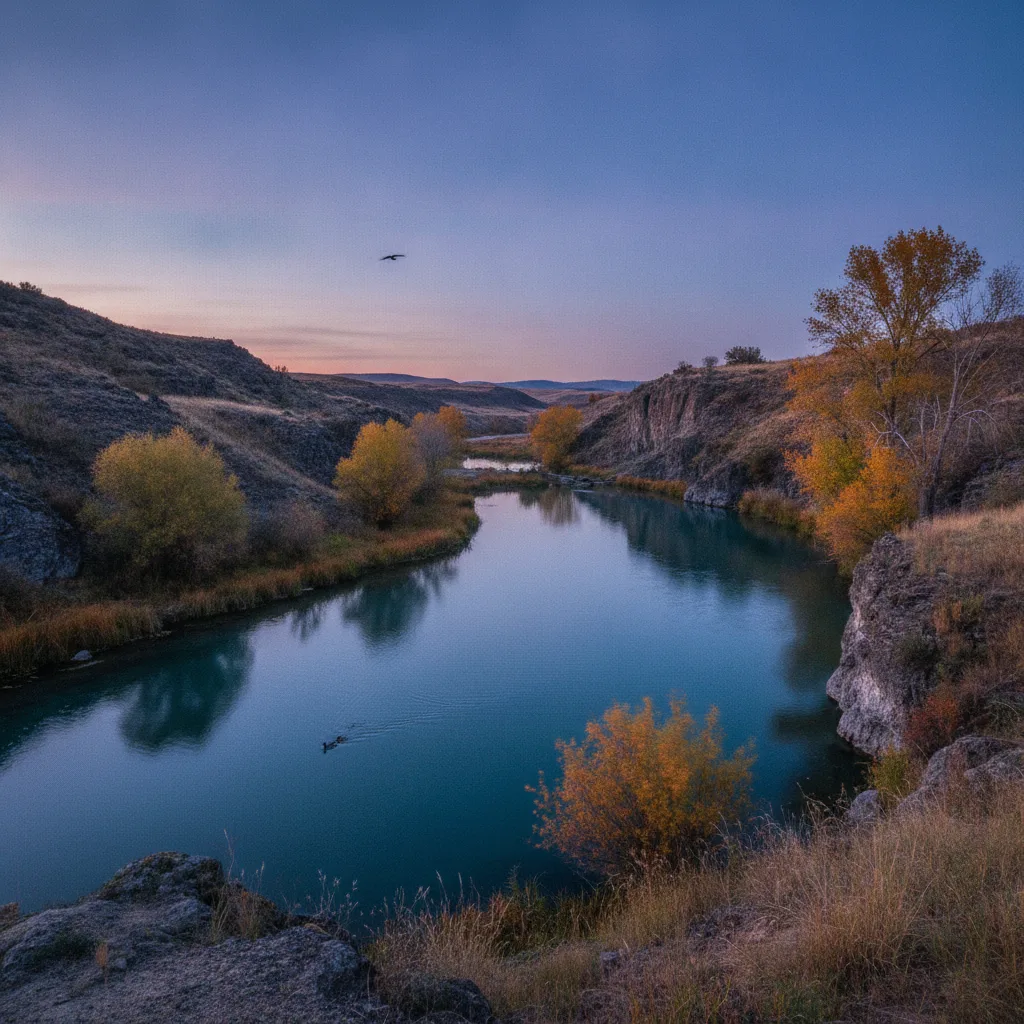
Blue Heart Springs Travel Guide — Idaho
We, the Visit America editorial team, consider Blue Heart Springs Idaho to be one of the Gem State's most enchanting secrets, a secluded, crystal-clear spring-fed cove hidden along the Snake River. This isn't your average roadside attraction; it's a destination that demands a bit of effort, rewarding adventurers with an otherworldly aquatic experience unlike any other in the Pacific Northwest. Our team has explored the depths of this sapphire oasis, and we’re here to share our expert insights to help you plan an unforgettable trip.
Why Visit Blue Heart Springs
Blue Heart Springs offers an unparalleled escape into nature's artistry. Imagine a vibrant turquoise jewel, fed by geothermal springs, tucked away from the hustle and bustle of everyday life. The water here maintains a constant, refreshing temperature, making it an ideal spot for swimming, snorkeling, and paddling during Idaho's warmer months. It's a place where the vibrant colors beneath the surface rival those of a tropical reef, despite being nestled in the high desert landscape of the Snake River Canyon. Our team has found that the sheer tranquility and unique beauty of Blue Heart Springs provide a profound sense of rejuvenation, drawing visitors seeking both adventure and peace. For those who appreciate pristine natural beauty and a touch of solitude, the journey to Blue Heart Springs is an investment in unforgettable memories. It's a testament to Idaho's diverse natural wonders, offering a stark contrast to the dramatic canyons of Shoshone Falls or the rugged peaks of the Sawtooth National Recreation Area.
Who It's Best For
Blue Heart Springs is a destination for the adventurous at heart, particularly those who appreciate pristine natural environments and are willing to put in a little effort to reach them. Our team highly recommends it for kayakers, paddleboarders, and canoers who enjoy exploring calm, clear waters. It's also a fantastic spot for snorkelers and free divers, as the incredible clarity and vibrant aquatic plant life offer a mesmerizing underwater spectacle. Families with older children who are comfortable with water activities and boat travel will find it an exciting and educational outing. Due to the access methods, it's less suitable for very young children or individuals with limited mobility. We've observed that nature photographers are particularly drawn to Blue Heart Springs Idaho for its unique photographic opportunities, from the striking blue hues of the water to the lush riparian vegetation. If you're seeking a serene escape from crowded tourist spots and are prepared for a self-guided adventure, this hidden gem is undoubtedly for you. It’s an ideal addition to a broader trip exploring the best places in Idaho.
Getting There & Parking
Understanding how to get to Blue Heart Springs is crucial, as it's not accessible by road. The spring is located along the Snake River, upstream from the Centennial Waterfront Park in Twin Falls. The primary way to reach Blue Heart Springs is by watercraft – kayak, canoe, stand-up paddleboard, or even a motorized boat. Our team advises planning your water journey carefully. Most visitors launch from Centennial Waterfront Park, where you can find ample parking. As of 2026, parking at Centennial Waterfront Park is generally free, but it's always wise to check for any updated local regulations or event-specific fees upon arrival. From the park, it's approximately a 3-mile paddle upstream against a gentle current to reach the springs. This paddle typically takes 1.5 to 2 hours, depending on your pace and the river conditions. Alternatively, several local outfitters offer guided tours or water taxi services that can transport you directly to the springs, eliminating the need to paddle the entire distance yourself. These services often require reservations, especially during peak season, so we recommend booking well in advance. For those bringing their own watercraft, ensure it is properly equipped with life jackets for everyone on board and that you are familiar with basic river safety. There are no designated parking areas directly at Blue Heart Springs itself, as the location is entirely water-access only. Therefore, focusing on parking at your launch point, like Centennial Waterfront Park, is key to your adventure.
Top Things to Do
When you arrive at this pristine oasis, you'll discover a wealth of activities that make visiting Blue Heart Springs an unforgettable experience. Our team has compiled the top things to do at Blue Heart Springs:
- Swimming and Snorkeling: The crystal-clear, calm waters are perfect for a refreshing dip. Don a snorkel mask, and you'll be treated to an incredible underwater world of vibrant aquatic plants and small fish. The water temperature hovers around a consistent 58 degrees Fahrenheit (14 degrees Celsius) year-round, making it invigorating in summer and surprisingly mild in cooler months.
- Kayaking and Paddleboarding: Exploring the various nooks and crannies of the cove by kayak or paddleboard allows you to fully appreciate its secluded beauty. Paddle slowly, take in the serene surroundings, and marvel at the clarity of the water beneath you.
- Photography: The striking turquoise hues of Blue Heart Springs Idaho against the basalt cliffs of the Snake River Canyon offer incredible photographic opportunities. Capture the vibrant colors, the unique reflections, and the serene landscape.
- Picnicking: While there are no formal picnic facilities, many visitors bring waterproof bags with snacks and drinks to enjoy on their watercraft or along the small, rocky banks. Remember to pack out everything you pack in to preserve the pristine environment.
- Wildlife Viewing: Keep an eye out for local wildlife. You might spot various bird species, including eagles and ospreys soaring overhead, or even river otters playing in the water.
Best Time to Visit
The best time to visit Blue Heart Springs largely depends on your preferred activities and tolerance for crowds. Our team generally recommends late spring through early fall (May to October) for the most enjoyable experience. During these months, the weather is warmer, making the cool spring water a welcome refreshment.
- Summer (June-August): This is peak season. The weather is ideal for water activities, but you'll also encounter the most visitors. Weekdays are generally less crowded than weekends. If you plan to visit during summer, we strongly advise an early morning start to beat both the heat and the crowds.
- Spring (May) and Fall (September-October): These shoulder seasons offer a fantastic balance. The weather is still pleasant, the crowds are significantly smaller, and the natural beauty remains stunning. The paddle upstream might feel a bit cooler, but the tranquility is often worth it.
Where to Stay Nearby
While Blue Heart Springs offers a secluded natural experience, there are plenty of comfortable accommodations in the nearby city of Twin Falls, Idaho. Our team recommends Twin Falls as your base camp, offering a range of options from budget-friendly motels to more upscale hotels.
- Hotels and Motels: Twin Falls has numerous chain hotels that provide reliable comfort and amenities. Many are conveniently located near restaurants and services. We recommend looking for options along Blue Lakes Boulevard or those with easy access to Highway 93 for straightforward travel to the Centennial Waterfront Park.
- Vacation Rentals: For groups or families, vacation rentals (such as those found on Airbnb or Vrbo) can offer more space, privacy, and amenities like full kitchens. This can be a great option for extended stays or for those who prefer to prepare their own meals.
- Camping: For those who prefer to stay closer to nature, there are several campgrounds in the vicinity. Nat-Soo-Pah Hot Springs & RV Park, located a short drive from Twin Falls, offers camping alongside natural hot springs. Additionally, dispersed camping might be available in certain Bureau of Land Management (BLM) areas, though these typically lack amenities and require a greater degree of self-sufficiency. Always check current regulations and fire restrictions before planning to disperse camp.
Sample 2-Day Itinerary
Our team has crafted a sample 2-day itinerary to help you make the most of your Blue Heart Springs adventure and explore the surrounding Twin Falls area. This plan balances active exploration with relaxation and local discovery. For a broader trip, consider extending your stay to include destinations like Lake Coeur d'Alene or Sun Valley/Ketchum.
Day 1: Blue Heart Springs Immersion
- Morning (7:00 AM - 1:00 PM): Start your day early. Head to Centennial Waterfront Park in Twin Falls. If you're renting a kayak or paddleboard, pick it up or meet your tour guide. Launch your watercraft and begin the scenic paddle upstream to Blue Heart Springs. Enjoy 2-3 hours swimming, snorkeling, and exploring the springs. Pack a waterproof bag with snacks and plenty of water.
- Lunch (1:00 PM - 2:00 PM): Enjoy a packed lunch on your watercraft or a quiet spot along the riverbank near the springs.
- Afternoon (2:00 PM - 4:00 PM): Begin your paddle back downstream to Centennial Waterfront Park. The return journey is typically quicker with the current.
- Late Afternoon (4:00 PM - 6:00 PM): Return your rentals, if applicable. Head back to your accommodation to freshen up.
- Evening (6:00 PM onwards): Enjoy dinner at one of Twin Falls' local restaurants. Consider options with views of the Snake River Canyon. Afterwards, take a leisurely stroll along the Canyon Rim Trail for stunning sunset views of the Perrine Bridge.
Day 2: Twin Falls Exploration & Canyon Views
- Morning (9:00 AM - 12:00 PM): Visit Shoshone Falls, often called the "Niagara of the West." The falls are particularly impressive in spring and early summer when water flows are high. Explore the various viewpoints and walking paths.
- Lunch (12:00 PM - 1:00 PM): Grab lunch at a cafe in Twin Falls or pack a picnic to enjoy at Shoshone Falls Park.
- Afternoon (1:00 PM - 4:00 PM): Explore more of the Snake River Canyon. Consider a visit to the Evel Knievel Jump Site memorial near the Perrine Bridge, or if you're feeling adventurous, try a tandem BASE jump experience (with a certified outfitter) off the Perrine Bridge – the only bridge in the US where BASE jumping is permitted year-round without a permit.
- Late Afternoon (4:00 PM - 6:00 PM): Visit a local brewery or winery for a tasting, or explore some of the unique shops in downtown Twin Falls.
- Evening (6:00 PM onwards): Enjoy a farewell dinner, perhaps trying some local Idaho specialties. Reflect on your incredible Blue Heart Springs Idaho adventure.
Blue Heart Springs tips
Our top tips for visiting Blue Heart Springs include starting early to avoid crowds, bringing plenty of water and snacks in waterproof bags, and wearing appropriate sun protection. Don't forget your snorkel gear to fully appreciate the underwater beauty. Always check the weather forecast before heading out on the river, and ensure you have all necessary safety equipment, including life jackets. Consider a guided tour or water taxi if you're less experienced with paddling. Finally, practice Leave No Trace principles to keep this pristine environment beautiful for future visitors.
Blue Heart Springs parking
Parking for Blue Heart Springs is primarily available at Centennial Waterfront Park in Twin Falls, Idaho. This is the most common launch point for watercraft heading to the springs. As of 2026, parking at Centennial Waterfront Park is generally free, but it's always advisable to check for any updated local signage or event-related fees upon your arrival. There is no direct parking at Blue Heart Springs itself, as it is only accessible by water.
Best time to visit Blue Heart Springs
The best time to visit Blue Heart Springs is typically from late spring through early fall (May to October). During these months, the weather is most conducive to water activities, and the surrounding scenery is at its most vibrant. To avoid crowds, especially during the peak summer months of June, July, and August, our team recommends visiting on a weekday or arriving early in the morning. Shoulder seasons like May and September offer pleasant weather with fewer visitors.
Blue Heart Springs hours and fees
Blue Heart Springs itself, being a natural spring, does not have official operating hours or entrance fees. It is accessible at any time via the Snake River. However, access points like Centennial Waterfront Park, where most visitors launch their watercraft, typically operate from dawn to dusk. Parking at Centennial Waterfront Park is generally free in 2026. If you opt for a guided tour, water taxi, or watercraft rental, those services will have their own associated costs and operating hours, which should be verified directly with the provider.
Blue Heart Springs itinerary
A focused Blue Heart Springs itinerary would involve launching your watercraft from Centennial Waterfront Park in Twin Falls in the morning, paddling upstream for 1.5-2 hours to reach the springs, spending 2-3 hours swimming, snorkeling, and exploring the cove, and then paddling back downstream. This typically makes for a full half-day to three-quarters of a day adventure. We recommend combining this with an afternoon exploring the nearby Shoshone Falls or the Canyon Rim Trail in Twin Falls for a complete day trip.
Blue Heart Springs travel guide
This Blue Heart Springs travel guide provides comprehensive information for planning your trip to this hidden gem in Idaho. We've covered why to visit, who it's best for, how to get there and parking (primarily via watercraft from Centennial Waterfront Park), top things to do (swimming, snorkeling, paddling), the best time to visit (late spring to early fall), and where to stay nearby (Twin Falls). Remember to verify 2026 facts for rentals and tours, pack essentials, and practice Leave No Trace principles. For more detailed trip planning across the country, visit our Plan Your US Trip guide.
Last updated: 2026-07-05 by the Visit America team.
Blue Heart Springs Travel Guide — Idaho
We, the Visit America editorial team, consider Blue Heart Springs Idaho to be one of the Gem State's most enchanting secrets, a secluded, crystal-clear spring-fed cove hidden along the Snake River. This isn't your average roadside attraction; it's a destination that demands a bit of effort, rewarding adventurers with an otherworldly aquatic experience unlike any other in the Pacific Northwest. Our team has explored the depths of this sapphire oasis, and we’re here to share our expert insights to help you plan an unforgettable trip.
Why Visit Blue Heart Springs
Blue Heart Springs offers an unparalleled escape into nature's artistry. Imagine a vibrant turquoise jewel, fed by geothermal springs, tucked away from the hustle and bustle of everyday life. The water here maintains a constant, refreshing temperature of 58 degrees Fahrenheit (14.4 degrees Celsius) year-round, making it an ideal spot for swimming, snorkeling, and paddling during Idaho's warmer months. It's a place where the vibrant colors beneath the surface rival those of a tropical reef, despite being nestled in the high desert landscape of the Snake River Canyon. Our team has found that the sheer tranquility and unique beauty of Blue Heart Springs provide a profound sense of rejuvenation, drawing visitors seeking both adventure and peace. For those who appreciate pristine natural beauty and a touch of solitude, the journey to Blue Heart Springs is an investment in unforgettable memories. It's a testament to Idaho's diverse natural wonders, offering a stark contrast to the dramatic canyons of Shoshone Falls or the rugged peaks of the Sawtooth National Recreation Area.
Who It's Best For
Blue Heart Springs is a destination for the adventurous at heart, particularly those who appreciate pristine natural environments and are willing to put in a little effort to reach them. Our team highly recommends it for kayakers, paddleboarders, and canoers who enjoy exploring calm, clear waters. It's also a fantastic spot for snorkelers and free divers, as the incredible clarity and vibrant aquatic plant life offer a mesmerizing underwater spectacle. Families with older children who are comfortable with water activities and boat travel will find it an exciting and educational outing. Due to the access methods, it's less suitable for very young children or individuals with limited mobility. We've observed that nature photographers are particularly drawn to Blue Heart Springs Idaho for its unique photographic opportunities, from the striking blue hues of the water to the lush riparian vegetation. If you're seeking a serene escape from crowded tourist spots and are prepared for a self-guided adventure, this hidden gem is undoubtedly for you. It’s an ideal addition to a broader trip exploring the best places in Idaho.
Getting There & Parking
Understanding how to get to Blue Heart Springs is crucial, as it's not accessible by road. The spring is located along the Snake River, and is only accessible by water travel. The primary way to reach Blue Heart Springs is by watercraft – kayak, canoe, stand-up paddleboard, or even a motorized boat. Our team advises planning your water journey carefully. Most visitors launch from Centennial Waterfront Park in Twin Falls, where you can find ample parking. As of 2026, parking at Centennial Waterfront Park is generally free, but it's always wise to check for any updated local regulations or event-specific fees upon arrival. From Centennial Waterfront Park, it's approximately a 3-mile paddle upstream against a gentle current to reach the springs. This paddle typically takes 1.5 to 2 hours, depending on your pace and the river conditions. Alternatively, several local outfitters, such as Banbury Adventures and Blue Heart Kayaking, offer guided tours or water taxi services that can transport you directly to the springs. These services often require reservations, especially during peak season, so we recommend booking well in advance. For those bringing their own watercraft, an Idaho watercraft pass is mandatory to avoid a $100 fine, and a complimentary hot wash is required for all watercraft to prevent invasive species. There are no designated parking areas directly at Blue Heart Springs itself, as the location is entirely water-access only. Therefore, focusing on parking at your launch point, like Centennial Waterfront Park, is key to your adventure.
Top Things to Do
When you arrive at this pristine oasis, you'll discover a wealth of activities that make visiting Blue Heart Springs an unforgettable experience. Our team has compiled the top things to do at Blue Heart Springs:
- Swimming and Snorkeling: The crystal-clear, calm waters are perfect for a refreshing dip. Don a snorkel mask, and you'll be treated to an incredible underwater world of vibrant aquatic plants and small fish. The water temperature hovers around a consistent 58 degrees Fahrenheit (14.4 degrees Celsius) year-round, making it invigorating in summer and surprisingly mild in cooler months.
- Kayaking and Paddleboarding: Exploring the various nooks and crannies of the cove by kayak or paddleboard allows you to fully appreciate its secluded beauty. Paddle slowly, take in the serene surroundings, and marvel at the clarity of the water beneath you. This is one of the primary things to do in Blue Heart Springs.
- Photography: The striking turquoise hues of Blue Heart Springs Idaho against the basalt cliffs of the Snake River Canyon offer incredible photographic opportunities. Capture the vibrant colors, the unique reflections, and the serene landscape.
- Picnicking: While there are no formal picnic facilities, many visitors bring waterproof bags with snacks and drinks to enjoy on their watercraft or along the small, rocky banks. Remember to pack out everything you pack in to preserve the pristine environment.
- Wildlife Viewing: Keep an eye out for local wildlife. You might spot various bird species, including eagles and ospreys soaring overhead, or even river otters playing in the water. The Thousand Springs area is known as a rich wildlife corridor.
Best Time to Visit
The best time to visit Blue Heart Springs largely depends on your preferred activities and tolerance for crowds. Our team generally recommends late spring through early fall (May to October) for the most enjoyable experience. During these months, the weather is warmer, making the cool spring water a welcome refreshment.
- Summer (June-August): This is peak season. The weather is ideal for water activities, but you'll also encounter the most visitors. Weekdays are generally less crowded than weekends. If you plan to visit during summer, we strongly advise an early morning start to beat both the heat and the crowds.
- Spring (May) and Fall (September-October): These shoulder seasons offer a fantastic balance. The weather is still pleasant, the crowds are significantly smaller, and the natural beauty remains stunning. The paddle upstream might feel a bit cooler, but the tranquility is often worth it.
Where to Stay Nearby
While Blue Heart Springs offers a secluded natural experience, there are plenty of comfortable accommodations in the nearby city of Twin Falls, Idaho. Our team recommends Twin Falls as your base camp, offering a range of options from budget-friendly motels to more upscale hotels.
- Hotels and Motels: Twin Falls has numerous chain hotels that provide reliable comfort and amenities. Many are conveniently located near restaurants and services. We recommend looking for options along Blue Lakes Boulevard or those with easy access to Highway 93 for straightforward travel to the Centennial Waterfront Park.
- Vacation Rentals: For groups or families, vacation rentals (such as those found on Airbnb or Vrbo) can offer more space, privacy, and amenities like full kitchens. This can be a great option for extended stays or for those who prefer to prepare their own meals.
- Camping: For those who prefer to stay closer to nature, there are several campgrounds in the vicinity. Nat-Soo-Pah Hot Springs & RV Park, located a short drive from Twin Falls, offers camping alongside natural hot springs. Additionally, dispersed camping might be available in certain Bureau of Land Management (BLM) areas, though these typically lack amenities and require a greater degree of self-sufficiency. Always check current regulations and fire restrictions before planning to disperse camp.
Sample 2-Day Itinerary
Our team has crafted a sample 2-day itinerary to help you make the most of your Blue Heart Springs adventure and explore the surrounding Twin Falls area. This plan balances active exploration with relaxation and local discovery. For a broader trip, consider extending your stay to include destinations like Lake Coeur d'Alene or Sun Valley/Ketchum.
Day 1: Blue Heart Springs Immersion
- Morning (7:00 AM - 1:00 PM): Start your day early. Head to Centennial Waterfront Park in Twin Falls. If you're renting a kayak or paddleboard, pick it up or meet your tour guide. Launch your watercraft and begin the scenic paddle upstream to Blue Heart Springs. Enjoy 2-3 hours swimming, snorkeling, and exploring the springs. Pack a waterproof bag with snacks and plenty of water.
- Lunch (1:00 PM - 2:00 PM): Enjoy a packed lunch on your watercraft or a quiet spot along the riverbank near the springs.
- Afternoon (2:00 PM - 4:00 PM): Begin your paddle back downstream to Centennial Waterfront Park. The return journey is typically quicker with the current.
- Late Afternoon (4:00 PM - 6:00 PM): Return your rentals, if applicable. Head back to your accommodation to freshen up.
- Evening (6:00 PM onwards): Enjoy dinner at one of Twin Falls' local restaurants. Consider options with views of the Snake River Canyon. Afterwards, take a leisurely stroll along the Canyon Rim Trail for stunning sunset views of the Perrine Bridge.
Day 2: Twin Falls Exploration & Canyon Views
- Morning (9:00 AM - 12:00 PM): Visit Shoshone Falls, often called the "Niagara of the West." The falls are particularly impressive in spring and early summer (March through early July) when water flows are high due to snowmelt. Explore the various viewpoints and walking paths. As of April 2026, there is a $5 per vehicle admission fee to Shoshone Falls Park.
- Lunch (12:00 PM - 1:00 PM): Grab lunch at a cafe in Twin Falls or pack a picnic to enjoy at Shoshone Falls Park.
- Afternoon (1:00 PM - 4:00 PM): Explore more of the Snake River Canyon. Consider a visit to the Evel Knievel Jump Site memorial near the Perrine Bridge, or if you're feeling adventurous, try a tandem BASE jump experience (with a certified outfitter) off the Perrine Bridge – the only bridge in the US where BASE jumping is permitted year-round without a permit.
- Late Afternoon (4:00 PM - 6:00 PM): Visit a local brewery or winery for a tasting, or explore some of the unique shops in downtown Twin Falls.
- Evening (6:00 PM onwards): Enjoy a farewell dinner, perhaps trying some local Idaho specialties. Reflect on your incredible Blue Heart Springs Idaho adventure.
Blue Heart Springs tips
Our top tips for visiting Blue Heart Springs include starting early to avoid crowds, bringing plenty of water and snacks in waterproof bags, and wearing appropriate sun protection. Don't forget your snorkel gear to fully appreciate the underwater beauty. Always check the weather forecast before heading out on the river, and ensure you have all necessary safety equipment, including life jackets. Consider a guided tour or water taxi if you're less experienced with paddling. Finally, practice Leave No Trace principles to keep this pristine environment beautiful for future visitors.
Blue Heart Springs parking
Parking for Blue Heart Springs is primarily available at Centennial Waterfront Park in Twin Falls, Idaho. This is the most common launch point for watercraft heading to the springs. As of 2026, parking at Centennial Waterfront Park is generally free, but it's always advisable to check for any updated local signage or event-related fees upon your arrival. There is no direct parking at Blue Heart Springs itself, as it is only accessible by water.
Best time to visit Blue Heart Springs
The best time to visit Blue Heart Springs is typically from late spring through early fall (May to October). During these months, the weather is most conducive to water activities, and the surrounding scenery is at its most vibrant. To avoid crowds, especially during the peak summer months of June, July, and August, our team recommends visiting on a weekday or arriving early in the morning. Shoulder seasons like May and September offer pleasant weather with fewer visitors.
Blue Heart Springs hours and fees
Blue Heart Springs itself, being a natural spring, does not have official operating hours or entrance fees. It is accessible at any time via the Snake River. However, access points like Centennial Waterfront Park, where most visitors launch their watercraft, typically operate from 7 a.m. to 10 p.m. during summer (April 1st to October 31st). Parking at Centennial Waterfront Park is generally free in 2026. If you opt for a guided tour, water taxi, or watercraft rental, those services will have their own associated costs and operating hours, which should be verified directly with the provider.
Blue Heart Springs itinerary
A focused Blue Heart Springs itinerary would involve launching your watercraft from Centennial Waterfront Park in Twin Falls in the morning, paddling upstream for 1.5-2 hours to reach the springs, spending 2-3 hours swimming, snorkeling, and exploring the cove, and then paddling back downstream. This typically makes for a full half-day to three-quarters of a day adventure. We recommend combining this with an afternoon exploring the nearby Shoshone Falls or the Canyon Rim Trail in Twin Falls for a complete day trip.
Blue Heart Springs travel guide
This Blue Heart Springs travel guide provides comprehensive information for planning your trip to this hidden gem in Idaho. We've covered why to visit, who it's best for, how to get there and parking (primarily via watercraft from Centennial Waterfront Park), top things to do (swimming, snorkeling, paddling), the best time to visit (late spring to early fall), and where to stay nearby (Twin Falls). Remember to verify 2026 facts for rentals and tours, pack essentials, and practice Leave No Trace principles. For more detailed trip planning across the country, visit our Plan Your US Trip guide.
Last updated: 2026-07-05 by the Visit America team.