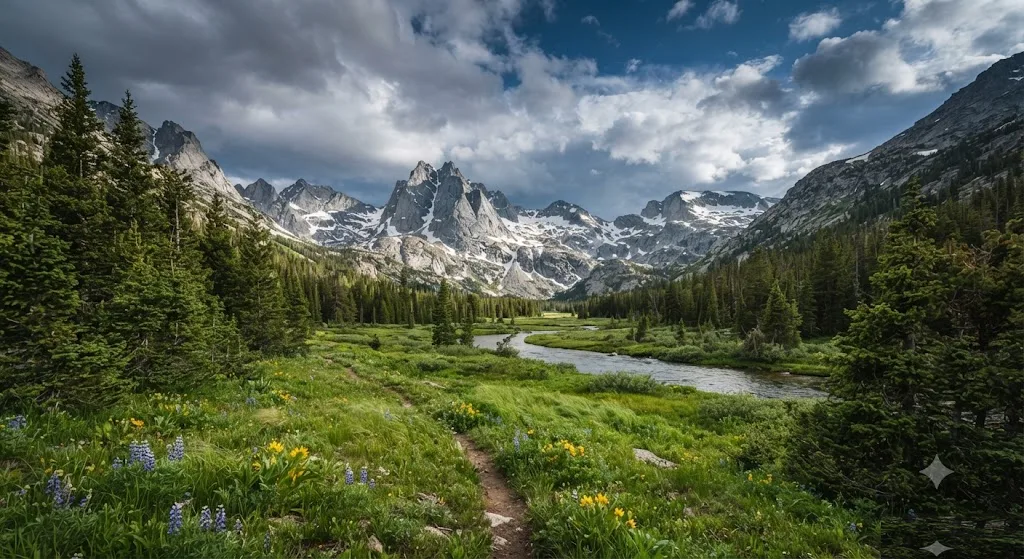
Our Bridger Wilderness guide covers practical planning for Bridger Wilderness Wyoming — best time to visit, getting there, and what to do on the ground.
For those seeking true solitude amidst some of the Lower 48's most dramatic landscapes, the Bridger Wilderness Wyoming is an unparalleled destination. Part of the vast Bridger-Teton National Forest, this wilderness area boasts stunning alpine lakes, ancient glaciers, and rugged peaks, offering unparalleled backcountry hiking and fishing. It's a true haven for wilderness enthusiasts, a place where the wild heart of Wyoming beats strong and untamed.
Why Visit Bridger Wilderness
The Bridger Wilderness isn't just another pretty place; it's a profound experience. We consider it one of Wyoming's crown jewels, a sprawling expanse of over 428,000 acres that truly embodies the spirit of wild America. Here, you'll find yourself surrounded by the Wind River Range, with elevations soaring above 13,000 feet, including Wyoming's highest point, Gannett Peak, which sits on its shared boundary with the Fitzpatrick Wilderness.
The landscape is a testament to glacial power, featuring more than 2,300 cold, crystalline lakes and ponds, numerous glacier-carved cirques, kettles, and valleys. In fact, the Bridger Wilderness is home to seven of the ten largest glaciers in the contiguous United States, including the immense Gannett Glacier. Beyond the geological wonders, the Bridger Wilderness offers a chance to disconnect and immerse yourself in nature. With over 600 miles of trails, it provides endless opportunities for exploration, from challenging multi-day treks to serene day hikes.
Wildlife abounds, with sightings of mule deer, moose, elk, bighorn sheep, gray wolves, grizzly bears, and black bears possible. Bald eagles soar overhead, while marmots and pikas add to the alpine charm. It's a place where the air is crisp, the water is pure (though always filter before drinking), and the silence is profound, broken only by the whispers of the wind and the calls of the wild.
Who It's Best For
The Bridger Wilderness is primarily for experienced backpackers, serious anglers, and those seeking a true wilderness immersion. It's ideal for individuals or small groups seeking solitude and a genuine backcountry experience, far from paved roads and modern amenities.
Due to its high elevation (8,000 to 13,000+ feet), visitors should be prepared for rapid weather changes and the possibility of freezing temperatures any night of the year, even in summer. Snow often persists on higher trails and passes until mid or late July. While some easier day hikes exist, the majority of the Bridger Wilderness hiking trails cater to those with good physical fitness and wilderness experience. It's not a place for casual sightseers expecting roadside attractions. If you're looking for developed campgrounds with amenities, or easily accessible viewpoints, this might not be the right fit. However, if you crave the challenge and reward of a remote, untamed landscape, the Bridger Wilderness will exceed your expectations.
Getting There & Parking
Understanding how to get to Bridger Wilderness is crucial for planning your adventure. The main gateway town is Pinedale, Wyoming, located to the west of the wilderness. From Pinedale, several access points lead into the Bridger Wilderness, each offering a different starting point for your adventure.
We recommend checking with the Pinedale Ranger District at (307) 367-4326 for the most current road conditions, especially concerning Green River Lakes Road construction updates which are anticipated to continue through September 2026, with potential for additional work in 2027. Primary access points include:
- Elkhart Park Trailhead: This is one of the most popular and accessible trailheads, located northeast of Pinedale. It provides access to numerous iconic trails, including those leading to Seneca Lake, Island Lake, and Titcomb Basin. The road to Elkhart Park is generally well-maintained during the summer season.
- Green River Lakes: Situated on the northern end of the wilderness, about 52 miles north of Pinedale, Green River Lakes offers stunning views of Squaretop Mountain and serves as a major trailhead. The road to Green River Lakes is a scenic drive in itself, passing historical markers and homesteaders' cabins. There is a campground at Green River Lakes, with some first-come, first-served sites, and group sites available for reservation.
- Big Sandy Trailhead: Located south of Pinedale, this trailhead provides access to the southern Wind River Range, including the popular Cirque of the Towers. Access is via a gravel road that can be rough in places.
- Fremont Lake: While Fremont Lake isn't technically within the wilderness boundary, it is an ideal spot to start from, with campgrounds and boat docks. Just up the road is one of the primary trailheads into the Bridger Wilderness.
Parking at these trailheads is generally available but can fill up quickly during peak season (July and August). We advise arriving early, especially for popular trailheads like Elkhart Park and Big Sandy. There are no specific fees for parking within the Bridger Wilderness itself, but some developed campgrounds or areas within the broader Bridger-Teton National Forest may have fees. Always check for current regulations and conditions before your trip. Remember that motorized vehicles, including bicycles, are prohibited within the Bridger Wilderness.
Top Things to Do
The Bridger Wilderness offers a wealth of activities for the intrepid traveler. When considering things to do at Bridger Wilderness, the focus is firmly on backcountry adventure and immersion in nature. Here are some of the top things to do at Bridger Wilderness:
Bridger Wilderness Hiking Trails
With over 600 miles of trails, the Bridger Wilderness hiking trails offer options ranging from challenging multi-day expeditions to more accessible day hikes. Popular destinations include the iconic Cirque of the Towers, Titcomb Basin, and the scenic Seneca Lake. Be prepared for high-altitude conditions and carry appropriate gear. Some of our recommended Bridger Wilderness hiking trails include:
- Sacred Rim Trail: An easy to moderate 4.5-mile round-trip hike from Elkhart Park, offering panoramic views of the Wind River Peaks. This is a great option for families or those seeking high reward for a shorter effort.
- Photographer's Point: A moderate 9.6-mile round-trip hike from Elkhart Park, known for its iconic wilderness views and wildflowers. This trail offers expansive views of Fremont Peak and the Wind River Range.
- Elkhart Park to Seneca Lake: A longer, more challenging 17.7-mile trail that can be done as an overnight trip, leading through glacier-carved valleys and past alpine lakes. Seneca Lake is a popular backcountry destination with campsites along its shoreline.
- Island Lake via Pole Creek Trail: A classic overnight backpacking trip, approximately 24 miles round-trip, leading to stunning alpine lakes and views of Fremont Peak. Be aware that the route to Island Lake via Pole Creek, Seneca Lake, and Indian Pass is a challenging 13.4-mile route, typically taking over 6 hours.
- Titcomb Basin: A strenuous 30-35 mile round-trip backpacking trip, considered one of the most sought-after routes in the West, featuring glacier-fed lakes and towering granite peaks.
Always consult with the Pinedale Ranger District for current trail conditions and specific recommendations.
Alpine Lake Fishing
The Bridger Wilderness is a paradise for anglers, boasting more than 2,300 lakes and ponds teeming with various trout species, including cutthroat, brook, rainbow, and mackinaw, as well as grayling and mountain whitefish. A valid Wyoming fishing license is required for residents and nonresidents aged 14 and over. Licenses can be obtained online or in town. Free Fishing Day is on June 6, 2026, where a license is not required, but all other regulations apply.
We recommend checking the Wyoming Game and Fish Department's 2026 Fishing Regulations for specific creel limits, gear restrictions, and stream closures, as these can vary by area. Popular fishing spots include the numerous high-country lakes accessible from various trailheads. Remember to practice Leave No Trace principles, especially regarding proper disposal of waste and avoiding the introduction of aquatic invasive species.
Wildlife Viewing & Photography
The Bridger Wilderness is home to a diverse array of wildlife. Keep an eye out for moose, elk, mule deer, bighorn sheep, and various bird species. While sightings of grizzly and black bears are possible, proper food storage in bear-resistant containers is mandatory to prevent human-wildlife encounters.
Backcountry Camping
For those looking to extend their stay, backcountry camping is a quintessential Bridger Wilderness experience. Permits are required for organized groups and overnight stock users. Camping is prohibited within 200 feet of any lake or designated trail, and within 100 feet of streams, creeks, or springs. Open fires are generally prohibited above timberline or near water sources. All waste must be packed out.
The maximum group size is limited to 15 people and 25 pack and saddle stock. The maximum length of stay in any one campsite is 16 days, and visitors must vacate the area for at least 5 days before returning to the same site. The Bridger-Teton National Forest also has a forest-wide stay limit: camping within the same five-mile radius for more than 14 days in any 30-day period is prohibited.
Best Time to Visit
For most visitors, the best time to experience the Bridger Wilderness is during the summer months, specifically from late June to mid-September. This window offers the most favorable conditions for hiking, backpacking, and fishing, with trails generally clear of snow at lower elevations by late June. However, be aware that snow can linger on high passes and trails until mid or late July.
July and August bring warmer temperatures, but also the highest visitation and the presence of pesky mosquitoes and biting flies, making bug repellent and tents a must. Early September can be an excellent time to visit, with fewer crowds and the possibility of vibrant fall colors, though temperatures begin to drop, and early snowfalls are not uncommon at higher elevations. We advise always checking the weather forecast and current conditions with the Pinedale Ranger District before your trip.
Where to Stay Nearby
While the Bridger Wilderness itself is reserved for backcountry camping, there are several options for Bridger Wilderness lodging in the nearby gateway communities. The best hotels near Bridger Wilderness are found in the nearby town of Pinedale, Wyoming, which serves as the primary hub for visitors.
Pinedale, Wyoming
Pinedale offers a range of accommodations, from motels and hotels to vacation rentals. It's a charming town with amenities like restaurants, gear shops, and grocery stores. Some options include:
- Hotels/Motels: You'll find a selection of familiar chain hotels and independent motels offering comfortable stays. For example, the Log Cabin Motel offers free parking and a garden.
- Vacation Rentals: Numerous cabins and homes are available for rent, providing more space and amenities, ideal for families or groups.
Camping Near Bridger Wilderness
For those who prefer a more rustic experience but aren't ready for full backcountry immersion, developed campgrounds are available in the Bridger-Teton National Forest just outside the wilderness boundary. These often include amenities like picnic tables, fire rings, and vault toilets. Some popular options include:
- Green River Lakes Campground: Located at the scenic Green River Lakes access point, offering stunning views and proximity to trailheads. Some sites are first-come, first-served, and group sites can be reserved.
- Fremont Lake Campgrounds: Several campgrounds are available around Fremont Lake, providing easy access to the lake and nearby trailheads.
Always check the Bridger-Teton National Forest website for current camping regulations, availability, and to make reservations where possible. Dispersed camping (camping outside of developed campgrounds) is also permitted in many areas of the national forest, but specific rules apply, including stay limits (no more than 14 days within a five-mile radius in any 30-day period).
Sample 2-Day Itinerary
This sample itinerary for the Bridger Wilderness is designed for experienced backpackers. Remember, this is a wilderness area, so be prepared for self-sufficiency and unexpected conditions.
Day 1: Elkhart Park to Island Lake
Our team recommends starting your journey at the popular Elkhart Park Trailhead, located northeast of Pinedale. This trailhead provides direct access to some of the most iconic scenery in the Bridger Wilderness. Today's goal is Island Lake, a stunning alpine lake nestled amidst granite cliffs.
- Morning (8:00 AM): Arrive at Elkhart Park Trailhead. Ensure your pack is ready, and you have a clear understanding of the trail. Begin your hike on the Pole Creek Trail. The initial miles are a gradual ascent through pine forests.
- Late Morning/Early Afternoon: Continue on the Pole Creek Trail, eventually connecting towards Seneca Lake. The trail will offer glimpses of the rugged Wind River Range. The hike to Island Lake via Pole Creek, Seneca Lake, and Indian Pass is a challenging 21.5 km (approximately 13.4 miles) route, typically taking over 6 hours.
- Afternoon: Reach Island Lake. Find a suitable campsite, ensuring it's at least 200 feet from the lake and any designated trails, and 100 feet from streams, as per wilderness regulations. Set up camp, filter water, and enjoy the breathtaking views of the surrounding peaks.
- Evening: Prepare a backcountry meal, store all food and scented items in a bear-resistant container, and enjoy the solitude of the wilderness.
Day 2: Explore & Return to Elkhart Park
- Morning (8:00 AM): After a backcountry breakfast, consider a short exploration around Island Lake or a day hike to a nearby viewpoint if time and energy allow. For instance, a side trip towards Titcomb Basin offers even more dramatic scenery.
- Late Morning: Begin your descent back towards Elkhart Park. Take your time enjoying the views you might have missed on the ascent.
- Afternoon: Continue your hike out. The descent will be quicker but still requires careful footing.
- Late Afternoon: Arrive back at Elkhart Park Trailhead. Reflect on your journey through the stunning Bridger Wilderness.
This itinerary is strenuous and requires excellent physical condition and backcountry experience. Always carry a map, compass or GPS, sufficient water, food, and emergency supplies. Be prepared for rapidly changing weather conditions.
Is It Worth Visiting?
We firmly believe the Bridger Wilderness is worth visiting for those who truly appreciate raw, untamed nature and are prepared for a challenging backcountry experience. This is not a destination for the faint of heart or those seeking luxury amenities. If you're pondering, "is Bridger Wilderness worth visiting?", consider what you seek in a travel experience.
For us, the answer is a resounding yes. The unparalleled beauty of its alpine lakes, the grandeur of its glaciers, and the solitude of its rugged peaks offer a profound escape from the everyday. The opportunities for world-class hiking, climbing, and fishing are immense, making it a premier destination for wilderness enthusiasts.
However, if your idea of a vacation involves paved roads, easy access to attractions, and comfortable lodging directly on-site, then the Bridger Wilderness might not be the right choice. It demands preparation, respect for its wild character, and a willingness to embrace self-sufficiency. For those who answer the call of the wild, the rewards—the breathtaking vistas, the abundant wildlife, and the deep sense of accomplishment—make the Bridger Wilderness worth visiting, creating memories that will last a lifetime.
Frequently Asked Questions About Bridger Wilderness
What are the Bridger Wilderness camping regulations?
Bridger Wilderness camping regulations are designed to protect the fragile ecosystem. Camping is prohibited within 200 feet of any lake or designated trail, and within 100 feet of streams, creeks, or springs. Open fires are generally banned above timberline or near water sources. All waste must be packed out. Permits are required for organized groups and overnight stock users. Group size is limited to 15 people and 25 pack and saddle stock. The maximum stay in one campsite is 16 days, with a 5-day absence required before returning to the same site. A forest-wide stay limit also applies to the Bridger-Teton National Forest, prohibiting camping within the same five-mile radius for more than 14 days in any 30-day period.
What things to do in Pinedale are there?
Pinedale, Wyoming, serves as the primary gateway to the Bridger Wilderness and offers a variety of activities for visitors. You can explore the Museum of the Mountain Man, which showcases the history of the fur trade era. Fremont Lake offers opportunities for boating, fishing, and lakeside activities. For outdoor enthusiasts, there's golfing at Rendezvous Meadows, or visiting the Elkhart Park Trailhead for hikes into the Wind River Range. Pinedale also hosts events, such as the Green River Rendezvous, a four-day celebration of the Rocky Mountain fur trade, scheduled for July 9-12, 2026.
Can you visit Bridger Wilderness with kids?
Visiting Bridger Wilderness with kids is possible, but it requires careful planning and realistic expectations. The majority of the wilderness is rugged and high-altitude, better suited for older, more experienced children. For younger children, we recommend sticking to easier day hikes from trailheads like Elkhart Park to Sacred Rim Trail (4.5 miles round-trip, easy to moderate) which offers panoramic views without a huge time commitment. Green River Lakes also offers more accessible areas for families, with opportunities for short hikes and lakeside activities. Always consult with the Pinedale Ranger District for current conditions and specific recommendations for family-friendly routes.
What are the best hotels near Bridger Wilderness?
The best hotels near Bridger Wilderness are primarily located in the town of Pinedale, Wyoming. Options range from local motels to vacation rentals. While specific hotel names may vary in availability and ratings, Pinedale offers comfortable lodging options for pre- and post-wilderness adventures. Examples include the Log Cabin Motel. For those seeking a more rustic experience outside the wilderness boundary, developed campgrounds around Fremont Lake and Green River Lakes are available.
What are some Bridger Wilderness tips for a successful trip?
For a successful trip to Bridger Wilderness, our team offers these essential tips:
- Acclimatize: Spend a day or two in Pinedale (7,175 ft elevation) before heading into the higher altitudes of the wilderness to avoid altitude sickness.
- Be Bear Aware: Store all food and scented items in bear-resistant containers. Carry bear spray and know how to use it.
- Prepare for Weather: Weather can change rapidly, even in summer. Pack layers, rain gear, and be prepared for freezing temperatures any night of the year.
- Navigation: Carry a map, compass, and GPS. Trails can be rugged and less defined in some areas.
- Water: Filter all water from lakes and streams before drinking.
- Leave No Trace: Pack out everything you pack in. Bury human waste at least 200 feet from water sources, trails, and campsites.
- Check Conditions: Always contact the Pinedale Ranger District for the latest trail conditions, road closures (like anticipated Green River Lakes Road construction through September 2026), and permit requirements.
Where to stay near Bridger Wilderness?
When considering where to stay near Bridger Wilderness, your primary options are the town of Pinedale for conventional lodging or developed campgrounds and dispersed camping within the Bridger-Teton National Forest. Pinedale offers hotels, motels, and vacation rentals, along with essential services like grocery stores and gear outfitters. For camping, options like Green River Lakes Campground and those around Fremont Lake provide access to trailheads and a more immediate connection to nature. Dispersed camping is also available in designated areas of the surrounding Bridger-Teton National Forest, subject to specific regulations regarding stay limits.
The Bridger Wilderness is a place of profound beauty and challenging adventure. We believe it offers an unparalleled opportunity to connect with the wild heart of Wyoming. While it demands respect and thorough preparation, the rewards of its pristine landscapes, abundant wildlife, and serene solitude are truly immeasurable. For those ready to embrace the backcountry, this destination promises an unforgettable journey into one of America's last great wild places. We encourage you to plan carefully, respect the wilderness, and embark on an adventure that will stay with you long after you've left its rugged peaks behind.
For more incredible Wyoming adventures, explore our guides to Bighorn Canyon National Recreation and the expansive Bridger-Teton National Forest. Discover more about the state's rich history at the Buffalo Bill Center of the West, or plan a broader trip across the best places in Wyoming. For comprehensive trip planning resources, visit our Plan Your US Trip section.
Last updated: 2026-07-12 by the Roam States team.