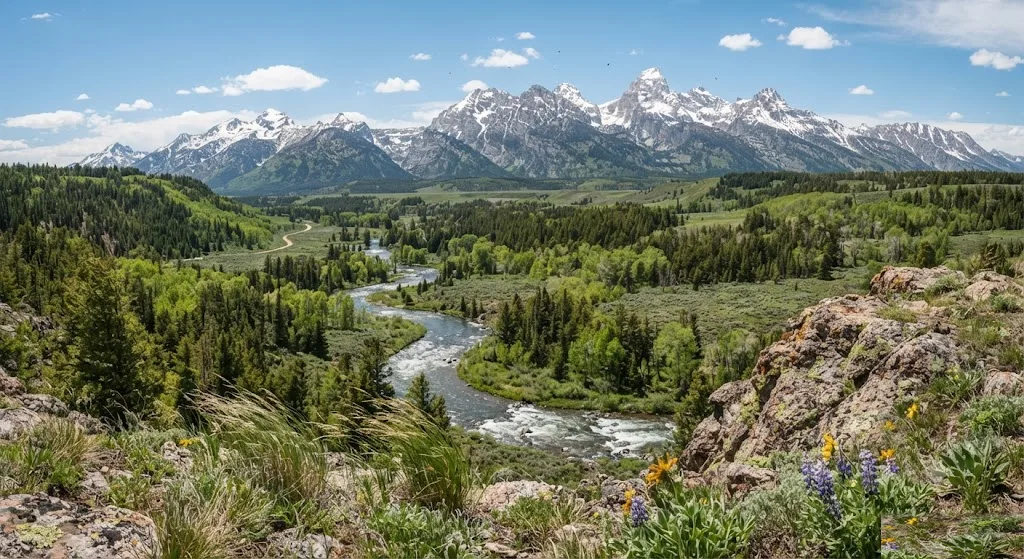
Welcome to our comprehensive guide to the Bridger-Teton National Forest Wyoming, a vast and vital wilderness that serves as an essential buffer for the Greater Yellowstone Ecosystem. Spanning over 3.4 million acres, this incredible landscape offers unparalleled opportunities for adventure, solitude, and wildlife viewing. Our team at Roam States has explored its depths to bring you the most confident and specific advice for planning your trip, ensuring you experience the best of this magnificent corner of Wyoming without any generic fluff.
Why Visit Bridger-Teton National Forest
The Bridger-Teton National Forest is more than just a beautiful expanse; it's a critical component of the largest intact ecosystem in the lower 48 states, the Greater Yellowstone Ecosystem. Here, you'll find a wilderness that truly lives up to its name, offering pristine watersheds, abundant wildlife, and immense wildlands that beckon to the intrepid traveler. We believe it's an essential stop for anyone exploring Wyoming, providing a less crowded, yet equally spectacular, alternative or addition to its famous national parks.
What draws us back repeatedly are the unparalleled opportunities for genuine outdoor recreation. With nearly 1.2 million acres of designated Wilderness, over 3,000 miles of roads and trails, and thousands of miles of unspoiled rivers and streams, the Bridger-Teton offers something for every type of adventurer. From the jagged granite peaks of the Wind River Range to the unique geological features of the Gros Ventre Wilderness, the forest presents a diverse tapestry of natural wonders. It’s a place where you can truly disconnect and immerse yourself in nature, whether you're seeking challenging alpine climbs or peaceful riverside strolls.
Who It's Best For
The Bridger-Teton National Forest caters to a wide array of visitors, making it a versatile destination for many. It's ideal for:
- Serious Backpackers and Hikers: With its extensive trail networks and three designated wilderness areas—the Bridger, Gros Ventre, and Teton Wildernesses—it offers everything from challenging multi-day alpine adventures to moderate day hikes.
- Wildlife Enthusiasts: The forest is home to a diverse range of wildlife, including elk, moose, deer, bighorn sheep, bald eagles, coyotes, sandhill cranes, and trumpeter swans. It's a prime location for wildlife viewing, especially during the spring and summer months.
- Anglers and Water Sports Lovers: The thousands of miles of unspoiled rivers and streams, including the famous Snake River, provide world-class fishing, boating, and whitewater rafting opportunities.
- Families Seeking Outdoor Adventures: Many campgrounds offer a comfortable base for exploring, and trails vary in difficulty, ensuring options for all ages and fitness levels. Activities like horseback riding, picnicking, and exploring natural hot springs add to the family-friendly appeal.
- Those Seeking Solitude: Compared to its more famous neighbors, Grand Teton National Park and Yellowstone National Park, the Bridger-Teton offers vast stretches of less-traveled wilderness, perfect for finding peace and quiet.
Getting There & Parking
Understanding how to get to Bridger-Teton National Forest is key to a smooth trip. This massive forest occupies a significant portion of northwestern Wyoming, bordering both Yellowstone National Park and Grand Teton National Park to the north.
The most common gateway town is Jackson, Wyoming, which is completely surrounded by the Bridger-Teton National Forest. U.S. Highways 26, 89, and 191 all traverse parts of the forest, providing scenic access. If you're coming from Cheyenne, you can take US-80 to US-191, reaching the forest's edge in about six hours. From Boise, I-84 west will get you there in just under six hours. US-26 will lead you into the heart of the forest without too many issues, but be prepared for curvy mountain roads if you plan to reach more remote areas.
Parking throughout the Bridger-Teton National Forest varies by location and activity. Developed trailheads and campgrounds typically offer designated parking areas. For popular spots like Cache Creek near Jackson, expect well-used lots. Our team advises checking the specific ranger district for the area you plan to visit for the most up-to-date information on parking availability and any potential fees or restrictions. For instance, temporary traffic delays on Cache Creek Road were scheduled between May 25 and May 28, 2026, for annual road maintenance, so always check for current alerts. Some areas, especially for dispersed camping, may require high-clearance vehicles due to rough mountain roads.
Expert Verdict: While much of the forest is accessible, many of the more secluded campgrounds and trailheads can be challenging to reach, especially with larger RVs or during winter. Always consult a Motor Vehicle Use Map (MVUM) for the specific ranger district you intend to explore to understand road conditions and restrictions, particularly for off-road travel.
Top Things to Do
The sheer scale of the Bridger-Teton National Forest means there's an endless list of things to do at Bridger-Teton National Forest, catering to every outdoor passion. From heart-pounding adventures to tranquil escapes, we’ve found that the forest truly lives up to its reputation as a recreational paradise.
- Wildlife Viewing: The forest is a haven for wildlife. Keep an eye out for moose, elk, deer, grizzly bears, bighorn sheep, and a myriad of bird species. The National Elk Refuge, which borders the forest, is a prime spot, especially in winter.
- Scenic Drives: Explore the vastness of the forest by car. Routes like the Gros Ventre Road offer stunning vistas and access to unique geological features like the Gros Ventre Slide, a massive landslide that occurred in 1925.
- Whitewater Rafting and Boating: The Snake River Canyon is world-renowned for its whitewater rafting and kayaking, offering both thrilling rapids and calmer sections for a scenic float. Permits are required for use of the Snake River from May 1 through November 1, with day passes available at electronic pay stations for $5 per vehicle or season passes for $40 (or two for $60) on Recreation.gov. Groups of 16-30 people require timed launch reservations on Recreation.gov.
- Mountain Biking: Areas like Cache Creek and Snow King Mountain near Jackson offer extensive networks of mountain bike trails, popular with locals and visitors alike. Teton Pass also boasts excellent mountain biking opportunities.
- Hot Springs: Relax and rejuvenate at Granite Hot Springs, nestled deep within the Gros Ventre Mountains. It features both a developed swimming pool and natural soaking pool, accessible for a small fee during summer (typically May 20 – Oct 31) and winter (Dec 6 – Apr 3), though winter access is limited to snowmobile, skis, or fat bikes.
- Winter Sports: When the snow falls, the forest transforms into a winter wonderland. Opportunities for snowshoeing, cross-country skiing, and snowmobiling abound. Portions of the forest are also home to permitted ski resorts like Jackson Hole Mountain Resort and Snow King Mountain.
Bridger-Teton National Forest Hiking Trails
For many, the primary draw of the Bridger-Teton National Forest Wyoming is its incredible network of hiking trails. With over 2,200 miles of trails and 34 designated trailheads, the Bridger-Teton National Forest hiking trails offer everything from easy strolls to challenging alpine expeditions. We always recommend consulting a detailed map and checking current conditions before heading out, as trail difficulties and accessibility can vary significantly.
Some of our favorite Bridger-Teton National Forest hiking trails include:
- Cache Creek (Hagen Trail): Located near downtown Jackson, this area features a dense network of trails popular for hiking, running, and mountain biking. It's an excellent option for a quick escape into nature with varied terrain.
- Teton Pass Summit: Offering stunning views of Jackson Hole and the Teton Valley, Teton Pass is a fantastic starting point for several hiking trails. Trails like the Ski Lake Trail can be accessed from here.
- Goodwin Lake Trail: Accessible through Curtis Canyon, this trail provides a beautiful hike that can be combined with a dip in an alpine lake.
- Sacred Rim – Wind River Range: An easy 3.5-mile (5.6 km) trail that offers panoramic views of the Wind River Peaks, taking approximately 1 hour and 34 minutes to complete.
- Pole Creek Trail to Photographer's Point – Wind River Range: This moderate 9.4-mile (15.2 km) path is renowned for its iconic wilderness views and abundant wildflowers.
- Elkhart Park to Seneca Lakes – Wind River Range: A longer, 17.7-mile (28.5 km) trail that leads through glacier-carved valleys and past alpine lakes, often taking about 8 hours and 8 minutes to complete. This trail is considered more challenging, requiring good fitness and sure-footedness.
Expert Verdict: Remember that elevations in the Bridger Wilderness, part of the Bridger-Teton, range from 8,000 to over 13,000 feet, providing a challenging high-altitude environment. Be prepared for varying conditions and always carry adequate water and supplies.
Bridger-Teton National Forest Camping
For those who truly want to immerse themselves in the wilderness, Bridger-Teton National Forest camping offers an array of options. The forest provides 32 campgrounds with various amenities, from developed sites with some facilities to primitive backcountry spots, ensuring there's a camping style for everyone.
Many campgrounds operate on a first-come, first-served basis, but several are reservable via Recreation.gov. As of May 1, 2026, campsites in four concession-operated campgrounds in the Jackson and Blackrock ranger districts—Atherton Creek, Granite Creek, East Table, and Turpin Meadow—became reservable on Recreation.gov for the 2026 operating season. Reservations can be made up to four days before arrival and continue on a rolling six-month basis. We strongly recommend making reservations well in advance for peak season visits.
Popular Bridger-Teton National Forest camping spots include:
- Atherton Creek Campground: Situated near Palisades Reservoir, offering picnic tables and mountain views. It's also home to the Atherton Creek Boating Site, providing access to Slide Lake.
- Granite Creek Campground: Located near the natural hot springs, allowing campers to soak after a day of outdoor activities.
- Turpin Meadow Campground: A rustic site with 14 standard sites, no hookups, but with fire pits, picnic tables, and drinking water access. It accommodates RVs and trailers up to 66 feet in length.
- Curtis Canyon Campground: Offers larger sites with bear boxes and grills, along with toilets and water.
- Dispersed Camping: For the adventurous seeking solitude, dispersed camping is widely available throughout the forest. Always check Motor Vehicle Use Maps (MVUMs) for specific regulations and restrictions in the area you plan to visit. Shadow Mountain Dispersed Camping, near Kelly, is a popular free option with remarkable views of the Grand Tetons, though upper sites require high-clearance vehicles. Green River Lakes Road also offers stunning free dispersed camping.
Expert Verdict: Always be aware of food storage regulations due to bear activity, especially in developed campgrounds where bear boxes are often provided. Additionally, winter wildlife restrictions are in effect through May 1 at 6 a.m. in certain areas, so plan accordingly for early season trips.
Best Time to Visit
Determining the best time to visit Bridger-Teton National Forest largely depends on the activities you have in mind. Each season offers a distinct experience, but our team generally recommends late spring through early fall for the widest range of opportunities.
- Summer (June-August): This is peak season, and for good reason. Most roads and trails are open, making it ideal for hiking, camping, fishing, and whitewater rafting. The weather is generally warm and pleasant, though afternoon thunderstorms can occur. Wildflowers are abundant in the meadows. Expect more crowds, especially near popular trailheads and campgrounds.
- Fall (September-October): A truly spectacular time to visit, as the aspen and cottonwood trees turn brilliant shades of gold. Crowds begin to thin, and wildlife activity increases as animals prepare for winter. Hunting is a major draw in the fall. Be prepared for cooler temperatures and potential early snow at higher elevations.
- Spring (May-early June): This shoulder season offers a chance to see the forest awaken. Snowmelt feeds rivers, making for exciting whitewater, and wildlife, including deer, moose, and antelope, are highly visible. Many roads and trails at higher elevations may still be closed due to snow, and winter wildlife closures remain in effect until May 1 at 6 a.m. in some areas.
- Winter (November-April): While challenging, winter in the Bridger-Teton offers unique beauty and opportunities for snow sports like skiing, snowshoeing, and snowmobiling. Access to some areas, like Granite Hot Springs, is limited to over-snow travel. Many roads are closed, and winter travel restrictions are in place to protect wildlife.
Expert Verdict: For a balance of good weather, fewer crowds, and vibrant fall colors, we consider late September to be an exceptional time to visit. However, if you're aiming for extensive hiking in the high country, mid-July through August is your best bet.
Where to Stay Nearby
While Bridger-Teton National Forest offers extensive camping opportunities, many visitors prefer to stay in nearby towns, especially if they plan to explore other regional attractions or prefer more amenities. We've identified several excellent options:
- Jackson, Wyoming: As the closest major town, Jackson is completely surrounded by the Bridger-Teton National Forest and serves as a bustling hub for outdoor enthusiasts. It offers a wide range of accommodations, from luxury resorts to more budget-friendly motels, along with numerous restaurants, shops, and art galleries. It's also the busiest airport in Wyoming. From Jackson, you have easy access to areas like Cache Creek, Teton Pass, and the National Elk Refuge. We highly recommend spending some time exploring Jackson Hole Town Square.
- Pinedale, Wyoming: Located to the south of the forest, Pinedale is a smaller, more laid-back town that offers excellent access to the Bridger Wilderness and the Wind River Range. It's a great base for exploring the Green River Lakes area and offers a more authentic Western experience. You'll find a selection of hotels, cabins, and RV parks here.
- Moran, Wyoming: Situated near the northern part of the forest and close to the entrance of Grand Teton National Park, Moran offers a more remote feel with lodges and cabins. It's a strategic location for those looking to combine their Bridger-Teton adventure with visits to the national parks.
- Dubois, Wyoming: East of the forest, Dubois offers a "real cowboy" experience between the Wind River and Absaroka Mountains. It's a good option for those exploring the eastern sections of the Bridger-Teton.
- Afton, Wyoming: Located in the western part of the forest, Afton is known for the unique Periodic Spring, North America's only cold-water geyser. It provides access to the Wyoming Range and offers a quieter base.
Sample 2-Day Itinerary
To help you make the most of your visit to Bridger-Teton National Forest, our team has crafted a sample 2-day itinerary focusing on a mix of iconic sights and immersive experiences, primarily based out of Jackson, Wyoming.
Day 1: Teton Views & Riverside Adventures
- Morning (8:00 AM - 12:00 PM): Teton Pass Hiking & Views. Start your day with a drive up to Teton Pass Summit. Take in the panoramic views of Jackson Hole and the Teton Valley. Choose one of the shorter, scenic hikes from the pass, such as a portion of the Ski Lake Trail, to get your legs moving and enjoy the alpine air.
- Lunch (12:00 PM - 1:30 PM): Picnic with a View. Pack a picnic lunch to enjoy at a scenic overlook along Teton Pass or find a spot near the Snake River.
- Afternoon (1:30 PM - 5:00 PM): Snake River Whitewater Rafting. Head to the Snake River Canyon for a thrilling whitewater rafting trip. Many outfitters operate guided tours, offering an exciting way to experience the river's unique geology and rapids. Remember that Snake River permits are required from May 1 through November 1, with day passes available for $5 per vehicle.
- Evening (5:00 PM onwards): Explore Jackson. Return to Jackson for dinner at one of its many acclaimed restaurants. Afterwards, take a stroll around Jackson Hole Town Square, soak in the Western atmosphere, and perhaps browse some local shops.
Day 2: Hot Springs & Gros Ventre Wilderness
- Morning (8:30 AM - 12:00 PM): Granite Hot Springs. Drive south of Jackson into the Gros Ventre Mountains to reach Granite Hot Springs. Spend a relaxing morning soaking in the natural hot spring pool, surrounded by dense forest. Facilities include vault toilets, picnic tables, and changing rooms.
- Lunch (12:00 PM - 1:30 PM): Lunch at Granite Creek. Enjoy a packed lunch at the picnic tables available at Granite Hot Springs or the nearby Granite Creek Campground.
- Afternoon (1:30 PM - 5:00 PM): Gros Ventre Slide & Wildlife Drive. Explore the unique geological site of the Gros Ventre Slide, located 18 miles northeast of Jackson. An interpretive trail winds through the area, explaining the history and ecology of this massive landslide. Afterward, take a scenic drive through the Gros Ventre Wilderness, keeping an eye out for moose, elk, and other wildlife.
- Evening (5:00 PM onwards): Farewell Dinner. Head back towards Jackson or a nearby town for a final dinner, reflecting on your adventures in the Bridger-Teton National Forest.
Is It Worth Visiting?
Absolutely, the question "is Bridger-Teton National Forest worth visiting?" can be answered with a resounding yes from our team. While it often stands in the shadow of its more famous national park neighbors, the Bridger-Teton National Forest offers an equally, if not more, authentic and expansive wilderness experience. It provides over 3.4 million acres of buffer wilderness, protecting the Greater Yellowstone Ecosystem from aggressive development, and offers a vast, diverse landscape for exploration.
We find that the Bridger-Teton provides a crucial balance: incredible natural beauty and abundant recreational opportunities without the intense crowds often found in Grand Teton National Park or Yellowstone National Park. Whether you're seeking challenging hikes, serene camping, thrilling river adventures, or simply a chance to observe wildlife in its natural habitat, the forest delivers. The ability to find solitude amidst such grandeur is a rare and valuable commodity in today's travel landscape, making it an unequivocally worthwhile destination for any discerning traveler to Wyoming.
things to do in Western Wyoming
Western Wyoming is an adventurer's dream, and the Bridger-Teton National Forest is at its heart. Beyond the forest, you can explore Grand Teton National Park for iconic mountain views and wildlife, or venture north to Yellowstone National Park for its geothermal wonders. The town of Jackson offers world-class skiing in winter and a vibrant arts scene in summer. You can also visit the National Elk Refuge, go fly fishing on the Green River, or discover the unique Periodic Spring near Afton. For a deeper dive into the region's history, consider a trip to the Buffalo Bill Center of the West in Cody, though it's a bit further east.
Bridger-Teton National Forest with kids
Visiting Bridger-Teton National Forest with kids is a fantastic way to introduce them to the wilderness. We recommend family-friendly activities like easy hikes on trails such as Cache Creek, picnicking at scenic spots, and wildlife viewing (moose, elk, and deer are common). Granite Hot Springs offers a fun and relaxing experience for all ages. Many developed campgrounds provide amenities like vault toilets and picnic tables, making camping with children more comfortable. Always be mindful of bear safety and educate children on respecting wildlife.
Bridger-Teton National Forest tips
Our top Bridger-Teton National Forest tips include planning ahead, especially for camping reservations during peak season (May 1, 2026, reservations for some campgrounds opened on Recreation.gov). Always check current conditions and alerts on the official Forest Service website for road closures, fire restrictions, or temporary area closures, such as the Kinky Creek Fire closure in June 2026. Carry bear spray and know how to use it, practice Leave No Trace principles, and be prepared for rapidly changing weather, especially at higher elevations. For activities like floating the Snake River, ensure you have the necessary permits.
Bridger-Teton National Forest parking
Bridger-Teton National Forest parking is generally available at developed trailheads and campgrounds. However, during peak season, popular spots like Cache Creek or Teton Pass can fill up quickly. For dispersed camping, you may need a high-clearance vehicle to access certain areas. Always adhere to posted parking regulations and avoid blocking roads or damaging vegetation. Temporary traffic delays for road maintenance, such as those on Cache Creek Road in May 2026, can occur, so check for alerts.
best time to visit Bridger-Teton National Forest
The best time to visit Bridger-Teton National Forest for most activities is from late spring to early fall. Summer (June-August) offers the warmest weather and full access to trails and rivers. Fall (September-October) brings stunning foliage and excellent wildlife viewing with fewer crowds. Spring (May-early June) is ideal for seeing wildlife and experiencing snowmelt-fed rivers, but some higher elevation areas may still be snow-covered or subject to winter wildlife closures until May 1. Winter (November-April) is best for snow sports enthusiasts.
Bridger-Teton National Forest hours and fees
The Bridger-Teton National Forest generally does not have set "hours" as it is a vast public land, accessible 24/7. However, specific facilities like ranger district offices, visitor centers, and developed campgrounds will have operating hours, which can vary seasonally. There are no general entrance fees to the Bridger-Teton National Forest itself, unlike national parks. However, specific activities and areas do incur fees or require permits. For example, a day pass for the Snake River Recreation Area costs $5 per vehicle, or a season pass is $40 (two for $60) from May 1 through November 1. Groups of 16-30 people also need timed launch reservations for the Snake River. Bridger Wilderness permits are required for group use and overnight stock use in the Bridger Wilderness Area. Campsite reservations can be made on Recreation.gov, with some sites in the Jackson and Blackrock ranger districts becoming reservable as of May 1, 2026. Firewood permits are available for $7 per cord, with a minimum purchase of five cords for $35. Fees are waived on certain fee-free days, such as Memorial Day (May 25, 2026) and Independence Day (July 4, 2026), though a $2 reservation fee still applies.
The Bridger-Teton National Forest Wyoming is a truly magnificent destination, offering a breadth of experiences that can satisfy any traveler's craving for adventure and natural beauty. From its towering peaks and pristine rivers to its abundant wildlife and vast, untamed wilderness, it stands as a testament to the enduring wild spirit of the American West. Our team encourages you to plan your visit with care, respect its delicate ecosystems, and prepare to be awe-inspired by this extraordinary landscape.
Last updated: 2026-07-08 by the Roam States team.