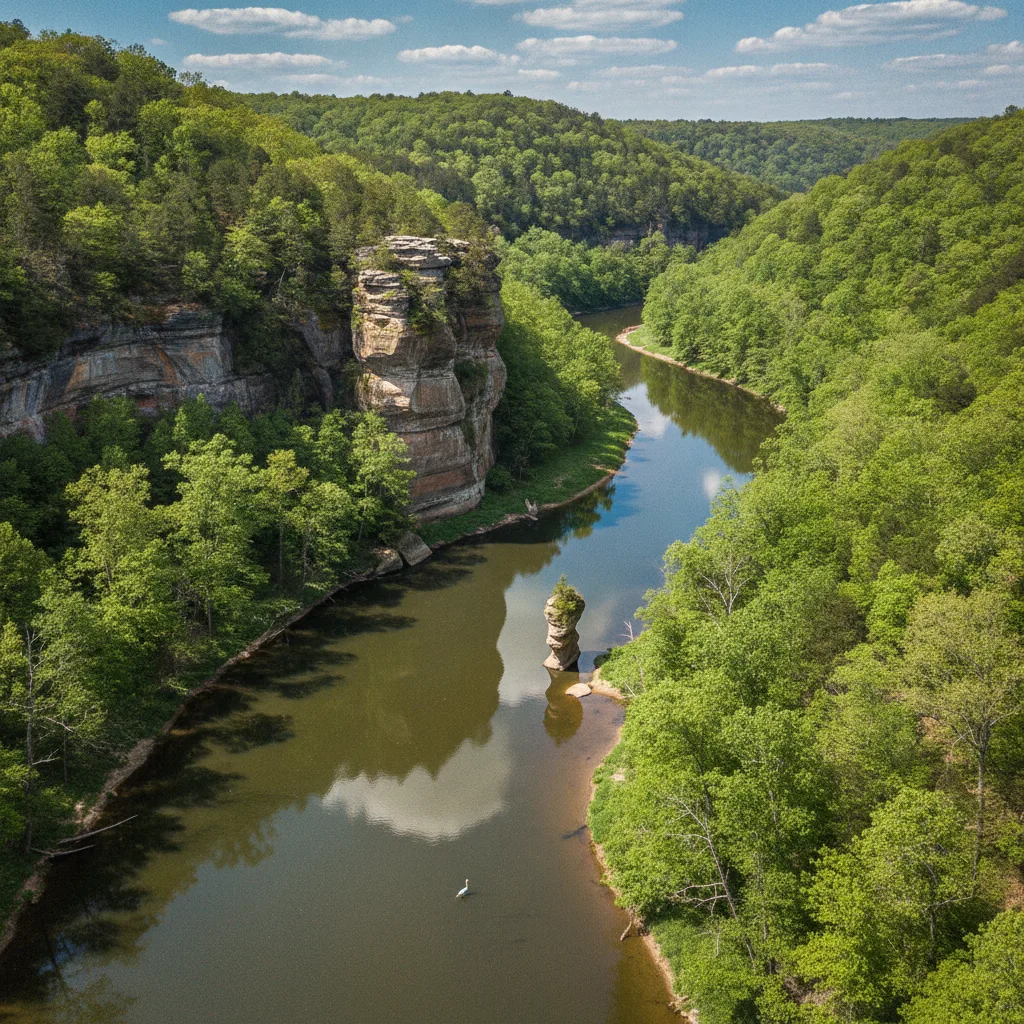
As the Visit America editorial team, we're here to cut through the noise and deliver the definitive guide to exploring the Buffalo National River Arkansas.
Why Visit Buffalo National River
The Buffalo National River isn't just another waterway; it's a testament to raw, untamed natural beauty, carving its path through the ancient Ozark Mountains. We believe it's a must-visit for anyone seeking an authentic wilderness experience without sacrificing accessibility. Here, the river flows free, undammed for its entire 151-mile length, offering crystal-clear waters, towering limestone bluffs, and an incredible diversity of wildlife. It's a place where you can truly disconnect, immerse yourself in nature, and create memories that will last a lifetime.
Beyond its stunning scenery, the Buffalo National River provides a playground for outdoor enthusiasts. From exhilarating whitewater paddling in the spring to serene floating in the summer, and world-class hiking year-round, there's an activity for every adventurer. Our team has explored these waters and trails extensively, and we can confidently say that the sense of peace and wonder you'll find here is unparalleled. It's an escape from the ordinary, a chance to witness nature in its purest form, and a vital part of what makes Arkansas truly "The Natural State."
Who It's Best For
The Buffalo National River caters to a surprisingly diverse range of travelers. For the avid paddler, the upper district of the river offers challenging whitewater in the spring, while the middle and lower districts provide more gentle floats suitable for families and beginners throughout much of the year.
Hikers will find trails ranging from easy riverside strolls to strenuous climbs offering panoramic views. Families with older children will particularly enjoy the combination of floating, swimming, and exploring the many caves and waterfalls. It's also a prime destination for photographers, birdwatchers, and anyone seeking solitude and natural beauty. However, those looking for bustling resort towns or extensive amenities might find the Buffalo National River a bit too rustic. This is a place for those who appreciate the wild, are prepared for limited cell service in many areas, and are ready to embrace outdoor living.
Getting There & Parking
Understanding how to get to Buffalo National River is crucial for planning your trip, as the park is long and narrow, with various access points scattered across the Ozarks. The main park visitor center is located at Tyler Bend, approximately eight miles north of Marshall, Arkansas, on Highway 65. Other key access points include Ponca, Pruitt, Kyle's Landing, Erbie, Rush, and Buffalo Point.
We recommend using a reliable GPS system, but always have a physical map as a backup, as cell service can be spotty in the more remote areas. The park does not charge an entry fee, so you won't encounter toll booths upon arrival.
Buffalo National River Parking
Parking at Buffalo National River access points can vary. Many popular trailheads and river access points have designated parking lots, but these can fill up quickly, especially during peak season (spring and fall weekends). We've seen a draft River Management Plan for 2026 that proposes adding approximately 320 parking spots and improving existing areas at locations like Hasty, Gilbert, and Rush Landing to better accommodate visitors and concessioner services. However, it's always wise to arrive early, especially if you plan to float or hike a popular trail.
For those utilizing outfitter services for floating, many will provide shuttle services, eliminating the need to move your personal vehicle. However, note that private vehicle shuttling by canoe and kayak concessioners will no longer be allowed by the start of 2026. Instead, concessioners will focus on providing vessel rentals and transportation services. Some outfitters, like Buffalo Outdoor Center, still offer vehicle shuttle services for hikers for a fee. Always confirm shuttle arrangements with your chosen outfitter in advance.
Top Things to Do
When it comes to things to do at Buffalo National River, the options are as diverse as the landscape itself. Our team's top recommendation is, of course, getting on the river. Whether you prefer a canoe, kayak, or raft, floating the Buffalo offers unparalleled views of towering bluffs, hidden waterfalls, and abundant wildlife. The upper district, particularly the Ponca to Kyle's Landing section, is renowned for its scenic beauty and is the most popular float, typically best from March through June, sometimes extending into July depending on rainfall.
Beyond floating, there are countless other things to do at Buffalo National River. Hiking is a year-round activity, with trails leading to iconic landmarks like Hemmed-In Hollow Falls, the tallest waterfall between the Rockies and the Appalachians, and Big Bluff, offering breathtaking vistas. We also highly recommend exploring some of the park's historic homesteads and prehistoric sites, which offer a glimpse into the rich cultural history of the Ozarks. Fishing is excellent, with 135 miles of river teeming with various fish species. For those seeking a unique experience, horseback riding on designated trails and stargazing in the park's dark skies are also popular activities.
Best Time to Visit
The best time to visit Buffalo National River largely depends on your desired activities. For prime floating conditions, especially in the upper district, we recommend spring (March to June). This is when rainfall is most consistent, ensuring higher water levels for an exhilarating paddle.
Summer (July and August) offers warmer water temperatures perfect for swimming and more leisurely floats, typically in the middle and lower sections of the river, which are less dependent on recent rainfall. However, summer can also bring larger crowds and hotter temperatures.
Fall is arguably the most picturesque time, with vibrant foliage transforming the landscape into a painter's palette. Hiking is exceptional during this season, with cooler temperatures and fewer insects. Winter offers a serene, solitary experience, with opportunities for quiet hikes and observing wildlife, though many park services and water systems are shut down, and some campgrounds are primitive. Remember that a prescribed burn in the Lower Buffalo Wilderness will temporarily close some areas to hikers and horseback riders from February 22 through March 23, 2026, though the river corridor remains open.
Where to Stay Nearby
While the Buffalo National River offers ample camping opportunities, our team understands that not everyone prefers to rough it. For those seeking more comfortable accommodations, several charming towns near the park offer a variety of lodging options, from cozy cabins to bed and breakfasts and even a few hotels.
Ponca, located in the upper district, is a popular gateway town known for its outfitters and cabin rentals, providing convenient access to some of the most scenic sections of the river. Jasper, the "Elk Capital of Arkansas," is another excellent choice, offering a small-town feel with local eateries and shops, and is a good base for exploring the central part of the park. Further afield, but still within a reasonable drive, you'll find larger towns like Harrison to the north and Marshall to the south, which offer more extensive services and lodging choices.
For a unique cultural experience, consider a stay in Eureka Springs Historic District, about an hour's drive northwest of the upper Buffalo. This Victorian-era town is famous for its preserved architecture, art galleries, and unique shops. If you're planning a broader Arkansas adventure, you might also consider combining your Buffalo National River trip with a visit to Hot Springs National Park or even Crater of Diamonds State Park, though these are further drives.
Sample 2-Day Itinerary
To help you make the most of your visit, our team has crafted a sample 2-day itinerary focusing on the iconic upper district of the Buffalo National River, known for its dramatic bluffs and popular floating. This itinerary assumes you're arriving the evening before or early on Day 1.
Day 1: Iconic Floats & Scenic Views
- **Morning (9:00 AM - 1:00 PM):** Begin your day with the quintessential Buffalo National River experience: a float from Ponca to Kyle's Landing. This 10.7-mile stretch is widely considered the most scenic, taking approximately 4 to 6 hours, depending on river levels and how often you stop. You'll drift past majestic Big Bluff and the towering bluffs that define the upper river. Remember to reserve your canoe or kayak in advance, especially for May weekends.
- **Lunch (1:00 PM - 2:00 PM):** Pack a picnic to enjoy on a gravel bar along the river. This is a classic Buffalo experience and allows for maximum immersion in nature.
- **Afternoon (2:00 PM - 5:00 PM):** After your float, head to the Boxley Valley to search for the wild elk herd. They are often seen grazing in the fields, particularly in the late afternoon. This area is also home to the historic Boxley Grist Mill.
- **Evening:** Enjoy dinner at a local eatery in Jasper or Ponca, then unwind at your chosen accommodation.
Day 2: Hiking to Hemmed-In Hollow & Panoramic Vistas
- **Morning (9:00 AM - 2:00 PM):** Embark on one of the most rewarding Buffalo National River hiking trails: the trek to Hemmed-In Hollow Falls. There are a few ways to access it, but a popular, strenuous option is via the Centerpoint Trailhead, which also offers stunning views of Big Bluff. The hike can be challenging, so bring plenty of water and snacks.
- **Lunch (2:00 PM - 3:00 PM):** Enjoy a late lunch in Jasper or at a picnic spot with a view.
- **Afternoon (3:00 PM - 5:00 PM):** Explore another one of the Buffalo National River hiking trails, such as the Lost Valley Trail near Ponca. This shorter, easier hike leads to caves and a natural bridge, perfect for a less strenuous afternoon.
- **Evening:** Reflect on your adventure and perhaps enjoy a final Ozark sunset.
Buffalo National River Hiking Trails
The Buffalo National River boasts over 100 miles of trails, offering a diverse range of experiences for every skill level. Our team has traversed many of these, and we can attest to the incredible beauty and solitude they provide. When exploring Buffalo National River hiking trails, always carry water, wear appropriate footwear, and be aware of weather conditions and potential wildlife.
Some of the most iconic Buffalo National River hiking trails include:
- **Hemmed-In Hollow Trail:** As mentioned in our itinerary, this is a challenging but incredibly rewarding hike leading to the tallest waterfall between the Rockies and the Appalachians. Access is typically from the Centerpoint Trailhead.
- **Lost Valley Trail:** A shorter, family-friendly loop near Ponca, featuring a natural bridge, caves (bring a flashlight!), and a beautiful waterfall.
- **Goat Trail to Big Bluff:** Accessible from the Centerpoint Trailhead, this trail offers breathtaking, albeit vertigo-inducing, views from the top of Big Bluff, the tallest sheer bluff face between the Rockies and the Appalachians.
- **Indian Rockhouse Trail:** Located near the Tyler Bend Visitor Center, this moderate loop trail leads to a large rock shelter, offering insights into early human habitation in the area.
- **Buffalo River Trail (BRT):** For serious backpackers, sections of the BRT offer multi-day treks through remote wilderness, connecting various access points along the river.
Always check current trail conditions and any alerts, such as the temporary closure in the Lower Buffalo Wilderness for a prescribed burn from February 22 through March 23, 2026, which affects some hiking and horseback riding in that specific area.
Buffalo National River Camping
Camping is an integral part of the Buffalo National River experience, allowing visitors to fully immerse themselves in the natural environment. Our team has compiled the latest 2026 information to ensure your Buffalo National River camping trip is well-planned.
Significant changes have been implemented for the 2026 season regarding Buffalo National River camping reservations. As of March 13, 2026, reservations are required for all campsites at popular developed campgrounds including Steel Creek, Ozark, Carver, Tyler Bend, and Rush. These reservations must be made through Recreation.gov or by calling 877-444-6777. Cash and check payments are no longer accepted at these specific campgrounds. Furthermore, Kyle's Landing and Erbie Campgrounds will also require reservations for all individual campsites starting September 1, 2026. Reservations can be made up to six months in advance, or on the same day if sites are available.
For those seeking a more primitive experience, backcountry camping (such as at Woolum and Spring Creek) remains first-come, first-served, with no fees or permits required. Some campsites at Buffalo Point also remain first-come, first-served. Developed campsites typically cost between $16 and $20 per night during the season (approximately March 15 to November 14). During the winter months (approximately November 15 to March 14), primitive camping is available at all campgrounds with no fees, though water systems are winterized.
Remember that cell service is often limited in many areas of the park, so making your reservations before arrival is highly recommended.
Is It Worth Visiting?
Without a doubt, our team believes the Buffalo National River is worth visiting. Its designation as America's first national river speaks volumes about its unique ecological and scenic value. For those who cherish unspoiled nature, outdoor adventure, and a chance to disconnect from the digital world, this park offers an unparalleled experience.
Is Buffalo National River worth visiting for every type of traveler? Perhaps not for those who prefer urban attractions or luxury resorts. But for anyone drawn to the tranquility of a free-flowing river, the challenge of a rewarding hike, or the simple beauty of an Ozark sunset, the answer is a resounding yes. The park's commitment to preserving its wild character means you'll encounter pristine landscapes and abundant wildlife, a rarity in today's world. We encourage you to experience the Buffalo National River for yourself and discover why it holds such a special place in the hearts of so many.
FAQ
things to do in Ozark Mountains
Beyond the Buffalo National River, the Ozark Mountains offer a wealth of activities. Our team suggests exploring other natural wonders like Mount Magazine State Park, Arkansas's highest point, or the stunning Crystal Bridges Museum of American Art for a cultural interlude. You can also visit charming towns like Eureka Springs for its unique Victorian architecture and arts scene. The region is also popular for fishing, mountain biking, and exploring numerous other state parks and wilderness areas. For history buffs, a visit to Little Rock Central High School National Historic Site offers a profound look into American history, though it's a longer drive from the Buffalo National River area.
Buffalo National River with kids
Visiting Buffalo National River with kids can be a fantastic family adventure. We recommend focusing on the middle and lower sections of the river for gentler floats, which are often floatable year-round. Many outfitters, like Wild Bill's Outfitter, recommend children be at least 5 years old for floating, and 12 years or older at higher water levels, with all children under 12 required to wear a personal flotation device (PFD) by state law. Shorter, easier hiking trails like the Lost Valley Trail are perfect for younger explorers, offering caves and a natural bridge. Ranger programs, offered Memorial Day through Labor Day, include junior ranger activities, guided hikes, and evening programs, which can be very engaging for children. Remember to pack plenty of snacks, water, and sunscreen, and be prepared for limited cell service.
Buffalo National River tips
Our top Buffalo National River tips include planning ahead, especially for camping and floating during peak season. Make campground reservations well in advance through Recreation.gov, as many developed sites now require them. Always check river levels before floating, as conditions can change rapidly and are rainfall-dependent. Pack layers of clothing, as temperatures can fluctuate, and bring waterproof bags for electronics and valuables if you're floating. Be prepared for limited to no cell service in many areas. Practice Leave No Trace principles to help preserve this pristine environment, including packing out all trash and respecting wildlife. Finally, consider visiting during the shoulder seasons (late spring/early fall) for fewer crowds and pleasant weather.
Buffalo National River parking
Buffalo National River parking is available at various access points and trailheads throughout the park. While there is no entry fee, parking lots can fill up quickly, particularly on busy weekends. We advise arriving early to secure a spot. The National Park Service is exploring options to increase parking capacity, with a draft plan for 2026 proposing an additional 320 spots and improvements at key access points like Hasty, Gilbert, and Rush Landing. If you're using a commercial outfitter for floating, they will often handle shuttle logistics, which can alleviate parking concerns. However, private vehicle shuttling by concessioners ceased at the start of 2026.
best time to visit Buffalo National River
As the Visit America team, we consider the best time to visit Buffalo National River to be spring (March-June) for active floating and vibrant wildflowers, or fall (September-November) for stunning foliage and ideal hiking weather. Spring offers higher water levels for paddling, especially in the upper river. Fall provides cooler temperatures, fewer insects, and breathtaking autumn colors. Summer is great for swimming and warmer weather floats in the middle and lower sections. Winter offers solitude and unique frosty landscapes, though services are limited. Always check current conditions and any park alerts or closures before your trip, such as the prescribed burn closure in parts of the Lower Buffalo Wilderness from February 22 to March 23, 2026.
Buffalo National River hours and fees
The Buffalo National River itself is open 24 hours a day, year-round, and there is no entry fee to access the park. However, specific facilities have operating hours and fees. The Tyler Bend Visitor Center is open Thursday-Saturday and Sunday-Monday from 8:30 AM to 4:00 PM, but closed on Tuesdays and Wednesdays. It will also be closed on Thanksgiving Day (November 26, 2026), Christmas Day (December 25, 2026), and New Year's Day (January 1, 2027).
Regarding fees, while there's no entrance fee, campground fees apply during the peak season, typically from March 15 to November 14. Developed individual campsites generally cost between $16 and $20 per night. Backcountry camping is free and does not require permits. Remember that many developed campgrounds now require advance reservations through Recreation.gov, and cash/check payments are no longer accepted for these sites.
Our team at Visit America wholeheartedly endorses the Buffalo National River as a premier US travel destination. Its designation as America's first national river is well-earned, offering an unparalleled blend of natural beauty, outdoor adventure, and tranquil escape. From the exhilarating spring floats to the serene autumn hikes, the Buffalo provides a unique opportunity to connect with nature in its purest form. With a bit of planning, especially regarding the new 2026 camping reservation system, your journey to this Arkansas gem will undoubtedly be a highlight of your travels.
Last updated: 2026-07-05 by the Visit America team.