Cache River State Natural Area Travel Guide — Illinois
Our Cache River State Natural Area guide covers practical planning for Cache River State Natural Area Illinois — best time to visit, getting there, and what to do on the ground. This unique wetland paradise in Southern Illinois is renowned for its ancient cypress trees, diverse wildlife, and unparalleled opportunities for kayaking and birdwatching, offering a distinct experience unlike anywhere else in the state.
Why Visit Cache River State Natural Area
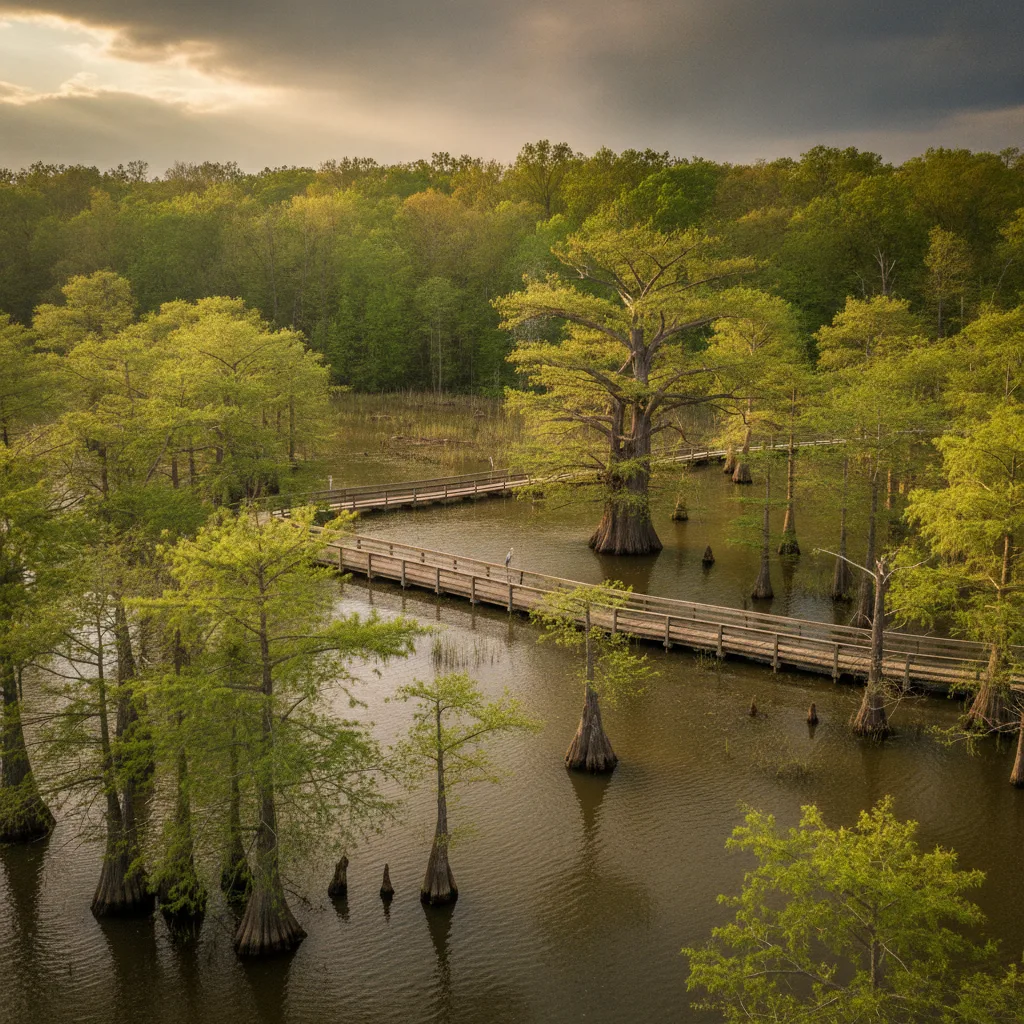
For travelers seeking a truly unique natural escape, the Cache River State Natural Area Illinois presents an ecological marvel that feels more like a Louisiana bayou than a Midwestern landscape. This nearly 15,000-acre preserve in Johnson, Massac, and Pulaski counties is home to America's northernmost cypress-tupelo swamp, a rare and ancient ecosystem that has been designated a Ramsar Convention Wetland of International Importance. We consider it one of Illinois' most beautiful hidden gems, a sentiment echoed by publications like Budget Travel.
What draws visitors here is the sheer biodiversity and the sense of stepping back in time. The area boasts over 100 endangered and threatened plant and animal species, along with 11 state champion trees that have stood for centuries, some exceeding 1,000 years in age. Imagine paddling through a silent swamp, surrounded by massive bald cypress and tupelo trees, their "knees" rising from the water, while bald eagles soar overhead and bird-voiced tree frogs create a melodic chorus. It's a place where you can witness ecosystems that have remained relatively undisturbed for millennia, offering a profound connection to nature. Whether you're an avid birdwatcher, a keen kayaker, a dedicated hiker, or simply looking for a peaceful retreat, the Cache River State Natural Area Illinois provides an unforgettable experience.
Who It's Best For
The Cache River State Natural Area is a destination that truly caters to a diverse range of visitors, though it particularly shines for those with a deep appreciation for nature and outdoor adventure. Our team recommends it highly for birdwatchers, as the wetlands are a critical habitat and resting resource for waterfowl and shorebirds, supporting numerous species, including bald eagles, herons, and egrets. Paddlers, whether in canoes or kayaks, will find the Lower Cache River Trail an immersive experience, offering intimate encounters with ancient cypress trees and diverse aquatic life.
Hikers will appreciate the more than 18 miles of designated trails that wind through various habitats, from cypress-tupelo swamps to sandstone bluffs and floodplain forests. Families with curious kids will find the shorter boardwalk trails, like the one at Heron Pond, particularly engaging, allowing them to safely explore the swamp environment and spot wildlife. The area's manageable trails and focus on natural wonders make it an ideal stop for nature-loving parents and children alike. However, those seeking extensive amenities, luxury accommodations directly on-site, or a bustling urban experience might find it less suitable, as the emphasis here is on raw, preserved natural beauty. It's a place for quiet contemplation, active exploration, and wildlife observation, rather than resort-style relaxation.
Getting There & Parking
Reaching the Cache River State Natural Area Illinois requires a journey into the heart of Southern Illinois, but the effort is well worth it. The primary visitor hub is the Henry N. Barkhausen Cache River Wetlands Center, located at 8885 State Route 37 South, Cypress, IL 62923.
From Marion, Illinois, you can take IL-37 south for approximately 30 miles. The Wetlands Center will be on your left-hand side, about 4 miles south of Cypress. If you're coming from Paducah, Kentucky, take I-24 over the Ohio River into Illinois, then take Exit 37 (Metropolis/Brookport). Turn left onto US-45, drive about 25 miles to IL-169 West, turn left, and then turn right onto IL-37. After crossing the Cache River, the Wetlands Center will be on your right.
For access to the Lower Cache River, a popular spot for paddling, from Marion, take IL-37 south past Cypress, then turn right onto Perks Road, then left onto Access Road. From Paducah, follow directions to IL-37, then turn left onto Perks Road and left onto Access Road.
Parking throughout the Cache River State Natural Area is generally free and available on a first-come, first-served basis. The Wetlands Center offers accessible parking spaces, and while many other parking lots are gravel, they are typically adequate. For those bringing trailers for canoes or kayaks, there is adequate parking at the Lower Cache River Access. We always recommend checking the Enjoy Illinois website or the Illinois Department of Natural Resources (IDNR) site for any specific advisories or closures before your visit, especially concerning weather conditions.
Top Things to Do
The Cache River State Natural Area offers a wealth of activities for nature enthusiasts, making it easy to fill your days with exploration and discovery. Here are our top recommendations for things to do at Cache River State Natural Area:
- Visit the Henry N. Barkhausen Cache River Wetlands Center: We suggest starting your adventure here. This 7,000-square-foot facility, operated by the Illinois Department of Natural Resources, provides excellent interpretive exhibits, information on the area's natural and cultural history, and an award-winning 12-minute orientation film, "The Enduring Cache". It's a great place to pick up maps and learn about current trail conditions. The Wetlands Center is open Wednesday through Sunday from 9:00 AM to 4:00 PM.
- Go Canoeing or Kayaking: Exploring the Lower Cache River by water is arguably the most iconic way to experience the area. The Lower Cache River Trail offers a 3 to 6-mile paddling experience through a magnificent cypress-tupelo swamp. A highlight is spotting Illinois' largest bald cypress tree, which is over 1,000 years old. You can launch your own canoe or kayak from the Lower Cache River access area (a private boat launch south of Perks has a $1 fee). For rentals and guided tours, we highly recommend Cache Bayou Outfitters, which offers 4.6-mile canoe trail loops and guided experiences. Reservations are recommended, especially during peak seasons, to ensure availability for these activities.
- Birdwatching and Wildlife Viewing: The Cache River wetlands are a haven for wildlife. Keep an eye out for bald eagles, herons, egrets, deer, beavers, otters, and various fish species. The bird-voiced tree frog is a particularly melodious resident. The Wetlands Center also features a dedicated wildlife viewing area.
- Cycling the Tunnel Hill State Trail: Eight miles of the 45-mile-long Tunnel Hill State Trail pass through the Cache River State Natural Area, offering expanded opportunities for both cyclists and hikers. This trail provides access to various hiking trailheads, including Heron Pond and Big Cypress Access.
- Hunting and Fishing: For those with proper Illinois licenses, seasonal hunting for deer and turkey, and fishing along the Cache River, are permitted in designated areas. Hunters must sign in and out at registration boxes and report harvests.
When planning your things to do at Cache River State Natural Area, remember that the natural area is for day use only, and camping is prohibited. Always check for current conditions, as some areas may be closed due to weather.
Best Time to Visit
To truly appreciate the unique beauty of the Cache River State Natural Area, timing your visit is key. Our team finds that the spring and fall seasons offer the most comfortable and rewarding experiences. During these times, temperatures typically range from 40 to 70 degrees Fahrenheit, making outdoor activities like hiking and paddling particularly pleasant.
Spring brings a vibrant awakening to the wetlands, with lush greenery, blooming wildflowers, and an increase in bird activity as migratory species return. It's an excellent time for birdwatching and enjoying the fresh, crisp air. Fall transforms the landscape with brilliant foliage, offering stunning photographic opportunities against the backdrop of the ancient cypress and tupelo trees. The cooler temperatures also mean fewer insects, though we still recommend bringing bug spray, especially during warmer periods. Summer can be hot and humid, and with the increased warmth comes a higher likelihood of encountering insects and even venomous snakes like cottonmouths, particularly on trails near water. While winter offers a stark, serene beauty, some trails might be muddy or inaccessible during extended wet periods, and the Wetlands Center has limited hours. Therefore, for optimal comfort and wildlife viewing, we highly recommend planning your trip during the spring or fall.
Where to Stay Nearby
While camping is not permitted directly within the Cache River State Natural Area itself, visitors have several excellent options for lodging in the surrounding Southern Illinois region. We recommend exploring accommodations in nearby towns or state parks that offer convenient access to the natural area.
For those who enjoy camping, several Illinois state parks within a 30-mile radius provide facilities. These include Ferne Clyffe State Park, Fort Massac State Park, and Giant City State Park. These parks offer traditional camping experiences, allowing you to stay close to nature after a day of exploring the Cache River. For a broader array of choices, the Southernmost Illinois Tourism Bureau lists various lodging options, including charming bed and breakfasts, vacation rentals, and hotels/motels in the wider Southern Illinois area. Many of these can be found in communities surrounding the Cache River State Natural Area.
For a unique lodging experience, consider looking for cabins or vacation rentals that allow you to immerse yourself in the natural beauty of the region. Some local outfitters, like Cache Bayou Outfitters, even list "Lodging" on their website, which could point to specific local recommendations or partnerships for guests. When planning your Cache River State Natural Area lodging, we advise booking in advance, especially during peak seasons, to secure your preferred accommodation.
Sample 2-Day Itinerary
To make the most of your visit to the Cache River State Natural Area Illinois, our team has crafted a sample two-day itinerary that balances exploration with relaxation:
Day 1: Immersion in the Cypress Swamps
- Morning (9:00 AM - 12:00 PM): Wetlands Center & Heron Pond. Start your day at the Henry N. Barkhausen Cache River Wetlands Center in Cypress, IL. Spend an hour exploring the interpretive exhibits and watching the orientation film to gain a deeper understanding of the ecosystem. Pick up a map and chat with staff about current conditions. Afterward, drive to the Todd Fink-Heron Pond Trail access area. Embark on the 1.5-mile easy loop, featuring a floating boardwalk that takes you directly into the heart of the cypress-tupelo swamp, where you can observe ancient trees and listen for bird-voiced tree frogs. Don't miss the state champion cherrybark oak tree.
- Lunch (12:00 PM - 1:00 PM): Picnic Amidst Nature. Pack a picnic lunch to enjoy at one of the designated picnic areas or simply find a scenic spot near Heron Pond.
- Afternoon (1:00 PM - 4:00 PM): Paddling the Lower Cache. Head to the Lower Cache River access area. If you brought your own, launch your canoe or kayak. Alternatively, if you pre-booked with Cache Bayou Outfitters, enjoy a guided tour or rental on their 4.6-mile loop through the bottomland swamp. This is your best chance to see the over 1,000-year-old bald cypress tree.
- Evening: Dinner & Stargazing. Enjoy dinner at a local restaurant in a nearby town like Vienna or Ullin. Given the rural setting, the Cache River State Natural Area offers fantastic opportunities for stargazing away from city lights.
Day 2: Hiking, History & Departure
- Morning (9:00 AM - 12:00 PM): Big Cypress & Little Black Slough. Begin your second day with a visit to the Big Cypress Access. Take the short 250-foot trail to see some of the massive, ancient cypress trees, including the "Pooh Bear Tree". Next, explore a section of the Little Black Slough Trail (5.5 miles, moderate difficulty), perhaps from the Wildcat Bluff access, which offers views of sandstone bluffs and floodplain forests. Be aware that a rock ford on the Cache River can be difficult to cross during high water.
- Lunch (12:00 PM - 1:00 PM): Local Eats. Grab lunch at a local eatery, perhaps trying some Southern Illinois comfort food.
- Afternoon (1:00 PM - 4:00 PM): Shawnee National Forest & Cultural Sites. Since the Cache River is nestled within the broader Southern Illinois region, we recommend exploring a nearby sibling destination. Consider a visit to parts of the Shawnee National Forest for more hiking or scenic drives. Alternatively, delve into Illinois' rich history by visiting the Abraham Lincoln Presidential Library and Museum in Springfield (a longer drive but significant cultural experience) or the Cahokia Mounds State Historic Site near St. Louis, a UNESCO World Heritage site.
- Departure: Head home, carrying memories of Illinois' hidden bayou.
Remember that the Cache River State Natural Area is part of a larger network of incredible places to visit in the state. For more ideas on planning your trip, explore our comprehensive guide to Best Places in Illinois.
Frequently Asked Questions About Cache River State Natural Area
Cache River State Natural Area camping
No, camping is not permitted within the Cache River State Natural Area itself. The natural area is designated for day use only, and building fires or overnight stays are prohibited. However, several state parks in the vicinity, such as Ferne Clyffe State Park, Fort Massac State Park, and Giant City State Park, offer camping facilities within a 30-mile radius. We recommend checking their official websites for reservations and availability.
things to do in Cypress
The town of Cypress, Illinois, serves as a gateway to the Cache River State Natural Area. The primary attraction in Cypress is the Henry N. Barkhausen Cache River Wetlands Center, which offers interpretive exhibits, an orientation film, and information about the wetlands. Beyond the Wetlands Center, most activities in the immediate Cypress area revolve around accessing the various units and trails of the Cache River State Natural Area for hiking, paddling, and wildlife viewing. For other local events, you might check the Southernmost Illinois Tourism Bureau's calendar for activities like "Magnificent Moths" at the Wetlands Center.
Cache River State Natural Area with kids
Yes, the Cache River State Natural Area is a fantastic destination for families with kids, offering manageable and engaging outdoor experiences. We particularly recommend the Todd Fink-Heron Pond Trail, which features an accessible floating boardwalk that allows children to safely explore the cypress swamp up close. Kids will enjoy spotting wildlife, learning about the ancient trees, and perhaps even crawling into the hollow "Pooh Bear Tree" at the Big Cypress Access. The Wetlands Center also has interactive exhibits that can capture children's interest. Remember to bring bug spray and keep an eye out for snakes, especially during warmer months.
best hotels near Cache River State Natural Area
Since direct lodging isn't available within the natural area, we suggest looking for hotels in nearby towns. Larger towns like Marion, Carbondale, or even Paducah, Kentucky (just across the state line), will offer a wider selection of hotels and motels. Smaller communities closer to the natural area, such as Vienna or Ullin, may have more limited but potentially charming options, including local inns or vacation rentals. We advise checking online travel sites or the Southernmost Illinois Tourism Bureau for current availability and reviews to find the best hotels near Cache River State Natural Area that suit your preferences and budget.
Cache River State Natural Area tips
Our top tips for visiting the Cache River State Natural Area include: 1) Start at the Henry N. Barkhausen Cache River Wetlands Center for maps, information, and restrooms. 2) Plan your visit during spring or fall for the most comfortable weather and fewer insects. 3) Bring bug spray, especially in warmer months, and wear sturdy, comfortable shoes suitable for potentially muddy trails. 4) If paddling, consider renting from Cache Bayou Outfitters and reserve in advance. 5) Stay on marked trails, especially in nature preserve areas, to protect the delicate ecosystem and for your safety (e.g., avoiding snakes). 6) There are no fees for entry or parking, but a private boat launch may charge $1. 7) Pack water and snacks, as amenities are limited outside the Wetlands Center. 8) Always check the official Illinois Department of Natural Resources website for any closures or advisories before you go.
where to stay near Cache River State Natural Area
For those wondering where to stay near Cache River State Natural Area, your options range from traditional camping to hotels and vacation rentals in surrounding communities. As previously mentioned, camping is available at nearby state parks like Ferne Clyffe, Fort Massac, and Giant City State Parks. For more conventional lodging, look to towns such as Vienna, Ullin, or even larger regional centers like Marion or Carbondale. These areas offer a selection of hotels, motels, and bed and breakfasts. Vacation rentals, including cabins or private homes, can also be found through various booking platforms, providing a more secluded experience. We always recommend booking your accommodations in advance, particularly during peak travel seasons, to ensure the best selection and rates.
Conclusion
The Cache River State Natural Area Illinois is a truly unparalleled destination, offering a glimpse into an ancient cypress-tupelo swamp ecosystem that defies typical Midwestern expectations. From paddling among thousand-year-old trees to hiking through diverse habitats and observing a remarkable array of wildlife, this wetland paradise provides a profound and enriching experience for all who visit. Our team at Roam States confidently recommends adding this unique natural area to your Illinois travel itinerary, perhaps as part of a broader exploration of the state's natural wonders or in conjunction with cultural sites like the Allerton Park & Retreat Center or the Anderson Japanese Gardens. With careful planning, focusing on the best times to visit and utilizing the resources available at the Wetlands Center, you're sure to create lasting memories in this extraordinary corner of Illinois.
Last updated: 2026-07-13 by the Roam States team.