Cochiti Lake Travel Guide — New Mexico
Our Cochiti Lake guide covers practical planning for Cochiti Lake New Mexico — best time to visit, getting there, and what to do on the ground.
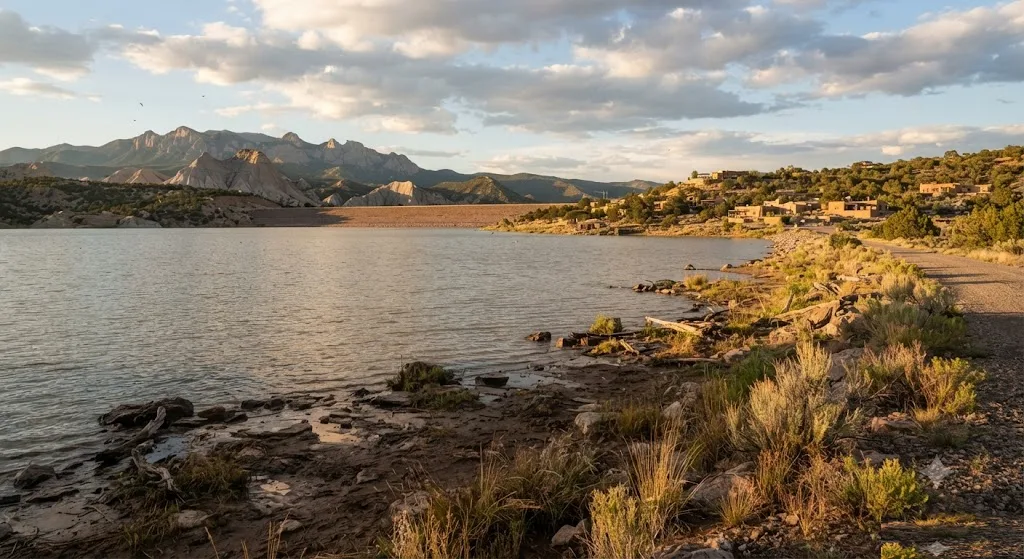
If you're seeking a tranquil escape into New Mexico's high desert landscape, look no further than Cochiti Lake New Mexico. This expansive reservoir, managed by the U.S. Army Corps of Engineers, offers a refreshing contrast to the bustling cities of Santa Fe and Albuquerque. Nestled within the boundaries of the Pueblo de Cochiti Indian Reservation, Cochiti Lake provides a serene backdrop for outdoor adventures, from peaceful no-wake boating to scenic hiking and excellent fishing. Our team at Roam States has explored the ins and outs of this unique destination to bring you the most confident and specific advice for planning your trip.
Why Visit Cochiti Lake
For those questioning if Cochiti Lake is worth visiting, we confidently say yes. Cochiti Lake offers a distinct blend of natural beauty and recreational opportunities, making it a valuable stop on any New Mexico itinerary. It stands out as a "no-wake" lake, meaning motorized boats must operate at idle speed, creating a remarkably calm environment perfect for paddling, sailing, and quiet fishing. This policy ensures a peaceful experience on the water, ideal for families and those seeking a serene escape.
Beyond the water, the lake's location provides stunning views of the surrounding mesas and the Jemez Mountains. It's a prime spot for wildlife viewing, with opportunities to see osprey, deer, coyotes, river otters, rabbits, and beavers. The area's high desert climate offers dry, clear air for most of the year, enhancing the scenic vistas and stargazing opportunities. If you're wondering, "is Cochiti Lake worth visiting" for its unique peacefulness and natural setting, the answer is a resounding yes.
Who It's Best For
Cochiti Lake is truly best for travelers who prioritize a relaxed, nature-focused experience. It's an ideal destination for:
- **Paddlers and Sailors:** The no-wake restriction makes it a haven for kayaks, canoes, stand-up paddleboards, and small sailboats.
- **Anglers:** With a well-stocked lake featuring bass, crappie, walleye, pike, catfish, sunfish, and trout, fishing enthusiasts will find plenty to keep them busy.
- **Families with Young Children:** The calm waters and designated swim beach, complete with a playground and shaded shelters, offer a safe and enjoyable environment for kids.
- **Hikers and Nature Lovers:** The surrounding trails and opportunities for wildlife observation cater to those who appreciate the outdoors at a leisurely pace.
- **Campers:** With well-maintained campgrounds offering various amenities, it's perfect for those who enjoy sleeping under the stars.
If your idea of a perfect getaway involves high-speed thrills and bustling nightlife, Cochiti Lake might not be your primary destination. However, for a peaceful retreat into New Mexico's natural beauty, it's unparalleled.
Getting There & Parking
Understanding how to get to Cochiti Lake is straightforward, as it's conveniently located between New Mexico's two largest cities. From Albuquerque, take I-25 North to Exit 259 (NM-22), then proceed west for approximately 14 miles to the Cochiti Lake Road entrance. The drive typically takes about 50-60 minutes from downtown Albuquerque. If you're coming from Santa Fe, head south on I-25 to Exit 264, then west on Highway 16 and north on Cochiti Highway (Hwy 22).
Upon arrival, you'll find ample parking. The Cochiti Recreation Area and Tetilla Peak Recreation Area both offer paved and gravel parking lots near the boat ramps and day-use areas. There is a day-use fee of $5 per vehicle for access to the Cochiti Lake Recreation Area, which includes the boat ramp, picnic loop, and swim beach. This fee can be paid onsite using new fee machines that accept credit cards, or cash via an honor vault at Tetilla Peak. An annual pass is also available for $40 at the Park Office, providing year-round access. For those staying in the campgrounds, the day-use fee is covered by your campsite fee. Knowing how to get to Cochiti Lake and where to park makes your arrival seamless.
Top Things to Do
The array of things to do at Cochiti Lake caters to a relaxed outdoor enthusiast. Our team recommends focusing on the lake's primary draws: water activities, fishing, and exploring the natural surroundings. Remember, Cochiti Lake operates as a "no-wake" zone, meaning all watercraft must maintain idle speed, which creates a uniquely calm environment for all activities.
- Boating and Paddling: Embrace the tranquility by bringing your kayak, canoe, stand-up paddleboard, or sailboat. The calm waters are perfect for a leisurely paddle, allowing you to explore the lake's 21 miles of public shoreline. Boat ramps are available at both the Cochiti Recreation Area (open year-round, ice permitting) and the Tetilla Peak Recreation Area (open seasonally from April to October).
- Fishing: Cochiti Lake is a renowned fishing spot. Anglers can expect to reel in bass, crappie, walleye, pike, catfish, sunfish, and trout. A valid New Mexico fishing license is required for anyone 12 years or older, and can be purchased online, by phone, or at licensed vendors.
- Swimming: The designated Cochiti Swim Beach Area is a family favorite, open daily during the recreation season from April 15 through October 15. It features a sandy shoreline, roped-off swimming areas, a playground, and shaded shelters, making it ideal for a refreshing dip and a picnic.
- Picnicking: Numerous picnic sites with shelters, tables, and grills are available throughout the day-use areas, perfect for enjoying a meal with scenic lake views.
- Wildlife Viewing: Keep an eye out for diverse wildlife, including osprey (nesting on platforms), deer, coyotes, river otters, rabbits, and beavers, particularly on the lake's east side.
These things to do at Cochiti Lake offer a fantastic way to connect with nature and enjoy the peaceful ambiance of this New Mexico gem.
Cochiti Lake Hiking Trails
For those who prefer to explore on foot, Cochiti Lake offers a variety of hiking opportunities, ranging from easy strolls to more challenging treks. The surrounding landscape, characterized by juniper, piñon trees, and mixed grasslands, provides a beautiful setting for outdoor exercise and nature observation. We find that the Cochiti Lake hiking trails offer a different perspective of the reservoir and its unique ecosystem.
One notable option for Cochiti Lake hiking trails is the **Nahshroo Trail**, a 3.7-mile loop near the Cochiti Overlook. This trail takes you along mesa rims, providing expansive views of the water and the vast grasslands. On the eastern shore, shorter lakeside trails are excellent for birdwatchers, offering a chance to spot osprey and other avian species not commonly seen in urban areas. While specific named trails directly within the immediate recreation areas are not extensively detailed, the terrain around the lake is generally suitable for recreational biking and walking, allowing visitors to create their own paths.
For a more challenging and highly recommended hiking experience nearby, the **Kasha-Katuwe Tent Rocks National Monument** is just eight miles from Cochiti Lake. This monument features unique cone-shaped tent rock formations and offers two main trails: the easy 1.2-mile Cave Loop Trail and the more difficult 1.5-mile Canyon Trail, which includes a steep 630-foot climb to a mesa top with panoramic views of the Sangre de Cristo, Jemez, and Sandia Mountains. **Important for 2026:** Kasha-Katuwe Tent Rocks National Monument currently requires reservations and a tribal access pass, which can be booked through Recreation.gov. Always check for current operating status and reservation requirements on blm.gov/visit/kktr before planning your visit.
Best Time to Visit
Our team recommends visiting Cochiti Lake during the spring (April to May) and fall (mid-September to October) for the most comfortable weather. During these months, daily high temperatures typically range between 65°F and 86°F, with low humidity and pleasant wind speeds, creating ideal conditions for hiking, boating, and fishing.
Summer (June to August) is peak season, offering the warmest lake water for swimming and extended daylight hours for activities. However, be prepared for hotter daytime temperatures, often reaching into the low 90s°F, and the possibility of afternoon monsoon thunderstorms, particularly from mid-July through August. Crowds are also heavier during the summer months and on holiday weekends, so booking accommodations and campsites well in advance is crucial.
While Cochiti Lake is generally open year-round for day-use activities like boating (ice conditions permitting for the ramp), the swim beach operates seasonally from April 15 through October 15. Camping is available from March 1 to November 30, with reservations required during this period. Winter (December to February) is generally not recommended for camping, as the campgrounds are closed for reservations, and off-season use is limited.
Where to Stay Nearby
When planning your trip, you'll find that Cochiti Lake lodging options are primarily limited to camping directly at the lake. There are no traditional hotels or resorts immediately adjacent to the reservoir. However, several excellent lodging choices are available in nearby communities, offering a comfortable base for exploring the area.
Camping at Cochiti Lake
The U.S. Army Corps of Engineers manages two main campgrounds at Cochiti Lake: **Cochiti Campground** on the west side and **Tetilla Peak Campground** on the east side. All camping at Cochiti Lake is by reservation only, and first-come, first-served sites are no longer available as of 2026. Reservations can be made through Recreation.gov or by calling 1-877-444-6777.
- **Cochiti Campground:** This large campground offers 80 campsites across four loops (Juniper, Elk Run, Ringtail Cat, and Buffalo Grove). Sites vary, with some offering electric and water hookups ($20 per night) and others being non-electric ($15 per night). Facilities include showers, a dump station, picnic tables, and grills. Note that Stage 2 Fire Restrictions are in effect, meaning only propane fires are allowed.
- **Tetilla Peak Campground:** Located on the east side, Tetilla Peak offers 46 individual sites, some with electric hook-ups and shelters. A restroom and shower building is centrally located. Like Cochiti Campground, reservations are required.
Hotels Near Cochiti Lake
For those seeking traditional hotel accommodations, your best bet for Cochiti Lake lodging will be in the cities of Santa Fe or Albuquerque, both about an hour's drive away. Santa Fe, approximately 35 miles northeast, offers a wide range of hotels, from budget-friendly options to luxurious resorts. Popular choices include the Inn at Santa Fe, SureStay Collection by Best Western, Hampton Inn Santa Fe South, and Hyatt Place Santa Fe. Albuquerque, about 50 miles south, also provides numerous hotels. When considering Cochiti Lake lodging, remember to factor in the scenic drive to and from these cities.
Sample 2-Day Itinerary
To truly experience the best of Cochiti Lake and its surroundings, we recommend a two-day itinerary, allowing ample time for both relaxation and exploration.
Day 1: Lake Exploration & Relaxation
- **Morning (9:00 AM - 12:00 PM): Paddling or Fishing.** Start your day by heading to the Cochiti Recreation Area. Launch your kayak, canoe, or paddleboard onto the calm, no-wake waters of Cochiti Lake. Enjoy a peaceful paddle, taking in the expansive views and spotting local wildlife. If fishing is your passion, cast a line from your boat or one of the designated fishing areas. Remember your New Mexico fishing license!
- **Lunch (12:00 PM - 1:30 PM): Lakeside Picnic.** Utilize one of the many shaded picnic sites at the Cochiti Recreation Area. Pack a cooler with your favorite sandwiches and snacks to enjoy by the water.
- **Afternoon (1:30 PM - 5:00 PM): Swim Beach & Relaxation.** Spend the afternoon at the Cochiti Swim Beach. The sandy shoreline and designated swimming areas are perfect for cooling off, especially during warmer months (open April 15 - Oct 15). Families can enjoy the playground.
- **Evening (5:00 PM onwards): Campground Dinner & Stargazing.** If you're camping, head back to your site at Cochiti Campground or Tetilla Peak. Prepare a propane-only campfire meal (due to fire restrictions) and enjoy the quiet evening. The clear high desert skies offer incredible stargazing opportunities. If staying in Santa Fe, enjoy dinner at one of the city's many acclaimed restaurants.
Day 2: Tent Rocks & Pueblo Culture
- **Morning (8:00 AM - 12:00 PM): Kasha-Katuwe Tent Rocks National Monument.** Dedicate your morning to exploring the unique geological formations at Kasha-Katuwe Tent Rocks National Monument, just a short drive from Cochiti Lake. Be sure to make reservations and secure your tribal access pass in advance via Recreation.gov. Hike the Cave Loop Trail for an easy walk or challenge yourself on the Canyon Trail for breathtaking mesa-top views.
- **Lunch (12:00 PM - 1:30 PM): Local Eats or Picnic.** Grab a bite at the Cochiti Golf Club's Stone Kiva Bar and Grill, which offers panoramic views, or pack another picnic to enjoy after your hike.
- **Afternoon (1:30 PM - 4:00 PM): Cochiti Pueblo Visitor Center.** Learn about the rich culture and history of the Pueblo de Cochiti at their Visitor Center. While most of the Pueblo lands are private, the Visitor Center offers insights into their traditions, arts, and crafts. Remember to be respectful of tribal customs and regulations.
- **Late Afternoon (4:00 PM onwards): Scenic Drive & Departure.** Take a final scenic drive around Cochiti Lake or head towards your next New Mexico destination. Consider linking your trip with other incredible New Mexico experiences like Carlsbad Caverns National Park or White Sands National Park.
Last updated: 2026-07-08 by the Roam States team.