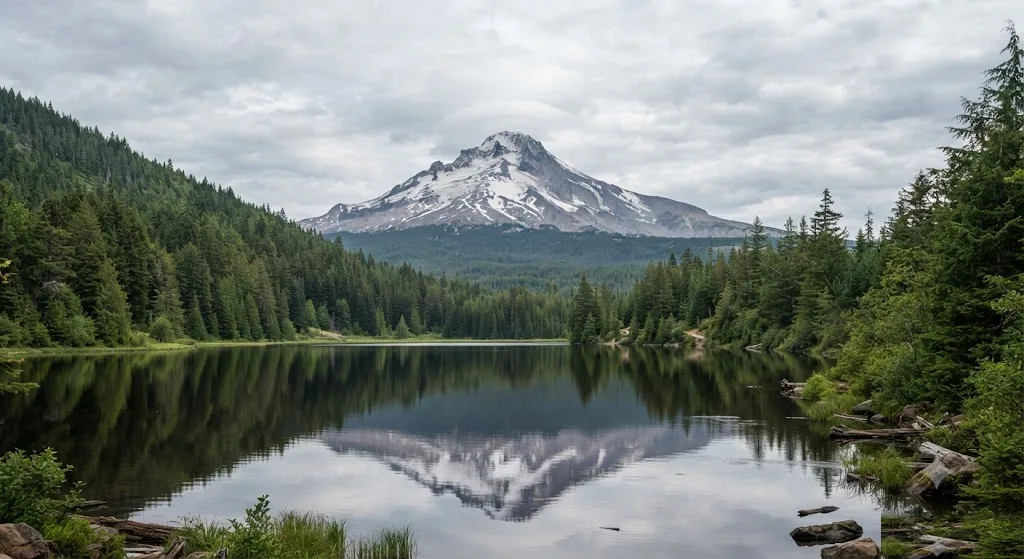
Mount Hood National Forest Travel Guide — Oregon
Our team at Roam States has extensively explored the Pacific Northwest, and we confidently declare that for anyone seeking a quintessential Oregon alpine experience, a visit to Mount Hood National Forest Oregon is absolutely essential. This majestic expanse, dominated by the state's highest peak, Mount Hood, offers an unparalleled blend of year-round outdoor adventure, from pristine alpine skiing to serene hiking trails, all set against a backdrop of breathtaking natural beauty. It's a destination that truly captures the spirit of Oregon's wild heart, inviting travelers to discover its iconic landscapes and the timeless architecture of Timberline Lodge.
Why Visit Mount Hood National Forest
Mount Hood National Forest isn't just a destination; it's an experience that carves itself into your memory. We've found that its allure stems from a unique combination of accessibility, diverse activities, and stunning scenery. Unlike many remote wilderness areas, Mount Hood offers a wealth of opportunities for adventurers of all skill levels, often just a short drive from Portland. Imagine waking up to views of a snow-capped volcano, spending your day traversing ancient forests, or carving fresh tracks down a glacier, all within the same visit. It’s a place where the grandeur of nature is always within reach, providing both thrilling challenges and peaceful retreats.
Beyond the adrenaline-pumping activities, the forest holds a profound historical and cultural significance. The iconic Timberline Lodge, a National Historic Landmark, stands as a testament to Depression-era craftsmanship and offers a glimpse into a bygone era, all while providing modern comforts and spectacular views. We believe that whether you're a seasoned mountaineer, a family looking for a memorable vacation, or simply someone seeking solace in nature, Mount Hood National Forest delivers an enriching and unforgettable journey. It’s a place where every season brings a new palette of experiences, from wildflower-strewn meadows in summer to snow-laden wonderland in winter, making it a truly dynamic and rewarding place to explore.
Who It's Best For
Mount Hood National Forest truly offers something for everyone, making it an incredibly versatile destination. Our team has observed that it particularly shines for:
- Adventure Seekers: With year-round skiing and snowboarding at Timberline Lodge, challenging hiking trails, rock climbing, and mountain biking, those who crave an active outdoor experience will find endless opportunities here.
- Families: Many trails are suitable for children, and attractions like Trillium Lake offer easy access for picnics, swimming, and gentle walks. Ski resorts also provide lessons and family-friendly slopes. The variety of activities ensures that all ages can find something enjoyable.
- Nature Enthusiasts & Photographers: The dramatic landscapes, pristine forests, alpine meadows, and abundant wildlife provide endless inspiration. From sunrise over the peak to sunset painting the sky, the photographic opportunities are boundless.
- History Buffs & Architecture Aficionados: Timberline Lodge is a masterpiece of rustic architecture and a living museum. Its intricate details and rich history offer a fascinating counterpoint to the natural surroundings.
- Couples & Romantics: The serene beauty, cozy lodges, and opportunities for stargazing create a perfect backdrop for a romantic getaway, whether it's a winter escape or a summer retreat.
- Weekend Warriors from Portland: Its proximity to Oregon's largest city makes it an ideal escape for those looking to swap cityscapes for mountain vistas for a few days.
In essence, if you appreciate the outdoors, seek a blend of adventure and tranquility, and value stunning natural beauty, Mount Hood National Forest is undoubtedly for you.
How to Get There & Parking
Accessing Mount Hood National Forest is relatively straightforward, especially from the Portland metropolitan area. We recommend planning your route based on your specific destination within the forest, as different areas are accessed via various highways. For those wondering how to get to Mount Hood National Forest, the primary routes are US-26 East and OR-35.
From Portland, the most common approach is to take US-26 East, which will lead you directly into the heart of the forest, passing through towns like Sandy and Government Camp. This route offers direct access to the popular ski resorts (Timberline, Mount Hood Meadows, Ski Bowl) and many trailheads on the south and east sides of the mountain. Alternatively, OR-35, accessible from the Hood River area (which you might visit after exploring the Columbia River Gorge), provides access to the eastern slopes and the Hood River Valley. Driving times vary, but expect about 1.5 to 2 hours from downtown Portland to Government Camp, depending on traffic and road conditions.
Mount Hood National Forest parking can vary significantly by location and season. Many popular trailheads and recreation sites require a recreation pass. The Northwest Forest Pass is widely accepted, or you can often purchase a day pass on-site at many locations. For 2026, we've confirmed that a valid recreation pass is required at most developed trailheads and day-use areas. These passes can typically be purchased at visitor centers, ranger stations, or online. Parking lots at ski resorts (Timberline Lodge, Mount Hood Meadows, Mt. Hood Skibowl) usually have their own parking fees, especially during peak winter seasons, which are separate from forest passes. We advise checking the specific resort's website for their current 2026 parking policies and rates before your visit. During winter, snow chains or traction tires are often required or recommended on mountain roads, and parking areas can fill up quickly, especially on weekends and holidays. Always check road conditions before heading out.
Top Things to Do
When considering things to do at Mount Hood National Forest, the options are as diverse as the landscape itself. Our team has curated a list of must-do activities that showcase the best of what this incredible region has to offer, ensuring you experience its unique charm and grandeur.
Year-Round Skiing and Snowboarding at Timberline Lodge
Timberline Lodge is truly a marvel, not just for its historic architecture but for its unique status as the only ski area in North America offering year-round lift-served skiing and snowboarding on the Palmer Glacier. Even in the height of summer, you can find professional athletes training here alongside recreational enthusiasts. During the winter season, Timberline, along with Mount Hood Meadows and Mt. Hood Skibowl, transforms into a vibrant hub for winter sports, offering extensive terrain for all skill levels. For 2026, daily lift tickets at Timberline Lodge range from approximately $85-$120 depending on the season and day, with multi-day passes offering better value. We recommend checking their official websites for the most up-to-date pricing and operational hours for your specific travel dates.
Explore the Historic Timberline Lodge
Even if you're not hitting the slopes, a visit to Timberline Lodge is a non-negotiable item on your itinerary. This National Historic Landmark, constructed during the Great Depression by the Works Progress Administration, is a masterpiece of rustic architecture. Spend time exploring its grand interior, marveling at the handcrafted details, massive stone fireplaces, and intricate wood carvings. Enjoy a meal at one of its restaurants, like the Ram's Head Bar, with panoramic views of the surrounding mountains. We highly recommend taking one of the free guided tours offered by the U.S. Forest Service rangers to truly appreciate its history and craftsmanship. The lodge is typically open 24/7 for guests, with public areas accessible during daytime hours.
Hiking the Mount Hood National Forest Hiking Trails
The network of Mount Hood National Forest hiking trails is extensive, catering to every level of hiker. From gentle lakeside strolls to challenging alpine ascents, you'll find breathtaking scenery at every turn. Some of our favorite Mount Hood National Forest hiking trails include:
- Mirror Lake Trail: A relatively easy 4.2-mile round trip hike that leads to a stunning alpine lake, famous for its reflections of Mount Hood. It's a popular choice for families and photographers.
- Trillium Lake Loop Trail: An accessible 2-mile loop trail around a picturesque lake, perfect for a leisurely walk, picnicking, fishing, or paddleboarding in summer. The views of Mount Hood from across the lake are iconic.
- Tamanawas Falls Trail: A moderate 3.4-mile round trip hike that culminates in a spectacular 100-foot waterfall. It's particularly beautiful in the fall when the leaves change color.
- Timberline Trail: For serious backpackers, this 40-mile loop encircles Mount Hood, offering unparalleled views and a challenging multi-day adventure. Sections of this trail can also be done as day hikes.
Always check trail conditions and weather forecasts before heading out, especially at higher elevations. Permits are generally not required for day hikes, but a Northwest Forest Pass or equivalent may be needed for parking at certain trailheads.
Water Activities at Trillium Lake
During the warmer months, Trillium Lake becomes a hub for water-based recreation. You can rent kayaks, canoes, or stand-up paddleboards to explore the tranquil waters, or simply enjoy swimming from its shores. Fishing is also popular here, with rainbow trout being a common catch. The lake offers some of the most iconic views of Mount Hood, making it a perfect spot for photography and relaxation.
Scenic Drives
The Mount Hood Scenic Byway (US-26 and OR-35) offers stunning vistas and access to numerous points of interest. Drive through dense forests, past cascading waterfalls, and alongside the mighty Hood River. Consider a detour to the Hood River Valley, especially in the spring for blossoms or fall for harvest, to experience the Fruit Loop – a collection of farms, orchards, and wineries. This drive provides a fantastic overview of the diverse landscapes within and around the forest.
Mountain Biking
Mount Hood National Forest boasts an impressive network of mountain biking trails, ranging from beginner-friendly paths to expert-level downhill runs. Sandy Ridge Trail System is a particular highlight, offering purpose-built flow trails and technical challenges. Many ski resorts, like Skibowl, also convert their slopes into lift-served mountain bike parks during the summer, providing exhilarating descents.
Best Time to Visit
The "best" time to visit Mount Hood National Forest truly depends on what you're hoping to experience, as each season offers a distinct charm. We've found that understanding the seasonal nuances is key to planning your perfect trip.
- Summer (June-September): This is arguably the most popular time for general outdoor activities. The weather is typically warm and sunny, making it ideal for hiking, camping, mountain biking, and water sports. Wildflowers are in bloom in the alpine meadows, and all major roads and trails are usually open. However, this also means larger crowds, especially on weekends, and higher prices for accommodations.
- Fall (September-November): A truly magical time, as the forests erupt in a riot of autumn colors. The crowds begin to thin, and the crisp air is perfect for hiking. This is an excellent time for photography, especially in the Hood River Valley with its orchards. Snow can start to fall at higher elevations by late October, signaling the approaching ski season.
- Winter (November-April): For snow sports enthusiasts, winter is prime time. Mount Hood transforms into a winter wonderland, with three major ski resorts offering world-class skiing, snowboarding, and tubing. Cross-country skiing and snowshoeing are also popular. Roads can be challenging, and chains are often required. Reservations for lodging and ski passes are highly recommended during this peak season.
- Spring (April-June): A season of transition. Lower elevation trails begin to melt out, revealing wildflowers, while higher elevations still hold significant snow. It's a great time for waterfall chasing as snowmelt swells the rivers. You can often ski in the morning and hike in the afternoon. Crowds are generally smaller than in summer, offering a more serene experience.
Ultimately, we believe that any time is a good time to visit, but consider your preferred activities when deciding on your travel dates. For year-round skiing, summer is surprisingly viable on the glacier, while traditional winter sports demand the colder months.
Where to Stay Nearby
While the allure of Mount Hood National Forest is its wild beauty, there are excellent lodging options both within and just outside its boundaries, catering to various budgets and preferences. Our team has identified some key areas and specific recommendations:
- Government Camp: This charming alpine village is the closest hub to the ski resorts and many popular trailheads. It offers a range of accommodations, from cozy cabins and vacation rentals to hotels and lodges. It's a fantastic base for winter sports and summer adventures, providing immediate access to the mountain's core.
- Timberline Lodge: For an iconic and immersive experience, staying at the historic Timberline Lodge itself is unparalleled. While pricier, it offers direct ski-in/ski-out access, stunning views, and a unique architectural experience. We highly recommend booking well in advance, especially during peak seasons.
- Hood River: Located about an hour's drive northeast of Mount Hood, Hood River is a vibrant town in the Columbia River Gorge known for its windsurfing, craft breweries, and access to the Hood River Fruit Loop. It offers a wider array of hotels, B&Bs, and restaurants, making it a great option if you want to combine your mountain adventure with a taste of the Gorge's culture.
- Welches/Rhododendron: These smaller communities along US-26, closer to the western edge of the forest, offer a more secluded and rustic experience with numerous cabin rentals and smaller lodges. They are ideal for those seeking a quieter retreat while still being within easy driving distance of the main attractions.
- Campgrounds: For a true immersion in nature, Mount Hood National Forest camping is an excellent choice. We cover this in more detail below, but numerous developed campgrounds and dispersed camping options are available.
When planning your stay, especially during peak seasons (winter and summer), we strongly advise booking your accommodations well in advance to secure your preferred spot and potentially better rates. Many properties, particularly cabins and vacation rentals, require reservations months ahead of time.
Mount Hood National Forest Camping
For many, the ultimate way to experience the raw beauty of the region is through Mount Hood National Forest camping. We've found that the forest offers a wide range of camping experiences, from developed campgrounds with amenities to secluded dispersed sites for the more adventurous.
Developed Campgrounds
Mount Hood National Forest boasts numerous developed campgrounds, many of which are located near lakes, rivers, or popular trailheads. These typically offer amenities such as picnic tables, fire rings, vault toilets, and sometimes potable water. Popular campgrounds include:
- Trillium Lake Campground: Highly sought after for its stunning views of Mount Hood across the lake. It's an excellent base for hiking, fishing, and paddleboarding. Reservations are almost essential during summer.
- Lost Lake Campground: Situated on the shores of the incredibly scenic Lost Lake, offering breathtaking reflections of Mount Hood. It provides opportunities for boating (non-motorized), fishing, and hiking.
- Frog Lake Campground: A smaller, quieter option near Frog Lake, popular for fishing and easy access to the Pacific Crest Trail.
- Timothy Lake Campgrounds (e.g., Gone Creek, Hoodview, Oak Fork): Timothy Lake is one of the largest reservoirs in the forest, offering extensive opportunities for boating, fishing, and hiking. Several campgrounds ring the lake.
For 2026, most developed campgrounds in Mount Hood National Forest operate on a reservation system, particularly during the peak season from Memorial Day to Labor Day. We strongly recommend making reservations through Recreation.gov several months in advance, as popular sites fill up quickly. Fees for developed campgrounds typically range from $15-$30 per night.
Dispersed Camping
For those seeking a more primitive and secluded experience, dispersed camping (also known as boondocking or primitive camping) is permitted in many areas of the national forest, away from developed campgrounds and recreation sites. There are no facilities, so you must be prepared to pack out everything you pack in, including human waste. Always follow Leave No Trace principles. Before attempting dispersed camping, we advise checking the official Mount Hood National Forest website for specific regulations, fire restrictions, and any area closures for 2026. Some areas may require a permit, even for dispersed camping, so it's best to verify with a ranger station.
Whether you choose a developed site or venture into the backcountry, Mount Hood National Forest camping offers an unforgettable connection with nature. Remember to always be prepared for changing weather conditions, carry bear-resistant food storage, and practice responsible outdoor ethics.
Sample 2-Day Itinerary
To help you make the most of your visit, our team has crafted a sample 2-day itinerary for Mount Hood National Forest, balancing iconic sights with active exploration. This itinerary assumes you're arriving from Portland and have access to a vehicle.
Day 1: Alpine Grandeur & Historic Charm
- Morning (9:00 AM): Depart Portland and drive east on US-26 towards Mount Hood. Your first stop is the historic Timberline Lodge. Upon arrival, take some time to explore the lodge's incredible architecture and learn about its history.
- Late Morning (11:00 AM): If it's summer, consider a short hike on one of the trails originating near the lodge, offering stunning alpine views. In winter, hit the slopes for some morning skiing or snowboarding.
- Lunch (1:00 PM): Enjoy lunch at one of Timberline Lodge's dining options, such as the Cascade Dining Room for a more formal experience or the Ram's Head Bar for casual fare with a view.
- Afternoon (2:30 PM): Drive a short distance down to Trillium Lake. Spend the afternoon hiking the easy 2-mile loop trail around the lake, enjoying the iconic reflections of Mount Hood. If weather permits, consider renting a kayak or paddleboard.
- Late Afternoon (5:00 PM): Check into your accommodation in Government Camp or a nearby cabin.
- Evening (7:00 PM): Dine at one of Government Camp's casual eateries, reflecting on your day of mountain exploration.
Day 2: Waterfalls, Forests & Scenic Drives
- Morning (9:00 AM): After breakfast, head out for a morning hike. We recommend the Mirror Lake Trail (4.2 miles round trip, moderate) for its rewarding views of Mount Hood, or the Tamanawas Falls Trail (3.4 miles round trip, moderate) for a spectacular waterfall experience.
- Lunch (1:00 PM): Pack a picnic to enjoy at your chosen trailhead or grab a bite in Government Camp before heading further east.
- Afternoon (2:30 PM): Embark on a scenic drive along OR-35, heading towards the Hood River Valley. If time allows, explore a portion of the Hood River Fruit Loop, stopping at a local farm stand or winery. This area offers a different perspective of the region, with its agricultural bounty and views of both Mount Hood and the Columbia River Gorge.
- Late Afternoon (4:30 PM): Begin your drive back towards Portland, perhaps making a stop at a viewpoint along the Columbia River Gorge for one last breathtaking vista before returning to the city.
This itinerary is flexible and can be adapted to your interests, whether you want more time on the slopes, longer hikes, or more relaxed sightseeing. Remember to check current conditions and make any necessary reservations in advance.
Is It Worth Visiting?
Without a doubt, our team confidently asserts that is Mount Hood National Forest worth visiting. This isn't just another scenic spot; it's a cornerstone of Oregon's natural identity and a destination that consistently exceeds expectations. The sheer diversity of experiences available, from the thrill of year-round glacier skiing to the tranquility of ancient forest trails, ensures that every traveler finds their niche. We've seen countless visitors, from seasoned adventurers to first-time families, leave with a profound sense of awe and a desire to return.
The accessibility of such a grand alpine environment, coupled with the rich history embodied by Timberline Lodge, creates a compelling argument for its value. Unlike some destinations that might offer a singular draw, Mount Hood National Forest presents a multifaceted appeal that changes beautifully with each season. Whether you're seeking an adrenaline rush, a peaceful escape, or simply stunning natural beauty, the answer to is Mount Hood National Forest worth visiting is a resounding yes. It offers a genuine, unfiltered Oregon experience that truly encapsulates the spirit of the Pacific Northwest, making it an essential addition to any travel itinerary, perhaps even combined with a trip to Crater Lake National Park or a broader exploration of Best places in Oregon.
FAQ
What are some things to do in the Cascade Range?
The Cascade Range, which Mount Hood is a part of, offers a vast array of activities. Beyond Mount Hood National Forest, you can explore other stunning areas like Crater Lake National Park in southern Oregon, known for its deep blue lake and dramatic caldera. The Columbia River Gorge, with its numerous waterfalls like Multnomah Falls, also lies within the Cascade foothills. Activities include extensive hiking, mountaineering, fishing, kayaking, white-water rafting, and wildlife viewing. In winter, the entire range becomes a haven for skiing, snowboarding, and snowshoeing.
Is Mount Hood National Forest good for kids?
Absolutely! Mount Hood National Forest is fantastic for kids of all ages. There are numerous easy, family-friendly hiking trails like the Trillium Lake Loop, opportunities for swimming and picnicking at lakes, and designated play areas at some campgrounds. In winter, ski resorts offer lessons and dedicated tubing hills. The historic Timberline Lodge itself is an adventure to explore. Many activities are designed to engage children with nature, making it an educational and fun family destination.
What are some Mount Hood National Forest tips for visitors?
Our top Mount Hood National Forest tips include: always check weather and road conditions before you go, especially in winter when chains may be required. Carry a Northwest Forest Pass or be prepared to purchase a day pass for parking at many trailheads and recreation sites. Pack layers of clothing, as mountain weather can change rapidly. Bring plenty of water and snacks, even for short hikes. Make reservations for popular campgrounds and lodging well in advance, particularly during peak seasons. Finally, practice Leave No Trace principles to help preserve the forest's beauty for future generations.
What should I know about Mount Hood National Forest parking?
Mount Hood National Forest parking typically requires a recreation pass at most developed trailheads and day-use areas. The Northwest Forest Pass is commonly accepted, or you can often purchase a day pass on-site for around $5. Ski resorts have their own parking fees, which can vary by season and day. During winter, parking lots fill up quickly, and snow removal can impact space. Always check specific area requirements and be prepared for limited parking during busy times. Carpooling is highly encouraged.
What is the best time to visit Mount Hood National Forest?
The best time to visit Mount Hood National Forest depends entirely on your desired activities. For hiking, camping, and water sports, summer (June-September) offers the warmest weather and open trails. For vibrant fall foliage and fewer crowds, September and October are ideal. Winter (November-April) is prime for skiing, snowboarding, and other snow sports. Spring (April-June) provides a unique mix of lingering snow at higher elevations and blooming wildflowers at lower altitudes, perfect for waterfall viewing. Year-round glacier skiing is available at Timberline Lodge.
What are the Mount Hood National Forest hours and fees?
Mount Hood National Forest itself is generally open 24 hours a day, year-round. However, specific facilities, visitor centers, and attractions within the forest have their own operating hours. For 2026, visitor centers typically operate during daytime hours, with specific times varying by location and season. Entrance to the forest is free, but many developed recreation sites (trailheads, picnic areas, boat launches) require a recreation pass. A day pass costs approximately $5, or you can purchase an annual Northwest Forest Pass for $30. Ski resorts, like Timberline Lodge, have separate lift ticket fees (e.g., $85-$120 for a day pass in 2026) and specific operating hours. Camping fees for developed campgrounds typically range from $15-$30 per night.
Our journey through Mount Hood National Forest has reinforced our belief that this is one of Oregon's most precious gems. From the historic grandeur of Timberline Lodge to the serene beauty of its alpine lakes and the thrill of its year-round slopes, the forest offers an unparalleled array of experiences. We encourage every traveler to immerse themselves in its diverse landscapes, embrace its adventurous spirit, and discover the profound beauty that defines this iconic Pacific Northwest destination. It's a place that calls to the soul, promising memories that will last a lifetime.
Last updated: 2026-07-08 by the Roam States team.