Our Cottonwood Canyon State Park guide covers practical planning for Cottonwood Canyon State Park Oregon — best time to visit, getting there, and what to do on the ground.
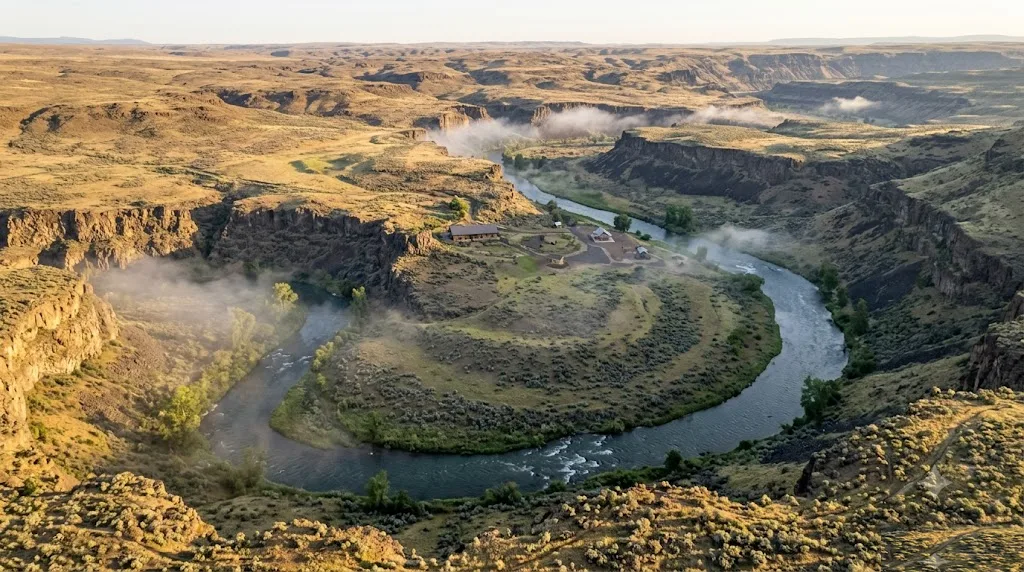
As independent US travel authorities, our team at Roam States is here to tell you that if you're seeking true solitude and a raw, expansive Oregon landscape, look no further than Cottonwood Canyon State Park Oregon. This isn't your typical manicured state park; it's Oregon's second-largest, a vast expanse of undeveloped canyon land carved by the mighty John Day River, offering an authentic high desert experience. Spanning over 8,000 acres, with an additional 10,000 acres of surrounding public land managed by the U.S. Bureau of Land Management, this park is a haven for those who appreciate rugged beauty, abundant wildlife, and endless outdoor adventure.
Why Visit Cottonwood Canyon State Park
We believe Cottonwood Canyon State Park offers a unique appeal that sets it apart from many other destinations in Oregon. Here, the elemental forces of nature are on full display, from the towering basalt cliffs to the deep side canyons and arid, rocky grasslands that stretch for miles. It's a place where you can truly disconnect, as cell service is virtually nonexistent throughout the park, allowing for an immersive experience in nature.
The park's dedication to preserving its natural night skies earned it a designation as a certified International Dark Sky Park in 2024, making it an exceptional spot for stargazing, far from urban light pollution. Beyond its stunning geology, Cottonwood Canyon is a wildlife enthusiast's dream. We've seen Rocky Mountain elk, mule deer, pronghorn antelope, coyotes, bighorn sheep, and a wide array of migratory and resident birds, especially raptors. In spring, the landscape bursts with wildflowers, adding a vibrant splash of color to the otherwise rugged terrain.
For those interested in the region's history, preserved ranch buildings and farm equipment scattered throughout the park offer a glimpse into its homesteading past. It's a place of tranquility, solitude, and breathtaking vistas that truly capture the wild essence of Central Oregon.
Who It's Best For
Cottonwood Canyon State Park is ideal for adventurers and nature lovers seeking an escape from the crowds. Our team finds it particularly suited for:
- Anglers: The John Day River is renowned for its spring and fall wild steelhead runs, and year-round opportunities for smallmouth bass and catfish.
- Hikers and Bikers: With miles of maintained trails and old ranching roads, there's ample opportunity to explore the vast landscape on foot or two wheels.
- Wildlife Observers and Birders: The diverse ecosystem supports a rich array of animals, from large mammals like bighorn sheep and elk to a variety of raptors and other bird species.
- Stargazers: As a certified International Dark Sky Park, the park offers unparalleled views of the night sky.
- Campers: Whether you prefer primitive sites, walk-in tent sites, or rustic cabins, the park offers a range of camping experiences.
- Those Seeking Solitude: The park's remote location and lack of cell service make it perfect for a true digital detox and quiet contemplation.
It's important to note that the park is rugged and deliberately undeveloped, so visitors should be prepared for a rustic experience.
Getting There & Parking
Reaching Cottonwood Canyon State Park is straightforward, though its remote nature means you'll want to plan your route carefully. The park is situated on Highway 206, nestled between the towns of Condon and Wasco in north-central Oregon. We recommend using a reliable map or GPS system, but be aware that some online mapping services might not fully reflect the park's name or exact location due to its relatively recent establishment in 2013.
From The Dalles, a common access point, the park is approximately 40 miles south. If you're coming from Bend, we've found the route north on Highway 97 to Wasco, then east on Highway 206 for about 15 miles, to be efficient. Once you arrive, you'll find parking available at the developed day-use area and near the Lone Tree Campground.
Parking for one vehicle is included with each campsite fee. If you plan to bring an additional vehicle, note that an extra vehicle fee of $10 per night applies, and a maximum of two vehicles are permitted per site. Additional vehicles are not allowed overnight in the park. For specific trailheads like the Hard Stone Trail, there's a short gravel road leading to a dedicated parking area. Always carry a physical map or download offline maps, as there is no cell phone coverage anywhere in the park.
Top Things to Do
There are countless things to do at Cottonwood Canyon State Park, catering to a wide range of outdoor interests. Our team has explored many of them, and here are our top recommendations:
- Hiking and Biking: Explore the extensive network of trails. The Pinnacles Trail and the Lost Corral Trail each run 4.3 miles one way along opposite sides of the John Day River. The Lost Corral Trail is open to hikers, bikers, and equestrians, while the Pinnacles Trail welcomes hikers and bikers. For a shorter, foot-traffic-only option, the Hard Stone Trail travels 1.5 miles upstream. You can also venture out on old, unmaintained ranching roads into the backcountry for a more rugged experience. Be aware of annual trail closures from February 1 to August 31 at the 3-mile point on the Pinnacles Trail and the 2-mile point on the Hardstone Trail, implemented to protect Golden Eagle nesting sites.
- Fishing the John Day River: The John Day River is a prime spot for anglers. We've found excellent opportunities for wild steelhead runs in the spring and fall, and smallmouth bass and catfish year-round. Always check the Oregon Department of Fish and Wildlife (ODFW) website for current regulations. For 2026, the John Day River from the mainline railroad bridge at the mouth upstream to a marker one-quarter mile below Tumwater Falls has specific bag limits for hatchery steelhead from June 16 through August 31, and is open for hatchery steelhead from January 1 to April 30 and September 1 to December 31. It's open all year for bass, catfish, and other warmwater fish, with bait allowed.
- Boating and Floating: The J.S. Burres day-use area serves as a popular boat launch for rafts, kayaks, canoes, and drift boats, allowing you to experience the canyon from the water. Note that the John Day River is closed to motorized watercraft year-round between Clarno and Cottonwood Bridge, and seasonally from May 1 to September 30 between Cottonwood Bridge and Tumwater Falls.
- Wildlife Viewing: Keep your eyes peeled for Rocky Mountain elk, mule deer, pronghorn antelope, bighorn sheep, and coyotes. Birdwatchers will be thrilled by the variety of raptors, including golden eagles and hawks, as well as chukar, partridges, warblers, and owls. Spring brings out many smaller mammals and reptiles, including lizards and various nonvenomous snakes. Be vigilant for western rattlesnakes and cougars, and always give them space.
- Stargazing: As an International Dark Sky Park, Cottonwood Canyon offers phenomenal night sky viewing. We recommend bringing a telescope or binoculars to fully appreciate the Milky Way.
- Camping: Experience the park overnight at Lone Tree Campground, offering primitive sites, walk-in tent sites, and rustic cabins.
- Photography: The dramatic landscapes, towering cliffs, the John Day River, and abundant wildlife provide endless photographic opportunities.
Best Time to Visit
Our experience tells us that the best time to visit Cottonwood Canyon State Park largely depends on your preferred activities and tolerance for weather conditions. The park is open for day use and camping year-round.
- Spring (March-May): We highly recommend spring for its comfortable temperatures and spectacular wildflower blooms, which typically peak from late March through April into early May. The hills turn green, and the weather is generally moderate for hiking. However, be aware that ticks are most active in spring and early summer.
- Fall (September-November): Fall is another excellent season, often cited as the most comfortable. Daytime temperatures range from 55 to 80°F with cool nights, and winds are calmer compared to summer. River flows drop, making fishing and boating easier, and the cottonwood trees turn golden, creating a beautiful landscape. Crowds are also thinner.
- Summer (June-August): While summer offers opportunities for stargazing and river swimming to cool off, it can be extremely hot and windy. We strongly advise carrying plenty of water (20 ounces per person, per hour for hiking in hot sun is recommended). Fire restrictions are also in effect from mid-spring through early fall; specifically, open flame restrictions began May 15, 2026, prohibiting wood fires, charcoal, and other devices that emit flames or embers. Portable cooking stoves, propane firepits, barbecues, and lanterns using liquefied or bottled fuels are allowed.
- Winter (December-February): Winter provides solitude, though it can bring strong winds and freezing temperatures, with occasional snow on the rim rocks. Limited winter comforts and potential closures may affect your visit.
Where to Stay Nearby
While Cottonwood Canyon State Park offers excellent camping options, for those seeking more traditional lodging, our team has identified several towns and facilities in the vicinity. Keep in mind that the park itself is remote, so nearby accommodations will require a drive.
Cottonwood Canyon State Park lodging
Within the park, Cottonwood Canyon State Park lodging primarily consists of the Lone Tree Campground. This campground offers 21 primitive sites suitable for tents and self-contained RVs (up to 75 feet), 14 walk-in tent sites, and 4 rustic cabins. The primitive sites include picnic tables and fire rings (when no burn ban is in effect). The cabins are basic but provide a comfortable base with nearby flush toilets and hot showers. Reservations for campsites are available April through October, up to six months in advance, and cabins are reservable year-round. From November through March, campsites are first-come, first-served. There's also a group tent camp for up to 25 people and hiker/biker sites available. Potable water and vault toilets are available in the campground area.
Lodging in Nearby Towns
For those preferring a hotel or vacation rental, the closest towns with options include:
- Wasco: Located about 23 miles north of the park, Wasco is a small town with limited lodging but offers convenience.
- Condon: Approximately 30 minutes drive from the park, Condon offers a few lodging options like the Hotel Condon, which provides a comfortable base for exploring the region.
- The Dalles: About 44 miles from the park, The Dalles is a larger city with more hotel choices, including chain hotels like Holiday Inn Express & Suites and Fairfield Inn & Suites. It's also a gateway to the Columbia River Gorge, offering additional attractions.
- Maupin: Roughly an hour's drive from Cottonwood Canyon, Maupin is a popular destination on the Deschutes River, known for its rafting and fishing. The Imperial River Company offers lodge rooms with amenities.
- Grass Valley: Smaller options like The Horseshoe House, a family-friendly ranch stay, can be found in Grass Valley, offering a unique experience amidst rolling wheat fields.
Several private camping and glamping options are also available through services like Hipcamp, offering unique stays on ranches and farms in the broader region, some with electrical/water hookups.
Sample 2-Day Itinerary
To help you make the most of your visit to Cottonwood Canyon State Park, we've put together a sample 2-day itinerary, focusing on the park's highlights and ensuring a well-rounded experience.
Day 1: River Trails and Stargazing
- Morning (Arrival & Hike): Arrive at Cottonwood Canyon State Park. Check into your campsite or cabin at Lone Tree Campground. After setting up, head to the J.S. Burres day-use area. From here, embark on the Lost Corral Trail, a 4.3-mile one-way path that follows the John Day River downstream. This trail is open to hikers, bikers, and equestrians, offering scenic views of the canyon and river. Pack plenty of water and snacks.
- Afternoon (Picnic & River Access): Enjoy a picnic lunch at one of the day-use picnic shelters near the campground. Spend some time by the John Day River. If conditions are right and you have the gear, consider a short float trip from the J.S. Burres boat launch. Alternatively, try your hand at fishing for smallmouth bass.
- Evening (Dinner & Dark Skies): Prepare dinner at your campsite. As dusk settles, find a comfortable spot away from any artificial lights within the campground. With the park's International Dark Sky Park designation, you're in for an incredible stargazing experience. Bring a blanket and binoculars to fully appreciate the Milky Way.
Day 2: Canyon Views and Wildlife
- Morning (Pinnacles Trail & Wildlife): Start your day with an early hike on the Pinnacles Trail, accessible from the end of the campground. This 4.3-mile one-way trail offers different perspectives of the river and canyon formations. Keep an eye out for wildlife such as bighorn sheep on the cliffs or various bird species. Remember the seasonal closure on this trail between February 1 and August 31 at the 3-mile point due to eagle nesting.
- Afternoon (Exploration & History): Explore some of the old, unmaintained ranching roads that lead into the backcountry, offering a sense of the park's vastness and history. You might discover remnants of the area's ranching past. Alternatively, if you're interested in geology, take time to appreciate how the John Day River carved the basalt cliffs over millions of years.
- Late Afternoon (Departure or Relaxation): Enjoy a final quiet moment by the river or at your campsite before packing up. If you have extra time, consider a short drive to the nearby town of Wasco or Condon for a meal before heading home.
For those looking to extend their trip in Oregon, we highly recommend exploring other iconic destinations such as Crater Lake National Park, the stunning Columbia River Gorge, or the majestic Multnomah Falls. Oregon offers diverse landscapes, from the coast to the high desert, and there's always more to discover. You can find more inspiration on our Best Places in Oregon guide.
Last updated: 2026-07-08 by the Roam States team.