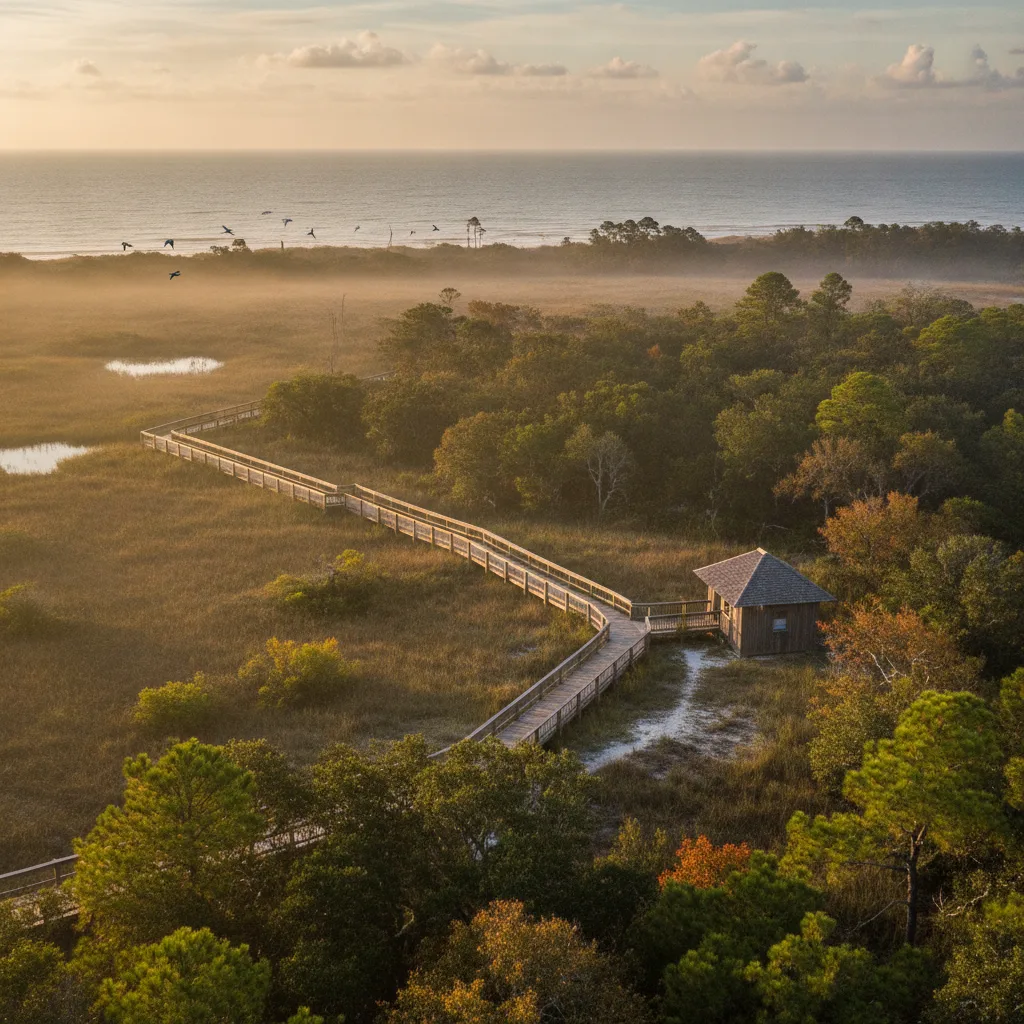
As your trusted independent US travel authority, our team at Roam States is dedicated to bringing you the most authentic and actionable travel guides. Today, we're setting our sights on a true gem of the Gulf Coast: the Dauphin Island Audubon Bird Sanctuary Alabama. This isn't just another stop; it's a crucial ecological waypoint, a vibrant natural classroom, and a tranquil escape for anyone drawn to the wild beauty of migratory birds and coastal woodlands. We've compiled everything you need to know to plan a truly unforgettable visit to this remarkable sanctuary.
Why Visit Dauphin Island Audubon Bird Sanctuary
The Dauphin Island Audubon Bird Sanctuary stands as a testament to the incredible journey of migratory birds, offering a vital 164-acre woodland haven on the eastern tip of Dauphin Island. This sanctuary is not merely a patch of trees; it's a designated Important Bird Area (IBA) by the National Audubon Society, recognized globally for its critical role as a primary landfall for neotropical songbirds crossing the Gulf of Mexico. For these weary travelers, it represents the first opportunity to rest and refuel after an arduous, non-stop flight, making it an ecological marvel and a prime location for birdwatching.
Our team recommends visiting to witness the sheer volume and diversity of birdlife, especially during the spring and fall migrations. Imagine warblers, vireos, orioles, and tanagers, often in brilliant breeding plumage, flitting through the canopy and undergrowth. Beyond the spectacle of migration, the sanctuary provides a serene environment year-round, with resident species and a rich tapestry of coastal flora and fauna. The easily accessible boardwalk, which stretches approximately 1,000 feet, offers an unparalleled vantage point over Galliard Lake, allowing for intimate views of wading birds, alligators, and other aquatic life without disturbing their natural rhythms. It's an immersive experience that connects visitors directly to the delicate balance of nature.
The sanctuary's commitment to conservation and education is evident in its well-maintained trails and interpretive signage, which enhance the visitor experience by providing insights into the unique ecosystem. Whether you're a seasoned birder with a life list to expand or simply seeking a peaceful retreat into nature, the Dauphin Island Audubon Bird Sanctuary offers a profound connection to the natural world that few places can match on the Gulf Coast. We consider it an essential stop for anyone exploring the natural wonders of Alabama.
Who It's Best For
The Dauphin Island Audubon Bird Sanctuary is a destination with broad appeal, but our team finds it particularly suited for specific types of travelers:
- Avid Birdwatchers and Ornithologists: This is ground zero for birding enthusiasts, especially during migration periods. The chance to observe dozens of species, including rare vagrants, makes it a world-class birding hotspot.
- Nature Photographers: With diverse habitats, abundant wildlife, and stunning natural light, the sanctuary offers endless opportunities for capturing breathtaking images of birds, landscapes, and coastal ecosystems.
- Families with Children: The accessible boardwalk and well-maintained trails make it easy for families to explore. It's an excellent outdoor classroom where children can learn about migration, ecosystems, and wildlife in a hands-on environment.
- Accessible Travelers: The handicap-accessible boardwalk ensures that visitors with mobility challenges can still enjoy the beauty of Galliard Lake and its avian residents.
- Peace Seekers and Solitude Lovers: Away from the bustling beaches, the sanctuary offers a tranquil escape. The quiet trails and serene atmosphere are perfect for reflection, meditation, or simply unwinding amidst nature.
- Eco-Tourists and Conservationists: Those interested in ecological conservation and sustainable travel will appreciate the sanctuary's vital role in protecting migratory bird populations and its efforts in habitat preservation.
While the sanctuary's primary draw is birdwatching, its natural beauty and peaceful ambiance make it a rewarding visit for anyone looking to connect with nature on Alabama's Gulf Coast. It's an experience that resonates deeply with those who value ecological significance and quiet contemplation.
Getting There & Parking
Reaching the Dauphin Island Audubon Bird Sanctuary is straightforward, whether you're arriving by car or via the Mobile Bay Ferry. Our team has verified the most current information for your 2026 trip planning to ensure a smooth arrival.
The sanctuary is located on the eastern end of Dauphin Island, a barrier island off the coast of Alabama. If you're driving from the mainland, you'll take the Dauphin Island Bridge (State Route 193) directly onto the island. Once on the island, continue east on Bienville Boulevard. The entrance to the Dauphin Island Audubon Bird Sanctuary will be clearly marked on your left. For those wondering how to get to Dauphin Island Audubon Bird Sanctuary from the Mobile area, simply follow I-10 West to Exit 17A (Dauphin Island Parkway/SR-193 South) and continue south until you reach the island.
Alternatively, if you're coming from the eastern shore of Mobile Bay, such as from Fairhope or Gulf Shores & Orange Beach, you might consider taking the Mobile Bay Ferry. This scenic ferry service connects Fort Morgan (at the end of SR-180) to Dauphin Island, offering a unique approach to the island. Be sure to check the ferry schedule and fares in advance, especially during peak seasons. Once the ferry docks on Dauphin Island, you'll exit onto Bienville Boulevard and head east a short distance to the sanctuary.
Regarding parking, we can confirm that ample free parking is available directly at the entrance to the Dauphin Island Audubon Bird Sanctuary. The parking area is well-maintained and provides easy access to the sanctuary's trails and boardwalk. There are no reservations required for entry or parking at the sanctuary in 2026, and admission remains free, making it an accessible and budget-friendly option for all visitors. We always recommend arriving earlier in the day, especially during peak migration periods, to secure the best parking spots and enjoy the tranquility before larger crowds gather. Understanding how to get to Dauphin Island Audubon Bird Sanctuary is the first step to an incredible birding adventure.
Top Things to Do
When you visit the Dauphin Island Audubon Bird Sanctuary, you'll discover a wealth of activities centered around its natural beauty and incredible avian residents. Our team has identified the top things to do at Dauphin Island Audubon Bird Sanctuary to help you make the most of your time.
Birdwatching Along the Boardwalk and Trails
The undisputed highlight of any visit is, of course, birdwatching. The sanctuary's diverse habitats—maritime forest, freshwater lake, and dunes—attract an astonishing array of species. The approximately 1,000-foot handicap-accessible boardwalk provides an excellent platform for observing wading birds like herons, egrets, and sometimes even roseate spoonbills on Galliard Lake. Keep an eye out for alligators basking in the sun or turtles swimming below. Beyond the boardwalk, the sanctuary boasts several miles of well-maintained walking trails that wind through the maritime forest, offering opportunities to spot songbirds, raptors, and other terrestrial wildlife. These Dauphin Island Audubon Bird Sanctuary hiking trails are particularly rewarding during migration, when the trees can be alive with vibrant warblers and other neotropical migrants. We recommend bringing binoculars and a field guide to fully appreciate the avian diversity.
Exploring the Dauphin Island Audubon Bird Sanctuary Hiking Trails
Beyond the main boardwalk, the network of Dauphin Island Audubon Bird Sanctuary hiking trails allows for deeper exploration of the sanctuary's ecosystems. These trails range from easy, flat paths suitable for a leisurely stroll to slightly more rugged routes that immerse you further into the maritime forest. As you traverse these paths, you'll encounter various plant species, from ancient live oaks draped in Spanish moss to native shrubs that provide crucial cover and food for birds. The trails offer different perspectives of the sanctuary, leading to quieter spots where you might have a more intimate encounter with wildlife. It’s an ideal way to experience the full scope of the sanctuary's natural beauty and is one of the top things to do at Dauphin Island Audubon Bird Sanctuary for those who enjoy a more active exploration.
Nature Photography
For photographers, the sanctuary is a dream. The interplay of light filtering through the dense canopy, the vibrant colors of migratory birds, and the serene reflections on Galliard Lake create endless photographic opportunities. Early mornings and late afternoons offer the best light for capturing stunning images. Patience is key, as is a good telephoto lens if you're aiming for close-ups of the birds.
Wildlife Observation (Beyond Birds)
While birds are the stars, the sanctuary is home to a variety of other wildlife. You might spot white-tailed deer, raccoons, opossums, and various reptiles and amphibians. The freshwater lake is home to alligators, so always observe from a safe distance and never feed wildlife. The diverse insect life, including beautiful butterflies and dragonflies, also adds to the ecological richness of the area.
Picnicking and Relaxation
While there are no designated picnic areas within the sanctuary itself, the peaceful environment lends itself to quiet contemplation. Many visitors enjoy finding a bench along the boardwalk or a quiet spot on a trail to simply sit, listen to the sounds of nature, and soak in the tranquility. Remember to pack out everything you pack in to help maintain the pristine condition of this vital habitat.
These activities highlight the myriad ways to engage with and appreciate the natural wonders of the Dauphin Island Audubon Bird Sanctuary.
Best Time to Visit
Timing your visit to the Dauphin Island Audubon Bird Sanctuary is crucial for maximizing your experience, especially if your primary goal is to witness the spectacular bird migrations. Our team has identified the optimal periods based on avian activity and weather conditions.
Spring Migration (March to May)
Undoubtedly, the spring migration is the most celebrated time to visit. Beginning in late March and peaking through April and early May, millions of neotropical songbirds, having crossed the Gulf of Mexico from the Yucatán Peninsula, make their first landfall on Dauphin Island. Exhausted and hungry, they descend upon the sanctuary's maritime forest to rest and refuel. During this period, you can expect to see a dazzling array of warblers (including Prothonotary, Hooded, Kentucky, and American Redstart), vireos, orioles, tanagers, and grosbeaks, often in their vibrant breeding plumages. The sheer volume and diversity of birds can be overwhelming in the best possible way, making for an unforgettable birding experience. Weather during this time is generally mild and pleasant, though spring showers can occur.
Fall Migration (September to November)
The fall migration, while perhaps less concentrated than the spring "fallout," offers another excellent opportunity for birdwatching. From September through November, birds migrate south for the winter, and the sanctuary serves as a crucial staging ground before their trans-Gulf journey. You'll still see many of the same species as in spring, though often in their more subdued non-breeding plumages. Raptors are also more prominent during the fall, with various hawk species making their way south. The cooler temperatures and lower humidity of autumn make for very comfortable conditions for exploring the trails.
Winter (December to February)
While not a peak migration period, winter still offers good birding, particularly for waterfowl and various resident species. Many northern birds migrate to the Gulf Coast for the winter, and you can often spot ducks, geese, and various shorebirds on and around Galliard Lake. The sanctuary is generally quieter during these months, providing a peaceful experience for those seeking solitude.
Summer (June to August)
Summer on Dauphin Island is hot and humid, and bird activity in the sanctuary tends to be lower as most migrants have moved north. However, resident birds are still present, and you might spot nesting species. If you visit in summer, we recommend going early in the morning to avoid the heat and take advantage of the cooler temperatures and higher bird activity. This is also a good time to observe local wildlife like alligators.
For the ultimate birding experience, our team strongly recommends planning your visit during the spring or fall migration windows. Always check local birding reports or the Dauphin Island Bird Sanctuaries website for the most current information on bird sightings and conditions before your trip.
Where to Stay Nearby
To fully immerse yourself in the natural beauty of Dauphin Island and the wonders of the Audubon Bird Sanctuary, our team recommends staying directly on the island. This allows for early morning access to the sanctuary and easy exploration of other island attractions. When considering Dauphin Island Audubon Bird Sanctuary lodging, you'll find a range of options to suit different preferences and budgets.
Vacation Rentals
The most popular form of accommodation on Dauphin Island is vacation rentals. From charming beachfront cottages to spacious homes with Gulf views, there are numerous properties available through platforms like Airbnb, Vrbo, and local rental agencies. These offer amenities like full kitchens, multiple bedrooms, and private outdoor spaces, making them ideal for families, groups, or those planning an extended stay. Many rentals are just a short drive or even a walk from the Dauphin Island Audubon Bird Sanctuary, providing convenient access for early morning birding excursions.
Hotels and Motels
While Dauphin Island doesn't boast large chain hotels, you'll find several smaller, independently owned hotels and motels that offer comfortable and convenient lodging. These often provide a more local and intimate experience. Look for options along Bienville Boulevard, which is the main thoroughfare on the island, offering easy access to the sanctuary, beaches, and restaurants. These establishments are generally well-suited for shorter stays or for travelers who prefer hotel-style amenities. When searching for Dauphin Island Audubon Bird Sanctuary lodging, these local hotels are a solid choice.
Dauphin Island Campground
For those who prefer a more rustic experience, the Dauphin Island Campground offers a fantastic option. Located centrally on the island, it provides sites for both RVs and tents, complete with amenities like hookups, bathhouses, and laundry facilities. Camping allows you to be even closer to nature and is a budget-friendly choice, particularly if you're traveling with your own gear. It's a great way to extend your time outdoors and enjoy the island's natural environment after a day at the sanctuary.
Mobile (Mainland)
If you prefer a wider selection of lodging options or plan to explore more of the mainland attractions in Mobile, staying in the city is a viable alternative. Mobile offers a full spectrum of hotels, from budget-friendly to luxury, as well as a vibrant dining and entertainment scene. However, be aware that staying in Mobile will require a drive of approximately 45 minutes to an hour (depending on traffic and your specific location in Mobile) across the Dauphin Island Bridge to reach the sanctuary. While feasible for day trips, it adds travel time to your daily itinerary.
Our team suggests prioritizing lodging on Dauphin Island itself to fully embrace the island's unique charm and maximize your time at the Dauphin Island Audubon Bird Sanctuary.
Sample 2-Day Itinerary
To help you plan an unforgettable visit to Dauphin Island, our team has crafted a sample 2-day itinerary that balances immersive nature experiences with other local attractions. This plan ensures you get the most out of your time at the Dauphin Island Audubon Bird Sanctuary and the surrounding area.
Day 1: Avian Wonders and Island Exploration
Morning (Dawn to Noon): Dauphin Island Audubon Bird Sanctuary Start your day at dawn, the prime time for bird activity. Head straight to the Dauphin Island Audubon Bird Sanctuary. Spend 3-4 hours exploring the handicap-accessible boardwalk overlooking Galliard Lake, observing wading birds and alligators. Then, venture onto the extensive Dauphin Island Audubon Bird Sanctuary hiking trails, delving into the maritime forest to spot migratory songbirds. Remember your binoculars, camera, and field guide. Admission is free, and no reservations are needed.
Lunch (Noon to 1:30 PM): Local Island Fare After your birding adventure, enjoy a casual lunch at one of Dauphin Island's local eateries. Fresh seafood is a must-try, with several restaurants offering Gulf-to-table options.
Afternoon (1:30 PM to 5:00 PM): Historic Fort Gaines and Beaches Explore Historic Fort Gaines, a well-preserved Civil War-era fort that guards the eastern tip of the island. Discover its cannons, tunnels, and blacksmith shop, and enjoy panoramic views of Mobile Bay and the Gulf of Mexico. Afterwards, unwind on one of Dauphin Island's pristine public beaches, enjoying the gentle waves and soft sands.
Evening (5:00 PM onwards): Sunset and Dinner Catch a spectacular sunset over the Gulf of Mexico or Mobile Bay. Many spots on the island offer prime viewing. Conclude your day with a relaxing dinner at another island restaurant, perhaps trying a different local specialty.
Day 2: Marine Life, Art, and Departure
Morning (9:00 AM to Noon): Dauphin Island Sea Lab Estuarium Begin your second day at the Dauphin Island Sea Lab Estuarium. This public aquarium focuses on the four key habitats of coastal Alabama: the Mobile Tensaw River Delta, Mobile Bay, the Barrier Islands, and the Northern Gulf of Mexico. It's an excellent educational experience for all ages, offering fascinating insights into the region's marine biodiversity.
Lunch (Noon to 1:30 PM): Picnic or Cafe Grab a quick bite at the Estuarium's cafe or pack a picnic to enjoy at a scenic spot on the island, perhaps near the historic lighthouse.
Afternoon (1:30 PM to 4:00 PM): Art and Island Charms Spend your afternoon browsing the local art galleries and gift shops on Dauphin Island, discovering unique souvenirs and coastal-inspired artwork. Consider a visit to the Dauphin Island Gallery, featuring local artists. If time permits, take a leisurely drive around the island to appreciate its laid-back charm and residential areas.
Late Afternoon (4:00 PM onwards): Departure or Extended Stay Depending on your travel plans, you can begin your journey off the island, perhaps taking the Mobile Bay Ferry for a scenic exit to Fort Morgan, or heading back across the Dauphin Island Bridge. If you have more time, consider extending your stay to explore more of what the island and nearby mainland have to offer, such as the USS Alabama Battleship Park in Mobile.
Is It Worth Visiting?
Our team unequivocally believes that the Dauphin Island Audubon Bird Sanctuary is worth visiting, especially for anyone with an appreciation for nature, wildlife, and conservation. This 164-acre woodland sanctuary is far more than just a park; it's a globally recognized ecological hotspot and a vital lifeline for millions of migratory birds. The experience it offers is unique, profound, and deeply rewarding.
During the spring and fall migrations, the sanctuary transforms into one of the best birdwatching destinations in North America. To witness the "fallout" of exhausted yet vibrant neotropical songbirds after their arduous journey across the Gulf of Mexico is an awe-inspiring sight that stays with you long after your visit. The sheer diversity and abundance of species during these periods are unparalleled. Even outside of peak migration, the sanctuary provides a tranquil retreat, home to resident birds, alligators, and a rich variety of coastal flora and fauna.
Furthermore, the sanctuary's commitment to accessibility, with its handicap-accessible boardwalk over Galliard Lake, ensures that its natural beauty can be enjoyed by a wide range of visitors. The free admission and ample parking also make it an accessible and budget-friendly destination for families and solo travelers alike. For those seeking an escape from the ordinary, a deeper connection with nature, or an educational experience about one of the world's most incredible natural phenomena, the Dauphin Island Audubon Bird Sanctuary delivers on all fronts. We confidently assert that the question of "is Dauphin Island Audubon Bird Sanctuary worth visiting" can be answered with a resounding yes.
FAQ: Your Questions Answered
Dauphin Island Audubon Bird Sanctuary camping
While camping is not permitted directly within the Dauphin Island Audubon Bird Sanctuary, the nearby Dauphin Island Campground offers excellent facilities for both RV and tent camping. Located conveniently on the island, it provides a great base for exploring the sanctuary and other island attractions, allowing you to immerse yourself in the natural environment. We recommend booking well in advance, especially during peak seasons.
things to do in Dauphin Island
Beyond the incredible bird sanctuary, Dauphin Island offers a variety of things to do. Explore Historic Fort Gaines, relax on the pristine public beaches, visit the Dauphin Island Sea Lab Estuarium to learn about marine life, or take a scenic ride on the Mobile Bay Ferry. The island also has charming local shops, restaurants, and opportunities for fishing and kayaking. For more ideas, consult our comprehensive guide to Dauphin Island.
Dauphin Island Audubon Bird Sanctuary with kids
Visiting the Dauphin Island Audubon Bird Sanctuary with kids is a fantastic educational and engaging experience. The handicap-accessible boardwalk makes it easy for strollers, and children will be fascinated by the birds, alligators, and other wildlife. We recommend bringing binoculars for them, encouraging them to spot different species, and using a simple field guide. Pair it with a visit to the Dauphin Island Sea Lab Estuarium for a full day of nature-focused learning.
best hotels near Dauphin Island Audubon Bird Sanctuary
The best hotels near Dauphin Island Audubon Bird Sanctuary are typically smaller, independently owned motels and inns located directly on Dauphin Island, primarily along Bienville Boulevard. For a wider selection and more amenities, vacation rentals (cottages, condos) are abundant and popular on the island. While there aren't large chain hotels, these local options provide convenient access to the sanctuary and a more authentic island experience. Consider booking vacation rentals for more space and amenities, especially for families.
Dauphin Island Audubon Bird Sanctuary tips
Our top Dauphin Island Audubon Bird Sanctuary tips include: visit during spring or fall migration for peak birdwatching; arrive at dawn for the best activity; bring binoculars, a field guide, and a camera; wear comfortable walking shoes; apply insect repellent (especially in warmer months); bring water; and remember that admission is free and no reservations are required. Always stay on marked trails and observe wildlife from a respectful distance.
where to stay near Dauphin Island Audubon Bird Sanctuary
The most convenient and recommended place to stay near the Dauphin Island Audubon Bird Sanctuary is on Dauphin Island itself. This allows for easy access to the sanctuary, especially for early morning birding. Options include vacation rentals (cottages, houses), local motels/inns, and the Dauphin Island Campground. Staying on the island immerses you in its unique coastal atmosphere, though the city of Mobile offers more extensive hotel choices if you don't mind a 45-60 minute drive.
The Dauphin Island Audubon Bird Sanctuary is more than just a destination; it's a vital natural wonder, a testament to the resilience of migratory birds, and a serene escape for anyone seeking connection with the wild. Our team at Roam States wholeheartedly recommends adding this exceptional sanctuary to your Alabama travel itinerary. Whether you're a dedicated birder or simply a lover of nature, the experiences here—from the vibrant "fallouts" of spring to the peaceful walks along the accessible boardwalk—will leave an indelible mark. Plan your trip, pack your binoculars, and prepare to be amazed by the ecological richness of this Gulf Coast treasure. For more incredible natural attractions in the state, be sure to explore our guide to Cathedral Caverns State Park, or consider a visit to the historic Ave Maria Grotto. We also encourage you to visit the Alabama Tourism Department website for additional state-wide travel resources.
Last updated: 2026-07-12 by the Roam States team.