False Cape State Park Travel Guide — Virginia
Our False Cape State Park guide covers practical planning for False Cape State Park Virginia — best time to visit, getting there, and what to do on the ground. We'll share our expert insights on navigating this unique coastal wilderness, including essential details on access, activities, and where to stay for an unforgettable adventure.
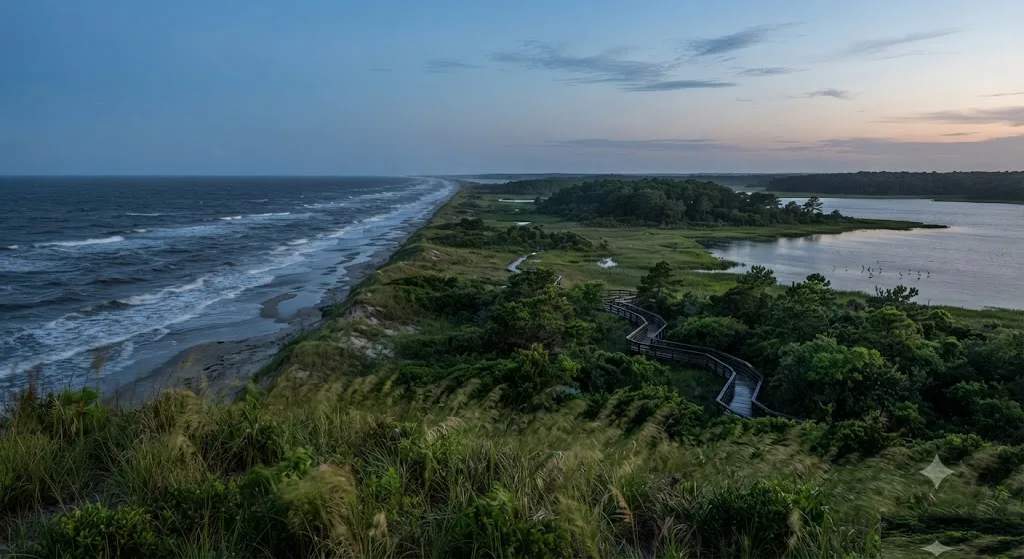
As independent US travel authorities, our team at Roam States has explored countless destinations, but few offer the raw, untamed beauty of False Cape State Park. This pristine barrier island, nestled between the Atlantic Ocean and Back Bay, stands as one of the last undeveloped areas on the East Coast. Spanning 4,321 acres with six miles of unspoiled beaches and nearly 17 miles of trails, it’s a true escape into nature, accessible only by foot, bicycle, boat, or tram. Our mission is to equip you with the confident, specific knowledge you need to experience this secluded gem, avoiding generic travel fluff and focusing on actionable advice for your 2026 trip.
Why Visit False Cape State Park
We believe False Cape State Park offers a truly unparalleled experience for those seeking solitude and an intimate connection with nature. Unlike many bustling coastal destinations, this park maintains a primitive charm, largely due to its restricted access. It's a place where the rhythms of the tide and the calls of migratory birds dictate your day, not crowds or commercialism. The park preserves a diverse collection of natural habitats, including sand dunes, maritime forests, salt marshes, and wooded swamps, making it a hotspot for wildlife viewing. Over 300 bird species, from nesting shorebirds to majestic bald eagles, call this area home, offering incredible opportunities for birdwatching enthusiasts.
Beyond its ecological significance, False Cape holds a rich history. It was once home to Native Americans and the hardy Wash Woods community, whose remnants, like the historic church and cemetery, tell tales of lives lived in harmony with the sea. The very name "False Cape" harks back to the days of sailing ships, when mariners often mistook this stretch of coastline for Cape Henry, leading to numerous shipwrecks and the eventual settlement of survivors. This blend of natural wonder and historical intrigue creates a deeply rewarding visit for those willing to make the effort. We find that the challenge of accessing the park only enhances the sense of accomplishment and the feeling of truly discovering a hidden gem.
Who It's Best For
False Cape State Park is not for everyone, and that's precisely its allure. We confidently recommend this park for:
- Adventurous Hikers and Bikers: With its extensive trail network and car-free access, the park is a paradise for those who love to explore on two feet or two wheels. The journey in is as much a part of the adventure as the destination itself.
- Nature Enthusiasts and Wildlife Observers: If spotting rare birds, observing deer, or simply immersing yourself in an untouched ecosystem excites you, False Cape will deliver. The diverse habitats support a wide array of flora and fauna.
- Primitive Campers: For experienced campers who relish a true "back to nature" experience, the primitive, tent-only campsites offer unparalleled solitude under the stars. Be prepared for a self-sufficient trip, as amenities are minimal.
- Photographers: The dramatic coastal landscapes, abundant wildlife, and unique historical sites provide endless photographic opportunities, especially during the golden hours of sunrise and sunset.
- Those Seeking Seclusion: If your ideal getaway involves miles of deserted beach and a profound sense of peace, far from crowds and commercial distractions, then False Cape is your destination.
However, we caution that it's generally not recommended for very young children, inexperienced campers, or individuals who require immediate access to emergency medical care due to its remote nature and limited facilities. Pets are also restricted from accessing the park through Back Bay National Wildlife Refuge, which is the primary land access point. If you plan to bring a pet, you must arrive by boat or through the North Carolina entrance, and only along the beach from November through March, or by boat from April through September.
Getting There & Parking
Understanding how to get to False Cape State Park is crucial, as it’s one of the most unique aspects of visiting. Public vehicular access is strictly prohibited within the park itself. Your journey begins by accessing the Back Bay National Wildlife Refuge, which serves as the gateway to False Cape.
Accessing False Cape State Park
There are three primary ways to reach False Cape State Park:
- By Foot or Bicycle: This is the most common and rewarding method for many visitors. You'll traverse approximately 6 miles through the Back Bay National Wildlife Refuge to reach the park entrance. The refuge offers East Dike and West Dike trails, though only one is open at a time, depending on the season. These trails are generally flat and scenic, making them ideal for biking. However, from November 1 through March 31, the interior refuge trails are closed, and access is restricted to hiking or bicycling along the beach, which can be significantly more challenging due to high tides and soft sand.
- By Tram: For those preferring a less strenuous approach or seeking an interpretive experience, the Blue Goose Tram offers guided tours through the Back Bay National Wildlife Refuge and into False Cape State Park. The tram departs from the Back Bay National Wildlife Refuge parking lot (4005 S. Sandpiper Road in Virginia Beach) and provides a four-hour narrated ride, often including a guided hike to the historic Wash Woods church and cemetery. Tram tours require advance reservations and cost $8 per adult in 2026. The tram does not transport campers or pets.
- By Boat: Experienced paddlers can access False Cape by canoe or kayak across Back Bay. Launch points are available at Little Island City Park or the Game Warden headquarters on Back Bay Landing Road. Boat docks are provided at Barbour Hill and False Cape Landing within the park. This method offers flexibility and is the only way to bring pets into the park from April through September.
Parking Considerations
Since you cannot drive directly into False Cape State Park, parking is a key logistical detail. For day-use visitors, parking is available at the Back Bay National Wildlife Refuge visitor center parking lot. However, we've noted that this lot fills quickly, especially during summer months. An alternative for day-use parking is Little Island City Park.
For overnight campers, parking at the Back Bay National Wildlife Refuge is not permitted. Instead, overnight parking is available at Little Island City Park (3820 S. Sandpiper Road, Virginia Beach). Parking fees are collected at Little Island City Park from May 1st through September 30th. Overnight parking payments must be made using the "Honk" app. Campers must display their reservation confirmation letter clearly on their dashboard to avoid towing.
Fees
While there is no direct entrance fee for False Cape State Park, you will encounter fees when accessing it through the Back Bay National Wildlife Refuge. The refuge charges a $5 per vehicle entrance fee from April 1 to October 31, or $2 for pedestrians and bicycles. This fee is waived if you hold an America the Beautiful, Federal Duck Stamp, or Refuge Annual Pass. Tram tours also incur an additional fee of $8 per adult.
Top Things to Do
Once you’ve successfully navigated the unique access requirements, a world of unspoiled nature awaits. Our team has identified several top things to do at False Cape State Park that truly highlight its distinctive character.
Explore Miles of Secluded Beach
With six miles of pristine Atlantic Ocean beachfront, False Cape offers an unparalleled opportunity for beachcombing, sunbathing, and simply enjoying the solitude. Unlike the bustling shores of nearby Virginia Beach, you'll often find yourselves with entire stretches of sand to yourselves. We recommend timing your beach walks with low tide for easier access and better shell-hunting opportunities.
Embark on False Cape State Park Hiking Trails and Biking Adventures
The park boasts nearly 17 miles of trails, weaving through diverse ecosystems. For those arriving by foot or bike, the journey through Back Bay National Wildlife Refuge to False Cape is an experience in itself. Once inside, the Sand Ridge Trail, a six-mile gravel route, runs the length of the park from north to south. Standard bike tires are suitable for reaching the Wash Woods area, but fat tires are recommended for tackling looser sand further south. You can even bike along the hard-packed sand all the way to North Carolina at low tide.
Popular hiking trails from the visitor center include the Marsh Ridge Trail, a short gravel walk with wetlands and an observation deck; the Barbour Hill Trail, offering ocean views; and the Sandy Point Trail, which extends the Barbour Hill Trail with scenic bay overlooks. Remember, the interior trails of Back Bay National Wildlife Refuge are closed from November through March, limiting access to the beach for hiking and biking. When planning your exploration of False Cape State Park hiking trails, always carry plenty of water, sunscreen, and insect repellent.
Wildlife Viewing and Birdwatching
False Cape State Park is a haven for wildlife. Its diverse habitats support over 300 species of birds, making it a premier destination for birdwatchers. Keep an eye out for nesting shorebirds, migratory waterfowl, and even bald eagles soaring overhead. On land, white-tailed deer, red foxes, feral pigs, and river otters can be spotted. The marshes and waterways teem with turtles and other reptiles, adding to the rich biodiversity. Guided wildlife tours and birding hikes are often available through the park's interpretive programs.
Kayaking and Interpretive Programs
Explore the serene waters of Back Bay with a guided kayak trip, offering a unique perspective of the park's marshes and wildlife. The park also offers a variety of interpretive programs, including astronomy programs, night hikes, and special group tours. These programs provide invaluable insights into the park's ecology, history, and conservation efforts. We highly recommend checking the park's event schedule for 2026 to see what's available during your visit.
Visit the Wash Woods Historic Site
A journey into False Cape State Park isn't complete without a visit to the Wash Woods historic site. This former community, established by shipwreck survivors, offers a glimpse into the resilient lives of early coastal inhabitants. The remnants of the church and cemetery stand as poignant reminders of a bygone era. The tram tour often includes a guided hike to this significant historical landmark.
Best Time to Visit
The ideal time to visit False Cape State Park largely depends on your priorities, as each season offers a distinct experience. Our team has compiled insights to help you plan your 2026 trip.
- Spring (March - May): We find spring to be an excellent time for mild weather and abundant wildlife activity. Migratory birds are plentiful, and the temperatures are generally comfortable for hiking and biking before the intense summer heat sets in. However, remember that interior refuge trails remain closed until April 1st.
- Summer (June - August): Summer brings the warmest conditions, perfect for water activities like swimming and kayaking. The long daylight hours allow for extended exploration. However, this is also peak season, meaning the Back Bay National Wildlife Refuge parking lot fills quickly, and mosquitoes and ticks are most active, especially at dusk. We strongly advise packing plenty of insect repellent.
- Fall (September - November): Fall offers a comfortable shoulder season with pleasant temperatures and continued wildlife viewing opportunities, particularly for migrating birds. The crowds begin to thin, offering more solitude.
- Winter (December - February): While colder, False Cape State Park remains open year-round for primitive camping. However, interior trails through Back Bay National Wildlife Refuge are closed, restricting access to the beach only. High tides and soft sands can make hiking and biking along the beach extremely difficult during this period, so this season is best for the most prepared and hardy adventurers.
Regardless of the season, we always recommend checking the weather forecast closely and packing layers, as coastal conditions can change rapidly. Bring plenty of water, sunscreen, and insect repellent for any time of year.
Where to Stay Nearby
Given the primitive nature of False Cape State Park, there are no developed lodging options within the park itself, beyond primitive camping. Therefore, planning your False Cape State Park lodging means looking to nearby communities, primarily Virginia Beach.
Primitive Camping within False Cape State Park
For the ultimate immersion in nature, primitive camping is available year-round at False Cape State Park. The park offers 12 tent-only campsites spread across four distinct areas: Barbour Hill Bay, Barbour Hill Ocean, False Cape Landing Bay, and False Cape Landing Ocean. These sites are separated by significant distances, ensuring privacy. Each site typically includes a tent pad, picnic table, and lantern post/food hang. Drinking water is available at three locations in the Barbour Hill area, while False Cape Landing campers must bring their own containers to transport water. Pit toilets are available, but there is no electricity or running water for showers. Open fires are prohibited, but camp stoves are allowed for cooking.
Reservations are mandatory for camping and must be made by calling 1-800-933-PARK; same-day reservations are not accepted. After booking, you'll receive a confirmation letter, two copies of which are needed: one for your dashboard at Little Island City Park (where overnight parking is allowed) and one to carry with you. We reiterate that camping here is best suited for experienced, self-sufficient individuals or groups.
Hotels and Vacation Rentals in Virginia Beach
For those who prefer more creature comforts after a day of exploring False Cape, the vibrant city of Virginia Beach offers a wide range of False Cape State Park lodging options, from hotels to vacation rentals. Communities like Sandbridge, located closer to the park's access point, are particularly convenient.
- Sandbridge: This area is just a short drive from the Back Bay National Wildlife Refuge and offers numerous vacation rentals, including condos and beach homes. Many provide amenities like pools, fitness rooms, and direct beach access.
- Virginia Beach Oceanfront: About 18 miles from False Cape State Park, the main Virginia Beach oceanfront area provides a broader selection of hotels, from family-friendly resorts to luxury accommodations. Options like Schooner Inn and Beach Quarters Resort are popular choices, offering amenities and activities that can complement your outdoor adventures. While further away, it offers more dining and entertainment options for evenings.
When searching for False Cape State Park lodging, consider factors like proximity to the park's entrance (Back Bay National Wildlife Refuge), amenities that suit your group (e.g., pools for families), and whether you prefer a quieter, more secluded stay (Sandbridge) or a lively urban environment (Virginia Beach Oceanfront).
Sample 2-Day Itinerary
To help you make the most of your visit to False Cape State Park Virginia, our team has crafted a sample 2-day itinerary, focusing on immersion in nature and practical logistics.
Day 1: Arrival, Exploration, and Primitive Camping
- Morning (9:00 AM): Arrive at Little Island City Park (for overnight parking) or Back Bay National Wildlife Refuge (for day-use parking). Ensure you have your camping reservation confirmation displayed if staying overnight.
- Late Morning (10:00 AM): Begin your journey into False Cape.
- Option A (Bike/Hike): Cycle or hike through the Back Bay National Wildlife Refuge. Check signs for which dike trail (East or West) is open. This 6-mile trek will take 1-2 hours by bike, longer by foot, depending on your pace and conditions.
- Option B (Tram): If pre-booked, take the 9:00 AM Blue Goose Tram from Back Bay National Wildlife Refuge. Enjoy the narrated tour and scenic ride.
- Noon (12:00 PM): Arrive at the False Cape State Park Visitor Center. Pick up a beach-accessible wheelchair if needed, use restrooms, and gather any last-minute information.
- Early Afternoon (1:00 PM): Head to your pre-reserved primitive campsite. Set up your tent and organize your gear. Remember, open fires are prohibited, so plan for camp stove cooking.
- Mid-Afternoon (3:00 PM): Explore the immediate area around your campsite. Take a leisurely walk along the secluded ocean beach, or explore one of the shorter False Cape State Park hiking trails, like the Barbour Hill Trail, offering ocean views and passing other campsites.
- Evening (6:00 PM): Prepare and enjoy a simple camp stove dinner. As dusk approaches, be prepared for insects and have repellent handy.
- Night: Experience the incredible dark skies of False Cape. Consider a self-guided night hike (with a flashlight) or simply stargaze from your campsite. Check for any scheduled astronomy programs if interested.
Day 2: Deeper Exploration and Departure
- Morning (7:00 AM): Wake up with the sunrise over the Atlantic. Enjoy a quick camp breakfast.
- Late Morning (9:00 AM): Embark on a longer exploration.
- Option A (Bike): Cycle the Sand Ridge Trail further south towards the Wash Woods Historic Site, perhaps even venturing towards the North Carolina border if you have fat tires and favorable low tide conditions. Park your bike at racks and hike the Cemetery Trail.
- Option B (Hike/Kayak): Hike to the Wash Woods Historic Site. Alternatively, if you brought a kayak or rented one, explore the Back Bay marshes. Consider a guided kayak tour if available.
- Noon (12:00 PM): Enjoy a packed lunch amidst the wilderness.
- Early Afternoon (1:00 PM): Begin packing up your campsite, ensuring you "leave no trace" and pack out all trash.
- Mid-Afternoon (2:00 PM): Start your return journey out of False Cape State Park, either by hiking/biking back through Back Bay National Wildlife Refuge or catching a pre-arranged tram (if your schedule aligns and you booked a return trip). Remember to be out of the refuge by dusk.
- Late Afternoon (4:00 PM): Arrive back at your vehicle, concluding your immersive False Cape adventure.
This itinerary is a suggestion; feel free to adjust it based on your interests and energy levels. The key to a successful trip to False Cape State Park is thorough preparation and a willingness to embrace its wild, undeveloped nature.
FAQ Longtails
False Cape State Park camping
False Cape State Park offers primitive, tent-only camping year-round across four distinct areas: Barbour Hill Bay, Barbour Hill Ocean, False Cape Landing Bay, and False Cape Landing Ocean. Each site provides a tent pad, picnic table, and lantern post. Drinking water is available at Barbour Hill, but False Cape Landing campers must bring containers. Pit toilets are the only restroom facilities, and there is no electricity. Open fires are prohibited, but camp stoves are permitted for cooking. Reservations are required and must be made by phone at 1-800-933-PARK; same-day reservations are not accepted. Overnight parking for campers is at Little Island City Park, requiring payment via the "Honk" app and displaying your confirmation letter.
things to do in Virginia Beach
While False Cape State Park offers a secluded natural experience, Virginia Beach, located nearby, provides a wide array of activities. Visitors can stroll along the iconic Virginia Beach Boardwalk, explore the Virginia Aquarium & Marine Science Center, or enjoy various water sports like kayaking, parasailing, and surfing. The city also boasts diverse dining options, vibrant nightlife, and family-friendly attractions. For historical insights, consider a day trip to Colonial Williamsburg, or explore other natural wonders like First Landing State Park.
False Cape State Park with kids
Visiting False Cape State Park with kids requires careful consideration due to its primitive nature and limited facilities. It is generally not recommended for very young children or inexperienced campers. However, older, adventurous children who enjoy hiking, biking, and wildlife viewing can have a rewarding experience. The tram tour offers a family-friendly way to access the park, including a guided hike to the Wash Woods historic site. The visitor center is ADA accessible and has a beach-accessible wheelchair available. Remember to pack plenty of water, snacks, sunscreen, and insect repellent, and be prepared for pit toilets and no electricity.
best hotels near False Cape State Park
Since there's no lodging within False Cape State Park itself, the best hotels near False Cape State Park are found in the surrounding Virginia Beach area. Sandbridge, a community closer to the park's access point, offers numerous vacation rentals and condos, many with pools and beach access, ideal for families or groups. Further north, the main Virginia Beach oceanfront provides a wider selection of hotels and resorts, such as the Schooner Inn or Beach Quarters Resort, which are about 18 miles away. These offer more amenities, dining, and entertainment options after a day of park exploration.
False Cape State Park tips
Our top tips for visiting False Cape State Park include: always make reservations in advance for camping or tram tours; be prepared for car-free access by foot, bike, boat, or tram; carry ample water, sunscreen, and insect repellent; be aware of Back Bay National Wildlife Refuge fees and parking rules; check for interior trail closures from November to March; and remember that pets are not allowed through Back Bay National Wildlife Refuge by land. We also recommend bringing extra bike tubes if cycling, as the visitor center does not carry them.
where to stay near False Cape State Park
For those wondering where to stay near False Cape State Park, your best options are vacation rentals and hotels in the Virginia Beach area. The community of Sandbridge is particularly convenient, offering condos and beach homes just a short drive from the Back Bay National Wildlife Refuge entrance. Alternatively, the broader Virginia Beach oceanfront area, approximately 18 miles away, provides a full spectrum of hotel accommodations, from budget-friendly to luxury resorts, with easy access to dining and other attractions.
Our team hopes this comprehensive guide empowers you to plan an unforgettable adventure to False Cape State Park Virginia. It's a destination that demands preparation but rewards visitors with an unparalleled connection to one of the East Coast's last truly wild places. Whether you're hiking its secluded trails, camping under a canopy of stars, or observing its abundant wildlife, False Cape offers a profound escape from the everyday. For more Virginia adventures, explore our guides to the best places in Virginia, including the majestic Shenandoah National Park and historical sites like Colonial Williamsburg. We're confident that with our insights, your journey to this unique barrier island will be nothing short of extraordinary.
Last updated: 2026-07-08 by the Roam States team.