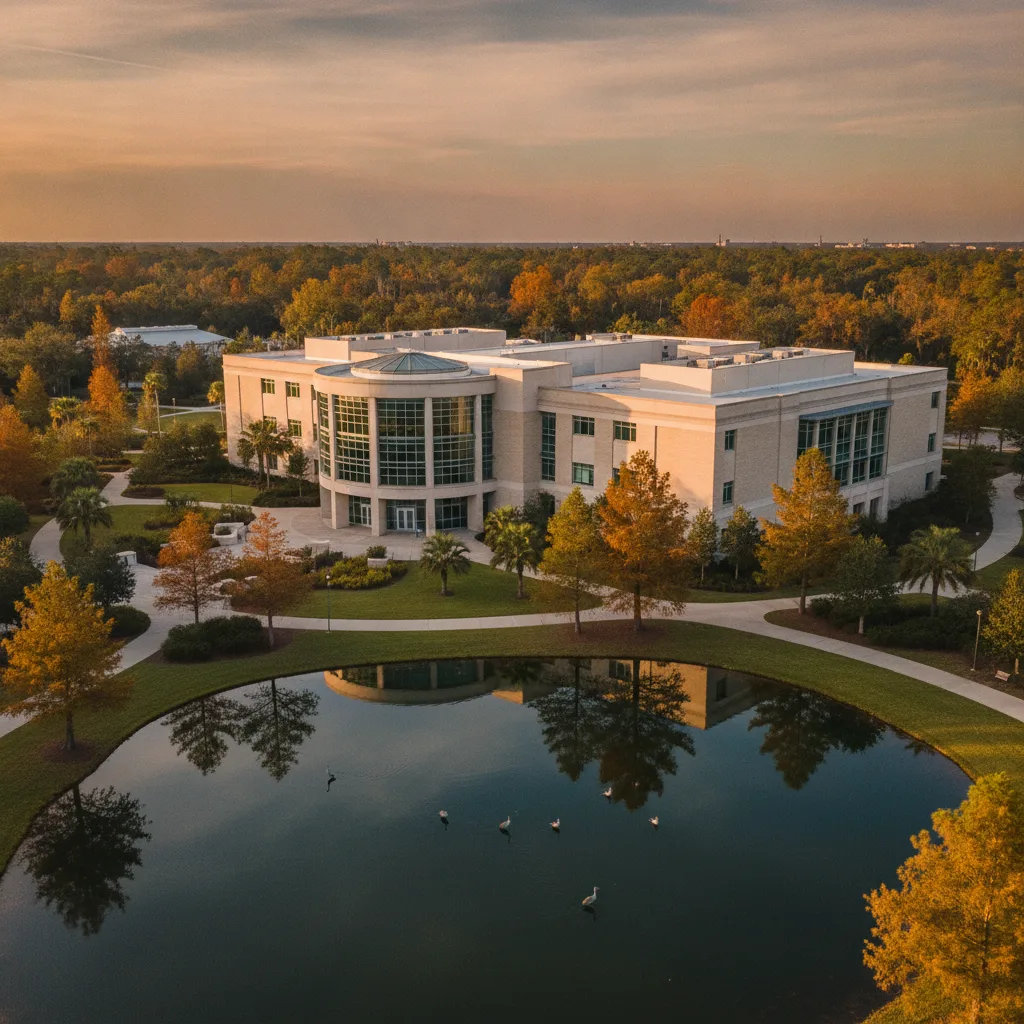
Our Florida Museum of Natural History guide covers practical planning for the Florida Museum of Natural History Florida — best time to visit, getting there, and what to do on the ground. Please note that the museum's main exhibits building is undergoing a significant expansion and is anticipated to reopen in the fall of 2026. This guide provides details based on what visitors can expect once it reopens, along with current information for planning your trip to Gainesville.
As the official natural history museum of the Sunshine State, the Florida Museum of Natural History Florida is a cornerstone of cultural and scientific exploration. Our team recognizes its vital role in showcasing the state's rich natural and cultural heritage, from prehistoric fossils to vibrant ecosystems and the enduring legacy of indigenous peoples. While the main exhibits building is currently undergoing a transformative expansion, we eagerly anticipate its reopening in Fall 2026, promising an even more engaging experience for future visitors.
Why Visit Florida Museum of Natural History
Visiting the Florida Museum of Natural History offers an unparalleled opportunity to delve deep into Florida's unique story. We believe it's more than just a collection of artifacts; it's a journey through time, revealing the geological forces that shaped the land, the incredible creatures that roamed it, and the human cultures that thrived here for millennia. Upon its anticipated reopening in Fall 2026, the museum will continue its mission to inspire a greater appreciation for the natural world and cultural heritage.
The museum's exhibits are designed to be both educational and captivating, making complex scientific concepts accessible to all ages. We find that the immersive displays on Florida's ecosystems, the extensive fossil collections, and the insightful presentations on indigenous cultures provide a comprehensive understanding of the state's biodiversity and human history. It's a place where you can connect with the past and gain perspective on the future of Florida's natural resources. We are particularly excited about the new state-of-the-art exhibition and learning spaces that will be available after the expansion.
Who It's Best For
The Florida Museum of Natural History truly offers something for everyone, making it a perfect destination for a diverse range of travelers. We confidently recommend it for families with children of all ages, as the interactive exhibits and the sheer wonder of the Butterfly Rainforest captivate young minds and spark curiosity.
Beyond families, we find it ideal for history buffs eager to explore Florida's ancient past, from dinosaur-era fossils to the rich heritage of the Calusa people. Science enthusiasts will appreciate the in-depth displays on ecosystems and ongoing research. Students and researchers, particularly those interested in natural history, paleontology, or anthropology, will find the museum's extensive collections and educational programs invaluable. Even casual visitors looking for an engaging and enriching experience will find themselves absorbed in the stories told within these walls. The museum is also wheelchair and stroller accessible, ensuring a comfortable visit for all.
Getting There & Parking
The Florida Museum of Natural History is conveniently located on the University of Florida campus in Gainesville, making it an accessible destination for many. Its address is 3215 Hull Road, Gainesville, FL 32611.
How to Get There
If you're driving, Gainesville is easily reached via Interstate 75. From I-75, take Exit 384 (Archer Road) and head east. Turn left onto SW 34th Street, then right onto Hull Road. The museum will be on your left, part of the Cultural Plaza, which it shares with the Samuel P. Harn Museum of Art and the Curtis M. Phillips Center for the Performing Arts.
For those flying in, Gainesville Regional Airport (GNV) is the closest option, offering connections to major hubs. From the airport, a short taxi or rideshare will get you to the museum. If you're coming from Orlando, Gainesville is approximately 115 miles northwest, a drive that typically takes about two hours via Interstate 75 and Florida's Turnpike.
Florida Museum of Natural History Parking
Upon its reopening in Fall 2026, parking will be available on-site at the Florida Museum of Natural History. Our research indicates that metered parking is typically available Monday through Friday until 3:30 PM, becoming free after 3:30 PM on weekdays and all day on Saturdays and Sundays. Accessible parking spaces are also available. We advise arriving early, especially on weekends or during special events, as parking lots on a university campus can fill up quickly. Additional paid parking options may be available in nearby University of Florida garages.
Top Things to Do
While the main exhibits building is closed for renovations until Fall 2026, we're excited about the enhanced experience awaiting visitors upon its reopening. Here's what you can expect to explore at the Florida Museum of Natural History, along with other compelling things to do at Florida Museum of Natural History and in Gainesville.
At the Florida Museum of Natural History (Post-Reopening)
- Butterfly Rainforest: Without a doubt, the Butterfly Rainforest is one of the most enchanting things to do at Florida Museum of Natural History. This 6,400-square-foot screened-in living exhibit is home to hundreds of free-flying butterflies representing over 50 species, along with various birds, turtles, and fish from around the globe. We find it to be a truly immersive experience, complete with lush tropical plants and tranquil waterfalls. Interpretive staff are always on hand to answer questions and enhance your visit.
- Florida Fossils: Evolution of Life & Land: This permanent exhibit, located in Powell Hall, offers a fascinating journey through 65 million years of Florida's geological and paleontological history. We've seen awe-inspiring fossil shark jaws and full-scale skeletons of mammoths and mastodons, providing a vivid picture of prehistoric Florida.
- South Florida People & Environments: Dive into the rich cultural heritage of South Florida's indigenous peoples, particularly the Calusa. This exhibit features a full-scale mangrove forest recreation, an underwater scene, and an artifact-rich gallery highlighting 6,000 years of fishing history along Florida's Gulf Coast. We find the Calusa Leader's House, recreating a political ceremony from 1564, to be a particularly engaging highlight.
- Changing Gallery & New Exhibitions: The museum frequently hosts temporary and traveling exhibits. Upon reopening, the expanded facility will feature new state-of-the-art exhibition spaces, including a new permanent display by the Thompson Earth Sciences Institute titled "Earth to Florida." We anticipate these rotating exhibits will continue to bring fresh perspectives and diverse topics to the museum.
- Discovery Zone: For younger visitors (ages 8 and under), the Discovery Zone offers hands-on interactive exhibits designed to engage and educate. We appreciate that the museum caters to all ages, making learning fun and accessible.
Things to Do in Gainesville
Even with the museum's temporary closure, Gainesville offers a wealth of attractions and things to do in Gainesville that make it a worthwhile destination. We encourage you to explore these options:
- Samuel P. Harn Museum of Art: Located adjacent to the Florida Museum of Natural History, the Harn Museum boasts an impressive collection of over 13,000 works, spanning African, Asian, modern, and contemporary art. It's a fantastic cultural complement to the natural history museum.
- Kanapaha Botanical Gardens: Spread across 68 acres, these beautiful gardens feature Florida's largest public bamboo collection and the Southeast's largest herb garden. We recommend a leisurely stroll along the paved paths to discover serene water gardens and vibrant hummingbird havens.
- Paynes Prairie Preserve State Park: A designated National Natural Landmark, this vast preserve offers exceptional opportunities for hiking, bird watching, and wildlife viewing across its unique wetlands and grasslands. Keep an eye out for wild horses and bison!
- Devil's Millhopper Geological State Park: This unique park features a 120-foot-deep sinkhole with a miniature rainforest ecosystem at its base. It's an intriguing natural wonder for geology enthusiasts and nature lovers alike.
- Depot Park: A popular spot for families, Depot Park features a splash pad, walking trails, and picnic areas. It's a lively urban park that often hosts events and is home to the Cade Museum for Creativity & Invention.
- University of Florida Campus: Take a self-guided tour of the beautiful University of Florida campus, home to iconic landmarks like Century Tower and the famous Bat Houses near Lake Alice, where thousands of bats emerge at sunset.
For those looking to extend their Florida adventure, consider exploring the natural beauty of Everglades National Park, the magic of Walt Disney World Resort, or the historic charm of St. Augustine Historic District. Florida truly offers something for every traveler. For more ideas across the state, check out our guide to Best places in Florida.
Best Time to Visit
When planning your visit to the Florida Museum of Natural History and Gainesville, timing is key, especially considering the museum's anticipated reopening in Fall 2026. We recommend focusing your trip for late 2026 or beyond to experience the newly expanded exhibits.
Generally, the best time to visit Gainesville for comfortable weather is during the fall (September to November) and spring (March to May) months. During these periods, you can expect mild temperatures, lower humidity, and blooming flowers, making it ideal for exploring both the museum and outdoor attractions.
Specifically:
- Fall (September to November): The weather is pleasant, with average highs in the 70s and 80s Fahrenheit. November, in particular, offers cool, sunny days and clear skies, with less rain. This aligns perfectly with the museum's anticipated Fall 2026 reopening.
- Spring (March to May): Offers mild temperatures and blooming flowers, making it great for outdoor activities. Skies are often clearest in April.
- Winter (December to February): Winters are generally mild in Gainesville, with average highs in the 60s. January is the coldest month, but still relatively warm compared to much of the country. This is also the driest season.
- Summer (June to August): Summers are hot and humid, with daytime highs often in the low to mid-90s Fahrenheit. This is also the rainiest season, with frequent afternoon thunderstorms. While the Butterfly Rainforest thrives in this humidity, we find that outdoor exploration can be less comfortable.
To avoid peak crowds and potentially higher lodging prices, we advise against visiting during University of Florida home football weekends (typically September through November), graduation weekends (May and December), and the Florida-Georgia game weekend (late October).
Where to Stay Nearby
Finding the right Florida Museum of Natural History lodging is crucial for a comfortable and convenient visit. Gainesville offers a variety of accommodation options, from budget-friendly hotels to more upscale choices, many of which are within a short drive of the museum. Our team has identified several excellent choices for your Florida Museum of Natural History lodging needs.
Hotels Near the University of Florida Campus
Staying close to the University of Florida campus puts you in proximity not only to the museum but also to other cultural attractions like the Harn Museum of Art and the Curtis M. Phillips Center for the Performing Arts. We recommend considering:
- Hotel Eleo at the University of Florida: For those seeking a more luxurious experience, Hotel Eleo offers upscale amenities and is located just a short distance from the museum.
- AC Hotel by Marriott Gainesville Downtown: This comfortable hotel is another excellent option for a premium stay, located a bit further but still within easy reach of the cultural plaza.
- Hilton Garden Inn Gainesville: A reliable choice offering comfortable rooms and amenities, located approximately two miles from the University of Florida campus, making it convenient for museum visits.
- Home2 Suites by Hilton Gainesville Medical Center: This extended-stay option is highly rated and provides spacious suites, ideal for families or longer visits.
Mid-Range and Budget-Friendly Options
Gainesville also has numerous mid-range and budget-friendly hotels that still offer good quality and convenient access:
- Sleep Inn & Suites University/Shands: Often praised for good rooms and amenities at a reasonable price, this is a solid choice for those looking for value.
- Comfort Inn University: This hotel frequently includes breakfast and offers a 24-hour front desk and fitness center, providing good value and services.
- HOM Hotel Gainesville, SureStay Collection by Best Western: Another well-regarded option offering good service and proximity.
- Holiday Inn Express & Suites Gainesville I-75: Located a bit further out near the interstate, these hotels offer easy access to the museum by car and often provide complimentary breakfast.
When booking your Florida Museum of Natural History lodging, we advise checking for University of Florida event schedules, as hotel rates and availability can fluctuate significantly during football weekends, graduations, and other major campus events.
Sample 2-Day Itinerary
This itinerary is designed for a visit to the Florida Museum of Natural History and Gainesville, assuming the museum has reopened in Fall 2026. We've crafted it to provide a balanced experience of natural history, art, and local Gainesville charm.
Day 1: Immerse in Natural History & Art
- Morning (9:30 AM - 1:00 PM): Florida Museum of Natural History
Begin your day at the Florida Museum of Natural History. Head straight for the Butterfly Rainforest upon arrival, especially if you want to experience it before potential midday crowds. Spend a good amount of time marveling at the free-flying butterflies, birds, and lush environment. Afterwards, explore the "Florida Fossils: Evolution of Life & Land" exhibit to journey through millions of years of Florida's past, and then delve into the "South Florida People & Environments" to understand the state's rich cultural heritage. Don't forget to check out any new or temporary exhibits in the expanded spaces.
- Lunch (1:00 PM - 2:00 PM): On-Campus or Nearby
Grab a casual lunch at one of the eateries on the University of Florida campus or a quick bite at a cafe near the Cultural Plaza.
- Afternoon (2:00 PM - 4:30 PM): Samuel P. Harn Museum of Art
Just a short walk from the Natural History Museum, immerse yourself in the diverse collections at the Samuel P. Harn Museum of Art. Explore its African, Asian, modern, and contemporary art galleries. We find this pairing of natural history and fine art to be a deeply enriching experience.
- Late Afternoon (4:30 PM - 6:00 PM): University of Florida Bat Houses & Lake Alice
Head over to the University of Florida Bat Houses near Lake Alice. This is a truly unique Gainesville experience. Find a spot to relax and witness the spectacular emergence of thousands of bats at sunset (timing varies by season). It's an incredible natural phenomenon.
- Evening: Dinner in Gainesville's Downtown or Celebration Pointe
Enjoy dinner in downtown Gainesville, known for its diverse culinary scene, or head to Celebration Pointe for a modern dining and entertainment experience.
Day 2: Gardens, Nature & Local Charm
- Morning (9:30 AM - 12:30 PM): Kanapaha Botanical Gardens
Start your second day with a visit to the serene Kanapaha Botanical Gardens. Spend your morning wandering through its 68 acres of themed gardens, including Florida's largest public bamboo collection and impressive water gardens. It's a peaceful and beautiful escape.
- Lunch (12:30 PM - 1:30 PM): Local Eatery
Enjoy lunch at a local Gainesville restaurant, perhaps trying some of the regional flavors.
- Afternoon (1:30 PM - 4:30 PM): Paynes Prairie Preserve State Park or Devil's Millhopper
Choose your adventure:
- Option A: Paynes Prairie Preserve State Park: If you're keen on wildlife and expansive natural landscapes, head to Paynes Prairie. Hike one of the trails, climb the observation tower for panoramic views, and look for wild horses, bison, and alligators.
- Option B: Devil's Millhopper Geological State Park: For a unique geological wonder, visit Devil's Millhopper. Descend into the 120-foot-deep sinkhole and experience its miniature rainforest environment.
- Late Afternoon (4:30 PM - 6:00 PM): Depot Park
Conclude your day with a visit to Depot Park. If traveling with kids, they'll love the splash pad and playground. Otherwise, enjoy a leisurely stroll, people-watching, or visit the Cade Museum for Creativity & Invention. This park often hosts events, so check their calendar.
- Evening: Farewell Dinner
Savor a farewell dinner, perhaps trying a different Gainesville neighborhood or revisiting a favorite spot from the previous evening.
This itinerary provides a robust two days in Gainesville, blending education, nature, and local culture. Remember to check specific operating hours and any reservation requirements for attractions closer to your travel date in Fall 2026.
Last updated: 2026-07-05 by the Roam States team.