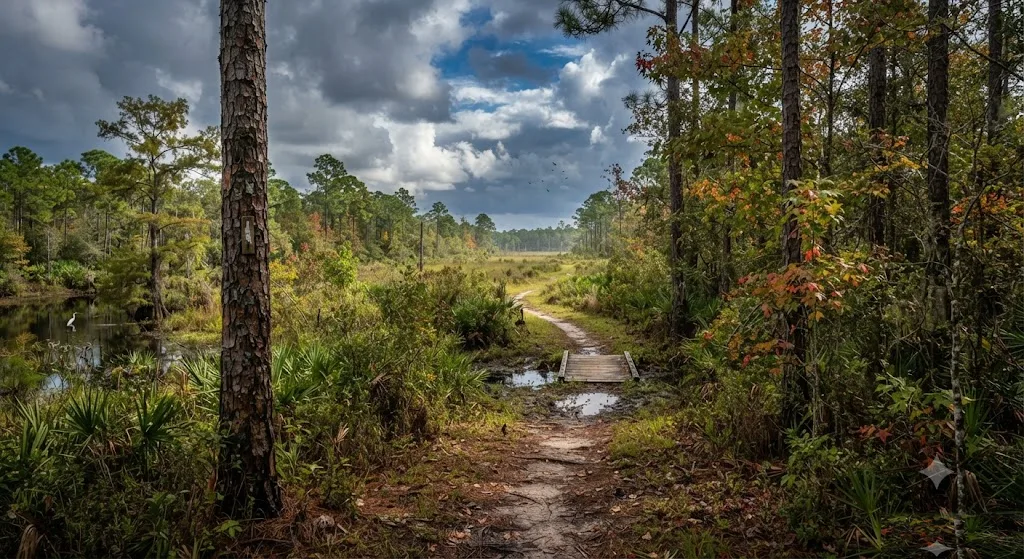
Our Florida National Scenic Trail guide covers practical planning for the Florida National Scenic Trail Florida — best time to visit, getting there, and what to do on the ground. This comprehensive guide, crafted by the Roam States editorial team, is designed to equip you with the specific, actionable insights you need to confidently plan your adventure along this remarkable long-distance hiking trail. We cut through the generic fluff to deliver the essential details for a rewarding experience.
Florida National Scenic Trail Travel Guide — Florida
The Florida National Scenic Trail Florida, often simply called the Florida Trail (FT), is a monumental undertaking, stretching approximately 1,500 miles across the Sunshine State. This path is far more than just a walk in the woods; it's an immersive journey through Florida's diverse and often surprising ecosystems, from the dense, cypress-filled swamps of the Everglades to the ancient, whispering pine forests of the Panhandle. We've meticulously researched this iconic trail to provide you with the most up-to-date and practical information for your 2026 adventure, ensuring you understand the challenges, rewards, and logistical nuances of traversing this unique American landscape.
Why Visit Florida National Scenic Trail
For those seeking a genuine wilderness experience far removed from Florida's more famous theme parks and beaches, the Florida National Scenic Trail offers an unparalleled opportunity. Is Florida National Scenic Trail worth visiting? Absolutely. We believe it's a profound way to connect with the state's natural heritage, providing a raw and unfiltered perspective on its ecological richness. Hikers encounter an incredible array of landscapes, from subtropical wetlands teeming with alligators and wading birds to sandhills dotted with longleaf pines and vast, open prairies. This trail isn't just about covering miles; it's about witnessing the state's wild heart, experiencing its unique flora and fauna firsthand, and embracing the solitude and challenge of a long-distance trek. It's a journey of self-discovery as much as it is an exploration of Florida's natural beauty, making the Florida National Scenic Trail a truly worthwhile destination for adventurers.
Who It's Best For
The Florida National Scenic Trail caters primarily to experienced hikers and backpackers who are comfortable with rugged terrain, variable weather conditions, and self-sufficiency. Thru-hikers, aiming to complete the entire 1,500 miles, will find a demanding but deeply rewarding challenge, typically taking several months to complete. Section hikers, who tackle portions of the trail over shorter periods, will also appreciate the diverse segments available, allowing for tailored experiences. While some shorter, well-maintained sections are suitable for day hikers and families, the majority of the trail demands a higher level of preparedness and wilderness skills. It's not a casual stroll; it requires careful planning, navigation skills, and an understanding of backcountry ethics. Those with a passion for wildlife viewing, birdwatching, and photography will find endless opportunities along the trail, as it traverses critical habitats for numerous species.
Getting There & Parking
Understanding how to get to Florida National Scenic Trail access points is crucial for planning your trip. The Florida National Scenic Trail spans the entire length of Florida, from Big Cypress National Preserve in the south to Gulf Islands National Seashore in the western Panhandle. Consequently, there isn't a single "entrance" but rather numerous trailheads and access points. We recommend consulting the official Florida Trail Association (FTA) website for detailed maps and specific trailhead information, as access can vary by section and land manager. Many sections of the trail are accessible via state parks, national forests, and wildlife management areas, which often have designated parking areas. However, parking availability and fees can differ significantly. For example, some state parks may charge an entrance fee, typically around $2-$6 per vehicle for day use, which covers parking. National Forests generally offer free parking at designated trailheads, but it's always wise to verify current regulations for specific areas. Backcountry permits may also be required for overnight stays in certain areas, such as Big Cypress National Preserve or Everglades National Park, and these often come with associated fees. We strongly advise checking the specific land management agency's website for the section you plan to visit to confirm 2026 parking regulations, potential fees, and any necessary permits or reservations well in advance. For those planning a longer hike, shuttle services can be arranged in some areas, though this requires independent coordination. Knowing how to get to Florida National Scenic Trail trailheads with reliable parking is a key component of a smooth trip.
Top Things to Do
The Florida National Scenic Trail offers a wealth of experiences beyond simply putting one foot in front of the other. The primary draw, of course, is the opportunity for extensive hiking and backpacking, but there are many other things to do at Florida National Scenic Trail that immerse you in Florida's natural world.
Florida National Scenic Trail Hiking Trails
The core of any visit to the Florida National Scenic Trail is, naturally, its extensive network of hiking trails. From challenging multi-day excursions to shorter day hikes, the options are plentiful. In the northern sections, you can explore the rolling sandhills and pine forests of the Ocala National Forest, a popular area for both thru-hikers and section hikers. Here, you'll find well-marked paths and designated campsites. Further south, the trail traverses the vast wetlands of Big Cypress National Preserve, offering a truly unique "swamp tromp" experience that requires waterproof gear and a sense of adventure. We recommend researching specific Florida National Scenic Trail hiking trails based on your desired difficulty and length. Always check current trail conditions, as water levels can significantly impact navigability, especially in wetland areas. Many segments offer diverse scenery, from dense hammocks to open prairies, ensuring that no two sections of the Florida National Scenic Trail are quite the same. Don't forget to pack plenty of water, especially during warmer months, and be prepared for encounters with wildlife.
Wildlife Viewing & Photography
The trail is a haven for wildlife. Keep an eye out for alligators basking in sunny spots, various species of turtles, and countless birds, including wading birds like herons and egrets, raptors, and migratory songbirds. Deer, wild hogs, and even the elusive Florida panther inhabit some of the more remote sections. We recommend bringing binoculars and a telephoto lens if photography is your passion. Early mornings and late afternoons are often the best times for wildlife sightings.
Camping & Backpacking
Overnight camping is an integral part of the Florida National Scenic Trail experience. Designated campsites, primitive camping areas, and shelters are available along various sections. We advise checking the specific regulations for each land management unit you plan to visit, as rules for campfires, food storage, and waste disposal can vary. Reservations may be required for some campsites, particularly in popular state parks or national preserves. Always practice Leave No Trace principles to preserve the trail's pristine condition.
Paddling Opportunities
While primarily a hiking trail, some sections of the Florida National Scenic Trail parallel or incorporate waterways, offering opportunities for paddling. For example, parts of the trail in the Everglades and Big Cypress areas are suitable for canoe or kayak exploration, providing a different perspective of the wetlands. We recommend researching these specific segments if you're interested in a multi-sport adventure.
Best Time to Visit
The optimal time to hike the Florida National Scenic Trail is during Florida's cooler, drier months, typically from **November to April**. During this period, temperatures are more moderate, humidity is lower, and insect activity (especially mosquitoes and ticks) is significantly reduced. This makes for a much more comfortable and enjoyable hiking experience. The winter months also see lower water levels in many wetland areas, making passage easier in sections like Big Cypress. However, be prepared for occasional cold fronts, especially in the northern parts of the state, which can bring overnight temperatures near freezing. Summers (May to October) are characterized by high heat, extreme humidity, frequent thunderstorms, and abundant insects, making them considerably more challenging and less recommended for long-distance hiking. We strongly advise against attempting thru-hikes or extensive section hikes during the peak summer months due to the risk of heat-related illness and severe weather. Always check the local forecast before heading out, regardless of the season.
Where to Stay Nearby
Given the vast length of the Florida National Scenic Trail, "nearby" lodging can mean anything from primitive campsites to full-service hotels in gateway communities. For those undertaking multi-day hikes, backcountry camping is the most common form of Florida National Scenic Trail lodging. Designated campsites, often with fire rings and picnic tables, are available in many state parks and national forests along the route. Primitive camping, where you set up camp in undeveloped areas, is also permitted in many sections, though regulations vary by land manager. Always check for required permits and specific rules regarding campfires and food storage.
For section hikers or those looking for a more comfortable base before or after a hike, numerous towns and cities are situated near various trail segments. For instance, if you're exploring the northern sections in the Ocala National Forest, towns like Ocala or Palatka offer a range of hotels, motels, and vacation rentals. Further south, near the Big Cypress National Preserve, Everglades City provides limited but convenient lodging options. We recommend researching specific towns along your chosen section of the Florida National Scenic Trail for the most relevant lodging choices. Many state parks also offer cabins or developed campgrounds with amenities, which can be a great option for those seeking a balance between nature and comfort. Remember to book accommodations well in advance, especially during peak hiking season (November to April). When planning your trip, consider pairing your Florida National Scenic Trail lodging with visits to other incredible Florida destinations like Biscayne National Park or exploring the vibrant Destin & Emerald Coast Beaches for a broader Florida experience.
Sample 2-Day Itinerary
Crafting a sample itinerary for the entire Florida National Scenic Trail is impossible due to its length. Instead, we've designed a focused 2-day itinerary for a popular and accessible section within the **Ocala National Forest**, offering a taste of the Florida Trail experience for section hikers.
Day 1: Juniper Springs Wilderness & Juniper Prairie Wilderness
- **Morning (8:00 AM - 12:00 PM):** Arrive at the Juniper Springs Recreation Area. Park your vehicle (expect a day-use fee around $8 per person in 2026). Begin your hike north on the Florida National Scenic Trail from the recreation area. The trail here winds through dense, subtropical hammock forests, often paralleling the crystal-clear Juniper Creek. Enjoy the lush scenery and keep an eye out for wildlife.
- **Lunch (12:00 PM - 1:00 PM):** Pack a trail lunch to enjoy at a scenic spot along the trail.
- **Afternoon (1:00 PM - 5:00 PM):** Continue hiking into the Juniper Prairie Wilderness. This section transitions into more open, scrubby flatwoods and sand pine scrub, offering a different ecological perspective. Aim for a designated primitive campsite within the wilderness area (check for required permits from the Ocala National Forest in advance). Set up camp.
- **Evening:** Prepare a backcountry dinner. Enjoy the solitude of the wilderness and stargaze. Remember to practice Leave No Trace principles.
Day 2: Alexander Springs & Departure
- **Morning (8:00 AM - 12:00 PM):** Wake up early, pack up camp, and continue hiking north towards Alexander Springs Recreation Area. The trail continues through varied forest types, including some beautiful longleaf pine stands. This section is generally well-maintained and offers pleasant walking.
- **Late Morning (12:00 PM - 1:00 PM):** Arrive at Alexander Springs Recreation Area (another day-use fee may apply, around $8 per person in 2026). Take a refreshing dip in the 72-degree spring-fed pool, a perfect way to cool off after your hike.
- **Lunch (1:00 PM - 2:00 PM):** Enjoy a picnic lunch at Alexander Springs or visit a nearby eatery if you're heading back to civilization.
- **Afternoon:** Arrange for a shuttle or return to Juniper Springs (if you've staged a car or arranged a pickup) to conclude your 2-day adventure on the Florida National Scenic Trail. Consider extending your Florida trip by visiting Crystal River for manatee encounters.
**Our Expert Verdict:** This itinerary provides a manageable yet authentic taste of the Florida National Scenic Trail. It highlights the diverse ecosystems of the Ocala National Forest and offers the rewarding experience of primitive camping. Always carry detailed maps, a compass or GPS, and sufficient water. Be aware of hunting seasons in national forests and wear blaze orange if hiking during those times. For more comprehensive trip planning, check out our Plan Your US Trip guide.
Frequently Asked Questions About the Florida National Scenic Trail
Florida National Scenic Trail camping
Camping along the Florida National Scenic Trail is a fundamental part of the experience, with options ranging from primitive backcountry sites to more developed campgrounds in state parks and national forests. We recommend always checking with the specific land management agency for the section you plan to hike to understand their 2026 camping regulations, which can include requirements for permits, designated campsites, and restrictions on campfires. Many areas, especially in national forests, allow dispersed camping following Leave No Trace principles. For popular areas or during peak season, reservations for developed campsites may be necessary. Always be prepared for Florida's weather, including sudden thunderstorms, and ensure you have appropriate gear for potential wet conditions and insects.
Things to do in Various (statewide)
While the Florida National Scenic Trail offers an immersive wilderness experience, Florida itself is a state of incredible diversity. Beyond the trail, you can explore the historic streets of St. Augustine Historic District, marvel at the space shuttle program at Kennedy Space Center, or enjoy the vibrant arts scene in St. Petersburg & The Dali Museum. For nature lovers, Everglades National Park offers airboat tours and wildlife viewing, while Silver Springs State Park is famous for its glass-bottom boat tours. Don't forget the stunning beaches of Sanibel Island or the unique Devil's Den Prehistoric Spring for snorkeling and diving. Florida truly offers something for every traveler, from the bustling Miami Beach Art Deco District to the tranquil beauty of its natural springs. For a broader perspective on the state, our Best Places in Florida guide is an excellent resource.
Florida National Scenic Trail with kids
Hiking the entire Florida National Scenic Trail with young children is generally not recommended due to its length, challenging terrain, and primitive conditions. However, many shorter, well-maintained sections within state parks and national forests offer excellent opportunities for day hikes with families. We suggest choosing segments that are clearly marked, relatively flat, and have easy access to parking and facilities. For example, parts of the trail within Ocala National Forest or along the coast in Gulf Islands National Seashore can be suitable for a family outing. Always check trail conditions, carry plenty of water and snacks, and be mindful of sun exposure and insects. Focus on shorter distances and make the experience fun with nature scavenger hunts or wildlife spotting games. For families planning a broader adventure, consider our USA Road Trip Planner.
Best hotels near Florida National Scenic Trail
Since the Florida National Scenic Trail spans the entire state, the "best" hotels will depend entirely on which section you plan to visit. For hikers exploring the northern segments, towns like Palatka, Ocala, or Gainesville offer a range of chain hotels and local accommodations. If you're focusing on the central Florida sections, communities around the Ocala National Forest or near Kissimmee Prairie Preserve State Park might be relevant, though options can be more limited in very remote areas. For the southern terminus in Big Cypress National Preserve, Everglades City or Naples would be your closest towns with hotels. We recommend using online travel agencies to search for accommodations in specific towns adjacent to your chosen trailhead, always cross-referencing with the official Florida Trail Association maps to gauge proximity. Look for hotels that offer amenities like early breakfast or laundry facilities if you're planning multi-day hikes.
Florida National Scenic Trail tips
Our top Florida National Scenic Trail tips focus on preparedness and safety. First, **plan meticulously**: research your chosen section, understand the terrain, and check for current conditions, closures, and required permits. Second, **water is paramount**: carry more than you think you'll need, especially in warmer months, and know where reliable water sources are located. Third, **be prepared for wildlife**: encounters with alligators, snakes, and insects are common; educate yourself on safe practices. Fourth, **navigation is key**: carry detailed maps, a compass, and a GPS device, and know how to use them, as cell service can be spotty. Fifth, **dress appropriately**: lightweight, breathable, quick-drying clothing is essential, along with sturdy, broken-in hiking boots. Finally, **practice Leave No Trace principles** to minimize your impact on this precious natural resource. For additional resources, we recommend consulting the official Visit Florida website for general state travel information.
Where to stay near Florida National Scenic Trail
Finding where to stay near Florida National Scenic Trail depends heavily on the specific segment you're exploring. For those seeking basic amenities and a connection to nature, many state parks and national forests along the trail offer developed campgrounds with facilities like restrooms and showers. For a more rugged experience, primitive backcountry camping is available in designated wilderness areas, requiring self-sufficiency. If you prefer traditional lodging, gateway towns and cities located within a reasonable driving distance of trailheads will provide hotels, motels, and vacation rentals. For example, hikers in the Panhandle might find accommodations in Milton or Gulf Breeze, while those near Lake Okeechobee could look to Okeechobee City. Always use detailed maps to identify the closest towns to your planned entry and exit points. Remember that the Florida National Scenic Trail is a linear path, so proximity to lodging will constantly change as you move along the route.
Conclusion
The Florida National Scenic Trail Florida offers an unparalleled journey into the wild heart of the Sunshine State. From the challenging sloughs of Big Cypress to the serene pine forests of the Panhandle, this trail provides a profound connection with Florida's diverse ecosystems and rich natural heritage. We hope this guide, packed with specific details and practical advice, empowers you to confidently plan your 2026 adventure. Whether you're a seasoned thru-hiker or a family looking for a memorable day hike, the Florida Trail promises an experience that is anything but ordinary. Embrace the challenge, savor the solitude, and discover the wild beauty that awaits you on this remarkable American footpath.
Last updated: 2026-07-14 by the Roam States team.