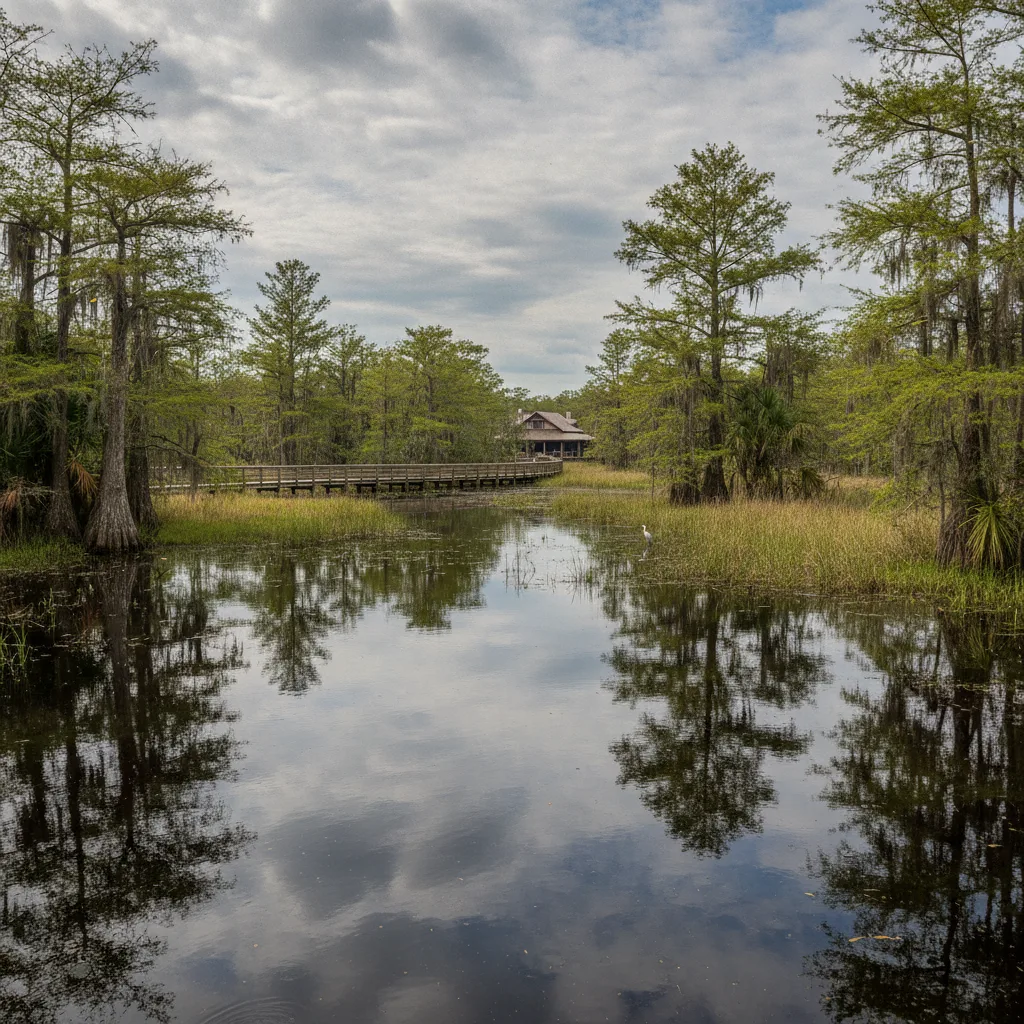
Our Big Cypress National Preserve guide covers practical planning for Big Cypress National Preserve Florida — best time to visit, getting there, and what to do on the ground. We're here to cut through the noise and provide the definitive guide to experiencing one of Florida's most vital and wild landscapes.
Why Visit Big Cypress National Preserve
As independent US travel authorities, we often get asked about the truly unique corners of the country. Big Cypress National Preserve Florida is unequivocally one such place. Adjacent to the more famous Everglades National Park, this preserve protects a vast freshwater swamp ecosystem, a critical component of the greater Everglades system. It's a place where the wild heart of Florida beats strongest, offering an unparalleled opportunity to witness incredible biodiversity and pristine natural beauty. We visit Big Cypress not just for the scenery, but for the profound sense of stepping back into a primordial world, where alligators glide silently through cypress knees, elusive panthers stalk through dense undergrowth, and diverse birdlife fills the air with calls. Unlike some overly manicured parks, Big Cypress offers a raw, immersive experience into a truly wild landscape, making it a must-see for serious nature enthusiasts and adventurers alike.
The preserve's significance extends beyond its stunning wildlife. It plays a crucial role in maintaining the health of the marine estuaries along Florida's southwest coast. This means that by protecting Big Cypress, we're safeguarding a much larger ecological network. Our team finds that the preserve's commitment to conservation, combined with accessible opportunities for exploration, makes it an incredibly rewarding destination. Whether you're seeking a quiet paddle through a cypress dome or an exhilarating airboat tour, Big Cypress delivers authentic encounters with Florida's untamed wilderness.
Who It's Best For
Big Cypress National Preserve is an ideal destination for a wide range of travelers, though it particularly shines for those with a deep appreciation for nature and a desire for authentic outdoor experiences. Our team believes it's best suited for:
- **Wildlife Enthusiasts:** If spotting alligators, a myriad of bird species, and perhaps even the rare Florida panther is on your bucket list, this is your place. The preserve's diverse habitats support an incredible array of fauna.
- **Hikers and Paddlers:** With numerous trails and waterways, Big Cypress offers ample opportunities for active exploration, from leisurely boardwalk strolls to challenging backcountry treks and serene canoe or kayak trips.
- **Photographers:** The unique landscapes, from towering cypress trees to expansive sawgrass prairies, provide endless photographic opportunities, especially during sunrise and sunset.
- **Families with an Adventurous Spirit:** While some activities are more strenuous, many, like the boardwalk trails and ranger-led programs, are excellent for introducing children to the wonders of a swamp ecosystem. Kids can even become Junior Rangers.
- **Those Seeking Solitude:** Away from the more crowded tourist hubs, Big Cypress offers a chance to disconnect and immerse yourself in the tranquility of nature.
- **Off-Road Vehicle (ORV) Enthusiasts:** For those with the proper permits, Big Cypress offers designated trails for ORV use, providing a unique way to explore the deeper backcountry.
It might not be the best fit for travelers primarily seeking resort-style amenities, bustling nightlife, or extensive shopping opportunities. However, for anyone eager to connect with Florida's natural heritage and experience its wild side, Big Cypress National Preserve delivers an unforgettable adventure.
Getting There & Parking
Understanding how to get to Big Cypress National Preserve is key to a smooth trip, as this vast preserve is located in southwest Florida, stretching between Naples and Miami. The primary access points are along the Tamiami Trail (US-41), which runs directly through the preserve, and Interstate 75 (Alligator Alley) to the north. Our team recommends planning your route based on your starting point and desired activities within the preserve.
Driving Directions:
- **From Miami/Fort Lauderdale:** Take US-41 West (Tamiami Trail) directly into the preserve. Alternatively, you can take I-75 West to Exit 80 (SR-29 South) to reach the western side of the preserve and Everglades City.
- **From Naples/Fort Myers:** Take US-41 East (Tamiami Trail) into the preserve. You can also take I-75 East to Exit 80 (SR-29 South) for a similar approach to the western side.
The preserve does not have a single main entrance gate like some national parks. Instead, you'll find various access points, visitor centers, and roadside parks along US-41 and Loop Road. The Big Cypress Swamp Welcome Center, located on US-41, is an excellent first stop for maps, information, and ranger assistance.
Parking:
Parking at Big Cypress National Preserve is generally available and free at visitor centers, trailheads, and designated roadside parks. For example, the Oasis Visitor Center and Kirby Storter Roadside Park offer parking for those looking to explore boardwalks and short trails. When planning to access backcountry areas or specific trailheads, always check the preserve's official website for the most current information, as conditions can change, especially during the wet season or due to prescribed fire operations.
For those staying at campgrounds within the preserve, parking is available at your campsite. We always advise arriving early, especially during peak season (November to May), to secure a spot at popular trailheads or visitor centers. Remember that while there is no entrance fee to Big Cypress National Preserve, fees may apply for certain facilities or activities, such as camping or off-road vehicle permits.
Top Things to Do
When considering things to do at Big Cypress National Preserve, the options are as diverse as the ecosystem itself. Our team has explored the preserve extensively, and we can confidently say there's an adventure for every type of traveler. From tranquil observation to thrilling excursions, here are the top things to do at Big Cypress National Preserve:
Airboat Tours:
Experience the "River of Grass" firsthand on an exhilarating airboat tour. These tours offer a unique perspective of the swamp, allowing you to glide over shallow waters and reach areas inaccessible by foot. Many tours include stops at Native American tree island villages, providing cultural insights alongside wildlife viewing. Several reputable operators offer tours, some of which are located near Everglades City and can take you into the 10,000 Islands region. We recommend booking in advance, especially during peak season, to secure your spot.
Hiking & Boardwalk Strolls:
Big Cypress offers a range of hiking experiences. For easy access and excellent wildlife viewing, the boardwalk trails are a must. The Kirby Storter Boardwalk Trail, for instance, is a family favorite, winding through grassy areas and into a cypress strand, often revealing alligators and diverse birdlife up close. For more strenuous adventures, numerous backcountry trails crisscross the preserve (more on these below). When embarking on any hike, be prepared for wet conditions, especially outside the dry season.
Wildlife Viewing:
This is arguably the primary draw. The preserve is a sanctuary for iconic Florida wildlife. Keep your eyes peeled for alligators basking in the sun, wading birds like herons and egrets in the marshes, and even the elusive Florida panther or black bear. The Oasis Visitor Center is a prime spot to see alligators right from the boardwalk. Early mornings and late afternoons are generally the best times for wildlife observation.
Paddling (Canoeing & Kayaking):
For a truly immersive and quiet experience, explore the preserve's waterways by canoe or kayak. The Turner River Paddling Trail is a popular choice, offering a 10-mile journey through diverse habitats, even touching upon Everglades National Park. The Lefthand Turner River Paddling Trail, starting in Everglades City, is another excellent option, leading through flooded prairies and mangrove forests to Chokoloskee Island. You'll need your own equipment or can rent from outfitters in nearby Everglades City.
Scenic Drives:
The Tamiami Trail (US-41) itself is a scenic route, with numerous pull-offs and points of interest. For a deeper dive into the cypress forest, take a drive along Loop Road. This historic, mostly unpaved road offers a glimpse into the preserve's interior and is excellent for spotting wildlife away from the main highway. Be aware that Loop Road can be rough and may require a vehicle with good clearance, especially after heavy rains.
Ranger-Led Programs:
To enhance your understanding of Big Cypress, join a ranger-led activity. These can include swamp walks, canoe/kayak trips, bike rides, and educational talks, particularly during the winter season. Some ranger-led activities require advance reservations, typically accepted up to 14 days prior to the activity date. You can contact the Big Cypress Swamp Welcome Center at 239-695-4758 for details and reservations.
Off-Road Vehicle (ORV) Use:
For a more adventurous exploration of the backcountry, Big Cypress National Preserve offers designated ORV trails. An annual permit is required for off-road vehicle operation, costing $100 per vehicle. This is a unique way to access remote areas and is popular among those who enjoy a rugged adventure. Always check for current trail conditions and closures before heading out, as areas can be closed due to fire or water levels.
Big Cypress National Preserve Hiking Trails
Exploring the Big Cypress National Preserve hiking trails offers an intimate connection with this unique wetland ecosystem. Our team consistently finds that hiking here provides some of the most rewarding wildlife encounters and stunning natural scenery. While many trails are relatively flat, conditions can vary dramatically with the seasons, from dry and dusty to submerged in shallow water, making proper preparation essential for enjoying Big Cypress National Preserve hiking trails.
Popular Trails:
- **Kirby Storter Boardwalk Trail:** As mentioned, this is an excellent, accessible option for all ages and abilities. The elevated boardwalk keeps you dry while offering fantastic views into the cypress swamp, making it easy to spot alligators, turtles, and various bird species. It's a short, easy loop perfect for a quick immersion.
- **Oasis Trail:** Starting near the Oasis Visitor Center, this trail offers both north and south sections along the Tamiami Trail. It's a good option for a longer, more traditional hike, though sections can be wet. Keep an eye out for wildlife along the canal.
- **Florida National Scenic Trail (Florida Trail):** For serious backpackers, a significant portion of the Florida Trail runs through Big Cypress National Preserve. This is a multi-day, challenging trek that requires extensive planning, navigation skills, and a backcountry permit. It offers an unparalleled deep wilderness experience.
- **Fire Prairie Trail:** This 5-mile dirt road is considered beginner-friendly for both hiking and biking, showcasing the vastness of South Florida's grasslands. It's a great spot for birdwatching and enjoying wide-open spaces.
- **Gator Hook Trail:** For those seeking a truly unique and adventurous experience, the Gator Hook Trail offers a deep dive into the cypress swamp. This trail is often wet and requires wading through shallow water, providing an authentic "swamp walk" experience. It's not for the faint of heart but is incredibly rewarding for adventurous hikers.
Important Considerations for Big Cypress National Preserve Hiking Trails:
- **Water Levels:** During the wet season (roughly June to October), many trails, especially those off boardwalks, can be submerged. Be prepared to wade through water, sometimes knee-deep or higher. Waterproof hiking boots or old sneakers are recommended.
- **Wildlife Encounters:** You are in wild alligator and snake country. Maintain a safe distance from all wildlife. Never feed animals.
- **Insects:** Mosquitoes and other biting insects can be prevalent, especially during the warmer months. Bring insect repellent.
- **Sun Protection:** The Florida sun is intense. Wear a hat, sunglasses, and sunscreen.
- **Navigation:** Some backcountry trails are minimally marked. Always carry a map and compass or a reliable GPS device, and know how to use them.
- **Permits:** Backcountry hiking and camping often require free permits, which can be obtained from the visitor centers.
- **Closures:** Always check the preserve's website or inquire at a visitor center for current trail conditions and any temporary closures due to prescribed fires or other safety concerns.
Our team emphasizes that preparation is paramount for enjoying the Big Cypress National Preserve hiking trails. This is a wild place, and respecting its nature ensures a safe and memorable adventure.
Best Time to Visit
Determining the best time to visit Big Cypress National Preserve largely depends on your priorities, but our team generally recommends the dry season for most visitors. Florida's climate is characterized by two distinct seasons:
Dry Season (November to May):
This is widely considered the optimal time to visit.
- **Weather:** Expect mild temperatures, lower humidity, and significantly less rainfall. Days are typically sunny and pleasant, making outdoor activities much more enjoyable.
- **Wildlife Viewing:** As water levels recede, wildlife, particularly alligators and wading birds, congregates around remaining water sources, making them easier to spot.
- **Hiking Conditions:** Trails are generally drier and more accessible, allowing for more extensive exploration without wading through deep water.
- **Activities:** Ranger-led programs are most prevalent during this period, offering guided swamp walks, canoe trips, and educational talks.
- **Crowds:** This is also peak tourist season, so expect more visitors, especially at popular spots and campgrounds. Reservations for camping and some ranger-led activities are highly recommended well in advance.
Wet Season (June to October):
While challenging, the wet season offers a different, often more solitary, experience.
- **Weather:** Hot, humid, and rainy. Afternoon thunderstorms are common, and the risk of tropical storms or hurricanes is higher. Temperatures can reach 90°F (34°C).
- **Water Levels:** The preserve lives up to its "swamp" name, with high water levels often submerging trails and making some areas difficult or impossible to access by foot. This is when the ecosystem truly thrives with abundant water.
- **Wildlife Viewing:** Wildlife is more dispersed due to widespread water. Insects, especially mosquitoes, are much more prevalent.
- **Activities:** Airboat tours and paddling can be excellent during this time, as the water allows for greater exploration by boat. However, hiking is limited to boardwalks or requires a willingness to wade.
- **Crowds:** Significantly fewer visitors, offering a more serene and solitary experience for those who don't mind the heat, humidity, and bugs.
Our expert verdict: For most travelers, the dry season (November to May) provides the most comfortable and accessible experience of Big Cypress National Preserve. If you're an experienced adventurer seeking solitude and don't mind the elements, the wet season can offer a unique perspective, but come prepared for the conditions.
Expert Verdict: The dry season (November to May) is generally the best time to visit Big Cypress National Preserve for comfortable weather, optimal wildlife viewing, and accessible trails. Be prepared for higher visitor numbers during this period.
Where to Stay Nearby
Finding Big Cypress National Preserve lodging can involve a few different approaches, depending on your preferred style of travel and how deeply you wish to immerse yourself in the preserve. While the preserve itself offers camping, nearby towns provide a range of hotel and vacation rental options. Our team has identified the best areas and types of accommodations for your visit.
Within Big Cypress National Preserve:
- **Camping:** Big Cypress National Preserve offers eight campgrounds, ranging from developed sites with some amenities to primitive backcountry options.
- **Developed Campgrounds:** Midway Campground and Monument Lake Campground are popular choices, offering electric-only hookups for RVs, flush toilets, and water access. These are easily accessible from US-41 and often situated around a lake. Burns Lake and Mitchell Landing are also accessible by car, with Burns Lake Campground re-opening for reservations and day use as of February 2026.
- **Primitive Campgrounds:** Bear Island, Gator Head, Pink Jeep, and Mitchell Landing offer more rustic experiences, with some requiring off-road vehicle access or foot/bike travel. Bear Island Campground is at the end of a 20-mile gravel road.
Nearby Towns for Big Cypress National Preserve Lodging:
For those preferring hotels or vacation rentals, several communities offer convenient access to the preserve:
- **Everglades City:** Located just west of the preserve's boundary, Everglades City is a charming, historic fishing village and a fantastic base for exploring Big Cypress and the Ten Thousand Islands region of Everglades National Park. You'll find several hotels and motels here, such as the Everglades City Motel, Ivey House Everglades Adventures Hotel, and Captain's Table Hotel, many offering complimentary Wi-Fi and free parking. This area is also a hub for airboat tours and kayaking excursions.
- **Naples:** Approximately an hour's drive west of the preserve, Naples offers a more upscale experience with a wider selection of luxury hotels, resorts, and vacation rentals. It's a great option if you want to combine your wilderness adventure with fine dining, shopping, and beautiful Gulf Coast beaches. Hotels like the Hyatt House Naples/5th Avenue and Staybridge Suites Naples – Marco Island by IHG are well-regarded.
- **Marco Island:** Just south of Naples, Marco Island provides a similar upscale experience with beachfront resorts and vacation homes. It's a bit further from Big Cypress but offers stunning beaches and a relaxed island atmosphere.
- **Homestead/Florida City:** Located east of Everglades National Park, these towns can serve as a base if you're exploring both Big Cypress and the eastern side of Everglades National Park. However, they are a longer drive to the main Big Cypress attractions.
- **Ave Maria:** This planned community, further inland from Naples, also offers newer vacation rentals, particularly for those interested in golf resorts.
When searching for Big Cypress National Preserve lodging, consider the travel time to the specific areas you plan to explore within the preserve. Our team suggests Everglades City for the most convenient access to the western and central parts of Big Cypress, and Naples or Marco Island for a blend of nature and comfort.
Sample 2-Day Itinerary
To help you make the most of your trip to Big Cypress National Preserve Florida, our team has crafted a sample 2-day itinerary. This plan balances popular attractions with opportunities for deeper immersion, ensuring you experience the best of this incredible ecosystem.
Day 1: Western Big Cypress & Everglades City Exploration
- **Morning (8:00 AM - 12:00 PM): Arrival & Oasis Visitor Center**
- Start your day by driving to the Oasis Visitor Center on US-41 (Tamiami Trail). This is an excellent first stop to gather maps, speak with rangers, and get up-to-date information on trail conditions and wildlife sightings.
- Take a leisurely stroll along the boardwalk behind the visitor center. This is a prime spot for viewing alligators in their natural habitat, often just a few feet away.
- Consider a short, easy hike on a portion of the Oasis Trail, accessible from the visitor center, if conditions are dry.
- **Lunch (12:00 PM - 1:30 PM): Everglades City**
- Head west to Everglades City (approximately a 20-30 minute drive from Oasis Visitor Center). This charming town offers several local restaurants serving fresh seafood.
- **Afternoon (1:30 PM - 5:00 PM): Airboat Tour & Museum**
- Embark on an exhilarating airboat tour from Everglades City. Many operators offer tours that delve into the mangrove estuaries and the Ten Thousand Islands, providing fantastic opportunities to see dolphins, manatees, and diverse birdlife, in addition to the classic Everglades experience.
- After your airboat ride, visit the Museum of the Everglades in Everglades City to learn about the region's rich history and unique culture.
- **Evening (5:00 PM onwards): Sunset & Dinner**
- Enjoy dinner at one of Everglades City's local eateries.
- If staying in Everglades City, consider a sunset stroll along the waterfront. If you're up for a unique experience, some private swamp buggy tours offer sunset adventures into the preserve.
Day 2: Central Big Cypress & Hiking Adventures
- **Morning (8:00 AM - 12:00 PM): Kirby Storter & Loop Road Scenic Drive**
- Begin your day at the Kirby Storter Roadside Park, located on US-41. Walk the accessible boardwalk trail, which is excellent for spotting smaller alligators, airplants, and native orchids. It’s a peaceful way to start your day.
- Next, drive the scenic Loop Road (check conditions at a visitor center first, as it can be rough). This historic, mostly unpaved road offers a more secluded wildlife viewing experience and takes you through dense cypress forests. Allow ample time for stops and wildlife spotting.
- **Lunch (12:00 PM - 1:00 PM): Picnic in the Preserve**
- Pack a picnic lunch to enjoy at one of the designated picnic areas along Loop Road or at a roadside park on US-41. This allows for maximum time in nature.
- **Afternoon (1:00 PM - 5:00 PM): Deeper Immersion & Ranger Program**
- Choose your adventure:
- **Option A (Active Hiking):** For the adventurous, undertake a portion of the Gator Hook Trail (if conditions allow for wading) for a true swamp walk experience. Remember to dress appropriately and be prepared for wet feet.
- **Option B (Paddling):** If you have a canoe or kayak, explore a section of the Turner River Paddling Trail. Put-in points are accessible from US-41.
- **Option C (Ranger-Led Program):** Check the current schedule for any ranger-led programs, such as a swamp walk or interpretive talk, and make reservations in advance. This is a fantastic way to learn from experts.
- Choose your adventure:
- **Evening (5:00 PM onwards): Departure or Camping Experience**
- Depart from Big Cypress National Preserve, or if you've opted for a camping experience, settle into your reserved campsite at Monument Lake or Midway Campground for a night under the stars.
This itinerary for Big Cypress National Preserve Florida offers a comprehensive overview of the preserve's highlights. Remember to always check the official Big Cypress National Preserve website for current conditions, closures, and program schedules before and during your visit, as this dynamic ecosystem is constantly changing.
Is It Worth Visiting?
The question "is Big Cypress National Preserve worth visiting?" is one our team answers with an emphatic yes. While often overshadowed by its neighbor, Everglades National Park, Big Cypress holds its own as a truly exceptional and vital natural area. We believe it offers a more rugged, less commercialized experience, allowing for a deeper connection with Florida's unique wilderness.
What makes Big Cypress National Preserve worth visiting is its incredible ecological significance. It's not just a swamp; it's a critical freshwater watershed that feeds the Everglades and supports the rich marine life of the Ten Thousand Islands. This means that by visiting, you're experiencing a crucial part of a larger, interconnected system. The sheer diversity of wildlife, from the iconic alligators and myriad bird species to the elusive Florida panther, is a testament to its protected status. The opportunities for immersive activities, from airboat tours and guided swamp walks to challenging backcountry hikes and serene paddling, cater to a wide range of interests and fitness levels.
Furthermore, the preserve's commitment to conservation and education, coupled with its relatively low visitation compared to some other national parks, means you can often find moments of genuine solitude and uninterrupted communion with nature. The lack of an entrance fee also makes it an accessible option for many travelers. While some might find the lack of extensive amenities a drawback, we see it as part of its charm – a place where nature truly takes center stage. If you're seeking an authentic, wild Florida experience away from the theme parks and crowded beaches, then Big Cypress National Preserve is absolutely worth visiting.
Big Cypress National Preserve camping
Big Cypress National Preserve offers a variety of camping experiences, from developed campgrounds with some amenities to primitive backcountry sites. There are eight campgrounds in total, including Midway Campground, Monument Lake Campground, Burns Lake Campground, Mitchell Landing Campground, Bear Island Campground, Gator Head Campground, Pink Jeep Campground, and Pinecrest Group Campground. Midway and Monument Lake are the most developed, offering electric-only hookups for RVs, flush toilets, and water access. The more primitive sites, like Burns Lake, Gator Head, and Mitchell Landing, typically have vault toilets and no water access. Backcountry camping requires a free permit. All campgrounds require reservations, which can be made up to six months in advance via Recreation.gov, and we strongly advise booking early, especially for the peak dry season. Prices for campsites vary, starting from around $10-$30 per night.
things to do in South Florida
Beyond Big Cypress National Preserve, South Florida boasts a wealth of attractions and activities. You can explore the vibrant art deco architecture and beaches of Miami, including a Millionaires Sightseeing Cruise or an Off-Road ATV Guided Tour. Fort Lauderdale offers beautiful beaches and the Las Olas Boulevard for shopping and dining. For family fun, Zoo Miami and Xtreme Action Park in Broward County are popular choices. Further south, the Florida Keys offer a tropical escape with snorkeling, diving, and the historic charm of Key West. You can also visit Everglades National Park for more airboat safaris and wildlife viewing. Cultural events and festivals are also common throughout the year in cities like Boca Raton and West Palm Beach.
Big Cypress National Preserve with kids
Big Cypress National Preserve is a fantastic destination for families with children, offering numerous opportunities for engaging and educational experiences. The Kirby Storter Boardwalk Trail is particularly kid-friendly, providing easy access to view alligators and other wildlife from a safe, elevated path. Ranger-led programs, such as swamp walks and interpretive talks, are excellent for all ages and can help kids learn about the ecosystem. Many families enjoy camping and fishing in the preserve. Kids can also participate in the Junior Ranger program, earning a badge by completing activities that teach them about conservation and the preserve's natural wonders. Airboat tours are another thrilling activity that children often love, offering an exciting way to see the "River of Grass" and its inhabitants.
best hotels near Big Cypress National Preserve
The best hotels near Big Cypress National Preserve are primarily found in nearby towns. Everglades City, just west of the preserve, offers convenient and charming options like the Everglades City Motel, Ivey House Everglades Adventures Hotel, and Captain's Table Hotel. These are ideal for those wanting to stay close to airboat tours and the preserve's western access points. For more upscale accommodations, Naples and Marco Island offer a wider selection of hotels and resorts, including the Hyatt House Naples/5th Avenue, Staybridge Suites Naples – Marco Island by IHG, and the JW Marriott Marco Island Beach Resort. These larger cities provide more dining and entertainment options, though they are a longer drive to the preserve itself. Vacation rentals are also popular in these areas, offering options for families or longer stays.
Big Cypress National Preserve tips
To make the most of your visit to Big Cypress National Preserve, our team offers these essential tips: Visit during the dry season (November to May) for the most comfortable weather and best wildlife viewing opportunities. Always check the preserve's official website for current conditions, including trail closures due to water levels or prescribed fires. Bring plenty of water, sunscreen, insect repellent, and wear appropriate clothing, including a hat and closed-toe shoes that you don't mind getting wet if you plan to hike off boardwalks. Carry a map and compass or GPS, especially for backcountry excursions. Make reservations for camping and any ranger-led activities well in advance. Respect wildlife by maintaining a safe distance and never feeding animals. Finally, consider combining your visit with a trip to the adjacent Everglades National Park for a comprehensive South Florida wilderness experience.
where to stay near Big Cypress National Preserve
When deciding where to stay near Big Cypress National Preserve, you have several excellent choices. For direct access to the preserve and a more rustic experience, consider one of the preserve's eight campgrounds, which require reservations through Recreation.gov. If you prefer hotels or vacation rentals, Everglades City is the closest town, offering charming local motels and easy access to airboat tours and the preserve's western entrance. For a wider range of amenities, including upscale hotels, fine dining, and shopping, Naples and Marco Island are popular options, though they are about an hour's drive away. Other nearby options include vacation rentals in the planned community of Ave Maria or private campgrounds and cabins outside the preserve boundaries.
Big Cypress National Preserve is a truly wild and essential part of Florida's natural landscape. We encourage every traveler to experience its unique beauty and ecological significance. For more incredible Florida destinations, explore our guide to the Best places in Florida, including the magic of Walt Disney World Resort and the historic charm of St. Augustine Historic District. Plan your trip wisely, embrace the adventure, and you'll leave Big Cypress with unforgettable memories of a truly untamed corner of the Sunshine State.
Last updated: 2026-07-05 by the Roam States team.