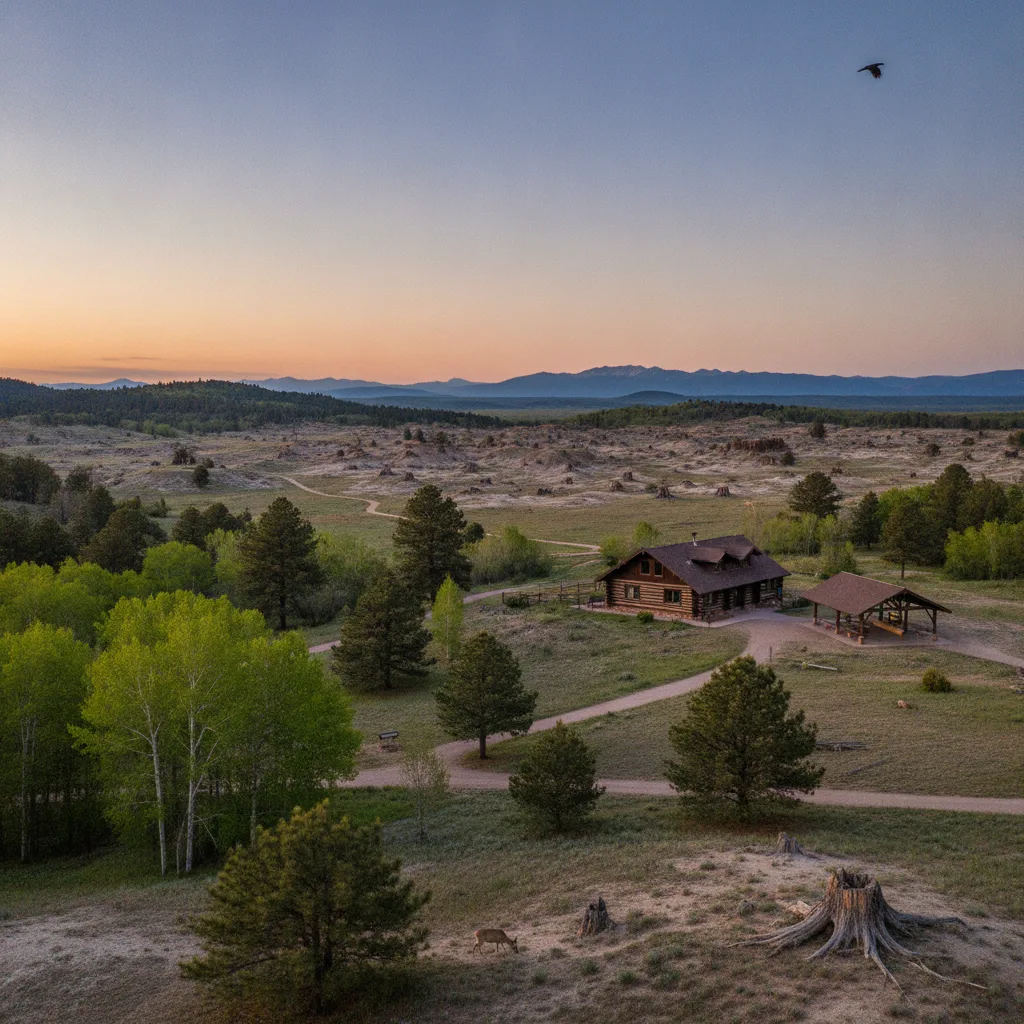
Our Florissant Fossil Beds National Monument guide covers practical planning for Florissant Fossil Beds National Monument Colorado — best time to visit, getting there, and what to do on the ground. We cut through the noise to bring you confident, specific recommendations for exploring this unique geological wonder.
Why Visit Florissant Fossil Beds National Monument
Imagine a Colorado landscape 34 million years ago, lush with towering redwood forests and teeming with diverse insect and plant life. That's the ancient world preserved at Florissant Fossil Beds National Monument. We recommend a visit to step back in time and witness one of the richest and most diverse fossil deposits on Earth. Here, you can walk among the massive petrified redwood stumps, some up to 14 feet wide, that stand as silent sentinels of a prehistoric era. Beyond the impressive fossilized trees, the monument's shale layers hold an extraordinary abundance of delicate insect and plant fossils, offering an unparalleled glimpse into the Eocene Epoch. The visitor center provides an excellent introduction to the monument's significance through exhibits and an orientation film. For those seeking genuine solitude and a connection with nature, the tranquil meadows and forests, set against the backdrop of the Rocky Mountains, offer a peaceful escape from the bustling world. The monument also holds International Dark Sky Park status, providing exceptional stargazing opportunities away from city lights. It’s a place where history, geology, and natural beauty converge, making it a truly fascinating destination in Colorado.
Who It's Best For
Florissant Fossil Beds National Monument is an ideal destination for a wide range of travelers. Our team finds it particularly suited for:
- **Families with Children:** The monument offers engaging activities like the Junior Ranger Program, where kids can earn a badge and patch. The easy, accessible hiking trails, such as the Ponderosa Loop, are perfect for little legs, and the visitor center's interactive exhibits make learning about fossils fun and captivating.
- **History and Science Enthusiasts:** Anyone with an interest in paleontology, geology, or ancient ecosystems will be captivated by the world-class fossil deposits and interpretive displays. The chance to see petrified redwood stumps and intricate insect and plant fossils firsthand is a rare educational experience.
- **Nature Lovers and Hikers:** With 14 to 15 miles of trails, ranging from easy loops to longer treks, the monument provides ample opportunities for hiking and wildlife viewing. The diverse landscapes of ponderosa pine forests, aspen groves, and open meadows make for scenic walks.
- **Stargazers:** As an International Dark Sky Park, Florissant Fossil Beds National Monument offers exceptional opportunities for night sky viewing. The Hornbek Homestead parking lot is open 24 hours for public stargazing.
- **Those Seeking Tranquility:** Unlike some of Colorado's more crowded national parks, Florissant Fossil Beds National Monument often feels uncrowded, allowing for a more serene and reflective experience. It's a place to slow down, observe, and connect with the quiet depth of nature.
Whether you're planning a USA road trip or looking for a unique stop in Colorado, this monument offers a distinct and enriching experience.
Getting There & Parking
Understanding how to get to Florissant Fossil Beds National Monument is straightforward, as it's conveniently located in central Colorado. The monument is approximately 35 miles west of Colorado Springs.
Driving Directions to Florissant Fossil Beds National Monument:
- **From I-25 (North or South):** Take Exit 141 for US-24 West. Follow US-24 West for about 35 miles until you reach the town of Florissant. From there, signs will direct you two miles south on Teller County Road 1 to the Visitor Center.
- **From Cripple Creek:** Follow Teller County Road 1 north for approximately 16 miles to reach the monument.
We recommend using a GPS for precise navigation, but the signage once you approach the town of Florissant is clear.
Parking at Florissant Fossil Beds National Monument:
Visitors will find a large, paved parking lot directly in front of the Visitor Center, capable of accommodating passenger vehicles, buses, and RVs. This makes access very convenient for all types of travelers. For those requiring accessible options, reserved parking spaces with wheelchair-accessible walkways are available at the visitor center. We found no information suggesting that parking requires a separate fee or reservation for standard day use.
The Hornbek Homestead area also has a parking lot that is open 24 hours a day, specifically for those interested in stargazing.
Top Things to Do
Florissant Fossil Beds National Monument offers a unique blend of educational opportunities, scenic beauty, and outdoor recreation. Our team has identified the top things to do at Florissant Fossil Beds National Monument to maximize your visit:
Explore the Visitor Center and Outdoor Exhibits
Begin your journey at the state-of-the-art Visitor Center, which houses a museum showcasing delicate insect, leaf, and fish fossils. An 18-minute orientation film, "Shadows of the Past," provides an excellent overview of the monument's geological history, with subtitles, audio description, and assistive listening devices available. Just outside, the Outdoor Exhibit Area is fully accessible and offers up-close views of the impressive petrified redwood stumps, along with exhibits detailing the geologic history and types of fossils found here. This is one of the essential things to do at Florissant Fossil Beds National Monument to understand the significance of the site.
Hike Among Ancient Giants
The monument boasts 14 to 15 miles of trails, providing various options for exploration. The Petrified Forest Loop is a must-do, an easy 1.1 to 2-mile trail that takes you directly past massive petrified redwood stumps, some over 14 feet in diameter. Another accessible option is the Ponderosa Loop Trail, a peaceful 0.4 to 0.5-mile route through a ponderosa pine forest. The Hornbek Wildlife Loop offers a longer, moderate hike of 3.9 to 7.4 miles through varied landscapes, including meadows and riparian zones. These Florissant Fossil Beds National Monument hiking trails immerse you in the ancient landscape.
Experience Ranger-Led Programs
For a deeper understanding, we highly recommend participating in ranger-led programs. These interpretive talks, walks, and tours offer insights into the monument's unique geology and paleontology. Programs often include visits to fossil excavation sites and the Learning Lab. June is highlighted as an excellent month to visit if you're keen on participating, as a variety of events take place each weekend and throughout the week. Check the official National Park Service website for the current schedule.
Stargaze in an International Dark Sky Park
Florissant Fossil Beds National Monument achieved International Dark Sky Park status in 2021, making it an exceptional location for stargazing. The Hornbek Homestead area and its parking lot are open 24 hours a day for public viewing, providing a prime spot away from light pollution. The monument also hosts regular Night Sky Programs at the Visitor Center, often in collaboration with the Colorado Springs Astronomical Society, offering telescopes and laser pointer tours. This is truly one of the most magical things to do at Florissant Fossil Beds National Monument.
Visit the Historic Hornbek Homestead
Drive or hike to the Hornbek Homestead, a preserved 1878 ranch that offers a glimpse into 19th-century pioneer life. Adeline Hornbek, a resilient homesteader, established this ranch, and exploring the log house and surrounding grounds provides a historical counterpoint to the ancient fossil beds.
Enjoy a Picnic
The monument offers picnic areas, such as the Barksdale Picnic area, where you can enjoy a meal amidst the natural beauty. It's a perfect way to relax and take in the peaceful surroundings after exploring the trails.
Explore Nearby Attractions
While Florissant Fossil Beds National Monument is a highlight, the surrounding area offers additional points of interest. Consider a visit to the Colorado Wolf and Wildlife Center in Divide, just 12 minutes away, a non-profit sanctuary for wolves, coyotes, and foxes. For a hands-on fossil experience, the Florissant Fossil Quarry, located outside the monument in the town of Florissant, allows visitors to dig for and collect their own fossils (for a fee). Eleven Mile Reservoir, 17 minutes from Florissant, is a premier fishing destination. You can also venture to iconic Colorado destinations like Garden of the Gods or Pikes Peak, both within a reasonable drive.
Best Time to Visit
Florissant Fossil Beds National Monument is open year-round, offering distinct experiences in each season. However, our team has some specific recommendations for the best time to visit based on your preferences:
Spring (April-May) and Fall (September-October)
We consider the shoulder seasons of spring and fall to be ideal for a visit. The weather is generally pleasant, with comfortable temperatures for hiking and exploring the outdoor exhibits. Crowds are typically smaller during these times compared to the peak summer months, allowing for a more peaceful experience. In spring, you'll witness wildflowers blooming across the meadows, adding vibrant color to the landscape. Fall brings stunning autumn foliage, particularly from the aspen trees, creating picturesque scenery.
Summer (June-August)
Summer is a popular time, especially for families. While it can be hot, an early morning visit is recommended to explore the trails before the heat sets in. This season offers the widest array of ranger-led programs and events, including guided walks and educational talks, which are a fantastic way to engage with the monument's history. The monument also hosts Night Sky Programs more frequently during the warmer months. Be prepared for more visitors and ensure you bring plenty of water and sun protection.
Winter (November-March)
For those seeking solitude and a unique perspective, winter can be a magical time to visit. The snow-covered landscape transforms the monument into a serene wonderland. While some trails may be snow-covered, the Visitor Center remains open, and the main outdoor exhibits are still accessible. Winter offers excellent opportunities for wildlife tracking and photography. Just be sure to check weather conditions and road closures before you go, and dress warmly.
Regardless of when you choose to visit, we recommend checking the monument's official website (National Park Service) for current operating hours, conditions, and any potential closures due to weather. The visitor center is typically open from 9:00 AM to 4:30 PM year-round, closing only on Thanksgiving, Christmas, and New Year's Days.
Where to Stay Nearby
While there is no camping directly within Florissant Fossil Beds National Monument, the surrounding area offers a variety of Florissant Fossil Beds National Monument lodging options to suit different preferences and budgets. We’ve compiled our top recommendations for where to stay nearby, ranging from hotels to cabins and campgrounds.
Hotels and Lodges
The towns of Florissant, Divide, Woodland Park, and Cripple Creek are your best bets for traditional accommodations. These towns are within a reasonable driving distance of the monument.
- **Florissant:** For proximity, you can find charming vacation rentals and cabins directly in Florissant. Options like the Florissant Studio or various cabins listed on platforms like Expedia and Booking.com offer a cozy base for exploration. These often provide a more rustic, mountain getaway feel.
- **Woodland Park:** Located about 13-16 miles from the monument, Woodland Park offers a selection of hotels, including the Microtel Inn & Suites by Wyndham Woodland Park, which receives good reviews for its convenient location. It’s a slightly larger town with more amenities.
- **Cripple Creek:** Approximately 12-13 miles from the monument, Cripple Creek is a historic mining town known for its casinos and Victorian charm. Here, you'll find options like the Cripple Creek Hospitality House, Century Casino & Hotel Cripple Creek, and Golden Nugget Cripple Creek. If you enjoy a bit of history and entertainment, this is a great choice for Florissant Fossil Beds National Monument lodging.
- **Colorado Springs:** As the closest major city, about 35 miles east, Colorado Springs offers the widest range of hotels, from budget-friendly to luxury. While further out, it provides extensive dining and entertainment options, and it’s a good base if you plan to explore other attractions like Garden of the Gods or Pikes Peak.
Camping Near Florissant Fossil Beds National Monument
For those who prefer to sleep under the stars, there are excellent camping options nearby.
- **Mueller State Park Campground:** Located about 7-12 miles from Florissant, Mueller State Park is a highly recommended option. It offers both reservable sites and walk-in camping, with some sites providing electric hookups. It’s known for being family-friendly with a playground. Reservations are typically required from May to September.
- **Colorado Campground (Pike National Forest):** This campground also offers reservable and walk-up sites and is managed by Rocky Mountain Recreation.
- **Eleven Mile State Park:** This park, a bit further out, includes campgrounds like Stoll Mountain Campground and Rocky Ridge Campground, offering RV and tent sites.
- **Dispersed Camping:** For a more primitive experience, dispersed camping is available in the surrounding Pike National Forest. Several options exist within a 30-minute drive, such as Matukat Road Dispersed Camping or Forest Service Road 250 Dispersed. Be aware of fire restrictions, especially during dry seasons.
We always recommend checking availability and making reservations well in advance, especially during peak seasons, for any Florissant Fossil Beds National Monument lodging or camping.
Sample 2-Day Itinerary
To fully experience Florissant Fossil Beds National Monument and its surrounding natural beauty, we recommend a two-day itinerary. This allows ample time for exploration without feeling rushed.
Day 1: Ancient Forests and Fossil Discoveries
Morning (9:00 AM - 1:00 PM): Immerse in the Monument
- **Arrival & Visitor Center:** Arrive at Florissant Fossil Beds National Monument as close to opening as possible. Head straight to the Visitor Center. Watch the 18-minute orientation film to understand the monument's geological history and browse the museum exhibits showcasing delicate insect and plant fossils.
- **Outdoor Exhibits & Petrified Forest Loop:** Step outside to the fully accessible Outdoor Exhibit Area to see the massive petrified redwood stumps up close. Then, embark on the easy, 1.1-mile Petrified Forest Loop Trail. This trail winds through the heart of the ancient redwood forest, allowing you to marvel at the "Big Stump" and other fossilized trees.
- **Ponderosa Loop Trail:** For a shorter, equally scenic walk, take the 0.4-mile Ponderosa Loop Trail, which is also ADA accessible and offers a peaceful stroll through a ponderosa pine forest.
Lunch (1:00 PM - 2:00 PM): Picnic Amidst Nature
- Enjoy a packed lunch at one of the monument's designated picnic areas, such as Barksdale Picnic area, surrounded by nature.
Afternoon (2:00 PM - 5:00 PM): Pioneer History & Deeper Exploration
- **Hornbek Homestead:** Drive or take a leisurely walk to the historic Hornbek Homestead. Explore the 1878 ranch house and grounds, gaining insight into 19th-century pioneer life in the Florissant Valley.
- **Ranger Program (Optional):** Check the monument's schedule for any afternoon ranger-led programs or interpretive talks that might be available.
Evening (Post-sunset): Stargazing
- Return to the Hornbek Homestead parking lot (open 24 hours) for an incredible stargazing experience. As an International Dark Sky Park, the monument offers unparalleled views of the night sky. Bring a blanket and binoculars.
Day 2: Beyond the Beds & Local Charm
Morning (9:00 AM - 12:00 PM): Hands-on Fossils or Wildlife Encounter
- **Option A: Florissant Fossil Quarry:** For a hands-on experience, head to the Florissant Fossil Quarry (outside the monument, check hours and fees). Here, you can dig for and keep your own insect and plant fossils, a truly unique activity.
- **Option B: Colorado Wolf and Wildlife Center:** Alternatively, visit the Colorado Wolf and Wildlife Center in Divide (about 12 minutes from Florissant). Take a guided tour to learn about and observe wolves, coyotes, and foxes in a sanctuary setting.
Lunch (12:00 PM - 1:00 PM): Local Fare
- Grab lunch in the town of Florissant or Divide. Local eateries offer a taste of small-town Colorado.
Afternoon (1:00 PM - 5:00 PM): Scenic Drives or Nearby Parks
- **Option A: Eleven Mile Reservoir:** Drive to Eleven Mile Reservoir, a popular spot for fishing and scenic shoreline walks. Enjoy the expansive views and peaceful waters.
- **Option B: Mueller State Park:** Explore Mueller State Park, offering additional hiking trails, wildlife viewing, and beautiful mountain scenery. It's a great complement to the fossil beds.
- **Option C: Gold Belt Tour Scenic Byway:** For a scenic drive, consider a portion of the Gold Belt Tour Scenic Byway, which starts in Florissant and offers historical insights into the region's mining past.
Late Afternoon/Evening: Departure or Extended Stay
- Depending on your onward travel plans, you can depart or choose to spend another night in the area, perhaps exploring the historic casinos of Cripple Creek.
This itinerary for Florissant Fossil Beds National Monument Colorado provides a balanced mix of education, nature, and local culture, ensuring a memorable trip.
Last updated: 2026-07-12 by the Roam States team.