Fort Smith National Historic Site Travel Guide — Arkansas
Our team at Visit America has thoroughly researched and explored this pivotal historical landmark, and we're ready to share our expert insights to help you plan an unforgettable trip. The Fort Smith National Historic Site Arkansas offers a unique window into the frontier justice of the Old West, the somber journey of the Trail of Tears, and the vital role of military forts on the edge of Indian Territory. We've compiled the essential 2026 facts on hours, fees, parking, and top attractions to ensure your visit is seamless and enriching.
Why Visit Fort Smith National Historic Site
Stepping onto the grounds of Fort Smith National Historic Site is like walking through a living history book. We believe it's one of the most compelling historical sites in the American South, offering a profound journey through nearly 80 years of frontier history. From its establishment as a military outpost in 1817 to its transformation into a federal court that brought law and order to a vast and often lawless Indian Territory, the site encapsulates pivotal moments in American expansion and indigenous history.
Is Fort Smith National Historic Site worth visiting? Absolutely. Our team finds its value immeasurable, particularly for those seeking to understand the complexities of westward expansion. Here, you can trace the footsteps of soldiers, Native Americans on the Trail of Tears, and the infamous outlaws and lawmen who shaped the region. The site's narratives are raw, authentic, and incredibly impactful, providing a tangible connection to the past that few places can match. We encourage visitors to immerse themselves in the stories of Judge Isaac C. Parker, often called the "Hanging Judge," whose courtroom and gallows represent a stark chapter in American jurisprudence.
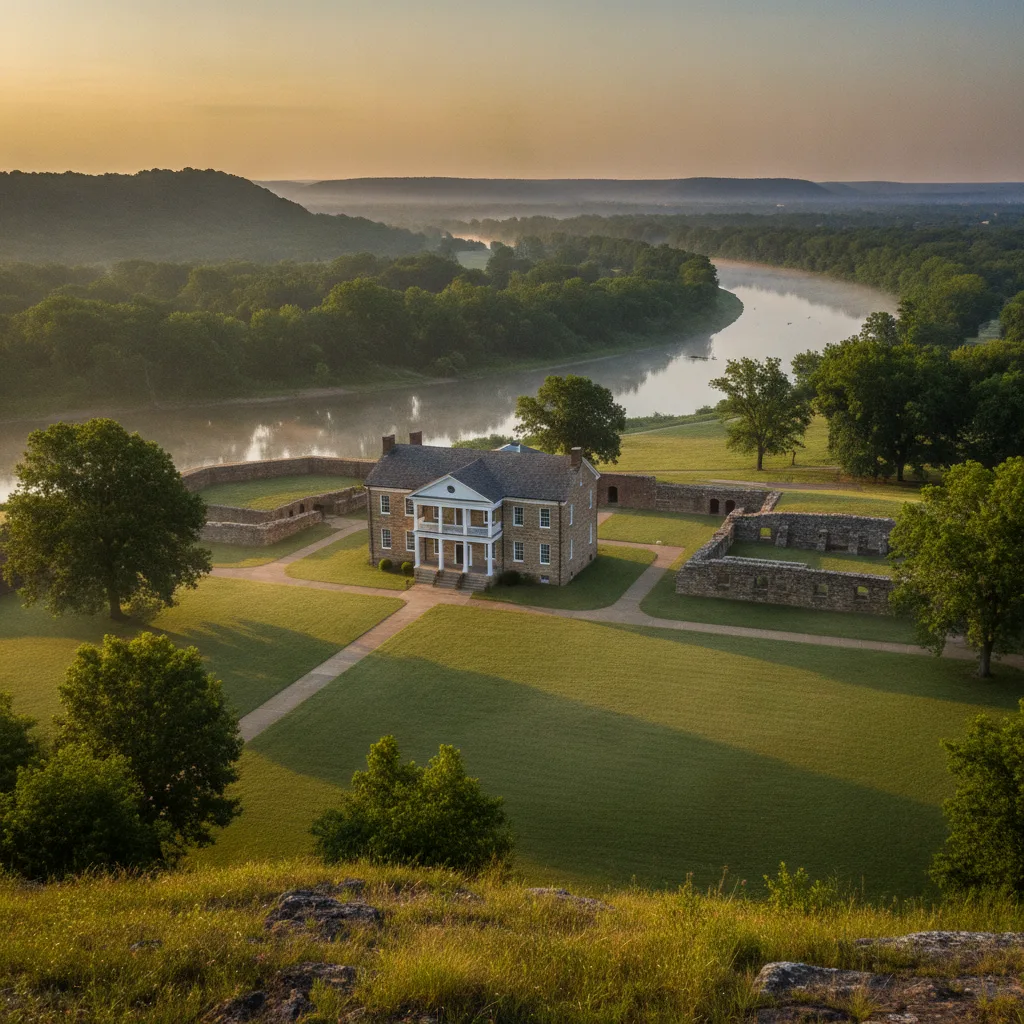
Beyond the dramatic tales of justice and lawlessness, the Fort Smith National Historic Site also offers a serene setting along the Arkansas River, inviting reflection on the profound human stories it preserves. It’s a place where history isn't just told; it's felt.
Who It's Best For
The Fort Smith National Historic Site appeals to a wide range of visitors, making it a versatile destination for different travel styles. We particularly recommend it for history buffs, educators, and anyone with a keen interest in American frontier history, military history, and Native American studies. The detailed exhibits and preserved structures offer a deep dive into the lives of those who lived and worked here.
For families, visiting Fort Smith National Historic Site with kids can be a highly educational and engaging experience. The park offers Junior Ranger programs, allowing younger visitors to actively participate in learning about the site's history and earning a badge. The outdoor trails provide space for children to explore, while the dramatic stories of outlaws and marshals can captivate their imaginations. We suggest focusing on the more interactive elements, like exploring the jail cells and courtroom, to keep younger audiences engaged. It's a fantastic opportunity to bring history to life in a tangible way.
Solo travelers and couples will appreciate the contemplative atmosphere and the depth of historical information available. The site is also highly accessible, with paved paths making it easy for visitors of all mobility levels to explore the main attractions.
Getting There & Parking
Understanding how to get to Fort Smith National Historic Site is straightforward, as it's conveniently located in downtown Fort Smith, Arkansas. The site's physical address is 301 Parker Avenue, Fort Smith, AR 72901.
If you're driving from Interstate 40 Eastbound, we recommend taking the Roland exit and following Highway 64 for approximately six miles into downtown Fort Smith. For those traveling Westbound on Interstate 40 or from North Interstate 540 (e.g., Fayetteville), take I-40 Westbound to I-540 South. Then, exit west on Rogers Avenue and continue towards downtown. Once in the downtown area, turn south at 4th Street from either Rogers or Garrison Avenue, then right onto Garland Avenue. The main parking lot entrance is at the end of the next block.
Parking is one less thing to worry about when you plan your visit. Our team confirms that free parking is readily available for all visitors. You'll find ample space along 3rd Street or in the main parking lot, which is designed to accommodate a variety of vehicles, including cars, trucks, buses, and RVs. This makes how to get to Fort Smith National Historic Site hassle-free, whether you're arriving in a compact car or a large recreational vehicle.
For those utilizing public transportation, the City of Fort Smith operates a bus network that services the downtown area. Taxi services are also available in the Fort Smith area, providing additional options for reaching the site. The Fort Smith Regional Airport (FSM) serves the city for air travelers.
Top Things to Do
There are numerous things to do at Fort Smith National Historic Site, offering a comprehensive exploration of its rich past. Our team suggests allocating at least half a day, if not more, to fully appreciate all the site has to offer. Here are the must-see attractions:
- Visitor Center, Historic Barracks, Courthouse, and Jail: Your journey should begin here. The Visitor Center is housed within the historic barracks building, which later served as a federal courthouse and jail. Inside, you'll find Judge Isaac C. Parker's restored courtroom, a chilling recreation of the "Hell on the Border" jail cells, and extensive exhibits and videos detailing military history, Native American experiences (including the Trail of Tears), the federal court's impact on Indian Territory, and the stories of U.S. Deputy Marshals and outlaws. The exhibits are incredibly informative and provide crucial context for the entire site.
- The Gallows: A replica of the gallows stands on the park grounds, a stark reminder of the frontier justice administered by Judge Parker's court. Eighty-six men were hanged here between 1873 and 1896. It's a sobering but essential part of understanding the site's history.
- Commissary Building: As the oldest standing building at Fort Smith, the Commissary dates back to 1838. During the federal court period, Judge Parker's chambers were located upstairs. Today, you can visit it as it appeared in the 1850s when it supplied military troops.
- Belle Point (Site of the First Fort Smith): Established in 1817, this was the location of the very first Fort Smith, overlooking the confluence of the Arkansas and Poteau Rivers. Visitors can walk the foundation remains of the fort and enjoy scenic views of the two rivers.
- Trail of Tears Overlook and Paved Trail: A 3/4-mile paved walking trail begins from the parking lot and follows the Arkansas River to Belle Point. Along this path, exhibit panels recount the poignant story of the forced removal of five civilized tribes to Indian Territory. It's a powerful and reflective experience.
Beyond the immediate historical site, there are many things to do in Fort Smith itself. We recommend extending your stay to explore the vibrant city. Key attractions include:
- Fort Smith Museum of History: Delve deeper into the region's history and culture at this excellent museum.
- Miss Laura's Social Club: A beautifully restored Victorian mansion that once operated as a bordello, now serving as the city's visitor center.
- Fort Smith Trolley Museum: Enjoy displays of historic streetcars and even a free streetcar ride.
- U.S. Marshals Museum: An interactive museum dedicated to the history of the U.S. Marshals Service, a natural complement to your visit to the National Historic Site.
- The Park at West End: Features a vintage Ferris wheel offering sweeping views, along with other entertainment.
- Creekmore Park and Parrot Island Waterpark: Great options for families looking for recreational things to do in Fort Smith.
For those looking for more outdoor adventures in Arkansas, consider adding a trip to Hot Springs National Park or even Crater of Diamonds State Park to your itinerary.
Best Time to Visit
Our team considers the spring (April to early June) and fall (September to October) to be the best times to visit Fort Smith National Historic Site. During these seasons, the weather is generally mild and pleasant, making it ideal for exploring the outdoor grounds and walking the Trail of Tears. The blooming redbud trees in spring and the vibrant foliage in fall add an extra layer of beauty to the historical landscape.
Summer months (June to August) can be quite hot and humid in Fort Smith, with temperatures often exceeding 90°F (32°C). While the indoor exhibits in the Visitor Center provide a welcome respite from the heat, extensive outdoor exploration might be less comfortable. If you visit during summer, we advise planning your outdoor activities for early mornings or late afternoons and staying hydrated.
Winter (November to March) brings cooler temperatures, and while snow is possible, it's not typically heavy. The park remains open, but some outdoor elements might be less inviting. However, fewer crowds can make for a more solitary and reflective experience. Remember, the Visitor Center, Gallows, and Commissary Building are closed on New Year's Day, Thanksgiving Day (November 26, 2026), and Christmas Day (December 25, 2026). The park grounds, however, are open daily from 30 minutes before sunrise to 30 minutes after sunset year-round.
Where to Stay Nearby
Fort Smith offers a variety of accommodation options to suit different preferences and budgets. Our team recommends staying in the downtown area for convenient access to the National Historic Site and other city attractions.
- Downtown Hotels: For those who prefer established brands, options like Wyndham Fort Smith City Center and Courtyard by Marriott Fort Smith Downtown are excellent choices, often within walking distance or a short drive from the historic site. These typically offer modern amenities and comfortable stays.
- Boutique and Unique Stays: Fort Smith also has charming local guesthouses and vacation rentals, some of which are restored historic properties. Searching for "Restored Historic Carriage House" or similar terms can yield unique options for a more personalized experience.
- Budget-Friendly Options: If you're looking for more economical choices, you'll find several well-known hotel chains on the outskirts of downtown or along major thoroughfares, such as Days Inn by Wyndham Fort Smith or La Quinta Inn & Suites by Wyndham Fort Smith.
Consider your itinerary when choosing where to stay. If you plan to spend most of your time exploring the historical sites and downtown Fort Smith, a central location is ideal. If you're combining your visit with other regional attractions, such as the Buffalo National River, staying slightly outside the city might offer easier access to highways.
Sample 2-Day Itinerary
To truly appreciate the Fort Smith National Historic Site and its surroundings, our team suggests a two-day itinerary, allowing for both in-depth historical exploration and a taste of local culture.
Day 1: Immersion in History at Fort Smith National Historic Site Arkansas
- Morning (9:00 AM - 1:00 PM): Arrive at the Fort Smith National Historic Site. Begin your visit at the Visitor Center, housed in the historic barracks/courthouse/jail building. Dedicate ample time to exploring Judge Parker's courtroom, the "Hell on the Border" jail cells, and the comprehensive exhibits on military history, the Trail of Tears, and frontier law.
- Lunch (1:00 PM - 2:00 PM): Enjoy lunch at a local eatery in downtown Fort Smith. There are several cafes and restaurants within a short walk or drive.
- Afternoon (2:00 PM - 5:00 PM): Continue your exploration of the site's outdoor features. Walk the 3/4-mile paved Trail of Tears Overlook to Belle Point, reflecting on the historical significance of the Arkansas River. Visit the Commissary Building, the oldest structure on the grounds, and contemplate the replica gallows.
- Evening: Enjoy dinner in downtown Fort Smith. Consider catching a performance at the Riverfront Amphitheater if there's an event scheduled, or simply take a leisurely stroll along the riverfront.
Day 2: Exploring Fort Smith's Broader Heritage and Culture
- Morning (9:00 AM - 12:00 PM): Start your day at the Fort Smith Museum of History, delving deeper into the city's rich past and regional culture. Afterward, visit Miss Laura's Social Club for a unique historical perspective and to pick up local information.
- Lunch (12:00 PM - 1:00 PM): Grab a quick bite at a local cafe.
- Afternoon (1:00 PM - 5:00 PM): Choose from several options based on your interests:
- Option A (Law & Order): Visit the U.S. Marshals Museum for an interactive experience complementing your historical site visit.
- Option B (Family Fun): Head to Creekmore Park or Parrot Island Waterpark for recreational activities, especially if you're visiting with kids.
- Option C (Art & Local Charm): Explore the Fort Smith Regional Art Museum or browse the unique shops and boutiques in the downtown area.
- Evening: Enjoy a farewell dinner. If time permits, consider a visit to the Fort Smith Trolley Museum for a nostalgic ride.
This itinerary provides a solid foundation for experiencing Fort Smith. Remember to check local event calendars for any festivals or special happenings during your visit. For more ideas on exploring the state, check out our guide to Best places in Arkansas.
Fort Smith National Historic Site tips
Our top tips for visiting Fort Smith National Historic Site include wearing comfortable walking shoes, as you'll be exploring both indoor exhibits and outdoor trails. We recommend starting your visit at the Visitor Center to gain historical context before venturing out. Allow at least 3-4 hours for a thorough visit, and bring water, especially during warmer months. Consider participating in the Junior Ranger program if you're visiting with children. Don't forget to check the official NPS website for any special events or ranger-led programs during your stay.
Fort Smith National Historic Site parking
Fort Smith National Historic Site offers free parking for all visitors. You'll find ample space in the main parking lot or along 3rd Street, which can accommodate cars, trucks, buses, and RVs. The main parking lot is easily accessible from Parker Avenue via 3rd Street.
best time to visit Fort Smith National Historic Site
The best time to visit Fort Smith National Historic Site is during the spring (April to early June) and fall (September to October). These seasons offer mild temperatures, ideal for outdoor exploration of the grounds and trails. Summer can be hot and humid, while winter brings cooler weather.
Fort Smith National Historic Site hours and fees
As of 2026, the Fort Smith National Historic Site Visitor Center, Gallows, and Commissary Building are open daily from 9:00 AM to 5:00 PM. The park grounds are accessible every day from 30 minutes before sunrise to 30 minutes after sunset. The site is closed on New Year's Day (January 1, 2027), Thanksgiving Day (November 26, 2026), and Christmas Day (December 25, 2026). There is no entrance fee required to access Fort Smith National Historic Site.
Fort Smith National Historic Site travel guide
This comprehensive travel guide by the Visit America team provides all the essential information for planning your trip to Fort Smith National Historic Site. We cover why to visit, who it's best for, how to get there and parking, top things to do both at the site and in the surrounding city, the best time to visit, where to stay, and a sample 2-day itinerary. Our guide is designed to help you make the most of your visit to this significant Arkansas landmark.
Fort Smith National Historic Site itinerary
A recommended itinerary for Fort Smith National Historic Site includes dedicating Day 1 to the historic site itself: starting with the Visitor Center, courtroom, and jail, then exploring the outdoor grounds, Trail of Tears, Commissary, and gallows. Day 2 can be spent exploring the broader Fort Smith area, including the Fort Smith Museum of History, Miss Laura's Social Club, and the U.S. Marshals Museum, or other local attractions like Creekmore Park. This allows for a thorough historical immersion combined with local cultural experiences.
Our Expert Verdict
The Fort Smith National Historic Site is far more than just a collection of old buildings; it's a profound journey into the heart of America's frontier history. Our team believes that its ability to vividly portray the lives of soldiers, Native Americans, outlaws, and lawmen makes it an indispensable stop for anyone traveling through Arkansas. The stories told here resonate deeply, offering invaluable insights into a complex and often challenging period of our nation's past. From the solemn Trail of Tears to the stern justice of Judge Parker, the site ensures that these critical narratives are preserved and understood. It's a truly impactful destination that we highly recommend for its historical significance and educational value.
Last updated: 2026-07-05 by the Visit America team.