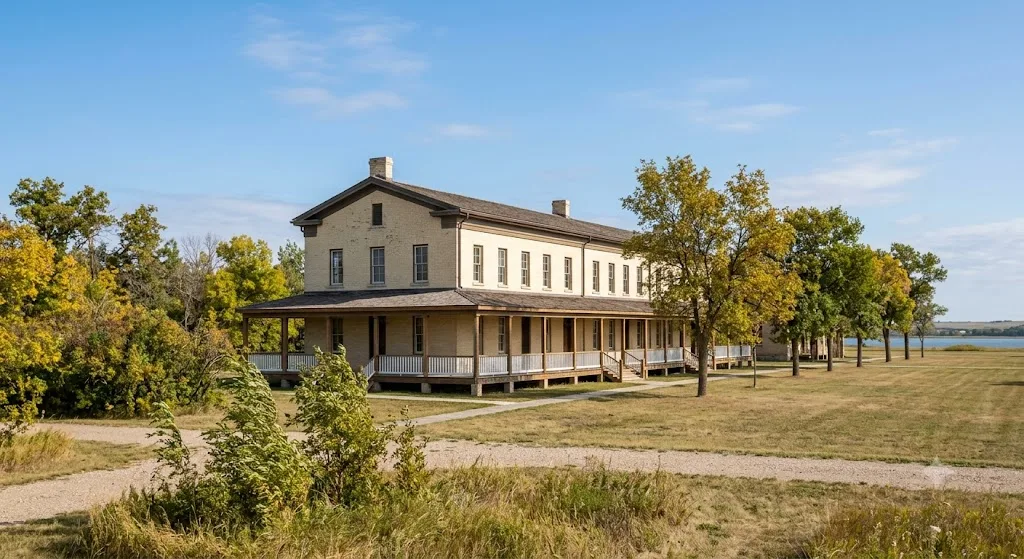
Our Fort Totten State Historic Site guide covers practical planning for Fort Totten State Historic Site North Dakota — best time to visit, getting there, and what to do on the ground. As independent US travel authorities, our team is here to cut through the fluff and provide you with confident, specific insights for your journey to this remarkable North Dakota gem. We've compiled the essential 2026 facts on hours, fees, parking, and lodging to ensure your visit is seamless and enriching.
Fort Totten State Historic Site Travel Guide — North Dakota
Nestled on the southeastern edge of the town of Fort Totten, along the serene shores of Devils Lake, lies the Fort Totten State Historic Site. This isn't just another stop on a map; it's one of the best-preserved frontier military posts in the United States, offering an unparalleled glimpse into 19th-century military life and the complex history of Native American boarding schools. Our team consistently recommends this site for its profound historical significance and the sheer number of original structures that remain. Visitors can explore 17 original buildings, each telling a piece of a multifaceted story that spans decades of North Dakota's past.
Why Visit Fort Totten State Historic Site
The Fort Totten State Historic Site stands as a powerful testament to pivotal eras in American history, making it an essential destination for anyone seeking to understand the frontier military and Native American experience. What sets this site apart is its exceptional state of preservation. We’re talking about 17 original brick buildings, constructed between 1868 and 1873, that largely appear as they did when first built. This isn't a reconstruction; it's the real deal, allowing for an incredibly immersive experience.
Initially established in 1867 as a military outpost, Fort Totten played a crucial role in policing the surrounding reservation, safeguarding overland transportation routes, and assisting the Dakota people living near Devils Lake. Imagine the soldiers of the famous 7th Cavalry stationed here, enforcing peace and protecting vital supply lines. The fort's military chapter concluded in 1890, but its story was far from over.
In 1891, the site transitioned into the Fort Totten Indian Industrial School, a Native American boarding school operated by the Bureau of Indian Affairs. This period represents a challenging and often painful chapter, as the school aimed to assimilate Native American children into broader American society, often at the expense of their indigenous cultures. Students received academic and vocational training, with enrollment sometimes reaching over 400. The faded murals from this era, still visible in some buildings, offer a poignant reflection of daily life for these children. From 1935 to 1939, the site even served as a tuberculosis preventorium, providing care for Dakota children at high risk of contracting the disease. The buildings then reverted to a day and boarding school until 1959, when the property was transferred to the State of North Dakota, becoming a State Historic Site in 1960.
Visiting Fort Totten State Historic Site offers a rare opportunity to walk through these layers of history, from military barracks to school dormitories, and to reflect on the diverse purposes this complex served. It's a place that challenges visitors to engage with a rich, yet often complicated, past. For those interested in the broader history of the region, we also recommend exploring other significant sites like Chateau de Mores or the Dakota Territory Air Museum to gain a fuller understanding of North Dakota's heritage.
Who It's Best For
Fort Totten State Historic Site is a compelling destination for a diverse range of travelers. History buffs, particularly those with an interest in the American frontier, military history, or Native American studies, will find themselves engrossed in the well-preserved structures and interpretive exhibits. The site’s layered history, transitioning from a military post to a boarding school, offers a nuanced perspective that encourages deeper reflection.
Families with older children will also find the site highly educational and engaging. While younger children might enjoy exploring the grounds, the depth of the historical narratives is perhaps best appreciated by those who can grasp complex social and political contexts. We recommend it for anyone seeking an authentic, unvarnished look at a significant piece of American history, far removed from generic tourist traps. Educators and researchers will find invaluable primary source material in the physical structures themselves, offering tangible connections to the past.
Beyond its historical appeal, the site's location near Devils Lake makes it attractive to outdoor enthusiasts who can combine a cultural visit with activities like fishing, boating, or wildlife viewing. It’s a place for curious minds, those who appreciate authenticity, and travelers looking for more than just a scenic view – they're looking for a story.
Getting There & Parking
Navigating to the Fort Totten State Historic Site is straightforward, making it an accessible destination for most travelers exploring North Dakota. The site is located on the southeastern edge of the town of Fort Totten, approximately 12 miles south of the city of Devils Lake. If you’re driving from Devils Lake, you’ll take Highway 57 south directly to the site. The drive is scenic, passing through the unique North Dakota landscape.
For those flying in, Devils Lake Regional Airport (DVL) is the closest option, offering regional connections. Larger airports like Grand Forks International Airport (GFK) or Minot International Airport (MOT) are about a 1.5 to 2-hour drive away, respectively. We highly recommend renting a car if you're planning to visit, as public transportation options to this rural historic site are limited, and having your own vehicle provides the flexibility to explore the surrounding Devils Lake area and other attractions in North Dakota.
When you arrive, you’ll find ample Fort Totten State Historic Site parking. Our research confirms there is plenty of free parking available directly at the site, so you won't need to worry about fees or searching for a spot. The site's address is 417 Cavalry Circle, Fort Totten, ND 58335, which should be easily navigable with GPS. We always advise checking the North Dakota Department of Transportation for any potential road closures or construction before your trip, especially during the shoulder seasons.
As for how to get to Fort Totten State Historic Site, it's a pleasant drive from many points in eastern North Dakota. For a broader North Dakota adventure, consider incorporating it into a larger USA Road Trip Planner itinerary, perhaps combining it with a visit to Fort Abraham Lincoln State Park for another perspective on frontier life.
Top Things to Do
When you visit the Fort Totten State Historic Site, you’re stepping into a living history book. Our team recommends dedicating ample time to fully absorb the numerous experiences available. Here are the top things to do at Fort Totten State Historic Site:
- Explore the Original Buildings: The site boasts 17 original brick structures, making it one of the most intact frontier military posts. Wander through the former officers' quarters, barracks, the commissary storehouse, and the hospital. Each building offers a unique perspective on the fort's military past and its later role as a boarding school. Many buildings feature interpretive panels or are open for visitors to walk through.
- Visit the Interpretive Center: Located in the Commissary Storehouse (Building 23), the Interpretive Center provides an excellent orientation to the site's three distinct historical periods: military, Native American boarding school, and historic preservation efforts. It's a great starting point to understand the complex narratives before you begin your exploration.
- Discover the Pioneer Daughters' Museum: Housed in the restored hospital building, the Lake Region Pioneer Daughters' Museum showcases artifacts from the fort's military era, including uniforms and personal items of officers, as well as collections from Lake Region pioneer homes. It offers a fascinating glimpse into the lives of those who settled the area.
- Reflect on the Boarding School History: Take time to consider the site's profound history as the Fort Totten Indian Industrial School. Look for the faded murals that still adorn some walls, reflecting the daily life of the Native American children who lived and studied here. This aspect of the site offers a crucial, albeit somber, educational experience about a significant period in Native American history.
- Attend a Performance at the Fort Totten Little Theatre: One of the original buildings now houses a community theater. If your visit aligns with their schedule, catching a performance can be a unique way to experience the site's continued community use.
- Stroll the Parade Ground: The central parade ground is surrounded by the historic buildings, offering a sense of the fort's layout and scale. It's a perfect spot for quiet contemplation and photography.
- Check the Victory Garden (Seasonal): During the summer, visitors may be able to harvest produce from the victory garden, adding a hands-on element to the historical experience.
Beyond the immediate grounds, there are more things to do in Fort Totten and the surrounding Lake Region. We highly recommend exploring the natural beauty of Devils Lake, North Dakota's largest natural body of water, known as the "Perch Capital of the World." Fishing, boating, and birdwatching are popular activities. Nearby, Sullys Hill National Game Preserve offers opportunities to spot bison, elk, and deer on its nature trails. For a different kind of entertainment, the Spirit Lake Casino and Resort is just a short drive away.
Best Time to Visit
Choosing the best time to visit Fort Totten State Historic Site largely depends on what you prioritize for your trip. Our team has analyzed the operational hours and regional climate to provide you with the most informed recommendation.
The prime season for visiting is **Memorial Weekend Saturday through Labor Day**, when the site's buildings and interpretive center are open daily from 9 a.m. to 5 p.m. During these summer months, site interpreters are typically available, enhancing the educational experience. The weather is generally warm and pleasant, ideal for walking the extensive grounds and exploring the outdoor exhibits. This is also when the victory garden might be active, and the Fort Totten Little Theatre may have performances.
Outside of this peak summer season, from the **Tuesday after Labor Day through Memorial Weekend Friday**, the site buildings are open for events, school tours, rentals, and by appointment. The grounds, however, remain open year-round, Monday through Friday, from 9 a.m. to 4:30 p.m. If you prefer a quieter, more solitary experience and don't mind potentially limited access to interior exhibits, a visit during the shoulder seasons (late spring or early fall) can be rewarding. The fall foliage in North Dakota can also be quite beautiful.
Winter visits are possible for the grounds, but expect cold temperatures and snow. While the historic buildings may be closed, the stark winter landscape can offer a unique, contemplative atmosphere for those interested in photography or a different perspective on the site. However, for a comprehensive visit, we strongly recommend aiming for the summer months to ensure full access to all exhibits and services.
Where to Stay Nearby
When planning your trip to the Fort Totten State Historic Site, you have several excellent options for lodging, ranging from an immersive on-site experience to more conventional hotel stays in nearby Devils Lake. Our team has scouted the best choices for Fort Totten State Historic Site lodging.
For a truly unique and historic stay, consider the **Totten Trail Historic Inn**, located right within the Fort Totten State Historic Site. This carefully renovated building once housed officers and their families during the military post era and later served as employee housing for the boarding school. It offers ten beautifully decorated rooms with Victorian-era décor, providing a relaxed and quiet atmosphere near the southern shores of Devils Lake. Guests have access to common spaces like a fully equipped kitchen, dining/meeting room, reading room, and game room. Reservations are recommended, and you can often book through platforms like Airbnb.
If you prefer a wider selection of amenities and dining options, the city of Devils Lake, about 10-12 miles north of the historic site, is your best bet for Fort Totten State Historic Site lodging. Devils Lake offers a range of hotels and motels to suit various budgets and preferences. Top-rated options in the area, as of 2026, include:
- Cobblestone Hotel & Suites – Devils Lake: Known for a refined experience and excellent guest ratings.
- Holiday Inn Express Devils Lake by IHG: A popular, budget-friendly choice with good reviews.
- Sleep Inn & Suites Devils Lake: Often highlighted for its wonderful guest rating.
- Fireside Inn and Suites: A charming option with a good guest rating.
- Super 8 by Wyndham Devils Lake: A more economical choice.
Many of these hotels are conveniently located near Highway 2 in Devils Lake, providing easy access to local restaurants, shops, and other attractions like the Spirit Lake Casino and Resort. For those seeking a lakeside experience, some lodges and vacation rentals are also available around Devils Lake, which can be ideal for families or groups.
Sample 2-Day Itinerary
To truly appreciate the Fort Totten State Historic Site and its surrounding area, our team recommends a two-day itinerary. This allows for a deep dive into the site's history and enough time to explore the natural beauty and other attractions of the Devils Lake region. For more ideas on planning your trip, visit Plan Your US Trip.
Day 1: Immerse in Fort Totten's History
- Morning (9:00 AM - 1:00 PM): Fort Totten State Historic Site Exploration
- Start your day at the Interpretive Center to gain an overview of the fort's military and boarding school history.
- Spend several hours exploring the 17 original buildings. Take your time walking through the barracks, officers' quarters, commissary, and the hospital housing the Pioneer Daughters' Museum. Pay attention to the architectural details and interpretive panels that bring each structure to life.
- Reflect on the poignant history of the Native American boarding school, observing any faded murals or exhibits related to this period.
- Lunch (1:00 PM - 2:00 PM): Picnic at the Site or Local Eatery
- Pack a picnic to enjoy on the historic grounds, or head to a local eatery in the immediate Fort Totten area. While dining options are limited directly in Fort Totten, you can find a few choices.
- Afternoon (2:00 PM - 5:00 PM): Deeper Dive or Local Culture
- Revisit any buildings at the Fort Totten State Historic Site that particularly captured your interest.
- Alternatively, if available, catch a matinee performance at the Fort Totten Little Theatre.
- Consider a visit to the nearby Spirit Lake Casino and Resort for a change of pace, offering entertainment and gaming.
- Evening: Dinner and On-Site Lodging
- Enjoy dinner at the Spirit Lake Casino or venture into Devils Lake for more restaurant choices like Proz Lakeside at the Cove or the Liquid Bean.
- Spend the night at the Totten Trail Historic Inn within the Fort Totten State Historic Site for an authentic historical experience.
Day 2: Devils Lake & Natural Wonders
- Morning (9:00 AM - 12:00 PM): Devils Lake Outdoor Activities
- After breakfast at your lodging, head to Devils Lake, known as the "Perch Capital of the World."
- Depending on the season, you could go fishing, enjoy a boat tour, or explore one of the many access points for birdwatching.
- Visit Grahams Island State Park, a popular spot for hiking, biking, and enjoying the lake's natural beauty.
- Lunch (12:00 PM - 1:00 PM): Devils Lake Dining
- Grab lunch in Devils Lake. Options range from casual diners like the White House Cafe to more upscale lakeside restaurants.
- Afternoon (1:00 PM - 5:00 PM): Wildlife and Scenic Drives
- Explore Sullys Hill National Game Preserve, located adjacent to the Fort Totten State Historic Site. This 1,600-acre refuge is home to bison, elk, and deer, and offers nature trails for wildlife viewing.
- Take a scenic drive around the Devils Lake area, observing the unique prairie landscape and the changing lake levels that have shaped the region.
- Evening: Departure or Extended Stay
- Enjoy a final North Dakota dinner in Devils Lake, perhaps trying The Starving Rooster for brick-oven pizzas and handcrafted sandwiches.
- Depart from Devils Lake Regional Airport or continue your North Dakota adventure by heading to other destinations within the state. For more ideas, check out our guide to Best places in North Dakota.
Expert Verdict: Is It Worth Visiting?
Our team at Roam States firmly believes that the Fort Totten State Historic Site is absolutely worth visiting. In a landscape often dominated by natural wonders, this site stands out as a profound cultural and historical anchor in North Dakota. It's not merely a collection of old buildings; it's a meticulously preserved complex that tells a deeply layered story of frontier military life, federal Indian policy, and the resilience of Native American communities.
What makes is Fort Totten State Historic Site worth visiting is its authenticity. With 17 original structures, you're walking through history, not a replica. The ability to explore these buildings, from the barracks to the former boarding school dormitories, provides an immersive experience that few other sites can match. The interpretive exhibits are well-done, offering context and encouraging thoughtful reflection on the complex narratives presented.
Beyond the historical significance, the site’s location on the shores of Devils Lake adds to its appeal, allowing visitors to combine a rich cultural experience with outdoor recreation. It offers a unique opportunity to connect with the past in a tangible way, providing insights into the challenges and transformations of the American West. For anyone seeking to understand North Dakota's heritage and the broader American story, Fort Totten State Historic Site is an indispensable stop on your travel itinerary.
FAQ: Fort Totten State Historic Site with Kids
Visiting Fort Totten State Historic Site with kids can be a rewarding educational experience, though it's best suited for slightly older children who can engage with historical narratives. The expansive grounds are great for walking and exploring, and the 17 original buildings offer a tangible connection to the past. Kids might enjoy the Pioneer Daughters' Museum with its artifacts and the idea of a "victory garden" if visiting in summer. We recommend preparing them with some background information about military forts and boarding schools to help them understand the context. The site is a Blue Star Museum, which often means family-friendly programming or discounts for military families.
FAQ: best hotels near Fort Totten State Historic Site
The best hotels near Fort Totten State Historic Site are primarily located in Devils Lake, about 10-12 miles away. Our top recommendations for 2026 include the Cobblestone Hotel & Suites – Devils Lake, Holiday Inn Express Devils Lake by IHG, and Sleep Inn & Suites Devils Lake, all highly rated for comfort and amenities. For a truly immersive experience, the Totten Trail Historic Inn is located directly on the historic site grounds, offering unique, Victorian-era rooms.
FAQ: Fort Totten State Historic Site tips
Our top Fort Totten State Historic Site tips include visiting during the summer months (Memorial Weekend to Labor Day) for full access to all buildings and interpretive staff. Wear comfortable shoes, as you'll be doing a lot of walking across the grounds. Allow at least 3-4 hours for a comprehensive visit. Bring water and snacks, especially if traveling with family. Check the official State Historical Society of North Dakota website before your visit for any special events or temporary closures. Consider combining your trip with exploring Devils Lake and Sullys Hill National Game Preserve.
FAQ: where to stay near Fort Totten State Historic Site
For lodging near Fort Totten State Historic Site, your primary options are the Totten Trail Historic Inn, located directly on the site for a unique historical stay, or hotels in Devils Lake, which is a short drive away. Devils Lake offers a broader selection of accommodations such as the Fireside Inn and Suites, Cobblestone Hotel & Suites, and Holiday Inn Express, providing modern amenities and access to more dining and shopping.
FAQ: Fort Totten State Historic Site parking
Rest assured, Fort Totten State Historic Site parking is readily available and free of charge. There are ample parking spaces directly at the site, making access convenient for all visitors. You won't need to worry about searching for a spot or incurring additional fees upon arrival.
FAQ: best time to visit Fort Totten State Historic Site
The best time to visit Fort Totten State Historic Site is during the summer season, specifically from Memorial Weekend Saturday through Labor Day. During these months, all 17 historic buildings are typically open daily from 9 a.m. to 5 p.m., and site interpreters are on hand to provide insights. The weather is also most favorable for outdoor exploration of the expansive grounds.
For more detailed planning information and to discover other incredible destinations across the state, we encourage you to visit North Dakota Tourism, your official guide to the Peace Garden State.
The Fort Totten State Historic Site offers an unparalleled journey into the layered history of North Dakota. From its origins as a frontier military post to its complex role as a Native American boarding school, and finally its preservation as a state historic site, it provides a powerful and educational experience. Our team at Roam States confidently recommends this site for its authenticity, its well-preserved structures, and the profound stories it tells. Whether you're a history enthusiast, a family seeking educational travel, or simply someone looking for a meaningful encounter with the past, Fort Totten will leave a lasting impression. Prepare to step back in time and gain a deeper understanding of the forces that shaped this unique corner of the American West.
Last updated: 2026-07-13 by the Roam States team.