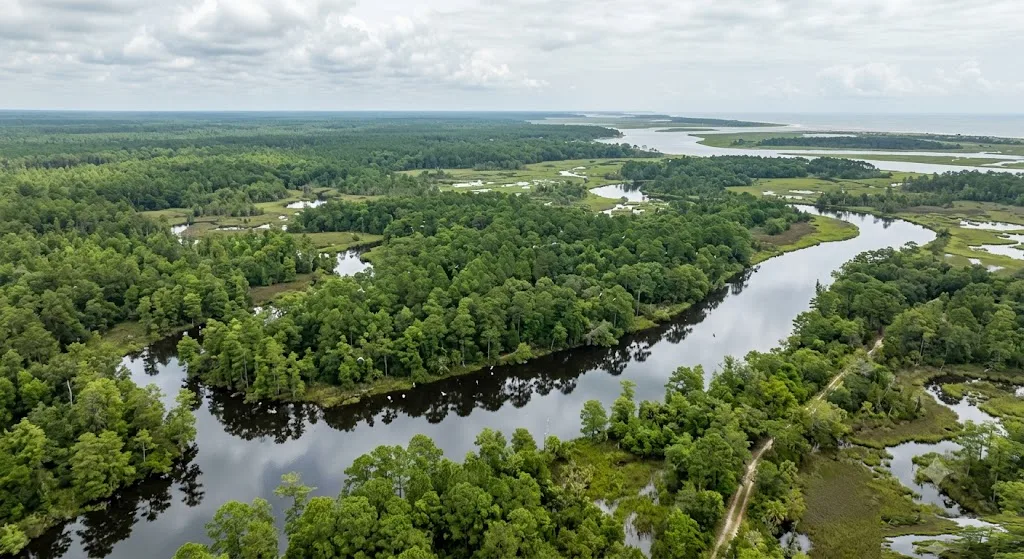
Our Francis Marion National Forest guide covers practical planning for Francis Marion National Forest South Carolina — best time to visit, getting there, and what to do on the ground. We've compiled essential information to help you navigate this expansive coastal plain ecosystem, ensuring a rewarding trip for every type of adventurer.
Francis Marion National Forest Travel Guide — South Carolina
The Francis Marion National Forest offers extensive opportunities for hiking, camping, fishing, and wildlife observation across its vast coastal plain ecosystem. As independent US travel authorities, our team at Roam States has thoroughly researched this remarkable South Carolina gem to bring you the most confident and specific advice for your visit. Whether you're seeking solitude in nature, a challenging hike, or a family-friendly outdoor adventure, the Francis Marion National Forest South Carolina provides a diverse landscape rich in biodiversity and recreational pursuits.
Why Visit Francis Marion National Forest
The allure of the Francis Marion National Forest lies in its incredible ecological diversity and the sheer scale of untouched natural beauty. Spanning over 250,000 acres, this forest protects a significant portion of South Carolina's coastal plain, including longleaf pine savannas, cypress swamps, and tidal marshes. We recommend a visit here for anyone looking to immerse themselves in a unique Southern ecosystem that feels a world away from the bustling coastal towns, yet remains easily accessible. It's a place where history intertwines with nature, offering glimpses into the past through remnants of old rice plantations and the enduring spirit of the Lowcountry. The opportunities for wildlife viewing are exceptional, from bald eagles soaring overhead to alligators basking in the sun, making it a prime destination for nature photographers and birdwatchers alike. Beyond the natural spectacle, the forest provides a peaceful retreat, a chance to disconnect and reconnect with the wild. We find that the quiet trails and serene waterways offer a profound sense of tranquility that is increasingly rare in our modern world.
Who It's Best For
The Francis Marion National Forest caters to a wide array of outdoor enthusiasts. It’s an ideal destination for hikers of all skill levels, with trails ranging from easy, interpretive loops to challenging multi-day treks. Campers, whether preferring primitive backcountry sites or developed campgrounds, will find ample options. Anglers will appreciate the numerous fishing spots along rivers and blackwater creeks, teeming with various freshwater species. Kayakers and canoers can explore miles of scenic waterways, offering unique perspectives of the forest's wetlands. Wildlife observers and birdwatchers will be in their element, with opportunities to spot rare and endemic species. Families with children will find educational opportunities and gentle paths suitable for younger explorers. Even history buffs will discover intriguing sites related to the Revolutionary War and the region's agricultural past. In essence, if you appreciate the outdoors, seek adventure, or simply desire a peaceful escape into nature, the Francis Marion National Forest is an excellent choice. It's particularly well-suited for those who enjoy self-guided exploration and have a respect for preserving natural habitats.
Getting There & Parking
Navigating to the Francis Marion National Forest is relatively straightforward, as it's situated just north of Charleston, South Carolina. The forest is easily accessible via US Highway 17 and other state routes. For those flying in, Charleston International Airport (CHS) is the closest major airport, approximately an hour's drive from various entry points into the forest. From Charleston, you'll head north on US-17. The main office for the Francis Marion and Sumter National Forests is located in Columbia, but the local district offices, such as the Witherbee Ranger District in McClellanville, can provide more immediate information and maps. When considering how to get to Francis Marion National Forest, we recommend having a reliable GPS, but also carrying a physical map, as cell service can be spotty in more remote areas of the forest.
Parking within the Francis Marion National Forest is generally available at trailheads, boat launches, and developed recreation sites. Most parking areas are free, though some developed campgrounds or day-use areas might require a fee or a valid recreation pass. For instance, some sites may require a day-use fee of around $5 per vehicle, or an annual pass like the America the Beautiful Pass. We advise checking the specific site you plan to visit on the official US Forest Service website for the most up-to-date information on any fees or parking restrictions before your arrival. During peak seasons or holidays, popular trailheads can fill up quickly, so arriving earlier in the day is always a good strategy. The Witherbee Ranger District office is a good first stop for detailed directions and current parking information within the Francis Marion National Forest.
Top Things to Do
The Francis Marion National Forest offers a wealth of activities for every outdoor enthusiast. We've highlighted some of the top things to do at Francis Marion National Forest to help you plan your adventure:
- Hiking and Walking: With numerous trails traversing diverse landscapes, hiking is a premier activity. From easy strolls to challenging treks, there's a path for everyone. We particularly recommend exploring the trails around the Awendaw Creek or the longer Palmetto Trail segments.
- Camping: Whether you prefer primitive backcountry camping or a more developed campground experience, the forest has options. Sites like Buck Hall Recreation Area offer amenities, while other areas allow for dispersed camping with proper permits and adherence to Leave No Trace principles.
- Paddling: The forest's blackwater rivers and tidal creeks are perfect for kayaking and canoeing. Explore the Wando River, Awendaw Creek, or the Santee River for serene paddles and excellent wildlife viewing. Guided tours are sometimes available through local outfitters.
- Fishing: Cast a line in the many rivers and ponds. Popular species include bass, bream, and catfish. A valid South Carolina fishing license is required.
- Wildlife Viewing and Birdwatching: The forest is a haven for wildlife. Keep an eye out for alligators, white-tailed deer, wild turkeys, and a vast array of bird species, including bald eagles, ospreys, and various migratory birds. The Center for Birds of Prey is also nearby for those interested in raptors.
- Biking: Several trails are open to mountain biking, offering a different way to experience the forest's terrain. The Wambaw Cycle Trail is a popular choice for cyclists.
- Picnicking: Enjoy a meal amidst nature at designated picnic areas, often found near recreation sites and trailheads. It's one of the simplest yet most rewarding things to do at Francis Marion National Forest.
For those looking for more structured activities, ranger-led programs are occasionally offered, providing insights into the forest's ecology and history. Always check the official Forest Service website or contact the Witherbee Ranger District for current program schedules and any necessary reservations. We firmly believe that exploring the diverse offerings here will leave you with lasting memories of the Francis Marion National Forest South Carolina.
Best Time to Visit
Determining the best time to visit the Francis Marion National Forest largely depends on your preferred activities and tolerance for heat and insects. Our team generally recommends the cooler months for the most comfortable experience.
- Fall (October to November): This is arguably the prime season. Temperatures are mild, typically ranging from the 60s to 70s Fahrenheit, making it ideal for hiking, camping, and extended outdoor activities. The humidity drops, and insect activity, particularly mosquitoes, significantly lessens. The changing foliage, while not as dramatic as in mountainous regions, still offers pleasant colors.
- Winter (December to February): Winter offers cool, crisp days, with average temperatures in the 40s to 50s. This is an excellent time for long hikes and wildlife viewing, as deciduous trees have shed their leaves, improving visibility. Insect presence is minimal. However, some facilities might have reduced hours or be closed, so always check ahead.
- Spring (March to May): Spring brings warmer temperatures, blooming wildflowers, and vibrant greenery. Temperatures typically range from the 60s to 80s. This is a beautiful time to visit, but be prepared for increasing humidity and a resurgence of insects, especially mosquitoes and ticks, as the season progresses. Early spring is generally more pleasant than late spring.
- Summer (June to September): Summers in the Lowcountry are hot and humid, with temperatures often reaching the 90s Fahrenheit, accompanied by high humidity. Insect activity is at its peak, making bug spray and protective clothing essential. While still enjoyable for water-based activities like kayaking or fishing in the early mornings, extensive hiking can be challenging. If you visit in summer, plan activities for early mornings or late afternoons and stay hydrated.
For optimal comfort and a full range of activities, our team suggests aiming for a visit between late October and early April. This window provides the most favorable weather conditions for exploring all that the Francis Marion National Forest has to offer.
Where to Stay Nearby
While the Francis Marion National Forest offers excellent camping opportunities within its boundaries, many visitors prefer the comfort of a hotel or vacation rental. For those seeking Francis Marion National Forest lodging outside of a tent, several charming towns and cities provide convenient access and a range of accommodations.
- McClellanville, SC: This historic fishing village is perhaps the closest and most authentic Lowcountry experience. It offers a few quaint bed and breakfasts and vacation rentals, providing a peaceful base for exploring the northern parts of the forest. The pace is slow, and the local seafood is exceptional.
- Mount Pleasant, SC: Located closer to Charleston, Mount Pleasant offers a wider selection of hotels, from budget-friendly options to more upscale establishments. It's a bustling suburb with plenty of dining and shopping, and it provides relatively easy access to the southern and central sections of the forest. It's about a 30-45 minute drive to many forest entry points.
- Charleston, SC: For those who want to combine their forest adventure with a vibrant city experience, Charleston is an excellent choice. While a bit further (typically 45 minutes to an hour's drive to the forest), Charleston boasts a world-class selection of hotels, restaurants, and attractions. You can explore the Charleston Historic District, visit Fort Sumter National Monument, or wander through the Charleston City Market, making it a great hub for a diverse trip.
- Moncks Corner, SC: Situated to the west of the forest, Moncks Corner offers more modest lodging options and provides good access to the western portions of the Francis Marion National Forest. It's a more rural setting but can be a practical choice for those focusing on specific forest areas.
When planning your Francis Marion National Forest lodging, consider how much driving you're willing to do each day versus the amenities and atmosphere you desire. For a truly immersive experience, we recommend at least one night of camping within the forest itself to fully appreciate its tranquility.
Sample 2-Day Itinerary
To help you make the most of your visit, our team has crafted a sample 2-day itinerary for the Francis Marion National Forest, balancing activity with relaxation:
Day 1: Coastal Plain Exploration & Waterways
- Morning (9:00 AM - 12:00 PM): Start your day at the Witherbee Ranger District Office in McClellanville (check current operating hours, typically Monday-Friday, 8:00 AM - 4:30 PM) to pick up maps and get the latest trail conditions. From there, head to the Awendaw Passage of the Palmetto Trail. We recommend hiking a portion of this scenic trail, perhaps the 2.5-mile loop that winds through maritime forest and along Awendaw Creek. Keep an eye out for diverse birdlife.
- Lunch (12:00 PM - 1:00 PM): Enjoy a packed picnic lunch at the Awendaw Creek Canoe Launch area, taking in the serene views.
- Afternoon (1:00 PM - 5:00 PM): Embark on a kayaking or canoeing adventure on Awendaw Creek. You can rent kayaks from local outfitters in McClellanville or Mount Pleasant, or bring your own. Paddle through the calm blackwater, observing marshland flora and fauna. This is an excellent opportunity for wildlife photography.
- Evening: Check into your chosen Francis Marion National Forest lodging, whether it's a campsite at Buck Hall Recreation Area (reservations highly recommended, especially on weekends) or a hotel in nearby Mount Pleasant. Enjoy a campfire dinner if camping, or explore local dining options.
Day 2: Forest Interior & History
- Morning (9:00 AM - 12:00 PM): Dive deeper into the forest's interior. We suggest exploring the Sewee Shell Ring Trail, an easy 1.5-mile loop that leads to an ancient Native American shell midden. Afterward, visit the Sewee Visitor and Environmental Education Center (check hours, typically open Wednesday-Saturday, 9:00 AM - 5:00 PM), which offers exhibits on the forest's ecology, history, and wildlife, including a red wolf exhibit.
- Lunch (12:00 PM - 1:00 PM): Have lunch at the visitor center's picnic area or grab a bite at a local eatery in Awendaw.
- Afternoon (1:00 PM - 4:00 PM): For a different perspective, consider a scenic drive along one of the forest's unpaved roads, such as Steed Creek Road, which offers access to more remote areas and opportunities for dispersed hiking or photography. Alternatively, visit the nearby Boone Hall Plantation for a historical contrast to the natural beauty.
- Late Afternoon/Evening: Depending on your departure plans, you might opt for a final short hike or a leisurely drive back towards Charleston, perhaps stopping at Magnolia Plantation and Gardens or Middleton Place if time allows, before heading home.
This itinerary is flexible and can be adapted to your interests and pace. Remember to pack essentials like bug spray, sunscreen, plenty of water, and sturdy shoes for your Francis Marion National Forest adventure.
Is It Worth Visiting?
Our unequivocal answer is yes, the Francis Marion National Forest is absolutely worth visiting. For travelers seeking an authentic Lowcountry experience that goes beyond the beaches and historic districts, this vast forest offers a profound connection to South Carolina's natural heritage. It provides a crucial habitat for diverse wildlife, including endangered species like the red-cockaded woodpecker, and showcases unique ecosystems such as longleaf pine savannas and cypress-tupelo swamps. The sheer scale and variety of recreational opportunities — from serene paddles to challenging hikes — mean there's something to captivate nearly every type of outdoor enthusiast.
Compared to more heavily trafficked destinations, the Francis Marion National Forest often provides a sense of solitude and untouched wilderness that is increasingly rare. It's an ideal escape for those looking to disconnect from urban life and immerse themselves in nature's tranquility. While it may not have the dramatic mountain vistas of a Great Smoky Mountains National Park or the iconic beaches of Cape Hatteras National Seashore, its unique coastal plain beauty holds a charm all its own. We believe that for anyone asking "is Francis Marion National Forest worth visiting," the answer lies in its quiet beauty, rich biodiversity, and the endless possibilities for exploration and rejuvenation it offers. It’s a testament to the wild heart of South Carolina, an essential stop for any nature lover.
Francis Marion National Forest Hiking Trails
The Francis Marion National Forest is a hiker's paradise, boasting a diverse network of trails that cater to all levels of experience. Our team has identified some key Francis Marion National Forest hiking trails that we highly recommend for exploring the forest's varied landscapes.
- Palmetto Trail - Awendaw Passage: This 7.1-mile section of the statewide Palmetto Trail offers a fantastic introduction to the forest's coastal plain ecosystem. It winds through maritime forests, along salt marshes, and provides excellent views of Awendaw Creek. It's relatively flat and well-maintained, making it suitable for families and casual hikers. You can do shorter out-and-back sections or complete the entire passage.
- Sewee Shell Ring Trail: An easy 1.5-mile loop, this trail is not only scenic but also historically significant. It leads to an ancient shell midden, providing a glimpse into the lives of early Native American inhabitants. It's a great option for a short, interpretive walk.
- Swamp Fox Passage (Palmetto Trail): For a more challenging and immersive experience, the Swamp Fox Passage covers over 40 miles through the heart of the Francis Marion National Forest. This trail traverses pine forests, cypress swamps, and hardwood bottoms, offering a true backcountry adventure. Hikers can tackle segments of this trail for day hikes or plan multi-day backpacking trips. Be prepared for potentially wet conditions and bring adequate navigation tools.
- Wambaw Cycle Trail: While primarily known as a mountain biking trail, sections of the Wambaw Cycle Trail are also popular with hikers. This network of loops offers varying distances and terrain, winding through diverse forest types. It's a great option for those looking for a longer, less trafficked walking experience.
- Nathans Trail: A shorter, often less crowded trail, Nathans Trail offers a peaceful walk through the forest, showcasing local flora and fauna. It's a good choice for those seeking solitude.
Before embarking on any of the Francis Marion National Forest hiking trails, we strongly advise checking the latest trail conditions with the Witherbee Ranger District. Be prepared with plenty of water, insect repellent, and appropriate footwear. Some trails may be seasonally wet or have temporary closures due due to weather or maintenance. Always practice Leave No Trace principles to preserve the natural beauty of these trails for future visitors.
Last updated: 2026-07-13 by the Roam States team.