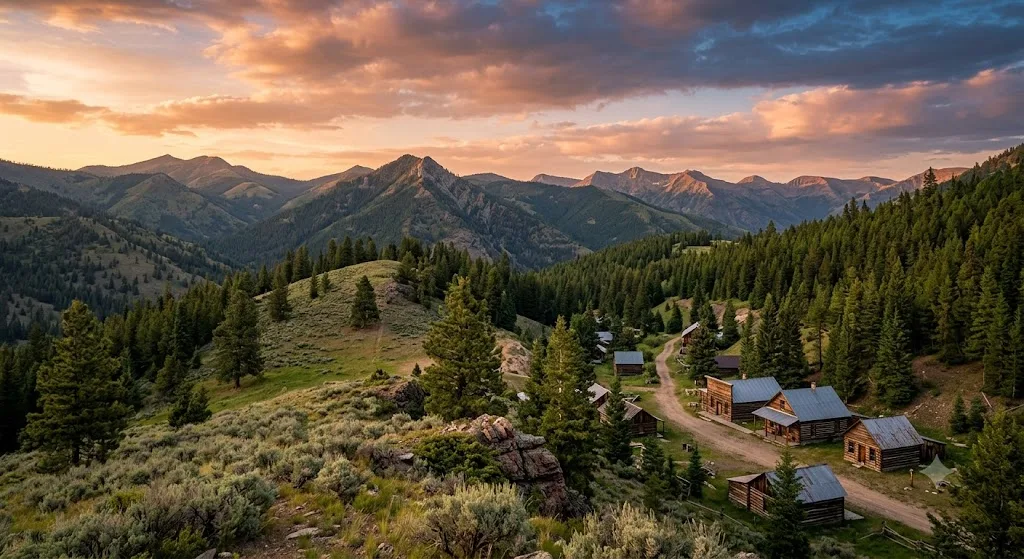
Our Garnet Range guide covers practical planning for Garnet Range Montana — best time to visit, getting there, and what to do on the ground. We're here to cut through the noise and deliver the definitive guide to exploring one of Montana's most untamed mountain ranges. Forget generic travel advice; our team is dedicated to providing the specific, actionable insights you need to plan an unforgettable trip into this rugged wilderness.
Why Visit Garnet Range
The Garnet Range, Montana, is not for the faint of heart, and that's precisely its appeal. This is where Montana's wild heart beats strongest, offering an escape into a landscape largely untouched by modern development. We've explored countless corners of the American West, and the Garnet Range stands out for its sheer, unadulterated beauty and the profound sense of solitude it offers. Here, towering peaks give way to pristine alpine lakes, dense forests teem with wildlife, and the only sounds you're likely to hear are the whisper of the wind and the rustle of leaves.
For those seeking genuine adventure, the Garnet Range delivers. It's a prime destination for serious hikers, backcountry hunters, and anyone with a passion for wildlife photography. Unlike more heavily trafficked destinations like Glacier National Park or the northern reaches of Yellowstone National Park, the Garnet Range offers a true wilderness experience without the crowds. Our team believes that the opportunity to disconnect and immerse oneself in such a raw, natural environment is a rare and invaluable privilege.
The range's geological history is also fascinating, with its namesake garnets sometimes found by lucky prospectors. Beyond the geology, the area holds significant historical value, particularly related to early mining operations, adding another layer of intrigue to its rugged appeal. We find that understanding the history enriches the experience of exploring its trails and valleys.
Who It's Best For
The Garnet Range is unequivocally best suited for experienced outdoor enthusiasts who are comfortable with self-reliance and possess a strong sense of wilderness ethics. This is not a destination for casual day-trippers seeking paved paths and visitor centers. Our team recommends it for:
- **Seasoned Hikers and Backpackers:** With extensive, often unmarked or minimally maintained trails, the Garnet Range offers challenging terrain and multi-day backpacking opportunities. Navigation skills and preparedness for varied weather conditions are essential.
- **Hunters:** The range is renowned for its big game hunting, particularly for elk, deer, and bear. Hunters must be intimately familiar with Montana's hunting regulations and possess the skills for backcountry hunting.
- **Wildlife Viewers and Photographers:** Those patient enough to venture deep into the wilderness will be rewarded with unparalleled opportunities to observe elk, moose, bighorn sheep, mountain goats, black bears, and even grizzly bears in their natural habitat.
- **Anglers:** Remote streams and alpine lakes offer excellent fishing for various trout species, often requiring significant effort to reach.
- **Anyone Seeking Solitude:** If your idea of a perfect getaway involves disconnecting from civilization and finding peace in vast, silent landscapes, the Garnet Range will exceed your expectations.
We do not recommend the Garnet Range for families with young children or individuals new to wilderness travel, unless accompanied by experienced guides. The terrain can be unforgiving, and services are virtually non-existent once you leave the main access roads.
Getting There & Parking
Accessing the Garnet Range, Montana, requires a bit of planning and often a high-clearance vehicle, especially if you intend to explore the more remote trailheads. The range spans parts of the Lolo and Clearwater National Forests, primarily situated between Missoula and Drummond, Montana. Our team advises travelers to approach from either the east or west, depending on your specific destination within the range.
The primary access points generally involve turning off Interstate 90 onto various Forest Service roads. For example, roads leading into the Lolo National Forest from areas like Bonner or Clinton provide entry to the western and central parts of the range. From the east, near Drummond, other Forest Service roads branch off, leading to trailheads on that side. We strongly recommend consulting detailed topographical maps (such as those from the U.S. Forest Service or USGS) in conjunction with GPS for precise navigation, as cell service is unreliable or nonexistent in much of the area.
When considering how to get to Garnet Range, be aware that many of these Forest Service roads are unpaved, narrow, and can become impassable due to snow well into late spring or after heavy rains. Always check current road conditions with the Lolo National Forest or Clearwater National Forest ranger districts before your trip. For 2026, we anticipate that most main access roads will be open by late June, but higher elevation routes may remain snow-bound until mid-July.
Parking at Garnet Range trailheads is typically informal and free of charge. You won't find large, paved parking lots like those in national parks. Instead, expect gravel pull-offs or designated areas at the beginning of trails. Due to the remote nature, these spots rarely fill up, but securing a good spot for multi-day trips is always a consideration. We haven't found any specific parking fees associated with general trailhead access in the Garnet Range for 2026, but always look for posted signs at trailheads for any updated regulations.
Our expert verdict: Don't rely solely on smartphone navigation. Download offline maps and carry physical maps. A full tank of gas and emergency supplies are non-negotiable for a trip into the Garnet Range.
Top Things to Do
The Garnet Range offers an array of activities for those willing to venture into its wild heart. Our team has spent considerable time exploring these mountains, and we can confidently say that the rewards far outweigh the effort. Here are the top things to do at Garnet Range:
- **Hiking and Backpacking:** This is the quintessential Garnet Range experience. From challenging day hikes to multi-day traverses, the opportunities are endless. Explore high alpine basins, ascend rugged peaks, and discover hidden lakes.
- **Hunting:** The Garnet Range is a premier destination for big game hunting in Montana. Elk, deer, and bear populations are healthy, attracting serious hunters during the appropriate seasons. Always check current Montana Fish, Wildlife & Parks regulations and obtain necessary permits well in advance for 2026.
- **Wildlife Viewing and Photography:** Patience and a good telephoto lens will yield incredible rewards. Keep an eye out for moose in marshy areas, bighorn sheep on rocky slopes, and various bird species. Early mornings and late evenings are prime viewing times.
- **Fishing:** Numerous streams and high-mountain lakes are home to various trout species, including cutthroat and rainbow trout. Fly fishing in particular can be exceptional in the more remote waters.
- **Camping:** Primitive camping is abundant throughout the national forest lands within the Garnet Range. Dispersed camping offers true solitude, but remember to practice Leave No Trace principles rigorously.
- **Horseback Riding:** Many trails are suitable for equestrian use, offering a classic Montana wilderness experience. Outfitter services are available in nearby towns for guided trips.
When planning things to do at Garnet Range, remember that preparation is key. The wilderness here is unforgiving, and you must be self-sufficient. Always inform someone of your itinerary, carry appropriate gear, and be prepared for sudden weather changes.
Best Time to Visit
Choosing the best time to visit the Garnet Range is critical for a successful trip, as conditions vary dramatically throughout the year. Our team has found that the shoulder seasons and summer offer distinct advantages, depending on your preferred activities.
- **Summer (Late June to Early September):** This is generally the most accessible time for hiking and backpacking. Most snow has melted from higher elevations, and trails are typically clear. Wildflowers are in full bloom in July, creating stunning landscapes. However, this is also when you'll encounter the most people (though still relatively few compared to national parks) and a higher chance of afternoon thunderstorms. Mosquitoes can also be prevalent, especially in early summer.
- **Fall (Mid-September to Late October):** For hunters and those seeking crisp air and vibrant larch forests, fall is unparalleled. The elk rut in September is a spectacular event. Crowds thin out significantly after Labor Day, and wildlife viewing can be excellent as animals prepare for winter. Be prepared for colder temperatures, potential early snowfalls at higher elevations, and shorter daylight hours.
- **Spring (May to Mid-June):** Spring in the Garnet Range is a transitional period. Lower elevation trails may be accessible, but higher routes will still be snow-covered and muddy from snowmelt. This is a good time for wildlife viewing as animals emerge from winter, but access can be challenging, and river crossings can be dangerous due to high water.
- **Winter (November to April):** The Garnet Range transforms into a snow-covered wilderness. Access is extremely limited, often requiring skis or snowshoes for extended backcountry travel. Only highly experienced winter adventurers should consider visiting during this time. Roads are typically closed due to snow.
Our recommendation for most visitors is late July through September. This window offers the best balance of favorable weather, accessible trails, and excellent opportunities for all the primary activities the Garnet Range has to offer.
Where to Stay Nearby
Given the remote nature of the Garnet Range, "nearby" lodging options are typically found in the small towns surrounding the national forest boundaries. You won't find luxury resorts directly adjacent to trailheads, which is part of the appeal. When considering Garnet Range lodging, our team prioritizes convenience to access points and reliable amenities.
- **Missoula, Montana:** As the largest city in Western Montana, Missoula offers the widest range of accommodations, from chain hotels to charming boutique inns. It's about an hour's drive from the western edge of the Garnet Range. Missoula provides all necessary services, including outdoor gear shops, grocery stores, and diverse dining options.
- **Drummond, Montana:** Located east of the Garnet Range, Drummond is a much smaller town but offers basic motel accommodations and a few local eateries. It's a convenient base for accessing the eastern trailheads.
- **Clinton, Montana:** Situated between Missoula and Drummond, Clinton has limited lodging but provides a closer option for some western access points.
- **Philipsburg, Montana:** A historic mining town south of the Garnet Range, Philipsburg offers unique lodging experiences, including charming bed and breakfasts. It's a bit further but worth considering for its character and proximity to other attractions.
For those seeking a more immersive experience, dispersed camping within the Lolo or Clearwater National Forests is the most authentic Garnet Range lodging. Always follow Leave No Trace principles and check for any fire restrictions. Developed campgrounds are scarce but can be found in surrounding national forest areas. We advise booking any motel or hotel accommodations well in advance, especially during peak summer and fall hunting seasons, as options are limited in the smaller towns.
Sample 2-Day Itinerary
This sample itinerary for the Garnet Range is designed for experienced hikers and backpackers seeking a true wilderness experience. Adjust as needed based on your skill level and specific interests.
Day 1: Into the Wilderness
- **Morning (7:00 AM):** Depart from Missoula or Drummond after a hearty breakfast. Ensure your vehicle is fueled, and you have all necessary supplies, including water, food, navigation tools, bear spray, and emergency gear.
- **Late Morning (9:00 AM):** Arrive at a chosen trailhead on the periphery of the Garnet Range. Our team suggests a trailhead leading into the Welcome Creek Wilderness for a challenging yet rewarding experience. Verify parking and trail conditions.
- **Day Hike/Backpack (9:30 AM - 5:00 PM):** Begin your trek. For a day hike, choose a loop or out-and-back trail to an alpine lake or viewpoint. For backpackers, aim for a designated backcountry campsite or a suitable dispersed camping spot near a water source, perhaps reaching a high-elevation basin. Enjoy the rugged beauty and keep an eye out for wildlife.
- **Evening (5:00 PM onwards):** Set up camp (if backpacking) or begin your return journey to your vehicle. Prepare a wilderness meal, enjoy the quiet solitude, and stargaze. Remember to properly store all food and scented items to deter bears.
Day 2: Summit Views & Departure
- **Morning (7:00 AM):** Wake early to catch the sunrise over the mountains. Enjoy a backcountry breakfast and pack up camp, leaving no trace.
- **Late Morning (9:00 AM):** Embark on a shorter hike to a nearby peak or scenic overlook for panoramic views of the Garnet Range. Alternatively, explore a different section of the trail you started on, perhaps focusing on wildlife photography or fishing in a secluded stream.
- **Afternoon (1:00 PM):** Begin your descent back to the trailhead. Take your time, enjoying the final views and sounds of the wilderness.
- **Late Afternoon (4:00 PM):** Arrive back at your vehicle. Drive back towards Missoula or Drummond, perhaps stopping for a well-deserved meal at a local diner.
Our expert verdict: This itinerary is ambitious. Be prepared for significant elevation gain and rugged terrain. Always prioritize safety and be ready to adapt your plans based on weather and trail conditions.
Is It Worth Visiting?
For the right traveler, our team emphatically states that the Garnet Range is absolutely worth visiting. However, it's crucial to reiterate that this is not a destination for everyone. If you're seeking paved roads, gift shops, and guided tours, you'll find the Garnet Range disappointing. If, however, your ideal trip involves genuine wilderness, challenging trails, and the profound quiet of untouched nature, then the Garnet Range will be an unparalleled experience.
The value of visiting the Garnet Range lies in its authenticity and the opportunity for deep immersion in a truly wild landscape. It offers a stark contrast to more developed national parks, providing a sense of exploration and self-reliance that is increasingly rare. For those who appreciate the raw, untamed beauty of the Rocky Mountains, the Garnet Range provides an experience that is both humbling and exhilarating. We believe that the memories forged amidst its rugged peaks and pristine forests will last a lifetime, making it unequivocally worth visiting for the adventurous soul.
FAQ Longtails
Garnet Range camping
Garnet Range camping primarily involves dispersed camping within the Lolo and Clearwater National Forests. This means you can camp almost anywhere on public land, provided you follow Leave No Trace principles, are at least 200 feet from water sources and roads, and adhere to any posted restrictions. There are very few developed campgrounds directly within the range, but some exist in surrounding areas. Always check for fire restrictions, especially during dry summer months, and be prepared for primitive conditions with no facilities.
Things to do in Central Montana
While the Garnet Range is in Western Montana, if you're exploring the broader region, things to do in Central Montana include visiting the Museum of the Rockies in Bozeman, exploring the Gates of the Mountains Wilderness near Helena, or experiencing the vast open plains and historic sites like the Lewis & Clark National Historic Trail. For more outdoor adventures, consider destinations like Big Sky Resort for skiing or summer activities, or the scenic drives along the Missouri River. You can also visit our guide to planning your US trip for more ideas.
Garnet Range with kids
Our team generally advises against visiting the Garnet Range with young children unless they are highly experienced in wilderness travel and you are prepared for extremely rugged conditions. The trails are often steep, unmaintained, and the remote nature means help is far away. For families seeking a Montana mountain experience with kids, we recommend more accessible destinations like parts of Glacier National Park (e.g., portions of Going-to-the-Sun Road) or areas around Flathead Lake, which offer more developed facilities and less strenuous activities.
Best hotels near Garnet Range
The best hotels near Garnet Range are found in the larger surrounding towns. Missoula offers the widest selection of hotels, from budget-friendly options to more upscale accommodations. Drummond and Clinton have more limited, basic motel-style lodging. For a charming, historic experience, consider hotels or B&Bs in Philipsburg. Remember that "near" in this context can still mean an hour or more drive to the actual trailheads, so plan your access routes carefully.
Garnet Range tips
Our top Garnet Range tips include: always carry detailed topographic maps and a compass in addition to a GPS device; inform someone of your itinerary; pack bear spray and know how to use it; bring plenty of water or a reliable water filter; dress in layers for rapidly changing mountain weather; and practice Leave No Trace principles diligently. A high-clearance vehicle is often recommended for accessing many trailheads. Always check current road and trail conditions with the Lolo or Clearwater National Forest before heading out.
Where to stay near Garnet Range
Where to stay near Garnet Range depends on your preference for amenities versus proximity to trailheads. For full services and a wide choice of lodging, Missoula is your best bet. For closer, more rustic options, look to Drummond or Clinton. For a unique, historic town experience, Philipsburg is a good choice. Dispersed camping within the national forests offers the most direct access to the wilderness, but requires self-sufficiency and adherence to wilderness regulations.
Last updated: 2026-07-07 by the Roam States team.