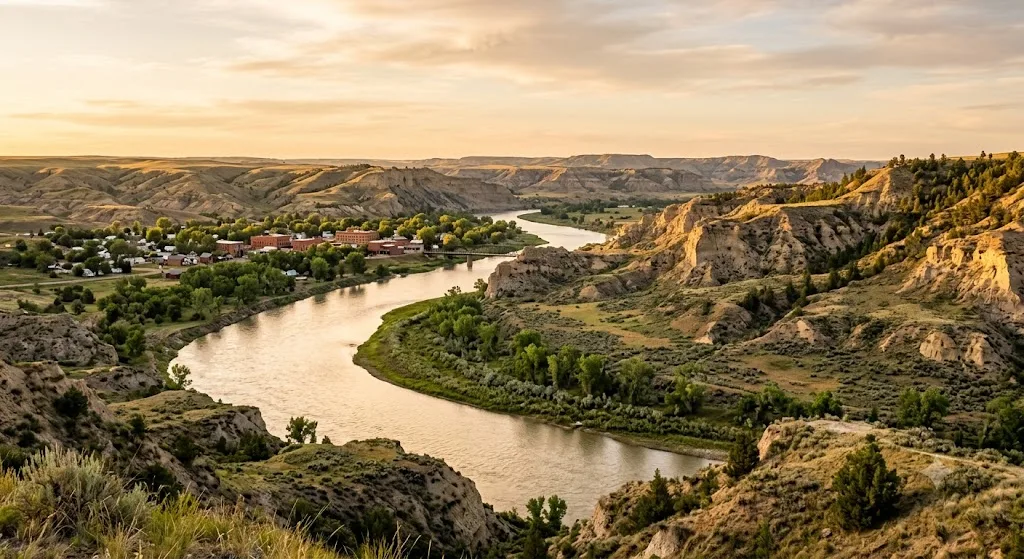
Our Missouri River guide covers practical planning for Missouri River Montana — best time to visit, getting there, and what to do on the ground. We’ve meticulously crafted this guide to ensure your journey along this iconic waterway is as rewarding as it is memorable. From its historical significance with the Lewis and Clark Expedition to its unparalleled opportunities for outdoor recreation, the Missouri River in Montana offers an authentic Big Sky Country experience.
Why Visit Missouri River
The Missouri River in Montana is more than just a waterway; it's a living testament to American history and a vibrant hub for outdoor adventure. We consider it an essential destination for anyone seeking to connect with the raw beauty of the American West. The river’s storied past, particularly its role in the Lewis and Clark Expedition, imbues every bend and bluff with a sense of historical grandeur. Imagine tracing the footsteps of those legendary explorers as you navigate its waters or hike its banks.
Beyond history, the Missouri River Montana offers world-class opportunities for fishing, boating, and wildlife viewing. Anglers flock here for the prolific trout fishing, particularly in the blue-ribbon sections. Boaters can explore vast stretches of calm waters, dramatic canyons, and hidden coves. For wildlife enthusiasts, the river corridor is a haven, home to bald eagles, deer, elk, and a myriad of bird species. The scenic beauty alone is reason enough to visit, with dramatic cliffs, lush riparian zones, and wide-open skies that define the Montana landscape.
We believe that a trip to the Missouri River provides a unique blend of adventure, tranquility, and historical immersion that is hard to find elsewhere. It’s a place where you can truly disconnect from the everyday and reconnect with nature and history.
Who It's Best For
The Missouri River in Montana caters to a diverse range of travelers, making it a truly versatile destination. We find it particularly appealing to:
- Anglers: Whether you're a seasoned fly-fisherman or a novice looking to cast a line, the Missouri River's reputation for exceptional trout fishing is well-deserved. Its consistent hatches and clear waters make it a premier destination for those seeking an unforgettable fishing experience.
- History Buffs: With its deep ties to the Lewis and Clark Expedition, the river offers numerous interpretive sites and historical markers. Travelers keen on American exploration and indigenous history will find themselves immersed in compelling narratives.
- Paddlers & Boaters: Kayakers, canoers, and those with small motorboats will discover endless stretches of scenic water to explore. From multi-day float trips through wilderness study areas to leisurely afternoon paddles, the river provides options for all skill levels.
- Wildlife Viewers & Photographers: The riparian corridors and surrounding landscapes are teeming with wildlife. Birdwatchers will be delighted by the diversity of species, while photographers will find endless opportunities to capture stunning natural beauty.
- Families: With opportunities for gentle floats, easy hikes, and educational experiences, the Missouri River can be a fantastic family destination. Many outfitters offer family-friendly guided trips, and state parks along the river provide amenities suitable for all ages.
- Nature Lovers: Simply put, if you appreciate stunning natural scenery, wide-open spaces, and the tranquility of a majestic river, the Missouri River will captivate you.
In short, if you're looking for an active, engaging, and historically rich outdoor experience in Montana, we are confident the Missouri River will exceed your expectations.
How to Get There
Accessing the Missouri River in Montana is relatively straightforward, though the specific entry point will depend on your planned activities. The river stretches across a significant portion of the state, offering various access points from different regions. We recommend planning your approach based on the section of the river you wish to explore.
Major Airports and Driving Routes
The closest major airports serving the Missouri River corridor include:
- Great Falls International Airport (GTF): Ideal for accessing the central and northern sections of the river, including the Gates of the Mountains and Giant Springs State Park.
- Helena Regional Airport (HLN): Convenient for reaching the upper Missouri River near Helena and its surrounding areas.
- Bozeman Yellowstone International Airport (BZN): A good option for those starting their journey further south, perhaps exploring the headwaters region near Three Forks.
From these airports, rental cars are readily available, and driving is the primary mode of transportation. Montana's road network is generally well-maintained, offering scenic drives to river access points. For a broader exploration of the state, consider integrating your Missouri River trip into a larger USA Road Trip Planner itinerary.
Key Access Points and Parking
Numerous public access points, fishing access sites (FAS), and state parks provide entry to the river. Here are a few notable ones:
- Headwaters State Park (near Three Forks): This is where the Jefferson, Madison, and Gallatin Rivers converge to form the Missouri. The park is open year-round from 8 AM to 8 PM from May to September, and 9 AM to 5 PM from October to April. Day use fees are $8 for non-residents per vehicle, or a Montana State Parks annual pass is accepted. Parking is available on-site.
- Gates of the Mountains Recreation Area (near Helena): This iconic section offers boat tours and various access points for private boats. The boat tour season typically runs from Memorial Day weekend through September, with specific departure times varying by month. Reservations are highly recommended, especially for peak season, and can be made online or by phone. Parking is available at the marina.
- Giant Springs State Park (Great Falls): Home to one of the largest freshwater springs in the U.S. and a popular access point. The park is open year-round from 8 AM to 8 PM from May to September, and 9 AM to 5 PM from October to April. Non-resident day use fees are $8 per vehicle, or a Montana State Parks annual pass is accepted. Ample parking is available.
- Fishing Access Sites (FAS): Montana Fish, Wildlife & Parks maintains numerous FAS along the Missouri River, providing boat launches, parking, and river access. These are generally free for day use, but always check signage for specific regulations. Popular FAS include Holter Dam, Craig, and Cascade.
When planning how to get to Missouri River access points, we always recommend consulting current maps and local resources, especially if you plan to launch a boat or embark on a multi-day float. Ensure you have appropriate permits or passes if required for specific areas. Many outfitters also offer shuttle services, which are invaluable for point-to-point float trips along the Missouri River.
Top Things to Do
The things to do at Missouri River are as varied as the landscape itself, catering to adventurers, history enthusiasts, and those simply seeking tranquility. Our team has identified the quintessential experiences that make this destination truly special.
World-Class Fishing
The Missouri River is renowned as a blue-ribbon trout stream, attracting anglers from around the globe. The stretch between Holter Dam and Cascade is particularly famous for its prolific rainbow and brown trout populations. We recommend hiring a local guide, especially if you're new to the area, to maximize your chances of success and gain insights into the river's unique characteristics. Fly fishing is particularly popular, but spin fishing is also productive in certain areas. Remember to obtain a valid Montana fishing license before casting your line. You can purchase licenses online through Montana Fish, Wildlife & Parks or at local sporting goods stores. Fishing regulations, including catch limits and special restrictions, are updated annually, so always check the latest FWP regulations for 2026 before your trip.
Boating and Floating Adventures
From leisurely canoe trips to exhilarating powerboat excursions, boating is one of the most popular things to do at Missouri River. The Upper Missouri River Breaks National Monument offers a truly wild and scenic float experience, often spanning multiple days. For shorter trips, consider floating sections near Craig or Cascade. The Gates of the Mountains boat tour provides a guided historical and scenic journey through dramatic limestone cliffs, a must-do for many visitors. Tours typically last about two hours, and 2026 tickets can be purchased online or at the marina. Adult tickets are approximately $20-25, with discounts for seniors and children. Private boaters should be aware of varying river conditions and potential hazards, and always carry appropriate safety gear.
Wildlife Viewing and Birdwatching
The Missouri River corridor is a haven for wildlife. Keep an eye out for bald eagles soaring overhead, especially during the fall and winter months. Deer, elk, and various waterfowl species are commonly seen along the banks. The riparian zones provide critical habitat for numerous bird species, making it an excellent destination for birdwatchers. Pack binoculars and a good field guide, and consider visiting during dawn or dusk for the best viewing opportunities. Areas within the Upper Missouri River Breaks National Monument are particularly rich in biodiversity.
Hiking and Exploring
While extensive backpacking trails are less common directly along the river's immediate banks compared to mountainous regions, there are numerous opportunities for day hikes and scenic walks. We will delve deeper into specific options in the "Missouri River hiking trails" section. Many fishing access sites and state parks offer short, interpretive trails that provide excellent views and insights into the local ecosystem. The Lewis and Clark National Historic Trail also has segments accessible along the river, offering a chance to walk in the footsteps of history.
Historical Exploration
The Missouri River is steeped in the history of the Lewis and Clark Expedition. Visit interpretive centers like the Lewis & Clark National Historic Trail Interpretive Center in Great Falls to learn about their journey. Explore sites such as the Great Falls of the Missouri, which presented a significant challenge to the expedition, or the Travelers' Rest State Park, where the expedition camped. These historical sites offer a profound connection to the past and are integral things to do at Missouri River.
Best Time to Visit
The best time to visit the Missouri River in Montana largely depends on your primary interests, as each season offers a unique experience. We've outlined the seasonal highlights to help you plan your trip:
Summer (June-August)
Pros: This is peak season for a reason. Warm weather, long daylight hours, and generally stable conditions make it ideal for all water-based activities—fishing, boating, and swimming. All services, outfitters, and attractions are fully operational. Cons: Can be crowded, especially on popular fishing stretches and at state parks. Temperatures can reach into the 90s°F (30s°C), and afternoon thunderstorms are possible. Best for: General recreation, families, first-time visitors, and those who prefer warmer weather. Reservations for lodging and guides are essential during this period.
Fall (September-October)
Pros: Often considered the "secret season" by many locals and experienced travelers. The crowds thin out, the weather is typically crisp and pleasant, and the fall foliage along the riverbanks can be spectacular. Fishing can be exceptional as trout become more active before winter. Wildlife viewing, particularly for elk and deer, is excellent during the rut. Cons: Shorter daylight hours, and temperatures can drop significantly, especially at night. Some seasonal businesses may begin to close down by late October. Best for: Serious anglers, photographers, wildlife enthusiasts, and those seeking a quieter, more serene experience.
Spring (April-May)
Pros: A time of renewal, with budding foliage and migratory birds returning. Fishing can be very good as the river wakes up from winter. Fewer crowds than summer. Cons: Weather can be unpredictable, ranging from warm sunny days to late-season snowstorms. River flows can be high and muddy due to snowmelt, which can impact fishing and boating conditions. Some access roads or facilities may still be closed. Best for: Anglers willing to brave variable conditions, birdwatchers, and those looking for solitude before the summer rush.
Winter (November-March)
Pros: A truly quiet and starkly beautiful time. Opportunities for ice fishing in certain areas, cross-country skiing on nearby trails, and excellent bald eagle viewing. Cons: Very cold temperatures, heavy snow, and many services are closed or have limited hours. Access to some areas may be difficult due to snow. Best for: Dedicated winter sports enthusiasts, solitude seekers, and those specifically interested in winter wildlife viewing. We generally do not recommend this season for a first-time visit focused on general river activities.
Overall, we believe late spring (May-early June) and early fall (September-early October) offer the most balanced experience for enjoying the Missouri River in Montana, combining pleasant weather with fewer crowds and excellent outdoor opportunities.
Where to Stay Nearby
Finding suitable Missouri River lodging is crucial for a comfortable and convenient trip. The options range from charming small-town hotels and cozy bed-and-breakfasts to rustic cabins and well-equipped campgrounds. We recommend booking well in advance, especially during the peak summer months, as popular accommodations fill up quickly.
Hotels and Motels
Several towns along the Missouri River corridor offer a variety of hotel and motel options:
- Great Falls: As one of the larger cities along the river, Great Falls provides the widest selection of chain hotels, independent motels, and extended-stay options. It's a great base for exploring Giant Springs State Park and the Lewis & Clark National Historic Trail Interpretive Center.
- Helena: Montana's state capital offers a mix of historic hotels, modern accommodations, and boutique inns. It's conveniently located for accessing the Gates of the Mountains and the upper river sections.
- Craig: This small, unincorporated community is a mecca for fly fishermen. While options are limited, you'll find a few dedicated fishing lodges, cabins, and a local motel catering specifically to anglers. Expect a more rustic, fishing-focused experience here.
- Cascade: Similar to Craig, Cascade offers a few local lodging choices, often geared towards outdoor enthusiasts.
- Three Forks: Located at the headwaters, Three Forks has a handful of motels and local inns, providing a good starting point for exploring the river's origins.
When searching for Missouri River lodging, consider your itinerary and the specific activities you plan to undertake. If you're focusing on a particular fishing stretch, staying in a nearby fishing lodge or a small town like Craig will minimize travel time.
Cabins and Vacation Rentals
For a more private or self-catering experience, numerous cabins and vacation rentals are available along the river and in nearby communities. These often provide amenities like full kitchens, multiple bedrooms, and direct river access. Websites like Airbnb and VRBO are good resources for finding these types of accommodations. Many fishing outfitters also offer cabin rentals as part of their packages.
Camping and RV Parks
For those who prefer to sleep under the stars, the Missouri River offers excellent camping opportunities:
- Montana State Parks: Parks like Headwaters State Park and Lewis and Clark Caverns State Park (though not directly on the Missouri, it's a great nearby option) offer developed campgrounds with amenities like restrooms, picnic tables, and fire rings. Reservations are highly recommended, especially from May to September, and can be made via the Montana State Parks website.
- Bureau of Land Management (BLM) & National Forest Service (NFS): Dispersed camping (primitive camping outside of developed campgrounds) is often permitted on BLM and NFS lands along the river, particularly within the Upper Missouri River Breaks National Monument. Always check current regulations for fire restrictions and Leave No Trace principles. Some designated primitive campgrounds also exist.
- Private Campgrounds & RV Parks: Many private campgrounds and RV parks are located in towns along the river, offering hookups and additional amenities.
Regardless of your preference for Missouri River lodging, we advise securing your arrangements well in advance, particularly if your visit coincides with holidays or peak fishing seasons.
Sample 2-Day Itinerary
To help you maximize your time along the Missouri River Montana, our team has crafted a sample 2-day itinerary focusing on a blend of history, recreation, and scenic beauty. This itinerary assumes a base in or near Great Falls, offering a good central point for exploration.
Day 1: Lewis & Clark History and River Views
- Morning (9:00 AM - 12:00 PM): Lewis & Clark National Historic Trail Interpretive Center. Start your day immersing yourself in the incredible journey of the Corps of Discovery. This world-class center in Great Falls offers engaging exhibits, films, and interactive displays detailing the expedition's challenges and triumphs along the Missouri River. Allow at least 2-3 hours to fully appreciate the exhibits.
- Lunch (12:00 PM - 1:00 PM): Grab lunch at a local eatery in Great Falls.
- Afternoon (1:00 PM - 5:00 PM): Giant Springs State Park & Rainbow Falls. Head to Giant Springs State Park, home to one of the largest freshwater springs in the United States. Explore the park, walk along the paved trails, and witness the crystal-clear waters gushing forth. From the park, you can access viewpoints for Rainbow Falls and the other Great Falls of the Missouri, which were significant obstacles for Lewis and Clark. Consider a short walk along the River's Edge Trail for more scenic vistas.
- Late Afternoon (5:00 PM - 6:00 PM): Drive to your chosen accommodation.
- Evening: Enjoy dinner in Great Falls. Consider a stroll along the riverfront if time and weather permit.
Day 2: Gates of the Mountains & River Recreation
- Morning (9:00 AM - 1:00 PM): Gates of the Mountains Boat Tour. Drive south from Great Falls towards Helena (approx. 1 hour). Arrive at the Gates of the Mountains Recreation Area for a memorable boat tour. This scenic cruise takes you deep into a dramatic limestone canyon, offering breathtaking views and historical narration about Lewis and Clark's passage through this awe-inspiring "gates." Tours typically last around 2 hours. We recommend booking your tour in advance, especially during peak season.
- Lunch (1:00 PM - 2:00 PM): Pack a picnic to enjoy at the recreation area or find a casual spot in Helena.
- Afternoon (2:00 PM - 5:00 PM): Fishing or Gentle Float. Depending on your interest and experience, dedicate your afternoon to river recreation.
- Option A (Fishing): If you're an angler, head to one of the nearby fishing access sites (e.g., Holter Dam or Craig) for an afternoon of fly fishing. Consider booking a half-day guided trip in advance for the best experience.
- Option B (Gentle Float): For a more relaxed experience, rent a kayak or canoe for a leisurely paddle on a calm section of the river, perhaps near a state park or a designated put-in point. Always check current river conditions and safety guidelines.
- Evening: Enjoy a final dinner in Helena or Great Falls before concluding your Missouri River adventure.
This itinerary provides a solid introduction to the Missouri River Montana, but remember that countless other opportunities exist. Feel free to adjust based on your interests, whether that means more dedicated fishing time, extended hiking, or exploring other nearby attractions like Bighorn Canyon or the Beartooth Highway if you're extending your trip in Montana.
Missouri River Hiking Trails
While the Missouri River is primarily known for its water-based activities, there are excellent opportunities for those who prefer to explore on foot. The Missouri River hiking trails offer diverse experiences, from easy riverside strolls to more challenging treks with panoramic views. We've compiled some of the best options for hikers of all skill levels.
River's Edge Trail (Great Falls)
This extensive urban trail system in Great Falls offers miles of paved and unpaved paths along the Missouri River. It's perfect for a leisurely walk, jog, or bike ride, providing stunning views of the river, the city, and the Great Falls themselves. You can access various points of interest, including Giant Springs State Park and the Lewis & Clark National Historic Trail Interpretive Center, directly from the trail. It's an excellent option for families and those looking for accessible Missouri River hiking trails with amenities.
Lewis and Clark National Historic Trail (Segments)
While the full Lewis and Clark Trail spans thousands of miles, several segments are accessible for hiking along the Missouri River in Montana. These trails often follow the approximate route of the expedition, offering a historical perspective. Look for interpretive signs and markers along these sections. Specific segments might be found within state parks or managed public lands, providing a chance to walk in the footsteps of history.
Upper Missouri River Breaks National Monument
For a more rugged and remote hiking experience, the Upper Missouri River Breaks National Monument offers vast opportunities. While designated trails are fewer, the landscape invites exploration. Hikers can trek through coulees, along bluffs, and down to the river's edge. This area is ideal for experienced hikers comfortable with backcountry navigation and self-sufficiency. Always carry plenty of water, a map, and a compass or GPS, as cell service can be spotty. The solitude and untouched beauty here are unparalleled.
State Park Trails
Several state parks along the Missouri River feature well-maintained trails suitable for day hikes:
- Headwaters State Park: Offers short, interpretive trails around the confluence of the three rivers, providing historical context and scenic views.
- Lewis and Clark Caverns State Park: While not directly on the Missouri River, this park is a fantastic nearby option for hiking, with trails leading to and around Montana's first state park and its impressive limestone caverns.
When planning your Missouri River hiking trails adventure, we advise checking trail conditions, weather forecasts, and any potential closures, especially during spring runoff or after heavy rains. Always practice Leave No Trace principles to preserve the natural beauty of these incredible landscapes. For more extensive hiking opportunities in Montana, consider exploring areas around Glacier National Park or Big Sky Resort.
Is It Worth Visiting?
As the Roam States editorial team, we can confidently affirm that the Missouri River is worth visiting for a multitude of reasons. This isn't just another river; it's a profound natural and historical landmark that offers an authentic slice of Montana's vast and varied landscape. For travelers seeking genuine outdoor experiences, historical immersion, and unparalleled scenic beauty, the Missouri River delivers on all fronts.
The sheer diversity of activities available makes it a compelling destination. Where else can you fish in world-renowned trout waters, trace the exact path of legendary explorers, and witness abundant wildlife, all within a relatively accessible corridor? The river's ability to cater to different interests—from the serious angler to the casual sightseer, from the history enthusiast to the family looking for outdoor fun—is a testament to its broad appeal. We believe the Missouri River is worth visiting for its unique blend of adventure and tranquility.
Moreover, the sense of wildness and open space that defines much of the Missouri River in Montana is increasingly rare. It offers a chance to disconnect from the hustle and bustle and reconnect with nature on a grand scale. The dramatic bluffs of the Upper Missouri River Breaks, the pristine waters near Craig, and the historical significance of the Great Falls all contribute to an experience that feels both epic and intimately personal. If you're planning a trip to Big Sky Country, we wholeheartedly recommend dedicating a significant portion of your itinerary to exploring the majestic Missouri River.
Missouri River camping
Missouri River camping offers a range of experiences, from developed campgrounds to remote dispersed sites. Montana State Parks like Headwaters State Park and Lewis and Clark Caverns State Park provide amenities such as restrooms, picnic tables, and fire rings, with reservations highly recommended, especially from May to September, and can be made via the Montana State Parks website. For a more primitive experience, the Bureau of Land Management (BLM) and National Forest Service (NFS) lands, particularly within the Upper Missouri River Breaks National Monument, allow dispersed camping. Always check for current fire restrictions and adhere to Leave No Trace principles. Private campgrounds and RV parks are also available in towns along the river, often offering full hookups.
things to do in Central Montana
Central Montana, with the Missouri River as its spine, offers a wealth of activities. Beyond the river itself, you can explore the rich history of the Lewis and Clark Expedition at the Interpretive Center in Great Falls. Visit Giant Springs State Park, one of the largest freshwater springs in the U.S. Take a scenic boat tour through the Gates of the Mountains. Discover the charming state capital of Helena with its historic architecture and vibrant downtown. For a taste of the past, consider a day trip to Garnet Ghost Town, or explore the unique geological formations at Pictograph Cave State Park further east. The region is also excellent for scenic drives and exploring small, authentic Montana towns.
Missouri River with kids
The Missouri River is a fantastic destination for families with kids, offering a blend of education and outdoor fun. We recommend activities like gentle float trips on calm sections of the river, perhaps renting a canoe or kayak for a few hours. The Lewis & Clark National Historic Trail Interpretive Center in Great Falls is highly engaging for all ages, with interactive exhibits. Giant Springs State Park provides easy walking trails and opportunities to see fish and wildlife. Older children might enjoy a scenic boat tour through the Gates of the Mountains. Many state parks along the river have picnic areas and easy access for exploring. Always prioritize safety, especially around water, and ensure children wear life jackets during any boating activity.
best hotels near Missouri River
The best hotels near the Missouri River depend on your preferred location and amenities. Great Falls and Helena offer the widest selection of chain hotels, independent motels, and boutique inns, providing modern comforts and easy access to urban amenities. For anglers, the small community of Craig is a prime location, featuring dedicated fishing lodges and cabins that cater specifically to the fishing community. Three Forks, at the river's headwaters, also has a few local motels. We advise booking accommodations well in advance, especially during peak summer and fishing seasons, to secure your preferred lodging.
Missouri River tips
Our top Missouri River tips for a successful trip include: always check current weather and river conditions before heading out, as they can change rapidly. Obtain a valid Montana fishing license if you plan to fish, and familiarize yourself with the latest FWP regulations for 2026. Book guided trips, boat tours, and popular accommodations well in advance, especially during peak season. Pack layers of clothing, as Montana weather can be unpredictable. Bring plenty of water, sunscreen, insect repellent, and bear spray if you plan on hiking in remote areas. Practice Leave No Trace principles to protect the river's pristine environment. Finally, embrace the slower pace of Montana life and allow yourself to truly connect with the history and natural beauty of this iconic waterway.
where to stay near Missouri River
When deciding where to stay near the Missouri River, consider your primary activities. If you're focused on fishing the blue-ribbon trout waters, staying in or near Craig or Cascade will put you closest to the action. For a blend of history, city amenities, and river access, Great Falls or Helena are excellent choices, offering a wider range of hotels, restaurants, and cultural attractions. For those exploring the headwaters region, Three Forks provides convenient lodging. Additionally, numerous private cabins and vacation rentals are available along various stretches of the river, offering a more secluded experience. Camping is also a popular option, with state parks and BLM lands providing diverse sites.
Conclusion
The Missouri River in Montana is an unparalleled destination, offering a rich tapestry of history, adventure, and natural beauty. From tracing the footsteps of Lewis and Clark to casting a line in world-renowned trout waters, or simply soaking in the dramatic landscapes of the Upper Missouri River Breaks, this iconic waterway promises an unforgettable experience. Our team at Roam States is confident that by following this guide, you'll be well-prepared to discover the magic of the Missouri River Montana, a true gem of the American West. Whether you're planning a dedicated fishing expedition, a family adventure, or a historical journey, the Missouri River awaits with its timeless allure. For more incredible Montana experiences, be sure to check out our guide to Best places in Montana.
Last updated: 2026-07-13 by the Roam States team.