Pisgah National Forest Travel Guide — North Carolina
For those seeking an authentic immersion into the Appalachian wilderness, our team at Roam States confidently recommends a journey into Pisgah National Forest North Carolina. This sprawling expanse of over 500,000 acres is not merely a forest; it's a living monument to American conservation, a cradle of American forestry, offering extensive trail networks, cascading waterfalls, and some of the most dramatic mountain scenery in the East.
Why Visit Pisgah National Forest
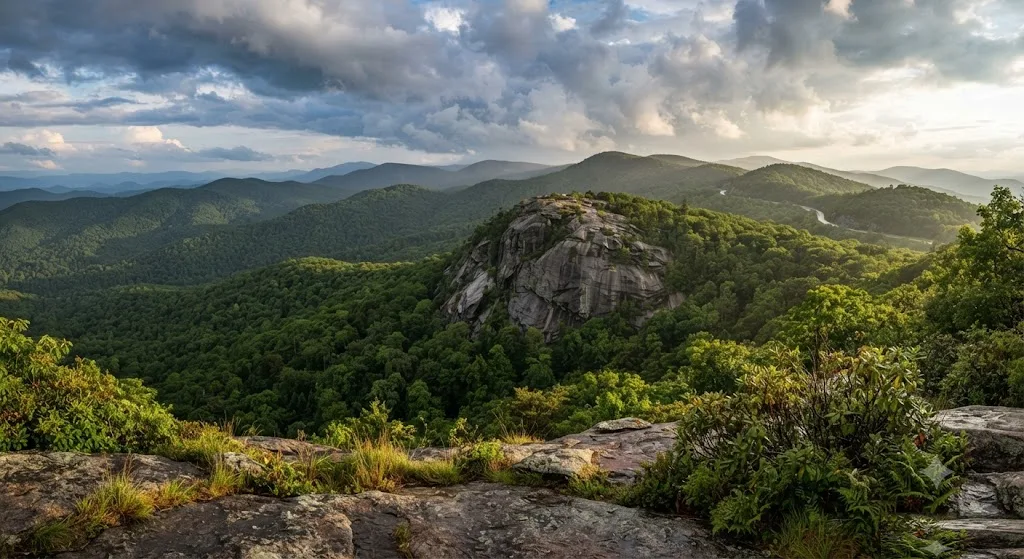
Pisgah National Forest is a destination that truly captivates. We find its allure lies in its rich history as the birthplace of forestry in America, home to the Cradle of Forestry historic site, and its designation as one of the first national forests in the eastern United States. Beyond its historical significance, the forest presents a dynamic landscape of mile-high peaks, dense hardwood forests, and whitewater rivers. It's a place where you can witness thundering waterfalls, explore serene swimming holes, and traverse hundreds of miles of trails that cater to every level of adventurer. The sheer diversity of its ecosystems, including areas considered temperate rainforests due to their unique climate, ensures a new discovery around every bend.
Who It's Best For
Pisgah National Forest caters to a wide array of outdoor enthusiasts. Our team believes it's ideal for:
- Hikers and Backpackers: With trails ranging from easy, family-friendly strolls to challenging multi-day backcountry routes, it's a paradise for those who love to explore on foot.
- Mountain Bikers and Cyclists: Recognized as a premier mountain biking destination, Pisgah offers technical singletrack, deep forest routes, and challenging climbs, alongside scenic paved and gravel roads for road cyclists.
- Waterfall Chasers: Known as "The Land of Waterfalls," Transylvania County alone boasts over 250 majestic waterfalls within and around the forest, many easily accessible.
- Families: Numerous easy hikes, swimming holes like Sliding Rock, and educational sites like the Cradle of Forestry provide engaging experiences for all ages.
- Anglers: The forest's coldwater streams, including the nationally recognized Davidson River, offer exceptional trout fishing opportunities.
- Nature Photographers: From misty mountain vistas to vibrant fall foliage and powerful waterfalls, the scenic beauty is unparalleled.
How to Get There
Accessing Pisgah National Forest is straightforward, with major entry points near Western North Carolina's vibrant towns. The forest is broadly accessible via nearly all major highways, with the two primary scenic drives being the Blue Ridge Parkway and the Forest Heritage Scenic Byway (US Highway 276).
For those wondering how to get to Pisgah National Forest, the nearest access points are less than 10 minutes from downtown Asheville, making it a convenient day trip from the city. The Pisgah Ranger District, a popular entry point, is located at 1600 Pisgah Highway, Pisgah Forest, NC 28768, and can be reached from Brevard by taking US 64 E to US 276, then turning left and following US 276 N for 3 miles.
Parking
Parking is generally available at trailheads and recreation areas throughout the forest. For popular spots like Looking Glass Falls, roadside parking is available. Sliding Rock Recreation Area has its own dedicated parking lot, though it may close when full during busy periods. Some day-use areas, such as North Mills River and Lake Powhatan, offer designated parking. It's important to note that the John Rock Overlook Parking Area is currently experiencing a "half closure" due to a new trail project, so be prepared for potential limited space there. When roadside camping, ensure your vehicle is parked along road shoulders without blocking traffic.
Top Things to Do
When planning things to do at Pisgah National Forest, prepare for an abundance of outdoor adventures. Our team has explored the length and breadth of this incredible landscape, and we assure you, there's something for every interest.
Chase Waterfalls
Pisgah National Forest truly lives up to its moniker, "The Land of Waterfalls." Iconic spots like Looking Glass Falls are visible right off the road, offering an easily accessible and stunning view. For a unique experience, brave the 60-foot natural granite waterslide at Sliding Rock, open seasonally with a $5 per person fee from Memorial Day to Labor Day, 9 AM to 6 PM daily. Moore Cove Falls provides a family-friendly hike that allows you to walk behind the cascading water. Other notable waterfalls include Daniel Ridge Falls, Log Hollow Falls, and the numerous cascades found within Graveyard Fields.
Explore the Cradle of American Forestry
Step back in time at the Cradle of Forestry in America historic site, where the nation's first forestry school was established. The site offers a Forest Discovery Center, paved trails with interpretive signage, and restored turn-of-the-century buildings, making it an excellent educational and family-friendly activity. The Cradle of Forestry operates seasonally, typically from spring to fall, daily from 10 AM to 5 PM.
Scenic Drives
Experience the mountains from the comfort of your vehicle by driving the Blue Ridge Parkway, which traverses large sections of Pisgah National Forest. Another popular route is the Forest Heritage Scenic Byway (US Highway 276), a 15-mile stretch connecting to the Parkway at milepost 411.9, featuring attractions like Looking Glass Falls, Sliding Rock, and the Cradle of Forestry.
Mountain Biking and Cycling
Pisgah is renowned nationwide for its mountain biking. With over 487 miles of trails, you'll find everything from technical singletrack to smoother flow trails. Popular areas include the Bent Creek Experimental Forest for a network of well-maintained trails, and challenging routes like Bennett Gap and the Black Mountain Trail for experienced riders. Road and gravel cyclists can enjoy the Blue Ridge Parkway and quiet mountain highways. Please be aware that a special recreation permit fee of $5 per rider per day or a $30 annual pass has been proposed for certain trail systems, including parts of the Pisgah Complex. We recommend checking current regulations before your visit.
Fishing
The Davidson River, a nationally recognized trout fishery, flows through Pisgah National Forest and is a prime spot for fly fishing, especially its catch-and-release, fly-fishing-only section. Avery Creek and the North Fork of the French Broad River also offer excellent trout fishing. Remember that a valid North Carolina fishing license is required for anyone 16 years or older.
Pisgah National Forest Hiking Trails
The extensive network of Pisgah National Forest hiking trails is a primary draw for visitors, offering diverse terrain and breathtaking scenery. We've explored many of these paths and can attest to their variety, from gentle strolls to strenuous climbs.
For those seeking iconic Pisgah National Forest hiking trails, the Art Loeb Trail stands out as a legendary backcountry route, offering some of the most dramatic ridge hiking in the Southeast. Many choose to hike portions, with the section to Black Balsam Knob being particularly popular for its stunning views.
Family-friendly options include the Moore Cove Falls Trail, a short hike leading behind a waterfall, and the Pink Beds Loop Trail, an easy, flat loop through high-elevation wetlands. For moderate climbs with sweeping vistas, consider the John Rock Trail, which provides views over the Davidson River Valley and Looking Glass Rock. The Daniel Ridge Falls Loop is another local favorite, combining forest trails, creek crossings, and multiple waterfall views.
More challenging trails include the Looking Glass Rock Trail, a 6.5-mile round-trip hike offering breathtaking 180-degree views from the top. Graveyard Fields Loop is another popular choice, featuring several waterfalls. Always check for current alerts and closures, as some trails or access points, like FS Road 225B, may be temporarily closed due to storm damage or maintenance.
Best Time to Visit
The best time to visit Pisgah National Forest largely depends on your desired activities. Our team has experienced the forest in every season, each offering a unique charm:
- Spring (April-May): Witness the forest come alive with vibrant wildflowers and burgeoning greenery. Waterfalls are often at their most powerful due to spring rains. Temperatures are mild, making it excellent for hiking and biking before the summer heat.
- Summer (June-August): This is peak season, especially for water activities like Sliding Rock. The higher elevations offer cooler temperatures, making it a popular escape from the heat. Expect larger crowds, especially on weekends and at popular attractions.
- Fall (September-October): Arguably the most popular time to visit, as the hardwood forests transform into a spectacular display of reds, oranges, and golds. Hiking and scenic drives are paramount during this period, but expect significant crowds, particularly on the Blue Ridge Parkway.
- Winter (November-March): For those seeking solitude, winter offers a quiet, often snow-dusted landscape. Mountain views become more visible through leafless trees, and trails are less crowded. Be prepared for colder temperatures and potential road closures at higher elevations due to ice or snow.
Where to Stay Nearby
While the forest offers ample camping opportunities, many visitors prefer to stay in the charming towns surrounding Pisgah National Forest, which provide a range of accommodations and amenities.
- Asheville: Just minutes from the forest, Asheville is a vibrant city known for its arts scene, craft breweries, and culinary delights. It offers a wide selection of hotels, B&Bs, and vacation rentals. It's also home to the magnificent Biltmore Estate.
- Brevard: Located at the entrance to the Pisgah Ranger District, Brevard is a smaller town with a strong outdoor focus. It's an excellent base for exploring the waterfalls and trails of the central Pisgah area.
- Hendersonville: South of Asheville, Hendersonville offers a more relaxed atmosphere with a historic downtown, apple orchards, and easy access to the southern parts of the forest.
For those looking to extend their exploration of Western North Carolina, consider combining your trip with a visit to Great Smoky Mountains National Park, just a short drive away.
Pisgah National Forest Camping
For an immersive experience, Pisgah National Forest camping is an unparalleled way to connect with nature. The forest offers both developed campgrounds and dispersed camping options, catering to different preferences.
Developed campgrounds, such as Davidson River Campground and Lake Powhatan Campground, provide amenities like flush toilets, picnic tables, and fire rings, with some offering electric hookups. Reservations for these sites are highly recommended, especially during peak season, and can be made through Recreation.gov. For example, Davidson River Campground was undergoing bathhouse renovations from November 2025 through May 2026, so it's always wise to check the current status and availability. Rates for developed campgrounds vary; for instance, Davidson River Campground lists rates such as $35 per day for a single site without hookups and $43 per day with electric hookups. North Mills River Campground offers similar rates, with standard sites at $31 and electric sites at $40.
For a more rustic adventure, dispersed roadside camping is available on a first-come, first-served basis at designated sites throughout the Pisgah Ranger District. These sites typically include a parking area, tent pad, and fire ring, but do not offer toilet facilities or drinking water. It's crucial to adhere to regulations, including a maximum stay of 14 days within a 30-day period and camping only in designated spots, which are marked with a camping symbol and site number. Remember, camping is not permitted within 1,000 feet of a road open to public vehicle traffic unless it's a designated campsite.
Is It Worth Visiting?
Our unequivocal answer is yes, Pisgah National Forest is worth visiting. This vast and varied landscape offers an incredible spectrum of outdoor activities, from serene nature walks to challenging backcountry expeditions. The sheer number of waterfalls, the extensive network of trails for hiking and biking, and the rich historical significance of the Cradle of Forestry combine to create a truly unique destination. Whether you're seeking adrenaline-pumping adventure, peaceful solitude, or family-friendly exploration, Pisgah delivers. The opportunities for exploration are endless, making Pisgah National Forest worth visiting for anyone drawn to the natural beauty and outdoor recreation of the Southern Appalachians.
Sample 2-Day Itinerary
Here’s how we’d plan a packed two-day adventure in Pisgah National Forest:
Day 1: Waterfalls & Forestry History
- Morning: Start your day at the Pisgah Ranger Station/Visitor Center (open daily 9 AM-5 PM during peak season) to grab maps and get up-to-date information on trail conditions. Head to Looking Glass Falls for an easy roadside view, then continue to Sliding Rock for a refreshing natural waterslide experience (check seasonal hours and $5 fee).
- Lunch: Enjoy a picnic lunch at a scenic spot near the waterfalls or grab a bite in Brevard.
- Afternoon: Immerse yourself in history at the Cradle of Forestry in America historic site (open seasonally, 10 AM-5 PM daily). Explore the Discovery Center and interpretive trails.
- Evening: Settle into a campground like Davidson River (check for 2026 availability and reservations) or a hotel in Brevard.
Day 2: Hiking & Scenic Views
- Morning: Embark on a hike. For a challenging reward, tackle the Looking Glass Rock Trail for panoramic views. Alternatively, for a moderate option with great vistas, hike the John Rock Trail.
- Lunch: Pack a trail lunch to enjoy amidst the stunning scenery.
- Afternoon: Drive a section of the Blue Ridge Parkway, stopping at overlooks like Mount Pisgah for breathtaking long-range mountain views. Consider a short hike to Fryingpan Lookout Tower for 360-degree vistas.
- Evening: Enjoy a final dinner in Asheville, perhaps exploring its vibrant downtown and craft brewery scene.
Frequently Asked Questions
What are the best things to do in Western NC?
Western North Carolina is a hub for outdoor adventure and cultural experiences. Beyond Pisgah National Forest, popular things to do in Western NC include exploring the Biltmore Estate in Asheville, hiking and wildlife viewing in Great Smoky Mountains National Park, driving the scenic Blue Ridge Parkway, and visiting charming mountain towns like Boone and Hendersonville. You can also enjoy whitewater rafting, ziplining, and exploring local craft breweries and art galleries. For more ideas, check out our guide to Best Places in North Carolina.
Is Pisgah National Forest good for kids?
Yes, Pisgah National Forest is excellent for kids! Many activities are family-friendly. Children will love sliding down Sliding Rock (seasonal fees apply), walking behind Moore Cove Falls, and exploring the interactive exhibits at the Cradle of Forestry. There are numerous easy, paved trails like the Andy Cove Nature Trail near the Pisgah Visitor Center and the Pink Beds Loop that are perfect for little legs. The Pisgah Ranger Station also hosts weekly pop-up classrooms and guided hikes during the summer of 2026, offering educational fun for all ages.
What are some essential Pisgah National Forest tips for visitors?
Our top Pisgah National Forest tips include: always carry a map and compass or GPS device, as cell service can be spotty. Dress in layers and be prepared for sudden weather changes, especially at higher elevations. Bring plenty of water and snacks. Practice Leave No Trace principles by packing out everything you pack in. Check the official USDA Forest Service website for current alerts, closures, and fire danger status before heading out, as conditions can change rapidly. Also, be aware of seasonal closures for certain roads or areas.
What should I know about Pisgah National Forest parking?
Pisgah National Forest parking is generally available at trailheads and popular recreation sites. For well-known spots like Looking Glass Falls, you'll find roadside parking. Sliding Rock has a dedicated parking lot, which operates on a capacity basis and may close when full. Some day-use areas, such as North Mills River, have designated parking with a small fee ($3 per person for day use). When dispersed camping, designated roadside campsites include a parking area. Always ensure your vehicle is parked safely and legally, not blocking roads or emergency access. Be mindful of potential closures, like the "half closure" at John Rock Overlook Parking Area.
What is the best time to visit Pisgah National Forest?
The best time to visit Pisgah National Forest depends on your interests. For vibrant fall foliage, late September through October is spectacular but also the busiest. Summer (June-August) is ideal for water activities like Sliding Rock and enjoying cooler mountain temperatures, though crowds are higher. Spring (April-May) offers beautiful wildflowers and strong waterfalls with fewer crowds than fall. Winter (November-March) provides solitude and unique snowy landscapes, but some roads and facilities may be closed due to weather.
What are the Pisgah National Forest hours and fees?
Pisgah National Forest itself is generally open to the public 24 hours a day, 7 days a week, with no general entrance fee. However, specific recreation areas and visitor centers have their own operating hours and may charge fees. The Pisgah Ranger Station/Visitor Center is open daily from 9 AM to 5 PM during peak season (April 1 to November 15) and Monday-Friday, 9 AM to 5 PM (closed federal holidays) during the off-season. The Cradle of Forestry operates seasonally, typically from spring to fall, daily from 10 AM to 5 PM, and requires an admission fee. Sliding Rock Recreation Area charges $5 per person from Memorial Day to Labor Day, 9 AM to 6 PM daily. Developed campgrounds have nightly fees (e.g., Davidson River Campground at $35-$43 per night), and some day-use areas like North Mills River have a $3 per person day-use fee. A proposed fee of $5 per day or $30 annually for mountain biking and equestrian use in certain trail systems is under consideration. Always check the official USDA Forest Service website or contact specific visitor centers for the most current 2026 hours and fees before your visit.
Pisgah National Forest is more than just a destination; it's an experience that stays with you long after you've left its majestic peaks and thundering waterfalls behind. We encourage you to plan your trip, embrace the adventure, and discover the unparalleled beauty of this North Carolina gem.
Last updated: 2026-07-08 by the Roam States team.