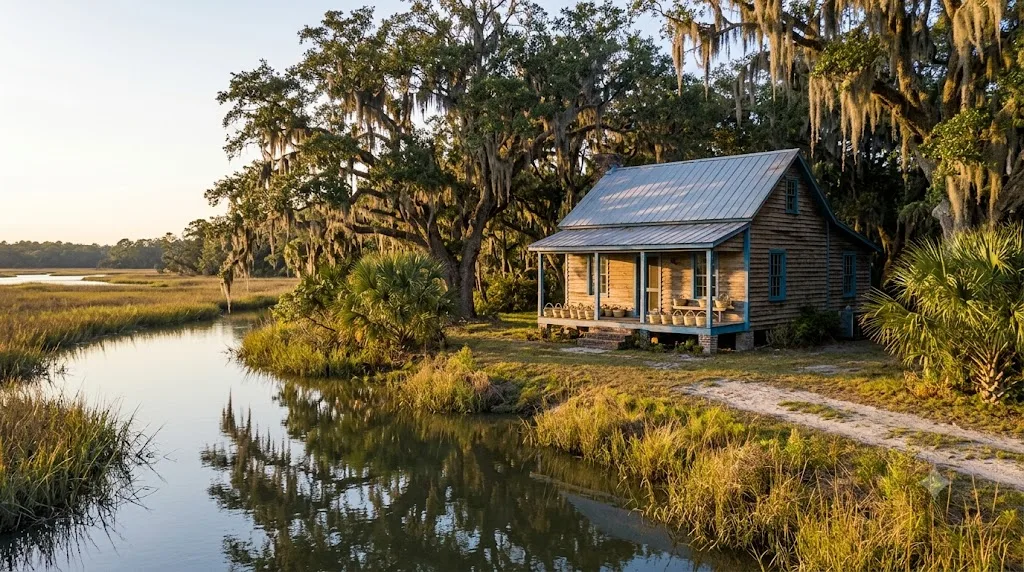
Our Gullah Geechee Cultural Heritage Corridor guide covers practical planning for the Gullah Geechee Cultural Heritage Corridor South Carolina — best time to visit, getting there, and what to do on the ground. We’re here to help you navigate this rich cultural landscape with confidence and specificity, ensuring your trip is both meaningful and memorable.
Why Visit Gullah Geechee Cultural Heritage Corridor
The Gullah Geechee Cultural Heritage Corridor South Carolina is more than just a destination; it's a living testament to resilience, tradition, and a unique American culture. Stretching along the Atlantic coast from North Carolina to Florida, the South Carolina portion of the corridor encompasses the Lowcountry and Sea Islands, where the Gullah Geechee people, descendants of enslaved Africans, have preserved their distinct language, art, foodways, and spiritual practices for centuries.
Our team believes that visiting this National Heritage Area offers an unparalleled opportunity to connect with a profound piece of American history and experience a vibrant culture that continues to thrive. It’s a chance to understand the lasting impact of the transatlantic slave trade, witness the strength of community, and appreciate the creative spirit that transformed adversity into a rich heritage. From the rhythmic Gullah language to the intricate sweetgrass baskets, every element tells a story of survival and cultural continuity.
This is not a passive museum experience; it's an immersive journey into communities where traditions are actively practiced and shared. We encourage travelers to approach this visit with an open mind and a respectful heart, ready to learn from the elders, artists, and storytellers who are the custodians of this invaluable legacy. The Gullah Geechee Cultural Heritage Corridor in South Carolina provides a unique lens through which to view the broader narrative of American identity, making it an essential destination for anyone seeking a deeper understanding of our nation's past and present.
Who It's Best For
The Gullah Geechee Cultural Heritage Corridor in South Carolina caters to a diverse range of travelers, but it particularly resonates with those who seek authentic cultural immersion and a deeper understanding of history. Our team finds it ideal for:
- History Buffs: Individuals passionate about American history, particularly the narratives of enslaved Africans and their descendants, will find the corridor incredibly rewarding. The sites offer profound insights into the Civil War, Reconstruction, and the enduring fight for freedom and justice.
- Cultural Enthusiasts: Those interested in linguistics, traditional arts (like sweetgrass basket weaving), music (spirituals, drumming), and unique culinary traditions will be captivated by the living culture of the Gullah Geechee.
- Educators and Students: The corridor serves as an invaluable outdoor classroom, providing tangible connections to historical events and cultural preservation efforts. Many sites offer interpretive programs that are excellent for educational groups.
- Family Travelers (with older children): While some elements might be intense for very young children, older kids and teenagers can gain immense educational value and develop a greater appreciation for diversity and resilience. We recommend preparing younger visitors for the historical context.
- Responsible Tourists: Travelers who prioritize ethical tourism, supporting local communities, and learning directly from cultural practitioners will find their values aligned with the mission of the Gullah Geechee Cultural Heritage Corridor.
- Road Trippers: Given that the corridor is a network of sites rather than a single location, it's perfectly suited for those who enjoy exploring at their own pace, moving between different communities and historical landmarks along the coast.
If you're looking for a generic beach vacation or theme park thrills, this might not be your primary destination. However, if you're seeking a profound, educational, and deeply moving travel experience, the Gullah Geechee Cultural Heritage Corridor South Carolina is an unparalleled choice.
Getting There & Parking
Navigating the Gullah Geechee Cultural Heritage Corridor South Carolina requires a bit of planning, as it spans a significant portion of the state's coast. We highly recommend traveling by car to allow for flexibility in exploring the various communities and sites.
How to Get There
The corridor is accessible via major highways running along the South Carolina coast. Key entry points and areas of interest include:
- Charleston Area: Charleston is a central hub for many Gullah Geechee sites. You can reach Charleston via I-26 from the northwest or US-17 from the north and south. The Charleston International Airport (CHS) serves as a major gateway for air travelers.
- Beaufort/Sea Islands Area: To access the southern parts of the South Carolina corridor, including Beaufort, St. Helena Island, and Hilton Head Island, you'll typically use US-17 and then branch off onto state routes like US-21. Hilton Head Island also has a regional airport (HHH).
- Georgetown Area: Located to the north of Charleston, Georgetown is another significant community within the corridor, accessible via US-17.
For those interested in organized travel, several tour companies offer guided experiences that include transportation to various Gullah Geechee sites within South Carolina. For instance, Sites and Insights Tours Inc. offers motorized tours departing daily from the Charleston Visitor Center, covering downtown Charleston and nearby Sea Islands like James and Johns Islands. Lowcountry Gullah Heritage Tours also provides multi-day immersive experiences across the corridor, including stops in Charleston, St. Helena Island, and Hilton Head Island.
Gullah Geechee Cultural Heritage Corridor Parking
Since the corridor is not a single park but a collection of sites, parking situations vary. Generally, visitors will find parking available at individual attractions, museums, and community centers. Here’s what our team advises:
- Visitor Centers: Many communities within the corridor have visitor centers, such as the Gullah Geechee Visitor Center on St. Helena Island, where you can often find parking and gather information.
- Plantations and Historic Sites: Larger sites like Boone Hall Plantation & Gardens and McLeod Plantation Historic Site offer dedicated parking lots for visitors. Boone Hall Plantation & Gardens provides free parking.
- Towns and Cities: In historic towns like Charleston and Beaufort, you'll find a mix of street parking (metered or time-limited), public parking garages, and private lots. Be prepared for potential fees, especially in popular downtown areas.
- Tours: If you opt for a guided tour, transportation and often parking logistics are handled by the tour operator, simplifying your visit.
We recommend checking the specific website for each site you plan to visit for the most up-to-date information on parking availability, fees, and any reservation requirements for 2026. Always look for designated parking areas and adhere to local signage to avoid fines.
Top Things to Do
Exploring the Gullah Geechee Cultural Heritage Corridor South Carolina offers a profound journey into a vibrant culture. Our team has identified key experiences and sites that bring this unique heritage to life, making these the top things to do at Gullah Geechee Cultural Heritage Corridor.
Immerse Yourself in Gullah Geechee Culture
- Take a Gullah Heritage Tour: This is arguably the most impactful way to experience the culture. In Beaufort, you can embark on a 3-hour Gullah Heritage Tour that visits Lady's Island, St. Helena, and Hunting Island, exploring historic sites and learning stories and songs. Hilton Head Island offers a Gullah Heritage Trail Tour led by descendants of the island's first Gullah families, providing an authentic look at Gullah life through historic neighborhoods, family campgrounds, tabby ruins, and a restored one-room schoolhouse. In Charleston, consider a Gullah Geechee Tour that highlights significant sites related to the Underground Railroad, the Brown Fellowship Society, and Catfish Row. Sites and Insights Tours also offers motorized tours focusing on Black history and Gullah/Geechee culture in Charleston and the Sea Islands.
- Visit the International African American Museum (IAAM) in Charleston: Opened in 2023, the IAAM features a dedicated Gullah Geechee Gallery that brings history to life through artifacts, multimedia exhibits, and sacred spaces like a recreated praise house. The museum is open Tuesday-Sunday from 10 AM to 5 PM, with the last entry at 4 PM.
- Explore McLeod Plantation Historic Site: Located on James Island, this 37-acre Gullah Geechee heritage site is carefully preserved to honor generations of enslaved people. Guided interpretive tours, included with admission, are offered Tuesday-Sunday at 9:30 AM, 10:30 AM, 11:30 AM, 12:30 PM, 1:30 PM, and 2:30 PM, focusing on Gullah/Geechee culture, sea island cotton, and the transition to freedom. Admission for ages 13 and up is $20, seniors (60+) are $15, and children (3-12) are $6.
- Experience Boone Hall Plantation & Gardens: While a plantation, Boone Hall offers a powerful "Exploring The Gullah Culture" live presentation, performed by descendants of the enslaved people who lived there. Visitors can also tour original 18th-century slave dwellings and the Black History In America Exhibit. Admission for adults is $30, seniors/military/AAA are $27, and children (6-12) are $12. Children 5 and under are free. It is open Monday-Saturday from 9 AM to 5 PM and Sunday from 12 PM to 5 PM.
- Visit Penn Center on St. Helena Island: As one of the country's first schools for freed slaves and a National Historic Landmark, Penn Center is a crucial site for understanding Gullah Geechee history and education.
- Discover the Gullah Museum of Hilton Head Island: Founded by Louise Miller Cohen, this museum aims to preserve the Gullah culture of the island. Step inside The Little House, built in 1930 by a formerly enslaved man, to experience Gullah life in the 20th century.
- Attend a Gullah Festival or Summit: Keep an eye out for annual events like the Original Gullah Festival in Beaufort, which celebrates Gullah traditions with music, food, arts, crafts, and storytelling. The 2026 Gullah Geechee Cultural Heritage Corridor South Carolina Summit was held in Georgetown in June 2026, focusing on culture, community, and preservation.
Explore Coastal South Carolina Beyond Gullah Geechee Sites
While the Gullah Geechee Cultural Heritage Corridor is our focus, the surrounding coastal South Carolina region offers many complementary attractions. These things to do in Coastal South Carolina can enrich your overall trip:
- Charleston Historic District: Wander through the charming streets, admire Rainbow Row, and explore historic homes and gardens. Our guide to the Charleston Historic District offers more details.
- Magnolia Plantation and Gardens: Known for its stunning gardens and a focus on nature, Magnolia also offers an interpretive tour of the cabins once occupied by enslaved people. Our team has a dedicated guide to Magnolia Plantation and Gardens. Basic admission is $29 for adults, and it's located about 13 miles from Charleston.
- Middleton Place: Home to America's oldest landscaped gardens, Middleton Place also provides insights into plantation life and the contributions of enslaved people. Learn more in our Middleton Place guide. Basic adult admission is $26, and it's 16 miles from Charleston.
- Fort Sumter National Monument: A pivotal site in the Civil War, accessible by ferry from Charleston. For more information, see our guide to Fort Sumter National Monument.
- Hilton Head Island: Beyond its Gullah heritage, Hilton Head offers beautiful beaches, golf courses, and outdoor activities. Check out our Hilton Head Island guide for more.
- Myrtle Beach Boardwalk: For a more bustling coastal experience, the Myrtle Beach Boardwalk offers entertainment, dining, and oceanfront views.
Combining these experiences will provide a comprehensive understanding of both the Gullah Geechee culture and the broader historical and natural beauty of coastal South Carolina.
Best Time to Visit
Our team recommends visiting the Gullah Geechee Cultural Heritage Corridor South Carolina during the spring or fall for the most comfortable and enriching experience. These seasons offer pleasant weather, fewer crowds, and a host of cultural events.
- Spring (March to May): The weather is generally mild and agreeable, with blooming flowers adding to the natural beauty of the Lowcountry. Temperatures typically range from the 60s to 70s Fahrenheit (15-25°C). This is an excellent time for walking tours and outdoor exploration without the intense heat and humidity of summer. Spring also often hosts various Gullah Geechee festivals and events, such as the Original Gullah Festival in Beaufort, which takes place in May.
- Fall (September to November): Similar to spring, fall brings comfortable temperatures, usually in the 60s and 70s Fahrenheit (15-25°C), and lower humidity. The autumn foliage, particularly along the oak-lined avenues, is beautiful. This season is also ideal for outdoor activities and cultural events, including harvest festivals and community gatherings.
- Winter (December to February): While cooler, winter can still be a good time to visit, especially if you prefer fewer tourists and lower accommodation prices. Temperatures are mild compared to northern states, typically in the 40s to 60s Fahrenheit (5-15°C). Some outdoor activities may be limited, but indoor museums and cultural centers remain open.
- Summer (June to August): We generally advise caution for summer travel, as the South Carolina Lowcountry experiences high heat, humidity, and a greater chance of afternoon thunderstorms. Temperatures often reach the 80s and 90s Fahrenheit (27-35°C), which can make extensive outdoor exploration uncomfortable. However, if summer is your only option, plan activities for early mornings or late afternoons, and stay hydrated. The 2026 Gullah Geechee Cultural Heritage Corridor South Carolina Summit was held in Georgetown in late June.
Ultimately, the best time to visit depends on your preferences for weather, crowd levels, and specific events. For a balanced experience of pleasant weather and cultural vibrancy, spring and fall are our top recommendations.
Where to Stay Nearby
Finding appropriate Gullah Geechee Cultural Heritage Corridor lodging is key to a comfortable and convenient visit. Since the corridor is spread across various communities, we recommend choosing a base that allows easy access to the sites you plan to explore. Here are our top recommendations for where to stay nearby, focusing on the South Carolina portion of the corridor:
Charleston Area
Charleston serves as an excellent central hub for exploring many Gullah Geechee sites, including McLeod Plantation Historic Site and the International African American Museum. It also offers a wide range of accommodations.
- Historic District Hotels: For a classic Lowcountry experience, consider hotels within Charleston's Historic District. Options like The Charleston Place, Hotel Bennett, The Restoration, and Mills House Charleston offer luxurious stays with easy access to downtown attractions and Gullah Geechee tours departing from the city.
- West Ashley/James Island: For more budget-friendly options that are still close to sites like McLeod Plantation and the Gullah Geechee Exhibit & Borough Project on Johns Island, look to the West Ashley area. Home2 Suites by Hilton Charleston West Ashley and Holiday Inn Express Charleston are good choices. The Hidden Gem on James Island offers unique camping options with full trailer hookups, just 5 miles from historic downtown Charleston.
Beaufort & Sea Islands Area
If your focus is on the southern part of the South Carolina corridor, including St. Helena Island and Hilton Head Island, Beaufort makes a charming base.
- Beaufort Historic District: The Rhett House Inn and The Emerald Boutique Hotel offer character and comfort in Beaufort's historic district. During events like the Original Gullah Festival, hotels such as Howard Johnson, SpringHill Suites by Marriott, Holiday Inn, and Comfort Suites in Beaufort offer specific rates and booking codes.
- Hilton Head Island: For a resort-style stay with access to Gullah heritage tours, Hilton Head Island offers options like The Beach House Resort or the Westin Hilton Head Island Resort & Spa.
Georgetown Area
For those exploring the northern reaches of the South Carolina corridor, Georgetown offers a historic small-town feel.
- Local Inns and B&Bs: Georgetown has several charming bed and breakfasts and independent hotels that provide a more intimate lodging experience.
When planning your Gullah Geechee Cultural Heritage Corridor lodging, we recommend booking in advance, especially during peak seasons or major cultural events like the Gullah Festival, which sees increased demand for hotels near Gullah Geechee Cultural Heritage Corridor. Consider what specific sites you want to prioritize to choose the most convenient base for your exploration.
Sample 2-Day Itinerary
To truly immerse yourself in the Gullah Geechee Cultural Heritage Corridor South Carolina, our team recommends at least a two-day itinerary, ideally based in Charleston or Beaufort, allowing for a blend of historical sites, cultural experiences, and Lowcountry charm.
Day 1: Charleston & James Island – Gullah Geechee Roots & Resilience
- Morning (9:00 AM - 12:00 PM): International African American Museum (IAAM)
Start your day at the International African American Museum in Charleston. Dedicate a significant portion of your morning to exploring the Gullah Geechee Gallery and other exhibits that delve into the history of enslaved Africans and their descendants. The museum is open Tuesday-Sunday from 10 AM to 5 PM, with the last entry at 4 PM. We recommend purchasing tickets online in advance. - Lunch (12:00 PM - 1:30 PM): Lowcountry Cuisine in Charleston
Enjoy lunch at a local Charleston eatery. Options like Miller's All Day or Callie's Hot Little Biscuit offer delicious Southern fare, including stone-ground grits and biscuits. - Afternoon (1:30 PM - 4:30 PM): McLeod Plantation Historic Site
Drive to James Island (approximately 20-30 minutes from downtown Charleston) to visit McLeod Plantation Historic Site. This preserved plantation offers powerful guided tours focusing on the lives of enslaved people and the development of Gullah culture. Guided tours are included with admission ($20 for adults, $15 for seniors, $6 for children 3-12) and run regularly until 2:30 PM. - Late Afternoon/Evening (4:30 PM onwards): Charleston Historic District & Dinner
Return to Charleston. Take a leisurely stroll through the Charleston Historic District, perhaps a walk along Rainbow Row. For dinner, explore Charleston's renowned culinary scene, featuring fresh local seafood and Lowcountry classics.
Day 2: Sea Islands – Heritage & Natural Beauty
- Morning (9:00 AM - 12:00 PM): Boone Hall Plantation & Gardens
Head north of Charleston to Mount Pleasant (approximately 30 minutes) to visit Boone Hall Plantation & Gardens. Focus on their "Exploring The Gullah Culture" live presentation and the Black History In America Exhibit housed in original slave cabins. Admission is $30 for adults. - Lunch (12:00 PM - 1:30 PM): Casual Fare
Grab a casual lunch in Mount Pleasant or on your way towards the Sea Islands. - Afternoon (1:30 PM - 5:00 PM): St. Helena Island & Penn Center
Drive south towards Beaufort and St. Helena Island (approximately 1.5-2 hours from Boone Hall). Visit the Penn Center, a National Historic Landmark and one of the first schools for freed slaves. Explore its grounds and learn about its pivotal role in Gullah Geechee history and education. Consider a stop at the Gullah Geechee Visitor Center on St. Helena Island. - Late Afternoon/Evening (5:00 PM onwards): Beaufort & Departure/Overnight
If time allows, explore the charming historic town of Beaufort. Depending on your travel plans, you can either begin your journey home or enjoy dinner and an overnight stay in Beaufort, experiencing the tranquil beauty of the Sea Islands.
This itinerary provides a solid introduction to the Gullah Geechee Cultural Heritage Corridor. For a more in-depth experience, consider extending your trip to three or more days, allowing for more time at each site and exploring additional locations like the Gullah Museum of Hilton Head Island or taking a specific Gullah tour on Hilton Head. Remember to check hours, fees, and any reservation requirements for 2026 for each specific site before your visit.
Last updated: 2026-07-08 by the Roam States team.