McLeod Plantation Historic Site Travel Guide — South Carolina
Our McLeod Plantation Historic Site guide covers practical planning for McLeod Plantation Historic Site South Carolina — best time to visit, getting there, and what to do on the ground.
For those seeking a profound and authentic understanding of American history, the McLeod Plantation Historic Site South Carolina stands as an essential destination. Our team at Roam States believes that travel should be transformative, and this site delivers an unparalleled educational experience, moving beyond romanticized narratives to confront the realities of slavery and celebrate the enduring legacy of the Gullah Geechee people. Located just a short drive from downtown Charleston, it offers a unique and vital perspective on the lives of both enslaved individuals and plantation owners through authentic storytelling and meticulously preserved structures. We consider it a cornerstone for understanding the rich and complex cultural tapestry of the Lowcountry.
Why Visit McLeod Plantation Historic Site
We recommend visiting McLeod Plantation Historic Site for its unwavering commitment to historical accuracy and its dedication to centering the experiences of the enslaved community. Unlike many other historic plantations, McLeod doesn't shy away from the difficult truths of the past. Instead, it offers an unflinching look at the institution of slavery, the resilience of those who endured it, and the profound impact of their culture on American society.
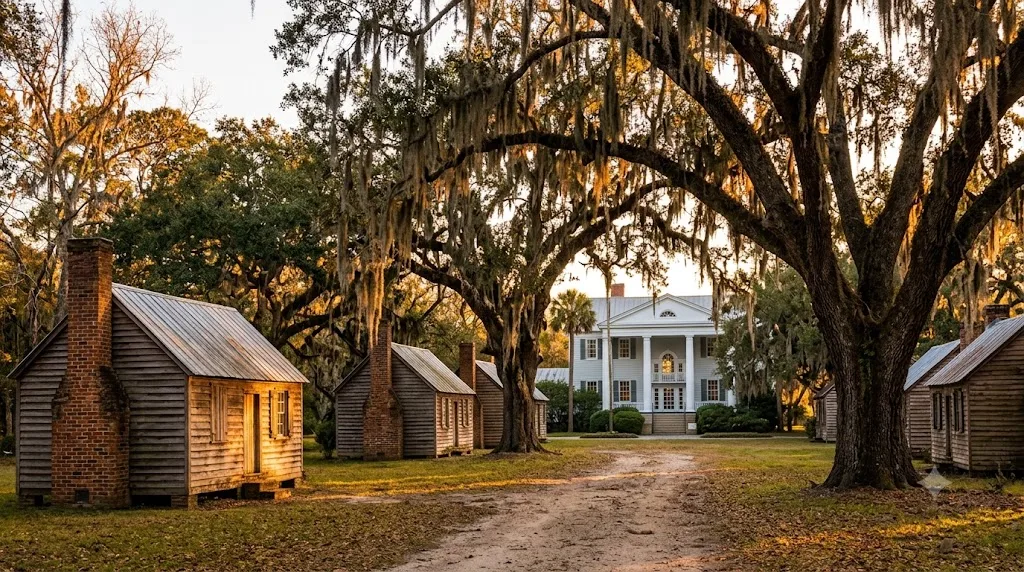
The site, established in 1851 as a sea island cotton plantation, is a powerful place of remembrance and learning. Visitors gain a deeper understanding of the Gullah Geechee culture, a creole culture developed by West and Central African enslaved people in the Lowcountry, which continues to thrive today. Through guided tours and preserved structures like the main house and the six clapboard slave cabins known as "Transition Row," you'll explore daily life before and after emancipation, the plantation's role in the Civil War, and the efforts of the Massachusetts 55th Volunteer Infantry—a regiment of free Black men who were quartered here.
It's a living landscape that invites reflection on the past and its connection to the present, ensuring that the stories of generations of African-American people who lived and worked here are honored and remembered.
Who It's Best For
McLeod Plantation Historic Site is best for travelers who are genuinely interested in a deep, honest, and educational historical experience. If you prefer sites that prioritize accurate historical interpretation over romanticized antebellum narratives, this is the place for you. It's particularly impactful for history enthusiasts, educators, and anyone seeking to understand the complexities of American history, slavery, and the enduring legacy of African American culture, especially the Gullah Geechee heritage.
While the site is family-friendly, we advise that parents consider the sensitive nature of the topics discussed. Older children and teenagers who can engage with complex historical themes will likely gain the most from the experience. It's not a place for light entertainment but rather for thoughtful contemplation and learning.
Getting There & Parking
Navigating to McLeod Plantation Historic Site is straightforward, as it's conveniently located on James Island, just four miles from downtown Charleston. The address is 325 Country Club Drive, Charleston, SC 29412. If you're driving from downtown Charleston, you can take Broad Street west to S.C. 30 West. At exit 2, take the ramp and turn left onto Harbor View Road, then turn right on SC 171/Folly Road, and finally bear right onto Country Club Road. Turn right onto Picard Way.
For those wondering how to get to McLeod Plantation Historic Site, a personal vehicle is the most flexible option. While some local tour companies offer day trips to other plantations, McLeod is easily accessible for self-drive visitors. We always recommend checking current traffic conditions, especially during peak tourist seasons in Charleston.
Regarding parking, you'll find plenty of free parking available on-site, which is a significant convenience. Accessible parking is also provided at the Pavilion. All visitors must check-in at the Welcome Center before accessing the property.
Top Things to Do
A visit to McLeod Plantation Historic Site is an immersive journey into a pivotal chapter of American history. Our team suggests dedicating ample time to fully absorb the stories and significance of the grounds.
Explore the Grounds and Structures
One of the primary things to do at McLeod Plantation Historic Site is to walk the carefully preserved grounds. You'll encounter the sweeping oak allée, a picturesque lane lined with ancient live oaks draped in Spanish moss, and the historic McLeod Oak, believed to be more than 300 to 600 years old. The site features the main house, six clapboard slave cabins (known as "Transition Row"), a detached kitchen, a pre-Civil War gin house, a barn, and a carriage house. As of April 2026, the historic dairy building is also open for walkthroughs, offering new insights into daily life on the plantation.
Participate in a Guided Interpretive Tour
The guided interpretive tours are the cornerstone of the McLeod Plantation Historic Site experience and are included with admission. These 45-minute tours are offered Tuesday through Sunday at 9:30 a.m., 10:30 a.m., 11:30 a.m., 12:30 p.m., 1:30 p.m., and 2:30 p.m. They are offered on a first-come, first-served basis and delve into themes such as sea island cotton cultivation, Gullah/Geechee culture, organized and individual resistance to slavery, and the transition to freedom. Our team highly recommends participating in a guided tour to gain the most comprehensive understanding of the site's history and its nuanced interpretation.
Take a Self-Guided Tour of the Main House
In addition to the guided tours of the grounds, the first floor of the main house is available for self-guided exploration. A cultural history interpreter is present to answer questions and enhance your experience.
Learn About Gullah Geechee Culture
McLeod Plantation is a designated Gullah Geechee heritage site and part of the federally recognized Gullah/Geechee Cultural Heritage Corridor. A significant aspect of your visit will be learning about the development and resilience of this unique culture, which draws influences from Creole and Central and West African traditions.
Reflect at the Cemetery
The site also includes a cemetery, offering a solemn space for reflection on the lives of those who lived and died on the plantation.
Things to Do in Charleston
After your visit to McLeod Plantation, we encourage you to explore the broader Charleston area. There are countless things to do in Charleston that complement a historical visit:
- Wander through the Charleston Historic District: Immerse yourself in the city's charming architecture, cobblestone streets, and vibrant history.
- Visit the Charleston City Market: Browse local crafts, sweetgrass baskets, and souvenirs.
- Explore other plantations: While McLeod offers a unique perspective, other sites like Boone Hall Plantation, Magnolia Plantation and Gardens, and Middleton Place offer different focuses, from grand gardens to architectural preservation.
- Discover the South Carolina Aquarium: A great option for families.
- Visit Fort Sumter National Monument: Learn about the start of the Civil War.
- Stroll along The Battery: Enjoy scenic views of Charleston Harbor.
- Experience the Patriots Point Naval & Maritime Museum: Home to the USS Yorktown aircraft carrier.
Charleston offers a diverse range of attractions, ensuring there are things to do in Charleston for every interest.
Best Time to Visit
Choosing the best time to visit McLeod Plantation Historic Site, and Charleston in general, can significantly enhance your experience. Our team consistently recommends the shoulder seasons for the most comfortable weather and manageable crowds.
Spring (March to May) is often cited as the absolute best time to visit Charleston. During these months, temperatures are comfortably mild, typically ranging from the low 60s to mid-80s, and the city bursts into bloom with camellias, azaleas, wisteria, and magnolias. While it is a peak tourist season, booking accommodations and tours in advance can mitigate the crowds.
Fall (October to November) is another excellent choice. The oppressive summer heat and humidity begin to fade, with temperatures usually in the high 60s to 70s. This season offers beautiful weather, reasonable crowd levels, and various festivals. Early October can still be warm, but mid-October through November is magnificent.
Summer (June to September) in Charleston is hot and humid, with temperatures often reaching the mid-to-upper 80s and even 90s. While perfect for beach days at nearby Folly Beach or Sullivan's Island, extensive outdoor exploration at sites like McLeod Plantation can be less comfortable. If you visit in summer, we suggest planning your visit to McLeod for the morning hours to avoid the hottest part of the day, and remember to pack bug spray.
Winter (December to February) brings milder temperatures and fewer crowds, making it a quieter time to visit. While the gardens may not be in full bloom, the historical sites are still accessible, and you'll find lower hotel rates.
Ultimately, the best time to visit McLeod Plantation Historic Site depends on your preferences for weather and crowd levels, but spring and fall offer the most ideal conditions for exploring the outdoor elements of the site.
Where to Stay Nearby
When planning your visit to McLeod Plantation Historic Site, considering your lodging options is key. While there isn't direct McLeod Plantation Historic Site lodging on the property itself, Charleston offers a wide array of accommodations to suit every preference and budget, with many excellent choices in the historic downtown area, just a short drive away.
For those seeking a luxurious experience, we recommend hotels within the Charleston Historic District. Properties like the Planters Inn, a Relais & Châteaux hotel, offer timeless elegance and are within walking distance of many city attractions. Other highly-rated options include The Spectator Hotel, French Quarter Inn, and HarbourView Inn, all known for their exceptional service and prime locations. The Francis Marion Hotel, a historic landmark since 1924, provides spectacular views and easy access to attractions.
If you prefer boutique hotels, establishments like Hotel Bella Grace offer a blend of modern luxury and historic charm, conveniently located downtown. For travelers looking for mid-range options, there are numerous reputable hotels both downtown and in areas like Mount Pleasant, which offer good value while still being a reasonable drive from the plantation.
Given that McLeod Plantation Historic Site is on James Island, staying on James Island or nearby Folly Beach could also be an option for a more relaxed, beach-oriented stay, though these areas will require a slightly longer commute to other Charleston attractions. However, for a comprehensive trip that balances history with city exploration, we find that lodging in the Charleston Historic District provides the most convenient base for experiencing all that the area has to offer, including easy access to McLeod Plantation Historic Site.
Sample 2-Day Itinerary
To make the most of your visit to the Lowcountry, we've crafted a sample 2-day itinerary that balances the profound historical insights of McLeod Plantation with the vibrant charm of Charleston.
Day 1: Immersive History at McLeod Plantation
- Morning (9:00 AM - 1:00 PM): McLeod Plantation Historic Site. Arrive shortly after opening to take advantage of cooler temperatures and fewer crowds. Begin at the Welcome Center, then join one of the guided interpretive tours offered throughout the morning. Spend time exploring the grounds, including the oak allée, the enslaved cabins on Transition Row, the main house (self-guided), and the newly accessible dairy building. Allow plenty of time for reflection and to absorb the detailed historical narratives.
- Lunch (1:00 PM - 2:30 PM): Local Eats on James Island. Grab a casual lunch at a local eatery on James Island, offering a taste of Lowcountry cuisine.
- Afternoon (2:30 PM - 5:30 PM): Gullah Geechee Cultural Exploration. Continue your cultural immersion by visiting the Discover South Carolina Gullah Geechee Cultural Heritage Corridor nearby. Consider a visit to the Avery Research Center for African American History and Culture in Charleston for further insights into the region's rich heritage.
- Evening: Historic Charleston Dining. Head back to downtown Charleston for dinner. Explore the culinary scene in the Historic District, from upscale dining to charming bistros. Consider a leisurely stroll through the historic streets after your meal.
Day 2: Charleston's Charm and Coastal Beauty
- Morning (9:00 AM - 12:00 PM): Charleston Historic District. Start your day with a walking tour of the Charleston Historic District. Explore Rainbow Row, the Battery, and the charming side streets. Consider a visit to the Charleston City Market for unique local crafts, including sweetgrass baskets.
- Lunch (12:00 PM - 1:30 PM): Waterfront Dining. Enjoy lunch with views of the harbor or a casual bite in the French Quarter.
- Afternoon (1:30 PM - 5:00 PM): Choose Your Adventure.
- Option A (Nature & Gardens): Visit Magnolia Plantation and Gardens or Middleton Place for stunning landscapes and a different perspective on plantation life.
- Option B (Maritime History): Explore Patriots Point Naval & Maritime Museum in Mount Pleasant, home to the USS Yorktown.
- Option C (Beach Relaxation): Head to nearby Folly Beach for some sun and sand, especially if visiting in warmer months.
- Evening: Sunset and Southern Flavors. Enjoy a sunset cruise on Charleston Harbor or relax at a rooftop bar with panoramic city views. Conclude your trip with a final dinner, savoring more of Charleston's renowned Southern cuisine.
This itinerary provides a robust framework, but we always encourage travelers to tailor it to their specific interests. For more ideas on planning your trip, visit our Plan Your US Trip guide or consider a USA Road Trip Planner for a broader adventure.
Last updated: 2026-07-13 by the Roam States team.