National Parks & Nature

Hoh Rain Forest Travel Guide

Olympic National Park, Washington

By Roam States Team · Updated July 2026 · 28 min read

Jump to section

Our Hoh Rain Forest guide covers practical planning for Hoh Rain Forest Washington — best time to visit, getting there, and what to do on the ground. This comprehensive guide, crafted by the Roam States editorial team, is your essential resource for navigating one of Olympic National Park's most enchanting and unique ecosystems. We’ve meticulously researched everything from trail conditions to lodging options, ensuring your visit is as seamless and memorable as possible. We cut through the generic travel fluff to bring you confident, specific advice for an unparalleled experience in this temperate rainforest.

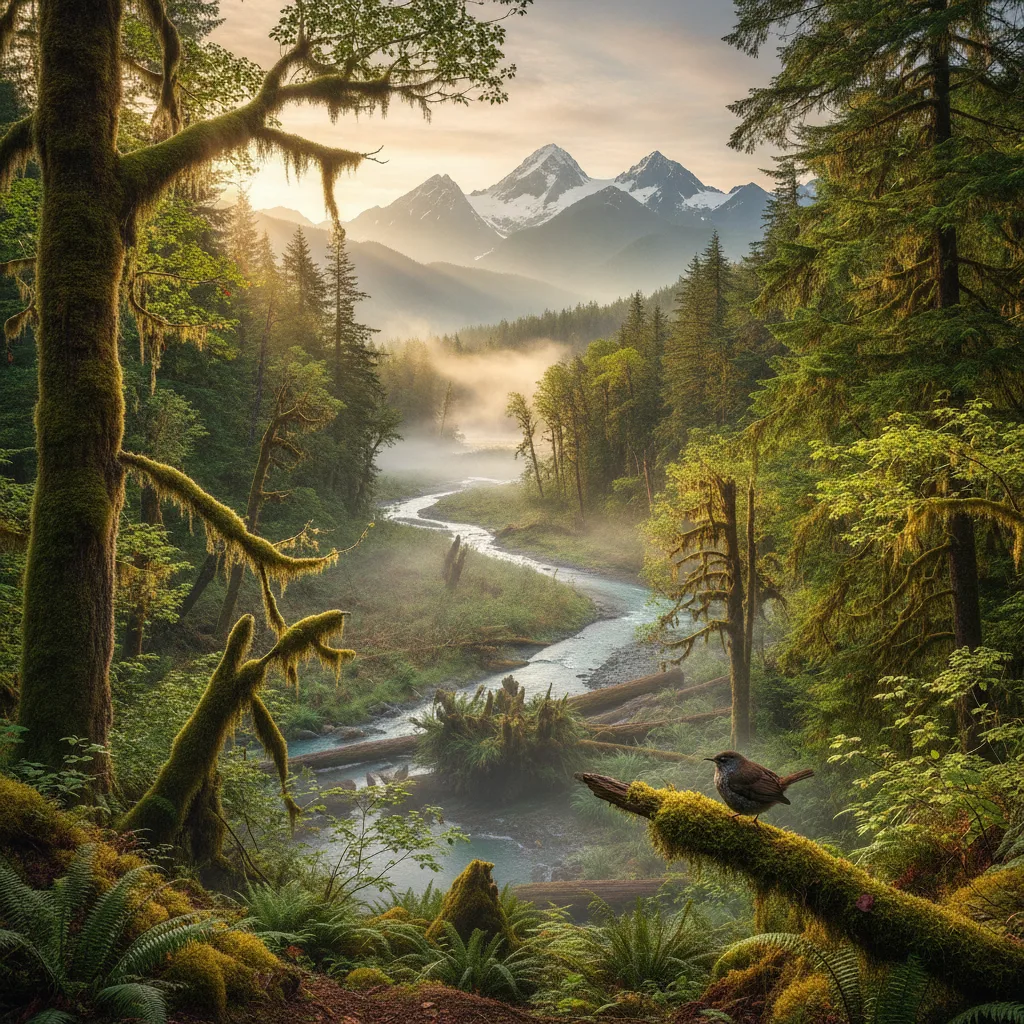
The Hoh Rain Forest Washington is a truly extraordinary place, a verdant wonderland nestled within the vast expanse of Olympic National Park. It’s a place where ancient trees, draped in thick carpets of moss and ferns, create a cathedral-like canopy, and the air is perpetually moist and fragrant. We believe it's an essential stop for anyone exploring the Pacific Northwest, offering a profound connection to nature that is increasingly rare. Our team has spent countless hours exploring its trails and understanding its delicate ecosystem to provide you with the most accurate and inspiring travel information.

Why Visit Hoh Rain Forest

Stepping into the Hoh Rain Forest is like entering another world. The sheer scale of the old-growth trees, primarily Sitka spruce and western hemlock, is breathtaking, with many reaching over 300 feet tall and several centuries old. What truly sets this forest apart is its incredible biodiversity, fueled by an average of 140 to 170 inches of rain annually. This constant moisture creates a vibrant, emerald landscape where every surface seems to burst with life, from the smallest mosses to the largest trees. The feeling of tranquility and ancient grandeur here is palpable, offering a profound escape from the everyday.

For us, the appeal lies not just in its visual splendor but in the immersive experience it offers. The silence, broken only by birdsong, the rustling of leaves, or the gentle drip of water, is deeply restorative. It’s a place that encourages slow exploration, where every turn of the trail reveals new wonders. Whether you’re a seasoned hiker or simply seeking a peaceful stroll, the Hoh provides an accessible and unforgettable encounter with one of the planet’s most unique temperate rainforests. It’s a testament to the power and resilience of nature, and a reminder of the importance of preserving such pristine environments.

Who It's Best For

The Hoh Rain Forest caters to a surprisingly wide range of visitors, making it a truly inclusive destination. Our team finds it particularly ideal for nature lovers, photographers, and anyone seeking a peaceful retreat into the wilderness. Families with children will appreciate the accessible, well-maintained trails that allow for easy exploration, even with strollers or small children. The interpretive signs along the Hall of Mosses and Spruce Nature Trail make learning about the ecosystem engaging for all ages.

Hikers of all skill levels will find trails suited to their abilities, from short, leisurely loops to longer, more challenging backcountry treks. Birdwatchers and wildlife enthusiasts will be delighted by the opportunities to spot Roosevelt elk, various bird species, and diverse plant life. Even those with limited mobility can experience the magic of the forest, as several sections of the popular trails are boardwalks, ensuring accessibility. Ultimately, if you appreciate stunning natural beauty, tranquility, and a chance to connect deeply with an ancient ecosystem, the Hoh Rain Forest is for you.

How to Get There

Reaching the Hoh Rain Forest requires a drive into the heart of Olympic National Park, and while it feels remote, the journey is part of the adventure. The Hoh Rain Forest Visitor Center is located at the end of the Hoh Rain Forest Road, which branches off U.S. Highway 101. From the south, if you're coming from areas like Aberdeen or Olympia, you'll take US-101 North. From the north, such as Port Angeles or Forks, you'll take US-101 South. The turn-off for Hoh Rain Forest Road is well-marked. Once on Hoh Rain Forest Road, it's a scenic 18-mile drive to the visitor center and trailhead parking area. We always recommend checking road conditions before you depart, especially during the wetter months, as closures can occur due to weather events.

Parking and Fees

Parking at the Hoh Rain Forest Visitor Center can be challenging, especially during peak season (summer and fall weekends). The parking lot fills up quickly, and we strongly advise arriving early in the morning (before 9:00 AM) or later in the afternoon (after 3:00 PM) to secure a spot. Overflow parking is available further down the road, but this adds to your walking distance. There is no specific reservation system for parking at Hoh Rain Forest as of our last check for 2026, but the standard Olympic National Park entrance fee applies. As of 2026, the entrance fee for Olympic National Park is $30 per vehicle, valid for seven consecutive days. This fee grants you access to all areas of the park, including the Hoh Rain Forest. America the Beautiful passes are also accepted. We always recommend having your pass or payment ready to expedite entry. The Hoh Rain Forest Visitor Center typically operates daily during the summer and on a more limited schedule during the shoulder seasons and winter. For 2026, the visitor center is generally open from 9:00 AM to 5:00 PM daily during the summer season (late May through late September), with reduced hours or closures in the off-season. It's always a good idea to verify current operating hours and any potential alerts on the official National Park Service website before your visit.

Top Things to Do

Once you arrive at the Hoh Rain Forest Washington, a world of natural wonders awaits. Our team has identified the absolute best things to do at Hoh Rain Forest, ensuring you make the most of your visit. The primary draw is undoubtedly the network of accessible and enchanting hiking trails, which we'll detail further below. Beyond hiking, simply immersing yourself in the unique atmosphere is an activity in itself. Take time to breathe the fresh, moist air, listen to the sounds of the forest, and marvel at the intricate details of the ecosystem.

A visit to the Hoh Rain Forest Visitor Center is also one of the essential things to do at Hoh Rain Forest. Here, you can learn about the ecology of the temperate rainforest, pick up maps, and speak with park rangers who can offer up-to-date information on trail conditions and wildlife sightings. The exhibits are educational and provide valuable context for the natural beauty you're about to experience. Don't forget your camera; the photographic opportunities here are endless, from sweeping forest vistas to intricate close-ups of mosses and fungi.

Hoh Rain Forest Hiking Trails

The Hoh Rain Forest hiking trails are truly the heart of the visitor experience, offering a range of options for all abilities. We highly recommend starting with the two most popular and iconic loops, both easily accessible from the visitor center parking lot.

  • Hall of Mosses Trail: This is arguably the most famous of the Hoh Rain Forest hiking trails. It's a gentle, 0.8-mile loop trail, much of which is boardwalk, making it highly accessible. As you walk, you'll be enveloped by a surreal landscape of ancient maple trees draped in vibrant green club moss, creating a magical, otherworldly atmosphere. Interpretive signs along the way explain the unique ecology of the rainforest. This trail is perfect for families and anyone seeking a quintessential Hoh experience without a strenuous hike.
  • Spruce Nature Trail: Another excellent option, the Spruce Nature Trail is a 1.2-mile loop that offers a slightly longer and more varied experience. It winds through both the spruce and alder forests, providing views of the Hoh River. This trail is also relatively flat and easy, suitable for most visitors. It's a fantastic way to experience the different forest types within the Hoh ecosystem.
  • Hoh River Trail: For those seeking a longer, more immersive backcountry experience, the Hoh River Trail is an excellent choice. This trail extends for 17.3 miles one-way, following the Hoh River deep into the wilderness towards Mount Olympus. While most visitors only hike a portion of it, even a few miles in will reward you with pristine old-growth forest and stunning river views. This trail is popular for day hikes to destinations like the Mineral Creek Falls (about 2.5 miles in) or Five Mile Island (5.4 miles in), as well as multi-day backpacking trips (permits required for overnight stays).

When embarking on any of the Hoh Rain Forest hiking trails, we always advise wearing appropriate footwear, bringing rain gear (even on sunny days, the forest can be damp), and carrying water. The trails are generally well-maintained, but conditions can vary, especially after heavy rains.

Best Time to Visit

Determining the best time to visit the Hoh Rain Forest depends on your priorities, but our team generally recommends the late spring and early fall for the most balanced experience. While the forest is stunning year-round, each season offers distinct advantages and disadvantages.

  • Summer (June to September): This is the most popular time to visit, offering the warmest temperatures and the lowest chance of rain. The trails are typically dry and easy to navigate. However, summer also brings the largest crowds, especially on weekends and holidays. Parking can be a significant challenge, and the peaceful solitude of the forest can be diminished. If you visit in summer, we strongly advise arriving very early in the morning.
  • Fall (October to November): Early fall is a sweet spot. The summer crowds begin to thin, and the temperatures remain mild. While rain becomes more frequent, it only enhances the rainforest's lushness and vibrant greens. The air is crisp, and the overall atmosphere is incredibly serene. Late fall can bring heavier rains and cooler temperatures, but also a profound sense of solitude.
  • Winter (December to March): Winter is the wettest and quietest season. Expect consistent rain, cooler temperatures, and potentially some snow at higher elevations (though rarely in the Hoh Valley itself). Many services, including the visitor center, may operate on reduced hours or be closed. However, for those seeking true solitude and a dramatic, mist-shrouded forest experience, winter can be magical. Just be prepared for wet conditions and check road closures.
  • Spring (April to May): Late spring is another excellent time to visit. The forest explodes with new growth, and wildflowers begin to bloom. The weather is a mix of sun and rain, and while crowds are increasing, they are generally less intense than in peak summer. This is a fantastic time for photography and enjoying the renewed vibrancy of the ecosystem.

Ultimately, we believe there's no truly "bad" time to visit the Hoh Rain Forest, as its unique beauty persists through all seasons. Just be prepared for the conditions of your chosen time of year.

Where to Stay Nearby

Finding suitable Hoh Rain Forest lodging requires a bit of planning, as options directly adjacent to the park entrance are limited. Most visitors opt to stay in nearby towns or within Olympic National Park's other accommodations. Our team has scouted the best options to ensure you have a comfortable base for your rainforest adventures.

  • Forks, Washington: Located about an hour's drive north of the Hoh Rain Forest Visitor Center, Forks is the closest major town and offers the most comprehensive range of Hoh Rain Forest lodging. You'll find a variety of motels, inns, and a few bed and breakfasts. While known for its "Twilight" saga fame, Forks serves as a practical hub for exploring the western side of Olympic National Park.
  • Lake Quinault Lodge: Situated on the southern end of Olympic National Park, approximately an hour and a half south of the Hoh, the historic Lake Quinault Lodge offers a more upscale and scenic lodging experience. This grand lodge, built in 1926, is a destination in itself, offering lake views, dining, and access to trails within the Quinault Rain Forest area. It's a beautiful option if you don't mind the drive to the Hoh.
  • Kalaloch Lodge: Located on the Pacific Coast, about 45 minutes to an hour west of the Hoh Rain Forest, Kalaloch Lodge offers rustic cabins and lodge rooms with stunning ocean views. This is an excellent choice if you want to combine your rainforest visit with beach exploration and dramatic coastal scenery.
  • Campgrounds: For those who prefer to sleep under the stars, the Hoh Rain Forest Campground is located right next to the visitor center. It operates on a first-come, first-served basis, and spots fill up very quickly, especially during peak season. There are also other campgrounds within Olympic National Park, such as Kalaloch Campground and Quinault North Fork Campground, which offer more options for Hoh Rain Forest lodging for campers. We always recommend checking the NPS website for current campground status and availability.

Regardless of where you choose to stay, we advise booking your accommodations well in advance, especially if you plan to visit during the busy summer months. Options can be limited, and popular choices fill up quickly.

Sample 2-Day Itinerary

To help you make the most of your visit, our team has crafted a sample 2-day itinerary for the Hoh Rain Forest and its surrounding areas. This plan balances exploration with relaxation, allowing you to fully immerse yourself in the natural beauty of Olympic National Park.

Day 1: Immersion in the Hoh Rain Forest

  • Morning (8:00 AM - 12:00 PM): Arrive early at the Hoh Rain Forest Visitor Center to secure parking. Begin your day with a leisurely walk along the iconic Hall of Mosses Trail (0.8 miles loop) and the Spruce Nature Trail (1.2 miles loop). Allow ample time for photography, soaking in the atmosphere, and reading the interpretive signs.
  • Lunch (12:00 PM - 1:00 PM): Enjoy a packed lunch at one of the picnic tables near the visitor center, or find a scenic spot along the Hoh River. There are no food services directly at the Hoh Rain Forest, so bringing your own provisions is essential.
  • Afternoon (1:00 PM - 5:00 PM): Embark on a longer hike along the Hoh River Trail. We recommend hiking to Mineral Creek Falls (about 2.5 miles one-way) or Five Mile Island (5.4 miles one-way) for a more strenuous but rewarding experience. Remember to factor in your return time.
  • Evening: Check into your lodging in Forks or a nearby campground. Enjoy dinner at a local restaurant in Forks or cook a meal at your campsite. Spend the evening relaxing and reflecting on the day's rainforest adventures.

Day 2: Coastal Wonders and Rainforest Transition

  • Morning (9:00 AM - 1:00 PM): After breakfast, head west towards the Pacific Coast. Explore the dramatic beaches of Olympic National Park, such as Ruby Beach or Rialto Beach. Marvel at the sea stacks, driftwood, and tide pools (check tide charts for optimal viewing).
  • Lunch (1:00 PM - 2:00 PM): Grab lunch in Forks or bring a picnic to enjoy on the beach.
  • Afternoon (2:00 PM - 5:00 PM): Drive south towards the Quinault Rain Forest area. This less-visited part of Olympic National Park offers a different rainforest experience. Hike a portion of the Quinault Loop Trail or visit the historic Lake Quinault Lodge.
  • Evening: Depending on your onward journey, you can choose to stay another night in the area (perhaps at Lake Quinault Lodge for a change of scenery) or begin your drive out of the park. Consider exploring other parts of Washington, such as Mount Rainier National Park or the vibrant city life near Pike Place Market in Seattle. For more ideas on planning your trip, visit our Plan Your US Trip guide.

Is It Worth Visiting?

Without a doubt, our team firmly believes that the Hoh Rain Forest Washington is absolutely worth visiting. It's not just another stop on a road trip; it's a destination that offers a profound and unique natural experience. The sheer beauty of the old-growth forest, the vibrant greens, and the pervasive sense of peace are unlike anywhere else in the contiguous United States. It's a place that captivates the senses and leaves a lasting impression.

For those questioning "is Hoh Rain Forest worth visiting," we emphasize that its value extends beyond just pretty scenery. It's an opportunity to witness a rare and delicate ecosystem thriving, to understand the importance of conservation, and to reconnect with nature on a fundamental level. The accessible trails make it enjoyable for nearly everyone, and the memories you'll create walking among those ancient giants are truly priceless. We wholeheartedly recommend adding the Hoh Rain Forest to your Washington itinerary.

FAQ: Hoh Rain Forest Camping

Yes, Hoh Rain Forest camping is available at the Hoh Rain Forest Campground, located adjacent to the visitor center. It's a popular campground with 72 sites, operating on a first-come, first-served basis. During peak season (summer), sites fill up very quickly, often by early morning, so we recommend arriving early or having a backup plan. The campground offers flush toilets and potable water during the warmer months, with vault toilets available year-round. There are no hookups for RVs. Backcountry camping along the Hoh River Trail requires a wilderness permit, which can be obtained from the Olympic National Park Wilderness Information Center.

FAQ: Things to Do in Olympic National Park

Olympic National Park is incredibly diverse, offering a vast array of things to do in Olympic National Park beyond the Hoh Rain Forest. Our team suggests exploring the dramatic Pacific coastline with its rugged beaches like Ruby Beach and Rialto Beach. Head to Hurricane Ridge for panoramic mountain views and alpine hiking. Visit Lake Crescent for boating, swimming, and scenic drives. The Sol Duc Valley offers hot springs and beautiful waterfalls. The Quinault and Queets rainforests provide similar lush experiences to the Hoh, often with fewer crowds. Each region of the park offers unique landscapes and activities, making it a destination that warrants multiple days of exploration.

FAQ: Hoh Rain Forest with Kids

Visiting the Hoh Rain Forest with kids is an excellent idea! The Hall of Mosses and Spruce Nature Trail are particularly well-suited for families, as they are short, relatively flat, and often feature boardwalks, making them stroller-friendly in many sections. The interpretive signs along the trails are engaging and educational, helping children learn about the forest's unique ecosystem. Kids will love spotting the "moss beards" on the trees and looking for wildlife like elk. We recommend bringing snacks, water, and appropriate rain gear for little ones, as well as allowing them to explore at their own pace. The visitor center also offers junior ranger programs that can enhance their experience.

FAQ: Best Hotels Near Hoh Rain Forest

The best hotels near Hoh Rain Forest are primarily found in the town of Forks, about an hour north. Options range from budget-friendly motels to more comfortable inns. For a unique, historic experience, the Lake Quinault Lodge (approximately 1.5 hours south) is a fantastic choice, offering beautiful lakefront accommodations and dining. Kalaloch Lodge (about 45 minutes to an hour west, on the coast) provides rustic cabins and lodge rooms with stunning ocean views, perfect for combining rainforest and beach visits. For those seeking a more secluded feel, consider vacation rentals or cabins in the surrounding areas, but book well in advance, especially for peak season.

FAQ: Hoh Rain Forest Tips

Our top Hoh Rain Forest tips include: arrive early to secure parking, especially during summer and on weekends. Bring rain gear, even if the forecast looks clear, as the rainforest climate is unpredictable. Pack plenty of water and snacks, as there are no food services within the Hoh. Wear sturdy, waterproof shoes suitable for damp trails. Consider visiting during the shoulder seasons (spring or fall) for fewer crowds and a more serene experience. Always stay on marked trails to protect the delicate ecosystem. Finally, remember to pack out everything you pack in to help preserve this pristine environment for future visitors.

FAQ: Where to Stay Near Hoh Rain Forest

When considering where to stay near Hoh Rain Forest, your primary options are the town of Forks (approximately an hour's drive north) for motels and basic services, or the historic Lake Quinault Lodge (about 1.5 hours south) for a more upscale, scenic experience. Kalaloch Lodge on the coast (45-60 minutes west) offers oceanfront lodging. Camping is available at the Hoh Rain Forest Campground, but it's first-come, first-served and fills quickly. We recommend booking any hotel or lodge accommodations far in advance, particularly for visits during the busy summer months, due to limited availability in this remote region.

Expert Verdict: The Hoh Rain Forest is a jewel of Olympic National Park, offering an unparalleled opportunity to experience a vibrant temperate rainforest. Its accessible trails, ancient trees, and unique ecosystem make it a must-visit destination. We encourage all travelers to embrace the tranquility and natural wonder of this extraordinary place, confident that it will be a highlight of their Washington adventure.

Last updated: 2026-07-08 by the Roam States team.

Our Hoh Rain Forest guide covers practical planning for Hoh Rain Forest Washington — best time to visit, getting there, and what to do on the ground. This comprehensive guide, crafted by the Roam States editorial team, is your essential resource for navigating one of Olympic National Park's most enchanting and unique ecosystems. We’ve meticulously researched everything from trail conditions to lodging options, ensuring your visit is as seamless and memorable as possible. We cut through the generic travel fluff to bring you confident, specific advice for an unparalleled experience in this temperate rainforest.

The Hoh Rain Forest Washington is a truly extraordinary place, a verdant wonderland nestled within the vast expanse of Olympic National Park. It’s a place where ancient trees, draped in thick carpets of moss and ferns, create a cathedral-like canopy, and the air is perpetually moist and fragrant. We believe it's an essential stop for anyone exploring the Pacific Northwest, offering a profound connection to nature that is increasingly rare. Our team has spent countless hours exploring its trails and understanding its delicate ecosystem to provide you with the most accurate and inspiring travel information.

Why Visit Hoh Rain Forest

Stepping into the Hoh Rain Forest is like entering another world. The sheer scale of the old-growth trees, primarily Sitka spruce and western hemlock, is breathtaking, with many reaching over 300 feet tall and several centuries old. What truly sets this forest apart is its incredible biodiversity, fueled by an average of 140 to 170 inches of rain annually. This constant moisture creates a vibrant, emerald landscape where every surface seems to burst with life, from the smallest mosses to the largest trees. The feeling of tranquility and ancient grandeur here is palpable, offering a profound escape from the everyday.

For us, the appeal lies not just in its visual splendor but in the immersive experience it offers. The silence, broken only by birdsong, the rustling of leaves, or the gentle drip of water, is deeply restorative. It’s a place that encourages slow exploration, where every turn of the trail reveals new wonders. Whether you’re a seasoned hiker or simply seeking a peaceful stroll, the Hoh provides an accessible and unforgettable encounter with one of the planet’s most unique temperate rainforests. It’s a testament to the power and resilience of nature, and a reminder of the importance of preserving such pristine environments.

Who It's Best For

The Hoh Rain Forest Washington caters to a surprisingly wide range of visitors, making it a truly inclusive destination. Our team finds it particularly ideal for nature lovers, photographers, and anyone seeking a peaceful retreat into the wilderness. Families with children will appreciate the accessible, well-maintained trails that allow for easy exploration, even with strollers or small children. The interpretive signs along the Hall of Mosses and Spruce Nature Trail make learning about the ecosystem engaging for all ages.

Hikers of all skill levels will find trails suited to their abilities, from short, leisurely loops to longer, more challenging backcountry treks. Birdwatchers and wildlife enthusiasts will be delighted by the opportunities to spot Roosevelt elk, various bird species, and diverse plant life. Even those with limited mobility can experience the magic of the forest, as several sections of the popular trails are boardwalks, ensuring accessibility. Ultimately, if you appreciate stunning natural beauty, tranquility, and a chance to connect deeply with an ancient ecosystem, the Hoh Rain Forest is for you.

How to Get There

Reaching the Hoh Rain Forest Washington requires a drive into the heart of Olympic National Park, and while it feels remote, the journey is part of the adventure. The Hoh Rain Forest Visitor Center is located at the end of the Hoh Rain Forest Road, which branches off U.S. Highway 101. From the south, if you're coming from areas like Aberdeen or Olympia, you'll take US-101 North. From the north, such as Port Angeles or Forks, you'll take US-101 South. The turn-off for Hoh Rain Forest Road is well-marked. Once on Hoh Rain Forest Road, it's a scenic 18-mile drive to the visitor center and trailhead parking area. We always recommend checking road conditions before you depart, especially during the wetter months, as closures can occur due to weather events. The Upper Hoh Road reopened in May 2026 after flooding closed it in December 2024, so it's important to stay informed about current conditions.

Parking and Fees

Parking at the Hoh Rain Forest Visitor Center can be challenging, especially during peak season (summer and fall weekends). The parking lot fills up quickly, and we strongly advise arriving early in the morning (before 9:00 AM) or later in the afternoon (after 3:00 PM) to secure a spot. There is no specific reservation system for parking at Hoh Rain Forest as of our last check for 2026, but the standard Olympic National Park entrance fee applies. As of 2026, the entrance fee for Olympic National Park is $30 per vehicle, valid for seven consecutive days. This fee grants you access to all areas of the park, including the Hoh Rain Forest. America the Beautiful passes are also accepted. We always recommend having your pass or payment ready to expedite entry. The Hoh Rain Forest Visitor Center typically operates daily during the summer and on a more limited schedule during the shoulder seasons and winter. For 2026, the visitor center is generally open from 9:00 AM to 5:30 PM daily during the summer season (late May through late September), with reduced hours or closures in the off-season, and typically closed January through early March. It's always a good idea to verify current operating hours and any potential alerts on the official National Park Service website before your visit.

Top Things to Do

Once you arrive at the Hoh Rain Forest Washington, a world of natural wonders awaits. Our team has identified the absolute best things to do at Hoh Rain Forest, ensuring you make the most of your visit. The primary draw is undoubtedly the network of accessible and enchanting hiking trails, which we'll detail further below. Beyond hiking, simply immersing yourself in the unique atmosphere is an activity in itself. Take time to breathe the fresh, moist air, listen to the sounds of the forest, and marvel at the intricate details of the ecosystem.

A visit to the Hoh Rain Forest Visitor Center is also one of the essential things to do at Hoh Rain Forest. Here, you can learn about the ecology of the temperate rainforest, pick up maps, and speak with park rangers who can offer up-to-date information on trail conditions and wildlife sightings. The exhibits are educational and provide valuable context for the natural beauty you're about to experience. Don't forget your camera; the photographic opportunities here are endless, from sweeping forest vistas to intricate close-ups of mosses and fungi.

Hoh Rain Forest Hiking Trails

The Hoh Rain Forest hiking trails are truly the heart of the visitor experience, offering a range of options for all abilities. We highly recommend starting with the two most popular and iconic loops, both easily accessible from the visitor center parking lot.

  • Hall of Mosses Trail: This is arguably the most famous of the Hoh Rain Forest hiking trails. It's a gentle, 0.8-mile loop trail, much of which is boardwalk, making it highly accessible. As you walk, you'll be enveloped by a surreal landscape of ancient maple trees draped in vibrant green club moss, creating a magical, otherworldly atmosphere. Interpretive signs along the way explain the unique ecology of the rainforest. This trail is perfect for families and anyone seeking a quintessential Hoh experience without a strenuous hike.
  • Spruce Nature Trail: Another excellent option, the Spruce Nature Trail is a 1.2-mile loop that offers a slightly longer and more varied experience. It winds through both the spruce and alder forests, providing views of the Hoh River. This trail is also relatively flat and easy, suitable for most visitors. It's a fantastic way to experience the different forest types within the Hoh ecosystem.
  • Hoh River Trail: For those seeking a longer, more immersive backcountry experience, the Hoh River Trail is an excellent choice. This trail extends for 17.3 miles one-way, following the Hoh River deep into the wilderness towards Mount Olympus. While most visitors only hike a portion of it, even a few miles in will reward you with pristine old-growth forest and stunning river views. This trail is popular for day hikes to destinations like the Mineral Creek Falls (about 2.7 miles in) or Five Mile Island (5.0 miles in), as well as multi-day backpacking trips (wilderness permits required for overnight stays).

When embarking on any of the Hoh Rain Forest hiking trails, we always advise wearing appropriate footwear, bringing rain gear (even on sunny days, the forest can be damp), and carrying water. The trails are generally well-maintained, but conditions can vary, especially after heavy rains.

Best Time to Visit

Determining the best time to visit the Hoh Rain Forest Washington depends on your priorities, but our team generally recommends the late spring and early fall for the most balanced experience. While the forest is stunning year-round, each season offers distinct advantages and disadvantages.

  • Summer (June to September): This is the most popular time to visit, offering the warmest temperatures and the lowest chance of rain. The trails are typically dry and easy to navigate. However, summer also brings the largest crowds, especially on weekends and holidays. Parking can be a significant challenge, and the peaceful solitude of the forest can be diminished. If you visit in summer, we strongly advise arriving very early in the morning (before 9 AM) or after 5 PM to avoid long lines at the entrance station.
  • Fall (October to November): Early fall is a sweet spot. The summer crowds begin to thin, and the temperatures remain mild. While rain becomes more frequent, it only enhances the rainforest's lushness and vibrant greens. The air is crisp, and the overall atmosphere is incredibly serene. Late fall can bring heavier rains and cooler temperatures, but also a profound sense of solitude.
  • Winter (December to March): Winter is the wettest and quietest season. Expect consistent rain, cooler temperatures, and potentially some snow at higher elevations (though rarely in the Hoh Valley itself). Many services, including the visitor center, may operate on reduced hours or be closed. However, for those seeking true solitude and a dramatic, mist-shrouded forest experience, winter can be magical. Just be prepared for wet conditions and check road closures.
  • Spring (April to May): Late spring is another excellent time to visit. The forest explodes with new growth, and wildflowers begin to bloom. The weather is a mix of sun and rain, and while crowds are increasing, they are generally less intense than in peak summer. This is a fantastic time for photography and enjoying the renewed vibrancy of the ecosystem.

Ultimately, we believe there's no truly "bad" time to visit the Hoh Rain Forest, as its unique beauty persists through all seasons. Just be prepared for the conditions of your chosen time of year.

Where to Stay Nearby

Finding suitable Hoh Rain Forest lodging for your visit to the Hoh Rain Forest Washington requires

Build your trip

Planning a Washington road trip?

Use our interactive planner for stop-by-stop routes, 2026 fuel and lodging budgets, and a printable before-you-go checklist.

Plan your visit

Book stays, tours, and road-trip essentials for Hoh Rain Forest.

Some links on this page are affiliate links. If you book through them, we may earn a commission at no extra cost to you.

Official resources

More in Washington

Browse all National Parks & Nature guides →

Nearby states & road-trip stops

Plan a multi-state road trip →