Hidden Gems & Scenic Wonders

Schuylkill River Trail Travel Guide

Southeastern Pennsylvania, Pennsylvania

By Roam States Team · Updated July 2026 · 27 min read

Jump to section

Our Schuylkill River Trail guide covers practical planning for Schuylkill River Trail Pennsylvania — best time to visit, getting there, and what to do on the ground. We've compiled the latest 2026 information to ensure your trip is seamless, from understanding parking options to discovering the best segments for your preferred activities.

Why Visit Schuylkill River Trail

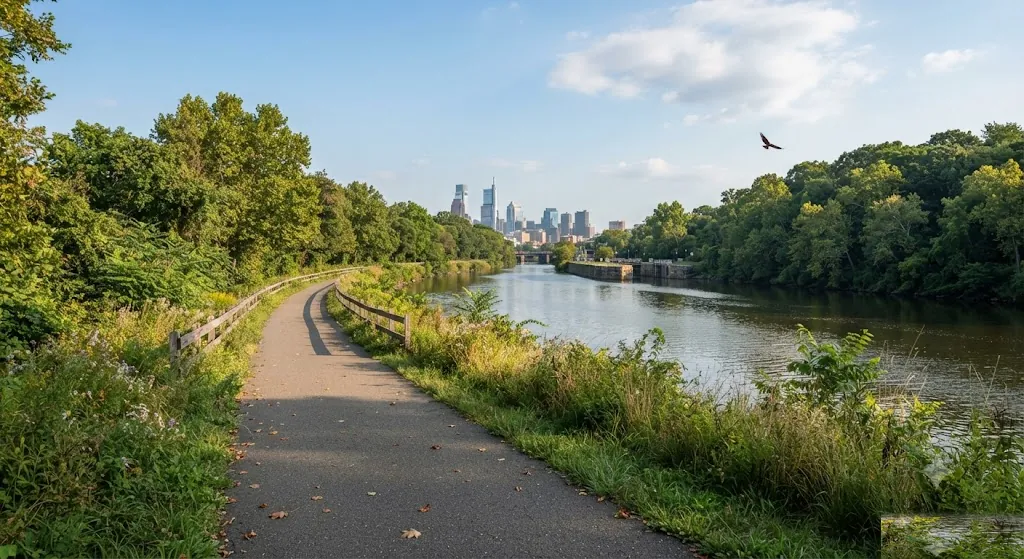
The Schuylkill River Trail, or SRT as it's affectionately known, is far more than just a path; it's a vibrant artery connecting diverse landscapes and communities across southeastern Pennsylvania. Spanning over 130 miles (with approximately 82.4 miles currently open in multiple sections, and plans to extend to 120 miles upon completion), this multi-use trail offers an unparalleled opportunity to immerse yourself in the region's rich history, natural beauty, and bustling urban centers. We find its appeal lies in its incredible versatility. Whether you're a seasoned cyclist seeking a long-distance challenge, a casual walker looking for a scenic stroll, or a family hoping for an outdoor adventure, the SRT delivers. Imagine gliding along a paved path with the Philadelphia skyline as your backdrop, then transitioning to a crushed stone trail winding through lush forests and charming small towns. This dynamic experience is precisely what draws millions of visitors each year.

The trail serves as the backbone of the five-county Schuylkill River Greenways National Heritage Area, a testament to its cultural and environmental significance. It traces the route of old canals and railroads, offering glimpses into Pennsylvania's industrial past and the "River of Revolutions" where American, Industrial, and Environmental revolutions were born. Our team appreciates how the trail seamlessly blends recreation with education, providing interpretive signage and access to historical sites along its length. It's a living museum, an active park, and a vital green corridor, all rolled into one.

Who It's Best For

The Schuylkill River Trail Pennsylvania caters to an incredibly broad audience, making it a truly inclusive outdoor destination. We've seen everyone from serious athletes to leisurely sightseers enjoying its paths. It's ideal for:

  • Cyclists: With long, relatively flat stretches and a mix of paved and crushed stone surfaces, the SRT is a cyclist's dream. Road bikers will appreciate the smooth sections in and around Philadelphia and the Thun Trail, while gravel or hybrid bikes are perfect for the more rugged segments further north.
  • Walkers and Runners: The trail provides ample space for pedestrians, offering varied scenery from urban riverfronts to tranquil wooded areas. Many sections are perfect for a morning jog or an afternoon stroll.
  • Families: The wide, well-maintained paths are safe for children on bikes or in strollers. Numerous parks and picnic areas along the trail make it easy to plan family-friendly outings.
  • Nature Enthusiasts: Birdwatchers, photographers, and anyone seeking a dose of nature will find plenty to appreciate. The trail follows the Schuylkill River, providing opportunities to observe local wildlife and enjoy riparian ecosystems.
  • History Buffs: As the trail winds through historically significant areas, it offers access to sites related to the region's industrial heritage, canals, and early American history.
  • Commuters: For those living in the communities it connects, the SRT offers a scenic and healthy alternative for daily commutes, especially in the Greater Philadelphia area.

Essentially, if you enjoy being outdoors and appreciate a well-maintained, accessible pathway with diverse surroundings, you'll find your niche on the Schuylkill River Trail.

Getting There & Parking

Understanding how to get to Schuylkill River Trail is key to a smooth visit, as access points and parking vary significantly along its extensive length. The trail spans multiple counties, so your starting point will dictate the best approach. We recommend consulting the official Schuylkill River Greenways website or detailed trail maps for the most current information on specific trailheads and parking facilities.

Public Transportation

For visitors focusing on the Philadelphia sections, public transportation is an excellent option. SEPTA (Southeastern Pennsylvania Transportation Authority) offers regional rail service on the Manayunk/Norristown Line and various bus routes (like the SEPTA 93 bus route) that provide access to multiple points along the trail. During major events, such as the FIFA Fan Festival Philadelphia in 2026, enhanced bus services and designated ride-hailing zones are often available, making access even easier. For example, bus routes 32 and 48 provide direct service to Pennsylvania Avenue & Fairmount Avenue, which is a central drop-off and pick-up point for the FIFA Fan Festival. The Philly PHLASH also runs a Downtown Loop, with a stop at the FIFA Fan Festival, making it convenient for visitors from the city center.

Driving & Parking

If you're driving, numerous parking areas are available along the trail, ranging from dedicated trailheads to municipal lots and street parking in nearby towns. Parking availability and regulations can change, so we always advise checking ahead.

  • Philadelphia Area: Parking near the Schuylkill River Trail in Philadelphia can be found at various locations. While the trail itself doesn't offer on-site parking in some central areas, nearby garages like the Amtrak Garage at 2929 Arch St. and Commerce Square Garage are options, with rates around $12-$18 for two hours in July 2026. Free parking for up to 9 hours can sometimes be found, and free meters for 2 hours are also available. The closest free parking is reportedly at 101 North 23rd Street, Philadelphia. Bike parking is available at Lloyd Hall and near the Indego Station Hub at the Fan Festival.
  • Valley Forge National Historical Park: The Betzwood Picnic Area within Valley Forge National Historical Park is a popular and convenient parking spot for accessing a scenic section of the trail.
  • Other Key Trailheads: We've noted several other important parking locations:
    • Schlegel Park, 100 E Wyomissing Blvd. (Reading)
    • Longford Park, 100 Longford Rd (Phoenixville)
    • 5 Lock St (Philadelphia)
    • Reeser's Landing (formerly Exeter Boat Launch) is undergoing upgrades in July 2026, which will expand vehicle parking capacity from 15 to 60 spaces, plus six trailer spots and ADA-accessible parking.
    • The Brentwood Trailhead in Berks County is another access point.
  • Ongoing Improvements: In 2026, the Schuylkill River Greenways is working on several projects that will impact access and parking, including engineering for the Frackville SRT & Trailhead and improvements at Peter Yarnell Landing. These efforts aim to enhance accessibility and parking options along the trail.

When planning how to get to Schuylkill River Trail, always check for current conditions and any temporary closures. For instance, a sinkhole near the Center City section of the Schuylkill River Trail between Race Street and JFK Boulevard was repaired and reopened by early 2026 after being closed in late 2025. While the trail is generally open from sunrise to sunset, some gates in Center City might lock if a train is on the tracks, though nearby ramps are always open.

Top Things to Do

When considering things to do at Schuylkill River Trail, the options are as varied as the landscapes it traverses. Our team consistently finds new ways to enjoy this incredible resource, whether it's an intense workout or a leisurely exploration. Here's a breakdown of the top activities:

Biking

Cycling is arguably the most popular activity on the SRT. With long, continuous stretches and a mix of paved and crushed stone surfaces, it accommodates various cycling styles. The section from Philadelphia to Valley Forge is particularly popular, offering stunning river views and access to historical sites. You can rent bikes in Philadelphia or bring your own. The trail is part of the larger Circuit Trails network, a planned 750-mile network of bike and pedestrian trails in the region, with over 300 miles completed. This means you can extend your ride onto connecting trails like the Chester Valley Trail or the Wissahickon Valley Trail System.

Walking and Running

The smooth surfaces and scenic environment make the SRT a favorite for walkers and runners. The Schuylkill Banks in Philadelphia offer iconic skyline views, while sections through parks like Valley Forge provide a more natural, serene experience. Many segments are wide enough to comfortably accommodate both cyclists and pedestrians, though we always recommend staying aware of your surroundings. For those looking for a challenging loop, the 8.7-mile Schuylkill River Trail Loop in Philadelphia offers urban skyline views and natural river scenery.

Kayaking and Canoeing

While primarily a land trail, the Schuylkill River itself is a designated National Water Trail. Many trailheads offer access points for launching kayaks and canoes, allowing you to experience the river from a different perspective. Reeser's Landing, for example, is undergoing significant upgrades in July 2026, including a new concrete boat launch for both motorized and non-motorized watercraft, making it an even better spot for water access. This is one of the more unique things to do at Schuylkill River Trail, allowing you to combine land and water adventures.

Exploring Parks and Attractions

The SRT connects to numerous parks, historical sites, and cultural attractions. Some highlights include:

  • Schuylkill Banks (Philadelphia): This urban section offers stunning city views, public art, and often hosts events.
  • Fairmount Park (Philadelphia): One of the largest urban park systems in the world, with many trails connecting to the SRT.
  • Valley Forge National Historical Park: A significant Revolutionary War site, offering extensive grounds to explore, accessible directly from the trail.
  • Bartram's Garden (Philadelphia): America's oldest botanical garden, located near the southernmost section of the trail.
  • Phoenixville: The trail passes through the vibrant downtown of Phoenixville, offering opportunities to stop for food and drinks.

Photography and Nature Observation

With its diverse landscapes—from urban riverfronts to dense woodlands—the SRT provides endless opportunities for photography. Wildlife, especially birds, can be spotted along the river and in the wooded sections. The changing seasons bring different colors and moods to the trail, making it a year-round destination for nature lovers.

Best Time to Visit

The Schuylkill River Trail Pennsylvania is accessible year-round, but the "best" time to visit largely depends on your preferred activities and tolerance for crowds and weather. Our team has explored the trail in every season, and each offers a unique experience:

  • Spring (April-May): This is an excellent time for pleasant temperatures, blooming wildflowers, and lush greenery. The air is crisp, and the crowds are generally lighter than in peak summer. It's ideal for long bike rides and comfortable walks.
  • Summer (June-August): Summer brings warm, sometimes hot, weather, and the trail is at its most vibrant with activity. This is prime time for cycling, running, and enjoying waterside activities. However, expect larger crowds, especially on weekends and in popular urban sections. Events like the "Pedal and Paddles" series (May to September 2026) offer guided river and trail experiences. We recommend starting early in the day to beat the heat and the busiest times.
  • Fall (September-October): Many consider autumn the absolute best time to visit. The foliage along the river and in the surrounding parks explodes with color, creating breathtaking scenery. Temperatures are comfortably cool, perfect for extended outings. Crowds can still be significant, especially on sunny weekends, but the beauty makes it worthwhile. The "First Annual Schuylkill River Trail Shuffle" (October 10, 2026) is an example of an event that takes advantage of the pleasant fall weather.
  • Winter (November-March): While colder, the trail remains open and offers a stark, quiet beauty. Snowfall can transform the landscape into a winter wonderland, ideal for those seeking solitude. However, some sections might be icy or muddy, and amenities may be limited. Dress in layers and check local conditions before heading out. Hunting season is active during cold weather months, so be aware if you are in sections that traverse near hunting areas.

Our expert verdict: For the best balance of comfortable weather and stunning scenery, aim for late spring or early fall. If you prioritize fewer crowds and don't mind cooler temperatures, winter can be surprisingly rewarding.

Where to Stay Nearby

Finding suitable Schuylkill River Trail lodging is crucial for maximizing your visit, especially given the trail's extensive length. The best place to stay will depend on which section of the trail you plan to explore most intensively and your preferred travel style. Our team always considers proximity to trail access, amenities, and local attractions when recommending accommodations.

Philadelphia

If your focus is on the urban sections of the SRT, particularly the Schuylkill Banks and connections to city attractions like Independence National Historical Park or the Philadelphia Museum of Art, staying in Philadelphia is ideal. The city offers a vast array of hotels, from luxury high-rises to boutique options and budget-friendly stays. Many hotels are within easy reach of the trail, either by walking, biking, or a short public transit ride. This allows you to combine your trail adventures with exploring the city's vibrant culture, dining, and historical sites.

Valley Forge Area (Montgomery County)

For those interested in the more suburban and historical segments of the trail, particularly around Valley Forge National Historical Park, staying in towns like King of Prussia, Phoenixville, or Collegeville provides convenient access. This area offers a mix of chain hotels, charming bed and breakfasts, and some extended-stay options. It's a great base for exploring both the trail and the historical park, and you'll find plenty of dining and shopping options.

Reading Area (Berks County)

Further north, if you plan to explore the Thun Trail section or the more rural parts of the SRT in Berks County, consider staying in or around Reading. Here, you'll find a selection of hotels and motels, often at a more affordable price point than in Philadelphia. This area offers a quieter experience, with easy access to trailheads and the natural beauty of the region.

Charming Small Towns

Along the trail's route, several charming small towns offer unique Schuylkill River Trail lodging experiences. Phoenixville, with its revitalized downtown, is a popular choice, boasting independent shops, breweries, and restaurants, alongside direct trail access. Pottstown also offers convenient access to the trail and local amenities. These towns often feature quaint inns or locally owned accommodations that provide a more personal touch to your stay.

Camping and Vacation Rentals

While direct camping on the Schuylkill River Trail itself is not typically permitted (we'll address this in the FAQ), nearby state parks and private campgrounds offer options for those who prefer to sleep under the stars. Additionally, vacation rentals (like Airbnb or VRBO) are increasingly popular along the trail's corridor, providing options for larger groups or those seeking a more home-like experience. When searching for Schuylkill River Trail lodging, consider these diverse options to match your budget and desired level of comfort.

Sample 2-Day Itinerary

To help you make the most of your visit to the Schuylkill River Trail Pennsylvania, our team has crafted a sample 2-day itinerary focusing on a mix of urban and historical experiences. This itinerary assumes a base in or near Philadelphia for convenience.

Day 1: Urban Exploration & City Views

  • Morning (9:00 AM - 1:00 PM): Schuylkill Banks & Art Museum Loop

    Start your day at the iconic Schuylkill Banks in Philadelphia. Rent a bike or walk/run along this vibrant urban section of the trail. Enjoy panoramic views of the city skyline, Boathouse Row, and the Philadelphia Museum of Art. We recommend extending your ride or walk to include the loop around the Art Museum, crossing the Schuylkill River via the Spring Garden Street Bridge or the Fairmount Dam. This moderate 8.7-mile loop offers stunning city views and natural river scenery.

  • Lunch (1:00 PM - 2:30 PM): Fairmount Neighborhood

    Head into the charming Fairmount neighborhood, just a short distance from the Art Museum. You'll find a variety of cafes and restaurants offering everything from casual sandwiches to more upscale fare. Grab a bite and perhaps visit a local shop.

  • Afternoon (2:30 PM - 5:30 PM): Cultural Immersion

    After lunch, take advantage of your proximity to some of Philadelphia's premier cultural institutions. Visit the Philadelphia Museum of Art, explore the Rodin Museum, or delve into the natural sciences at the Academy of Natural Sciences of Drexel University. Alternatively, for more trail time, explore the connections to Fairmount Park's extensive trail network.

  • Evening: Dinner in Center City

    Enjoy dinner in Center City Philadelphia, easily accessible from the trail via public transport or a short walk. Experience the city's diverse culinary scene.

Day 2: History & Nature at Valley Forge

  • Morning (9:00 AM - 1:00 PM): Valley Forge National Historical Park

    Drive or take public transit (SEPTA's Manayunk/Norristown Line can get you close) to Valley Forge National Historical Park. Park at the Betzwood Picnic Area, a direct access point to the SRT. Spend your morning cycling or walking through the historic grounds of Valley Forge, exploring the monuments, historic buildings, and scenic vistas. The SRT runs directly through the park, offering a unique way to experience this pivotal Revolutionary War site.

  • Lunch (1:00 PM - 2:30 PM): Phoenixville Charm

    Head to the nearby town of Phoenixville for lunch. The SRT passes through its vibrant downtown, which is just steps away from the trail. This revitalized town offers numerous independent restaurants, breweries, and cafes. It's a great spot to refuel and soak in some local atmosphere.

  • Afternoon (2:30 PM - 5:00 PM): Trail Extension or Local Exploration

    Depending on your energy levels, you have a couple of options. You could continue your bike ride on the SRT further north from Phoenixville, exploring more of the crushed stone segments and rural landscapes. Alternatively, spend more time exploring Phoenixville's shops and attractions, or visit another nearby point of interest like the Schuylkill River Heritage Area headquarters.

  • Evening: Relax & Reflect

    Return to your lodging. Enjoy a relaxed dinner, perhaps trying a restaurant in a different neighborhood or town, and reflect on your diverse experiences along the Schuylkill River Trail.

This itinerary provides a solid framework, but we encourage you to customize it based on your interests and fitness level. Remember to check for any local events or closures that might impact your plans.

Schuylkill River Trail Hiking Trails

While the Schuylkill River Trail is renowned for its cycling opportunities, it also offers excellent experiences for hikers. When we talk about Schuylkill River Trail hiking trails, we're referring to both the main multi-use path itself and the numerous interconnected trails that branch off into more traditional hiking environments. The diverse terrain ensures that whether you're looking for a leisurely stroll or a more challenging trek, you'll find something to suit your pace.

Many sections of the SRT are perfectly suitable for walking and hiking. The paved segments, particularly in urban areas like Philadelphia's Schuylkill Banks, offer smooth surfaces ideal for a brisk walk with city views. As you move further away from the city, the trail often transitions to crushed stone, providing a softer surface that's easier on the joints for longer hikes. This mix of surfaces is a key characteristic of the Schuylkill River Trail hiking trails. For example, the section between Phoenixville and Oaks is mostly comprised of crushed stone.

Connecting Trails for Dedicated Hiking

Beyond the main SRT, numerous feeder trails and park systems offer more dedicated hiking experiences:

  • Valley Forge National Historical Park: The SRT runs through this expansive park, but the park itself boasts a network of hiking trails, ranging from easy loops to more challenging paths that ascend hills and traverse wooded areas. These trails delve deeper into the historical landscape, offering a chance to explore General Washington's encampment sites on foot.
  • Fairmount Park: Philadelphia's Fairmount Park, one of the largest urban parks in the world, contains countless miles of trails, many of which connect directly or indirectly to the SRT. These include wooded trails, riverside paths, and paths leading to historic mansions.
  • Wissahickon Valley Trail System: In the Manayunk neighborhood of Philadelphia, the SRT connects to the Wissahickon Valley Trail System, which includes the popular Forbidden Drive. This trail offers a more rugged, natural hiking experience along the Wissahickon Creek, with rocky outcrops, dense forests, and historic covered bridges.
  • John B. Bartram Trail: The northernmost section of the Schuylkill River Trail, between Frackville and Reading, is also commonly known as the John Bartram Trail. This area, while currently more disconnected, offers a different kind of hiking experience through the coal region landscapes.
  • Appalachian Trail: Near Hamburg, the Schuylkill River Trail even crosses paths with a segment of the legendary Appalachian Trail, offering a unique opportunity for serious hikers to experience a small portion of this iconic long-distance path.

When planning your Schuylkill River Trail hiking trails adventure, we recommend consulting detailed maps of the specific sections you plan to visit. Websites like TrailLink.com provide amenities, descriptions, and reviews for different segments. Remember to wear appropriate footwear, carry water, and be aware of shared trail etiquette, as you'll often be sharing the path with cyclists.

Is It Worth Visiting?

The question, "Is Schuylkill River Trail worth visiting?" is one we hear often, and our answer is an unequivocal yes. As independent US travel authorities, we confidently assert that the SRT offers a unique and highly rewarding experience for a diverse range of travelers. Its blend of urban vibrancy, historical significance, and natural beauty sets it apart from many other multi-use trails.

From our perspective, the sheer versatility of the trail is its greatest asset. Few other trails can take you from the bustling heart of a major city like Philadelphia, past iconic landmarks and cultural institutions, through a Revolutionary War battlefield at Valley Forge, and into tranquil, forested river valleys and charming small towns, all on a single, continuous path. This variety ensures that every visit can be a different adventure, tailored to your interests and energy levels. Whether you're seeking an intense physical challenge or a peaceful escape, the SRT delivers.

Furthermore, the ongoing development and maintenance of the trail by organizations like the Schuylkill River Greenways National Heritage Area demonstrate a strong commitment to enhancing the visitor experience. Projects like the expansion of parking at Reeser's Landing in 2026 and the continuous efforts to close remaining gaps in the trail network mean that the SRT is always improving and becoming even more accessible. The fact that it's part of the larger Circuit Trails network also adds to its value, connecting you to an even broader system of recreational pathways.

Considering the minimal to no fees for access (it's freely accessible to the public), the array of activities available, and the rich tapestry of experiences it offers, we firmly believe that asking "Is Schuylkill River Trail worth visiting?" will quickly be answered by your own enjoyment once you set foot or wheel on its path. It's an investment in your well-being and a fantastic way to connect with Pennsylvania's heritage and landscapes.

FAQ

Schuylkill River Trail camping

Direct camping on the Schuylkill River Trail itself is generally not permitted, as it primarily runs through developed areas, parks, and private lands. However, primitive camping or overnight stays are often available in nearby state parks or private campgrounds within a short driving distance of various trail sections. For instance, French Creek State Park, located relatively close to the trail in northern Chester County, offers camping facilities. We recommend checking with local county park systems or state park websites for specific camping regulations and availability in the region surrounding the trail.

things to do in Southeastern Pennsylvania

Southeastern Pennsylvania is rich with attractions beyond the Schuylkill River Trail. Our team suggests exploring the historical wonders of Philadelphia, including Independence National Historical Park, home to the Liberty Bell and Independence Hall. For art lovers, the Philadelphia Museum of Art is a must-see. History enthusiasts can delve into the past at Gettysburg National Military Park, while families might enjoy the thrills of Hershey Park. Architectural marvels like Fallingwater are also within reach for a day trip. Nature lovers can visit Presque Isle State Park, though it's a bit further north. The region also boasts numerous charming small towns, vineyards, and agricultural experiences.

Schuylkill River Trail with kids

The Schuylkill River Trail is an excellent destination for families with kids. Its wide, mostly flat, and well-maintained paths are perfect for strollers, scooters, and children learning to bike. Many sections pass through parks with playgrounds and picnic areas, offering natural breaks for little ones. The Schuylkill Banks in Philadelphia often feature interactive elements and open spaces for play. We recommend choosing shorter, paved segments for younger children and incorporating stops at points of interest like Valley Forge National Historical Park, which has plenty of open space for kids to run and explore. Always ensure children wear helmets if biking and stay aware of other trail users.

best hotels near Schuylkill River Trail

The "best" hotels near the Schuylkill River Trail depend on your budget and the specific section of the trail you plan to visit. In Philadelphia, you'll find a wide range of options from luxury hotels like The Rittenhouse Hotel or The Logan, Philadelphia, Curio Collection by Hilton, to more moderately priced chains. For access to the Valley Forge section, hotels in King of Prussia or Phoenixville, such as the Valley Forge Casino Resort or independent inns in Phoenixville's downtown, are convenient. In the Reading area, you'll find various chain hotels. We advise using online travel agencies (OTAs) and filtering by location and amenities to find accommodations that best suit your needs, keeping in mind that prices and availability can fluctuate, especially in 2026 with potential major events.

Schuylkill River Trail tips

Our top tips for visiting the Schuylkill River Trail include: 1) **Plan Your Segment:** Decide which part of the 130+ mile trail you want to explore, as each section offers a different experience. 2) **Check Conditions:** Always look for current trail conditions, weather forecasts, and any temporary closures before you go. 3) **Hydrate & Snack:** Carry plenty of water and snacks, especially for longer outings, as amenities can be sparse in some rural sections. 4) **Safety First:** Wear a helmet if biking, use appropriate lighting if riding near dawn/dusk, and be aware of other trail users. 5) **Leave No Trace:** Pack out everything you pack in to help keep the trail beautiful. 6) **Public Transport:** Consider using SEPTA for urban sections to avoid parking hassles. 7) **Explore Off-Trail:** Don't hesitate to venture into the towns and parks that the trail connects to for a fuller experience.

where to stay near Schuylkill River Trail

When deciding where to stay near Schuylkill River Trail, consider the primary activities you envision. If you're keen on exploring Philadelphia's urban trail segments and city attractions, a hotel in Center City Philadelphia or the Fairmount neighborhood offers unparalleled access. For a blend of historical exploration and trail riding, accommodations in the Valley Forge area, such as King of Prussia or Phoenixville, are ideal. If you're venturing further north into Berks or Schuylkill Counties, towns like Reading or Pottsville provide more localized lodging options. For a more immersive natural experience, consider vacation rentals or campgrounds in the surrounding rural areas. Always cross-reference your chosen lodging with specific trail access points to minimize travel time.

The Schuylkill River Trail is a dynamic and evolving resource, and our team is continuously impressed by its ability to offer something for everyone. From its urban pulse in Philadelphia to its tranquil stretches through rural Pennsylvania, it's a testament to thoughtful trail development and community engagement. We highly recommend adding the SRT to your Pennsylvania travel plans.

Last updated: 2026-07-08 by the Roam States team.

Our Schuylkill River Trail guide covers practical planning for Schuylkill River Trail Pennsylvania — best time to visit, getting there, and what to do on the ground. We've compiled the latest 2026 information to ensure your trip is seamless, from understanding parking options to discovering the best segments for your preferred activities.

Why Visit Schuylkill River Trail

The Schuylkill River Trail, or SRT as it's affectionately known, is far more than just a path; it's a vibrant artery connecting diverse landscapes and communities across southeastern Pennsylvania. Spanning over 130 miles (with approximately 82.4 miles currently open in multiple sections, and plans to extend to 120 miles upon completion), this multi-use trail offers an unparalleled opportunity to immerse yourself in the region's rich history, natural beauty, and bustling urban centers. We find its appeal lies in its incredible versatility. Whether you're a seasoned cyclist seeking a long-distance challenge, a casual walker looking for a scenic stroll, or a family hoping for an outdoor adventure, the SRT delivers. Imagine gliding along a paved path with the Philadelphia skyline as your backdrop, then transitioning to a crushed stone trail winding through lush forests and charming small towns. This dynamic experience is precisely what draws millions of visitors each year.

The trail serves as the backbone of the five-county Schuylkill River Greenways National Heritage Area, a testament to its cultural and environmental significance. It traces the route of old canals and railroads, offering glimpses into Pennsylvania's industrial past and the "River of Revolutions" where American, Industrial, and Environmental revolutions were born. Our team appreciates how the trail seamlessly blends recreation with education, providing interpretive signage and access to historical sites along its length. It's a living museum, an active park, and a vital green corridor, all rolled into one.

Who It's Best For

The Schuylkill River Trail Pennsylvania caters to an incredibly broad audience, making it a truly inclusive outdoor destination. We've seen everyone from serious athletes to leisurely sightseers enjoying its paths. It's ideal for:

  • Cyclists: With long, relatively flat stretches and a mix of paved and crushed stone surfaces, the SRT is a cyclist's dream. Road bikers will appreciate the smooth sections in and around Philadelphia and the Thun Trail, while gravel or hybrid bikes are perfect for the more rugged segments further north.
  • Walkers and Runners: The trail provides ample space for pedestrians, offering varied scenery from urban riverfronts to tranquil wooded areas. Many sections are perfect for a morning jog or an afternoon stroll.
  • Families: The wide, well-maintained paths are safe for children on bikes or in strollers. Numerous parks and picnic areas along the trail make it easy to plan family-friendly outings.
  • Nature Enthusiasts: Birdwatchers, photographers, and anyone seeking a dose of nature will find plenty to appreciate. The trail follows the Schuylkill River, providing opportunities to observe local wildlife and enjoy riparian ecosystems.
  • History Buffs: As the trail winds through historically significant areas, it offers access to sites related to the region's industrial heritage, canals, and early American history.
  • Commuters: For those living in the communities it connects, the SRT offers a scenic and healthy alternative for daily commutes, especially in the Greater Philadelphia area.

Essentially, if you enjoy being outdoors and appreciate a well-maintained, accessible pathway with diverse surroundings, you'll find your niche on the Schuylkill River Trail.

Getting There & Parking

Understanding how to get to Schuylkill River Trail is key to a smooth visit, as access points and parking vary significantly along its extensive length. The trail spans multiple counties, so your starting point will dictate the best approach. We recommend consulting the official Schuylkill River Greenways website or detailed trail maps for the most current information on specific trailheads and parking facilities.

Public Transportation

For visitors focusing on the Philadelphia sections, public transportation is an excellent option. SEPTA (Southeastern Pennsylvania Transportation Authority) offers regional rail service on the Manayunk/Norristown Line and various bus routes (like the SEPTA 93 bus route) that provide access to multiple points along the trail. During major events, such as the FIFA Fan Festival Philadelphia in 2026, enhanced bus services and designated ride-

Build your trip

Planning a Pennsylvania road trip?

Use our interactive planner for stop-by-stop routes, 2026 fuel and lodging budgets, and a printable before-you-go checklist.

Plan your visit

Book stays, tours, and road-trip essentials for Schuylkill River Trail.

Some links on this page are affiliate links. If you book through them, we may earn a commission at no extra cost to you.

Official resources

  • Visit PAOfficial Pennsylvania tourism board

More in Pennsylvania

Browse all Hidden Gems & Scenic Wonders guides →

Nearby states & road-trip stops

Plan a multi-state road trip →