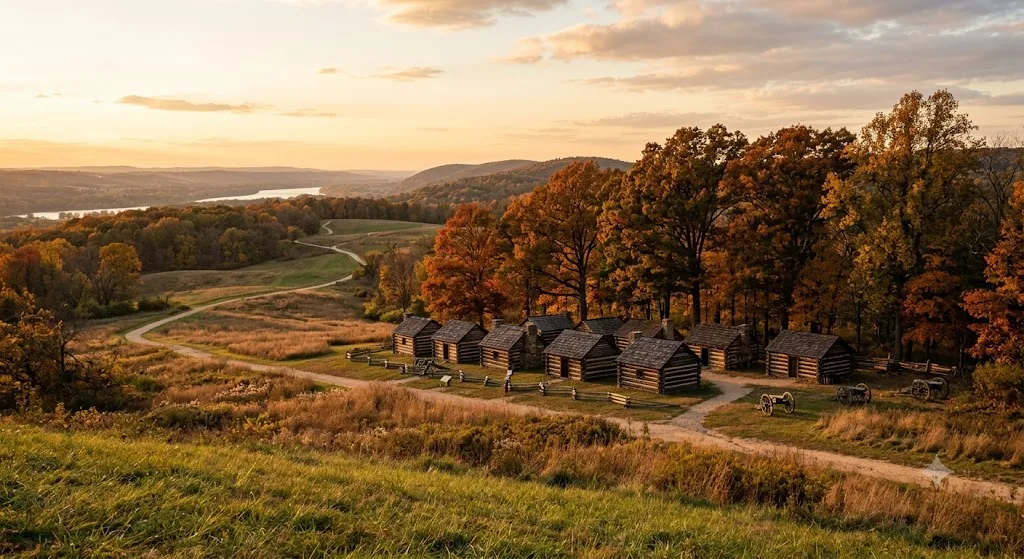
As the Roam States editorial team, we pride ourselves on delivering confident, specific, and actionable travel advice. When it comes to American history, few places resonate with the profound significance of Valley Forge National Historical Park Pennsylvania. This isn't just another historical site; it's a sprawling landscape that tells a pivotal story of sacrifice, resilience, and the birth of a nation. Our team has explored every corner of this hallowed ground, and we're here to guide you through an unforgettable visit to one of America's most cherished national parks.
Why Visit Valley Forge National Historical Park
Valley Forge National Historical Park commemorates the winter encampment of General George Washington's Continental Army from 1777 to 1778. It was here, amidst unimaginable hardship, that a fledgling army was forged into a disciplined fighting force, ultimately securing American independence. While no battles were fought on this ground, the struggle against disease, hunger, and extreme weather proved to be one of the Revolutionary War's most trying periods. Visitors to Valley Forge today walk in the footsteps of those soldiers, gaining a profound understanding of the sacrifices made for liberty.
Beyond its historical weight, Valley Forge National Historical Park Pennsylvania is also a beautiful natural space, offering over 3,500 acres of rolling hills, woodlands, and meadows. It serves as a vital green lung for the region, seamlessly blending historical interpretation with outdoor recreation. Whether you're a history enthusiast, a nature lover, or simply seeking a meaningful escape, Valley Forge offers a unique blend of education and tranquility.
Who It's Best For
Valley Forge National Historical Park caters to a diverse range of visitors, making it a truly inclusive destination.
- History Buffs: This is an essential stop for anyone deeply interested in the American Revolution. The park's exhibits, reconstructed huts, and monuments bring the pivotal winter encampment to life, offering a tangible connection to the past. You'll find detailed accounts of General Washington, his generals, and the lesser-known personalities who endured this critical period.
- Outdoor Enthusiasts: With over 35 miles of designated trails for hiking, biking, and even horseback riding, the park is a haven for those who love to explore nature. The expansive meadows and woodlands provide a scenic backdrop for active pursuits, linking to broader trail systems like the Schuylkill River Trail.
- Families: Valley Forge offers an engaging educational experience for children, allowing them to visualize the soldiers' harsh living conditions and the scale of the encampment. Kids often enjoy exploring the reconstructed log huts and seeing the cannons in Artillery Park. The Junior Ranger program is also a fantastic way for younger visitors to interact with the park's history.
- Anyone Seeking Reflection: The quiet dignity of the National Memorial Arch and the Patriots of African Descent Monument provide powerful opportunities for contemplation on themes of freedom, perseverance, and national identity.
Getting There & Parking
Valley Forge National Historical Park is conveniently located approximately 18 miles west of Philadelphia, making it an easy day trip from the city. The park is accessible via major highways, including the Pennsylvania Turnpike (I-76) and US-422.
Upon arrival, your first stop should be the Visitor Center at Valley Forge, located at 1400 N. Outer Line Drive, King of Prussia, PA 19406. There is ample parking available at the Visitor Center. From here, you can obtain maps, speak with park rangers, and begin your exploration. The park also features a 10-mile Encampment Tour Route, which is well-marked for driving, with parking lots available at each of the nine major historical stops. For those bringing horses, designated horse trailer parking is also available.
It's worth noting that some roads within the park may have closures. For instance, Gulph Road will be closed on July 4, 2026, and County Line Road is closed Monday through Friday. Additionally, the Maurice Stephens Parking Lot is currently closed due to a construction project. We always recommend checking the official park website for any current alerts or temporary closures before your visit.
Top Things to Do
There are many things to do at Valley Forge National Historical Park, blending historical immersion with opportunities for outdoor activity. Our team suggests starting at the Visitor Center to orient yourself before venturing out.
- Visitor Center at Valley Forge: Begin your journey at the recently renovated Visitor Center. Here, you'll find comprehensive exhibits detailing the 1777-1778 winter encampment, including hundreds of artifacts and a life-size model of George Washington. A free park orientation film is screened every half-hour from 9:30 AM to 4:30 PM, offering an excellent overview of the park's significance. The Encampment Store is also located here, offering books, souvenirs, and snacks.
- Encampment Tour Route: This 10-mile self-guided driving tour connects the park's most important historical sites. You can drive your own vehicle, take a 90-minute guided trolley tour (reservations recommended), or even rent bikes seasonally from The Encampment Store. Key stops include the reconstructed log huts at the Muhlenberg Brigade Area, Artillery Park with its rows of cannons, and the iconic National Memorial Arch.
- Washington's Headquarters: The Isaac Potts House, which served as General George Washington's headquarters, is a focal point of the park. However, please be aware that the Isaac Potts House is temporarily closed for a major restoration project from May 4, 2026, until 2027, in preparation for the 250th anniversary of Washington's arrival. While you cannot enter the house during this period, you can still visit the surrounding area, see the exterior, and explore the nearby train station and replica guard huts.
- Washington Memorial Chapel: This privately operated chapel, built in the early 1900s, is a stunning example of Gothic Revival architecture and serves as an active church. It's a beautiful stop for reflection and appreciation of its intricate details.
- Ranger Programs and Special Events: Check the park's calendar for ranger-led programs, living history demonstrations, and special events. For instance, the "Retreat to Valley Forge" event runs from July 3-5, 2026, featuring living history, musket firing, and musical performances. The 50/250 Celebration on July 4, 2026, at the Visitor Center will also offer unique activities. These programs offer deeper insights into the park's history and natural environment.
Valley Forge National Historical Park Hiking Trails
For those who prefer to explore on foot, Valley Forge National Historical Park offers an extensive network of over 35 miles of designated trails. These trails wind through woodlands, across meadows, and alongside streams, providing both historical context and natural beauty.
The most popular of the Valley Forge National Historical Park hiking trails is the **Joseph Plumb Martin Trail**. This paved, multi-use loop is approximately 5 to 8.7 miles long and connects many of the park's key historic and interpretive sites, including the Muhlenberg Brigade Huts and the National Memorial Arch. It's ideal for walkers, joggers, and cyclists.
Beyond the paved paths, you'll find unpaved (dirt and gravel) trails through the forested areas of **Mount Joy** and **Mount Misery**, offering more challenging terrain and scenic overlooks. The **Valley Creek Trail** (1.3 miles) parallels the namesake creek, offering a flat and pleasant option. Two miles of the paved **Schuylkill River Trail** also run through the north side of the park, connecting to a larger 75-mile system. Additionally, the **River Trail** (3 miles) runs along the banks of the Schuylkill, offering a quieter, gravel path. For the ambitious, Valley Forge is also the starting point for the **Horse-Shoe Trail**, a 140-mile path that ultimately connects to the Appalachian Trail.
When planning your exploration of Valley Forge National Historical Park hiking trails, remember that dogs are prohibited on the Grand Parade Trails from April 1 to September 15 to protect nesting birds. Always carry water, especially during warmer months, and wear appropriate footwear.
Best Time to Visit
The best time to visit Valley Forge National Historical Park largely depends on your priorities, but each season offers a unique experience.
- Spring (April-May): Our team highly recommends spring. The weather is generally mild, and the park's meadows burst into bloom, offering beautiful scenery. This is an excellent time for hiking and biking before the summer heat sets in, and crowds are usually manageable.
- Summer (June-August): Summer brings warmer temperatures and longer daylight hours, making it popular for outdoor activities. However, it can also be hot and humid, and the park experiences its peak crowds, especially during special events and holidays like the Fourth of July. If visiting in summer, aim for early mornings or late afternoons.
- Fall (September-November): Fall is another fantastic time to visit, with comfortable temperatures and stunning foliage. The vibrant colors of the trees provide a picturesque backdrop for exploring the historical sites and trails.
- Winter (December-March): Winters at Valley Forge are cold and damp, with potential for snow and ice. While less ideal for extensive outdoor exploration, a snowy landscape can evoke the harsh conditions the Continental Army endured. Some facilities, like Varnum's Picnic Area, are closed seasonally during winter. Washington's Headquarters may also close due to inclement weather.
Overall, for a balance of pleasant weather and manageable crowds, late spring and early fall are often the most rewarding times to experience Valley Forge National Historical Park.
Where to Stay Nearby
While Valley Forge National Historical Park does not offer overnight accommodations or campgrounds within its boundaries, the surrounding communities provide a wide array of lodging options to suit every preference and budget. The bustling area of King of Prussia, just minutes from the park, is a prime location for hotels, offering everything from luxury resorts to family-friendly options.
Some highly-rated hotels in King of Prussia and the immediate vicinity include:
- Valley Forge Casino Resort: A comprehensive option offering entertainment, dining, and comfortable rooms.
- Hyatt Place Philadelphia/King of Prussia: Known for its convenient location and modern amenities.
- Hampton Inn & Suites Valley Forge/Oaks: A reliable choice for families, offering complimentary breakfast and good access to the park.
- The Alloy King of Prussia - a DoubleTree by Hilton: A stylish option with various amenities.
- Tru By Hilton Audubon Valley Forge: An affordable and comfortable stay with good food options nearby.
- Embassy Suites by Hilton Philadelphia Valley Forge: Offers spacious suites, ideal for longer stays or families.
- Sheraton Valley Forge King of Prussia: Features an indoor pool and is located close to the park.
Many of these hotels are also conveniently located near the King of Prussia Mall, a major shopping destination, and a variety of dining establishments. For assistance with lodging and other guest services in Montgomery County, you can contact the Valley Forge Tourism and Convention Board.
Valley Forge National Historical Park Camping
As independent US travel authorities, we must confirm that overnight camping is **not permitted** within Valley Forge National Historical Park itself. The park is designated for day use, and its grounds close at dark.
However, if you're looking for a Valley Forge National Historical Park camping experience, several excellent campgrounds are available within a short drive. These nearby options allow you to explore the historical park during the day and return to a comfortable campsite in the evening. Some popular campgrounds in the region include:
- French Creek State Park Campground: Offers a mix of tent sites, RV hookups, cabins, and yurts, and is one of the closest public camping options.
- Philadelphia-West Chester KOA: A family-friendly campground with amenities like a pool, mini-golf, and full hookups for RVs.
- Brandywine Creek Campground: Known for its quiet, shaded sites with full hookups and kid-friendly facilities.
- Fort Washington State Park Campground: Offers group camping by reservation, located along Washington's historic route near Valley Forge.
These sites provide opportunities for Valley Forge National Historical Park camping while adhering to park regulations. We recommend booking reservations well in advance, especially during peak season, to secure your spot.
Sample 2-Day Itinerary
To truly immerse yourselves in the history and natural beauty of Valley Forge National Historical Park Pennsylvania, we recommend dedicating at least two days to your visit. This allows for a deeper exploration without feeling rushed.
Day 1: Historical Immersion
- Morning (9:00 AM - 12:00 PM): Visitor Center & Encampment Tour
- Start your day at the Visitor Center at Valley Forge. Watch the orientation film, explore the museum exhibits, and gather maps and information.
- Embark on the 10-mile Encampment Tour Route. Consider taking the 90-minute guided trolley tour (reservations recommended) for expert commentary, or drive your own vehicle, stopping at key points like the Muhlenberg Brigade Huts and Artillery Park.
- Lunch (12:00 PM - 1:00 PM): Picnic in the Park
- Pack a picnic lunch and enjoy it at one of the park's designated picnic areas, such as Wayne's Woods, which offers views of the National Memorial Arch.
- Afternoon (1:00 PM - 5:00 PM): Washington's Headquarters Area & National Memorial Arch
- Visit the Washington's Headquarters area. While the Isaac Potts House is closed for restoration until 2027, you can still explore the grounds and see the exterior.
- Continue to the National Memorial Arch, a magnificent structure commemorating the arrival of the Continental Army. Spend time reflecting on its significance.
- Explore the Washington Memorial Chapel, a beautiful and active church with intricate details.
- Evening: Dinner & Relaxation
- Head to King of Prussia for dinner. Options range from casual eateries to upscale dining.
Day 2: Outdoor Exploration & Nearby Attractions
- Morning (9:00 AM - 1:00 PM): Hiking or Biking the Trails
- Dedicate your morning to exploring the Valley Forge National Historical Park hiking trails. Tackle a section of the Joseph Plumb Martin Trail by foot or bicycle (rentals available seasonally at the Encampment Store).
- Alternatively, explore the unpaved trails on Mount Joy or Mount Misery for a more rugged experience. Remember to check for dog restrictions on Grand Parade Trails if applicable.
- Lunch (1:00 PM - 2:00 PM): Local Fare
- Grab lunch at a restaurant in nearby King of Prussia or Phoenixville.
- Afternoon (2:00 PM - 5:00 PM): Nearby Historical Sites or Shopping
- Option A (History): Extend your historical journey by visiting Independence National Historical Park in Philadelphia, home to the Liberty Bell and Independence Hall, or Gettysburg National Military Park for another profound Revolutionary War experience.
- Option B (Shopping/Entertainment): If you're looking for a change of pace, explore the King of Prussia Mall, one of the largest shopping malls in the United States, or enjoy other attractions like iFLY King of Prussia.
- Evening: Farewell Dinner
- Enjoy a final dinner in the area, perhaps trying one of the historic "Revolutionary Restaurants" like Black Powder Tavern.
This itinerary provides a comprehensive look at Valley Forge National Historical Park Pennsylvania, allowing you to appreciate both its solemn history and its vibrant natural landscape. For more ideas on exploring the state, check out our guide to the Best Places in Pennsylvania.
Is It Worth Visiting?
From our perspective as seasoned US travel authorities, the question of "is Valley Forge National Historical Park worth visiting" is an emphatic yes. This park offers an unparalleled opportunity to connect with a pivotal moment in American history, presenting a narrative of endurance and transformation that resonates deeply.
Beyond the profound historical significance, the park's expansive and well-maintained grounds provide a beautiful setting for outdoor activities. Whether you're cycling the Joseph Plumb Martin Trail, exploring the wooded paths of Mount Misery, or simply enjoying a picnic with views of the National Memorial Arch, the natural environment enhances the overall experience. The combination of solemn history and serene landscapes creates a truly unique destination that appeals to a wide range of interests.
Furthermore, the fact that there is no entrance fee for Valley Forge National Historical Park makes it an accessible and valuable experience for all. The ongoing restoration of Washington's Headquarters, scheduled to reopen in 2027 for the 250th anniversary, demonstrates a continued commitment to preserving and enhancing this vital national treasure. Our team confidently asserts that Valley Forge National Historical Park is not just worth visiting, but an essential stop for anyone traveling through Pennsylvania.
Frequently Asked Questions
things to do in King of Prussia
Beyond Valley Forge National Historical Park, King of Prussia offers a wealth of activities. The most prominent attraction is the King of Prussia Mall, one of the largest shopping centers in the United States. You can also visit the Valley Forge Casino Resort for entertainment, try indoor skydiving at iFLY King of Prussia, or challenge yourselves at one of the several escape rooms. For family fun, LEGOLAND® Discovery Center Philadelphia is a popular choice.
Valley Forge National Historical Park with kids
Visiting Valley Forge National Historical Park with kids is a rewarding experience. Children often enjoy exploring the reconstructed log huts, imagining soldier life, and seeing the cannons in Artillery Park. The Junior Ranger program offers engaging activities. The park's extensive paved trails are great for biking or walking with strollers, and the wide-open spaces provide plenty of room to run and play. Remember to pack snacks and drinks, as there are no full meal options within the park, only snacks at the Encampment Store.
Valley Forge National Historical Park tips
Our top tips for visiting Valley Forge National Historical Park include starting at the Visitor Center for orientation and maps. Consider taking the trolley tour for a comprehensive overview, or rent bikes to cover more ground. Pack a picnic to enjoy at one of the scenic picnic areas. Wear comfortable shoes for walking, and bring water, especially during warmer months. Check the park's official website for current alerts, event schedules, and any temporary closures, such as the ongoing restoration of Washington's Headquarters.
Valley Forge National Historical Park parking
Ample parking is available at the Visitor Center at Valley Forge. Additionally, designated parking lots are located at each of the nine major stops along the 10-mile Encampment Tour Route, allowing visitors to easily access historical points of interest. Horse trailer parking is also provided in a specific section of the Visitor Center lot. Be aware of potential temporary closures for specific parking lots or roads, which are usually announced on the park's website.
best time to visit Valley Forge National Historical Park
The best time to visit Valley Forge National Historical Park is generally during the spring (April-May) and fall (September-November). Spring offers mild weather and blooming landscapes, ideal for outdoor activities, while fall provides comfortable temperatures and beautiful autumn foliage. Summer can be hot and crowded, especially on weekends and holidays, though longer daylight hours allow for more exploration. Winters are cold and damp, with some facilities potentially closed.
Valley Forge National Historical Park hours and fees
Valley Forge National Historical Park is **fee-free** year-round, meaning there is no entrance fee or pass required to access the park grounds. The park grounds are open daily, year-round, from 7 AM to dark (30 minutes after sunset). The Visitor Center at Valley Forge operates daily from 9 AM to 5 PM, closing only on Thanksgiving, Christmas, and New Year's Day. The park theater screens its free orientation film every half-hour from 9:30 AM to 4:30 PM. Note that Washington's Headquarters (Isaac Potts House) is closed for restoration from May 4, 2026, until 2027.
Last updated: 2026-07-07 by the Roam States team.