Jekyll Island Travel Guide — Georgia
Our Jekyll Island guide covers practical planning for Jekyll Island Georgia — best time to visit, getting there, and what to do on the ground. We aim to provide you with the most current and specific information for your trip, ensuring you can confidently plan your visit to this unique barrier island.
Jekyll Island Georgia is a captivating barrier island known for its historic district, pristine beaches like Driftwood Beach, and dedicated conservation efforts, offering a blend of history and natural beauty that sets it apart from other coastal destinations. Our team consistently recommends it for travelers seeking a serene escape with rich cultural experiences and abundant outdoor activities. From its Gilded Age past to its thriving ecosystems, Jekyll Island provides a distinctive Southern charm that we believe makes it a standout destination on Georgia's coast.
Why Visit Jekyll Island
Is it worth visiting Jekyll Island? Absolutely. We consider Jekyll Island to be one of Georgia's premier destinations, offering a unique blend of natural beauty, historical significance, and family-friendly attractions. Unlike some of its more bustling neighbors, Jekyll Island maintains a tranquil atmosphere, largely due to its commitment to conservation – over 65% of the island remains undeveloped. This dedication ensures that visitors can experience Georgia's coastal environment in a remarkably pristine state. The island's rich history, particularly its past as an exclusive winter retreat for America's wealthiest families, adds a fascinating layer to any visit, with grand cottages and the Jekyll Island Club Resort standing as testaments to a bygone era. For those exploring the /states/georgia coast, Jekyll Island presents a compelling argument for a longer stay, offering a different pace and focus than destinations like /destinations/tybee-island-georgia or the bustling /destinations/savannah-historic-district-georgia.
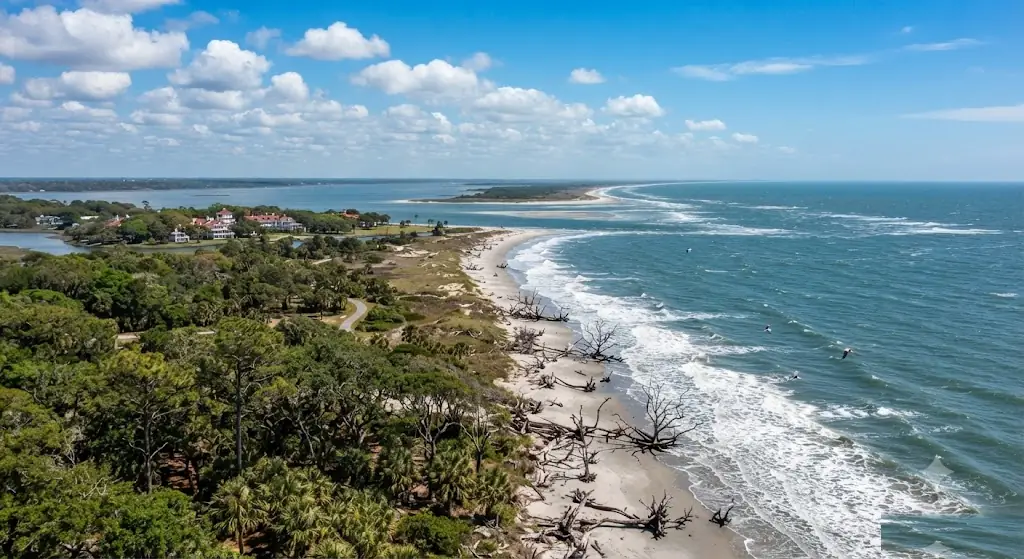
Beyond its historical allure, the island’s natural landscapes are a major draw. Driftwood Beach, with its skeletal trees sculpted by wind and water, offers an otherworldly photographic opportunity at any time of day. The extensive network of bike paths, the Georgia Sea Turtle Center, and the diverse wildlife viewing opportunities underscore why we believe Jekyll Island is worth visiting for nature lovers and active travelers alike. It’s a destination that truly caters to a wide range of interests, from quiet contemplation on the beach to engaging educational experiences.
Who It's Best For
Jekyll Island is an ideal destination for a diverse array of travelers, though we find it particularly shines for certain groups. Families with children will appreciate the safe, uncrowded beaches, the interactive exhibits at the Georgia Sea Turtle Center, and the myriad of outdoor activities like biking and mini-golf. The island’s relaxed pace makes it perfect for multi-generational trips, offering something for everyone from toddlers to grandparents.
History buffs will be captivated by the Jekyll Island Historic District, often referred to as the "Millionaires' Village." The preserved cottages and the story of the Jekyll Island Club provide a fascinating glimpse into America's Gilded Age. Nature enthusiasts and photographers will be drawn to the island's unique ecosystems, from the haunting beauty of Driftwood Beach to the vibrant salt marshes teeming with birdlife. We recommend it highly for those seeking a tranquil escape, away from the commercialized hustle, where the focus is on natural beauty, history, and outdoor recreation. Couples looking for a romantic getaway will also find the island's serene atmosphere and beautiful sunsets particularly appealing. For those planning a broader /plan-your-trip/usa-road-trip-planner through the South, Jekyll Island offers a refreshing change of pace and a chance to connect with both history and nature.
Getting There & Parking
How to get to Jekyll Island is straightforward, as it is accessible by car via a causeway from Brunswick, Georgia. The island is located off the coast of Georgia, approximately 90 miles south of Savannah and 70 miles north of Jacksonville, Florida. If you're flying, the closest major airports are Jacksonville International Airport (JAX) and Savannah/Hilton Head International Airport (SAV). From either airport, you'll need to rent a car to reach the island. We always recommend booking rental cars in advance, especially during peak travel seasons.
Upon arrival, all vehicles entering Jekyll Island are required to pay a parking fee. As of 2026, the daily parking pass fee is $10 per vehicle, and a 7-day weekly pass is available for $50. Annual passes are also offered for $110. These fees contribute directly to the island's preservation and maintenance. The entry gate operates 24 hours a day, so you can arrive at your convenience. Once on the island, there is ample parking available at various attractions, beaches, and the Historic District. Most parking is free once you've paid the island entry fee, though some specific venues like the Jekyll Island Convention Center may have dedicated lots with additional charges for events. We advise checking specific venue websites if attending a special event. For those wondering about Jekyll Island parking, rest assured that options are generally plentiful and well-marked.
Top Things to Do
When considering things to do at Jekyll Island, our team has curated a list that highlights the island's best offerings, blending history, nature, and recreation. You'll find a wealth of engaging activities that cater to all ages and interests, making your visit to Jekyll Island truly memorable. From exploring historic mansions to kayaking through serene marshes, the options for things to do in Jekyll Island are diverse.
- Explore the Jekyll Island Historic District (Millionaires' Village): Step back in time to the Gilded Age. We highly recommend taking a tram tour, which provides an excellent overview of the opulent winter homes of America's wealthiest families. You can also explore several cottages, including Faith Chapel with its Tiffany stained glass, on foot. Tours typically run daily, with varying schedules depending on the season. For 2026, the Historic District tram tour costs $25 for adults and $12 for children aged 6-12.
- Wander Driftwood Beach: This iconic beach is famous for its ancient, gnarled trees bleached by the sun and salt, creating a hauntingly beautiful landscape. It's a photographer's paradise and a perfect spot for quiet contemplation. We suggest visiting at sunrise or sunset for the most dramatic lighting and fewer crowds.
- Visit the Georgia Sea Turtle Center: This rehabilitation, research, and education facility is a must-see, especially for families. You can learn about sea turtle conservation and observe turtles undergoing rehabilitation. The center is open Tuesday through Sunday from 9 AM to 5 PM, with admission for 2026 priced at $12 for adults and $9 for children aged 4-12.
- Bike the Island's Extensive Trails: With over 25 miles of paved bike paths, cycling is one of the best ways to experience the island's diverse landscapes, from maritime forests to marshlands and beachfronts. Bike rentals are available at several locations, including Jekyll Island Bike Barn, with hourly and daily rates.
- Relax on the Beaches: Beyond Driftwood Beach, Jekyll Island boasts miles of pristine shoreline. Great Dunes Beach Park offers amenities like picnic areas and playgrounds, while St. Andrews Beach Park is excellent for birdwatching and spotting dolphins.
- Jekyll Island Mini Golf: A fun activity for families, offering two 18-hole courses. It's a classic vacation pastime that provides a lighthearted break from historical tours and beachcombing.
- Summer Waves Water Park: Open seasonally (typically Memorial Day to Labor Day), this water park offers slides, a lazy river, and a wave pool, providing a refreshing escape during warmer months. We recommend checking their official website for 2026 operating hours and admission fees closer to your travel dates.
- Explore Horton House: One of the oldest surviving tabby structures in Georgia, dating back to 1743. It offers a glimpse into the island's colonial past and the lives of early settlers.
- Go Kayaking or Paddleboarding: Explore the calm waters of the Jekyll River and its surrounding marshes. Guided tours are available, offering a unique perspective on the island's ecosystems and wildlife.
These things to do at Jekyll Island provide a comprehensive experience, ensuring every visitor finds something to cherish. We encourage you to allocate ample time for each activity to fully appreciate the island's charm.
Best Time to Visit
The best time to visit Jekyll Island largely depends on your priorities, but our team generally recommends the spring and fall months for the most pleasant experience. During these seasons, the weather is typically mild and comfortable, ideal for exploring the island's outdoor attractions without the intense heat and humidity of summer.
- Spring (March to May): We consider spring to be an excellent time to visit. Temperatures range from the 60s to 80s Fahrenheit, perfect for biking, beach walks, and exploring the Historic District. The island's natural beauty is in full bloom, and wildlife is abundant. This period also sees fewer crowds than the peak summer months.
- Fall (September to November): Similar to spring, fall offers delightful weather with temperatures in the 60s and 70s. The humidity drops, and the risk of hurricanes diminishes as the season progresses. It’s an ideal time for outdoor activities and enjoying the serene atmosphere.
- Summer (June to August): While popular for family vacations, summer on Jekyll Island can be very hot and humid, with daily high temperatures often in the 90s. This is peak season, meaning larger crowds and higher prices for Jekyll Island lodging. However, it's also when Summer Waves Water Park is open, and the ocean is warmest for swimming. If you plan to visit in summer, we advise booking accommodations and activities well in advance.
- Winter (December to February): Winter offers the quietest experience, with cooler temperatures ranging from the 40s to 60s. While swimming isn't an option, it's perfect for peaceful walks, birdwatching, and enjoying the island's history without the crowds. Some attractions may have reduced hours, so it's wise to check ahead.
Ultimately, the best time to visit Jekyll Island is when the weather aligns with your planned activities and desired crowd levels. For a balanced experience, we lean towards spring and fall.
Where to Stay Nearby
When planning your trip to Jekyll Island, finding the right Jekyll Island lodging is crucial for a comfortable and enjoyable stay. The island offers a range of accommodations, from historic resorts to modern hotels and vacation rentals, catering to various budgets and preferences. We've highlighted some top recommendations directly on the island, as staying on Jekyll provides the most convenient access to all attractions.
- Jekyll Island Club Resort: A historic landmark, this resort offers a luxurious experience in a beautifully restored Gilded Age setting. It’s perfect for those seeking elegance, history, and upscale amenities. The resort features multiple dining options and is centrally located within the Historic District.
- The Westin Jekyll Island: Offering oceanfront views and direct beach access, The Westin provides a contemporary and comfortable stay. It's an excellent choice for travelers looking for modern amenities, a pool, and convenient access to the beach and convention center.
- Holiday Inn Resort Jekyll Island: A family-friendly option with beachfront access, multiple pools, and a relaxed atmosphere. It's a great choice for those traveling with children, offering a good balance of comfort and value.
- Home2 Suites by Hilton Jekyll Island: This all-suite hotel is ideal for longer stays or families needing more space, offering kitchenettes in every room. It's a newer option providing modern conveniences.
- Villas by the Sea Resort & Conference Center: Offering condominium-style accommodations, this resort is perfect for families or groups seeking more space and home-like amenities. It's located on the northern end of the island, near Driftwood Beach.
- Jekyll Island Campground: For those who prefer a more rustic experience, the campground offers sites for tents and RVs amidst a maritime forest setting. Reservations are highly recommended, especially during peak seasons. As of 2026, campsite fees range from $40-$60 per night, depending on the site type and season.
While there are options for hotels in nearby Brunswick, we strongly recommend staying on Jekyll Island itself to fully immerse yourself in the island's unique atmosphere and minimize travel time to attractions. When considering Jekyll Island lodging, booking well in advance, especially for popular seasons, is always a wise decision to secure your preferred accommodation.
Sample 2-Day Itinerary
To help you make the most of your visit, our team has crafted a sample 2-day itinerary for Jekyll Island, designed to give you a comprehensive experience of its history, nature, and recreation.
Day 1: History and Coastal Charm
- Morning (9:00 AM - 12:00 PM): Explore the Historic District. Start your day with a guided tram tour of the Jekyll Island Historic District, often called the "Millionaires' Village." This will give you an excellent overview of the island's Gilded Age past and the grand cottages. Afterwards, take some time to walk through the grounds and visit Faith Chapel.
- Lunch (12:00 PM - 1:00 PM): Dining in the Historic District. Enjoy lunch at one of the restaurants within the Historic District, such as the Jekyll Island Club Resort's various dining options, or a casual cafe.
- Afternoon (1:00 PM - 4:00 PM): Georgia Sea Turtle Center. Head to the Georgia Sea Turtle Center for an engaging and educational experience. Learn about sea turtle rehabilitation and conservation efforts.
- Late Afternoon (4:00 PM - 6:00 PM): Beach Time. Relax on Great Dunes Beach, enjoy the ocean breeze, or take a leisurely stroll.
- Evening: Dinner and Sunset. Have dinner at a restaurant with ocean views or one of the island's diverse eateries. Conclude your day by watching the sunset, perhaps from a beach access point or the Jekyll Island Pier.
Day 2: Nature, Recreation, and Iconic Views
- Morning (9:00 AM - 12:00 PM): Driftwood Beach and Biking. Begin your day with a visit to the iconic Driftwood Beach. Explore the unique landscape and capture some stunning photographs. Afterwards, rent bikes and explore some of the island's 25 miles of paved trails, perhaps cycling through the maritime forest or along the marsh.
- Lunch (12:00 PM - 1:00 PM): Casual Island Fare. Grab a casual lunch at a local eatery or pack a picnic to enjoy at one of the island's many scenic spots.
- Afternoon (1:00 PM - 4:00 PM): St. Andrews Beach Park and Horton House. Head to St. Andrews Beach Park for birdwatching and dolphin spotting. Continue your exploration with a visit to the historic Horton House, one of Georgia's oldest tabby structures.
- Late Afternoon (4:00 PM - 6:00 PM): Mini Golf or Water Park (seasonal). If traveling with family, enjoy a round of mini-golf. During summer months, consider spending an hour or two at Summer Waves Water Park for some refreshing fun.
- Evening: Farewell Dinner. Enjoy a final dinner on the island, perhaps trying a different restaurant than the previous night. Reflect on your Jekyll Island Georgia adventure.
This itinerary is flexible and can be adjusted based on your interests and pace. Remember to check hours and make reservations where necessary, especially for popular tours or dining establishments.
Last updated: 2026-07-13 by the Roam States team.