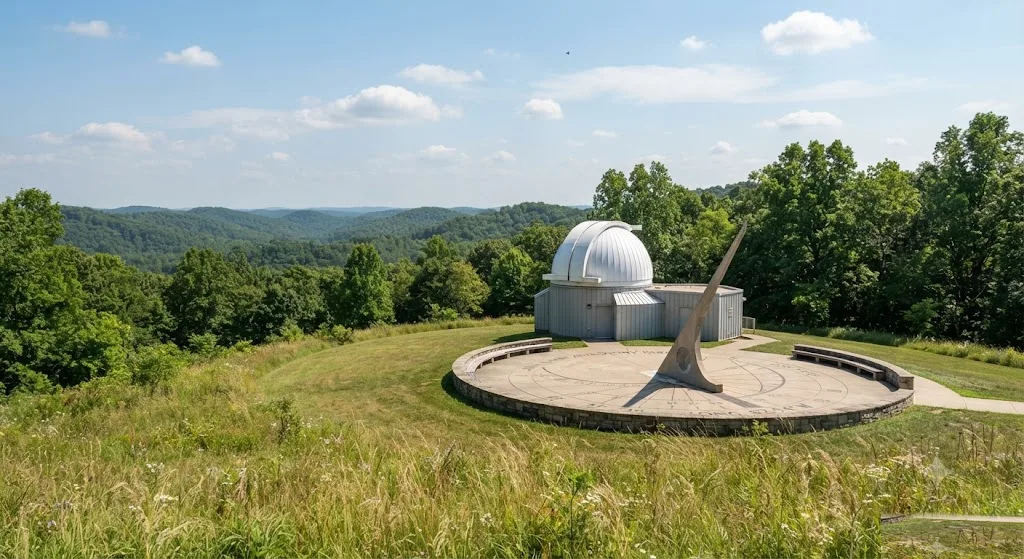
John Glenn Astronomy Park Travel Guide — Ohio
Our John Glenn Astronomy Park guide covers practical planning for John Glenn Astronomy Park Ohio — best time to visit, getting there, and what to do on the ground.
For those seeking to truly connect with the cosmos, the John Glenn Astronomy Park Ohio offers an unparalleled experience. Dedicated to dark sky preservation, this park provides exceptional stargazing opportunities with its open-air viewing area and educational programs. It's a prime location for observing celestial events in Ohio, drawing astronomy enthusiasts and curious travelers alike to witness the universe unfold above them.
Why Visit John Glenn Astronomy Park
We recommend a visit to John Glenn Astronomy Park for anyone with an interest in astronomy, natural beauty, and the profound quiet of a truly dark sky. This isn't just another park; it's a dedicated observatory and educational center designed to bring the wonders of the night sky closer to everyone. Unlike urban areas where light pollution obscures all but the brightest stars, John Glenn Astronomy Park is strategically located within the Hocking Hills region, a designated dark-sky area that offers some of the clearest views of the Milky Way, planets, and distant galaxies in the Midwest.
The park's commitment to dark sky preservation means visitors can experience a night sky as our ancestors would have seen it, free from the glare of city lights. This makes it an ideal spot for both seasoned astronomers with their own equipment and casual observers simply looking to gaze at the stars. Beyond the visual spectacle, the park fosters a deeper appreciation for our place in the universe through its educational initiatives. We find that the combination of pristine viewing conditions and accessible learning opportunities makes John Glenn Astronomy Park a truly unique and enriching destination for all ages.
Furthermore, the park serves as a gateway to understanding the importance of dark sky conservation, a critical effort in an increasingly light-polluted world. By visiting, you're not only enjoying a beautiful natural phenomenon but also supporting an initiative that aims to protect this diminishing resource for future generations. It’s a chance to slow down, look up, and be reminded of the vastness and beauty of the cosmos. The tranquility found under a blanket of stars here is a powerful antidote to the hustle and bustle of daily life, offering a truly restorative experience.
Who It's Best For
John Glenn Astronomy Park caters to a diverse range of visitors, making it a versatile destination for various travel styles. We find it's particularly well-suited for families with curious children, amateur astronomers, photographers, and anyone seeking a peaceful escape into nature. For families, the park offers an engaging and educational experience. Children are often captivated by the sheer number of stars visible and the opportunity to learn about constellations and planets through guided programs. It's an excellent way to spark an early interest in science and the natural world, providing a hands-on learning environment that goes beyond textbooks.
Amateur astronomers will appreciate the dedicated viewing pads and the exceptionally dark skies, which provide optimal conditions for using personal telescopes. The park's design, including its open-air viewing area, ensures unobstructed views of the celestial sphere. Astrophotographers, too, will find the lack of light pollution a significant advantage, allowing for stunning long-exposure shots of nebulae, galaxies, and star trails. The tranquil environment also makes it an ideal spot for individuals or couples seeking a romantic and contemplative experience under the stars. It’s a place where you can truly disconnect from the digital world and reconnect with the natural rhythm of the universe.
Beyond stargazing, the park's location within the Hocking Hills State Park region means it appeals to outdoor enthusiasts who enjoy hiking and exploring natural landscapes during the day. While the primary draw is the night sky, the surrounding area offers plenty of opportunities for daytime adventures, making it a perfect complement to a broader trip. Whether you're a seasoned stargazer or simply looking for a unique and memorable experience, John Glenn Astronomy Park offers something for everyone.
Getting There & Parking
Navigating to John Glenn Astronomy Park is straightforward, though we always recommend checking a reliable GPS or mapping application before you depart, especially since cell service can be spotty in parts of the Hocking Hills region. The park is located at 20531 OH-180, New Plymouth, OH 45654, within the broader Hocking Hills State Park complex. For those wondering how to get to John Glenn Astronomy Park, it's typically accessed via State Route 33, which is the main artery through this part of Ohio. From Columbus, the drive is approximately an hour and a half to two hours, depending on traffic. From Cincinnati, expect a drive of about two and a half to three hours.
Once you arrive, parking at John Glenn Astronomy Park is generally ample and free of charge. The park features a dedicated parking lot conveniently located near the main viewing area and observatory building. We advise arriving a bit before sunset, especially on clear nights or during scheduled events, to secure a good spot and allow time to get oriented before darkness fully sets in. Remember that during peak visitation times, such as meteor showers or special astronomical events, the parking lot can fill up quickly. Therefore, early arrival is always a wise strategy.
Accessibility is a key consideration here. The pathways from the parking lot to the viewing areas are designed to be accessible, making it easy for visitors of all mobility levels to enjoy the park. We also suggest bringing a small flashlight with a red-light filter, as white light can disrupt night vision for yourself and others. This thoughtful preparation will enhance your experience and ensure you're ready to fully immerse yourself in the dark sky environment upon arrival. Understanding how to get to John Glenn Astronomy Park and its parking situation is the first step to a successful visit.
Top Things to Do
There are numerous things to do at John Glenn Astronomy Park, making it a captivating destination for anyone drawn to the night sky. Our team’s top recommendation, of course, is stargazing. The park’s primary purpose is to provide exceptional dark-sky viewing opportunities. On clear nights, the Milky Way is often visible to the naked eye, stretching across the sky in a breathtaking display. We encourage visitors to simply lie back on one of the viewing pads or bring a blanket and immerse themselves in the celestial panorama. The quiet atmosphere and minimal light pollution create an ideal environment for observing constellations, planets, and even distant galaxies.
Beyond passive observation, one of the best things to do at John Glenn Astronomy Park is to participate in their public programs. The park frequently hosts educational events, including guided stargazing sessions led by experienced astronomers who can point out celestial objects, share fascinating facts, and answer questions. These programs often utilize the park's impressive telescopes, allowing visitors to get up-close views of lunar craters, planetary features, and star clusters. Check the official John Glenn Astronomy Park website or the Ohio Department of Natural Resources (ODNR) calendar for a schedule of these events, as they are a highlight of any visit.
For those interested in astrophotography, the park offers dedicated pads and an environment perfectly suited for capturing stunning images of the night sky. The absence of light pollution significantly enhances the quality of astronomical photographs. Even if you're not a seasoned photographer, experimenting with long-exposure shots of the starry sky can yield surprisingly beautiful results. During the day, while the park itself is focused on astronomy, its location within the Hocking Hills region provides access to an abundance of hiking trails and natural attractions, which we'll discuss further in the "John Glenn Astronomy Park hiking trails" section. This blend of nocturnal and diurnal activities ensures there are always engaging things to do at John Glenn Astronomy Park and its surroundings.
Best Time to Visit
Determining the best time to visit John Glenn Astronomy Park largely depends on your priorities, but clear, moonless nights are universally ideal for stargazing. We generally recommend planning your visit during the new moon phase, when the moon's light is minimal, allowing fainter celestial objects to be more visible. You can easily find a lunar calendar online to pinpoint these dates. Weeknights often offer a more serene experience with fewer crowds compared to weekends, especially during peak seasons.
Seasonally, late spring, summer, and early autumn tend to offer the most comfortable temperatures for extended outdoor viewing. Summer nights, while potentially warmer, can sometimes bring haze, but they also feature popular celestial events like the Perseid meteor shower in August. Autumn brings crisp, clear air and often stunning fall foliage in the surrounding Hocking Hills, making for a beautiful daytime experience followed by excellent stargazing. Winter offers some of the clearest and darkest skies due to lower humidity, but temperatures can be very cold, requiring warm clothing and preparation.
Always check the weather forecast before heading out. Cloud cover is the biggest deterrent to stargazing, so a clear sky is paramount. The park's website or social media channels may also provide updates on viewing conditions or potential closures due to inclement weather. While the park is open 24/7 for self-guided observation, scheduled programs and events typically have specific start times, so consult their calendar if you plan to attend a guided session. We advise against visiting during a full moon if your primary goal is to see faint objects, as the moon's brightness can significantly diminish visibility.
Where to Stay Nearby
When planning your visit to John Glenn Astronomy Park, finding suitable John Glenn Astronomy Park lodging is crucial for a comfortable and convenient experience. While there is no on-site accommodation directly within the astronomy park itself, the surrounding Hocking Hills region offers a wide array of options, from rustic cabins to charming bed and breakfasts and modern hotels. We recommend booking well in advance, especially if you plan to visit during peak seasons or on weekends, as the area is a popular tourist destination.
For those seeking a quintessential Hocking Hills experience, cabin rentals are a popular choice. Many cabins offer amenities like hot tubs, fully equipped kitchens, and secluded settings, providing a perfect blend of comfort and immersion in nature. These can range from cozy, romantic retreats to larger lodges suitable for families or groups. Towns like Logan, Old Man's Cave, and Ash Cave, all within a short drive of the park, are excellent bases for finding such accommodations. You can find listings through local tourism boards or popular rental platforms.
If you prefer more traditional hotel amenities, the town of Logan, approximately 15-20 minutes north of the park, offers several chain hotels and motels. These provide reliable comfort, often with amenities like indoor pools and complimentary breakfast. For a more unique stay, consider one of the many bed and breakfasts scattered throughout the region, which often provide personalized service and a charming local atmosphere. Regardless of your preference, ensuring your John Glenn Astronomy Park lodging is booked ahead of time will allow you to focus on enjoying the spectacular night sky and the natural beauty of the Hocking Hills. We also encourage checking out the official Ohio. Find It Here. website for additional lodging suggestions and regional information.
Sample 2-Day Itinerary
To help you maximize your visit, we've crafted a sample 2-day itinerary that combines the wonders of John Glenn Astronomy Park with the natural beauty and attractions of the surrounding Hocking Hills region.
Day 1: Celestial Wonders & Hocking Hills Exploration
- Morning (9:00 AM - 12:00 PM): Explore Old Man's Cave. Begin your day with a hike through one of Hocking Hills State Park's most iconic areas. Old Man's Cave offers stunning rock formations, waterfalls, and diverse flora. We recommend allocating at least 2-3 hours to fully explore the Upper Falls, Middle Falls, and Lower Falls sections.
- Lunch (12:00 PM - 1:30 PM): Local Eatery in Logan. Head to the nearby town of Logan for a casual lunch. There are several local diners and cafes offering hearty meals perfect after a morning of hiking.
- Afternoon (1:30 PM - 5:00 PM): Cedar Falls & Ash Cave. Continue your Hocking Hills adventure by visiting Cedar Falls, known for its picturesque waterfall and serene surroundings. Afterwards, make your way to Ash Cave, the largest recess cave in Ohio, offering an impressive natural amphitheater.
- Early Evening (5:00 PM - 7:00 PM): Dinner & Relaxation. Enjoy dinner at a restaurant closer to your John Glenn Astronomy Park lodging or pack a picnic to enjoy before heading to the park. Take some time to relax and prepare for the evening's stargazing.
- Night (7:00 PM onwards): John Glenn Astronomy Park. Arrive at John Glenn Astronomy Park before sunset. Find a comfortable spot, set up any personal telescopes or cameras, and prepare for an evening of stargazing. If available, participate in a public program or guided viewing session. Remember to bring a red-light flashlight, warm layers, and perhaps a blanket.
Day 2: Daytime Adventures & Ohio Highlights
- Morning (9:00 AM - 12:00 PM): Rock House & Cantwell Cliffs. For your final Hocking Hills exploration, visit Rock House, the only true cave in the park, and then head to Cantwell Cliffs, which offers a more rugged and secluded hiking experience.
- Lunch (12:00 PM - 1:30 PM): Pack a Picnic or Local Cafe. Enjoy a packed lunch amidst nature or find a small cafe in a nearby village.
- Afternoon (1:30 PM - 5:00 PM): Choose Your Ohio Adventure. Depending on your interests and onward travel plans, you have several options for the afternoon. Consider heading north towards Columbus to visit the Columbus Zoo and Aquarium or the Franklin Park Conservatory. Alternatively, for thrill-seekers, a drive north to Cedar Point is an option, though it's a longer drive. For history buffs, the Cincinnati Museum Center or the Cincinnati Zoo & Botanical Garden offer fantastic experiences further west.
- Late Afternoon/Evening: Departure. Conclude your trip or continue your journey through the great state of Ohio.
Is It Worth Visiting?
From our perspective as independent US travel authorities, we emphatically say, "Yes, John Glenn Astronomy Park is absolutely worth visiting!" For anyone with even a passing interest in the cosmos, the park offers an experience that is increasingly rare in our light-polluted world. The dedicated dark-sky environment provides unparalleled views of the night sky, far surpassing what can be seen from most urban or suburban locations. It’s not just about seeing more stars; it’s about experiencing the profound quiet and wonder that comes with truly dark skies.
Beyond the spectacular stargazing, the educational programs and the opportunity to learn from knowledgeable astronomers add immense value to a visit. These guided sessions transform a simple viewing into a deeper understanding of our universe. The park's location within the stunning Hocking Hills region also makes it an ideal component of a larger trip, allowing visitors to combine nocturnal celestial exploration with daytime adventures in one of Ohio's most beautiful natural areas. This synergy of activities ensures there's always something to do, regardless of the time of day.
We understand that travel often involves weighing options and making choices, and we confidently recommend John Glenn Astronomy Park as a standalone destination or as a key highlight of an Ohio itinerary. The investment of time to reach this relatively secluded spot is richly rewarded with breathtaking views and a unique educational opportunity. For those questioning "is John Glenn Astronomy Park worth visiting," our answer is a resounding yes – it offers a truly memorable and inspiring encounter with the universe.
Last updated: 2026-07-12 by the Roam States team.