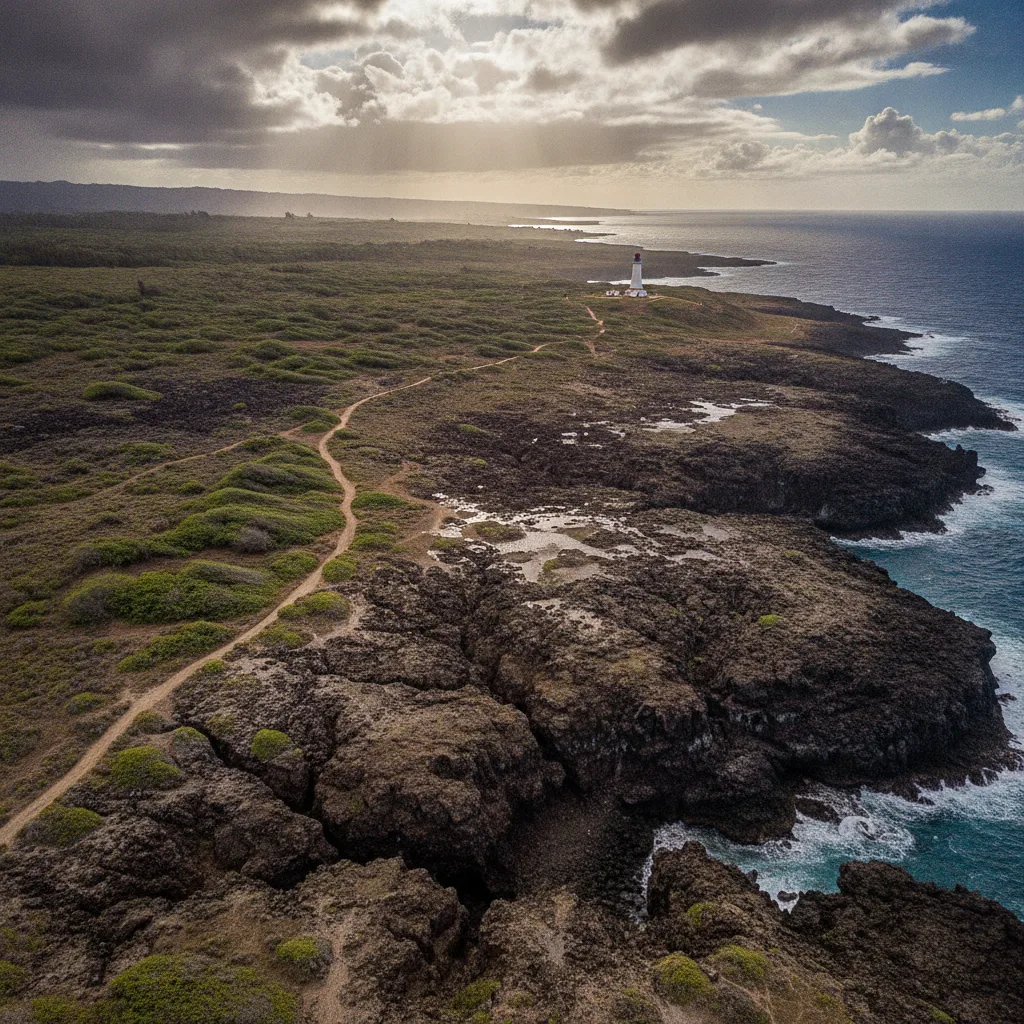
Our Ka'ena Point State Park guide covers practical planning for Ka'ena Point State Park Hawaii — best time to visit, getting there, and what to do on the ground.
At Roam States, we believe that true travel means immersing yourself in the wild, untamed beauty of a destination. That's precisely what you'll find at Ka'ena Point State Park Hawaii, a protected natural area gracing the westernmost tip of Oahu. This isn't your typical manicured resort experience; it's a rugged, windswept coastline where dramatic views meet profound cultural significance. Here, the hiking trails promise breathtaking vistas of the Pacific, and you'll have unparalleled opportunities to observe endangered Hawaiian monk seals and a diverse array of seabirds in their natural habitat. For ancient Hawaiians, Ka'ena Point was a sacred "leaping place of souls," a poignant site where spirits were believed to transition to the afterlife. Today, it remains a powerful place that connects visitors to Hawaii's deep spiritual heritage and stunning biodiversity. Our team has meticulously explored this unique corner of Oahu to bring you this comprehensive guide, ensuring your visit is both respectful and unforgettable.
Why Visit Ka'ena Point State Park
We champion Ka'ena Point State Park as an essential stop for any discerning traveler to Oahu, precisely because it offers a stark contrast to the island's more bustling tourist hubs. This is where you come to witness Hawaii's raw, untamed beauty, a place where the land and sea converge in spectacular fashion. The park's remote location and protected status mean it serves as a vital sanctuary for native wildlife, offering rare glimpses into Hawaii's unique ecosystem. You might spot an endangered Hawaiian monk seal basking on the shore or observe Laysan albatrosses nesting in the dunes.
Beyond its natural allure, Ka'ena Point holds immense cultural significance. Known in Hawaiian tradition as "Leina a ka 'uhane" or the "leaping place of souls," it was believed to be the departure point for spirits entering the afterlife. This deep spiritual connection imbues the landscape with a profound sense of reverence, encouraging visitors to tread lightly and respectfully. The dramatic lava shoreline, crashing waves, and expansive ocean views create an atmosphere that is both humbling and inspiring. It’s a place to disconnect from the modern world and reconnect with nature and ancient Hawaiian lore.
Furthermore, the park provides an exceptional outdoor experience with its well-maintained, albeit rugged, hiking trails. Unlike some of Oahu's more crowded attractions, Ka'ena Point offers a sense of solitude and adventure. It's a place where you can truly feel the power of the Pacific and appreciate the island's geological history, from ancient volcanic formations to stunning sea arches. We believe a visit here offers a deeper understanding of Hawaii, far beyond the typical postcard image.
Who It's Best For
Our team finds that Ka'ena Point State Park appeals most strongly to adventurous travelers, nature enthusiasts, and those seeking a more authentic, less commercialized Hawaiian experience. If you thrive on outdoor activities and appreciate raw, undeveloped landscapes, this park is tailor-made for you. It's an ideal destination for hikers of all skill levels, given the relatively flat terrain of the main trails, though the length and exposure to the sun demand preparation.
Wildlife photographers and birdwatchers will be particularly rewarded here. The protected natural area is a critical habitat for numerous seabirds, including the Laysan albatross and wedge-tailed shearwater, and it's one of the best places on Oahu to observe Hawaiian monk seals. Families with older children who enjoy hiking and exploring tide pools will also find Ka'ena Point engaging, though parents should be mindful of the lack of shade and the need for ample water.
Culturally curious visitors will also find deep meaning in Ka'ena Point's role as a sacred Hawaiian site. Those interested in geology will appreciate the volcanic coastline and unique rock formations. However, if your ideal Hawaiian vacation involves luxury resorts, bustling beaches, or readily available amenities like extensive restrooms and food vendors, this remote and rugged park might not be your first choice. Ka'ena Point is for those who embrace the wild and are prepared for a self-sufficient adventure.
Getting There & Parking
Understanding how to get to Ka'ena Point State Park is crucial for a smooth visit, as it's located at the very northwestern tip of Oahu and accessible from two distinct sides. Our team recommends carefully planning your approach based on your starting point and desired experience.
North Shore Access (Mokuleʻia Section)
If you're coming from the North Shore, you'll drive west on Farrington Highway (Route 930) past Waialua. The paved road eventually ends, leading to a dirt parking area. This trailhead is generally considered an easier, flatter walk to the point. However, be aware that the Mokuleʻia vehicle access road, which extends beyond the paved area, requires a special 2026 Kaʻena Point Vehicle Access Permit (Gold decal) to drive a vehicle. As of June 10, 2026, this vehicle access road has reopened to valid permit holders, though some previously accessible roads remain closed due to storm damage, so always heed road signs.
Parking: There are dirt parking lots on both sides of the road where the pavement ends. Our team strongly advises against leaving valuables in your vehicle, as car break-ins have been reported in remote parking areas. The trail begins after a yellow gate.
West Side Access (Keawaʻula Section)
From the Wai'anae side (Leeward Coast), you'll follow Farrington Highway (Route 93) west until it ends at Yokohama Bay. This trailhead offers immediate dramatic mountainous coastline views and white sands. As of July 1, 2026, the Keawa'ula Section has reopened to beach access following emergency repairs from Kona low storms, though some portions of the trail from Keawa'ula to Ka'ena Point still require repair and rerouting. Normal construction work, including comfort station improvements, will resume in mid-July, potentially causing brief closures, but the park aims to keep Keawaʻula open on weekends.
Parking: You'll find parking near Yokohama Bay at the end of the paved road. Similar to the North Shore side, we emphasize the importance of not leaving any valuables in your car.
Regardless of which access point you choose, Ka'ena Point State Park is open daily from 6:00 AM to 7:00 PM. There is no entrance fee for the park itself. However, for vehicle access beyond the paved road in the Mokuleʻia Section, a 2026 Kaʻena Point Vehicle Access Permit is required. All applicants must create a new account and apply as a new applicant for the 2026 permit, and processing delays are possible. Always monitor weather reports and ocean conditions before your visit, as closures can occur due to wet road conditions or high surf.
Top Things to Do
When you visit Ka'ena Point State Park, you're stepping into an outdoor playground teeming with opportunities for adventure and connection with nature. Our team has identified the absolute top things to do at Ka'ena Point State Park, ensuring you make the most of this extraordinary destination.
Hiking the Ka'ena Point Trails
This is undeniably the primary draw. The Ka'ena Point State Park hiking trails lead you along a rugged, breathtaking coastline to the very tip of Oahu. There are two main trails, one from the North Shore (Mokuleʻia Section) and one from the West Side (Keawaʻula Section), both leading to the Ka'ena Point Natural Area Reserve. Each trail is roughly 2.4 to 2.7 miles one-way, making for a 5-mile round trip. The trails follow the right-of-way of an old railway line, offering a relatively flat, though rocky and exposed, path. Expect dramatic ocean views, tide pools, and unique geological features like sea arches and fossilized reef.
The Mokuleʻia side trail is often described as an easier walk over even terrain, passing through dry grassy climates with views of the North Shore. The West Side trail, starting past Yokohama Beach, offers stunning views of the Waianae Range and immediate access to beautiful white sand beaches. Regardless of your chosen route, remember there is very little shade, so bring plenty of water, sunscreen, and a hat. Keep an eye out for interpretive signs along the way, which offer insights into the park's natural and cultural history.
Wildlife Viewing
Ka'ena Point is a designated seabird conservation area and a critical habitat for protected marine life, making wildlife viewing one of the most rewarding things to do at Ka'ena Point State Park. As you hike, keep a respectful distance (at least 50 feet) from Hawaiian monk seals, which are federally protected and often seen basking on the beaches and rocks around the point. These endangered creatures blend surprisingly well with their surroundings, so watch your step!
The area is also a breeding ground for over 2,000 seabirds, including the majestic Laysan albatross and wedge-tailed shearwaters. Look for them nesting in shrubs near the trails, especially within the predator-proof fence at the point. During the winter months (November to May), Ka'ena Point becomes an excellent spot for whale watching, with humpback whales frequently spotted offshore. Dolphins are also common sightings when the water is calm.
Exploring the Natural Area Reserve and Pillbox Hike
At the very end of the main trails lies the Ka'ena Point Natural Area Reserve, a fenced area dedicated to protecting native plants and ground-nesting seabirds from predators. You can enter through designated gates and explore this pristine environment, observing the unique coastal ecosystem.
For those seeking a bit more adventure, a short, steep scramble up a ridge near the point leads to an old World War II pillbox. This unofficial side trail offers phenomenal panoramic views of the coastline and the vast Pacific, providing a different perspective of the area you just hiked. It's a challenging but rewarding detour for confident hikers.
Photography and Sunset Views
The dramatic landscapes, rugged coastline, and abundant wildlife make Ka'ena Point a photographer's dream. From sweeping ocean vistas to intimate shots of nesting birds, there are endless opportunities to capture stunning images. The park is also renowned for its spectacular sunsets, offering a memorable end to your day of exploration.
Shoreline Fishing and Tide Pooling
Shoreline fishing is a popular activity in designated areas of Ka'ena Point State Park. Additionally, the numerous sandy and rocky coves along the trails reveal fascinating tide pools at low tide, perfect for exploring with kids and discovering small marine creatures.
While the beauty of the ocean is undeniable, our team strongly advises against swimming at Ka'ena Point itself due to dangerous rip currents and undertows. Yokohama Bay, just outside the Keawaʻula section, offers safer swimming conditions, especially during calm summer conditions and when lifeguards are present.
Best Time to Visit
Our team at Roam States has found that timing your visit to Ka'ena Point State Park can significantly enhance your experience. While the park is open daily from 6:00 AM to 7:00 PM year-round, certain periods offer distinct advantages for weather, wildlife viewing, and crowd levels.
Optimal Weather & Hiking Conditions
The best time to visit for comfortable hiking is during Oahu's dry season, generally from April to October. During these months, you can expect less rainfall and more consistent sunshine, making the exposed trails more enjoyable. However, even during the dry season, Ka'ena Point is known for being hot and dry with very little shade. We strongly recommend starting your hike early in the morning, ideally by 7:00 AM, or in the late afternoon to avoid the intense midday sun. This will help you conserve energy and fully appreciate the scenery.
Conversely, the wet season (November to March) can bring heavy rains and make trail conditions muddy and potentially slippery. While the park generally remains open, certain sections, particularly the Keawaʻula vehicle access road, have experienced closures due to storm damage and ongoing repairs. Always check the official Hawaii State Parks website for the latest updates on trail conditions and any closures before heading out.
Wildlife Viewing Opportunities
For prime wildlife viewing, the winter months (November to May) are particularly special. This is the breeding season for the Laysan albatross, and you'll have the best chance of seeing these magnificent seabirds nesting within the predator-proof fence at the point. Additionally, from November to May, Ka'ena Point is one of Oahu's premier spots for observing humpback whales breaching offshore. Hawaiian monk seals can be spotted year-round, but their presence can vary.
Avoiding Crowds
Ka'ena Point State Park is generally less crowded than other Oahu attractions due to its remote location. However, weekends and holidays will naturally see more visitors. For a quieter experience, we advise visiting on a weekday, especially in the morning. Even on busy days, the expansive nature of the park means it rarely feels overwhelmingly crowded.
In summary, our team suggests aiming for an early morning weekday visit during the drier months (April-October) for the most comfortable hiking experience. If whale watching and albatross viewing are high on your list, consider a morning visit during the winter (November-May), but be prepared for potentially wetter conditions and check for closures. Always bring plenty of water, sunscreen, and appropriate footwear, regardless of the season.
Where to Stay Nearby
Given Ka'ena Point State Park's remote location, finding suitable Ka'ena Point State Park lodging means looking to nearby towns that offer a balance of convenience and access to other Oahu attractions. Our team has explored the options, and while there are no accommodations directly within the park, several areas provide excellent bases for your visit.
North Shore (Haleiwa, Waialua)
Staying on the North Shore, particularly in or around Haleiwa, offers a quintessential Hawaiian experience with a laid-back surf town vibe. Haleiwa is a charming historic town with art galleries, local eateries, and surf shops. From Haleiwa, the Mokuleʻia access point to Ka'ena Point is a relatively straightforward drive. This area is ideal for those who want to combine their Ka'ena Point adventure with surfing, exploring famous North Shore beaches, and experiencing a more relaxed pace of life. Accommodations here range from boutique hotels and vacation rentals to more modest guesthouses. The Courtyard by Marriott Oahu North Shore is about 11.4 miles from Ka'ena Point State Park, offering a comfortable option.
West Side (Waianae, Makaha)
The West Side, including towns like Waianae and Makaha, puts you closer to the Keawaʻula access point of Ka'ena Point. This area is known for its stunning sunsets, beautiful beaches like Makaha Beach, and a more local, less tourist-centric atmosphere. Accommodations here are often vacation rentals, condos, and some smaller hotels, providing a more authentic local feel. The Hawaiian Princess at Makaha Beach is a highly-rated option, praised for its quiet, beautiful setting and ocean views. Other options include Stunning Makaha with ocean views and free parking. This area is perfect for travelers who prioritize proximity to Ka'ena Point and a deeper dive into local Hawaiian culture, away from the crowds of Waikiki.
Kapolei (West Oahu)
For those who prefer more modern amenities and a slightly more central location on the west side, Kapolei, often referred to as Oahu's "Second City," offers a range of newer hotels and resorts. While further from Ka'ena Point than Haleiwa or Waianae (around 10-12 miles), Kapolei provides easy access to highways that connect you to both the North Shore and the Leeward Coast. Hotels like the Hampton Inn & Suites Oahu/Kapolei and Residence Inn by Marriott Oahu Kapolei offer contemporary comforts and are well-suited for families or those seeking familiar hotel brands. Kapolei also has shopping centers, diverse dining options, and is a good base for exploring other West Oahu attractions.
Central Oahu / Airport Area (Honolulu Airport)
While not directly adjacent, staying closer to Honolulu International Airport (HNL) in areas like Aiea or near Pearl Harbor can be a strategic choice for travelers with early flights or those planning to explore various parts of the island. Hotels such as Best Western The Plaza Hotel Honolulu Airport and Airport Honolulu Hotel are about 10-11 miles from Ka'ena Point State Park, offering convenience for arrival/departure and access to H-1 for island exploration. This option is less about immersion in a specific local vibe and more about practical logistics and broader island access.
When considering Ka'ena Point State Park lodging, our team advises booking well in advance, especially during peak travel seasons. Always check recent reviews and consider the driving distances to the park and other attractions you plan to visit. Remember, Ka'ena Point is a natural area, so amenities like restaurants and shops are not available directly at the trailheads; plan to stock up on supplies in your chosen nearby town.
Sample 2-Day Itinerary
To help you maximize your adventure at this extraordinary destination, our team has crafted a sample 2-day itinerary focusing on Ka'ena Point State Park and its surrounding areas. This plan balances rugged exploration with relaxation and cultural immersion.
Day 1: North Shore Exploration & Ka'ena Point Hike (Mokuleʻia Section)
- Morning (7:00 AM - 12:00 PM): Ka'ena Point Hike (North Shore Access)
Start your day early to beat the heat. Drive to the end of Farrington Highway on the North Shore side (Mokuleʻia Section). Park your vehicle, ensuring no valuables are left inside. Embark on the Ka'ena Point State Park hiking trails, making your way along the relatively flat, exposed coastal path to the Natural Area Reserve. Keep an eye out for seabirds nesting and Hawaiian monk seals on the shoreline. Don't forget ample water, sunscreen, and a hat. The round trip is about 5 miles and will take 2-3 hours. Consider a detour to the pillbox for panoramic views if you're feeling adventurous.
- Lunch (12:00 PM - 1:30 PM): North Shore Eats
Head back towards Haleiwa. Grab a casual lunch at one of the famous North Shore food trucks, perhaps a garlic shrimp plate, or enjoy a meal at a local cafe in Haleiwa town. This is a great opportunity to soak in the relaxed surf town atmosphere.
- Afternoon (1:30 PM - 5:00 PM): North Shore Beaches & Town
Spend the afternoon exploring some of the iconic North Shore beaches. Depending on the season, you might watch surfers at Waimea Bay or Pipeline (winter) or enjoy calmer waters for swimming (summer). Stroll through the charming shops and art galleries of Haleiwa. Consider an Oahu: Single & Double Kayak 3-Hour River Rental in the area for a different perspective.
- Evening (5:00 PM onwards): Sunset & Dinner
Find a scenic spot on the North Shore to watch the sunset. For dinner, choose from Haleiwa's diverse dining options, from casual to upscale. If you're staying in Haleiwa or Waialua, enjoy a relaxing evening close to your accommodation.
Day 2: West Side Beaches, Cultural Sites & Relaxation
- Morning (8:00 AM - 12:00 PM): Ka'ena Point (Keawaʻula Section) & Yokohama Bay
Drive to the West Side, specifically to Yokohama Bay, the starting point for the Keawaʻula Section of Ka'ena Point. While the trail to the point from this side might still have some closed portions due to repairs, explore the stunning Yokohama Bay beach. Enjoy the dramatic mountainous coastline views and, if conditions are calm and lifeguards are present, consider swimming or body surfing. This section also offers excellent opportunities for photography and observing marine life from a distance.
- Lunch (12:00 PM - 1:30 PM): Local West Side Flavors
Head to a local eatery in Waianae or Makaha for an authentic Hawaiian plate lunch or fresh seafood. This is a chance to experience the local community away from the main tourist hubs.
- Afternoon (1:30 PM - 5:00 PM): Cultural Immersion or Beach Time
Depending on your interest, you could delve deeper into the West Side's cultural heritage. Alternatively, spend more time relaxing at one of the beautiful, less crowded beaches on the Leeward Coast, such as Makaha Beach. If you're staying in Kapolei, you might explore the amenities of your resort or nearby shopping.
- Evening (5:00 PM onwards): Sunset & Farewell Dinner
Enjoy another spectacular sunset, perhaps from your West Side accommodation or a scenic overlook. For your farewell dinner, consider a restaurant in Kapolei for more variety, or find a charming spot in Waianae to reflect on your Ka'ena Point adventure.
This itinerary is flexible and can be adapted based on your interests and the latest park conditions. Always check the Hawaii State Parks website for any current closures or advisories for Ka'ena Point State Park before you go. Remember to pack essentials like water, snacks, sun protection, and a camera for both days!
Is It Worth Visiting?
Our team unequivocally states that Ka'ena Point State Park is worth visiting for the right kind of traveler. This isn't a destination for those seeking manicured lawns, resort-style amenities, or easy access to shops and restaurants. Instead, it's a raw, authentic slice of Oahu that offers a profound connection to Hawaii's natural beauty and cultural heritage.
What makes Ka'ena Point State Park truly shine is its unparalleled natural environment. The dramatic coastal views, the rugged volcanic landscape, and the sense of being at the very edge of the island are simply breathtaking. For wildlife enthusiasts, the opportunity to observe endangered Hawaiian monk seals and a thriving colony of seabirds, including the majestic Laysan albatross, in their natural habitat is a rare and special privilege. These are experiences you won't find at more developed tourist sites.
Furthermore, the spiritual significance of Ka'ena Point as an ancient "leaping place of souls" adds a layer of depth and reverence to any visit. It's a place that encourages contemplation and respect for the land and its history. The hiking trails, while long and exposed, are relatively flat, making them accessible to a wide range of fitness levels, including families with older children.
However, we must emphasize that a visit requires preparation. There is little to no shade, no potable water, and limited facilities. The remote parking areas are also known for petty theft, necessitating vigilance. If you're prepared for these conditions, bring plenty of water, sun protection, and a mindful attitude, then Ka'ena Point State Park offers an incredibly rewarding and memorable experience that stands apart from the typical Oahu itinerary. It's a testament to Hawaii's wild heart, and for us, that makes it absolutely worth visiting.
Last updated: 2026-07-06 by the Roam States team.