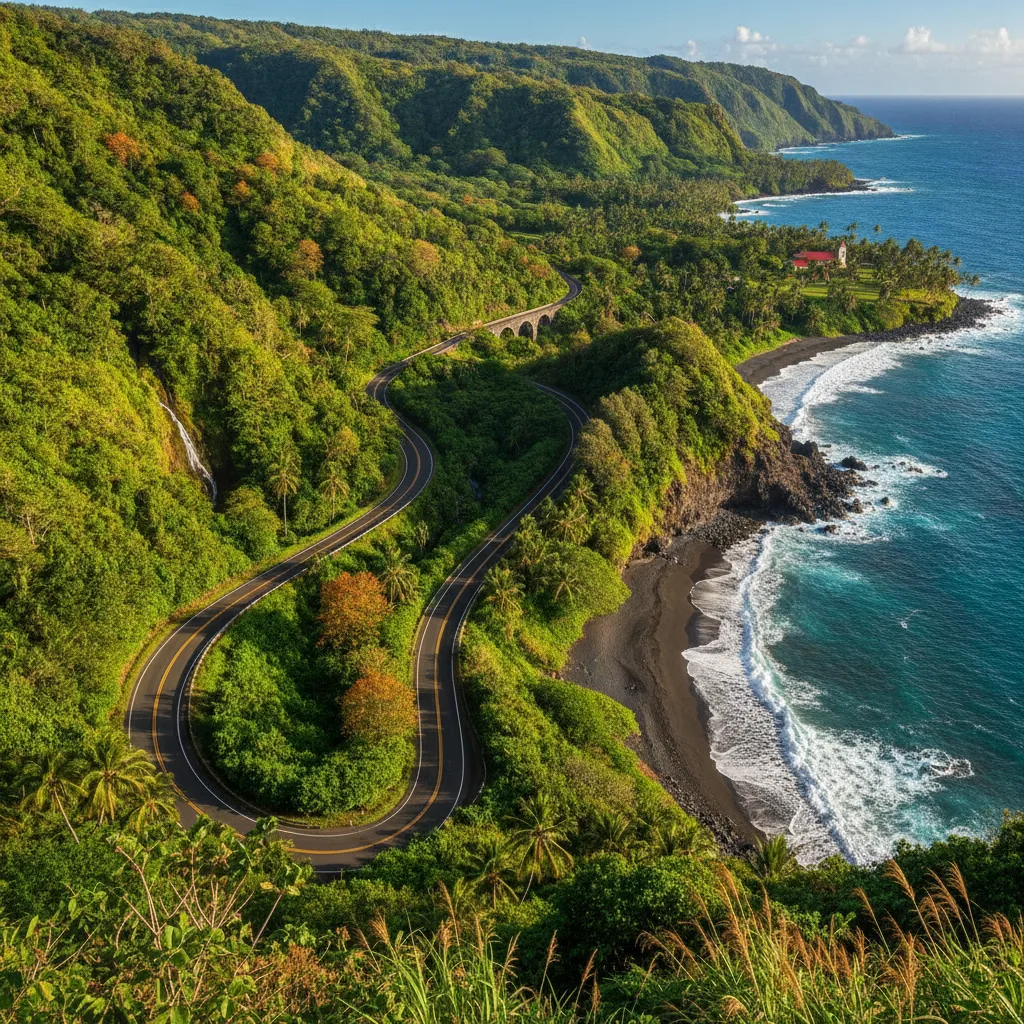
Welcome to the definitive guide from the Visit America editorial team, your independent US travel authority. For those seeking an unparalleled journey through lush rainforests, cascading waterfalls, and breathtaking coastal vistas, the Road to Hana Hawaii is not just a drive, it's an immersive experience into the heart of Maui's untouched beauty. We’ve meticulously explored this iconic route, compiling the essential details and insider tips to ensure your adventure is nothing short of spectacular. Forget generic advice; we’re here to provide the specific, actionable intelligence you need for an unforgettable trip in 2026.
Why Visit Road to Hana
The allure of the Road to Hana is undeniable. It’s a journey that transcends a simple drive, offering a profound connection to Maui's raw, untamed spirit. We believe it’s an essential experience for anyone visiting the island, a vibrant tapestry of natural wonders waiting to be discovered. This isn't just about reaching a destination; it's about embracing the winding path, the unexpected discoveries, and the sheer beauty that unfolds around every curve. From the moment you embark on this legendary route, you're enveloped in a world where time seems to slow, inviting you to savor every moment.
Imagine pulling over to witness a waterfall plunging into a crystal-clear pool, or strolling through a bamboo forest so dense it feels like another world. The Road to Hana offers these moments in abundance. It’s a chance to escape the resorts and tourist hubs, delving into a side of Maui that feels genuinely authentic. We’ve found that the diverse landscapes — from black sand beaches to vibrant tropical gardens — provide a sensory feast unlike anywhere else. It’s a journey that rewards patience and a willingness to explore, promising memories that will last a lifetime.
For those who appreciate natural beauty, cultural immersion, and a touch of adventure, the Road to Hana stands out. It's an opportunity to see how ancient Hawaiian traditions intertwine with the stunning environment, particularly in the charming town of Hana itself. We encourage you to embrace the slower pace, engage with local vendors, and allow the magic of this unique region to captivate you.
Who It's Best For
The Road to Hana is a versatile adventure, appealing to a wide range of travelers, though it certainly caters to specific preferences. We've identified that this journey is ideally suited for:
- Nature Enthusiasts: If you're passionate about waterfalls, lush botanical gardens, dramatic coastlines, and unique geological formations, this road trip is tailor-made for you. The sheer volume of natural wonders along the route is astounding.
- Adventurous Spirits: Those who enjoy hiking, swimming in natural pools, and aren't afraid of winding roads and occasional rain showers will thrive here. It's a journey that rewards exploration and a sense of spontaneity.
- Couples & Romantics: The secluded beaches, breathtaking viewpoints, and intimate natural settings make it an incredibly romantic escape. Imagine picnicking by a waterfall or watching the sunset over the Pacific.
- Families with Older Children: While we'll delve deeper into "Road to Hana with kids" later, families with children who are old enough to appreciate nature and endure longer car rides will find plenty to keep them engaged, especially with opportunities for swimming and short hikes.
- Photographers: Every turn offers a postcard-perfect scene. From vibrant flora to dramatic seascapes, the photographic opportunities are endless.
Conversely, it might be less ideal for those who get easily carsick, prefer fast-paced travel, or are looking for luxury amenities at every stop. This is a journey that celebrates the raw and rustic, encouraging travelers to disconnect and immerse themselves in nature. Our team believes that understanding your travel style is key to fully appreciating the unique charm of the Road to Hana.
Getting There & Parking
Understanding "how to get to Road to Hana" and navigating its parking situation is crucial for a smooth and enjoyable trip. The journey officially begins just past Paia, on Highway 36 (which becomes Highway 360). This iconic route stretches approximately 64 miles to the town of Hana, though many continue further to the Kipahulu District of Haleakala National Park.
Starting Point & Directions
To embark on your Road to Hana adventure, you'll typically start from Kahului (OGG) or your accommodation in West Maui (Lahaina, Kaanapali) or South Maui (Kihei, Wailea). From Kahului, simply head east on Highway 36. The road is well-marked, but we highly recommend downloading an offline map or using a dedicated Road to Hana audio guide app, as cell service can be spotty along the route. These apps often provide valuable commentary and navigation, ensuring you don't miss key stops.
Road Conditions & Driving Tips
The Road to Hana is famous for its narrow, winding path, featuring 620 curves and 59 bridges, many of which are single-lane. While it can be challenging, driving slowly and courteously is paramount. Always yield to oncoming traffic on single-lane bridges and pull over at designated turnouts to let faster vehicles pass. We strongly advise against rushing; the journey is the destination here. Check local weather conditions before you go, as heavy rains can sometimes cause localized flooding or rockfalls, though major closures are rare in 2026.
Parking Along the Route
Parking is one of the most significant challenges when considering "how to get to Road to Hana." Many popular spots have limited, often informal, parking. Here are our key recommendations:
- Arrive Early: This is our number one tip. Starting your drive by 7:00 AM allows you to reach popular spots before the crowds and secure parking more easily.
- Designated Lots: Utilize official parking lots whenever available. For example, Wai'anapanapa State Park requires advance reservations and has designated parking areas. The Garden of Eden Arboretum also has a large, paid parking lot.
- Respect Private Property: Do not park on private property, block driveways, or park illegally along the roadside. This can result in fines or towing and is disrespectful to local residents. Look for "no parking" signs.
- Be Mindful of Safety: When parking on the shoulder, ensure your vehicle is completely off the road and not obstructing traffic. Be cautious when exiting your vehicle, especially on blind curves.
- Hana Town: There are public parking options in Hana town, including near Hana Bay.
Remember, patience and planning are your best allies when it comes to parking on the Road to Hana. We’ve found that a little foresight goes a long way in avoiding frustration.
Top Things to Do
The Road to Hana is an embarrassment of riches when it comes to natural attractions and unique experiences. Our team has curated a list of the absolute "things to do at Road to Hana," ensuring you make the most of your journey. This isn't just about driving; it's about stopping, exploring, and immersing yourself in Maui's unparalleled beauty. Beyond the Road to Hana itself, there are many "things to do in Maui" that complement this adventure, but for now, let's focus on the route.
Twin Falls
One of the first major stops, Twin Falls offers accessible waterfalls and a refreshing swimming hole. It's a fantastic spot to stretch your legs and cool off. The farm stand here also sells fresh fruit and smoothies. As of 2026, Twin Falls is typically open from 7:00 AM to 5:00 PM daily, with a small entry fee for parking. We recommend arriving early to beat the crowds.
Garden of Eden Arboretum
This privately owned arboretum boasts stunning botanical displays, peacocks roaming freely, and incredible ocean views. It's a beautifully maintained stop that offers a more leisurely pace. Entry fees in 2026 are around $20 per adult, and it's open from 8:00 AM to 4:00 PM. It’s a perfect place for a gentle stroll and to appreciate the diverse flora of Hawaii.
Ke'anae Peninsula
A detour off the main road leads to the rugged, picturesque Ke'anae Peninsula, famous for its taro fields and a historic stone church. The dramatic coastline here is a testament to Maui's volcanic origins. There are no fees to visit, and it's a great spot for photos and to witness traditional Hawaiian agriculture.
Upper Waikani Falls (Three Bears Falls)
These triple-tiered waterfalls are easily visible from the road, but finding a safe place to pull over and appreciate them can be tricky. If you can, take a moment to admire their beauty. Remember, safety first when pulling off the road.
Wai'anapanapa State Park (Black Sand Beach)
This is arguably one of the most iconic "things to do at Road to Hana." Wai'anapanapa State Park is home to a stunning black sand beach (Pa'iloa Beach), sea caves, blowholes, and a coastal trail. As of 2026, advance reservations are mandatory for both entry and parking, and fees apply for non-residents. We cannot stress enough the importance of booking your spot well in advance, as slots fill up quickly. This park offers a unique opportunity to experience Hawaii's volcanic geology firsthand.
Hana Town
The charming, laid-back town of Hana is a destination in itself. Stop for lunch at one of the food trucks, visit the Hana Cultural Center, or simply soak in the tranquil atmosphere. It's a wonderful place to experience authentic local life.
Hamoa Beach & Koki Beach
Just past Hana, these two beautiful beaches offer different vibes. Hamoa Beach is a crescent-shaped, salt-and-pepper sand beach often considered one of Maui's best. Koki Beach, nearby, has red-tinged sand and dramatic offshore views, but strong currents make it less suitable for swimming. Both are excellent for enjoying the coastal scenery.
Pipiwai Trail & Ohe'o Gulch (Seven Sacred Pools)
Located in the Kipahulu District of Haleakala National Park, this area is a must-see for many. The Pipiwai Trail is a spectacular 4-mile roundtrip hike through a bamboo forest to the magnificent Waimoku Falls. Ohe'o Gulch, often called the "Seven Sacred Pools," features tiered pools and waterfalls cascading into the ocean. Entry to this section of the park is included with your Haleakala National Park entrance fee, which is $30 per vehicle in 2026 and is valid for three days. Check the NPS website for current conditions, as swimming in the pools is often closed due to safety concerns. This is one of the most rewarding "things to do in Maui" if you have the time and energy for a hike.
When planning your stops, remember that the goal is to enjoy the journey, not to rush through every single attraction. Pick a few key "things to do at Road to Hana" that genuinely interest you and allow ample time to savor them.
Best Time to Visit
Choosing the "best time to visit Road to Hana" can significantly impact your experience. While Maui enjoys a relatively consistent tropical climate year-round, there are nuances to consider regarding weather, crowd levels, and road conditions. Our team has found that strategic timing can make all the difference.
Weather Considerations
The Road to Hana traverses Maui's windward (eastern) side, which is notoriously wetter than the leeward (western) side. Expect rain showers at any time of year; they are often brief and contribute to the lushness of the landscape. However, prolonged heavy rain can lead to flash floods and make some trails slippery or impassable. The driest months are generally April through October, with May and September often offering a sweet spot of good weather and fewer crowds. The wettest months are typically November through March.
Crowd Levels
This is a major factor for many travelers. The Road to Hana is incredibly popular, and crowds can significantly impact parking and the enjoyment of popular stops.
- Peak Season: Mid-December to March, and June to August, see the highest visitor numbers. During these times, expect more traffic, fuller parking lots, and longer waits at popular food stands.
- Shoulder Season: April-May and September-November are often the "best time to visit Road to Hana." You'll encounter fewer crowds, generally pleasant weather, and still have access to all attractions. We particularly favor May and September for this reason.
- Weekdays vs. Weekends: Always aim to drive the Road to Hana on a weekday if your schedule allows. Weekends, especially long holiday weekends, see a significant increase in local and tourist traffic.
- Early Start: Regardless of the time of year, starting your drive early (before 7:00 AM) is paramount. This allows you to get ahead of the main rush, secure parking at key spots like Twin Falls and Wai'anapanapa, and enjoy the tranquility before the crowds descend.
Optimal Timing
Considering all factors, we recommend planning your Road to Hana trip for a weekday during the shoulder seasons of **April-May or September-October**, starting your drive as early as possible. This strategy offers the best balance of favorable weather, manageable crowds, and the most serene experience of this iconic Hawaiian journey.
Where to Stay Nearby
While many visitors experience the Road to Hana as a day trip, our team strongly advocates for an overnight stay, especially if you want to truly immerse yourself in the region and avoid rushing. Staying nearby allows for a more relaxed pace, the opportunity to explore beyond the main tourist stops, and a chance to experience Hana's unique tranquility after the day-trippers depart.
Hana Town
The most obvious choice for an overnight stay is the town of Hana itself. This charming, remote community offers a few distinct accommodation options:
- Hana-Maui Resort (formerly Travaasa Hana): This upscale resort offers a luxurious escape with stunning ocean views, excellent dining, and a focus on wellness. It's perfect for those seeking comfort and amenities in a secluded setting.
- Hana Kai Maui: Offering condos and studios, this option provides more space and kitchenettes, ideal for families or those who prefer to self-cater. It's located right on the ocean.
- Vacation Rentals (VRBO/Airbnb): There are numerous vacation rentals in and around Hana, ranging from rustic cottages to more modern homes. These often provide a more authentic local experience. We recommend booking well in advance, as options are limited.
Staying in Hana allows you to explore attractions like Hamoa Beach and the Pipiwai Trail at a more leisurely pace, either late in the afternoon or early the next morning, before the crowds arrive. It also gives you a chance to enjoy the local food trucks and small businesses without feeling rushed.
Paia Town
If you prefer to stay closer to the "start" of the Road to Hana, the bohemian surf town of Paia is an excellent choice. It's about an hour's drive from the main resort areas of West and South Maui, making for a slightly shorter drive on the morning of your Road to Hana adventure.
- Paia Inn: A boutique hotel located directly on Paia Bay, offering stylish rooms and easy access to the town's shops and restaurants.
- Mana Kai Maui Resort (Kihei): While not directly in Paia, staying in nearby Kihei (about a 30-minute drive from Paia) offers more resort-style options and puts you closer to the start than West Maui.
While Paia is a vibrant town with great dining and shopping, it doesn't offer the same secluded, remote feel as staying in Hana. Our team's expert verdict is that an overnight stay in Hana truly elevates the Road to Hana experience, transforming it from a rushed drive into a memorable retreat.
Our expert verdict: Don't underestimate the value of an overnight stay in Hana. It transforms the Road to Hana from a long day of driving into a truly immersive two-day adventure, allowing you to savor the beauty without feeling rushed. This is especially true if you plan to hike the Pipiwai Trail or simply wish to relax on one of Hana's beautiful beaches.
Sample 2-Day Itinerary
To truly appreciate the Road to Hana Hawaii, we highly recommend extending your journey into a two-day adventure. This allows for a more relaxed pace, deeper exploration, and the chance to experience Hana's tranquility after the day-trippers have departed. Here's a sample itinerary crafted by our team to maximize your enjoyment:
Day 1: Paia to Hana
- 7:00 AM: Depart Paia. Grab coffee and a pastry in Paia or Haiku. Start early to beat the crowds.
- 7:30 AM: Twin Falls. Your first major stop. Enjoy a short walk to the waterfalls and perhaps a quick swim. Grab a smoothie from the farm stand. Allow 1-1.5 hours.
- 9:00 AM: Garden of Eden Arboretum. A beautiful, well-maintained botanical garden with stunning views. Perfect for a leisurely stroll. Allow 1.5-2 hours.
- 11:00 AM: Ke'anae Peninsula. Take the scenic detour to see the taro fields and rugged coastline. No long hikes, just pure scenic beauty. Allow 30-45 minutes.
- 12:00 PM: Lunch Stop. Look for food trucks around the halfway point or just before Hana. Auntie Sandy's Banana Bread is a classic stop near Ke'anae.
- 1:30 PM: Upper Waikani Falls. A quick photo stop from the road.
- 2:00 PM: Wai'anapanapa State Park. This is a highlight. Explore the black sand beach, sea caves, and blowholes. Remember, advance reservations are required for 2026. Allow 1.5-2 hours.
- 4:00 PM: Arrive in Hana. Check into your accommodation (Hana-Maui Resort, Hana Kai Maui, or a vacation rental).
- Evening: Explore Hana Town. Enjoy a relaxed dinner, perhaps from a local food truck or at your resort. Stroll to Hana Bay for sunset.
Day 2: Beyond Hana & Return
- 8:00 AM: Breakfast in Hana. Enjoy a leisurely breakfast.
- 9:00 AM: Hamoa Beach or Koki Beach. Spend the morning relaxing on one of these stunning beaches near Hana. Hamoa is great for swimming and sunbathing.
- 10:30 AM: Pipiwai Trail & Ohe'o Gulch (Seven Sacred Pools). Drive south to the Kipahulu District of Haleakala National Park. Embark on the Pipiwai Trail hike through the bamboo forest to Waimoku Falls. Explore Ohe'o Gulch (swimming often restricted, check conditions). Allow 3-4 hours for the hike and exploration. Remember your Haleakala National Park entrance fee.
- 2:30 PM: Lunch. Pack a picnic or grab something from a food truck in Hana on your way back through.
- 3:30 PM: Return Journey. You have two options for returning:
- Option A (Recommended): Retrace Your Steps. Drive back the way you came, stopping at any spots you missed or want to revisit. This is the safest and most common route.
- Option B (The "Backside" / Piilani Highway): If you have a 4x4 vehicle and are comfortable with unpaved, often rough roads, you can continue past Kipahulu on the Piilani Highway (Highway 31). This route offers dramatic, arid landscapes, a stark contrast to the lush Hana Highway. **Warning:** Parts of this road are unpaved, narrow, and can be challenging. Some rental car agreements prohibit driving on unpaved roads. Check current conditions and your rental car policy carefully. We generally recommend Option A for most travelers.
- Evening: Arrive back at your West/South Maui accommodation.
This "Road to Hana Hawaii" itinerary ensures you don't feel rushed and allows ample time to truly soak in the beauty and unique experiences along this legendary route.
FAQ
Road to Hana tips
Our top Road to Hana tips include starting early (before 7 AM), making advance reservations for Wai'anapanapa State Park, downloading an offline map or audio guide, packing plenty of water and snacks, wearing comfortable shoes for walking, and bringing insect repellent. Most importantly, embrace the journey, drive slowly, and pull over safely to let faster vehicles pass. Respect private property and always pack out what you pack in.
Road to Hana parking
Road to Hana parking can be challenging due to limited space. Always use designated parking lots at attractions like Wai'anapanapa State Park (which requires reservations in 2026) and the Garden of Eden Arboretum. Avoid parking on private property, blocking driveways, or parking illegally along the roadside, as this can result in fines or towing. Arriving early in the morning is the best strategy to secure parking at popular spots.
Best time to visit Road to Hana
The best time to visit Road to Hana is during the shoulder seasons of April-May or September-October. These months typically offer a good balance of pleasant weather and fewer crowds compared to the peak winter and summer seasons. Regardless of the month, we strongly recommend visiting on a weekday and starting your drive by 7:00 AM to avoid traffic and secure parking at popular stops.
Road to Hana hours and fees
The Road to Hana itself (Highway 36/360) is a public road and has no specific "hours" or "fees." However, many attractions along the route do. As of 2026, Wai'anapanapa State Park requires advance reservations and fees for non-residents. The Garden of Eden Arboretum has an entry fee of approximately $20 per adult and is open from 8:00 AM to 4:00 PM. The Kipahulu District of Haleakala National Park (home to Pipiwai Trail and Ohe'o Gulch) has an entrance fee of $30 per vehicle, valid for three days. Twin Falls typically operates from 7:00 AM to 5:00 PM with a parking fee. Always check the specific attraction's website for the most current 2026 information.
Road to Hana itinerary
A comprehensive Road to Hana itinerary often involves a full day, or ideally, two days with an overnight stay in Hana. Key stops include Twin Falls, Garden of Eden Arboretum, Ke'anae Peninsula, Upper Waikani Falls, Wai'anapanapa State Park (black sand beach), Hana Town, Hamoa Beach, and the Pipiwai Trail/Ohe'o Gulch in Haleakala National Park. Our recommended 2-day itinerary allows for a relaxed pace and deeper exploration of these incredible natural wonders.
Road to Hana travel guide
As your independent US travel authority, our Road to Hana travel guide emphasizes embracing the journey, not just the destination. We recommend starting early, making necessary reservations (especially for Wai'anapanapa State Park), and planning for an overnight stay in Hana to fully experience the route's beauty. Drive slowly, respect local communities, and prepare for winding roads and intermittent cell service. This guide provides detailed information on attractions, parking, the best time to visit, and a sample itinerary to ensure an unforgettable adventure on Maui's iconic eastern coastline.
The Road to Hana is more than just a scenic drive; it's an unforgettable journey into the heart of Maui's wild beauty. We've provided you with the essential knowledge, from navigating parking to planning your itinerary, ensuring your 2026 adventure is seamless and spectacular. Whether you opt for a rigorous day trip or a leisurely overnight stay, the memories created along this legendary route will undoubtedly be among your most cherished Hawaiian experiences. We encourage you to explore other incredible destinations in Hawaii, such as the Hawaii Volcanoes National Park on the Big Island, the historic Pearl Harbor & USS Arizona Memorial on Oahu, or the breathtaking Na Pali Coast on Kauai. For more inspiration and to discover the best places in Hawaii, explore our comprehensive guides. Happy travels from the Visit America team!
Last updated: 2026-07-05 by the Visit America team.