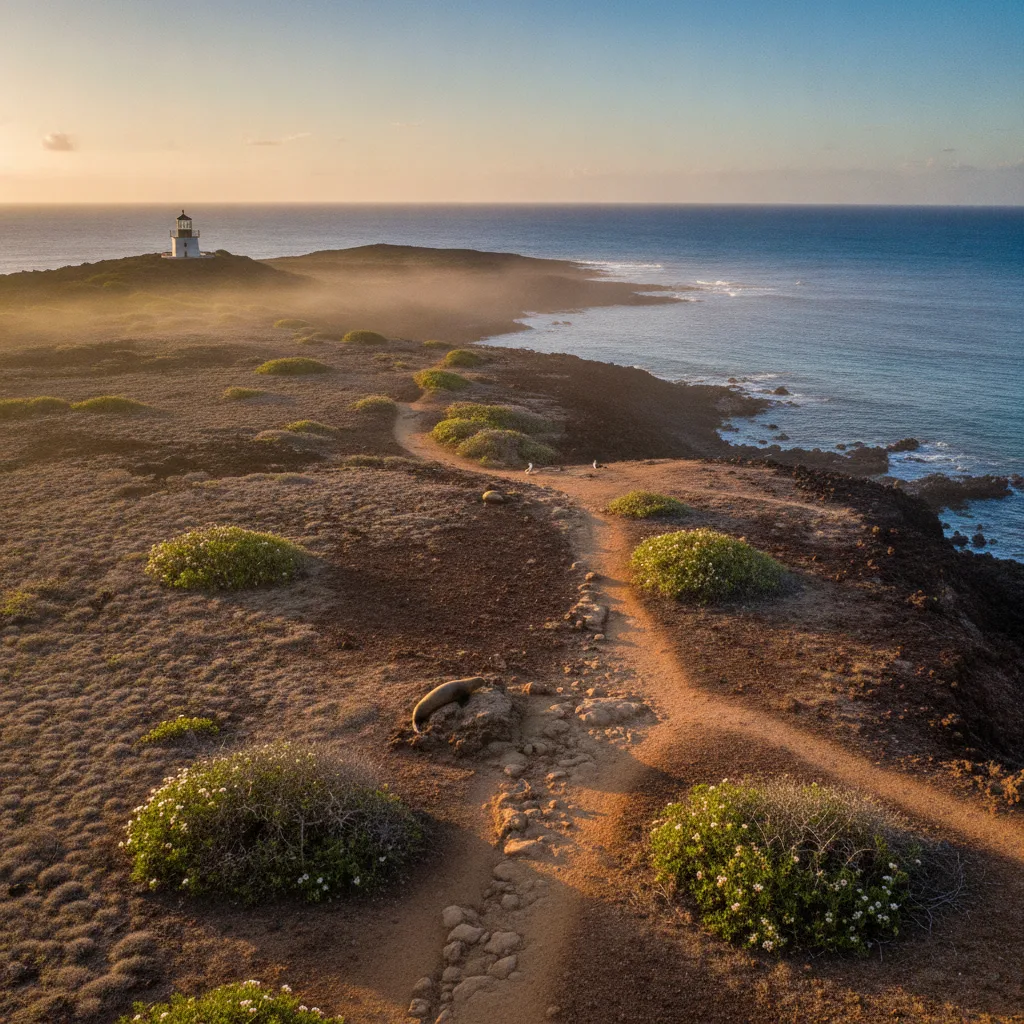
Our Ka'ena Point Trail guide covers practical planning for Ka'ena Point Trail Hawaii — best time to visit, getting there, and what to do on the ground. We’ve meticulously researched the latest 2026 facts on hours, fees, closures, parking, and reservations to ensure your trip to Oahu’s wild westernmost tip is seamless and unforgettable. Prepare to immerse yourselves in a protected natural area teeming with seabirds and Hawaiian monk seals, all while enjoying stunning coastal views and a profound sense of untouched wilderness.
Why Visit Ka'ena Point Trail
For those seeking an escape from Oahu's bustling tourist centers, Ka'ena Point Trail offers a truly unique and raw Hawaiian experience. This isn't your typical manicured resort beach; it's a rugged, windswept peninsula where the land meets the sea in dramatic fashion. We find the allure of Ka'ena Point lies in its untouched beauty and its significance as a protected natural area. It’s a place where you can truly connect with the island's wild side, observing rare native wildlife in their natural habitat and witnessing breathtaking panoramic ocean views. The trail culminates at the Ka'ena Point Natural Area Reserve, an ecological haven established in 1993 to protect coastal sand dune habitats for native plants and seabirds, including the majestic Laysan albatross, and provide refuge for Hawaiian monk seals and green sea turtles.
Beyond its ecological importance, Ka'ena Point holds deep cultural significance as a "leina a ka'uhane," or "leaping place of souls" in ancient Hawaiian tradition. It was believed to be a point where spirits of the recently deceased could reunite with their ancestors or, if earthly obligations remained, be sent back to their bodies.
The journey itself is as rewarding as the destination. We love the feeling of hiking or biking along the old railroad bed, with the vast Pacific Ocean stretching out to one side and the dramatic Wai'anae Mountain Range rising on the other. It’s a place that invites contemplation and appreciation for Hawaii's natural grandeur, far from the crowds.
Who It's Best For
Ka'ena Point Trail is ideal for adventurous spirits, nature lovers, and those seeking a moderately challenging outdoor experience away from the typical tourist hotspots. If you appreciate rugged coastlines, wildlife viewing, and a sense of solitude, this trail is for you. We consider it an excellent choice for hikers and bikers of various fitness levels, as the trail is predominantly flat, though long and exposed.
Families with older children who are accustomed to longer walks will find it rewarding, especially with the promise of spotting monk seals or albatrosses. However, due to the lack of shade and facilities, and the length of the trail (approximately 5-6 miles round trip), it might be less suitable for very young children or those with mobility issues.
Photographers will be captivated by the dramatic landscapes, vibrant tide pools, and opportunities for wildlife photography. Birdwatchers, in particular, will revel in the chance to observe nesting seabirds. It's also a fantastic spot for watching the sunset, offering unparalleled views of the western sky over the Pacific.
If your idea of a perfect Hawaiian day involves pristine wilderness, ocean breezes, and a deep connection to nature, then Ka'ena Point Trail belongs at the top of your Oahu itinerary. For those interested in exploring more of Hawaii's diverse landscapes, consider visiting Hawaii Volcanoes National Park on the Big Island for a completely different geological experience.
Getting There & Parking
Accessing Ka'ena Point Trail Hawaii is an adventure in itself, as it's located at the very westernmost tip of Oahu, where paved roads end. There are two primary trailheads, one on the Wai'anae (west) side and one on the Mokule'ia (north) side. Both routes lead to the Ka'ena Point Natural Area Reserve.
From the Wai'anae Side (Keawa'ula Section)
To reach the Wai'anae trailhead, take the H1 freeway west, which eventually becomes Farrington Highway (Route 93). Continue on Farrington Highway past Keawa'ula Beach until the paved road ends. This is where you'll find ample parking.
As of July 1, 2026, the Keawa'ula Section of Ka'ena Point State Park has reopened after emergency repairs due to Kona low storms in March. However, trail closures are still in effect for portions of the trail from Keawa'ula to Ka'ena Point that were severely damaged and require further repair and rerouting. Normal construction work, including repaving and improvements to the comfort station, will resume in mid-July 2026, with brief park closures possible, though efforts will be made to keep Keawaʻula open on weekends.
There are restrooms and showers available near the beach at the Wai'anae trailhead, but no facilities along the trail itself, so plan accordingly.
From the Mokule'ia Side (North Shore)
For the Mokule'ia trailhead, take H-2 to Kaukonahua Road (Route 803) to Farrington Highway (Route 930) past Waialua. Continue for about a mile past Camp Erdman until the paved road ends. Parking is available at the end of the paved road.
The Mokule'ia vehicle access road has reopened to valid permit holders as of June 10, 2026. However, some previously accessible roads have been closed due to storm damage, and visitors should heed all road signs. To drive a vehicle beyond the paved road and into the permitted section of Ka'ena Point State Park Reserve (Mokule'ia Section), a Ka'ena Point Vehicle Access Permit is required. All first-time and current applicants must apply for a new permit for 2026, and a 2026 Gold decal must be affixed to the rear of your vehicle. The accompanying permit account provides access to the gate combination online.
Regardless of which side you start from, we strongly advise against leaving any valuables in your vehicle, as remote parking areas can be targets for theft.
The Ka'ena Point Trail is open daily from 6:00 AM to 7:00 PM. There are no entrance fees or permits required for hiking or biking the trail itself, only for vehicle access beyond the paved parking areas on the Mokule'ia side.
Top Things to Do
When you venture to Ka'ena Point Trail, you're signing up for an immersive experience in one of Oahu's most wild and captivating landscapes. Our team has identified the absolute top things to do at Ka'ena Point Trail, ensuring you make the most of this unique destination.
Hike or Bike to the Westernmost Tip
The primary activity, and arguably the most rewarding, is the journey along the Ka'ena Point Trail itself. This approximately 5-6 mile round trip (depending on your starting point) follows an old railroad bed, offering a relatively flat path suitable for both hiking and mountain biking. The trail is considered moderate in difficulty due to its length and exposed nature, but the minimal elevation gain makes it accessible to many.
From the Wai'anae side, the 2.4-mile journey to the point showcases boulder beaches, tide pools, and dramatic cliffs. From the Mokule'ia side, expect a 2.5-mile trek across a broad, flat plain with limestone reefs and sand dunes.
Wildlife Spotting at the Natural Area Reserve
The Ka'ena Point Natural Area Reserve is a sanctuary for some of Hawaii's most precious wildlife. As you reach the point, you'll enter a fenced-off area designed to protect ground-nesting seabirds from predators. Here, one of the most exciting things to do at Ka'ena Point Trail is to observe the magnificent Laysan albatross, especially during their nesting season (November to July, with chicks hatching in January and February).
Keep a keen eye on the shoreline for Hawaiian monk seals, an endangered species often found basking on the secluded beaches. Green sea turtles also frequent these waters. Remember to maintain a respectful distance from all wildlife and stay on designated paths to avoid disturbing their habitat.
Whale Watching (Seasonal)
During the winter months (December through May), Ka'ena Point becomes an exceptional vantage point for spotting humpback whales. Position yourselves along the coastline and look for their tell-tale spouts, breaches, and tail slaps in the distance. It's a truly awe-inspiring sight.
Explore Coastal Features
Along the Ka'ena Point Trail, you'll encounter a variety of fascinating geological features. Look for small blowholes, where ocean water is forced through volcanic rock, creating impressive sprays. The rugged coastline also features numerous tide pools, perfect for observing small marine life when the conditions are calm.
Hike to the Ka'ena Point Pillbox (Optional Extension)
For those seeking an additional challenge and even more expansive views, a spur trail leads up to an old military pillbox overlooking Ka'ena Point. This side trail is short but strenuous, involving a rocky and sometimes overgrown climb. The reward is a panoramic vista of the entire area, including the point, the coastline, and the Wai'anae Range.
Sunset Views
Staying until late afternoon to witness a Ka'ena Point sunset is an unforgettable experience. The western exposure offers spectacular views as the sun dips below the horizon, painting the sky in fiery hues over the vast Pacific.
While exploring Ka'ena Point, you'll appreciate the raw, natural beauty that sets it apart from other popular Oahu attractions like Pearl Harbor & USS Arizona Memorial, which offers a profound historical experience.
Best Time to Visit
Choosing the best time to visit Ka'ena Point Trail can significantly enhance your experience, primarily due to weather conditions and wildlife viewing opportunities. We generally recommend visiting during the cooler, drier months, or planning your hike for early mornings or late afternoons.
Seasonal Considerations
- Winter (November to May): This is often considered the ideal time by our team. The cooler temperatures make the exposed trail more comfortable, and it coincides with the peak season for whale watching (December through May), when humpback whales migrate to Hawaiian waters. Additionally, the Laysan albatross nesting season runs from November to July, with chicks hatching in January and February, offering excellent opportunities to see these magnificent birds.
- Summer (June to October): While still beautiful, summer months bring hotter temperatures and less chance of rain. The trail offers virtually no shade, so midday hiking can be very challenging due to the intense sun. If visiting in summer, an early morning start is crucial to beat the heat.
Daily Timing
Regardless of the season, our team strongly advises an early morning hike. Starting at sunrise allows you to enjoy cooler temperatures, softer light for photography, and a higher chance of spotting active wildlife, including Hawaiian monk seals and seabirds.
Alternatively, a late afternoon visit can be equally rewarding, culminating in a spectacular sunset over the Pacific Ocean. Just be sure to allow enough time to hike back before the park closes at 7:00 PM.
Weather and Ocean Conditions
Always monitor local weather reports and ocean conditions before your visit. Strong currents and high surf can make coastal areas hazardous, and some sections of the trail may experience washouts, especially after heavy rains.
The Ka'ena Point Trail is open daily from 6:00 AM to 7:00 PM.
Where to Stay Nearby
Given the remote nature of Ka'ena Point Trail Hawaii, there isn't lodging directly at the trailhead. However, there are several options on both the North Shore and the Leeward (west) Coast of Oahu that provide convenient access while offering different vibes and amenities. Our team recommends considering these areas for your Ka'ena Point Trail lodging needs.
North Shore Lodging
Staying on the North Shore puts you closer to the Mokule'ia trailhead and offers a more laid-back, surf-centric atmosphere. Towns like Haleiwa are charming and provide a good base for exploring the famous surf breaks and local eateries.
- Haleiwa: This historic surf town is about a 30-40 minute drive from the Mokule'ia trailhead. It offers a range of boutique hotels, vacation rentals, and guesthouses. You'll find plenty of local shops, art galleries, and food trucks.
- Turtle Bay Resort: For a more upscale experience, Turtle Bay Resort is further east on the North Shore but offers extensive amenities, including multiple restaurants, golf courses, and direct beach access. It's about an hour's drive to the Ka'ena Point trailhead from here.
- YMCA Camp Erdman: Located very close to the Mokule'ia trailhead (approximately 1.37 km), this offers a more rustic and budget-friendly lodging option, often with cabins or dormitory-style accommodations. It's a unique choice for those prioritizing proximity and a communal atmosphere.
Leeward Coast (West Side) Lodging
The Leeward Coast, particularly around Kapolei and Ko Olina, offers more resort-style Ka'ena Point Trail lodging with modern amenities, often catering to families. This side provides access to the Wai'anae trailhead and is generally closer to Honolulu and the airport.
- Ko Olina: This master-planned resort community features several luxury resorts, including Aulani, A Disney Resort & Spa, Four Seasons Resort Oahu, and Marriott's Ko Olina Beach Club. It's about a 45-60 minute drive to the Wai'anae trailhead. These resorts offer beautiful lagoons, extensive pools, and a wide array of dining options.
- Kapolei: Known as Oahu's "second city," Kapolei has a growing number of hotels, including brands like Residence Inn by Marriott Oahu Kapolei and Hampton Inn & Suites Oahu/Kapolei. These offer more standard hotel accommodations and are about a 30-45 minute drive to the Wai'anae trailhead.
- Waianae: Closer to the Wai'anae trailhead, you might find more local vacation rentals or smaller guesthouses. This area offers a more authentic local experience but with fewer traditional hotel options.
When selecting your lodging, consider your overall Oahu itinerary. If you plan to spend significant time exploring the North Shore's surf culture or the Leeward Coast's resort amenities in addition to the Ka'ena Point Trail, choose accommodation that balances convenience with your desired experience. For a broader exploration of the island, consider our guide to the Best places in Hawaii.
Sample 2-Day Itinerary
To truly experience the wild beauty of Ka'ena Point Trail and its surroundings, we recommend dedicating at least two days to the region. This allows for a relaxed pace, ample time for exploration, and appreciation of both the North Shore and Leeward Coast vibes.
Day 1: North Shore Exploration & Ka'ena Point Trail (Mokule'ia Side)
- Morning (6:00 AM - 12:00 PM): Hike or Bike Ka'ena Point Trail. Start your day early from the North Shore side. Drive to the end of Farrington Highway (Route 930) near Dillingham Airfield. Park your car and begin your hike or bike ride along the Ka'ena Point Trail. Enjoy the coastal views, look for seabirds, and reach the Natural Area Reserve. Allow 3-4 hours for the round trip. Remember to bring plenty of water and sun protection.
- Lunch (12:00 PM - 1:30 PM): North Shore Food Trucks. After your hike, head back towards Haleiwa. Indulge in some of Oahu's famous food trucks, perhaps Giovanni's Shrimp Truck or a local plate lunch spot.
- Afternoon (1:30 PM - 5:00 PM): Haleiwa Town & Beaches. Explore the charming town of Haleiwa, browsing its art galleries and surf shops. Then, relax at one of the North Shore's iconic beaches like Waimea Bay (for cliff jumping or watching surfers in winter) or Sunset Beach.
- Evening: Sunset & Dinner. Find a spot along the North Shore to watch the sunset. Enjoy dinner at one of Haleiwa's casual restaurants.
Day 2: Leeward Coast & Relaxation
- Morning (8:00 AM - 12:00 PM): Optional Second Hike or Beach Time. If you're up for another adventure, consider hiking a portion of the Ka'ena Point Trail from the Wai'anae side (Keawa'ula Section) to experience a different perspective of the coastline. Alternatively, enjoy a leisurely morning at Yokohama Bay Beach, known for its beautiful sands.
- Lunch (12:00 PM - 1:30 PM): Local Eateries on the West Side. Explore some of the local eateries in Waianae or head towards Kapolei for more diverse dining options.
- Afternoon (1:30 PM - 5:00 PM): Ko Olina Lagoons or Electric Beach. Drive south to the Ko Olina Resort area. You can relax at one of the public lagoons, perfect for swimming and snorkeling in calm waters. For a unique snorkeling experience, consider Electric Beach (Kahe Point Beach Park), known for its warm water and marine life near the power plant's outflow.
- Evening: Sunset & Farewell Dinner. Enjoy a final Hawaiian sunset from the Leeward Coast. For dinner, choose from the resort restaurants in Ko Olina or explore other dining options in Kapolei.
This itinerary provides a balance of active exploration and relaxation, allowing you to fully appreciate the diverse offerings of Oahu's western and northern regions, with the Ka'ena Point Trail Hawaii as a central highlight. For more island-wide activities, our Plan Your US Trip guide can offer broader insights.
Is It Worth Visiting?
From our perspective as independent US travel authorities, the question of "is Ka'ena Point Trail worth visiting" is an emphatic yes. This isn't just another pretty view; it's an immersion into Oahu's wild heart, a place where the island's natural and cultural heritage converge. We believe it offers a profoundly different experience than the more developed areas of the island, making it a must-do for a specific type of traveler.
What makes is Ka'ena Point Trail worth visiting truly compelling is the opportunity for unparalleled wildlife encounters. Where else on Oahu can you reliably spot endangered Hawaiian monk seals basking on pristine beaches or observe the majestic Laysan albatross nesting in a protected sanctuary? The sense of discovery as you reach the westernmost tip, knowing you've journeyed to a place largely untouched by modern development, is incredibly rewarding.
The rugged coastal scenery, with its dramatic cliffs, crashing waves, and expansive ocean vistas, is breathtaking. It's a photographer's dream and a nature lover's paradise. The physical act of hiking or biking the relatively flat but long trail adds to the sense of accomplishment, and the reward of the panoramic views and the raw power of the Pacific is immense.
However, we also acknowledge that Ka'ena Point isn't for everyone. Its remote location, lack of facilities (no restrooms or water along the trail), and complete exposure to the sun mean it requires preparation. If you prefer paved paths, abundant shade, and readily available amenities, you might find it challenging. But for those who embrace a sense of adventure, appreciate conservation efforts, and seek a genuine connection with Hawaii's natural environment, the Ka'ena Point Trail is not just worth visiting—it's an essential Oahu experience.
It stands in stark contrast to the historical significance of Pearl Harbor & USS Arizona Memorial or the lush, volcanic landscapes of Hawaii Volcanoes National Park, offering a unique facet of Hawaii's diverse appeal.
Ka'ena Point Trail Hiking Trails
The Ka'ena Point Trail hiking trails offer a remarkable journey to Oahu's wild western tip, providing two distinct starting points that converge at the protected Natural Area Reserve. Both routes follow old, unpaved roads, making them accessible for both hikers and mountain bikers, though conditions can vary.
Wai'anae Side (Keawa'ula Section) Trail
Starting from the end of Farrington Highway on the Wai'anae coast, this trail stretches approximately 2.4 miles (one way) to Ka'ena Point. This route offers dramatic views of the Wai'anae Mountain Range rising to your right and the rugged, boulder-strewn coastline and tide pools to your left. The path can be rocky in places, following the remnants of an old railroad bed.
As of July 1, 2026, the Keawa'ula section has reopened, but hikers should be aware of ongoing trail closures in certain damaged portions that require repair and rerouting.
Mokule'ia Side (North Shore) Trail
The trailhead on the North Shore, accessed from the end of Farrington Highway (Route 930), is approximately 2.5 miles (one way) to the point. This section of the Ka'ena Point Trail hiking trails traverses a broader, flatter plain, characterized by sand dunes and limestone reefs. While also following an old dirt road, it can be sandy and rutted, especially after rain.
Both Ka'ena Point Trail hiking trails are largely exposed, meaning there is very little to no shade along their entire length. This makes sun protection and ample water absolutely essential, especially during midday.
Upon reaching the Ka'ena Point Natural Area Reserve, you'll encounter a predator-proof fence designed to protect the nesting seabirds and native plants. Access gates allow you to continue along the established paths within the reserve. It's crucial to stick to these paths to avoid disturbing the fragile ecosystem and ground-nesting birds.
The total round trip for either trail is typically 4.75 to 5.5 miles, taking 2-3 hours for most hikers. The terrain is generally considered easy to moderate, with minimal elevation gain, but the length and exposure are the primary challenges.
Important Considerations for the Ka'ena Point Trail Hiking Trails:
- No Dogs Allowed in Reserve: Dogs are not permitted within the Ka'ena Point Natural Area Reserve due to the presence of protected seabirds and other wildlife.
- No Facilities: There are no restrooms, water sources, or food vendors along either trail. Plan to bring everything you need.
- Ocean Safety: Be mindful of hazardous ocean conditions. Waves can batter the coast, so stay a safe distance from the water, especially during high surf.
Last updated: 2026-07-06 by the Roam States team.