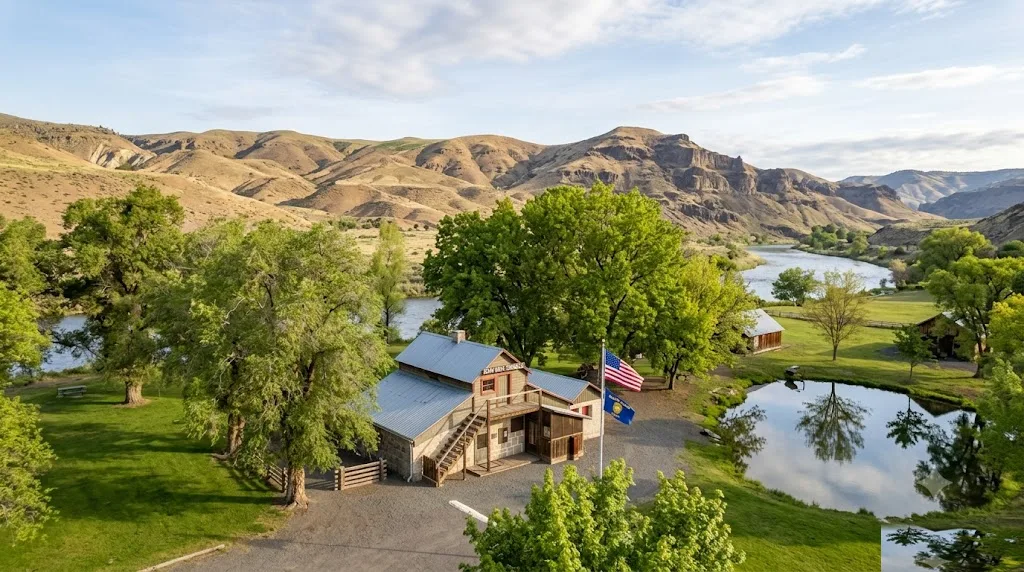
Our Kam Wah Chung State Heritage Site guide covers practical planning for Kam Wah Chung State Heritage Site Oregon — best time to visit, getting there, and what to do on the ground.
Kam Wah Chung State Heritage Site Travel Guide — Oregon
For those seeking a truly unique glimpse into the American West's rich and often overlooked history, the state of Oregon offers an extraordinary destination: Kam Wah Chung State Heritage Site Oregon. This remarkably preserved 19th-century Chinese apothecary and general store stands as a profound testament to the lives, resilience, and contributions of early Chinese immigrants in the Pacific Northwest. Our team at Roam States has explored countless historical sites, but few capture the essence of a bygone era with such authenticity and detail. Stepping inside Kam Wah Chung is like entering a time capsule, where thousands of artifacts remain exactly as they were left, offering an unparalleled insight into the daily existence, medical practices, and community spirit of a vibrant Chinese population that helped shape Oregon's development.
Why Visit Kam Wah Chung State Heritage Site
Visiting Kam Wah Chung State Heritage Site is an experience unlike any other, offering a deep dive into a pivotal, yet often understated, chapter of American history. This isn't merely a museum; it's a perfectly preserved microcosm of Chinese immigrant life from the late 19th and early 20th centuries. The site, a National Historic Landmark, provides an incomparable glimpse into the past, showcasing the ingenuity and cultural richness of its former residents, Ing "Doc" Hay and Lung On.
So, is Kam Wah Chung State Heritage Site worth visiting? Absolutely. We confidently say it's one of Oregon's most compelling historical attractions. The authenticity is astounding; the building, constructed around 1866, served as a trading post, then became a general store, a Chinese medical clinic, a community center, and a residence. Doc Hay, a renowned herbalist, and Lung On, a shrewd businessman, ran the establishment, serving both the Chinese and American populations for over six decades. The interior remains untouched since the 1950s, with shelves still lined with ancient Chinese herbs, medicinal products, foodstuffs, and personal belongings. This extraordinary preservation allows visitors to truly connect with the stories of these individuals and the broader Chinese community that thrived in eastern Oregon's gold rush era.
The site's significance extends beyond local history; it houses one of the largest collections of primary Chinese documents and traditional Chinese medicine in North America, making it an international destination for scholars and curious travelers alike. The opportunity to witness such a rich cultural legacy, meticulously maintained, makes Kam Wah Chung State Heritage Site a profound and educational journey. We believe that understanding the diverse tapestry of American history is crucial, and Kam Wah Chung offers a vibrant thread in that narrative. If you're pondering whether Kam Wah Chung State Heritage Site is worth visiting, our unequivocal answer is yes – it's an essential stop for anyone interested in American heritage, cultural preservation, and the human stories that shaped our nation.
Who It's Best For
Kam Wah Chung State Heritage Site is an ideal destination for a diverse range of travelers, though some will find it particularly captivating. History buffs, especially those with an interest in the American West, immigration history, or Chinese-American culture, will be enthralled by the site's unparalleled authenticity and extensive collection of artifacts. Educators and students will find it an invaluable resource for understanding 19th and early 20th-century life, traditional Chinese medicine, and the challenges and triumphs of immigrant communities. The detailed guided tours offer a rich educational experience, bringing the stories of Doc Hay and Lung On to life.
Those who appreciate meticulous preservation and a tangible connection to the past will also find this site deeply rewarding. It's perfect for curious adults and anyone seeking a quiet, contemplative experience away from bustling tourist crowds. While the interpretive center is ADA-accessible, the historic building itself, due to its age and preservation efforts, might pose challenges for those with mobility issues, as access is via guided tour through an old structure. Families with older children who have an interest in history and culture will find the stories engaging, but very young children might find the guided tour format less stimulating. Ultimately, if you value stepping back in time to explore a truly unique cultural landmark and appreciate the stories of human resilience, Kam Wah Chung State Heritage Site is undoubtedly for you.
Getting There & Parking
Reaching Kam Wah Chung State Heritage Site is part of the adventure of exploring eastern Oregon. The site is conveniently located in the town of John Day, making it an accessible stop for travelers exploring the region. The primary route to John Day is via Highway 26. Whether you're coming from Bend to the west, Baker City to the east, Burns to the south, or The Dalles or Pendleton to the north, you'll eventually find yourself on Highway 26, which runs through John Day as Main Street.
To get to Kam Wah Chung State Heritage Site, simply follow the brown signs as you enter John Day. Keep an eye out for the distinctive tiger and dragon sign on the north side of Main Street; this marks the intersection where you'll turn north to find the interpretive center. The interpretive center, a beige-colored building with a large brown sign, will be on your right. The address is 125 NW Canton Street, John Day, Oregon.
When it comes to parking, we've found it to be straightforward. Parking spaces are available directly by the heritage center entrance, offering convenient access to both the interpretive center and the historic building. As of 2026, admission to Kam Wah Chung State Heritage Site is free, and based on our research, day-use parking fees are not required at this specific state heritage site, unlike some other Oregon State Parks. This means you can park without needing to purchase a separate permit. For those wondering how to get to Kam Wah Chung State Heritage Site, the journey is well-marked, and once you arrive, parking is hassle-free, allowing you to focus on the incredible history awaiting inside.
Top Things to Do
There are many compelling things to do at Kam Wah Chung State Heritage Site and in the surrounding John Day area that make for a truly memorable trip. Our team highly recommends dedicating ample time to fully immerse yourself in both the historical site and the natural beauty of eastern Oregon.
Things to Do at Kam Wah Chung State Heritage Site
- Take a Guided Tour of the Historic Building: This is the absolute centerpiece of your visit. Access to the original Kam Wah Chung building is exclusively through a guided tour, which typically lasts about 45-60 minutes. Tours are offered daily from May 1 to October 31, 2026, starting at the top of each hour from 9 a.m. to 4 p.m. Space is limited to eight people per tour, and we strongly advise calling ahead to reserve your spot at 541-575-2800. Inside, you'll witness thousands of artifacts—herbal remedies, traditional Chinese medicine tools, personal letters, and everyday items—preserved exactly as they were, offering an unparalleled look into the lives of Doc Hay and Lung On. It's one of the most impactful things to do at Kam Wah Chung State Heritage Site.
- Explore the Interpretive Center: Located across the street from the historic building, the ADA-accessible interpretive center provides additional context and exhibits. It’s open daily from May 1 through October 31, 2026, from 9 a.m. to 4 p.m. Here, you can delve deeper into the history of Chinese immigrants in Oregon, view multimedia materials, and examine valuable artifacts not displayed in the historic building.
- Support Preservation Efforts: While admission is free, donations are crucial for the ongoing preservation of this global treasure. Consider contributing to the Friends of Kam Wah Chung to help maintain this unique historical landmark for future generations.
Things to Do in John Day and Nearby
Beyond the heritage site, John Day serves as a gateway to some of Oregon's most stunning natural and historical attractions. Here are some of the top things to do in John Day and the surrounding area:
- John Day Fossil Beds National Monument: This is a must-see. The monument consists of three distinct units, each offering unique geological formations and paleontological wonders.
- Painted Hills Unit: Famous for its vibrant, stratified layers of red, gold, and black claystone, the Painted Hills are a visual spectacle, especially in the changing light of sunrise or sunset. There are several short, accessible trails here, including the Painted Cove Trail.
- Sheep Rock Unit: Home to the Thomas Condon Paleontology Center, where you can see impressive fossil collections and learn about ancient creatures that roamed Oregon millions of years ago. Don't miss the Blue Basin Overlook Trail for stunning views of blue-hued badlands.
- Clarno Unit: Features dramatic rock formations and fossilized plant remains, offering a different perspective on the region's ancient past.
- Explore John Day River: This undammed river offers opportunities for fishing and, seasonally, white-water rafting. The river's scenic beauty makes it perfect for a relaxing drive or a picnic.
- Grant County Historical Museum & Ranch & Rodeo Museum: Dive deeper into local pioneer and cowboy history at these museums in John Day and nearby Canyon City.
- Strawberry Mountains: Located east of John Day, these mountains offer excellent opportunities for hiking, biking, and fishing in a beautiful natural setting.
- Clyde Holliday State Recreation Site: Just a couple of miles from John Day, this site along the John Day River provides camping, fishing, and wildlife viewing opportunities.
- Sumpter Valley Railroad & Dredge: Take a scenic ride on a historic narrow-gauge railroad or explore the massive gold dredge, offering a glimpse into the region's mining past.
Whether you're exploring the intimate history of the Kam Wah Chung State Heritage Site or venturing into the vast landscapes of the John Day Fossil Beds, the area provides a rich tapestry of experiences for every traveler. These things to do in John Day and its surroundings promise both educational enrichment and outdoor adventure.
Best Time to Visit
Choosing the best time to visit Kam Wah Chung State Heritage Site and the John Day area is crucial for a comfortable and enjoyable trip, as the region experiences significant seasonal contrasts. Our team generally recommends late spring or early fall for the most pleasant weather and optimal access to attractions.
The Kam Wah Chung State Heritage Site's historic building and interpretive center are open seasonally, from May 1 through October 31, 2026. This immediately narrows down your window of opportunity. During this operational period, the weather in John Day can vary significantly.
- Spring (May to early June): We consider this an excellent time to visit. Temperatures are mild, ranging from comfortable highs to cool evenings. The landscape begins to green, and wildflowers can be abundant, especially around the John Day Fossil Beds. There's a higher chance of seeing the Painted Hills' colors deepen with recent precipitation.
- Summer (July and August): This is the warmest and driest time of year, ideal for warm-weather activities and extended daylight hours. Average daily highs can reach into the upper 80s Fahrenheit (around 29°C), sometimes exceeding 100°F (38°C). While days are hot, nights can be significantly cooler, often dropping to 50-55°F (12-13°C), so layers are essential. If you plan to hike extensively, start early to avoid the midday heat. This period is popular, so expect more visitors.
- Fall (September to October): Another prime season. Temperatures are mild and comfortable, similar to spring, making it excellent for outdoor exploration. The autumn colors in the surrounding forests can be beautiful, and the light for photography, especially at the Painted Hills, is often stunning. Precipitation begins to increase towards late fall, which can enhance the colors of the Painted Hills.
- Winter (November to April): The Kam Wah Chung State Heritage Site is closed during these months for preservation. Winters in John Day are cold and can be windy, with average temperatures dropping below freezing and frequent, though usually light, precipitation. While the John Day Fossil Beds remain accessible, some roads or trails might be impacted by snow or ice, and many services in the smaller towns may be limited.
For the best overall experience, combining comfortable temperatures with the full accessibility of the heritage site, we recommend visiting during May, June, September, or October. However, if you prefer hot, sunny weather for outdoor adventures, July and August are also excellent choices, provided you prepare for the heat and significant diurnal temperature swings.
Where to Stay Nearby: Kam Wah Chung State Heritage Site Lodging
When planning your visit to the Kam Wah Chung State Heritage Site, choosing the right lodging in John Day is key to a comfortable and convenient experience. While John Day isn't a sprawling metropolis, it offers several reliable options for Kam Wah Chung State Heritage Site lodging, ranging from well-known chains to charming local motels. Our team prioritizes comfort and accessibility, and we've identified a few top choices.
The town of John Day itself is the most practical base, as it's just minutes from the heritage site. Here are some of the best options for Kam Wah Chung State Heritage Site lodging:
- Best Western John Day Inn: This is often our top recommendation. Located on Main Street, it offers modern conveniences, including complimentary full hot breakfast, free Wi-Fi, ample parking, and an indoor heated pool and jetted spa. Many travelers praise its quiet rooms, helpful staff, and cleanliness. It's also pet-friendly and offers EV charging stations.
- The John Day Motel: A well-regarded option, often praised for its cleanliness and friendly service. It provides practical amenities and is conveniently located.
- Dreamers Lodge: This motel offers comfortable rooms and is close to local restaurants and stores.
- Budget 8 Motel John Day: A budget-friendly choice that still offers free WiFi and complimentary parking.
- Sunset Inn John Day: Conveniently located on Highway 26 in downtown John Day, close to the Kam Wah Chung Museum and other local amenities.
While John Day provides the most direct access to the heritage site and the John Day Fossil Beds, some travelers might consider staying in slightly more distant towns if they are combining their trip with other destinations. For instance, Redmond, about an hour and a half away, offers more upscale lodging options and amenities, though it adds to daily driving time. However, for focused exploration of Kam Wah Chung and the immediate John Day Fossil Beds area, staying right in John Day is undoubtedly the most efficient and enjoyable choice for your Kam Wah Chung State Heritage Site lodging.
Sample 2-Day Itinerary
To help you make the most of your visit to Kam Wah Chung State Heritage Site and the surrounding region, our team has crafted a sample 2-day itinerary. This plan balances historical immersion with natural exploration, ensuring a comprehensive and memorable experience.
Day 1: A Journey Through History and Ancient Landscapes
- Morning (9:00 AM - 12:00 PM): Kam Wah Chung State Heritage Site Immersion. Start your day with a deep dive into history. Head to the Kam Wah Chung State Heritage Site interpretive center. We recommend arriving early and calling ahead to book your guided tour of the historic building. Tours start at the top of the hour and are limited to eight people, so securing your spot is key. Spend about an hour on the guided tour, then explore the interpretive center's exhibits, which provide additional context on Chinese immigrant life in Oregon.
- Lunch (12:00 PM - 1:00 PM): Local Flavors in John Day. Grab lunch at one of John Day's local eateries. Options like Outpost Pizza, Pub & Grill or 1188 Brewing Company offer hearty meals and a taste of local hospitality.
- Afternoon (1:00 PM - 5:00 PM): John Day Fossil Beds - Sheep Rock Unit. After lunch, head west of John Day to the Sheep Rock Unit of the John Day Fossil Beds National Monument. Your first stop should be the Thomas Condon Paleontology Center, where you can explore impressive fossil exhibits and learn about the region's ancient past. Afterward, take a hike on the Blue Basin Overlook Trail for stunning views of the unique blue-green badlands.
- Evening: Relax and Recharge. Return to your John Day lodging. For dinner, explore more of John Day's dining scene, perhaps trying the Squeeze-In Restaurant for a casual meal or the Grubsteak Mining Co. Bar & Grill for a more substantial steak dinner.
Day 2: Painted Hills Wonders and Oregon's Outback
- Morning (9:00 AM - 1:00 PM): The Iconic Painted Hills. Dedicate your morning to the most famous unit of the John Day Fossil Beds: the Painted Hills. Drive to the Painted Hills Unit, located north of Mitchell. Spend several hours exploring the various viewpoints and short trails, such as the Painted Cove Trail and the Leaf Hill Trail. The colors of the hills are constantly changing with the light, so take your time to appreciate this natural wonder.
- Lunch (1:00 PM - 2:00 PM): Picnic or Drive-Through. Consider packing a picnic to enjoy amidst the scenic beauty of the Painted Hills, or grab a quick bite in the small town of Mitchell on your way back towards John Day.
- Afternoon (2:00 PM - 5:00 PM): John Day River or Local History.
Depending on your interests, you have a couple of options:
- Option A (Nature): Explore the John Day River. Enjoy some fishing, or simply find a scenic spot to relax by the water. You could also visit Clyde Holliday State Recreation Site for some easy hiking or birdwatching along the river.
- Option B (History): Delve deeper into local history at the Grant County Ranch & Rodeo Museum in John Day or take a short drive to Canyon City to visit the Grant County Historical Museum, which offers insights into the gold rush era.
- Evening: Farewell to Eastern Oregon. Enjoy a final dinner in John Day. If time allows, consider a drive through the Strawberry Mountains for some breathtaking views before heading home or to your next US travel destination. For those continuing their Oregon adventure, consider heading west towards Crater Lake National Park or north to the Columbia River Gorge.
Last updated: 2026-07-08 by the Roam States team.