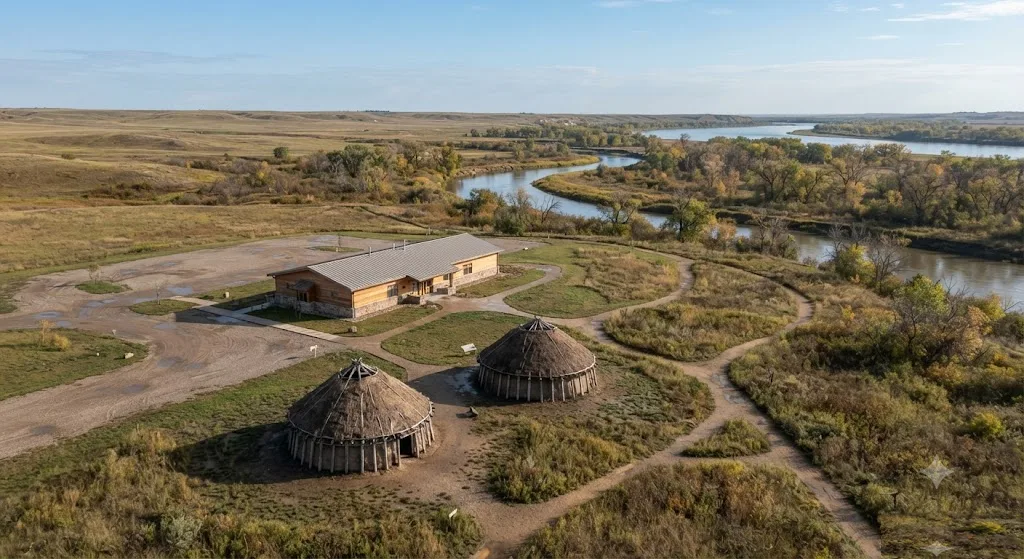
Welcome to our comprehensive guide to Knife River Indian Villages North Dakota. Our team at Roam States is dedicated to providing independent, confident, and specific travel advice, steering clear of generic fluff. Here, we delve into one of North Dakota's most significant historical and cultural sites, offering you all the verified 2026 facts you need to plan an unforgettable visit. From the ancient earthlodge communities to the confluence of the Knife and Missouri Rivers, we'll ensure you're prepared to explore this remarkable testament to Northern Plains Indian history.
Why Visit Knife River Indian Villages
Stepping onto the grounds of Knife River Indian Villages National Historic Site is like walking through centuries of history, a profound experience we believe every traveler to North Dakota should undertake. This 1,758-acre site preserves the remnants of three Hidatsa villages: Awatixa Xi'e (Lower Hidatsa), Awatixa (Sakakawea Village), and Big Hidatsa Village, which thrived for over 300 years at the confluence of the Knife and Missouri Rivers.
What makes this site so compelling is its deep connection to the Mandan, Hidatsa, and Arikara people, whose agricultural lifeways and vibrant trade networks shaped the Northern Plains. It was a major Native American trade center for hundreds of years, later becoming an important marketplace for fur traders after 1750.
Visitors can explore reconstructed earthlodges, providing an immersive glimpse into daily life in these bustling communities. Imagine families boiling buffalo meat in clay pots or pounding corn with mortar and pestle—these are the stories etched into the landscape here.
Beyond the archaeological significance, the site holds a special place in American history due to its association with Sacagawea. She was living among the Hidatsa at the Awatixa Village when she joined the Lewis and Clark Expedition as a guide and interpreter in 1804-1805.
For those interested in natural history, the park's diverse ecosystems, ranging from prairie to woodland, offer opportunities for birdwatching and wildlife viewing.
Who It's Best For
Our team confidently recommends Knife River Indian Villages National Historic Site for a wide array of visitors, particularly those with a keen interest in American history, Native American culture, and archaeology. It's an exceptional destination for history buffs eager to delve into the pre-Columbian and early contact periods of the Northern Plains. The museum exhibits, orientation film, and reconstructed earthlodge offer rich educational experiences for all ages.
Families with school-aged children will find the site engaging, offering tangible connections to textbook history and opportunities for hands-on learning. The Junior Ranger program is a fantastic way for kids to interact with the park's themes and earn a badge.
Outdoor enthusiasts will appreciate the extensive trail system, perfect for hiking, self-guided walks, and even cross-country skiing in winter. Birdwatchers and nature lovers will find ample opportunities to observe local wildlife and migratory birds in the park's diverse habitats.
Photographers will also find the serene landscapes, reconstructed structures, and river views incredibly rewarding, especially during sunrise or sunset. Whether you're a solo explorer, a couple seeking cultural immersion, or a family on an educational adventure, Knife River Indian Villages North Dakota offers a unique and enriching experience.
How to Get There
Reaching Knife River Indian Villages National Historic Site is straightforward, though it requires a car as it's located in a more rural part of North Dakota. The site is approximately one-half mile north of Stanton, North Dakota, on County Road 37.
Driving Directions:
- From Bismarck: The site is about an hour's drive northwest of Bismarck. You can take Interstate 94 West to Exit 147, then turn right onto North Dakota-25 North. Turn right on 28th Avenue Southwest, then left on North Dakota 200 Alternate West. Finally, turn right on North Dakota 31 North, which becomes County Road 37 leading directly to the park.
- From Minot: It's about a one-and-a-half-hour drive southwest of Minot.
- From Dickinson: Expect about a 90-minute drive from Dickinson.
Air Travel:
The closest commercial airports are Bismarck (BIS), approximately 60 miles away, and Minot (MOT), about 85 miles away. Hazen, North Dakota, which is about 15 miles from the site, has an airport for small planes.
Parking:
Ample parking is available at the Visitor Center. For larger groups, charter and tour bus parking is also provided.
We always recommend checking the official National Park Service website for any current alerts or road conditions before your journey, especially during winter months when North Dakota weather can be unpredictable.
Top Things to Do
Our team has explored every corner of Knife River Indian Villages North Dakota, and we assure you there's a wealth of experiences awaiting your visit. Here are the top things to do to fully immerse yourself in this historic site and the surrounding area:
Explore the Visitor Center and Museum
Your journey should always begin at the Visitor Center. Here, you'll find comprehensive exhibits detailing the lives, customs, and history of the Northern Plains Indian Tribes. Watch the 15-minute orientation film to gain valuable context before venturing out into the villages. The Visitor Center also houses a bookstore where you can find unique craftwork made by descendants of these village Indians.
Step Inside the Reconstructed Earthlodge
Just behind the Visitor Center, you'll find a full-sized reconstructed earthlodge. Stepping inside is a truly immersive experience, bringing to life the living conditions of the Hidatsa people. During peak season (Memorial Day to Labor Day), ranger-guided tours of the furnished earthlodge are offered at the top of every hour from 9:00 AM to 4:00 PM (Mountain Time), providing deeper insights into daily life.
Hike the Village Trails
The park offers several trails, varying in length from one-half to seven miles, that take hikers through prairie and woodland ecosystems.
- Village Trail: This easy, 1.3-mile loop trail starts near the Visitor Center and leads you to the Awatixa Xi'e (Lower Hidatsa) and Awatixa (Sakakawea) villages. Interpretive signs along the way describe the archaeological features, including earthlodge depressions, fortification ditches, and cache pits. This is where Sacagawea resided when Lewis and Clark passed through the area.
- Two Rivers Trail: For a longer hike, the Two Rivers Trail (approximately 6.2 miles) offers views of both the Knife and Missouri Rivers. It also provides access to the Big Hidatsa Village, which contains the greatest quantity of earthlodge depressions in the park.
- North Forest Trail: This 2.2-mile trail winds through the northern part of the site, offering more opportunities for nature observation.
All trails are open from sunrise to sunset, and pets are permitted on trails but must be on a leash.
Participate in Ranger Programs and Events
The park frequently hosts ranger-guided walks and programs, especially during summer. These can include talks inside the earthlodge, guided tours to the village sites, and special "Hands on History" workshops focusing on traditional crafts like pottery or beading. Kid's Camp Days are also offered, making Knife River Indian Villages with kids an enriching experience.
Visit the Hidatsa Garden
Seasonally, you can visit the Hidatsa garden to learn about the traditional crops—corn, beans, squash, and sunflowers—and agricultural techniques used by the village residents. This offers a tangible connection to the lifeways of the Northern Plains Indians.
Things to Do in Stanton and Nearby
While the villages are the primary draw, there are other things to do in Stanton and the surrounding region:
- Fishing: With the Knife and Missouri Rivers nearby, fishing for catfish and sturgeon is a popular activity, provided you have a North Dakota license.
- Sakakawea Park Campground: Located in Stanton, this offers a place to stay and enjoy the riverfront.
- Lewis and Clark Interpretive Center & Fort Mandan State Historic Site: Just a short drive away in Washburn, these sites complement the Knife River experience by detailing the Lewis and Clark Expedition's winter encampment and interaction with the Mandan and Hidatsa tribes.
- Lake Sakakawea State Park: Offering extensive recreational opportunities, including boating, camping, and fishing, this large reservoir is a significant regional attraction.
- Garrison Dam: A massive earth-fill dam on the Missouri River, offering scenic views and recreational access.
Exploring Knife River Indian Villages National Historic Site and the surrounding area offers a deep dive into North Dakota's rich past and vibrant natural beauty. We encourage you to plan enough time to fully appreciate all these things to do.
Visiting With Kids
Our team firmly believes that Knife River Indian Villages National Historic Site is an excellent destination for families, offering a unique and educational experience for children of all ages. Visiting with kids here transforms history lessons into tangible adventures.
Children are often captivated by the reconstructed earthlodge, which provides a vivid, hands-on understanding of how people lived centuries ago. They can step inside, imagine the central firepit, and envision daily life in a traditional Hidatsa home.
The park's Junior Ranger program is a highlight for many young visitors. Kids can pick up a Junior Ranger booklet at the Visitor Center, complete age-appropriate activities and questions as they explore the site, and then take an oath to become official Junior Rangers. This program is designed to guide them through the park and ensure they learn something new.
The easy, well-maintained trails, particularly the Village Trail, are perfect for little legs. Kids can enjoy walking to the village sites, spotting earthlodge depressions, and learning about the archaeological features through interpretive signs. Keep an eye out for wildlife like deer and various bird species, which can add an exciting element to the hike.
During summer, the park often hosts special "Kid's Camp Day" events, featuring games, crafts, and guided explorations tailored for children aged 6-12. These programs, sometimes including activities like pottery or beading workshops, make Knife River Indian Villages with kids an even more interactive and memorable visit.
We recommend allowing ample time for children to explore at their own pace, asking questions and engaging with the exhibits and rangers. The blend of indoor learning at the Visitor Center and outdoor exploration of the villages and trails makes it an ideal educational outing for the whole family.
Best Time to Visit
To truly maximize your experience at Knife River Indian Villages North Dakota, timing your visit is key. Our team has found that each season offers a distinct charm, but some periods are more conducive to exploring the outdoor elements of the site.
Summer (June-August):
Summer is undoubtedly the most popular time to visit. The weather is warm, with temperatures typically ranging from the 70s to 80s°F, though occasionally reaching 100°F. All trails are accessible, and the reconstructed earthlodge is furnished with replica artifacts. This season also brings the most ranger-guided tours, programs, and special events, including Kid's Camps and cultural activities. However, be prepared for potential afternoon thunderstorms.
Autumn (September-November):
We highly recommend a fall visit. The crisp temperatures (40s-60s°F) and vibrant foliage make for picturesque hiking conditions. The crowds thin out, offering a more serene experience. Special programs like the "Lifeways of the Northern Plains" often take place, providing deeper cultural insights. It's an ideal time for birdwatching as migratory birds pass through.
Spring (April-May):
Spring offers mild weather, with temperatures between 40°F and 60°F, and the landscape comes alive with blooming wildflowers and migrating birds. It's a great time for hiking and exploring the earthlodges before the peak summer heat. Some events, like living history programs, may begin in late spring.
Winter (December-March):
For a truly unique and quiet experience, consider a winter visit. While temperatures can be extremely cold, often below 32°F and sometimes as low as -35°F, the serene snow-covered landscape is beautiful. The Visitor Center and earthlodge remain open, offering a warm refuge and a glimpse into historical Native American life amidst the quiet of winter. Some trails are groomed for cross-country skiing. Just be sure to dress warmly and check for any weather-related closures or alerts.
Our expert verdict: For the best balance of comfortable weather, full access to programs, and furnished earthlodge experiences, aim for late spring or early fall. If you prefer fewer crowds and don't mind bundling up, winter offers a uniquely peaceful visit.
Where to Stay Nearby
While Knife River Indian Villages National Historic Site itself does not offer overnight accommodations, there are several options in nearby towns that our team can confidently recommend. Camping is not permitted within the park to preserve archaeological features, but primitive and electric camping options are available in surrounding cities and state parks within a thirty-mile radius.
Stanton, North Dakota (Closest Town)
Stanton is the closest town to the historic site, offering basic amenities. You'll find local campgrounds like Sakakawea Park Campground, which can be a convenient option for RV or tent campers.
Hazen, North Dakota (Approx. 15 miles)
Hazen is a slightly larger community with more lodging choices. You can find hotels here, such as the Cobblestone Hotel & Suites - Beulah (which is technically in Beulah, but often listed for Hazen/Beulah area) or the AmericInn by Wyndham Beulah. These typically offer amenities like complimentary breakfast, WiFi, and sometimes indoor pools.
Beulah, North Dakota (Approx. 20 miles)
Beulah offers similar options to Hazen, with hotels like the AmericInn by Wyndham Beulah and the Cobblestone Hotel & Suites. These are good choices for travelers looking for comfortable, modern accommodations with standard hotel services.
Bismarck, North Dakota (Approx. 60 miles)
As the state capital, Bismarck offers the widest range of lodging options, from budget-friendly motels to upscale hotels. If you prefer a larger city with more dining and entertainment choices, staying in Bismarck and driving to Knife River Indian Villages for a day trip is a popular choice. We often recommend combining a visit here with other attractions in Bismarck, such as the North Dakota Heritage Center & State Museum or Fort Abraham Lincoln State Park.
Riverdale, North Dakota (Approx. 20-30 miles)
Riverdale, located near Lake Sakakawea, might offer vacation rentals or inns, particularly for those interested in combining their historical visit with lake activities. The Riverdale Inn is one such option.
We advise booking accommodations in advance, especially during the summer months, to ensure availability and the best rates.
Sample 2-Day Itinerary
To fully appreciate the historical depth and natural beauty of Knife River Indian Villages North Dakota and its surroundings, our team has crafted a sample 2-day itinerary. This plan allows for a comprehensive exploration without feeling rushed.
Day 1: Immersion at Knife River Indian Villages
- Morning (9:00 AM - 12:00 PM): Arrival and Visitor Center Exploration
- Arrive at Knife River Indian Villages National Historic Site. Head straight to the Visitor Center.
- Watch the 15-minute orientation film to set the historical context.
- Explore the museum exhibits, focusing on the Hidatsa, Mandan, and Arikara cultures and their lifeways.
- Engage with a park ranger to learn about current programs or ask questions.
- Pick up a Junior Ranger booklet if you're visiting with kids.
- Lunch (12:00 PM - 1:00 PM): Picnic at the Park
- Enjoy a packed lunch at the picnic shelter near the Visitor Center. There are no food services within the park, so plan accordingly.
- Afternoon (1:00 PM - 5:00 PM): Earthlodge and Village Trails
- Take a ranger-guided tour of the reconstructed earthlodge (offered hourly during summer).
- Walk the 1.3-mile Village Trail to visit the Awatixa Xi'e (Lower Hidatsa) and Awatixa (Sakakawea) villages, observing the earthlodge depressions and interpretive signs.
- If time and energy permit, or if you're keen on more hiking, consider starting the Two Rivers Trail towards Big Hidatsa Village.
- Evening: Dinner and Overnight in Hazen or Beulah
- Drive to Hazen or Beulah (approx. 15-20 minutes) for dinner and check into your hotel.
- Relax and reflect on the day's historical discoveries.
Day 2: Lewis & Clark and Lake Sakakawea
- Morning (9:00 AM - 12:00 PM): Lewis & Clark History
- After breakfast, drive to Washburn (approx. 30 minutes from Hazen/Beulah) to visit the Lewis and Clark Interpretive Center.
- Explore the exhibits detailing the expedition's time in North Dakota and their interactions with Native American tribes.
- Visit the adjacent Fort Mandan State Historic Site, a reconstructed replica of the winter fort where Lewis and Clark stayed.
- Lunch (12:00 PM - 1:00 PM): Local Eatery
- Grab lunch in Washburn or head towards Lake Sakakawea.
- Afternoon (1:00 PM - 5:00 PM): Lake Sakakawea Exploration
- Head to Lake Sakakawea State Park, a massive reservoir offering various recreational activities.
- Enjoy scenic views, perhaps a short walk along the shore, or consider fishing (with a North Dakota license).
- Visit the Garrison Dam, a significant engineering marvel, for panoramic views of the Missouri River.
- Late Afternoon: Departure or Head to Your Next North Dakota Adventure
- From Lake Sakakawea, you can head back towards Bismarck, or continue your North Dakota journey to other incredible destinations like Theodore Roosevelt National Park or even the quirky Enchanted Highway.
This itinerary provides a robust exploration of the Knife River Indian Villages North Dakota area, offering a blend of history, culture, and natural beauty. For more ideas on what to see and do throughout the state, be sure to check out our guide to the Best places in North Dakota.
Is It Worth Visiting?
Our team at Roam States unequivocally asserts that Knife River Indian Villages National Historic Site is absolutely worth visiting. In a state known for its vast prairies and rugged badlands, this site offers a profound and essential dive into the human history of North Dakota, predating European settlement by centuries.
Unlike many historical sites that rely solely on plaques and ruins, Knife River provides a tangible connection to the past through its reconstructed earthlodge and the visible depressions of ancient villages. It allows visitors to truly visualize the bustling communities that once thrived here, offering a unique perspective on the ingenuity and resilience of the Northern Plains Indians.
The fact that there is no entrance fee makes this invaluable historical experience accessible to everyone. We find this commitment to free access commendable, removing any financial barrier to learning about this critical piece of American heritage.
The site's connection to Sacagawea and the Lewis and Clark Expedition adds another layer of significance, making it a crucial stop for anyone tracing the footsteps of these historical figures. Furthermore, the serene natural setting, with its trails winding along the Knife and Missouri Rivers, offers a peaceful escape and opportunities for wildlife viewing, enhancing the overall experience.
For those seeking genuine cultural immersion and a deeper understanding of the indigenous peoples who shaped this land, Knife River Indian Villages North Dakota is an essential and deeply rewarding destination. It's far from generic; it's a place where history breathes and stories resonate.
Knife River Indian Villages tips
Our top tips for visiting Knife River Indian Villages North Dakota include starting at the Visitor Center for context, wearing comfortable shoes for the trails, bringing water and snacks as options are limited on-site, and attending a ranger program for deeper insight. We also recommend checking the weather and dressing in layers, as conditions can change rapidly in North Dakota.
Knife River Indian Villages parking
Parking at Knife River Indian Villages National Historic Site is readily available and free of charge. There is a large parking lot at the Visitor Center, which can accommodate both cars and charter/tour buses.
best time to visit Knife River Indian Villages
The best time to visit Knife River Indian Villages is during late spring (April-May) or early autumn (September-October) for pleasant weather and fewer crowds. Summer (June-August) offers the most programs and a furnished earthlodge, but can be hot. Winter provides a serene, quiet experience for those prepared for cold temperatures.
Knife River Indian Villages hours and fees
Knife River Indian Villages National Historic Site is open year-round from sunrise to sunset. The Visitor Center and reconstructed earthlodge are open daily from 9:00 AM to 5:00 PM Central Time, year-round. The Visitor Center and earthlodge are closed on Thanksgiving, Christmas Day, and New Year's Day, but the trails and grounds remain accessible. There is no entrance fee to the site; it is free to explore the visitor center, museum, earthlodge, and trails.
Knife River Indian Villages travel guide
This comprehensive guide serves as your Knife River Indian Villages travel guide, covering everything from why to visit, who it's best for, how to get there, top things to do, best time to visit, where to stay, and a sample itinerary. We've included verified 2026 facts on hours, fees, and parking to ensure your trip planning is accurate and stress-free.
Knife River Indian Villages itinerary
A recommended itinerary for Knife River Indian Villages involves starting with the Visitor Center and its film and exhibits, then exploring the reconstructed earthlodge, and finally walking the Village Trail to the Awatixa Xi'e and Awatixa (Sakakawea) villages. Allow at least 3-4 hours for a thorough visit, or a full day if you plan to hike the longer Two Rivers Trail. Consider combining it with nearby Lewis and Clark sites for a rich 2-day historical journey.
In conclusion, Knife River Indian Villages National Historic Site stands as a powerful and essential destination for anyone seeking to understand the rich tapestry of North Dakota's past. Our team encourages you to make this significant site a cornerstone of your Northern Plains adventure. Its blend of profound history, cultural immersion, and natural beauty offers an experience that is both educational and deeply moving.
Last updated: 2026-07-08 by the Roam States team.