Knife River Indian Villages National Historic Site Travel Guide — North Dakota
Our Knife River Indian Villages National Historic Site guide covers practical planning for Knife River Indian Villages National Historic Site North Dakota — best time to visit, getting there, and what to do on the ground. We’ve poured over the details to ensure your trip to this vital historical landmark is as enriching and seamless as possible.
Why Visit Knife River Indian Villages National Historic Site
For those seeking a profound connection to the rich tapestry of Native American history and culture, a visit to Knife River Indian Villages National Historic Site is an absolute must. Our team believes this site offers an unparalleled opportunity to step back in time and explore the enduring legacy of the Hidatsa and Mandan people who thrived along the Knife River for centuries. It's a place where the earth itself tells stories, with visible remains of earthlodge dwellings, cache pits, and fortification ditches in an extraordinary state of preservation.
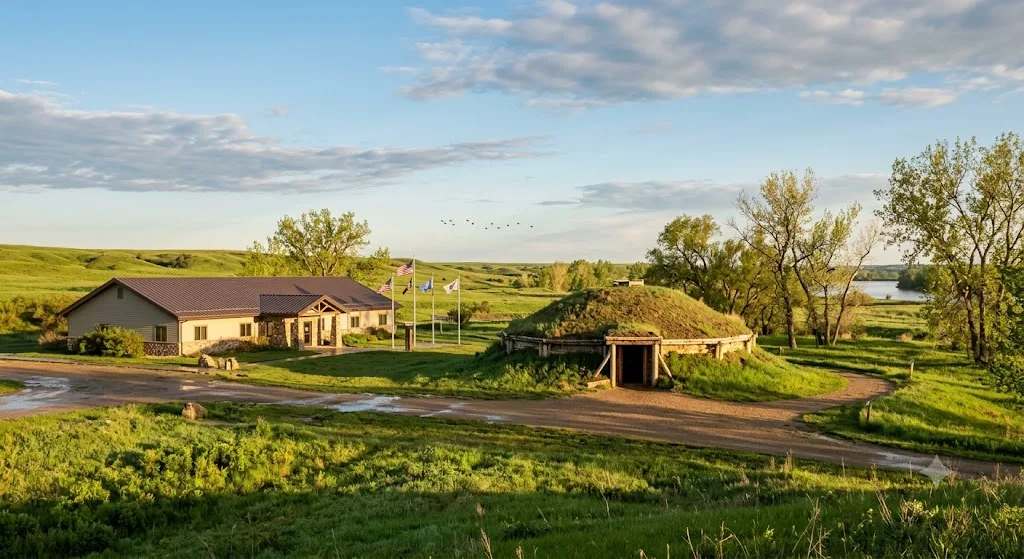
Beyond the archaeological remnants, the site provides a deep dive into the daily lives, customs, and agricultural lifeways of the Northern Plains Indians. The reconstructed earthlodge, furnished with replica artifacts during the summer, offers a tangible sense of what life was like within these communities. You can imagine boiling buffalo meat in a clay pot or pounding corn, truly immersing yourself in their world. This was a significant Native American trade center for hundreds of years, later becoming a crucial marketplace for fur traders after 1750.
We are particularly drawn to the site's connection to Sakakawea, the Shoshone woman who played a pivotal role in the Lewis and Clark Expedition. She resided in one of these very villages, the Awatixa Village (also known as Sakakawea Village), when Lewis and Clark passed through the area and secured her services. This historical link alone makes the Knife River Indian Villages National Historic Site North Dakota a powerful and resonant destination for any history enthusiast.
Is It Worth Visiting?
Absolutely, Knife River Indian Villages National Historic Site is unequivocally worth visiting. Our team confidently asserts that the experience offered here transcends a typical historical stop; it's an immersive journey into a vibrant past. For anyone pondering "is Knife River Indian Villages National Historic Site worth visiting," we emphasize the unique blend of archaeological significance, cultural immersion, and natural beauty that awaits. The site provides a rare chance to walk through the actual village depressions of the Hidatsa and Mandan, visualizing a bustling community that existed for centuries.
The interpretive efforts, from the visitor center's museum exhibits and orientation film to the full-sized earthlodge, bring history to life in a way that static displays often cannot. Furthermore, the fact that there is no entrance fee makes this an incredibly accessible and valuable educational experience for all. Whether you're a history buff, a nature lover, or simply curious about the indigenous cultures of North America, we believe the insights gained and the stories encountered here make it an incredibly rewarding destination. The peaceful setting along the Knife and Missouri Rivers only adds to its allure, providing a serene backdrop for reflection and learning.
Who It's Best For
Knife River Indian Villages National Historic Site caters to a diverse range of travelers, making it a truly inclusive destination. Our team finds it particularly ideal for:
- History Enthusiasts: Those fascinated by Native American cultures, the Lewis and Clark Expedition, and the history of the Northern Plains will find themselves deeply engrossed in the archaeological sites and interpretive exhibits.
- Families with Children: The site offers a Junior Ranger program, which is an excellent way to engage younger visitors in learning about history and the environment. The reconstructed earthlodge and walking trails provide an interactive and educational experience for all ages.
- Nature Lovers and Birdwatchers: With trails winding through prairie and woodland ecosystems, the park is home to many species of migratory birds, especially in spring and fall. It's a peaceful setting for walks and wildlife observation.
- Educators and Students: The rich cultural and archaeological resources make it an invaluable outdoor classroom for understanding indigenous lifeways, trade networks, and early American history.
- Travelers Seeking Authentic Cultural Experiences: Unlike many commercialized attractions, Knife River offers a genuine and respectful portrayal of the Hidatsa and Mandan people, inviting visitors to learn directly from the preserved landscape and interpretive materials.
- Budget-Conscious Travelers: With no entrance fee, the site provides a high-quality historical and cultural experience without the financial barrier, making it accessible to everyone.
Essentially, if you appreciate history, culture, and the outdoors, and prefer an experience that is both educational and reflective, this site is perfectly suited for you.
Getting There & Parking
Navigating to Knife River Indian Villages National Historic Site is straightforward, and our team has gathered the most current information to ensure a smooth arrival. The site is conveniently located one-half mile north of Stanton, North Dakota, on County Road 37. For those traveling by air, the closest commercial airports are Bismarck (approximately 60 miles away), Minot (about 85 miles), and Dickinson (around 102 miles). Hazen, North Dakota, which is about 15 miles from the site, also has an airport for small planes.
If you're driving from a major city, expect about an hour's drive northwest from Bismarck or roughly an hour and a half southwest from Minot. The drive itself offers scenic views of the North Dakota landscape, setting the stage for your historical exploration. When considering how to get to Knife River Indian Villages National Historic Site, personal vehicle is generally the most flexible option, allowing you to explore at your own pace.
Parking at Knife River Indian Villages National Historic Site is ample and convenient. There is a dedicated parking lot at the Visitor Center, which can also accommodate charter and tour buses. We can confirm that there are no parking fees for visitors. This site is fee-free year-round, meaning no entrance fee or pass is required to explore the park, visitor center, museum, earthlodge, and trails. Reservations are not required for general entry to the park or visitor center. However, if you are bringing a school or tour bus group, it is advisable to call ahead at (701) 745-3300 to ensure the best experience for your group.
Top Things to Do
At Knife River Indian Villages National Historic Site, the opportunities for discovery are abundant, offering a blend of historical immersion and natural exploration. Our team has identified the top things to do at Knife River Indian Villages National Historic Site, ensuring you make the most of your visit.
Explore the Visitor Center and Museum
Your journey should begin at the Visitor Center, which features an entrance shaped like a giant eagle, welcoming you inside. Here, you can watch an orientation film that provides essential context about the Hidatsa and Mandan people and their history. The museum exhibits offer a fascinating look at the daily life, customs, and cultural traditions of the Northern Plains Indians, showcasing artifacts and detailed displays. You'll also find a bookstore where you can purchase craftwork made by descendants of these village Indians, as well as books and other educational materials.
Step Inside the Reconstructed Earthlodge
Just behind the Visitor Center, you'll find a full-sized reconstructed earthlodge, furnished with replica artifacts during the summer season. Walking into this impressive structure offers a truly immersive experience, allowing you to visualize the living conditions and community life within these traditional dwellings. Ranger-guided tours of the furnished earthlodge are held hourly from 9:00 AM to 4:00 PM between Memorial Day and Labor Day weekends, providing deeper insights into its construction and significance.
Hike the Village Trails
The park boasts several self-guided trails that lead to the archaeological village sites. The main Village Trail, starting near the earthlodge, is about 1.25 miles round trip and takes you to three significant village sites: Awatixa Xi'e Village (Lower Hidatsa), Awatixa Village (Sakakawea Village), and Big Hidatsa Village. These trails allow you to see evidence of earthlodge depressions, fortification ditches, and cache pits firsthand. Interpretive signs along the way describe the features you encounter, bringing the ancient landscape to life. Other park trails, varying from half a mile to seven miles, traverse prairie and woodland ecosystems, perfect for a longer hike. Pets are permitted on trails but must be on a leash.
Participate in Ranger Programs
Beyond the hourly earthlodge tours, rangers offer programs on Saturdays and Sundays at 1:30 PM, as well as guided walks to the Lower Hidatsa and Sakakawea Villages on Saturdays and Sundays at 10:30 AM during peak season. These programs provide invaluable context and storytelling from knowledgeable park staff. You can also schedule programs in advance by calling (701) 745-3300.
Become a Junior Ranger
For younger visitors, or even adults young at heart, the Junior Ranger program is a fantastic way to engage with the park's history and natural environment. Pick up a Junior Ranger booklet at the Visitor Center and complete the activities to earn your badge. It’s an interactive and educational experience that our team highly recommends.
Things to Do in Stanton
While the Knife River Indian Villages National Historic Site is the primary draw, there are other things to do in Stanton and the surrounding Mercer County area to complement your visit. Stanton itself is a small, historic town with a population of 366 as of 2010. You can enjoy the peaceful atmosphere of Stanton City Park, which offers picnicking opportunities. For those interested in local recreation, fishing is permitted along the Knife and Missouri Rivers with a North Dakota license. Nearby, you can find other attractions that highlight North Dakota's natural beauty and history:
- Fort Clark State Historic Site: Just a short drive away, this site offers interpretation of another Plains Indian village and a fur trading post, providing further historical context for the region.
- Lake Sakakawea State Park: Located in Pick City, this state park on Lake Sakakawea offers extensive opportunities for boating, fishing, camping, picnicking, and swimming. It's a great spot for outdoor recreation.
- Cross Ranch State Park/Nature Preserve: Found in Center, this park features bottomland forest along the Missouri River and a 6,000-acre Nature Conservancy preserve with a bison herd. It’s an excellent place for hiking and wildlife viewing.
- Pfenning Wildlife Museum: Located in Beulah, this museum displays wildlife from around the world.
- Dakota Gasification Company: Also in Beulah, you can take tours of the only coal gasification plant in North America.
These nearby attractions, along with the core experiences at Knife River Indian Villages National Historic Site, ensure a fulfilling and diverse trip to this part of North Dakota. For more ideas on exploring the state, check out our guide to the Best places in North Dakota.
Best Time to Visit
Choosing the best time to visit Knife River Indian Villages National Historic Site largely depends on your preferences for weather and activities. Our team has analyzed the seasonal variations to help you plan your ideal trip.
Summer (June to August)
The months from June to August are widely considered the best time to visit Stanton and the surrounding area. Summers are generally warm and sunny, with temperatures occasionally reaching 100 degrees Fahrenheit, though frequent afternoon thunderstorms are common. During this period, the weather is comfortably warm and pleasant, making it perfect for touring the city and exploring the outdoor trails at the historic site. Ranger-guided tours of the earthlodge and other programs are in full swing, offering the most comprehensive interpretive experiences. The reconstructed earthlodge is also furnished with replica artifacts during the summer.
Spring (April to May) and Fall (September to October)
Spring and fall offer milder temperatures and fewer crowds, making them excellent shoulder seasons for a visit. The changing leaves in autumn can provide a beautiful backdrop for exploring the historic sites. Many species of migratory birds visit the park in spring and fall, making these seasons ideal for birdwatching. While some ranger programs might be less frequent than in peak summer, the trails and visitor center remain accessible and enjoyable.
Winter (November to March)
Winters in North Dakota are invigorating, but can be extremely cold, with temperatures dropping as low as -35 degrees Fahrenheit. High winds and sunny skies are common, and blizzards can occur. While snow is sporadic, the Two Rivers and North Forest trails are groomed for cross-country skiing, offering a unique winter experience for adventurous visitors. The Visitor Center and Earthlodge are closed on Thanksgiving, Christmas Day, and New Year's Day, but the park trails and grounds remain open from sunrise to sunset, unless otherwise indicated by park alerts.
Ultimately, for the most comfortable weather and the widest range of interpretive programs, we recommend a summer visit. However, if you prefer cooler temperatures, fewer people, and don't mind bundling up, spring and fall offer their own distinct charm, and winter provides a serene, snowy landscape for cross-country skiing.
Where to Stay Nearby
When planning your trip to Knife River Indian Villages National Historic Site, finding comfortable and convenient Knife River Indian Villages National Historic Site lodging is key. While Stanton itself is a small town, several excellent options are available in nearby communities, typically within a 15-30 minute drive. Our team has identified some of the best hotels near Knife River Indian Villages National Historic Site to ensure a pleasant stay.
Stanton
Within Stanton, options are limited but can include local motels or inns. The Coal Country Inn is noted for its modern yet straightforward accommodations, offering free Wi-Fi and parking, plus a 24/7 market.
Beulah
Just a short drive from Stanton, Beulah offers more choices. The Cobblestone Hotel & Suites - Beulah comes highly recommended, known for its quality amenities, indoor pool, hot tub, and high-speed internet access. Another reliable option is the AmericInn by Wyndham Beulah, praised for its friendly service and comfortable accommodations.
Underwood
About 15 miles from Stanton, Underwood features the Dakota Rose Inn, a budget-friendly and pet-friendly option ideal for those who want to immerse themselves in outdoor recreation.
Riverdale
Approximately 12 miles from Stanton, Riverdale offers the Riverdale Inn, which boasts exceptional guest ratings and is a good choice for golf enthusiasts.
Bismarck and Mandan
For a wider array of amenities, dining, and lodging choices, Bismarck (about an hour away) and Mandan are excellent options. You'll find numerous chain hotels here, including Comfort Inn & Suites, My Place Hotel, and others, offering a full range of services. While further out, these cities provide the most extensive selection of hotels, restaurants, and shopping, making them a good base if you plan to explore more of central North Dakota, including Theodore Roosevelt National Park or the Enchanted Highway.
Camping is not permitted within Knife River Indian Villages National Historic Site to preserve archaeological features. However, camping, both primitive and with electricity, is available in nearby cities and state parks within a thirty-mile radius, such as Lake Sakakawea State Park and Cross Ranch State Park.
When searching for Knife River Indian Villages National Historic Site lodging, we recommend checking booking sites like Expedia or Skyscanner for competitive prices and options that suit your needs.
Sample 2-Day Itinerary
To help you maximize your visit to Knife River Indian Villages National Historic Site and the surrounding area, our team has crafted a sample 2-day itinerary. This plan balances historical exploration with local attractions, ensuring a comprehensive and enjoyable trip.
Day 1: Immersion at Knife River Indian Villages
- Morning (9:00 AM - 12:00 PM): Arrival and Visitor Center Exploration
- Arrive at Knife River Indian Villages National Historic Site.
- Start at the Visitor Center. Watch the orientation film to gain an overview of the Hidatsa and Mandan cultures.
- Explore the museum exhibits, which detail the history, daily life, and traditions of the Northern Plains Indians.
- Pick up a Junior Ranger booklet if traveling with kids (or for yourself!).
- Lunch (12:00 PM - 1:00 PM): Picnic at the Park
- Enjoy a packed lunch at the picnic shelter near the Visitor Center, or at the Stanton city park.
- Afternoon (1:00 PM - 4:30 PM): Earthlodge and Village Trails
- Take an hourly ranger-guided tour of the reconstructed earthlodge to learn about its construction and the life within.
- Embark on the self-guided Village Trail to Awatixa Xi'e Village, Awatixa Village (Sakakawea Village), and Big Hidatsa Village. Allow ample time to read the interpretive signs and reflect on the archaeological remnants.
- Consider a ranger-guided walk to the villages if available (check schedules for 10:30 AM on weekends during peak season).
- Evening: Dinner and Relaxation
- Check into your chosen accommodation in Stanton, Beulah, or a nearby town.
- Enjoy dinner at a local restaurant.
Day 2: Local History and Outdoor Exploration
- Morning (9:00 AM - 12:00 PM): Fort Clark State Historic Site
- Drive to Fort Clark State Historic Site, a short distance from Knife River.
- Explore the remains of another significant Plains Indian village and a 19th-century fur trading post, further enriching your understanding of the region's history.
- Lunch (12:00 PM - 1:00 PM): Local Eatery
- Grab lunch in a nearby town like Center or Beulah.
- Afternoon (1:00 PM - 5:00 PM): Cross Ranch State Park or Lake Sakakawea State Park
- Choose your adventure:
- Option A (Nature & Wildlife): Head to Cross Ranch State Park/Nature Preserve in Center. Hike through the bottomland forests and upland prairie, and keep an eye out for the resident bison herd.
- Option B (Water Activities): Visit Lake Sakakawea State Park in Pick City. Enjoy boating, fishing, or simply relaxing by the vast lake.
- Choose your adventure:
- Evening: Departure or Extended Stay
- Begin your journey home or consider extending your stay to explore more of North Dakota's unique attractions. You might head west towards Theodore Roosevelt National Park for stunning badlands scenery or explore the quirky art installations along the Enchanted Highway.
FAQ
Knife River Indian Villages National Historic Site with kids
Knife River Indian Villages National Historic Site is an excellent destination for families with kids. Our team recommends starting with the Junior Ranger program, which provides an engaging way for children to learn about the site's history and culture. Kids will particularly enjoy exploring the reconstructed earthlodge and imagining life inside. The easy walking trails to the village sites are suitable for most ages, offering a chance to see archaeological remnants firsthand. The Visitor Center's film and museum exhibits are also designed to be informative and accessible for a younger audience. Remember that pets are allowed on trails but must be leashed and are not permitted in the Visitor Center or earthlodge.
best hotels near Knife River Indian Villages National Historic Site
The best hotels near Knife River Indian Villages National Historic Site are primarily found in nearby towns like Beulah, Underwood, and Riverdale. Our team suggests the Cobblestone Hotel & Suites - Beulah or the AmericInn by Wyndham Beulah for their amenities and comfort. For a budget-friendly and pet-friendly option, consider the Dakota Rose Inn in Underwood. The Coal Country Inn in Stanton is also a convenient choice. For a wider selection of lodging and dining, Bismarck and Mandan are about an hour's drive away.
Knife River Indian Villages National Historic Site tips
Our top Knife River Indian Villages National Historic Site tips include: start at the Visitor Center to watch the orientation film and explore the museum exhibits first. Wear comfortable shoes for walking the trails to the village sites. Bring water, especially during warmer months. Consider visiting during the summer for the most comprehensive ranger programs and furnished earthlodge experience. Don't forget your camera for the scenic views and historical sites. Since there's no entrance fee, it's a great value, but consider supporting the park by purchasing items from the bookstore. Always check the park's official website for any current alerts or changes to hours before your visit.
where to stay near Knife River Indian Villages National Historic Site
For those wondering where to stay near Knife River Indian Villages National Historic Site, your best options are in the surrounding communities. Stanton itself has limited lodging like the Coal Country Inn. Expanding your search to Beulah, Underwood, or Riverdale will yield more choices, such as the Cobblestone Hotel & Suites - Beulah, AmericInn by Wyndham Beulah, Dakota Rose Inn, or Riverdale Inn. If you prefer a larger city with more amenities, Bismarck and Mandan are within an hour's drive and offer a full range of hotels.
Knife River Indian Villages National Historic Site parking
Parking at Knife River Indian Villages National Historic Site is straightforward and free. Our team confirms that there is a large, accessible parking lot located directly at the Visitor Center. This lot can accommodate both standard vehicles and larger vehicles like charter and tour buses. There are no fees associated with parking at the site. The park itself is open from sunrise to sunset daily, even when the Visitor Center is closed, so you can access the trails and grounds during these hours.
best time to visit knife river indian villages national historic site
The best time to visit Knife River Indian Villages National Historic Site is typically during the summer months, from June to August. During this period, the weather is warm and pleasant, ideal for exploring the outdoor trails and village sites. Summer also offers the most frequent ranger-guided tours and programs, and the reconstructed earthlodge is fully furnished. Spring and fall provide milder temperatures and fewer crowds, with excellent birdwatching opportunities. While winters are cold, the trails are open for cross-country skiing, offering a unique, serene experience.
Our team at Roam States believes Knife River Indian Villages National Historic Site offers a profound and accessible journey into the heart of Northern Plains Indian history. Its well-preserved archaeological sites, engaging interpretive center, and reconstructed earthlodge provide an invaluable educational experience that resonates long after your visit. Whether you're a history buff, a nature enthusiast, or a family seeking an enriching outing, this site stands as a testament to the enduring legacy of the Hidatsa and Mandan people. We highly recommend dedicating ample time to explore the trails and immerse yourself in the stories etched into this significant landscape.
Last updated: 2026-07-08 by the Roam States team.